Flavonóides
Os flavonoides são um grupo de metabólitos vegetais com propriedades antioxidantes que contribuem para a cor de frutas e flores. Eles desempenham um papel importante na proteção das plantas contra radiação UV e patógenos. Os flavonoides são estudados por seus potenciais benefícios à saúde, incluindo propriedades anti-inflamatórias, antivirais e anticancerígenas. Eles são amplamente pesquisados nos campos da farmacologia, nutrição e biologia molecular.
Subcategorias de "Flavonóides"
- Antocianidinas(46 produtos)
- Antocianinas(46 produtos)
- Catequinas(88 produtos)
- Chalconas(237 produtos)
- Pterocarpanos(28 produtos)
Foram encontrados 2408 produtos de "Flavonóides"
Ordenar por
Pureza (%)
0
100
|
0
|
50
|
90
|
95
|
100
Neoisoliquiritin
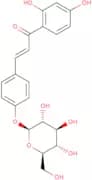
CAS:<p>Neoisoliquiritin is a bioactive flavonoid glycoside, which is a derivative of isoliquiritin. It is primarily sourced from the roots of Glycyrrhiza species, commonly known as licorice plants. This compound is formed through the natural modifications of flavonoids within the plant, involving glycosylation processes that enhance its solubility and stability.</p>Fórmula:C21H11O9Pureza:Min. 95%Cor e Forma:PowderPeso molecular:418.39 g/mol6-Prenyl-3'-methoxydaidzein
<p>6-Prenyl-3'-methoxydaidzein is a prenylated isoflavonoid, which is a secondary metabolite frequently found in the Leguminosae family, particularly in the roots of certain plant species. This compound exhibits a unique structural modification that involves the addition of a prenyl group, which can enhance its biological activity. Known for its potential antioxidant properties, 6-Prenyl-3'-methoxydaidzein acts by scavenging free radicals and reducing oxidative stress within cellular systems.</p>Fórmula:C21H20O5Pureza:Min. 95%Peso molecular:352.38 g/mol(S)-Equol
CAS:(S)-Equol is a non-steroidal estrogen, which is a metabolite produced by the gut microbiota from dietary isoflavones, specifically daidzein, found in soy and other legumes. It has high affinity for estrogen receptor beta, playing a significant role in modulating estrogenic activity without altering steroid hormone levels.Fórmula:C15H14O3Pureza:Min. 98 Area-%Cor e Forma:PowderPeso molecular:242.27 g/molTectoridin
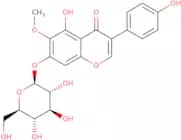
CAS:<p>Tectoridin is a naturally occurring isoflavone glycoside, which is derived from the rhizomes of the Iris plant, particularly from Iris tectorum. This compound acts as a bioactive isoflavone that can undergo enzymatic hydrolysis to release tectorigenin, the aglycone form. Tectoridin and its metabolites are investigated for their pharmacological properties, which include antioxidant, anti-inflammatory, and anti-cancer activities.</p>Fórmula:C22H22O11Pureza:Min. 95%Cor e Forma:White PowderPeso molecular:462.4 g/molQuercetin 3-α-L-rhamnoside
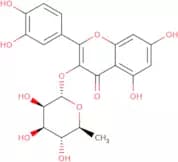
CAS:<p>Quercetin 3-α-L-rhamnoside is a flavonoid compound, which is a plant-derived product with rich biological activity. It is primarily sourced from various fruits and vegetables, where it occurs naturally as a glycoside. The mode of action involves its capability to modulate oxidative stress and inflammation through interactions with several cellular pathways, primarily by acting as an antioxidant and modulating enzyme activity related to reactive oxygen species.</p>Fórmula:C21H20O11Pureza:Min. 95%Cor e Forma:White PowderPeso molecular:448.38 g/mol7,2'-Dihydroxy-4',5'-methylenedioxyisoflavone
CAS:7,2'-Dihydroxy-4',5'-methylenedioxyisoflavone is a naturally occurring isoflavone compound, which is typically isolated from various plant sources. This compound is a secondary metabolite, often found in plants known for their therapeutic properties. Isoflavones are well-recognized for their potential bioactivity, acting as phytoestrogens due to their structural similarity to estrogen.Fórmula:C16H10O6Pureza:Min. 95%Peso molecular:298.25 g/molIsosakuranetin
CAS:Isosakuranetin is a flavonoid compound, which is derived from various plant sources, especially citrus fruits and other botanicals. Its mode of action involves modulating key signaling pathways, primarily through its antioxidant properties. These antioxidants scavenge free radicals, thereby mitigating oxidative stress and reducing cellular damage. This biochemical activity makes isosakuranetin a compound of interest in various fields related to health and disease prevention.Fórmula:C16H14O5Pureza:Min. 95%Cor e Forma:PowderPeso molecular:286.28 g/mol5,6,7-Trimethoxyflavone
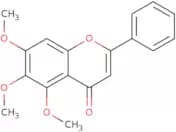
CAS:<p>5,6,7-Trimethoxyflavone is a specialized flavonoid compound, which is derived from natural plant sources. This compound exists primarily in certain species of the plant kingdom, such as citrus fruits, where it is part of a group of polyphenolic compounds known for their diverse biological activities. Its structure is characterized by the presence of three methoxy groups at positions 5, 6, and 7 on the flavone backbone, contributing to its distinct biochemical properties.</p>Fórmula:C18H16O5Pureza:Min. 95%Cor e Forma:PowderPeso molecular:312.32 g/mol(-)-Pinostrobin
CAS:(-)-Pinostrobin is a natural flavonoid compound, which is predominantly found in various plant species, including members of the genus *Cajanus* and *Zingiber*. As a chiral molecule, it exhibits bioactive properties leading to multiple pharmacological effects. The mode of action of (-)-Pinostrobin involves modulation of various biochemical pathways, including antioxidant, anti-inflammatory, and antimicrobial activities. It interacts with cellular enzymes and receptors, exerting its effects through inhibition of pro-inflammatory cytokines and enhancing cellular antioxidant defenses.Fórmula:C16H14O4Pureza:Min. 98 Area-%Cor e Forma:PowderPeso molecular:270.28 g/mol5,3'-Dimethoxyflavone
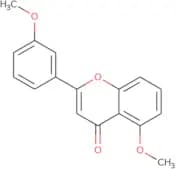
CAS:<p>5,3'-Dimethoxyflavone is a flavone derivative, which is a compound within the larger class of flavonoids. These compounds are primarily sourced from various plant species, where they contribute to pigmentation, growth, and defense. The presence of methoxy groups in this molecule alters its chemical properties, enhancing its solubility and bioavailability, which are critical for biological activity.</p>Fórmula:C17H14O4Pureza:Min. 95%Peso molecular:282.29 g/mol5,2'-Dihydroxyflavone
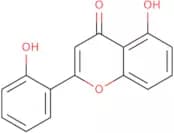
CAS:5,2'-Dihydroxyflavone is a type of flavonoid, which is a class of polyphenolic compounds. These compounds are predominantly found in various plants, serving as part of their secondary metabolites. As a natural phytochemical, 5,2'-Dihydroxyflavone has garnered attention for its potential bioactive properties, particularly in the realm of neuroprotection.Fórmula:C15H10O4Pureza:Min. 95%Peso molecular:254.24 g/molVicenin-2
CAS:Vicenin-2 is a flavonoid glycoside, which is naturally found in various medicinal plants, particularly those belonging to the Asteraceae family. As a product of plant metabolism, it acts as a secondary metabolite with significant biological activities. Derived from sources like Ocimum sanctum (holy basil) and other botanicals, Vicenin-2's mode of action involves free radical scavenging and the modulation of enzymatic activity, contributing to its robust antioxidant properties.Fórmula:C27H30O15Pureza:Min. 97 Area-%Cor e Forma:Yellow PowderPeso molecular:594.52 g/mol7-Methoxyflavone
CAS:7-Methoxyflavone is a bioactive compound classified as a flavonoid, which is derived from various natural sources such as plants, fruits, and vegetables. This compound exerts its biological effects through modulation of enzyme activity and interaction with cellular signaling pathways, primarily involving the modulation of cytochrome P450 enzymes and affecting neurotransmitter systems.Fórmula:C16H12O3Pureza:Min. 95%Cor e Forma:White PowderPeso molecular:252.26 g/mol3,6-Dimethoxyflavone
CAS:<p>3,6-Dimethoxyflavone is a synthetic flavonoid derivative, which is a type of naturally occurring compound often found in a variety of plants. This methoxylated compound is characterized by the presence of two methoxy groups, which enhance its lipophilicity and bioavailability. Flavonoids, as a class, are well-known for their diverse biological activities, and 3,6-Dimethoxyflavone builds on this inherent property.</p>Fórmula:C17H14O4Pureza:Min. 95%Peso molecular:282.29 g/mol8,3'-Dihydroxydaidzein
CAS:<p>8,3'-Dihydroxydaidzein is a naturally occurring isoflavonoid compound, which is a type of phytoestrogen predominantly found in soy and other leguminous plants. This compound is biosynthesized through the pathways involving the hydroxylation of daidzein, a well-known isoflavone. As a phytoestrogen, 8,3'-Dihydroxydaidzein mimics estrogenic activity by binding to estrogen receptors, thereby influencing various physiological processes in organisms.</p>Fórmula:C15H10O6Pureza:(Hplc-Ms) Min. 80 Area-%Cor e Forma:PowderPeso molecular:286.24 g/molGenkwanin
CAS:<p>Genkwanin is a flavonoid compound, which is a type of natural phenolic compound, often found in various plant sources, such as herbs like Daphne genkwa. This compound originates from plants known for their medicinal properties and is derived through the extraction and isolation of specific phytochemical constituents.</p>Fórmula:C16H12O5Pureza:Min. 98 Area-%Cor e Forma:Yellow PowderPeso molecular:284.26 g/mol7,2',4'-Tribenzyloxyisoflavone
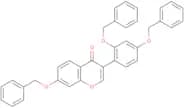
CAS:<p>7,2',4'-Tribenzyloxyisoflavone is a synthetic compound, which is a derivative of isoflavones, known for its potential role in biochemical and pharmacological research. This compound is primarily sourced through chemical synthesis involving the modification of the isoflavone structure by introducing benzyloxy groups, which alters its physicochemical properties and enhances its stability and solubility for research purposes.</p>Fórmula:C36H28O5Pureza:Min. 95%Peso molecular:540.6 g/mol3',4',7-Trihydroxyisoflavone
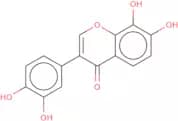
CAS:3',4',7-Trihydroxyisoflavone is a naturally occurring isoflavone, which is derived from plants, particularly those in the legume family. This compound is part of the flavonoid class of polyphenols, known for their extensive presence in various plant and food sources. The source of 3',4',7-Trihydroxyisoflavone can often be traced back to soybeans and other similar legumes, which are rich in these phenolic compounds.Fórmula:C15H10O5Pureza:Min. 95%Cor e Forma:Slightly Yellow PowderPeso molecular:270.24 g/molIsopomiferin-3',4'-dimethyl ether
Isopomiferin-3',4'-dimethyl ether is a bioactive compound, which is a naturally-occurring flavonoid derivative. It is sourced from various plant species, often found in traditional medicinal plants, exhibiting diverse biological activities due to its complex chemical structure. The mode of action involves interaction with cellular pathways, potentially influencing enzymes and receptor signaling, offering valuable insight into its biochemical and pharmacological properties.Fórmula:C27H28O6Pureza:Min. 95%Cor e Forma:PowderPeso molecular:448.51 g/molLuteolin-7-glucuronide
CAS:<p>Luteolin-7-glucuronide is a flavonoid glucuronide, which is a metabolite of luteolin found in various plants. It is a naturally occurring compound sourced primarily from herbs and vegetables such as celery, parsley, and artichokes. Its mode of action involves the modulation of oxidative stress and inflammation through its capacity to scavenge free radicals and inhibit inflammatory pathways. This compound exerts its effects by modulating signaling pathways, such as NF-κB and MAPK, contributing to its anti-inflammatory properties.</p>Fórmula:C21H18O12Pureza:Min. 98 Area-%Cor e Forma:PowderPeso molecular:462.36 g/mol