Flavonóides
Os flavonoides são um grupo de metabólitos vegetais com propriedades antioxidantes que contribuem para a cor de frutas e flores. Eles desempenham um papel importante na proteção das plantas contra radiação UV e patógenos. Os flavonoides são estudados por seus potenciais benefícios à saúde, incluindo propriedades anti-inflamatórias, antivirais e anticancerígenas. Eles são amplamente pesquisados nos campos da farmacologia, nutrição e biologia molecular.
Subcategorias de "Flavonóides"
- Antocianidinas(46 produtos)
- Antocianinas(46 produtos)
- Catequinas(88 produtos)
- Chalconas(237 produtos)
- Pterocarpanos(28 produtos)
Foram encontrados 2408 produtos de "Flavonóides"
Ordenar por
Pureza (%)
0
100
|
0
|
50
|
90
|
95
|
100
5',8''-Biluteolin
CAS:<p>5',8''-Biluteolin is a naturally occurring flavonoid, which is a specific type of plant-derived polyphenolic compound. It is primarily sourced from various plant species known for their rich flavonoid content, including certain herbs and fruits. This compound exerts its effects by modulating key signaling pathways, including the inhibition of specific kinases and transcription factors, which are critical in the regulation of cellular inflammation and proliferation.</p>Fórmula:C30H18O12Pureza:Min. 95%Cor e Forma:Orange PowderPeso molecular:570.46 g/molHispidulin
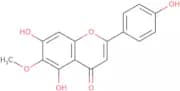
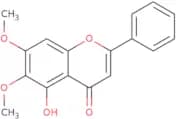
CAS:Hispidulin is a naturally occurring flavonoid compound, which is predominantly derived from plants such as Salvia and Artemisia species. This bioactive compound exhibits a broad spectrum of pharmacological activities that have garnered attention in the scientific community. Its mode of action involves the modulation of cellular pathways, including the inhibition of enzymes like cyclooxygenases, which are pivotal in inflammatory responses. Furthermore, Hispidulin has been shown to influence neurotransmitter systems, including GABAergic activity, indicating potential neuroprotective effects.Fórmula:C16H12O6Pureza:Min. 98 Area-%Cor e Forma:Off-White PowderPeso molecular:300.26 g/mol6-Prenylnaringenin
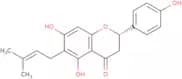
CAS:6-Prenylnaringenin is a prenylflavonoid, which is a type of isoflavonoid, primarily derived from hops (Humulus lupulus). It is recognized for its potent phytoestrogenic properties, functioning as a selective agonist for estrogen receptors. By binding to estrogen receptors, 6-Prenylnaringenin can modulate estrogenic activities within the body, influencing various biological processes.Fórmula:C20H20O5Pureza:Min 98%Cor e Forma:PowderPeso molecular:340.37 g/mol6,3'-Dihydroxydaidzein
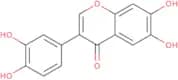
CAS:<p>6,3'-Dihydroxydaidzein is an isoflavonoid compound, which is a type of naturally occurring polyphenol. This compound is primarily sourced from plants, particularly legumes like soybeans, where it functions as a metabolite in the daidzein biosynthesis pathway. Mechanistically, 6,3'-Dihydroxydaidzein exhibits antioxidant properties by scavenging free radicals and inhibiting oxidative stress at the cellular level.</p>Fórmula:C15H10O6Pureza:Min. 95%Cor e Forma:Brown PowderPeso molecular:286.24 g/molNarcissin
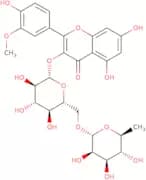
CAS:Narcissin is a flavonoid glycoside, which is a bioactive compound isolated from the Narcissus species, particularly found in various plant parts of the genus Narcissus. The source of narcissin is primarily within the botanical family Amaryllidaceae, known for its diverse metabolic profile and prominent ornamental species.Fórmula:C28H32O16Pureza:Min. 95%Cor e Forma:PowderPeso molecular:624.54 g/mol5,2',3'-Trimethoxyflavanone
<p>5,2',3'-Trimethoxyflavanone is a specialized methoxyflavanone, which is a derivative of flavanone compounds. This compound is typically sourced from naturally occurring flavonoids found in various plant species. Its structure incorporates methoxy groups that contribute to its distinct chemical properties and potential biological activity.</p>Fórmula:C18H16O5Pureza:Min. 95%Peso molecular:312.3 g/molMosloflavone
CAS:Mosloflavone is a naturally occurring flavonoid, which is derived from certain plant sources, particularly those belonging to the Moraceae family. This compound is recognized for its bioactive properties, functioning primarily through antioxidant and anti-inflammatory mechanisms. The mode of action involves the scavenging of free radicals and the inhibition of various pro-inflammatory pathways, thereby reducing oxidative stress and inflammation at the cellular level.Fórmula:C17H14O5Pureza:Min. 98 Area-%Cor e Forma:PowderPeso molecular:298.29 g/molGenistein
CAS:Genistein is a naturally occurring isoflavone, which is derived primarily from soy products and other legumes. Its chemical structure allows it to mimic the function of 17-beta-estradiol, a form of estrogen, by binding to estrogen receptors. This selective binding primarily targets estrogen receptor beta, leading to a range of biological effects. Moreover, Genistein exhibits antioxidant properties by scavenging free radicals and inhibiting oxidative stress.Fórmula:C15H10O5Pureza:Min. 95%Cor e Forma:White PowderPeso molecular:270.24 g/molCladrin-7-O-glucoside
CAS:<p>Cladrin-7-O-glucoside is a flavonoid glycoside, which is a type of secondary metabolite commonly found in various plants. This compound is derived from natural sources, particularly plants belonging to the genus Cleome. Flavonoid glycosides are known for having a sugar molecule attached to a flavonoid backbone, which influences their solubility and bioavailability.</p>Fórmula:C23H24O10Pureza:Min. 95%Peso molecular:460.43 g/mol3,7,3'-Trimethoxyflavone
CAS:3,7,3'-Trimethoxyflavone is a type of flavonoid, which is a class of polyphenolic compounds. It is naturally occurring and can be derived from certain plant species. Flavonoids are well-known for their presence in fruits, vegetables, and various other plant sources, contributing to the plants' color, flavor, and disease resistance.Fórmula:C18H16O5Pureza:Min. 95%Peso molecular:312.32 g/molEupatilin
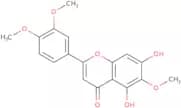
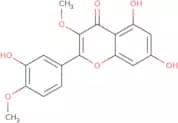
CAS:<p>Eupatilin is a flavonoid compound, which is derived from the Artemisia species. This plant-based source has been traditionally used in various medicinal applications across different cultures. Eupatilin’s mode of action involves inhibition of pro-inflammatory cytokines and modulation of signaling pathways associated with inflammation, such as the NF-kB pathway. Additionally, it has been found to possess antioxidant activities, which further contributes to its therapeutic potential.</p>Fórmula:C18H16O7Pureza:Min. 95%Cor e Forma:PowderPeso molecular:344.32 g/mol7-Hydroxy-2',3',4'-trimethoxyisoflavone
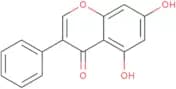
CAS:<p>7-Hydroxy-2',3',4'-trimethoxyisoflavone is a naturally occurring isoflavone, which is a type of flavonoid commonly found in certain plants. It is typically sourced from various botanical species known for their rich flavonoid content. Isoflavones are derived from plants such as soybeans, and in some cases, isolated from other legumes and herbs.</p>Fórmula:C18H16O6Pureza:Min. 95%Peso molecular:328.32 g/mol5,7-Dihydroxyisoflavone
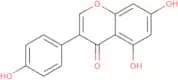
CAS:5,7-Dihydroxyisoflavone is a naturally occurring isoflavone, which is a type of flavonoid compound commonly found in various plants. It is primarily derived from sources such as soybeans and other legumes, which are known to contain a wide array of phytonutrients. The mode of action of 5,7-Dihydroxyisoflavone involves its ability to act as an antioxidant, scavenging free radicals and thereby reducing oxidative stress within biological systems. This function is crucial in preserving cellular health and preventing damage that can lead to chronic diseases.Fórmula:C15H10O4Pureza:Min. 95%Cor e Forma:PowderPeso molecular:254.24 g/molIsorhamnetin-3-O-b-D-glucoside
CAS:<p>Isorhamnetin-3-O-b-D-glucoside is a flavonoid glycoside, which is typically extracted from various plant sources, notably from fruits and medicinal herbs like sea buckthorn and Ginkgo biloba. This compound is recognized for its role in modulating oxidative stress due to its antioxidant capabilities. The glycoside linkage enhances the solubility and bioavailability compared to the aglycone, isorhamnetin.</p>Fórmula:C22H22O12Pureza:Min. 95 Area-%Cor e Forma:Yellow PowderPeso molecular:478.4 g/molQuercetin 3,4'-dimethyl ether
CAS:<p>Quercetin 3,4'-dimethyl ether is a flavonoid derivative, which is a naturally occurring compound found in various plants. It is part of the larger family of flavonoids, known for their diverse biological activities and presence in numerous botanical sources such as fruits, vegetables, and medicinal herbs. The modification of quercetin by methylation alters its solubility and bioavailability, potentially enhancing its biological effects.</p>Fórmula:C17H14O7Pureza:Min. 95%Peso molecular:330.29 g/mol7-O-Methyl quercetin
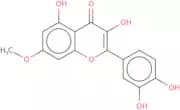
CAS:<p>7-O-Methyl quercetin is a flavonoid derivative, which is a naturally occurring compound found in several plant species, often referred to as a methylated form of the flavonoid quercetin. It is primarily sourced from plants such as onion, green tea, and various berries, where it serves diverse ecological roles, including defense mechanisms against herbivores and pathogens.</p>Fórmula:C16H12O7Pureza:90%Cor e Forma:PowderPeso molecular:316.26 g/molApigenin - 97%
CAS:Apigenin - 97% is a high-purity flavonoid compound, which is primarily derived from various plant sources such as parsley, chamomile, and celery. This compound is known for its significant presence in the plant kingdom, where it functions as a secondary metabolite contributing to plant defense.Fórmula:C15H10O5Pureza:Min. 97 Area-%Cor e Forma:PowderPeso molecular:270.24 g/molHinokiflavone pentamethyl ether
CAS:<p>Hinokiflavone pentamethyl ether is a synthetic flavonoid derivative, which is a chemically modified compound sourced from the natural biflavonoid, hinokiflavone. It is characterized by the methylation of phenolic hydroxyl groups, enhancing its stability and solubility. This compound can be derived through organic synthesis techniques involving the catalytic methylation of hinokiflavone.</p>Fórmula:C35H28O10Pureza:Min. 95%Peso molecular:608.59 g/molTheaflavin-3,3'-digallate
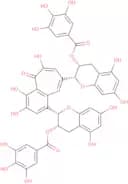
CAS:Theaflavin-3,3'-digallate is a polyphenolic compound, which is primarily derived from black tea through the oxidative fermentation of tea leaves. This compound is part of the theaflavins, which result from the enzymatic oxidation of catechins, the major constituents of green tea. It exhibits various biological activities due to its complex molecular structure, which includes multiple hydroxyl groups that facilitate specific intermolecular interactions.Fórmula:C43H32O20Pureza:Min. 95%Cor e Forma:Red PowderPeso molecular:868.7 g/mol3-Methylflavone-8-carboxylic acid
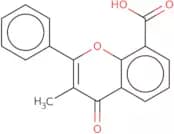
CAS:3-Methylflavone-8-carboxylic acid is a synthetic compound, which is known primarily as an antagonist of the gamma-aminobutyric acid (GABA) receptor system. This product is derived from chemical synthesis processes involving flavone derivatives. The mode of action involves competitive inhibition at the GABA-A receptor sites, thereby modulating neurotransmitter activity within the central nervous system.Fórmula:C17H12O4Pureza:Min. 95%Cor e Forma:PowderPeso molecular:280.27 g/mol