Chalconas
Foram encontrados 281 produtos para "Chalconas".
Proteasome inhibitor IX
CAS:Proteasome inhibitor IX (PS-IX) is an inhibitor of chymotrypsin-like activity of the 20S proteasome (IC50 ~1 μM).Fórmula:C20H21B2NO5Pureza:99.77%Cor e Forma:SolidPeso molecular:377.01trans-Chalcone
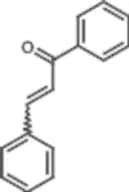
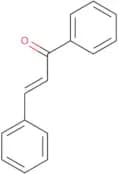
CAS:trans-Chalcone (Chalkone) is an aromatic ketone that forms the central core for a variety of important biological compounds, which are known collectively asFórmula:C15H12OPureza:99.74% - 99.89%Cor e Forma:White SolidPeso molecular:208.264'-Methoxychalcone
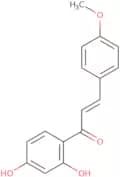
CAS:4'-Methoxychalcone with a variety of pharmacological activities, such as anti-tumor and anti-inflammatory activities.Fórmula:C16H14O2Pureza:99.86%Cor e Forma:SolidPeso molecular:238.282',4'-Dihydroxy-4-methoxychalcone
CAS:2',4'-Dihydroxy-4-methoxychalcone is a flavonoid compound, which is a type of naturally occurring polyphenolic compound. It is sourced primarily from certain plant species, particularly within the genus Angelica. This compound acts primarily through its antioxidant and anti-inflammatory modes of action, which involve scavenging free radicals and modulating various biochemical pathways that reduce oxidative stress and inflammation.Fórmula:C16H14O4Pureza:Min. 95%Cor e Forma:PowderPeso molecular:270.28 g/molPinostrobin chalcone
CAS:Pinostrobin chalcone is a bioactive chalcone compound, which is a naturally occurring flavonoid derivative found in various plant sources, notably in the leaves of Magnolia and other species. Its mode of action involves interacting with several cellular pathways, including antioxidative mechanisms and enzyme inhibition. Pinostrobin chalcone exhibits a broad range of biological activities, such as anti-inflammatory, antioxidant, and potential anticancer properties. These effects are attributed to its ability to modulate signaling pathways and protect cells from oxidative stress, making it valuable for scientific research.
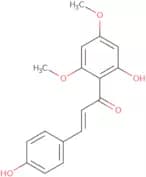
Fórmula:C16H14O4Pureza:Min. 95%Cor e Forma:Yellow To Orange Or Brown SolidPeso molecular:270.28 g/mol4,2'-Dihydroxy-4',6'-dimethoxychalcone
CAS:4,2'-Dihydroxy-4',6'-dimethoxychalcone is a chalcone derivative, which is a type of phenolic compound. Chalcones are natural products that belong to the flavonoid family and are often biosynthesized by plants as secondary metabolites. The source of such compounds is typically plant species, particularly those found in traditional herbal remedies, where they play a role in the plant's defense mechanisms.Fórmula:C17H16O5Pureza:Min. 95%Cor e Forma:PowderPeso molecular:300.31 g/mol2',6'-Dihydroxy-4,4'-dimethoxydihydrochalcone
CAS:2',6'-Dihydroxy-4,4'-dimethoxydihydrochalcone is a chalcone derivative, which is a type of flavonoid compound. It is extracted from the leaves of the Aspalathus linearis plant, commonly known as Rooibos, native to South Africa. This compound exhibits its mode of action primarily through antioxidative mechanisms, scavenging free radicals and reducing oxidative stress at the cellular level.Fórmula:C17H18O5Pureza:Min. 95%Cor e Forma:Slightly Yellow PowderPeso molecular:302.32 g/mol2'-Hydroxychalcone
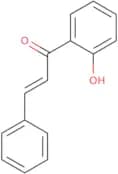
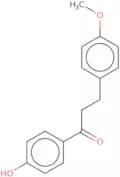
CAS:2'-Hydroxychalcone is a naturally occurring phenolic compound, which is typically sourced from various plants known for their rich flavonoid content. This compound is a member of the chalcone class of flavonoids, characterized by a phenyl group attached via an α,β-unsaturated carbonyl system. Its mode of action is primarily attributed to its ability to interact with multiple biological pathways, notably exerting antioxidant, anti-inflammatory, and potential anticancer activities. These effects are a result of its capacity to modulate the activity of key enzymes and signaling molecules within cells.Fórmula:C15H12O2Pureza:Min. 95%Cor e Forma:PowderPeso molecular:224.25 g/mol4'-Hydroxy-4-methoxydihydrochalcone
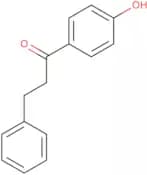
CAS:4'-Hydroxy-4-methoxydihydrochalcone is a dihydrochalcone compound, which is derived from the natural phenolic structures found in various plants, notably those in the apple family (Rosaceae). This compound is characterized by the saturation of the chalcone linkage and the presence of both hydroxyl and methoxy substituents, which can modulate its physicochemical and biological properties.
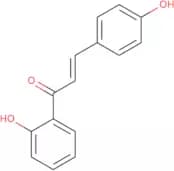
Fórmula:C16H16O3Pureza:Min. 95%Cor e Forma:PowderPeso molecular:256.3 g/mol4,2'-Dihydroxychalcone
CAS:4,2'-Dihydroxychalcone is a bioactive flavonoid compound, which is typically derived from a variety of plant sources. As a member of the chalcones, it exhibits a diverse range of biological activities. The mode of action of 4,2'-Dihydroxychalcone involves the modulation of cellular pathways, primarily through its antioxidant properties. It effectively scavenges free radicals, thus protecting cells from oxidative stress. Additionally, it exerts anti-inflammatory effects by inhibiting specific signaling pathways related to inflammation.Fórmula:C15H12O3Pureza:Min. 95%Cor e Forma:PowderPeso molecular:240.25 g/molPhloretin
CAS:Phloretin is a dihydrochalcone, which is a type of polyphenol, derived primarily from apple tree leaves and the bark of certain fruit trees. It exhibits its biological activity through its ability to disrupt various cellular processes, including inhibiting specific enzyme activities and interfering with the transport of glucose across cell membranes. This is primarily due to its ability to penetrate cellular lipid bilayers, allowing it to interact with intracellular molecules effectively.
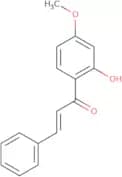
Fórmula:C15H14O5Pureza:Min. 98 Area-%Cor e Forma:Off-White PowderPeso molecular:274.27 g/mol2'-Hydroxy-4'-methoxychalcone
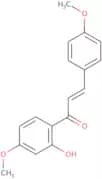
CAS:2'-Hydroxy-4'-methoxychalcone is a synthetic chalcone derivative, which is a type of flavonoid. This compound originates from the chalcone class, characterized by an open-chain flavonoid structure. The source of chalcones is primarily botanical, derived from plants, though they can also be synthesized in laboratories for research and application purposes.
Fórmula:C16H14O3Pureza:Min. 95%Peso molecular:254.28 g/molIsosakuranetin dihydrochalcone
CAS:Isosakuranetin dihydrochalcone is a dihydrochalcone derivative, which is a class of flavonoids. It is naturally sourced from citrus fruits, particularly found in the peels and other parts of these fruits. This compound is characterized by its unique chemical structure, which contributes to its bioactive properties.
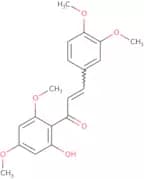
Fórmula:C16H16O5Pureza:Min. 95%Peso molecular:288.3 g/mol2'-Hydroxy-3,4,4',6'-tetramethoxychalcone
CAS:2'-Hydroxy-3,4,4',6'-tetramethoxychalcone is a synthetic chalcone, which is a type of organic compound belonging to the flavonoid family. These compounds are typically sourced through chemical synthesis processes, allowing for precise structural modifications tailored to specific research needs. The mode of action of this chalcone involves the modulation of various biological pathways, often through interactions with cellular signaling proteins and enzymes. This makes it a valuable subject for studying potential anti-inflammatory, antioxidant, and anticancer properties.
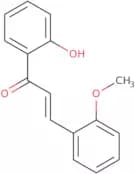
Fórmula:C19H20O6Pureza:Min. 95%Cor e Forma:PowderPeso molecular:344.36 g/mol2'-Hydroxy-2-methoxychalcone
CAS:2'-Hydroxy-2-methoxychalcone is a bioactive compound, specifically classified as a type of chalcone. Chalcones are aromatic ketones, and this particular variant is often derived from natural sources such as plants. The synthesis of 2'-Hydroxy-2-methoxychalcone can also be achieved through chemical methods that mimic natural pathways, providing a consistent and pure product for research purposes.
Fórmula:C16H14O3Pureza:Min. 95%Cor e Forma:PowderPeso molecular:254.28 g/mol2',4',6',3,4-Pentahydroxydihydrochalcone Phloracetophenone
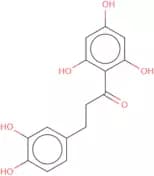
2',4',6',3,4-Pentahydroxydihydrochalcone Phloracetophenone is a naturally occurring polyphenolic compound, which is derived from specific plant sources. It is classified as a dihydrochalcone, a type of flavonoid known for its antioxidant properties. The compound's structure consists of multiple hydroxyl groups that contribute to its high reactivity with free radicals. This reactivity underlies its mode of action as an effective scavenger of reactive oxygen species (ROS), thereby reducing oxidative stress.Fórmula:C23H20O9Pureza:Min. 95%Peso molecular:440.4 g/mol2'-Hydroxy-4-methoxychalcone
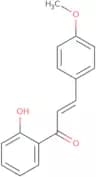
CAS:2'-Hydroxy-4-methoxychalcone is a flavonoid derivative, which is primarily synthesized from chalcone structures that are naturally found in various plant sources. These compounds are well known in the realm of natural products chemistry for their extensive range of biological activities. The mode of action of 2'-Hydroxy-4-methoxychalcone involves modulation of various cellular pathways, including inhibition of enzyme activity and interference with cellular signaling mechanisms. Its antioxidative properties are of particular interest due to the potential application in combatting oxidative stress-related diseases.Fórmula:C16H14O3Pureza:Min. 95%Peso molecular:254.28 g/mol2',4',6'-Trihydroxy-3,4-dimethoxydihydrochalcone
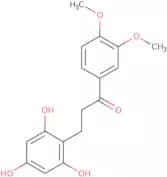
CAS:2',4',6'-Trihydroxy-3,4-dimethoxydihydrochalcone is a naturally occurring flavonoid derivative, which is typically extracted from plant sources such as fruits and vegetables. This compound is known for its significant antioxidant activity, mediated through its ability to scavenge free radicals and chelate metal ions, thereby protecting cells from oxidative damage.Fórmula:C17H18O6Pureza:Min. 95%Peso molecular:318.32 g/molBavachalcone
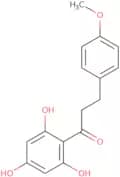
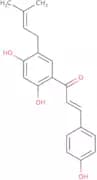
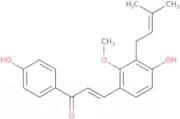
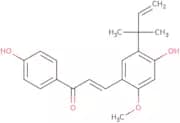
CAS:Bavachalcone is a bioactive compound that is a type of chalcone. It is derived from the seeds of the plant *Psoralea corylifolia*, commonly known as babchi, which is a well-known source of various phytochemicals. Bavachalcone acts by modulating multiple molecular pathways, including antioxidant and anti-inflammatory pathways, making it a compound of interest in pharmacological research.Fórmula:C20H20O4Pureza:Min. 95%Cor e Forma:PowderPeso molecular:324.37 g/mol4-Methoxy-2',4',6'-trihydroxydihydrochalcone
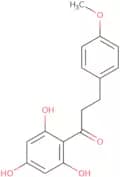
CAS:4-Methoxy-2',4',6'-trihydroxydihydrochalcone is a dihydrochalcone derivative, which is a type of flavonoid. This compound originates mainly from the modification of natural compounds found in certain plants, specifically apples and other fruits, and is structurally related to the more commonly known sweetening agent, phlorizin. Its mode of action involves binding to taste receptors, primarily T1R2/T1R3, which are responsible for sweet taste perception. This interaction enhances the sweet taste, making it a potent non-nutritive sweetener. Due to its sweetening properties without adding calories, 4-Methoxy-2',4',6'-trihydroxydihydrochalcone is studied for potential applications in food and beverage industries where sugar reduction is essential. It also shows potential in pharmaceutical formulations to improve the palatability of medicinal compounds. Moreover, its antioxidant properties may contribute to health benefits, though further research is required to fully understand its potential therapeutic uses.Fórmula:C16H16O5Pureza:Min. 96 Area-%Cor e Forma:PowderPeso molecular:288.3 g/mol2,4,4'-Trimethoxychalcone
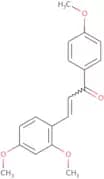
CAS:2,4,4'-Trimethoxychalcone is a chalcone derivative, which is a type of flavonoid. Chalcones are phenolic compounds known for their open-chain structure, comprising aromatic ketone and enone systems. This product is typically synthesized through the Claisen-Schmidt condensation of appropriate aromatic aldehydes and ketones. Its mode of action involves interference with cellular signaling pathways and modulation of enzyme activities, which may contribute to its antioxidative, anti-inflammatory, and anticancer properties.Fórmula:C18H18O4Pureza:Min. 95%Cor e Forma:PowderPeso molecular:298.33 g/mol2'-Hydroxy-4,4',6'-trimethoxychalcone
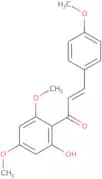
CAS:2'-Hydroxy-4,4',6'-trimethoxychalcone is a chalcone derivative, which is a type of flavonoid compound often found in plants. This compound is commonly sourced from various kinds of plant species, particularly those belonging to the families Asteraceae and Fabaceae. It exhibits its activity primarily through the modulation of cellular oxidative stress pathways and inflammatory processes. Chalcones, including 2'-Hydroxy-4,4',6'-trimethoxychalcone, often act by inhibiting key enzymes involved in inflammation and neutralizing free radicals.
Fórmula:C18H18O5Pureza:Min. 95%Cor e Forma:Yellow PowderPeso molecular:314.33 g/molPhloridzin
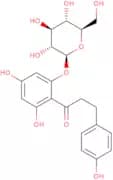
CAS:Phloridzin is a flavonoid glycoside, which is primarily sourced from apple trees and other members of the Rosaceae family. It is naturally found in the bark, roots, and other parts of the plant. The mode of action of phloridzin involves its function as an inhibitor of the sodium-glucose transporters (SGLT1 and SGLT2). By blocking these transporters, phloridzin prevents the reabsorption of glucose in the renal tubules, thus promoting the excretion of glucose through urine.Fórmula:C21H24O10Pureza:Min. 95%Cor e Forma:White PowderPeso molecular:436.41 g/mol2',4',3-Trihydroxy-6'-methoxydihydrochalcone
2',4',3-Trihydroxy-6'-methoxydihydrochalcone is a naturally-derived chalcone, which is isolated from certain plant species. This compound is a part of the larger class of flavonoids and is recognized for its complex polyphenolic structure. It primarily originates from plant sources such as medicinal herbs and is obtained through extraction processes targeting specific plant tissues where these compounds are concentrated.Pureza:Min. 95%4-Nitrochalcone
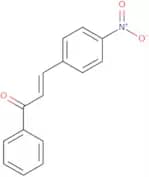
CAS:4-Nitrochalcone is a synthetic chalcone derivative, which is an organic compound characterized by the presence of a three-carbon α,β-unsaturated carbonyl system. Chalcones are notable for their role as intermediates in various chemical syntheses, owing to their versatile scaffold. As a synthetic compound, 4-Nitrochalcone is typically derived through the Claisen-Schmidt condensation of an appropriate aldehyde and ketone, specifically involving a nitro-substituted benzaldehyde and an acetophenone.
Fórmula:C15H11NO3Pureza:Min. 95%Nothofagin
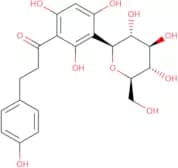
CAS:Nothofagin is a polyphenolic compound, which is a type of plant-derived flavonoid, primarily found in the heartwood of red beech trees (Nothofagus species). This compound is naturally sourced from these trees, where it plays a role in the plant's defense mechanism against oxidative stress.Fórmula:C21H24O10Pureza:Min. 98 Area-%Cor e Forma:White Off-White PowderPeso molecular:436.41 g/mol4-Methoxy-2',4',6',3-tetrahydroxydihydrochalcone
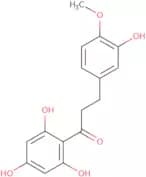
CAS:4-Methoxy-2',4',6',3-tetrahydroxydihydrochalcone is a dihydrochalcone, which is a type of polyphenolic compound. It is derived from plant sources, commonly found in certain fruits and flowers. This compound exhibits antioxidant properties by scavenging free radicals, thereby reducing oxidative stress within biological systems. The efficacy of its mode of action is attributed to its molecular structure, enabling it to donate hydrogen atoms and stabilize radical species.Fórmula:C16H16O6Pureza:Min. 95%Cor e Forma:PowderPeso molecular:304.29 g/mol3-Methoxy-2',4',4-trihydroxychalcone
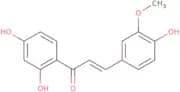
CAS:3-Methoxy-2',4',4-trihydroxychalcone is a bioactive flavonoid compound, which is derived from various natural sources such as plants and fruits. This chalcone exhibits significant potential due to its structural properties that allow interaction with multiple biological systems. It operates primarily as an antioxidant, neutralizing free radicals and reducing oxidative stress within cells. Its chemical structure enables it to donate hydrogen atoms or electrons, stabilizing reactive species and protecting cellular components from oxidative damage.Fórmula:C16H14O5Pureza:Min. 95%Cor e Forma:PowderPeso molecular:286.28 g/mol2',4',6',3,4-Pentahydroxydihydrochalcone
CAS:2',4',6',3,4-Pentahydroxydihydrochalcone is a dihydrochalcone derivative, commonly recognized as a synthetic sweetener. It is derived from the flavonoid class of polyphenolic compounds, typically sourced from citrus fruits. The compound modifies taste perception by interacting with taste receptors on the tongue, specifically activating the sweet taste receptors, resulting in an intense sweet taste without the addition of calories.Fórmula:C15H14O6Pureza:Min. 98 Area-%Cor e Forma:White PowderPeso molecular:290.27 g/mol3,4-Dihydroxychalcone
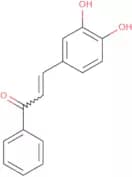
CAS:3,4-Dihydroxychalcone is a biologically active flavonoid compound, which is commonly derived from natural sources such as certain plants, including apples and other fruits. It possesses a chemical structure characterized by two hydroxyl groups at positions 3 and 4 on the aromatic ring, contributing to its bioactivity. The mode of action of 3,4-Dihydroxychalcone is primarily through its antioxidant properties, where it scavenges free radicals and reduces oxidative stress in biological systems. This action influences a multitude of signaling pathways, thereby modulating cellular processes related to inflammation, apoptosis, and cell proliferation.
Fórmula:C15H12O3Peso molecular:240.25 g/molLicochalcone C
CAS:Licochalcone C is a flavonoid compound that is derived from the root of Glycyrrhiza inflata, a plant commonly known as Chinese licorice. This compound exhibits its mode of action primarily through antioxidant and anti-inflammatory pathways. It achieves these effects by modulating key signaling molecules, such as mitogen-activated protein kinases (MAPKs) and the nuclear factor-kappa B (NF-κB) pathway, which are crucial in cellular responses to oxidative stress and inflammation.Fórmula:C21H22O4Pureza:Min. 95%Cor e Forma:PowderPeso molecular:338.4 g/mol4',6'-Dimethoxy-2'-hydroxychalcone
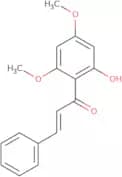
CAS:4',6'-Dimethoxy-2'-hydroxychalcone is a chalcone compound, which is a type of flavonoid. Flavonoids are polyphenolic compounds synthesized by plants. This particular compound is typically derived from various plant sources, where it plays a role in the plant's defense mechanisms. As a chalcone, it contains a characteristic open-chain framework that distinguishes it from other flavonoids.Fórmula:C17H16O4Pureza:Min. 95%Peso molecular:284.31 g/molLicochalcone A
CAS:Licochalcone A is a bioactive compound, which is a flavonoid derived from the roots of Glycyrrhiza inflata, a species of licorice. It exhibits a unique mode of action by inhibiting the activation of nuclear factor-kappa B (NF-κB) and mitigating the production of pro-inflammatory cytokines. Additionally, it has been found to scavenge reactive oxygen species (ROS), contributing to its antioxidant effects.
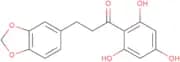
Fórmula:C21H22O4Pureza:Min. 97 Area-%Cor e Forma:PowderPeso molecular:338.4 g/mol2',4',6'-Trihydroxy-3,4-methylenedioxydihydrochalcone
CAS:2',4',6'-Trihydroxy-3,4-methylenedioxydihydrochalcone is a flavonoid compound classified as a dihydrochalcone, which is found in certain plant sources. The compound is particularly rich in sources such as apples or related botanical species. It exhibits its effects through potent antioxidant activities, scavenging free radicals and mitigating oxidative stress in biological systems. This makes it a subject of interest for researchers studying cellular protection mechanisms and its potential therapeutic applications.Fórmula:C16H14O6Pureza:Min. 95%Peso molecular:302.28 g/mol2',3,4,4',6'-Pentahydroxychalcone
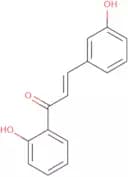
CAS:2',3,4,4',6'-Pentahydroxychalcone is a polyphenolic compound, which is a type of flavonoid known for its extensive hydroxylation. This compound is primarily derived from natural plant sources, often found in fruits, vegetables, and some specific botanicals commonly used in traditional medicine. The compound's structure, featuring multiple hydroxyl groups, contributes to its notable biochemical activitiesFórmula:C15H12O6Pureza:Min. 95%Peso molecular:288.25 g/mol3,2'-Dihydroxychalcone
CAS:3,2'-Dihydroxychalcone is a naturally occurring flavonoid, which is derived from various plant sources, particularly in fruits and vegetables known for their rich polyphenolic content. As a member of the chalcone family, this compound exhibits a distinctive chemical structure characterized by two aromatic rings connected by a three-carbon α,β-unsaturated carbonyl system. The presence of hydroxyl groups contributes to its potential antioxidant properties, allowing it to effectively scavenge free radicals and mitigate oxidative stress.Fórmula:C15H12O3Pureza:Min. 95%Cor e Forma:PowderPeso molecular:240.25 g/molHesperetin chalcone
CAS:Hesperetin chalcone is a synthetic derivative compound, which is structurally related to the flavonoid hesperetin, originally sourced from citrus fruits. This compound is synthesized to enhance the bioactivity of hesperetin by modifying its core structure, thereby improving its solubility and stability. Hesperetin chalcone exerts its effects primarily through its antioxidant and anti-inflammatory mechanisms. It inhibits various inflammatory pathways and scavenges free radicals, which helps in reducing oxidative stress within biological systems.Pureza:Min. 95%3',6'-Dihydroxy-2',4',5'-trimethoxychalcone
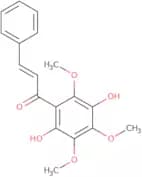
CAS:3',6'-Dihydroxy-2',4',5'-trimethoxychalcone is a chalcone derivative, which is a type of flavonoid commonly studied in the context of natural product chemistry and pharmacology. This compound is primarily sourced from plants, known for their diverse array of bioactive secondary metabolites. Chalcones, including this derivative, have been isolated from various botanical species, particularly those used in traditional medicine.Fórmula:C18H18O6Pureza:Min. 95%Cor e Forma:PowderPeso molecular:330.33 g/mol4',3,4-Trihydroxychalcone
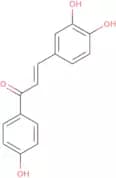
CAS:4',3,4-Trihydroxychalcone is a naturally-derived flavonoid, which is a type of polyphenolic compound. It is primarily sourced from plants, notably in the root and bark of certain species such as licorice. Flavonoids like 4',3,4-Trihydroxychalcone are known for their bioactive properties, which include antioxidative and anti-inflammatory effects. The mode of action involves the scavenging of free radicals and modulation of signaling pathways involved in inflammatory responses, which helps in reducing oxidative stress and inflammation.Fórmula:C15H12O4Pureza:Min. 95%Cor e Forma:PowderPeso molecular:256.25 g/mol3,4-Dimethoxychalcone
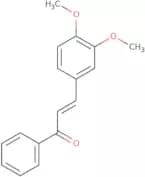
CAS:3,4-Dimethoxychalcone is a synthetic organic compound, which is derived from the chalcone family of compounds. Chalcones are naturally occurring in many plant species and serve as intermediates in the biosynthesis of flavonoids and isoflavonoids. 3,4-Dimethoxychalcone features two methoxy groups on the aromatic rings, which may enhance its biological activity and solubility compared to unsubstituted chalcones.
Fórmula:C17H16O3Pureza:Min. 95%Peso molecular:268.31 g/mol4,4'-Dimethoxy-2'-hydroxychalcone
CAS:4,4'-Dimethoxy-2'-hydroxychalcone is a bioactive flavonoid compound, which is typically derived from plant sources such as those belonging to the family of Leguminosae. This compound operates through multifaceted mechanisms, primarily exerting its effects via modulation of cellular oxidative stress pathways and the inhibition of specific enzymes involved in inflammatory processes. By scavenging free radicals and interacting with cellular signaling pathways, it demonstrates potent antioxidant and anti-inflammatory properties.
Fórmula:C17H16O4Pureza:Min. 95%Cor e Forma:PowderPeso molecular:284.31 g/mol4'-Hydroxydihydrochalcone
CAS:4'-Hydroxydihydrochalcone is a dihydrochalcone compound, which is derived primarily from certain plant sources, particularly the seeds of apples and the bark of the sweet chestnut. It functions through its structural resemblance to certain natural compounds found in plants that allow it to potentially exert sweetening effects. The mechanism involves the binding to sweet taste receptors, which elicits a sweet taste sensation in humans without the caloric content associated with sugars.
Fórmula:C15H14O2Pureza:Min. 95%Peso molecular:226.27 g/molChalcone
CAS:Chalcone is a flavonoid precursor, which is a naturally occurring compound found in various plants. It is primarily sourced from the biosynthetic pathway of flavonoids, where it acts as an intermediate in the formation of more complex structures like flavones and anthocyanins. Chalcones are characterized by their open-chain arrangement of the flavonoid structure, consisting of two aromatic rings linked by a three-carbon α,β-unsaturated carbonyl system.
Fórmula:C15H12OPureza:Min. 95%Cor e Forma:PowderPeso molecular:208.26 g/molOkanin
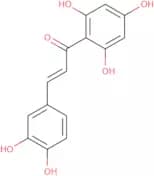
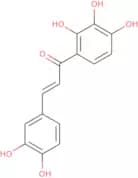
CAS:Okanin is a flavonoid compound, which is derived from plant sources, particularly from species within the Asteraceae family. It is a naturally occurring substance characterized by its phenolic structure, which contributes to its bioactive properties. The mode of action of Okanin involves modulation of oxidative stress pathways and inhibition of pro-inflammatory mediators. By scavenging free radicals and reducing oxidative damage, it exerts significant antioxidant effects. Furthermore, through the suppression of cyclooxygenase (COX) enzymes and inhibition of cytokine activity, Okanin demonstrates potent anti-inflammatory actions.
Fórmula:C15H12O6Pureza:Min. 95%Cor e Forma:White PowderPeso molecular:288.25 g/mol4,4'-Dimethoxychalcone
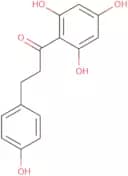
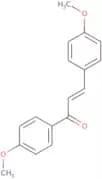
CAS:4,4'-Dimethoxychalcone is a synthetic chemical compound, classified as a chalcone derivative. This compound is typically sourced through organic synthesis routes involving condensation reactions between appropriate aromatic aldehydes and ketones. The mode of action of 4,4'-Dimethoxychalcone is primarily linked to its capacity to modulate various biological pathways, including the inhibition of specific enzymes and interference with cell signaling pathways. These mechanisms render it an interesting candidate for exploration in pharmacological and biochemical research.Fórmula:C17H16O3Pureza:Min. 95%Cor e Forma:SolidPeso molecular:268.31 g/mol2',4',6'-Trihydroxydihydrochalcone
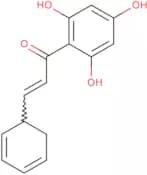
CAS:2',4',6'-Trihydroxydihydrochalcone is a sweetening agent, which is derived from the bioflavonoids found in citrus fruits, particularly naringin. Through a process of hydrogenation, the naringin is converted into the dihydrochalcone, which retains the sweet characteristics desirable in sugar substitutes.Fórmula:C15H14O4Pureza:Min. 97 Area-%Cor e Forma:PowderPeso molecular:258.27 g/mol2',4',4-Trihydroxydihydrochalcone-4-glucoside
2',4',4-Trihydroxydihydrochalcone-4-glucoside is a glucoside derivative, classified as a natural sweetener. It is sourced from the peel and seeds of certain citrus fruits, particularly those that belong to the Rutaceae family. The compound is processed and isolated through extraction and purification techniques involving the plant materials.Fórmula:C21H24O9Pureza:Min. 95%Peso molecular:420.41 g/mol2,3-Dimethoxy-2'-hydroxychalcone
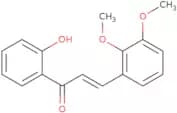
CAS:2,3-Dimethoxy-2'-hydroxychalcone is a synthetic organic compound, which is derived from the chalcone class of flavonoids. It is structurally characterized by a core chalcone backbone, enhanced by the addition of methoxy and hydroxy functional groups. These modifications contribute to its unique chemical properties and potential biological activity.Fórmula:C17H16O4Pureza:Min. 95%Cor e Forma:White To Yellow SolidPeso molecular:284.31 g/mol2'-Hydroxy-3-methoxychalcone
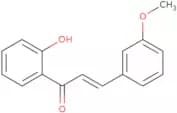
CAS:2'-Hydroxy-3-methoxychalcone is a type of chalcone flavonoid, which is a naturally occurring compound commonly isolated from various plant species. This compound serves as an intermediate in the biosynthesis of flavonoids and is characterized by its distinctive chemical structure featuring both hydroxyl and methoxy functional groups. The mode of action of 2'-Hydroxy-3-methoxychalcone involves its ability to modulate multiple signaling pathways. It exhibits significant antioxidant properties, scavenging reactive oxygen species and thereby reducing oxidative stress. Moreover, it has been shown to possess anti-inflammatory effects by inhibiting the production of pro-inflammatory cytokines. Additionally, it demonstrates anticancer activities through the induction of apoptosis and inhibition of cell proliferation.Fórmula:C16H14O3Pureza:Min. 95%Cor e Forma:PowderPeso molecular:254.28 g/molEchinatin
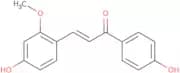
CAS:Echinatin is a naturally occurring product classified as a chalcone, which is sourced primarily from the roots of the Echinacea species. Chalcones are aromatic ketones that are a key intermediate in the biosynthesis of flavonoids. Echinatin functions through multiple biochemical pathways, prominently inhibiting the production of pro-inflammatory mediators by targeting specific signaling cascades. This mode of action suggests its potential as a bioactive compound with significant anti-inflammatory and antioxidant properties.Fórmula:C16H14O4Pureza:Min. 95%Cor e Forma:PowderPeso molecular:270.28 g/mol