


Anticorpos primários
Os anticorpos primários são imunoglobulinas que se ligam especificamente a um antígeno de interesse, permitindo a detecção e quantificação de proteínas, peptídeos ou outras biomoléculas. Estes anticorpos são ferramentas essenciais em uma ampla gama de aplicações, incluindo Western blot, imunohistoquímica e ELISA. Na CymitQuimica, oferecemos uma vasta seleção de anticorpos primários de alta qualidade, proporcionando especificidade e sensibilidade para diversas necessidades de pesquisa, incluindo estudos sobre câncer, imunologia e biologia celular.
Subcategorias de "Anticorpos primários"
- Investigação de anticorpos do cancro(3.620 produtos)
- Anticorpos Cardiovasculares(2 produtos)
- Biologia do Desenvolvimento(751 produtos)
- Anticorpos Epigenética(162 produtos)
- Anticorpos imunológicos(2.793 produtos)
- Anticorpos metabólicos(279 produtos)
- Anticorpos de Microbiologia(736 produtos)
- Transdução de sinal(2.717 produtos)
- Etiquetas e Marcadores Celulares(33 produtos)
Exibir 1 mais subcategorias
Foram encontrados 75326 produtos de "Anticorpos primários"
Ordenar por
Pureza (%)
0
100
|
0
|
50
|
90
|
95
|
100
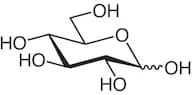
D-(+)-Glucose
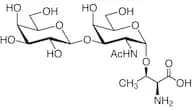
CAS:Fórmula:C6H12O6Pureza:>98.0%(GC)Cor e Forma:White powder to crystalPeso molecular:180.16Galβ(1-3)GalNAc-α-Thr
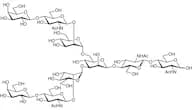
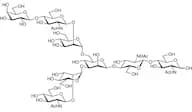
CAS:Fórmula:C18H32N2O13Pureza:>97.0%(HPLC)Cor e Forma:White to Almost white powder to crystalPeso molecular:484.46G2 Glycan
CAS:Fórmula:C62H104N4O46Pureza:>95.0%(HPLC)Cor e Forma:White to Almost white powder to crystalPeso molecular:1,641.50Disodium 4-Nitrophenyl Phosphate Hexahydrate [for Biochemical Research]
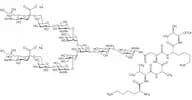
CAS:Fórmula:C6H4NNa2O6P·6H2OPureza:>98.0%(T)(HPLC)Cor e Forma:White to Light yellow powder to crystalPeso molecular:371.14Sialylglycopeptide
CAS:Fórmula:C112H187N15Na2O70Pureza:>95.0%(HPLC)Cor e Forma:White to Almost white powder to crystalPeso molecular:2,909.746-G1 Glycan
CAS:Fórmula:C56H94N4O41Pureza:min. 95.0 area%(HPLC)Cor e Forma:SolidPeso molecular:1,479.36Sodium 3-[Ethyl(m-tolyl)amino]-2-hydroxy-1-propanesulfonate
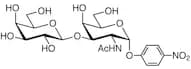
CAS:Fórmula:C12H18NNaO4SPureza:>98.0%(HPLC)Cor e Forma:White to Almost white powder to crystalPeso molecular:295.33Galβ(1-3)GalNAc-α-pNP
CAS:Fórmula:C20H28N2O13Pureza:>97.0%(HPLC)Cor e Forma:White to Almost white powder to crystalPeso molecular:504.45M3-biotin
CAS:Fórmula:C47H79N5O28SPureza:min. 95.0 area%(HPLC)Cor e Forma:SolidPeso molecular:1,194.225-Aminofluorescein (isomer I)
CAS:Fórmula:C20H13NO5Pureza:>95.0%(T)(HPLC)Cor e Forma:Orange to Brown to Dark red powder to crystalPeso molecular:347.33N-(2-Hydroxy-3-sulfopropyl)-3,5-dimethoxyaniline Sodium Salt [for Biochemical Research]
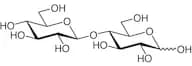
CAS:Fórmula:C11H16NNaO6SPureza:>98.0%(HPLC)Cor e Forma:White to Light yellow to Light orange powder to crystalPeso molecular:313.30D-(+)-Cellobiose
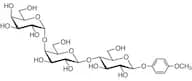
CAS:Fórmula:C12H22O11Pureza:>98.0%(HPLC)Cor e Forma:White to Almost white powder to crystalPeso molecular:342.30Gb3-β-MP
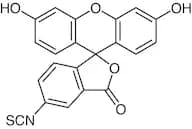
CAS:Fórmula:C25H38O17Pureza:>95.0%(HPLC)Cor e Forma:White to Almost white powder to crystalPeso molecular:610.56Fluorescein 5-Isothiocyanate (isomer I)
CAS:Fórmula:C21H11NO5SPureza:>97.0%(T)(HPLC)Cor e Forma:White to Yellow to Orange powder to crystalPeso molecular:389.38AzBTS [=2,2'-Azinobis(3-ethylbenzothiazoline-6-sulfonic Acid Ammonium Salt)] [for Biochemical Research]
CAS:Fórmula:C18H24N6O6S4Pureza:>98.0%(T)Cor e Forma:White to Dark green powder to crystalPeso molecular:548.674-Nitrophenyl Phosphate (Ready-to-use solution) [for ELISA]
Cor e Forma:Colorless to Light orange to Yellow clear liquidRecombinant Griffithsia sp. lectin (= rGRFT) expressed in Escherichia coli
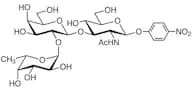
Cor e Forma:Colorless to Light yellow to Light orange clear liquidFucα(1-2)Galβ(1-3)GlcNAc-β-pNP (=H type 1 β-pNP Glycoside)
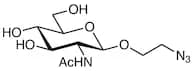
CAS:Fórmula:C26H38N2O17Cor e Forma:SolidPeso molecular:650.592-Azidoethyl 2-Acetamido-2-deoxy-β-D-glucopyranoside
CAS:Fórmula:C10H18N4O6Pureza:>98.0%(HPLC)Cor e Forma:White to Almost white powder to crystalPeso molecular:290.28Streptavidin from Streptomyces avidinii
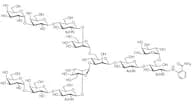
CAS:Cor e Forma:White to Brown to Dark green powder to crystalGalα(1-3) core 6-Fucosylated N-Glycan 2AB (500pmol/vial)
Fórmula:C87H142N6O60Pureza:>98.0%(HPLC)Cor e Forma:White to Almost white powder to crystalPeso molecular:2,232.08Glucoamylase from Rhizopus (contains 50% Diatomaceous earth)
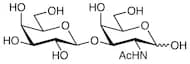
CAS:Cor e Forma:White to Gray to Red powder to crystalGalacto-N-biose
CAS:Fórmula:C14H25NO11Pureza:min. 95.0 area%(HPLC)Cor e Forma:White to Almost white powder to crystalPeso molecular:383.35Acarbose
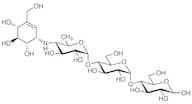
CAS:Fórmula:C25H43NO18Pureza:>98.0%(HPLC)(N)Cor e Forma:White to Almost white powder to crystalPeso molecular:645.61Anti-DTBTA-Eu3+ Rabbit Polyclonal Antibody [2.5mg/mL in PBS(-)] (Preservative : 0.1% NaN3)
Cor e Forma:White or Colorless to Almost white or Almost colorless powder to lump to clear liquid7-Hydroxycoumarin-3-carboxylic Acid
CAS:Fórmula:C10H6O5Pureza:>98.0%(HPLC)Cor e Forma:White to Light yellow powder to crystalPeso molecular:206.157-(Diethylamino)coumarin-3-carboxylic Acid
CAS:Fórmula:C14H15NO4Pureza:>98.0%(GC)(T)Cor e Forma:Light yellow to Brown powder to crystalPeso molecular:261.28Sodium 3-(N-Ethyl-3-methoxyanilino)-2-hydroxy-1-propanesulfonate [for Biochemical Research]
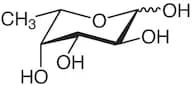
CAS:Fórmula:C12H18NNaO5SPureza:>98.0%(T)(HPLC)Cor e Forma:White to Almost white powder to crystalPeso molecular:311.33L-(-)-Fucose
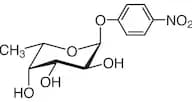
CAS:Fórmula:C6H12O5Pureza:>97.0%(HPLC)Cor e Forma:White to Almost white powder to crystalPeso molecular:164.164-Nitrophenyl α-L-Fucopyranoside
CAS:Fórmula:C12H15NO7Pureza:>98.0%(HPLC)Cor e Forma:White to Light yellow powder to crystalinePeso molecular:285.25Isomaltose
CAS:Fórmula:C12H22O11Pureza:>97.0%(HPLC)Cor e Forma:White to Almost white powder to crystalPeso molecular:342.304-Aminoantipyrine [for Biochemical Research]
CAS:Fórmula:C11H13N3OPureza:>98.0%(T)Cor e Forma:White to Light yellow to Light orange powder to crystalPeso molecular:203.255-Bromo-4-chloro-3-indolyl Phosphate p-Toluidine Salt [for Biochemical Research]
CAS:Fórmula:C8H6BrClNO4P·C7H9NPureza:>98.0%(T)Cor e Forma:White to Orange to Green powder to crystalPeso molecular:433.62OR5L1 rabbit pAb
Olfactory receptors interact with odorant molecules in the nose, to initiate a neuronal response that triggers the perception of a smell. The olfactory receptor proteins are members of a large family of G-protein-coupled receptors (GPCR) arising from single coding-exon genes. Olfactory receptors share a 7-transmembrane domain structure with many neurotransmitter and hormone receptors and are responsible for the recognition and G protein-mediated transduction of odorant signals. The olfactory receptor gene family is the largest in the genome. The nomenclature assigned to the olfactory receptor genes and proteins for this organism is independent of other organisms. This olfactory receptor gene is a segregating pseudogene, where some individuals have an allele that encodes a functional olfactory receptor, while other individuals have an allele encoding aCD20 Mouse mAb
CD20 is a non glycosylated protein with a molecular weight of 35 or 37 kDa depending on the degree of phosphorylation. Although not a member of the tetraspanin superfamily of cell surface receptors, it crosses the cell membrane four times. The CD20 antigen is present on human pre B lymphocytes and on B lymphocytes at all stages of maturation, except on plasma cells. Low level expression of the CD20 antigen has been detected on normal T lymphocytes. The CD20 molecule is involved in regulation of B cell differentiation, presumably via its reported function as a Ca2+ channel subunit.Tie-2 (phospho Tyr1108) rabbit pAb
This gene encodes a receptor that belongs to the protein tyrosine kinase Tie2 family. The encoded protein possesses a unique extracellular region that contains two immunoglobulin-like domains, three epidermal growth factor (EGF)-like domains and three fibronectin type III repeats. The ligand angiopoietin-1 binds to this receptor and mediates a signaling pathway that functions in embryonic vascular development. Mutations in this gene are associated with inherited venous malformations of the skin and mucous membranes. Alternative splicing results in multiple transcript variants. Additional alternatively spliced transcript variants of this gene have been described, but their full-length nature is not known. [provided by RefSeq, Feb 2014],BAIP3 rabbit pAb
This p53-target gene encodes a brain-specific angiogenesis inhibitor. The protein is a seven-span transmembrane protein and a member of the secretin receptor family. It interacts with the cytoplasmic region of brain-specific angiogenesis inhibitor 1. This protein also contains two C2 domains, which are often found in proteins involved in signal transduction or membrane trafficking. Its expression pattern and similarity to other proteins suggest that it may be involved in synaptic functions. Several transcript variants encoding different isoforms have been found for this gene. [provided by RefSeq, Nov 2010],HP1γ (phospho Ser93) rabbit pAb
At the nuclear envelope, the nuclear lamina and heterochromatin are adjacent to the inner nuclear membrane. The protein encoded by this gene binds DNA and is a component of heterochromatin. This protein also can bind lamin B receptor, an integral membrane protein found in the inner nuclear membrane. The dual binding functions of the encoded protein may explain the association of heterochromatin with the inner nuclear membrane. This protein binds histone H3 tails methylated at Lys-9 sites. This protein is also recruited to sites of ultraviolet-induced DNA damage and double-strand breaks. Two transcript variants encoding the same protein but differing in the 5' UTR, have been found for this gene.[provided by RefSeq, Mar 2011],Brk (phospho Tyr447) rabbit pAb
protein tyrosine kinase 6(PTK6) Homo sapiens The protein encoded by this gene is a cytoplasmic nonreceptor protein kinase which may function as an intracellular signal transducer in epithelial tissues. Overexpression of this gene in mammary epithelial cells leads to sensitization of the cells to epidermal growth factor and results in a partially transformed phenotype. Expression of this gene has been detected at low levels in some breast tumors but not in normal breast tissue. The encoded protein has been shown to undergo autophosphorylation. Alternative splicing results in multiple transcript variants. [provided by RefSeq, Jan 2012],IL-4Rα (phospho Tyr497) rabbit pAb
This gene encodes the alpha chain of the interleukin-4 receptor, a type I transmembrane protein that can bind interleukin 4 and interleukin 13 to regulate IgE production. The encoded protein also can bind interleukin 4 to promote differentiation of Th2 cells. A soluble form of the encoded protein can be produced by proteolysis of the membrane-bound protein, and this soluble form can inhibit IL4-mediated cell proliferation and IL5 upregulation by T-cells. Allelic variations in this gene have been associated with atopy, a condition that can manifest itself as allergic rhinitis, sinusitus, asthma, or eczema. Polymorphisms in this gene are also associated with resistance to human immunodeficiency virus type-1 infection. Alternate splicing results in multiple transcript variants. [provided by RefSeq, Apr 2012],Ub rabbit pAb
Ubiquitin is a highly conserved nuclear and cytoplasmic protein that has a major role in targeting cellular proteins for degradation by the 26S proteosome. It is also involved in the maintenance of chromatin structure, the regulation of gene expression, and the stress response. Ubiquitin is synthesized as a precursor protein consisting of either polyubiquitin chains or a single ubiquitin moiety fused to an unrelated protein. This gene encodes a fusion protein consisting of ubiquitin at the N terminus and ribosomal protein L40 at the C terminus, a C-terminal extension protein (CEP). Multiple processed pseudogenes derived from this gene are present in the genome. [provided by RefSeq, Jul 2008],S100A7A Polyclona Antibody
function:May be involved in epidermal differentiation and inflammation and might therefore be important for the pathogenesis of psoriasis and other diseases.,similarity:Belongs to the S-100 family.,similarity:Contains 2 EF-hand domains.,tissue specificity:Overexpressed in psoriasis.,CNTF Rabbit pAb
CNTF is a survival factor for various neuronal cell types. Seems to prevent the degeneration of motor axons after axotomy.GPR55 rabbit pAb
This gene belongs to the G-protein-coupled receptor superfamily. The encoded integral membrane protein is a likely cannabinoid receptor. It may be involved in several physiological and pathological processes by activating a variety of signal transduction pathways. [provided by RefSeq, Aug 2013],HSP 90 (Acetyl Lys292/284) rabbit pAb
The protein encoded by this gene is an inducible molecular chaperone that functions as a homodimer. The encoded protein aids in the proper folding of specific target proteins by use of an ATPase activity that is modulated by co-chaperones. Two transcript variants encoding different isoforms have been found for this gene. [provided by RefSeq, Jan 2012],IRAK-1 (phospho Thr100) rabbit pAb
This gene encodes the interleukin-1 receptor-associated kinase 1, one of two putative serine/threonine kinases that become associated with the interleukin-1 receptor (IL1R) upon stimulation. This gene is partially responsible for IL1-induced upregulation of the transcription factor NF-kappa B. Alternatively spliced transcript variants encoding different isoforms have been found for this gene. [provided by RefSeq, Jul 2008],NDUFV2 rabbit pAb
The NADH-ubiquinone oxidoreductase complex (complex I) of the mitochondrial respiratory chain catalyzes the transfer of electrons from NADH to ubiquinone, and consists of at least 43 subunits. The complex is located in the inner mitochondrial membrane. This gene encodes the 24 kDa subunit of complex I, and is involved in electron transfer. Mutations in this gene are implicated in Parkinson's disease, bipolar disorder, schizophrenia, and have been found in one case of early onset hypertrophic cardiomyopathy and encephalopathy. A non-transcribed pseudogene of this locus is found on chromosome 19. [provided by RefSeq, Oct 2009],GluR-1 (phospho Ser863) rabbit pAb
Glutamate receptors are the predominant excitatory neurotransmitter receptors in the mammalian brain and are activated in a variety of normal neurophysiologic processes. These receptors are heteromeric protein complexes with multiple subunits, each possessing transmembrane regions, and all arranged to form a ligand-gated ion channel. The classification of glutamate receptors is based on their activation by different pharmacologic agonists. This gene belongs to a family of alpha-amino-3-hydroxy-5-methyl-4-isoxazole propionate (AMPA) receptors. Alternatively spliced transcript variants encoding different isoforms have been found for this gene. [provided by RefSeq, Jul 2008],CGL rabbit pAb
This gene encodes a cytoplasmic enzyme in the trans-sulfuration pathway that converts cystathione derived from methionine into cysteine. Glutathione synthesis in the liver is dependent upon the availability of cysteine. Mutations in this gene cause cystathioninuria. Alternative splicing of this gene results in three transcript variants encoding different isoforms. [provided by RefSeq, Jun 2010],Met (phospho Tyr1356) rabbit pAb
This gene encodes a member of the receptor tyrosine kinase family of proteins and the product of the proto-oncogene MET. The encoded preproprotein is proteolytically processed to generate alpha and beta subunits that are linked via disulfide bonds to form the mature receptor. Further processing of the beta subunit results in the formation of the M10 peptide, which has been shown to reduce lung fibrosis. Binding of its ligand, hepatocyte growth factor, induces dimerization and activation of the receptor, which plays a role in cellular survival, embryogenesis, and cellular migration and invasion. Mutations in this gene are associated with papillary renal cell carcinoma, hepatocellular carcinoma, and various head and neck cancers. Amplification and overexpression of this gene are also associated with multiple human cancers. [provided by RefSeq, May 2016],MRP-S32 rabbit pAb
Mammalian mitochondrial ribosomal proteins are encoded by nuclear genes and help in protein synthesis within the mitochondrion. Mitochondrial ribosomes (mitoribosomes) consist of a small 28S subunit and a large 39S subunit. They have an estimated 75% protein to rRNA composition compared to prokaryotic ribosomes, where this ratio is reversed. Another difference between mammalian mitoribosomes and prokaryotic ribosomes is that the latter contain a 5S rRNA. Among different species, the proteins comprising the mitoribosome differ greatly in sequence, and sometimes in biochemical properties, which prevents easy recognition by sequence homology. This gene encodes a protein identified as belonging to both the 28S and the 39S subunits. Alternative splicing results in multiple transcript variants. Pseudogenes corresponding to this gene are found on chromosomes 4q, 6p, 6q, 7p, and 15q. [providNMDAε1/2 rabbit pAb
This gene encodes a member of the glutamate-gated ion channel protein family. The encoded protein is an N-methyl-D-aspartate (NMDA) receptor subunit. NMDA receptors are both ligand-gated and voltage-dependent, and are involved in long-term potentiation, an activity-dependent increase in the efficiency of synaptic transmission thought to underlie certain kinds of memory and learning. These receptors are permeable to calcium ions, and activation results in a calcium influx into post-synaptic cells, which results in the activation of several signaling cascades. Disruption of this gene is associated with focal epilepsy and speech disorder with or without mental retardation. Alternative splicing results in multiple transcript variants. [provided by RefSeq, May 2014],AARSD1 rabbit pAb
caution:The sequence shown here is derived from an Ensembl automatic analysis pipeline and should be considered as preliminary data.,similarity:Belongs to the class-II aminoacyl-tRNA synthetase family. AARSD1 subfamily.,Ob-R rabbit pAb
The protein encoded by this gene belongs to the gp130 family of cytokine receptors that are known to stimulate gene transcription via activation of cytosolic STAT proteins. This protein is a receptor for leptin (an adipocyte-specific hormone that regulates body weight), and is involved in the regulation of fat metabolism, as well as in a novel hematopoietic pathway that is required for normal lymphopoiesis. Mutations in this gene have been associated with obesity and pituitary dysfunction. Alternatively spliced transcript variants encoding different isoforms have been described for this gene. It is noteworthy that this gene and LEPROT gene (GeneID:54741) share the same promoter and the first 2 exons, however, encode distinct proteins (PMID:9207021).[provided by RefSeq, Nov 2010],c-Myb (Acetyl Lys471) rabbit pAb
domain:Comprised of 3 domains; an N-terminal DNA-binding domain, a centrally located transcriptional activation domain and a C-terminal domain involved in transcriptional repression.,function:Transcriptional activator; DNA-binding protein that specifically recognize the sequence 5'-YAAC[GT]G-3'. Plays an important role in the control of proliferation and differentiation of hematopoietic progenitor cells.,PTM:Phosphorylated by NLK on multiple sites, which induces proteasomal degradation.,PTM:Ubiquitinated; mediated by SIAH1 and leading to its subsequent proteasomal degradation.,similarity:Contains 3 HTH myb-type DNA-binding domains.,subunit:Binds MYBBP1A. Interacts with HIPK2, MAF and NLK.,SL9A3 rabbit pAb
The protein encoded by this gene is an epithelial brush border Na/H exchanger that uses an inward sodium ion gradient to expel acids from the cell. Defects in this gene are a cause of congenital secretory sodium diarrhea. Pseudogenes of this gene exist on chromosomes 10 and 22. [provided by RefSeq, Mar 2016],Cytokeratin 20 rabbit pAb
The protein encoded by this gene is a member of the keratin family. The keratins are intermediate filament proteins responsible for the structural integrity of epithelial cells and are subdivided into cytokeratins and hair keratins. The type I cytokeratins consist of acidic proteins which are arranged in pairs of heterotypic keratin chains. This cytokeratin is a major cellular protein of mature enterocytes and goblet cells and is specifically expressed in the gastric and intestinal mucosa. The type I cytokeratin genes are clustered in a region of chromosome 17q12-q21. [provided by RefSeq, Jul 2008],IL-8 rabbit pAb
The protein encoded by this gene is a member of the CXC chemokine family. This chemokine is one of the major mediators of the inflammatory response. This chemokine is secreted by several cell types. It functions as a chemoattractant, and is also a potent angiogenic factor. This gene is believed to play a role in the pathogenesis of bronchiolitis, a common respiratory tract disease caused by viral infection. This gene and other ten members of the CXC chemokine gene family form a chemokine gene cluster in a region mapped to chromosome 4q. [provided by RefSeq, Jul 2008],OR9A4 rabbit pAb
olfactory receptor family 9 subfamily A member 4(OR9A4) Homo sapiens Olfactory receptors interact with odorant molecules in the nose, to initiate a neuronal response that triggers the perception of a smell. The olfactory receptor proteins are members of a large family of G-protein-coupled receptors (GPCR) arising from single coding-exon genes. Olfactory receptors share a 7-transmembrane domain structure with many neurotransmitter and hormone receptors and are responsible for the recognition and G protein-mediated transduction of odorant signals. The olfactory receptor gene family is the largest in the genome. The nomenclature assigned to the olfactory receptor genes and proteins for this organism is independent of other organisms. [provided by RefSeq, Jul 2008],TCP-1 α rabbit pAb
The protein encoded by this gene is a molecular chaperone that is a member of the chaperonin containing TCP1 complex (CCT), also known as the TCP1 ring complex (TRiC). This complex consists of two identical stacked rings, each containing eight different proteins. Unfolded polypeptides enter the central cavity of the complex and are folded in an ATP-dependent manner. The complex folds various proteins, including actin and tubulin. Alternate transcriptional splice variants of this gene, encoding different isoforms, have been characterized. In addition, three pseudogenes that appear to be derived from this gene have been found. [provided by RefSeq, Jun 2010],HPK1 rabbit pAb
catalytic activity:ATP + a protein = ADP + a phosphoprotein.,cofactor:Magnesium.,function:May play a role in the response to environmental stress. Appears to act upstream of the JUN N-terminal pathway. May play a role in hematopoietic lineage decisions and growth regulation.,similarity:Belongs to the protein kinase superfamily. STE Ser/Thr protein kinase family. STE20 subfamily.,similarity:Contains 1 CNH domain.,similarity:Contains 1 protein kinase domain.,subunit:Interacts with MAP3K1.,tissue specificity:Expressed primarily in hematopoietic organs, including bone marrow, spleen and thymus. Also expressed at very low levels in lung, kidney, mammary glands and small intestine.,SSF1 rabbit pAb
The protein encoded by this gene is an evolutionarily conserved protein similar to yeast SSF1 as well as to the gene product of the Drosophila gene peter pan (ppan). SSF1 is known to be involved in the second step of mRNA splicing. Both SSF1 and ppan are essential for cell growth and proliferation. Exogenous expression of this gene was reported to reduce the anchorage-independent growth of some tumor cells. Read-through transcription of this gene with P2RY11/P2Y(11), an adjacent downstream gene that encodes an ATP receptor, has been found. These read-through transcripts are ubiquitously present and up-regulated during granulocyte differentiation. [provided by RefSeq, Nov 2010],TRα rabbit pAb
The protein encoded by this gene is a nuclear hormone receptor for triiodothyronine. It is one of the several receptors for thyroid hormone, and has been shown to mediate the biological activities of thyroid hormone. Knockout studies in mice suggest that the different receptors, while having certain extent of redundancy, may mediate different functions of thyroid hormone. Alternatively spliced transcript variants encoding distinct isoforms have been reported. [provided by RefSeq, Jul 2008],GBX2 rabbit pAb
function:May act as a transcription factor for cell pluripotency and differentiation in the embryo.,similarity:Contains 1 homeobox DNA-binding domain.,RPA14 rabbit pAb
function:Required for DNA recombination, repair and replication. The activity of RP-A is mediated by single-stranded DNA binding and protein interactions.,subunit:Heterotrimer of 70, 32 and 14 kDa chains. The DNA-binding activity may reside exclusively on the 70 kDa subunit. Interacts with RPA4.,MFN1 rabbit pAb
The protein encoded by this gene is a mediator of mitochondrial fusion. This protein and mitofusin 2 are homologs of the Drosophila protein fuzzy onion (Fzo). They are mitochondrial membrane proteins that interact with each other to facilitate mitochondrial targeting. [provided by RefSeq, Jul 2008],DONS rabbit pAb
This gene lies downstream of the SON gene and spans 10 kb on chromosome 21. The function of this gene is unknown. [provided by RefSeq, Jul 2008],CX059 rabbit pAb
While this gene is well-supported by transcript data, no functional information on its protein product is currently available. [provided by RefSeq, Dec 2009],Cardiotrophin-1 rabbit pAb
The protein encoded by this gene is a secreted cytokine that induces cardiac myocyte hypertrophy in vitro. It has been shown to bind and activate the ILST/gp130 receoptor. Two transcript variants encoding different isoforms have been found for this gene. [provided by RefSeq, Dec 2008],Cdc37 rabbit pAb
The protein encoded by this gene is highly similar to Cdc 37, a cell division cycle control protein of Sacchromyces cerevisiae. This protein is a molecular chaperone with specific function in cell signal transduction. It has been shown to form complex with Hsp90 and a variety of protein kinases including CDK4, CDK6, SRC, RAF-1, MOK, as well as eIF2 alpha kinases. It is thought to play a critical role in directing Hsp90 to its target kinases. [provided by RefSeq, Jul 2008],DIRA3 rabbit pAb
This gene encodes a member of the ras superfamily. This gene is imprinted gene with monoallelic expression of the paternal allele which is associated with growth suppression. The encoded protein acts as a tumor suppressor whose function is abrogated in many ovarian and breast cancers. This protein may also play a role autophagy in certain cancer cells by regulating the autophagosome initiation complex. [provided by RefSeq, Nov 2015],SIGIR rabbit pAb
function:Acts as a negative regulator of the Toll-like and IL-1R receptor signaling pathways. Attenuates the recruitment of receptor-proximal signaling components to the TLR4 receptor, probably through an TIR-TIR domain interaction with TLR4. Through its extracellular domain interferes with the heterodimerization of Il1R1 and IL1RAP.,similarity:Belongs to the interleukin-1 receptor family.,similarity:Contains 1 Ig-like C2-type (immunoglobulin-like) domain.,similarity:Contains 1 TIR domain.,subunit:Interacts with IL1R1, IRAK1, TLR4, TLR5, TLR9 and TRAF6. Upon IL-1 stimulation found in a complex at least composed of IL1R1, SIGIRR, MYD88, IRAK1 and TRAF6. Upon stimulation with LPC found in a complex at least composed of TLR4, SIG1IR, MYD88, IRAK1 and TRAF6.,tissue specificity:Mainly expressed in epithelial tissues such as kidney, lung and gut.,SPEG rabbit pAb
This gene encodes a protein with similarity to members of the myosin light chain kinase family. This protein family is required for myocyte cytoskeletal development. Along with the desmin gene, expression of this gene may be controlled by the desmin locus control region. Mutations in this gene are associated with centronuclear myopathy 5. [provided by RefSeq, Jun 2016],TCPG rabbit pAb
The protein encoded by this gene is a molecular chaperone that is a member of the chaperonin containing TCP1 complex (CCT), also known as the TCP1 ring complex (TRiC). This complex consists of two identical stacked rings, each containing eight different proteins. Unfolded polypeptides enter the central cavity of the complex and are folded in an ATP-dependent manner. The complex folds various proteins, including actin and tubulin. Alternate transcriptional splice variants have been characterized for this gene. In addition, a pseudogene of this gene has been found on chromosome 8. [provided by RefSeq, Aug 2010],VP33B rabbit pAb
Vesicle mediated protein sorting plays an important role in segregation of intracellular molecules into distinct organelles. Genetic studies in yeast have identified more than 40 vacuolar protein sorting (VPS) genes involved in vesicle transport to vacuoles. This gene is a member of the Sec-1 domain family, and encodes the human ortholog of rat Vps33b which is homologous to the yeast class C Vps33 protein. The mammalian class C vacuolar protein sorting proteins are predominantly associated with late endosomes/lysosomes, and like their yeast counterparts, may mediate vesicle trafficking steps in the endosome/lysosome pathway. Mutations in this gene are associated with arthrogryposis-renal dysfunction-cholestasis syndrome. Alternative splicing results in multiple transcript variants. [provided by RefSeq, Jan 2014],CD88 rabbit pAb
function:Receptor for the chemotactic and inflammatory peptide anaphylatoxin C5a. This receptor stimulates chemotaxis, granule enzyme release and superoxide anion production.,PTM:Sulfation plays a critical role in the association of the receptor with C5a, but no significant role in the ability of the receptor to transduce a signal and mobilize calcium in response to a small peptide agonist.,similarity:Belongs to the G-protein coupled receptor 1 family.,EPYC rabbit pAb
epiphycan(EPYC) Homo sapiens Dermatan sulfate proteoglycan 3 is a member of the small leucine-rich repeat proteoglycan family. This gene is composed of seven exons. It regulates fibrillogenesis by interacting with collagen fibrils and other extracellular matrix proteins. [provided by RefSeq, Jul 2008],Tau (phospho-Ser202) rabbit pAb
This gene encodes the microtubule-associated protein tau (MAPT) whose transcript undergoes complex, regulated alternative splicing, giving rise to several mRNA species. MAPT transcripts are differentially expressed in the nervous system, depending on stage of neuronal maturation and neuron type. MAPT gene mutations have been associated with several neurodegenerative disorders such as Alzheimer's disease, Pick's disease, frontotemporal dementia, cortico-basal degeneration and progressive supranuclear palsy. [provided by RefSeq, Jul 2008],Vitronectin rabbit pAb
The protein encoded by this gene is a member of the pexin family. It is found in serum and tissues and promotes cell adhesion and spreading, inhibits the membrane-damaging effect of the terminal cytolytic complement pathway, and binds to several serpin serine protease inhibitors. It is a secreted protein and exists in either a single chain form or a clipped, two chain form held together by a disulfide bond. [provided by RefSeq, Jul 2008],HES3 rabbit pAb
domain:Has a particular type of basic domain (presence of a helix-interrupting proline) that binds to the N-box (CACNAG), rather than the canonical E-box (CANNTG).,domain:The C-terminal WRPW motif is a transcriptional repression domain necessary for the interaction with Groucho/TLE family members, transcriptional corepressors recruited to specific target DNA by Hairy-related proteins.,function:Transcriptional repressor of genes that require a bHLH protein for their transcription.,similarity:Contains 1 basic helix-loop-helix (bHLH) domain.,similarity:Contains 1 Orange domain.,subunit:Transcription repression requires formation of a complex with a corepressor protein of the Groucho/TLE family.,GRK 1 rabbit pAb
This gene encodes a member of the guanine nucleotide-binding protein (G protein)-coupled receptor kinase subfamily of the Ser/Thr protein kinase family. The protein phosphorylates rhodopsin and initiates its deactivation. Defects in GRK1 are known to cause Oguchi disease 2 (also known as stationary night blindness Oguchi type-2). [provided by RefSeq, Jul 2008],


![Disodium 4-Nitrophenyl Phosphate Hexahydrate [for Biochemical Research]](/_next/image/?url=https%3A%2Fstatic.cymitquimica.com%2Fproducts%2F3B%2Fthumb-webp%2FD4005.webp&w=3840&q=75)
![Sodium 3-[Ethyl(m-tolyl)amino]-2-hydroxy-1-propanesulfonate](/_next/image/?url=https%3A%2Fstatic.cymitquimica.com%2Fproducts%2F3B%2Fthumb-webp%2FS0805.webp&w=3840&q=75)

![N-(2-Hydroxy-3-sulfopropyl)-3,5-dimethoxyaniline Sodium Salt [for Biochemical Research]](/_next/image/?url=https%3A%2Fstatic.cymitquimica.com%2Fproducts%2F3B%2Fthumb-webp%2FS0827.webp&w=3840&q=75)

![AzBTS [=2,2'-Azinobis(3-ethylbenzothiazoline-6-sulfonic Acid Ammonium Salt)] [for Biochemical Rese…](/_next/image/?url=https%3A%2Fstatic.cymitquimica.com%2Fproducts%2F3B%2Fthumb-webp%2FA2166.webp&w=3840&q=75)
![4-Nitrophenyl Phosphate (Ready-to-use solution) [for ELISA]](/_next/image/?url=https%3A%2Fstatic.cymitquimica.com%2Fproducts%2F3B%2Fthumb-webp%2FN1109.webp&w=3840&q=75)

![rGRFT-Biotin [for Manα(1-2)Man]](/_next/image/?url=https%3A%2Fstatic.cymitquimica.com%2Fproducts%2F3B%2Fthumb-webp%2FR0234.webp&w=3840&q=75)


![Anti-DTBTA-Eu3+ Rabbit Polyclonal Antibody [2.5mg/mL in PBS(-)] (Preservative : 0.1% NaN3)](/_next/image/?url=https%3A%2Fstatic.cymitquimica.com%2Fproducts%2F3B%2Fthumb-webp%2FA2239.webp&w=3840&q=75)


![Sodium 3-(N-Ethyl-3-methoxyanilino)-2-hydroxy-1-propanesulfonate [for Biochemical Research]](/_next/image/?url=https%3A%2Fstatic.cymitquimica.com%2Fproducts%2F3B%2Fthumb-webp%2FS0826.webp&w=3840&q=75)


![4-Aminoantipyrine [for Biochemical Research]](/_next/image/?url=https%3A%2Fstatic.cymitquimica.com%2Fproducts%2F3B%2Fthumb-webp%2FA2254.webp&w=3840&q=75)
![5-Bromo-4-chloro-3-indolyl Phosphate p-Toluidine Salt [for Biochemical Research]](/_next/image/?url=https%3A%2Fstatic.cymitquimica.com%2Fproducts%2F3B%2Fthumb-webp%2FB1239.webp&w=3840&q=75)



