Nucleotídeos
Os nucleotídeos são compostos orgânicos que servem como building blocks dos ácidos nucleicos, essenciais para a formação de DNA e RNA. Cada nucleotídeo é composto por uma base nitrogenada, uma molécula de açúcar e um ou mais grupos fosfato. Esses nucleotídeos se unem para formar longas cadeias, criando o material genético que carrega e transmite informações genéticas em todos os organismos vivos. Nesta seção, você encontrará uma ampla variedade de nucleotídeos cruciais para pesquisas em genética, biologia molecular e bioquímica. Eles são fundamentais para estudar processos genéticos, sintetizar ácidos nucleicos e desenvolver ferramentas diagnósticas e terapêuticas. Na CymitQuimica, oferecemos nucleotídeos de alta qualidade para apoiar suas pesquisas científicas e aplicações, garantindo precisão e confiabilidade em seus experimentos.
Subcategorias de "Nucleotídeos"
Foram encontrados 2634 produtos de "Nucleotídeos"
Ordenar por
Pureza (%)
0
100
|
0
|
50
|
90
|
95
|
100
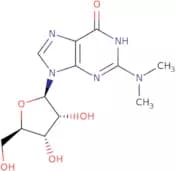
N2,N2-Dimethylguanosine
CAS:<p>N2,N2-Dimethylguanosine is a purine nucleoside that is found in human serum. It belongs to the group of purines and has been shown to be involved in energy metabolism. N2,N2-Dimethylguanosine has been shown to be present at high levels in patients with autoimmune diseases such as rheumatoid arthritis. The x-ray crystal structures of wild-type strains of Escherichia coli and Streptococcus pneumoniae have been determined, which revealed that this compound interacts with the enzyme activity for primary sclerosing cholangitis. This nucleoside can also be detected by LC-MS/MS methods and multivariate logistic regression analysis.</p>Fórmula:C12H17N5O5Pureza:Min. 98 Area-%Cor e Forma:Off-White PowderPeso molecular:311.3 g/mol5-Bromo-2'-deoxy-5'-O-DMT-uridine
<p>5-Bromo-2'-deoxy-5'-O-DMT-uridine is an antiviral nucleoside that is a monophosphate analog of deoxyuridine. 5-Bromo-2'-deoxy-5'-O-DMT-uridine can be used to treat patients with leukemia and other cancers. 5-Bromo-2'-deoxy-5'-O-DMT-uridine has been shown to induce tumor cell apoptosis in vitro and in vivo, as well as inhibit the proliferation of tumor cells by blocking the synthesis of DNA. This drug also has anticancer properties, which are due to its ability to block RNA synthesis.</p>Fórmula:C30H29BrN2O7Pureza:Min. 95%Cor e Forma:Off-white to beige solid.Peso molecular:609.48 g/mol3'-Deoxyinosine
CAS:<p>3'-Deoxyinosine is a nucleoside analog that is used in the treatment of leukemia, lymphoma, and AIDS-related Kaposi's sarcoma. The drug inhibits DNA synthesis by inhibiting enzymes such as ribonucleotide reductase, thymidylate synthase, and dihydrofolate reductase. 3'-Deoxyinosine has minimal toxicity and may be administered orally or intravenously. It has been shown to have an inhibitory effect on the growth of skin cancer cells and leishmania parasites in cell culture. This drug also lowers blood pressure by interfering with the synthesis of angiotensin II and may be useful for treating hypertension. The drug is synthetically prepared in a laboratory by chemists.</p>Fórmula:C10H12N4O4Pureza:Min. 95%Cor e Forma:PowderPeso molecular:252.23 g/mol2'-Deoxy-N4-methylcytidine
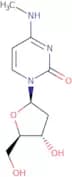
CAS:<p>2'-Deoxy-N4-methylcytidine is a modified nucleoside that is used to inhibit the activity of protein kinases. It has been shown to inhibit the function of two different types of enzymes, eukaryotic protein kinase and bacterial RNA polymerase. 2'-Deoxy-N4-methylcytidine inhibits the activity of these enzymes by modifying their structure, which in turn prevents them from carrying out their normal functions. This modification can be achieved through deamination or protonation reactions with this drug. The effects of this drug are nonparametric and are observed at transcript levels.</p>Fórmula:C10H15N3O4Pureza:Min. 97 Area-%Cor e Forma:White PowderPeso molecular:241.24 g/mol2'-Deoxy-3'-O-DMT-N2-Isobutyrylguanosine
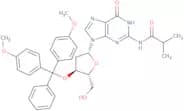
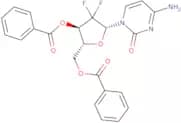
CAS:<p>2'-Deoxy-3'-O-DMT-N2-Isobutyrylguanosine is a synthetic nucleoside that has the ability to activate and inhibit the growth of cancer cells. This compound is a phosphoramidite, and it has been modified by the addition of an isobutyrate group at the 2' position. The structure of this nucleoside is similar to that of natural guanosine, but with an additional 2' oxygen atom. This modification can be used for inhibition of DNA synthesis in cells and may have antiviral effects.</p>Fórmula:C35H37N5O7Pureza:Min. 97 Area-%Peso molecular:639.71 g/mol3',5'-Di-O-benzoyl-2'-deoxy-2',2'-difluorocytidine
CAS:<p>Used as an intermediate for the preparation of modified oligonucleotides and other cytidine derivatives containing a 2',2'-difluoro modification.</p>Fórmula:C23H19F2N3O6Pureza:Min. 95%Cor e Forma:White PowderPeso molecular:471.42 g/mol2'-Deoxyadenosine-5'-triphosphate trisodium
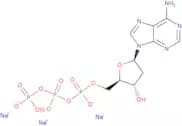
CAS:<p>2'-Deoxyadenosine-5'-triphosphate or dATP, is a nucleotide used by cells to synthesize DNA molecules. 2'-Deoxyadenosine-5'-triphosphate is used in molecular biology techniques and assays as a substrate of the enzyme DNA polymerase, e.g. polymerase chain reaction (PCR), DNA sequencing, pyrosequencing reactions. Salt form of 2'-deoxyadenosine-5'-triphosphate has been used in a newly developed detection system for SARS-CoV-2 that combines bioluminescence in real-time (BART) with reverse-transcriptase loop-mediated amplification (RT-LAMP).</p>Fórmula:C10H13N5O12P3·3NaPureza:Min. 97 Area-%Cor e Forma:White PowderPeso molecular:557.13 g/mol2'-Deoxy-5-hydroxymethylcytidine-5'-triphosphate sodium, 100 mM aqueous solution
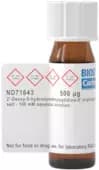
<p>2'-Deoxy-5-hydroxymethylcytidine-5'-triphosphate sodium, 100 mM aqueous solution is a synthetic nucleoside that can be used as an antiviral and anticancer agent. The drug inhibits viral replication by inhibiting the synthesis of DNA. The drug also suppresses tumor growth by inhibiting the production of RNA and DNA in cancer cells.</p>Fórmula:C10H18N3O14P3•NaxPureza:Min. 90 Area-%Cor e Forma:Clear LiquidPeso molecular:497.18 g/mol2',3'-Dideoxy-3'-fluoroguanosine
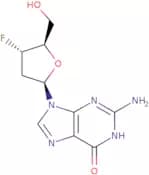
CAS:<p>2',3'-Dideoxy-3'-fluoroguanosine is a synthetic nucleoside analog based on guanosine. It is structurally altered to interfere with DNA or RNA synthesis, making it potentially useful as an antiviral or anticancer agent.</p>Fórmula:C10H12FN5O3Pureza:Min. 95%Cor e Forma:White PowderPeso molecular:269.24 g/mol5-Formyl-2'-O-methylcytidine
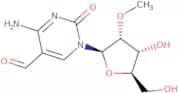
CAS:<p>5-Formyl-2'-O-methylcytidine is a molecule that is involved in cellular processes such as DNA methylation, the addition of a methyl group to the 5 position of a cytosine residue. It has been shown to be an important epigenetic regulator and can be used as a strategy to treat tuberculosis. 5-Formyl-2'-O-methylcytidine is synthesized from guanine, which undergoes conversion into cytosine via enzymatic modification. This process is catalyzed by methyltransferase enzymes and it is usually carried out with S-adenosylmethionine (SAM) as the methyl donor. The product then converts back into guanine through deamination, which can be catalyzed by either adenine phosphoribosyltransferase or adenylate kinase.</p>Fórmula:C11H15N3O6Pureza:Min. 95 Area-%Cor e Forma:PowderPeso molecular:285.25 g/mol2',3',5'-Tri-O-acetyladenosine
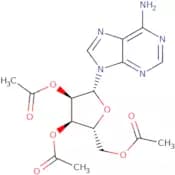
CAS:<p>2',3',5'-Tri-O-acetyladenosine is a chemically protected form of adenosine with potential for use as an intermediate in nucleoside synthesis and nucleic acid chemistry. The hydroxyl (–OH) groups at the 2′, 3′, and 5′ positions of the ribose are protected by acetyl groups (–COCH₃), which can prevent unwanted chemical reactions during chemical synthesis.</p>Fórmula:C16H19N5O7Pureza:Min. 95%Cor e Forma:PowderPeso molecular:393.35 g/mol5'-O-DMT-N2-isobutyryl-2'-O-(2-methoxyethyl)guanosine
CAS:<p>5'-O-DMT-N2-isobutyryl-2'-O-(2-methoxyethyl)guanosine is an antiviral monophosphate nucleoside. It has been shown to be a novel, high purity, and CAS No. 251647-50-4. It is a modified nucleic acid analogue that acts as an activator of ribonucleotide reductase and DNA polymerase. The anticancer activity of this product may be due to its ability to inhibit the synthesis of diphosphate nucleotides.</p>Fórmula:C38H43N5O9Pureza:Min. 98 Area-%Cor e Forma:White PowderPeso molecular:713.78 g/moldNTP pre-mixes - 25mM aqueous solution
CAS:<p>dATP, dTTP, dCTP and dGTP pre-mixed in a single vial</p>Pureza:Min. 95%2'-Deoxy-5-methylcytidine-5'-monophosphate disodium
CAS:<p>2'-Deoxy-5-methylcytidine-5'-monophosphate disodium (2D5MCP) is a nucleoside analog that inhibits the synthesis of DNA. It is used in the treatment of cervical cancer and other cancers that are dependent on DNA synthesis. 2D5MCP works by binding to and inhibiting the activity of an enzyme called DNA polymerase, which is needed for DNA replication. This drug also has been shown to inhibit fatty acid synthase enzymes and surface glycoprotein enzymes, which may be responsible for its anti-cancer effects. 2D5MCP has been shown to have an effective dose range between 50 and 150 mg/kg, with no significant side effects seen at doses up to 300 mg/kg. 2D5MCP does not bind to plasma proteins or erythrocytes, so it can be administered intravenously without risk of tissue damage caused by osmotic lysis.</p>Fórmula:C10H14N3O7PNa2Pureza:Min. 95%Cor e Forma:White PowderPeso molecular:365.19 g/mol2'-Deoxy-2'-fluorouridine-5'-triphosphate tetralithium
CAS:<p>2'-Deoxy-2'-fluorouridine-5'-triphosphate tetralithium (2'DFUR) is a fatty acid that is resistant to many antibacterial agents. 2'DFUR inhibits the biosynthesis of bacterial cell walls, leading to cell death. This drug has been shown to have potent antibacterial activity against Staphylococcus strains and other bacteria. The mechanism of action is not yet fully understood, but it may involve inhibition of nucleotidyltransferase and aminopropyl transferase enzymes.</p>Fórmula:C9H11FN2O14P3Li4Pureza:Min. 95%Cor e Forma:PowderPeso molecular:510.87 g/mol5'-Deoxy-5'-iodothymidine
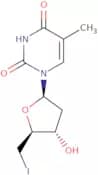
CAS:<p>5'-Deoxy-5'-iodothymidine is an antiviral nucleoside that inhibits viral replication by competing with the natural substrate, deoxyribonucleotide triphosphate, for incorporation in DNA. 5'-Deoxy-5'-iodothymidine has been shown to be a novel antiviral agent and an activator of host immune responses against virus infections. 5'-Deoxy-5'-iodothymidine is also used as an intermediate for the synthesis of phosphoramidites, which are used in the production of DNA.</p>Fórmula:C10H13IN2O4Pureza:Min. 95%Peso molecular:352.13 g/mol2'-Deoxyadenosine-3'-monophosphate sodium salt
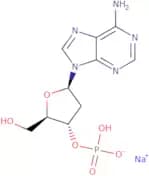
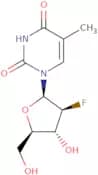
CAS:<p>2'-Deoxyadenosine-3'-monophosphate sodium salt (dAMP) is a novel nucleoside analog that is the sodium salt of 2'-deoxyadenosine-3'-monophosphate. It has shown anticancer and antiviral activity in vitro, as well as cytotoxicity against some human cancer cell lines. It has also been shown to be active against HIV-1 and herpes simplex virus type 1. The drug is modified with an amino group at the 2' position of the ribose sugar, which increases its stability in vivo and reduces its toxicity. This product also contains high purity, high quality, and novel deoxyribonucleosides that are synthesized by a phosphoramidite method.</p>Fórmula:C10H14N5O6P·2NaPureza:Min. 95%Cor e Forma:PowderPeso molecular:377.2 g/mol1-(2-Deoxy-2-fluoro-b-D-arabinofuranosyl)-5-methyluracil
CAS:<p>1-(2-Deoxy-2-fluoro-b-D-arabinofuranosyl)-5-methyluracil is a nucleoside analog for research applications. It contains a β-D-arabinofuranose sugar and the fluorine (F) substitution at the 2'-position enhances stability and improves resistance to enzymatic degradation. The 5-methyluracil base makes it structurally similar to thymidine, allowing it to be recognized by DNA polymerases and kinases.</p>Fórmula:C10H13FN2O5Pureza:Min. 95 Area-%Cor e Forma:White Off-White PowderPeso molecular:260.22 g/mol1-(3',5'-Di-O-benzoyl-2'-deoxy-2'-fluoro-β-L-arabinofuranosyl)thymine
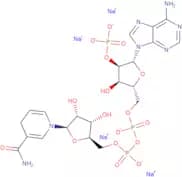
CAS:<p>1-(3`,5`-Di-O-benzoyl-2`-deoxy-2`-fluoro-beta-L-arabinofuranosyl)thymine is a nucleoside analog with modifications that influence its biological activity. It contains a thymine base and 3',5'-Di-O-benzoyl groups that protect hydroxyl functionalities during chemical synthesis. This molecule also has the sugar 2'-Deoxy-2'-fluoro-β-L-arabinofuranose made up of an L-arabinose configuration and a 2'-Fluoro substitution, the latter of which enhances stability and resistance to enzymatic degradation.</p>Fórmula:C24H21FN2O7Pureza:Min. 95%Peso molecular:468.43 g/molNADPH 4Na - min 95%
CAS:<p>Beta-nicotinamide adenine dinucleotide phosphate sodium salt (NADPH) is a coenzyme that mediates various biological processes. It’s a regenerating electron donor in cellular antioxidation systems and a regulator of energy metabolism and mitochondrial functions. It mediates calcium homeostasis via the generation of cyclic ADP-ribose and modulates several key factors in cell death such as mitochondrial permeability transition and poly(ADP-ribose) polymerase-1 (PARP1).</p>Fórmula:C21H26N7O17P3·4NaPureza:Min. 95 Area-%Cor e Forma:White PowderPeso molecular:833.35 g/mol5'-O-Levulinoylthymidine
CAS:<p>5'-O-Levulinoylthymidine is a novel nucleoside analog that inhibits viral proliferation by inhibiting viral RNA polymerase. This drug is also an activator of ribonucleotide reductases, which are enzymes that synthesize deoxyribonucleotides from ribonucleotides. 5'-O-Levulinoylthymidine has been shown to inhibit the growth of cancer cells in vitro and in vivo. It has also been shown to be effective against HIV-1 infection in vitro.</p>Fórmula:C15H20N2O7Pureza:Min. 95%Cor e Forma:White Off-White PowderPeso molecular:340.33 g/mol3'-Deoxy-3'-fluoroguanosine
CAS:<p>3'-Deoxy-3'-fluoroguanosine is a nucleoside phosphorylase inhibitor that is used for the treatment of viral hepatitis, cancer, and other diseases. 3'-Deoxy-3'-fluoroguanosine inhibits the replication of RNA by binding to the replicon. It binds to the RNA polymerase in a pharmacophore-based manner and inhibits its activity. When combined with other drugs, it has been shown to increase their efficacy. The combination of 3'-deoxy-3'-fluoroguanosine with interferon alpha 2b for the treatment of Hepatitis B has been shown to be more effective than either drug alone. The inhibition of cellular growth by 3'-deoxy-3'-fluoroguanosine may be due to its ability to inhibit rna synthesis.</p>Fórmula:C10H12N5O4FPureza:Min. 95%Cor e Forma:White PowderPeso molecular:285.23 g/molGuanosine 5'-monophosphate
CAS:<p>Guanosine 5'-monophosphate, also known as GMP, is a ribonucleoside monophosphate that becomes incorporated into RNAs when phosphorylated to GTP.</p>Fórmula:C10H14N5O8PPureza:Min. 98 Area-%Cor e Forma:PowderPeso molecular:363.22 g/mol2'-Deoxy-5-iodocytidine
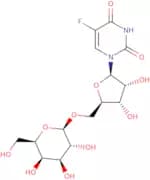
CAS:<p>Anti-viral agent; iodinated analog of deoxycytidine</p>Fórmula:C9H12IN3O4Pureza:Min. 98 Area-%Cor e Forma:White Off-White PowderPeso molecular:353.12 g/mol5-Fluorouridine-5'-O-b-D-galactopyranoside
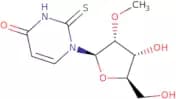
CAS:<p>5-Fluorouridine-5'-O-b-D-galactopyranoside is a nucleoside that can be used as an activator to synthesize ribonucleosides and deoxyribonucleosides. This product is also an anticancer agent, as it inhibits cell proliferation by inactivating the enzyme DNA polymerase. It is highly purified, with a purity of 99%.</p>Fórmula:C15H21FN2O11Pureza:Min. 98 Area-%Cor e Forma:Off-White PowderPeso molecular:424.33 g/mol2'-O-Methyl-2-thiouridine
CAS:<p>2'-O-Methyl-2-thiouridine is a modified nucleoside that is categorized as a mismatched nucleotide. It is found in RNA, where it replaces uridine and acts as a mismatch base. 2'-O-Methyl-2-thiouridine has been shown to stabilize duplex DNA against thermal denaturation by forming triplexes with complementary sequences. It also stabilizes dsDNA against hydrolysis by the enzyme ribonuclease H (RNase H) and has been used in the design of antisense therapeutics. Thermophilic bacteria use this molecule to synthesize their own thymine nucleotides, which are structurally similar to 2'-O-methyl-2-thiouridine. This modification prevents mismatches in their own dna and helps protect them from heat stress. The thermodynamic stability of this molecule has been calculated using an algorithm that takes into account the hybridization free energy, enthalpy change, entropy</p>Fórmula:C10H14N2O5SPureza:Min. 95%Cor e Forma:PowderPeso molecular:274.29 g/molTetrahydrouridine
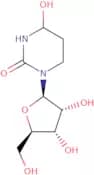
CAS:<p>Tetrahydrouridine is a pyrimidine nucleoside that has been shown to have inhibitory properties in clinical pathology. Tetrahydrouridine is a natural product derived from the amino acid histidine and is found in the cells of many living organisms. It is believed that tetrahydrouridine may be useful as an adjuvant to radiation therapy, and it has been shown to reduce the toxicity of chemotherapy drugs, such as decitabine and Ara-C. Tetrahydrouridine inhibits enzymes involved in DNA methylation, which can lead to cancer cell death.br><br>Tetrahydrouridine also has inhibitory effects on enzymes that produce cytidine from uracil, which can help prevent the formation of cancerous cells.br><br>Tetrahydrouridine inhibits deaminase activity, which produces uracil from cytosine. This inhibition prevents the production of uracil-cytosine</p>Fórmula:C9H16N2O6Pureza:Min. 95%Cor e Forma:White Off-White PowderPeso molecular:248.23 g/mol2'-O-Propargylguanosine
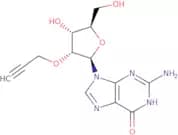
CAS:<p>2'-O-Propargylguanosine is a monophosphate nucleoside that is synthesized from Ribonucleosides. It has been shown to have antiviral and anticancer properties. 2'-O-Propargylguanosine has shown to be an activator of the transcription factor NF-κB and to induce apoptosis in various cancer cell lines. This drug inhibits viral replication by inhibiting DNA polymerase, thereby preventing RNA synthesis.</p>Fórmula:C13H15N5O5Pureza:Min. 95%Cor e Forma:PowderPeso molecular:321.29 g/mol2',3',5'-Tri-O-acetyl-2-fluoroadenosine
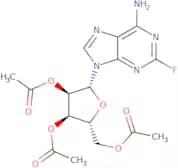
CAS:<p>2',3',5'-Tri-O-acetyl-2-fluoroadenosine is nucleoside analog of adenosine for use in research. The addition of a fluorine to an adenosine can change adenosine's properties such as its hydrogen bonding ability and how it interacts with water and other biological molecules. It can also increase the stability of adenosine and increase its half-life in biological systems.</p>Fórmula:C16H18FN5O7Pureza:Min. 95%Cor e Forma:White To Off-White SolidPeso molecular:411.34 g/molN2-Isobutyrylguanosine
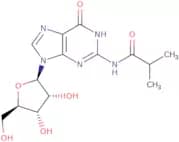
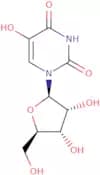
CAS:<p>N2-Isobutyrylguanosine is a synthetic nucleoside analog. It is activated by the enzyme thymidine kinase and inhibits the synthesis of RNA and DNA, which leads to cell death. N2-Isobutyrylguanosine has been shown to be an effective inhibitor of epidermal growth factor receptor (EGFR) in mammalian cells. This drug has also been shown to inhibit insulin-like growth factor I and phosphorothioate monomers. N2-Isobutyrylguanosine inhibits the synthesis of fatty acids, leading to a decrease in lipid content in cells.</p>Fórmula:C14H19N5O6Pureza:Min. 95%Cor e Forma:PowderPeso molecular:353.33 g/mol5-Hydroxyuridine
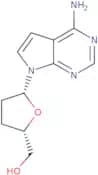
CAS:<p>5-Hydroxyduridine is a nucleoside that is naturally found in the human body. It can be synthesized from uridine by oxidation of the 5-hydroxyl group to the corresponding aldehyde. It has been shown to have genotoxic effects in vitro and in prostate cancer cells. 5-Hydroxyduridine has also been shown to inhibit sugar transport, which may be due to its ability to form hydrogen bonds with glycosidic bonds. It has been reported that 5-hydroxyduridine causes acid formation and hydroxylation of cardiac lipids.</p>Fórmula:C9H12N2O7Pureza:Min. 96 Area-%Cor e Forma:White Off-White PowderPeso molecular:260.2 g/mol7-Deaza-2',3'-dideoxyadenosine
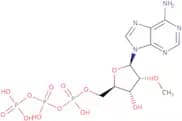
CAS:<p>7-Deaza-2',3'-dideoxyadenosine (7DDAD) is a nucleoside analogue that has been used as an immunodeficiency agent. This drug inhibits the replication of the human immunodeficiency virus (HIV). 7DDAD is a prodrug that is converted to adenosine after it enters the cell, and this conversion prevents DNA synthesis. The effective dose of 7DDAD is 50 mg/kg in rats, but this dose may vary depending on the technique used. 7DDAD has been shown to be effective in vitro against HIV-1 and HIV-2 isolates, and it can also be used to treat cytomegalovirus infections. In addition, 7DDAD has been shown to inhibit the growth of various types of cancer cells in vitro.</p>Fórmula:C11H14N4O2Pureza:Min. 98 Area-%Cor e Forma:PowderPeso molecular:234.26 g/mol2'-O-Methyladenosine-5'-triphosphate sodium salt - 100mM aqueous solution
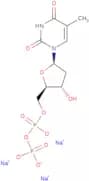
CAS:<p>2'-O-Methyladenosine-5'-triphosphate sodium salt is a novel nucleoside phosphoramidite. It is an activator and it can be used in the synthesis of DNA and RNA. The compound has antiviral properties and has been shown to inhibit DNA replication, protein synthesis, and RNA transcription. The compound also inhibits the growth of cancer cells by inducing apoptosis.</p>Fórmula:C11H18N5O13P3·xNaPureza:Min. 95%Cor e Forma:PowderPeso molecular:521.21 g/molThymidine-5'-diphosphate trisodium salt
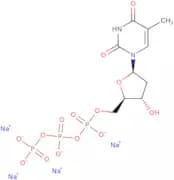
CAS:<p>Thymidine-5'-diphosphate trisodium salt is a novel anticancer drug that is structurally modified to resemble thymidine. It has antiviral and antitumor effects and can be used as an antineoplastic agent. Thymidine-5'-diphosphate trisodium salt is a high quality, high purity ribonucleoside that can be used in the synthesis of deoxyribonucleosides and phosphoramidites. This drug has shown activity against various types of cancer cells and is being investigated for its potential use in the treatment of leukemia.</p>Fórmula:C10H13N2Na3O11P2Pureza:Min. 95%Cor e Forma:White PowderPeso molecular:468.13 g/mol3'-Deoxy-3'-fluoroadenosine
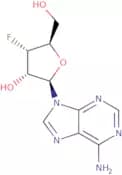
CAS:<p>3'-Deoxy-3'-fluoroadenosine is a potent inhibitor of the phosphodiesterase enzyme, which is an important component of many different cellular processes. It has been shown to inhibit the activity of phosphodiesterase in cell culture and in serum alanine. 3'-Deoxy-3'-fluoroadenosine also inhibits the synthesis of uridine triphosphate, which is required for DNA replication and protein synthesis. The acid complex form has potent inhibition properties against viruses such as alphaviruses, and it also inhibits transport of nucleic acids into cells. 3'-Deoxy-3'-fluoroadenosine can act as an analog to adenosine and may be used to treat viral infections such as HIV or herpes simplex virus.</p>Fórmula:C10H12FN5O3Pureza:Min. 95%Cor e Forma:White PowderPeso molecular:269.23 g/molTricyclic nucleoside phosphate
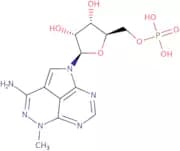
CAS:<p>Akt activation inhibitor</p>Fórmula:C13H17N6O7PPureza:Min. 95%Peso molecular:400.28 g/mol2',3',5'-Tri-O-acetyluridine
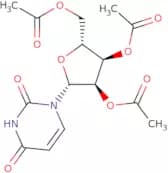
CAS:<p>2',3',5'-Tri-O-acetyluridine is a uridine derivative with potential for use in organic synthesis such as the preparation of modified nucleosides, nucleotides, and RNA analogs.</p>Fórmula:C15H18N2O9Pureza:Min. 95%Cor e Forma:White PowderPeso molecular:370.31 g/mol2'-Deoxy-5-iodouridine - EP
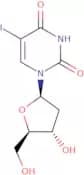
CAS:<p>2'-Deoxy-5-iodouridine is a nucleoside analog that inhibits the replication of viruses and other DNA-containing organisms. 2'-Deoxy-5-iodouridine also has inhibitory properties on cell nuclei, which may be due to its ability to bind with DNA and prevent the synthesis of RNA or protein. 2'-Deoxy-5-iodouridine has been shown to inhibit the growth of human HL60 cells in vitro at an optimum concentration of 20 μM. It also inhibits the replication of murine sarcoma virus at an optimum concentration of 16 μM.<br>2'-Deoxy-5-iodouridine has significant cytotoxicity against solid tumours in mice, which may be due to its ability to inhibit hydrogen fluoride (HF) induced lipid peroxidation and reduce glutathione levels.</p>Fórmula:C9H11IN2O5Pureza:Min. 95%Cor e Forma:PowderPeso molecular:354.1 g/mol2',3'-Dideoxy-5-iodocytidine
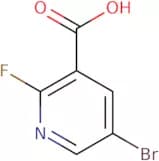
CAS:<p>2',3'-Dideoxy-5-iodocytidine is a modified nucleoside analog based on cytidine, one of the four standard nucleosides found in DNA and RNA. It has been chemically altered to interfere with DNA or RNA synthesis, making it potentially useful as an antiviral or anticancer agent.</p>Fórmula:C9H12N3IO3Pureza:Min. 95%Peso molecular:337.11 g/mol5-Bromo-2-fluoronicotinic acid
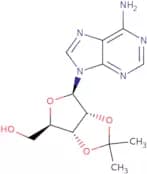
CAS:<p>5-Bromo-2-fluoronicotinic acid is a crystalline compound with an orthorhombic crystal system. The crystal structure of 5-bromo-2-fluoronicotinic acid monohydrate was determined by X-ray diffraction and refined to 2.5 Å resolution. The space group was found to be P212121 and the unit cell dimensions are a = 9.716 Å, b = 10.867 Å, c = 12.242 Å and β = 106.9°. The molecular weight of 5-bromo-2-fluoronicotinic acid monohydrate was found to be 277.3 g/mol with an elemental analysis of C: 67% H: 7% F: 16%.</p>Fórmula:C6H3BrFNO2Pureza:Min. 95%Cor e Forma:PowderPeso molecular:220 g/mol2',3'-O-Isopropylideneadenosine
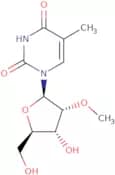
CAS:<p>2',3'-O-Isopropylideneadenosine is a nucleoside that has a possible usage as an organic chemical synthesis intermediate</p>Fórmula:C13H17N5O4Pureza:Min. 98 Area-%Cor e Forma:White PowderPeso molecular:307.31 g/mol2'-O-Methyl-5-methyluridine
CAS:<p>2'-O-Methyl-5-methyluridine is a nucleoside that is involved in the synthesis of RNA. It is a component of the 5-methyluridine (5MU) and 2'-O-methyl-5-hydroxymethyluridine (2'OMMU) families of nucleotides. This compound has been shown to be effective against organisms such as E. coli, S. typhimurium, and C. parapsilosis, which are amide sensitive. The amide group of 2'-O-methyl-5-methyluridine can be cleaved by reagents such as hydrazine or tris(2,4,6,-trimethlyphenyl)phosphonium bromide to form 5MU and 2'OMMU respectively. The modifications to the ribose ring are important for its activity and function in cells. The modification of the ribose ring is catalyzed by enzymes called</p>Fórmula:C11H16N2O6Pureza:Min. 95%Cor e Forma:PowderPeso molecular:272.25 g/molAracytidylyl-(5′→5′)-cytidine
CAS:<p>Please enquire for more information about Aracytidylyl-(5′→5′)-cytidine including the price, delivery time and more detailed product information at the technical inquiry form on this page</p>Fórmula:C18H25N6O12PPureza:Min. 95%Peso molecular:548.4 g/molCytidine 2′,5′-diphosphate
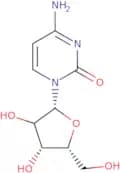
CAS:<p>Please enquire for more information about Cytidine 2′,5′-diphosphate including the price, delivery time and more detailed product information at the technical inquiry form on this page</p>Fórmula:C9H15N3O11P2Pureza:Min. 95%Peso molecular:403.18 g/mol1'-13CCytidine
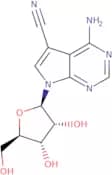
CAS:<p>Cytidine is a nucleotide molecule formed through the attachment of cytosine to a ribose ring</p>Fórmula:CC8H13N3O5Pureza:Min. 95%Peso molecular:244.21 g/molToyocamycin monohydrate
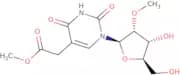
CAS:<p>Toyocamycin is a macrolide antibiotic that inhibits protein synthesis by binding to the 50S ribosomal subunit. Toyocamycin monohydrate (TM) has been shown to have significant cytotoxicity against HL-60 cells, which may be due to its ability to inhibit mitochondrial membrane potential and induce apoptosis. The drug also has inhibitory properties against wild-type strains of bacteria, such as diastatochromogenes, and is active against high-resistant strains of bacteria, such as E. coli. Toyocamycin monohydrate has been shown to inhibit transcriptional regulation in hl-60 cells and k562 cells by binding to RNA polymerase II and blocking RNA synthesis.</p>Fórmula:C12H13N5O4•H2OPureza:Min. 95%Cor e Forma:White PowderPeso molecular:309.28 g/mol5-(Methoxycarbonyl)methyl-2’-O-methyluridine
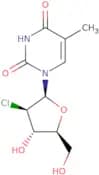
CAS:<p>5-(Methoxycarbonyl)methyl-2’-O-methyluridine is a nucleoside that is a precursor of cytidine. It is synthesized by the enzyme UMP synthase, which converts 5-methoxycarbonylmethyl-2-thiouridine to uridine and 2′-O-methyluridine. The synthesis of 5-(Methoxycarbonyl)methyl-2’-O-methyluridine occurs in both mammalian cells and Xenopus oocytes. This compound has been shown to be a potential biomarker for cancer and may be useful as an indicator of detoxification enzymes activity.</p>Fórmula:C13H18N2O8Pureza:Min. 95%Cor e Forma:White Off-White PowderPeso molecular:330.29 g/mol1-(2'-Chloro-2'-deoxy-β-L-arabinofuranosyl)thymine
CAS:<p>1-(2`-Chloro-2`-deoxy-beta-L-arabinofuranosyl)thymine is a thymine molecule attached to a modified arabinose sugar. Scientists create and study these nucleoside analogs because they can have antiviral or anticancer properties. The changes in the sugar can affect how the molecule interacts with enzymes and other biological components.</p>Fórmula:C10H13ClN2O5Pureza:Min. 95%Peso molecular:276.67 g/mol2'-Deoxyguanosine-5'-triphosphate trisodium
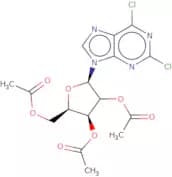
CAS:<p>2'-Deoxyguanosine-5'-triphosphate or dGTP, is a nucleotide used by the cell to synthesize DNA molecules. 2'-Deoxyguanosine-5'-triphosphate is used in molecular biology techniques and assays as a substrate of the enzyme DNA polymerase, e.g. polymerase chain reaction (PCR), DNA sequencing, pyrosequencing reactions.</p>Fórmula:C10H13N5Na3O13P3Pureza:Min. 97 Area-%Cor e Forma:White PowderPeso molecular:573.13 g/mol2,6-Dichloro-9-(2',3',5'-tri-O-acetyl-b-D-ribofuranosyl)purine
CAS:<p>2,6-Dichloro-9-(2',3',5'-tri-O-acetyl-b-D-ribofuranosyl)purine is a protected nucleoside analog which can possibly be used as a synthetic intermediate in the preparation of purine-based nucleosides, especially in medicinal chemistry and nucleic acid synthesis. This compound is composed of 2,6-Dichloropurine – a modified purine base where chlorine atoms replace the hydrogen atoms at positions 2 and 6 and a β-D-ribofuranose. The 2', 3', and 5' hydroxyl groups on the ribose are protected with acetyl groups (–OAc). These tri-O-acetyl protections prevent unwanted reactions during synthetic steps.</p>Fórmula:C16H16Cl2N4O7Pureza:Min. 95%Cor e Forma:White PowderPeso molecular:447.23 g/mol