Nucleotídeos
Os nucleotídeos são compostos orgânicos que servem como building blocks dos ácidos nucleicos, essenciais para a formação de DNA e RNA. Cada nucleotídeo é composto por uma base nitrogenada, uma molécula de açúcar e um ou mais grupos fosfato. Esses nucleotídeos se unem para formar longas cadeias, criando o material genético que carrega e transmite informações genéticas em todos os organismos vivos. Nesta seção, você encontrará uma ampla variedade de nucleotídeos cruciais para pesquisas em genética, biologia molecular e bioquímica. Eles são fundamentais para estudar processos genéticos, sintetizar ácidos nucleicos e desenvolver ferramentas diagnósticas e terapêuticas. Na CymitQuimica, oferecemos nucleotídeos de alta qualidade para apoiar suas pesquisas científicas e aplicações, garantindo precisão e confiabilidade em seus experimentos.
Subcategorias de "Nucleotídeos"
Foram encontrados 2634 produtos de "Nucleotídeos"
Ordenar por
Pureza (%)
0
100
|
0
|
50
|
90
|
95
|
100
3′-UMP
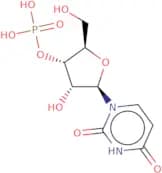
CAS:<p>3′-UMP is a modified nucleoside that has antiviral activity, and is synthesized by the phosphoramidite method. It is a novel compound, which has not been previously reported. 3′-UMP is an activator of ribonucleotide reductase and can be used to treat viral infections. This drug also has anticancer effects and can be used as a chemotherapeutic agent for the treatment of leukemia. 3′-UMP has high purity and high quality.</p>Fórmula:C9H13N2O9PPureza:Min. 95%Peso molecular:324.18 g/mol2'-C-Methylguanosine 5'-triphosphate triethyl ammonium salt - Aqueous solution
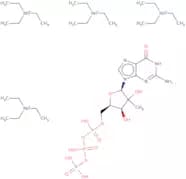
CAS:<p>2'-C-Methylguanosine 5'-triphosphate triethyl ammonium salt - Aqueous solution is a synthetic nucleotide analog for use in research</p>Fórmula:C11H18N5O14P3·4C6H15NPureza:Min. 95%Cor e Forma:PowderPeso molecular:941.97 g/mol5'-O-tert-Butyldiphenylsilyl-7-deaza-2'-deoxy-7-iodoguanosine
<p>5'-O-tert-Butyldiphenylsilyl-7-deaza-2'-deoxy-7-iodoguanosine is a nucleotide that is used in the synthesis of oligonucleotides. 5'-O-tert-Butyldiphenylsilyl-7-deaza-2'-deoxy-7-iodoguanosine is a novel deoxyribonucleotide that can be activated to form a phosphate linker. The high purity and quality of this nucleotide are ensured by the use of state of the art purification techniques.</p>Fórmula:C27H31IN4O4SiPureza:Area-% Min. 95 Area-%Cor e Forma:PowderPeso molecular:630.55 g/mol2-Amino-6-chloro-9-(2'-deoxy-3',5'-di-O-toluoyl-b-D-ribofuranosyl)purine
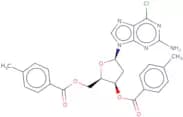
CAS:<p>2-Amino-6-chloro-9-(2'-deoxy-3',5'-di-O-toluoyl-b-D-ribofuranosyl)purine is a purine nucleoside analog where the purine base has a 2-amino group at position 2 and a chlorine at position 6. The sugar is 2'-deoxy, meaning it lacks the 2'-hydroxyl group (like in DNA), and has two toluoyl protection groups attached to the 3' and 5' positions on the sugar.</p>Fórmula:C26H24ClN5O5Pureza:Min. 95%Cor e Forma:Off-white solid.Peso molecular:521.95 g/mol(2R,3R,4S,5R)-2-(4-Aminothieno[3,4-d]pyrimidin-7-yl)-5-(hydroxymethyl)tetrahydrofuran-3,4-diol
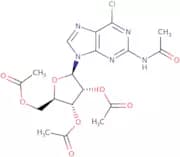
CAS:<p>(2R,3R,4S,5R)-2-(4-Aminothieno[3,4-d]pyrimidin-7-yl)-5-(hydroxymethyl)tetrahydrofuran-3,4-diol is a nucleoside analog for research purposes</p>Fórmula:C11H13N3O4SPureza:Min. 95%Cor e Forma:PowderPeso molecular:283.3 g/mol2-Acetamido-6-chloro-9-(2',3',5'-tri-O-acetyl-b-D-ribofuranosyl)purine
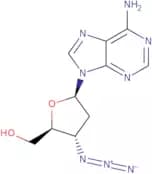
CAS:<p>2-Acetamido-6-chloro-9-(2',3',5'-tri-O-acetyl-b-D-ribofuranosyl)purine is a modified purine nucleoside, protected with acetyl groups, which protect the sugar during chemical reactions. This compound is based on a purine ring and also contains an acetamido group at position 2, a chlorine atom at position 6 and a β-D-ribofuranosyl sugar.</p>Fórmula:C18H20ClN5O8Pureza:Min. 95%Cor e Forma:PowderPeso molecular:469.83 g/mol3'-Azido-2',3'-dideoxyadenosine
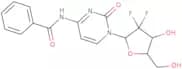
CAS:<p>Also known as 3′-azido-ddA, displays potent antiviral activity in primary human lymphocytes and HeLa and T-cell lines. It has particular activity againstinst H.ns.</p>Fórmula:C10H12N8O2Pureza:Min. 95%Cor e Forma:PowderPeso molecular:276.26 g/molN-Benzoyl-2'-deoxy-2',2'-difluorocytidine
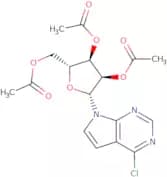
CAS:<p>N-Benzoyl-2'-deoxy-2',2'-difluorocytidine is a novel nucleoside analog with potent antiviral and anticancer activity. It is an activator of the enzyme ribonucleotide reductase and inhibits DNA synthesis. N-Benzoyl-2'-deoxy-2',2'-difluorocytidine has been shown to be an effective inhibitor of human immunodeficiency virus type 1 (HIV-1) replication in vitro, as well as the growth of human tumor cells in vivo.</p>Fórmula:C16H15F2N3O5Pureza:Min. 95%Cor e Forma:PowderPeso molecular:367.3 g/mol6-Chloro-7-deaza-9-(2',3',5'-tri-O-acetyl-β-D-ribofuranosyl)purine
CAS:<p>6-Chloro-7-deaza-9-(2',3',5'-tri-O-acetyl-β-D-ribofuranosyl)purine is a monophosphate nucleoside analog that is used as an antiviral agent. It is a synthetic compound that is activated by phosphorylation to form the triphosphate, which inhibits viral DNA synthesis by binding to the RNA polymerase enzyme. 6-Chloro-7-deaza-9-(2',3',5'-tri-O-acetyl-β-D-ribofuranosyl)purine has been shown to be effective against cancer cells in vitro and in vivo and may be useful for the treatment of human immunodeficiency virus (HIV).</p>Fórmula:C17H18ClN3O7Pureza:Min. 97 Area-%Cor e Forma:Clear LiquidPeso molecular:411.79 g/molFialuridine - Bio-X ™
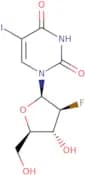
CAS:<p>This product is part of our Bio-X ™ Range. These products are aimed at life science researchers who need high quality ready-to-use products for assay development, screening or other R&D work. With a solubility datasheet and convenient vials, all of our Bio-X ™ products are in stock across our global warehouses for rapid delivery and ease of use.</p>Fórmula:C9H10FIN2O5Pureza:Min. 95%Cor e Forma:PowderPeso molecular:372.09 g/mol5'-Ethylcarboxamido-2-iodo-2',3'-O-isopropylideneadenosine
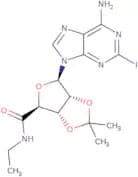
CAS:<p>5'-Ethylcarboxamido-2-iodo-2',3'-O-isopropylideneadenosine is a phosphoramidite nucleoside that is synthesized by the reaction of 5'-ethoxycarbonyl-N,N-diisopropylaminomethylene adenosine with 2,3'-O-(1,1'-biphenyl)-2'-propionic acid ethyl ester. It is used as an antiviral agent and has shown anticancer activity. This novel synthetic nucleoside is structurally related to the natural nucleosides adenosine and inosine.</p>Fórmula:C15H19IN6O4Pureza:Min. 95%Peso molecular:474.26 g/molNicotinic acid-13C6 riboside
CAS:<p>Please enquire for more information about Nicotinic acid-13C6 riboside including the price, delivery time and more detailed product information at the technical inquiry form on this page</p>Fórmula:C6C5H13NO6Pureza:Min. 95%Peso molecular:260.17 g/mol2',3',5'-Tri-O-benzoyl-2'-C-methylcytidine
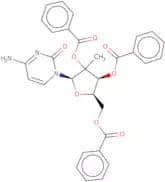
CAS:<p>2',3',5'-Tri-O-benzoyl-2'-C-methylcytidine is a modified cytidine analog. Cytidine is a pyrimidine nucleoside, composed of cytosine attached to a ribose sugar via a β-glycosidic bond. The hydroxyl groups on the ribose sugar at the 2′, 3′, and 5′ positions are protected with benzoyl groups which can prevent side reactions during chemical synthesis. A methyl group is also added to the 2′ carbon of the sugar ring.</p>Fórmula:C31H27N3O8Pureza:Min. 95%Cor e Forma:PowderPeso molecular:569.56 g/molThymidine-5'-diphosphate-D-viosamine disodium salt
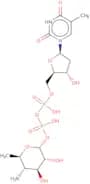
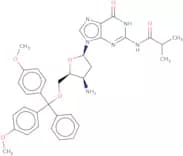
CAS:<p>Thymidine-5'-diphosphate-D-viosamine disodium salt is a nucleoside that has been conjugated to a carrier molecule. This compound is an anomeric, pyranose, and conjugate acid. It has been shown to have antiviral activity in vitro and in vivo against herpes simplex virus type 1 (HSV-1), herpes simplex virus type 2 (HSV-2), and human cytomegalovirus (CMV). Thymidine-5'-diphosphate-D-viosamine disodium salt inhibits the synthesis of viral DNA by inhibiting the incorporation of uracil into the viral DNA strand. This inhibition prevents the production of new viruses by preventing replication.</p>Fórmula:C16H25N3O14P2Na2Pureza:Min. 95 Area-%Cor e Forma:White Off-White PowderPeso molecular:591.31 g/mol3'-Amino-2',3'-dideoxy-5'-O-DMT-N2-isobutyrylguanosine
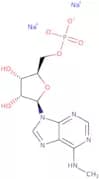
<p>a specifically designed building block for introducing a 3'-amino group into oligonucleotides. The dideoxy sugar ensures the amino group is the primary functionality at the 3' end, while the DMT and isobutyryl protecting groups ensure controlled reactivity during oligonucleotide synthesis and subsequent modification steps.</p>Fórmula:C35H38N6O6Pureza:Min. 95%Peso molecular:638.71 g/molN6-Methyladenosine-5'-monophosphate sodium
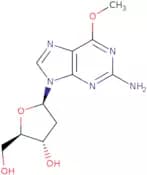
CAS:<p>N6-Methyladenosine-5'-monophosphate sodium is a synthetic nucleoside that has antiviral and anticancer activity. It is an activator of DNA polymerase α, which is involved in the synthesis of DNA. N6-Methyladenosine-5'-monophosphate sodium has been shown to inhibit the replication of human immunodeficiency virus type 1 (HIV-1) in cultured cells and to induce apoptosis in cancer cells. This drug also inhibits the growth of certain bacteria, such as methicillin-resistant Staphylococcus aureus (MRSA) or Mycobacterium tuberculosis. N6-Methyladenosine-5'-monophosphate sodium may be used for the treatment of HIV/AIDS or cancer.</p>Fórmula:C11H16N5O7P·2NaPureza:Min. 98 Area-%Cor e Forma:White PowderPeso molecular:407.23 g/mol2'-Deoxy-6-O-methyl-guanosine
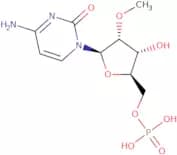
CAS:<p>2'-Deoxy-6-O-methyl-guanosine is a methylated nucleoside that has been shown to inhibit protein synthesis in cancer cells. It does so by inhibiting the synthesis of DNA, which is required for the production of proteins. This compound also inhibits monoclonal antibody production, which may be due to its ability to methylate DNA and prevent dna duplexes from being repaired. 2'-Deoxy-6-O-methyl-guanosine is used as a probe in the detection of human proteins by fluorescence spectroscopy. The sensitivity of this probe has been shown to be greater than 10 ng/mL, making it ideal for use in clinical settings where small quantities of proteins are present.</p>Fórmula:C11H15N5O4Pureza:Min. 95%Cor e Forma:PowderPeso molecular:281.27 g/mol2'-O-Methylcytidine-5'-monophosphate triethylammonium salt
CAS:<p>2'-O-Methylcytidine-5'-monophosphate triethylammonium salt is a synthetic nucleoside that has been shown to be a substrate for DNA polymerase and an inhibitor of RNA synthesis. It has been used in the laboratory as a primer and as a biochemical tool to study viruses. 2'-O-Methylcytidine-5'-monophosphate triethylammonium salt is active against murine leukemia virus, but not against ciliated protozoan parasites such as Tetrahymena pyriformis. This compound has also been shown to inhibit the enzyme form of HIV reverse transcriptase and to be cytotoxic at high concentrations.</p>Fórmula:C10H16N3O8P•C6H15NPureza:Min. 95%Cor e Forma:PowderPeso molecular:438.41 g/mol3'-O-Acetyl-2'-deoxycytidine
CAS:<p>3'-O-acetyl-2'-deoxycytidine is an activator that can be used in the synthesis of deoxyribonucleosides and nucleosides. It is a novel, modified, and high purity chemical entity that has shown anticancer and antiviral properties. 3'-O-acetyl-2'-deoxycytidine is a monophosphate nucleotide, which can be used in the synthesis of various pharmaceuticals. This product has been synthesized using high quality reagents in order to provide the best possible product for research purposes.</p>Fórmula:C11H15N3O5Pureza:Min. 95%Cor e Forma:White PowderPeso molecular:269.25 g/mol5'-Deoxyadenosine
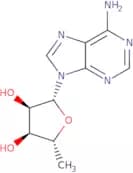
CAS:<p>5'-Deoxyadenosine is a nucleoside that is produced by the enzymatic reaction of glycolaldehyde and ATP. It is found in both DNA and RNA, where it plays an important role in the catalytic subunit of ribonucleotide reductase. 5'-Deoxyadenosine has been shown to be involved in hydrogen bonding with other molecules, such as ethanolamine. It also has a kinetic effect on the enzyme activity of ribonucleotide reductase by forming intramolecular hydrogen bonds with other adenine nucleotides. The analogs of 5'-deoxyadenosine have been shown to inhibit viral replication in cell culture studies using typhimurium virus.</p>Fórmula:C10H13N5O3Pureza:Min. 95%Cor e Forma:PowderPeso molecular:251.25 g/mol2'-Deoxyguanosine-5'-monophosphate disodium salt
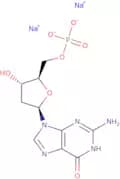
CAS:<p>2'-Deoxyguanosine-5'-monophosphate disodium salt is an inorganic compound that has a furanose ring. It is used as a monofunctional building block for the synthesis of nucleotide derivatives. The conformations of 2'-deoxyguanosine-5'-monophosphate disodium salt are experimentally determined by x-ray data, which shows that the molecule adopts a twisted conformation with two possible orientations: one where the 2'OH group is oriented toward the phosphate group, and another where it is oriented away from it. The nature of these conformers can be confirmed by analyzing their x-ray diffraction patterns.</p>Fórmula:C10H12N5Na2O7PPureza:Min. 98 Area-%Cor e Forma:White PowderPeso molecular:391.19 g/molUridine 5'-triphosphate disodium
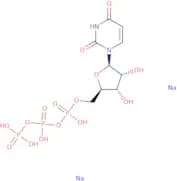
CAS:<p>Uridine 5'-triphosphate disodium salt is a supramolecular complex that binds to gold nanoparticles. The binding of uridine 5'-triphosphate disodium salt to gold nanoparticles can be used for the detection of metal ions through the photometric method. Uridine 5'-triphosphate disodium salt has been shown to inhibit the glutathione-dependent reduction of vitamin B12, which is a key step in methionine synthesis and folate metabolism. This inhibition may lead to a decrease in protein synthesis, ATP production, and cell division.</p>Fórmula:C9H15N2O15P3•Na2Pureza:Min. 95%Cor e Forma:PowderPeso molecular:530.12 g/mol2'-Deoxycytidine-5'-monophosphate disodium
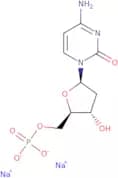
CAS:<p>2'-Deoxycytidine-5'-monophosphate disodium (2DdCMP) is a competitive inhibitor of receptor protein tyrosine kinases. It has been shown to inhibit the growth of various human cancer cell lines in vitro and to reduce tumor size in mice bearing transplanted human tumor xenografts. 2DdCMP inhibits the proliferation of cancer cells by interfering with the expression of growth factors that are involved in mitogenesis. This drug also inhibits the growth of new blood vessels, which is essential for tumor formation and progression. 2DdCMP binds to an allosteric site on receptor molecules, thereby blocking the binding site of other proteins such as growth factors and kinases that may be involved in tumorigenesis.</p>Fórmula:C9H12N3O7PNa2Pureza:Min. 95%Cor e Forma:White PowderPeso molecular:351.16 g/molDecitabine
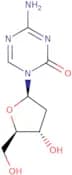
CAS:<p>A synthetic cytosine analogue that incorporates into DNA and prevents DNA methylation via DNA (cytosine-5)-methyltransferase 1 (DNMT1) inhibition. Demonstrated potent anti-leukaemic effects attributed to cell cycle arrest and induction of apoptosis. Has anti-growth effects on solid tumor cell lines.</p>Fórmula:C8H12N4O4Pureza:Min. 98 Area-%Cor e Forma:White PowderPeso molecular:228.21 g/mol1-(5'-O-Benzoyl-2'-deoxy-2'-fluoro-β-L-arabinofuranosyl)thymine
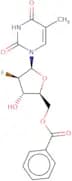
CAS:<p>1-(5'-O-Benzoyl-2'-deoxy-2'-fluoro-β-L-arabinofuranosyl)thymine is a modified nucleoside analog with structural modifications that enhance its biological properties, stability, and pharmaceutical potential. The compound features thymine (5-methyluracil) as the nucleobase, a pyrimidine derivative. The sugar component is 2'-deoxy-2'-fluoro-β-L-arabinofuranose, which includes the L-arabinose configuration, a departure from the natural D-ribose or D-deoxyribose configuration typically found in DNA and RNA, influencing how the molecule is recognized by biological systems. The 2'-fluoro substitution at the sugar position improves the compound's stability and resistance to enzymatic degradation, while also potentially enhancing its antiviral activity. A 5'-O-benzoyl group serves as a protecting group, safeguarding the 5'-hydroxyl group during synthesis.</p>Fórmula:C17H17FN2O6Pureza:Min. 95%Peso molecular:364.33 g/mol2',3'-Dideoxyuridine-5'-triphosphate lithium - 100mM aqueous solution
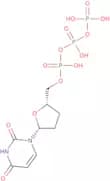
CAS:<p>2',3'-Dideoxyuridine-5'-triphosphate can be used with uracil DNA glycosylase to minimize PCR carryover contamination and enables the kinetics of deoxyuridine 5′-triphosphate nucleotidohydrolases to be investiagated.</p>Fórmula:C9H15N2O13P3•LixPureza:Min. 95%Cor e Forma:Clear LiquidPeso molecular:452.14 g/mol6-Thio-9-(β-D-arabinofuranosyl)purine
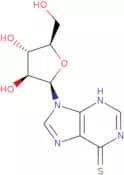
CAS:<p>6-Thio-9-(b-D-arabinofuranosyl)purine is a purine analog that inhibits the enzyme uridine phosphorylase, which is involved in the metabolism of uridine. It has been shown to inhibit the growth of L1210 cells and also to be effective against subcutaneous tumors in mice. 6-Thio-9-(b-D-arabinofuranosyl)purine is active against schistosomiasis in mice, with an LD50 of 1 mg/kg. This drug has also been shown to have potential antitumor activity and was able to inhibit the growth of human lymphocytes and leukocytes.</p>Fórmula:C10H12N4O4SPureza:Min. 95%Cor e Forma:PowderPeso molecular:284.29 g/mol9-(b-D-Arabinofuranosyl)guanine - Bio-X ™
CAS:<p>9-(b-D-Arabinofuranosyl) guanine is a purine nucleoside in which guanine is attached to arabinofuranose via a beta-N(9)-glycosidic bond. 9-(b-D-Arabinofuranosyl) guanine binds to the phosphate groups in DNA and inhibits the synthesis of DNA causing cell death. It also has antineoplastic properties.</p>Fórmula:C10H13N5O5Pureza:Min. 95%Cor e Forma:PowderPeso molecular:283.24 g/molInosine 5'-diphosphate trisodium
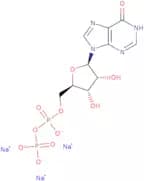
CAS:<p>Inosine 5'-diphosphate trisodium salt is an antiviral compound that is used to inhibit the replication of many viruses, including herpes, influenza, and HIV. It has been shown to be effective against cancer cells in vitro. Inosine 5'-diphosphate trisodium salt is a modified nucleotide that is used as a phosphoramidite for DNA synthesis. This compound can also be used as an activator for deoxyribonucleoside triphosphates. It has been shown to have anticancer activity in vivo and in vitro and also inhibits viral DNA synthesis by preventing the formation of ribonucleotide triphosphates from ribonucleotides. The molecular weight of this compound is 390.4 g/mol and its CAS number is 81012-88-6.</p>Fórmula:C10H11N4O11P2•Na3Pureza:Min. 95%Cor e Forma:PowderPeso molecular:494.13 g/mol2'-Azido-2'-deoxyuridine
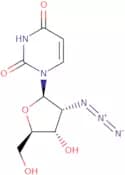
CAS:<p>2'-Azido-2'-deoxyuridine is a synthetic nucleoside analog of uridine in which the 2'-hydroxyl group on the ribose sugar is replaced with an azido group (–N₃), and the base is unmodified uracil. This modification alters the sugar's conformation and chemical reactivity, enabling the use of this analog in bioorthogonal labeling strategies, particularly through azide-alkyne "click" chemistry. Its incorporation into nucleic acids can influence polymerase recognition and chain elongation, making it a useful probe in studies of RNA synthesis, structure, and function.</p>Fórmula:C9H11N5O5Pureza:Min. 98 Area-%Cor e Forma:White Off-White PowderPeso molecular:269.21 g/molAcetyl hypoxanthine
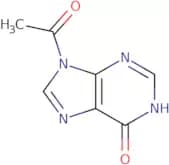
CAS:<p>Acetyl hypoxanthine is an inorganic compound that has a cyclophosphate group. It can be synthesized from the reaction of acetic acid and 6-chloropurine, which is activated with trifluoroacetic acid and irradiated with ultraviolet light. Acetyl hypoxanthine can then be synthesized by ammonolysis of chloroacetone using ammonia or by chlorinating acetylene with chlorine. The advantages of this compound are its high yield and low cost.</p>Fórmula:C7H6N4O2Pureza:Min. 95 Area-%Cor e Forma:PowderPeso molecular:178.15 g/molCladribine
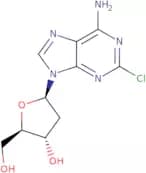
CAS:<p>Deoxyadenosine analog resistant to adenosine deaminase</p>Fórmula:C10H12ClN5O3Pureza:Min. 97 Area-%Cor e Forma:PowderPeso molecular:285.69 g/molGemcitabine base
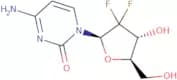
CAS:<p>Gemcitabine is a prodrug that is converted to 5-fluorouracil (5FU) in the body. It has been shown to inhibit the growth of bladder and pancreatic cancer cells by interfering with the synthesis of DNA. Gemcitabine inhibits DNA replication by binding to the epidermal growth factor receptor, which leads to cell death. Gemcitabine also acts as a competitive inhibitor of deoxycytidine kinase, which prevents the formation of deoxycytidine monophosphate from deoxyuridine monophosphate, preventing DNA replication. In addition, gemcitabine can activate apoptosis in some tumor cells by increasing levels of intracellular free calcium, which leads to activation of enzymes such as phospholipases and proteases that degrade proteins, lipids, and nucleic acids.</p>Fórmula:C9H11F2N3O4Pureza:Min. 98 Area-%Cor e Forma:White PowderPeso molecular:263.2 g/mol2’-Deoxy-2’-fluorouridine 5’-monophosphate triethyl ammonium
<p>2’-Deoxy-2’-fluorouridine 5’-monophosphate triethyl ammonium is a fluorinated nucleotide analog used in biochemical and medicinal research</p>Fórmula:C9H12FN2O8P•C6H15NPureza:Min. 95%Cor e Forma:PowderPeso molecular:427.36 g/molDihydrozeatin riboside
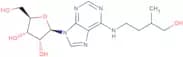
CAS:<p>Dihydrozeatin riboside is a cytokinin, a group of plant hormones that regulate various aspects of plant growth and development. It is found in the form of an ester, dihydrozeatin riboside, which is produced by the action of trifluoroacetic acid on zeatin. The natural function of this hormone is to stimulate cell division in plants, but it has also been shown to have antibacterial effects against bacterial strains such as Bacillus subtilis and Escherichia coli. Dihydrozeatin riboside inhibits bacterial growth by binding to DNA-dependent RNA polymerase, thereby preventing transcription and replication. The high frequency of human activity has been shown using a patch-clamp technique on human erythrocytes. This active form is metabolized through a number of metabolic transformations, including hydrolysis by esterases or glucuronidases, oxidation by cytochrome P450 enzymes, reduction</p>Fórmula:C15H23N5O5Pureza:Min. 95%Cor e Forma:PowderPeso molecular:353.37 g/molN4-Benzoylcytidine
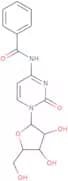
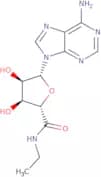
CAS:<p>N4-Benzoylcytidine is a nucleoside that is used as part of the synthesis of the antiviral drug acyclovir. It is synthesized by reacting uridine with benzoyl chloride in a solid-phase synthesis. N4-Benzoylcytidine has shown to inhibit the growth of virus type-1 and other viruses, including those that cause herpes simplex and varicella zoster. This nucleoside also inhibits epidermal growth factor (EGF) and is a hybridization probe for human immunodeficiency virus (HIV). The benzoate group on this compound reacts with hydroxyl groups on proteins, which may be why it has been shown to stimulate epidermal growth in mammalian cells.</p>Fórmula:C16H17N3O6Pureza:Min. 98 Area-%Cor e Forma:White PowderPeso molecular:347.32 g/mol5'-Ethylcarboxamidoadenosine
CAS:<p>5'-Ethylcarboxamidoadenosine (5-ECA) is an adenosine receptor antagonist that is used as a radioligand to study the binding of adenosine and other nucleotides to their receptors. 5-ECA binds to the A3 receptor, which is a member of the G protein-coupled receptor family. This compound also inhibits platelet aggregation and has been shown to have anti-inflammatory effects in mice with colon cancer. 5-ECA was found to inhibit tumor growth in a mouse model system by suppressing IL-2 production and reducing levels of PGE2, an effect that may be due to inhibition of cyclase activity. 5-ECA can be used in vitro for studies on pluripotent cells because it does not affect their ability to differentiate.</p>Fórmula:C12H16N6O4Pureza:Min. 95%Cor e Forma:White PowderPeso molecular:308.29 g/mol5-Iodo-2'-O-methyluridine
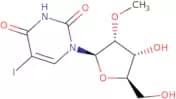
CAS:<p>5-Iodo-2'-O-methyluridine is a novel antiviral drug that inhibits replication of DNA and RNA viruses. It is chemically synthesized from 2' deoxyuridine monophosphate, which is modified to create the 5-iodo derivative. The modification at the 5th position of the uracil ring prevents the incorporation of methylation into DNA and RNA, which can lead to cancerous growths. This compound has been shown to be an excellent activator for DNA synthesis in vitro. It has also been shown to have anticancer properties in vitro and in vivo.</p>Fórmula:C10H13IN2O6Pureza:Min. 95%Cor e Forma:PowderPeso molecular:384.12 g/molAcetyl coenzyme A trilithium
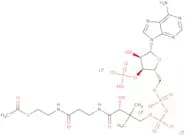
CAS:<p>Acetyl coenzyme A trilithium salt (ACAT) is a prodrug that is metabolized in vivo to the active form, acetyl coenzyme A. Acetyl coenzyme A has been shown to inhibit the growth of human carcinoma cells and some typhimurium strains. It binds to cytochrome P450, which is involved in the oxidation of acetate and other organic substrates. ACAT has also been shown to be effective against squamous cell carcinoma by inhibiting the production of reactive oxygen species (ROS) in these cells. The anticancer activity of ACAT may be due to its ability to inhibit the conversion of amines into heterocyclic amines, which are known carcinogens.</p>Fórmula:C23H35Li3N7O17P3SPureza:Min. 95%Cor e Forma:White PowderPeso molecular:827.37 g/mol5'-Deoxy-5'-(methylthio)adenosine
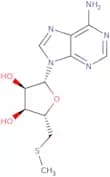
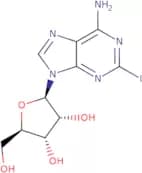
CAS:<p>5'-Deoxy-5'-(methylthio)adenosine is a nucleoside that has been shown to inhibit the growth of bowel cancer cells. 5'-Deoxy-5'-(methylthio)adenosine blocks the synthesis of DNA and RNA by inhibiting the action of enzymes involved in DNA metabolism. It also inhibits methionine synthase and phosphorylase, which are involved in protein synthesis. This compound has been shown to be effective in treating cancer tissues due to its ability to inhibit polymerase chain reactions and prevent the formation of cancerous cells.</p>Fórmula:C11H15N5O3SPureza:(Hplc-Ms) Min. 98 Area-%Cor e Forma:White PowderPeso molecular:297.34 g/mol2-Iodoadenosine
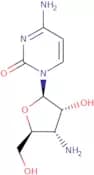
CAS:<p>2-Iodoadenosine is a chemical compound that is produced from the oxidation of uridine. It is used in the synthesis of peptides, which are important for biological processes like signal transduction and cell growth. 2-Iodoadenosine can be made by coupling other molecules to an adenosine molecule. This process involves a cross-coupling reaction with palladium catalysts or hydroxylation reactions with sodium borohydride. The resulting product has been shown to have anticancer and anti-microbial activities against protozoan parasites and cyclic peptide structures.</p>Fórmula:C10H12IN5O4Pureza:Min. 97 Area-%Cor e Forma:PowderPeso molecular:393.14 g/mol3'-Amino-3'-deoxycytidine
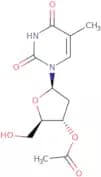
CAS:<p>It is an antiviral agent that inhibits the replication of RNA viruses by acting as a chain terminator during RNA synthesis. It is also a valuable research tool for studying viral replication mechanisms and is being explored for potential anticancer properties.</p>Fórmula:C9H14N4O4Pureza:Min. 95%Cor e Forma:PowderPeso molecular:242.23 g/mol3'-O-Acetylthymidine
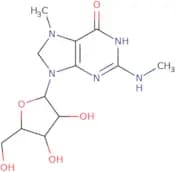
CAS:<p>3'-O-Acetylthymidine is a dinucleoside analogue of thymidine. It has been used as a model for human immunodeficiency virus (HIV) and has been shown to be resistant to HIV infection in vitro. 3'-O-Acetylthymidine inhibits the synthesis of protein by binding to the ribosomal RNA of the host cell, preventing the formation of an aminoacyl-tRNA synthetase complex with tRNA. This prevents the incorporation of amino acids into proteins, leading to inhibition of protein synthesis and cell death. 3'-O-Acetylthymidine also inhibits HIV replication by competing with deoxycytidine triphosphate for incorporation into DNA, preventing the synthesis of viral DNA. 3'-O-Acetylthymidine is hydrolyzed by esterases or glucuronidases, oxidized by cytochrome P450 enzymes, reduced by glutathione reductase</p>Fórmula:C12H16N2O6Pureza:Min. 98 Area-%Cor e Forma:White PowderPeso molecular:284.27 g/molN2,7-Dimethylguanosine
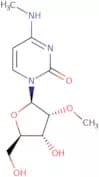
CAS:<p>N2,7-Dimethylguanosine is a modified nucleotide that is an intermediate in the biosynthesis of guanine. This modification is catalyzed by an enzyme called methyltransferase, which transfers a methyl group from S-adenosylmethionine to the guanine base. N2,7-dimethylguanosine has been shown to be involved in epigenetic regulation and translation regulation as well as having a biological function as an acceptor for aminoacylation. N2,7-dimethylguanosine can be detected with mass spectrometry and can also be immobilized onto solid supports for use in biochemical pathways.<br>br><br>N2,7-dimethylguanosine is synthesized from S-adenosylmethionine (SAM) and 5'-methylthioadenosine (MTA) by a series of reactions involving methyltetrahydrofolate reductase and methy</p>Fórmula:C12H18N5O5Pureza:Min. 95%Cor e Forma:White PowderPeso molecular:312.3 g/molN4-Methyl-2'-O-methyl-cytidine
CAS:<p>N4-Methyl-2'-O-methyl-cytidine is a nucleoside analog that is used as an antibiotic. The ribosomal RNA in prokaryotes has been found to be sensitive to this drug, which inhibits protein synthesis by reversibly binding to the 50S subunit of the ribosome and inhibiting translocation. N4-Methyl-2'-O-methyl-cytidine also binds to the ribonucleoprotein in eukaryotic cells, blocking translation of mRNA into proteins. N4-Methyl-2'-O-methyl-cytidine is effective against Gram positive bacteria, such as Staphylococcus aureus and Clostridium perfringens, while being inactive against Gram negative bacteria. This drug has a molecular weight of 197 and can be broken down into low molecular weight fragments or high molecular weight fragments.</p>Fórmula:C11H17N3O5Pureza:Min. 95%Cor e Forma:White PowderPeso molecular:271.27 g/molTenofovir
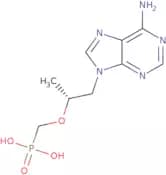
CAS:<p>Tenofovir is an acyclic nucleoside phosphonate that exhibits anti-viral properties through its inhibition of reverse transcriptases. In particular, Tenofovir is a potent inhibitor of Human Immunodeficiency Virus (HIV) and chronic Hepatitis B Virus (HBV) reverse transcriptases, thus preventing the replication of genetic viral material. This property is beneficial in virus research areas and developing antiviral treatments. Once inside the body tenofovir is metabolized into its active form, tenofovir diphosphate, by the lysosomal protease cathepsin A, nucleotide kinases and adenylate kinases. An oral prodrug, used in the treatment of HIV, is tenofovir alafenamide (TAF) hemifumerate and this has improved stability, greater antiviral activity and reduces the risk of side effects such as loss of kidney function. Furthermore, TAF is easily metabolized into tenofovir in the lymphocytes allowing increased drug accumulation in HIV cells.</p>Fórmula:C9H14N5O4PPureza:Min. 95%Cor e Forma:White Clear LiquidPeso molecular:287.21 g/mol7-Deaza-2'-deoxyinosine
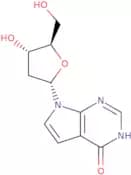
CAS:<p>7-Deaza-2'-deoxyinosine is a purine nucleoside analog that has been shown to be a hydrogen bond donor and formamide acceptor. This drug destabilizes duplex DNA by interfering with the formation of the hydrogen bonds between the bases, which may result in strand breakage. 7-Deaza-2'-deoxyinosine has also been shown to inhibit RNA polymerase activity, thereby inhibiting protein synthesis. It has been used as a tool for studying enzyme mechanisms and in solid phase synthesis.</p>Fórmula:C11H13N3O4Pureza:Min. 95%Cor e Forma:PowderPeso molecular:251.24 g/mol5'-Deoxy-5'-iodoadenosine
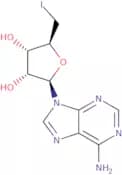
CAS:<p>5'-Deoxy-5'-iodoadenosine is a nucleoside analog that inhibits the activity of the adenosine receptor. This drug binds to adenosine receptors, which are found on the surface of cells. The binding results in an inhibitory effect on viral replication and cell proliferation. 5'-Deoxy-5'-iodoadenosine has been shown to be effective against hepatitis B virus, hepatitis C virus, and human T-cell leukemia virus type 1 (HTLV-1). It is also active against animal models of human diseases such as l1210 murine leukemia and t-cell leukemia. 5'-Deoxy-5'-iodoadenosine has been shown to inhibit the growth of hl-60 cells in cell culture by blocking the synthesis of adenylate cyclase and protein kinase A.</p>Fórmula:C10H12IN5O3Pureza:Min. 95%Cor e Forma:PowderPeso molecular:377.14 g/mol5-Bromouridine
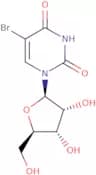
CAS:<p>5-Bromouridine is an energy-related metabolite that is a precursor of uridine. It is a nucleotide base that is incorporated into DNA during DNA replication. 5-Bromouridine has been shown to have radiation resistance and high resistance to viral life. It also binds to the nuclear DNA in cells, where it can act as a transcriptional regulator. 5-Bromouridine is used in the treatment of malignant brain tumors, where it can inhibit tumor growth by binding to the dna of cancer cells and preventing the synthesis of proteins required for cell division. 5-Bromouridine binds with high affinity to basic fibroblast, which may be related to its effects on cancer cells.</p>Fórmula:C9H11BrN2O6Pureza:Min. 95%Cor e Forma:White PowderPeso molecular:323.1 g/mol8-Bromoguanosine 3',5'-cyclic monophosphate sodium salt
CAS:<p>Activator of cGMP-dependent protein kinases</p>Fórmula:C10H10BrN5NaO7PPureza:Min. 95%Cor e Forma:PowderPeso molecular:446.08 g/mol


![(2R,3R,4S,5R)-2-(4-Aminothieno[3,4-d]pyrimidin-7-yl)-5-(hydroxymethyl)tetrahydrofuran-3,4-diol](/_next/image/?url=https%3A%2Fstatic.cymitquimica.com%2Fproducts%2F3D%2Fthumb-webp%2FFA165910.webp&w=3840&q=75)