Vitaminas
As vitaminas são compostos orgânicos necessários em pequenas quantidades para funções fisiológicas essenciais e para a saúde geral. Desempenham papéis cruciais no metabolismo, na função imunológica e na manutenção celular. Nesta categoria, encontrará uma ampla gama de vitaminas, incluindo tipos solúveis em água e em gordura, necessários para a pesquisa em nutrição, bioquímica e ciências da saúde. Na CymitQuimica, oferecemos vitaminas de alta qualidade para apoiar seus esforços de pesquisa e desenvolvimento, garantindo a precisão e eficácia de seus estudos sobre as funções e deficiências das vitaminas.
Foram encontrados 1123 produtos de "Vitaminas"
Ordenar por
Pureza (%)
0
100
|
0
|
50
|
90
|
95
|
100
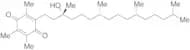
D-α-Tocopherol Quinone
CAS:Produto Controlado<p>Stability Light Sensitive<br>Applications D-α-Tocopherol Quinone is an vitamin E derivative that exhibits antioxidant properties. D-α-Tocopherol Quinone has been shown to partially restore the activity of NADH dehydrogenase and used to investigate the electron transport system in rat hepatocyte and human erythrocyte.<br>References Sun, I. L., et al.: Proc. Natl. Acad. Sci. USA 89, 11126 (1992); Hosomi, A., et al.: FEBS Lett. 409, 105 (1997)<br></p>Fórmula:C29H50O3Cor e Forma:NeatPeso molecular:446.71Menaquinone (K2)
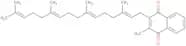
CAS:Menaquinone (K2) is a fat-soluble vitamin, which is a form of Vitamin K. It is naturally found in animal and fermented foods. Menaquinone is synthesized by specific bacteria during fermentation processes. Its primary mode of action involves carboxylation of specific proteins, which is essential for calcium binding in bones and blood vessels.Fórmula:C31H40O2Pureza:Min. 98 Area-%Cor e Forma:Yellow PowderPeso molecular:444.65 g/molPantethine
CAS:Pantethine is a dietary supplement, which is a derivative of pantothenic acid, sourced from vitamin B5. As a biologically active compound, it undergoes conversion to pantetheine, which then forms coenzyme A (CoA) and acyl-carrier proteins. This conversion is critical, as CoA is an essential cofactor involved in numerous biochemical reactions that are integral to fatty acid metabolism, among other processes.Fórmula:C22H42N4O8S2Pureza:Min. 95%Cor e Forma:PowderPeso molecular:554.72 g/mol5-Methyltetrahydrofolic acid disodium salt
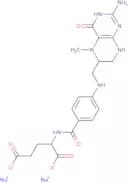
CAS:5-Methyltetrahydrofolic acid disodium salt is a form of vitamin B9 that is produced by the body from 5,10-methylenetetrahydrofolate. It also can be obtained through the diet in foods such as milk, eggs, and leafy vegetables. This vitamin is necessary for many cellular processes, including amino acid metabolism. 5-Methyltetrahydrofolic acid disodium salt has been shown to have a significant effect on neuron cell growth and health. It has been shown to stimulate the enzyme activities of catecholamine-O-methyltransferase and dopamine beta hydroxylase in vitro. The effects were seen with both acidic and neutral pHs. 5-Methyltetrahydrofolic acid disodium salt has been found to be a selective inhibitor of receptor α (rho) uptake in Caco-2 cells at acidic pHs but not at neutral pHs. In additionFórmula:C20H23N7Na2O6Cor e Forma:PowderPeso molecular:503.42 g/molRiboflavin
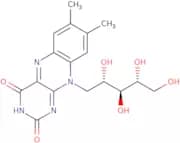
CAS:Riboflavin is a water-soluble vitamin, which is derived primarily from dietary sources such as milk, eggs, nuts, and green vegetables. As a precursor to coenzymes flavin mononucleotide (FMN) and flavin adenine dinucleotide (FAD), riboflavin plays a crucial role within the cellular metabolic pathways. These coenzymes are essential for redox reactions occurring in mitochondrial energy metabolism, particularly within the electron transport chain.Fórmula:C17H20N4O6Pureza:Min. 98 Area-%Cor e Forma:Yellow PowderPeso molecular:376.36 g/molDihydrotachysterol
CAS:Dihydrotachysterol is a synthetic analog of vitamin D, which is derived from ergocalciferol or cholecalciferol. It is a semi-synthetic compound tailored to mimic the active form of vitamin D, playing a crucial role in calcium metabolism. Unlike naturally occurring vitamin D, Dihydrotachysterol does not require metabolic activation in the kidneys, making it particularly useful in patients with impaired renal function.Fórmula:C28H46OPureza:Min. 98 Area-%Cor e Forma:PowderPeso molecular:398.66 g/mol6-Fluorovitamin D3
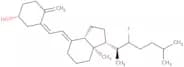
CAS:6-Fluorovitamin D3 is a synthetic analog of vitamin D3, which is a modified form of the naturally occurring hormone known as cholecalciferol. This molecule is typically derived through chemical synthesis, incorporating a fluorine atom at a specific position on the vitamin D3 structure. The introduction of the fluorine atom is designed to enhance the stability of the compound and potentially alter its biological activity.Fórmula:C27H43FOPureza:Min. 95%Peso molecular:402.63 g/molD-Biotin
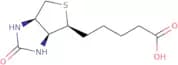
CAS:<p>Biotin is a water-soluble vitamin, also known as vitamin B7. Biotin is an essential coenzyme for five carboxylases in mammalian cells, which play key roles in the metabolism of glucose, amino acids and fatty acids (Zempleni, 2014). Biotin is also used in biochemistry in affinity purification of proteins in the biotin-avidin and biotin-streptavidin systems. Herein, free biotin is used in the elution step to release the recombinant protein from the resin (Diamandis and Christopoulos, 1991).</p>Fórmula:C10H16N2O3SPureza:98.5 To 101.0%Cor e Forma:White Off-White PowderPeso molecular:244.31 g/molAscorbic acid
CAS:<p>Ascorbic acid is an essential vitamin, also known as Vitamin C, which is a naturally occurring organic compound abundant in various fruits and vegetables, including citrus fruits, berries, and peppers. Its mode of action primarily relies on its ability to donate electrons, thereby neutralizing free radicals and reducing oxidative stress at the cellular level. Furthermore, ascorbic acid acts as a cofactor for several vital enzymatic reactions, including collagen synthesis, iron absorption, and the biosynthesis of neurotransmitters.</p>Fórmula:C32H42N2O7Pureza:Min. 95%Peso molecular:566.69 g/molL-Biotin
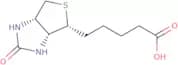
CAS:L-Biotin, also known as biotin or vitamin H, is a water-soluble vitamin that is an essential cofactor in the carboxylation of several enzymes. L-Biotin is involved in fatty acid synthesis and amino acid metabolism. L-Biotin has been shown to be cytotoxic against cancer cells in vitro. It has been used to diagnose parathyroid function by measuring urinary excretion of l-biotin after administration of human parathyroid hormone (PTH). L-Biotin can also be used as a targeting molecule for diagnostic purposes.Fórmula:C10H16N2O3SPureza:Min. 95%Cor e Forma:White PowderPeso molecular:244.3 g/molMenaquinone 9
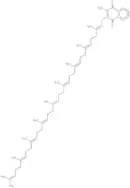
CAS:Menaquinone 9 is a vitamin K2 product, which is a naturally occurring compound found in fermented foods and certain animal products. It is a member of the menaquinone group, distinguished by the number of isoprene units in its side chain. Menaquinone 9 is synthesized by certain bacteria in the gut and absorbed through the intestines. Its primary mode of action involves serving as a cofactor for the enzyme gamma-glutamyl carboxylase, which is crucial for the post-translational modification of specific proteins required for calcium binding.Fórmula:C56H80O2Pureza:Min. 95%Cor e Forma:PowderPeso molecular:785.23 g/molD-Calcium pantothenate
CAS:Pantothenic acid (pantothenate) is a water-soluble vitamin of the B complex. It is an essential nutrient that is necessary for the normal development and maintenance of the human body. Pantothenate is necessary for energy metabolism, as well as synthesis of coenzyme A and acetylcholine. Pantothenate also participates in the synthesis of hemoglobin, blood cells, and steroid hormones. Pantothenate deficiency can lead to dermatitis, insomnia, irritability, fatigue, depression, dizziness, muscle pain or cramps, and hair loss. D-Calcium pantothenate (DCP) is a salt form of pantothenic acid that has been shown to be effective in treating coronary heart disease and oxidative injury. DCP has been used as a model system to study polymerase chain reactions (PCR) in vitro. This vitamin also acts as an antioxidant by reducing free radicals such as peroxides and lipid hydroFórmula:C18H32CaN2O10Cor e Forma:White Off-White PowderPeso molecular:476.53 g/mol22-Fluorovitamin D3
CAS:22-Fluorovitamin D3 is a synthetic analog of vitamin D3, which is derived from chemical synthesis involving fluorination at the C-22 position. This modification results in a compound that mimics the structure and activity of naturally occurring vitamin D3 but with altered pharmacokinetics and metabolic stability. The fluorine atom, due to its size and electronegativity, influences the binding affinity and activity of the compound at vitamin D receptors.Fórmula:C27H43FOPureza:Min. 95%Peso molecular:402.63 g/molL-Ascorbic acid
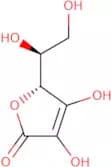
CAS:<p>L-ascorbic acid, also known as vitamin C, is a natural compound with antioxidant properties. It prevents the degradation of the API in formulations, and acts as a stabilizer to adjust the redox environment and avoid side reactions with reactive species that might oxidize the drug. It is also a buffering agent, helping maintain the desired pH to improve solubility and stability.</p>Fórmula:C6H8O6Pureza:Min. 98 Area-%Cor e Forma:White PowderPeso molecular:176.12 g/moldelta-Tocotrienol
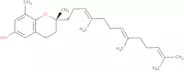
CAS:<p>Delta-Tocotrienol is a natural compound, part of the vitamin E family, which is primarily sourced from the seeds and fruits of certain plants, such as annatto. This compound is a potent antioxidant, exerting its effects through the scavenging of free radicals and protection of polyunsaturated fatty acids in cell membranes from oxidative damage. Additionally, delta-Tocotrienol inhibits the enzyme HMG-CoA reductase, leading to a reduction in cholesterol synthesis.</p>Fórmula:C27H40OPureza:Min. 95%Cor e Forma:Clear LiquidPeso molecular:380.61 g/molMenaquinone 7
CAS:Vitamin K2 related compoundFórmula:C46H64O2Pureza:Min. 97 Area-%Cor e Forma:PowderPeso molecular:649 g/molCholecalciferol - 100IU/mg - contains 2.5g/kg active
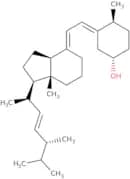
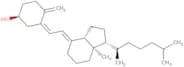
CAS:<p>Cholecalciferol - 100IU/mg - contains 2.5g/kg active is a chemical compound known as vitamin D3. It is derived primarily from cholesterol through photochemical synthesis in animal skin exposed to ultraviolet light. The product functions as a hormone regulator by modulating calcium and phosphorus metabolism within biological systems. This process is crucial for maintaining bone density and immune system efficacy.</p>Fórmula:C27H44OPureza:Min. 95%Cor e Forma:White PowderPeso molecular:384.64 g/molVitamin D3 b-D-Glucuronide, >90%
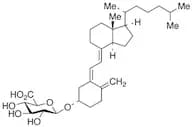
CAS:Produto Controlado<p>Stability Temperature and Light Sensitive<br>Applications A metabolite of Vitamin D3.<br>References Bell, P.A., et al.: Biochem. J., et al.: 115, 663 (1969), Kumar, R.S., et al.: J. Clin. Invest., 65, 277 (1980), Shimada, K., et al.: Biol. Pharm. Bull., 19, 491 (1996),<br></p>Fórmula:C33H52O7Pureza:>90%Cor e Forma:NeatPeso molecular:560.76Echinenone (Technical Grade)
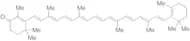
CAS:<p>Stability Light Sensitive, Temperature Sensitive<br>Applications Echinenone is a protective carotenoid. Echinenone is an analogue of β-Carotene (C184250), the most important of the provitamins A. Widely distributed in the plant and animal kingdom. In plants it occurs almost always together with chlorophyll. Vitamin A precursor. Ultraviolet screen.<br>References Karrer, et al.: Helv. Chim. Acta, 12, 1142 (1929); Fischli, M., et al.: Helv. Chim. Acta, 58, 1584 (1975); Desmet, J., et al.: Biochem. Biophys. Acta, 912, 211 (1987); Tan, C., et al.: Food Chem., 92, 661 (2005); Chu, B., et al.: J. Agric. Food Chem., 55, 6754 (2007)<br></p>Fórmula:C40H54OCor e Forma:NeatPeso molecular:550.86