Nucleosídeos
Foram encontrados 3570 produtos de "Nucleosídeos"
N6-Benzoyl-9-(2'-deoxy-5'-O-DMT-2'-fluoro-b-D-arabinofuranosyl)adenine 3'-O-succinate triethylammonium salt
N6-Benzoyl-9-(2'-deoxy-5'-O-DMT-2'-fluoro-b-D-arabinofuranosyl)adenine 3'-O-succinate triethylammonium salt is a novel antiviral nucleotide. This drug has been shown to be an activator of DNA synthesis and to inhibit the growth of viruses such as influenza A, herpes simplex virus type 1, and HIV type 1. N6-Benzoyl-9-(2'-deoxy-5'-O-DMT-2'-fluoro-b-D arabinofuranosyl)adenine 3'-O succinate triethylammonium salt is synthesized by the reaction of 6-[(3,4,5,6 -tetrahydrobenzo[1,2]dioxaphosphinanyl)methyl]aminopurine (N6BA), 2',5' -dFórmula:C42H38FN5O9·C6H16NPureza:Min. 95%Peso molecular:878 g/mol2',3',5-Tri-O-acetyl-N1-tritylinosine
2',3',5-Tri-O-acetyl-N1-tritylinosine is a novel nucleoside with antiviral and anticancer activities. It is a modified deoxyribonucleoside, which is synthesized by the acetylation of N1-tritylinosine. It has high purity and high quality.Pureza:Min. 95%Uracil Sodium salt
CAS:Pyrimidine nucleobase; allosteric regulator and coenzyme for reactions
Pureza:Min. 95%8,5'-(S)-Cycloadenosine
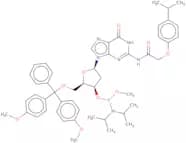
CAS:8,5'-(S)-Cycloadenosine is a radiosensitizer that is used in the treatment of cancer. It is an adenosine derivative that has been shown to increase the sensitivity of cells to radiation. 8,5'-(S)-Cycloadenosine has been used in clinical trials as a radiosensitizer for the treatment of non-small cell lung cancer and myeloma. It can be used with other chemotherapeutic agents or irradiation to reduce tumor size and improve survival rates. The compound binds to DNA and increases the formation of hydrogen peroxide by inhibiting DNA repair enzymes such as topoisomerase II, which are responsible for breaking down hydrogen peroxide. 8,5'-(S)-Cycloadenosine also prevents the production of reactive oxygen species (ROS) from azobisisobutyronitrile (AIBN), which is often used as a radical initiator during polymerization reactions.Fórmula:C10H11N5O4Pureza:Min. 95%Cor e Forma:White to off-white solid.Peso molecular:265.23 g/mol2'-Deoxy-5'-O-DMT-N2-(4-isopropylphenoxyacetyl)guanosine 3'-Me phosphoramidite
2'-Deoxy-5'-O-DMT-N2-(4-isopropylphenoxyacetyl)guanosine 3'-Me phosphoramidite is a modified nucleoside monophosphate with antiviral and anticancer activity. It is synthesized by the reaction of 2'-deoxyguanosine 5'-O-DMT (dG) with 4-isopropylphenoxyacetic acid in the presence of triethylamine and tetrazole. The product is purified by crystallization. This compound has been shown to inhibit replication of human immunodeficiency virus type 1 (HIV-1) in human lymphocytes, which may be due to its ability to inhibit the synthesis of DNA, RNA, or both.Fórmula:C49H59N6O9PPureza:Min. 95%Peso molecular:907.03 g/molN6-Benzoyl-2’-O-tert-butyldimethylsilyl-3’-O-DMT-adenosine
CAS:N6-Benzoyl-2’-O-tert-butyldimethylsilyl-3’-O-DMT-adenosine is a novel nucleoside that is an activator of ribonucleotide reductase and an inhibitor of deoxyribonucleotide reductase. It has been shown to have antiviral and anticancer activities, as well as the ability to inhibit DNA synthesis. The synthetic route to this compound begins with the synthesis of N6-(benzoyl)-2'-O-(tert-butyldimethylsilyl)-3'-O-(dimethoxytrityl)adenosine, which is then converted to the final product by removal of the silyl protecting group and oxidation.Pureza:Min. 95%N4-Benzoyl-5'-O-DMT-2'-O-(2-methylacetamido)-5-methylcytidine 3'-CE phosphoramidite
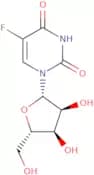
N4-Benzoyl-5'-O-DMT-2'-O-(2-methylacetamido)-5-methylcytidine 3'-CE phosphoramidite is a novel, antiviral, and anticancer agent. It has high purity and quality, and is modified with an acetyl group (N4-benzoyl) at the 5' position of the nucleotide sugar. This product has a CAS No. of 636371-27-0 and may be used as a monophosphate or diphosphate. The N4-benzoyl group is not present in natural nucleosides; therefore, this analog can serve as an activator for ribonucleoside kinase by mimicking the natural substrate.Pureza:Min. 95%5-Fluoro-1-(b-L-ribofuranosyl)-uracil
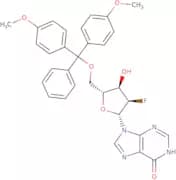
CAS:5-Fluoro-1-(b-L-ribofuranosyl)-uracil is a triflate that is synthesized by the intramolecular, stereospecific reaction of l-guanosine and l-adenosine. It has been shown to have high yields in its synthesis. 5-Fluoro-1-(b-L-ribofuranosyl)-uracil can be used to produce glycosidations with d-galactose and l-thymidine. This product can also be used for the production of l-[5-(2,4,6-trimethoxybenzoyl)-1Hpyrazol]-3-[(2S,3R)-3-(bromomethyl)pyrrolidin]-2one (PBI), which is an inhibitor of protein kinase C.Pureza:Min. 95%5'-O-DMT-2'-fluoro-2'-deoxyinosine
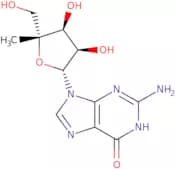
CAS:5'-O-DMT-2'-fluoro-2'-deoxyinosine is a novel nucleoside that has been modified with 2'-fluoro and 2'-deoxy substitutions. It is phosphoramidite, which can be activated by any of the standard methods to make DNA or RNA. 5'-O-DMT-2'-fluoro-2'-deoxyinosine is synthesized from DMT and fluoroacetyl chloride in the presence of triethylamine. This nucleoside has antiviral activity against HIV and influenza A virus, as well as anticancer effects.Fórmula:C31H29FN4O6Pureza:Min. 95%Peso molecular:572.58 g/mol4'-a-C-Methylguanosine
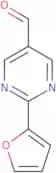
CAS:4'-a-C-Methylguanosine is a nucleoside that is synthesized by the condensation of 4'-amino-2',3'-dideoxyadenosine and 1,2-ethanediol. This product is an activator that can be used to synthesize novel DNA analogues with various chemical modifications. It has shown antiviral and anticancer activity in vitro. 4'-a-C-Methylguanosine was also found to be more active than guanosine when it came to inhibiting viral replication in human cells.Pureza:Min. 95%2-(2-Furyl)-5-pyrimidinecarbaldehyde
CAS:2-(2-Furyl)-5-pyrimidinecarbaldehyde (2FP) is a novel anticancer activator that belongs to the class of modified DNA. 2FP is a nucleoside analogue that inhibits the synthesis of DNA, RNA, and protein. It has been shown to inhibit the growth of cancer cells in vitro and in vivo. This compound may be used as an antiviral agent against HIV and herpes virus infections. 2FP has high purity and quality, with CAS number 959240-19-8.Fórmula:C9H6N2O2Pureza:Min. 95%Peso molecular:174.16 g/molBenzoyl stavudine
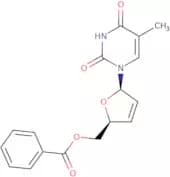
CAS:Benzoyl stavudine is a nucleoside that is used as an anti-HIV drug. It has been shown to be a prodrug of the active form, stavudine, by reductive elimination. Benzoyl stavudine has been shown to inhibit HIV replication by competitively binding to the viral reverse transcriptase enzyme and preventing the synthesis of RNA from DNA. This drug also inhibits ribonucleotide reductase, an enzyme that converts ribonucleotides into deoxyribonucleotides for DNA synthesis. This inhibition prevents the formation of new viral DNA and halts viral replication.Fórmula:C17H16N2O5Pureza:Min. 95%Peso molecular:328.32 g/molN6-Benzoyl-2'-deoxy-5'-O-pixyladenosine
N6-Benzoyl-2'-deoxy-5'-O-pixyladenosine is a novel nucleoside that acts as an antiviral and anticancer agent. It inhibits the synthesis of DNA and RNA by binding to the ribonucleotide reductase enzyme. N6-Benzoyl-2'-deoxy-5'-O-pixyladenosine has shown activity against several human cancer cell lines, including leukemia cells. This drug also binds to the viral reverse transcriptase enzyme, preventing viral replication.Fórmula:C36H29N5O5Pureza:Min. 95%Peso molecular:611.66 g/mol5-(Trimethylstannyl)-2'-deoxyuridine
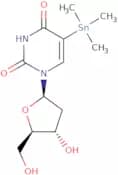
CAS:5-(Trimethylstannyl)-2'-deoxyuridine is a nucleoside analogue that is structurally related to thymidine. It has been shown to be cytotoxic in vitro, with high cytotoxicity for human glioma cells. This drug has been detected in vivo using autoradiography and microspectrophotometry, with a maximum uptake in the brain and detectable levels in the kidneys and liver. 5-(Trimethylstannyl)-2'-deoxyuridine is taken up by cells through an energy transfer process. The drug is demercurated from the cell surface by extracellular enzymes, such as sulfatases and phosphatases, converting it into 5-mercapto-2'-deoxyuridine (MdUrd), which can be detected by its UV-absorption characteristics.Fórmula:C12H20N2O5SnPureza:Min. 95%Peso molecular:391.01 g/molUridine 5'-triphosphate
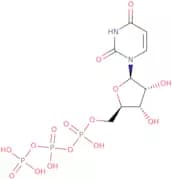
CAS:P2Y receptor agonist; precursor in RNA biosynthesis
Fórmula:C9H15N2O15P3Pureza:Min. 95%Peso molecular:484.14 g/mol2,5-Dioxo-3-sulfo-1-pyrrolidinyl 6-[[5-(hexahydro-2-oxo-1H-thieno[3,4-d]imidazol-4-yl)-1-oxopentyl]amino]hexanoate sodium salt
CAS:2'-Deoxy-5'-O-DMT-N6-methyl-8-oxoadenosine 3'-CE phosphoramidite is a nucleotide analog that is used for the treatment of cancer. It inhibits sugar transport, which leads to tumor cell lysis. 2'-Deoxy-5'-O-DMT-N6-methyl-8-oxoadenosine 3'-CE phosphoramidite binds to glut1 and toll-like receptor 4 in the cell membrane, inhibiting the activation of these cells. This drug has been shown to have an antibody response in myeloma cells and basic fibroblast cell lines.Fórmula:C20H30N4O9S2•NaPureza:Min. 95%Peso molecular:557.60 g/mol2',3'-Dideoxy-2',3'-didehydrocytidine
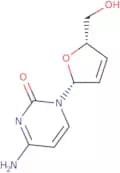
CAS:2',3'-Dideoxy-2',3'-didehydrocytidine (ddC) is a nucleoside analog that is used in the treatment of hepatitis B and C. This drug inhibits the reverse transcriptase enzyme and has cytostatic effects on viruses, for example, by preventing cell division. 2',3'-Dideoxy-2',3'-didehydrocytidine also inhibits viral replication by acting as an antigen and inducing antibody production. This drug binds to a variety of enzymes, including preparations of cellular enzymes, human immunodeficiency virus type 1 (HIV-1), and reverse transcriptase. The effective dose of ddC is 300 mg/day given orally.Fórmula:C9H11N3O3Pureza:Min. 95%Peso molecular:209.2 g/mol2',3',5'-Tri-O-acetylnebularine
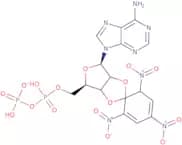
CAS:2',3',5'-Tri-O-acetylnebularine is a modified nucleoside that is synthesized from nebulareine. It has been shown to inhibit the growth of cancer cells, as well as HIV and influenza virus. This drug also has antiviral effects against herpes simplex virus type 1 (HSV-1) and herpes simplex virus type 2 (HSV-2). 2',3',5'-Tri-O-acetylnebularine inhibits viral replication by inhibiting DNA synthesis and RNA transcription, which prevents the production of proteins needed for cell multiplication.Fórmula:C16H18N4O7Pureza:Min. 95%Peso molecular:378.34 g/mol2'/3'-O-Trinitrophenyl-adenosine-5'-diphosphate triethylammonium salt
CAS:2'/3'-O-Trinitrophenyl-adenosine-5'-diphosphate triethylammonium salt (TPENAP) is an irreversible inhibitor of the enzyme adenosine kinase. TPENAP binds to the active site of the enzyme and blocks ATP synthesis, resulting in a rapid decrease in ATP levels. TPENAP is a potent fluorescence probe that reacts with tryptophan residues in proteins, thereby enhancing the fluorescence intensity. It has been shown to inhibit actin polymerization and depolymerize actin filaments, which may be due to its ability to inhibit ATP production.Fórmula:C16H16N8O16P2Pureza:Min. 95%Peso molecular:638.29 g/mol3'-Azido-2',3'-dideoxyuridine
CAS:3'-Azido-2',3'-dideoxyuridine is an analog of the nucleoside dideoxyuridine that inhibits HIV replication. It has a high inhibitory dose and low toxicity. 3'-Azido-2',3'-dideoxyuridine is converted to its active form, 3'-azido-2',3'-dideoxythymidine (AZT), by dephosphorylation in human serum. AZT inhibits HIV replication by competing with the natural substrate for viral DNA polymerase, thereby inhibiting synthesis of viral DNA. 3'-Azido-2',3'-dideoxyuridine has been shown to be effective against hepatitis B virus and hepatitis C virus in cell cultures.
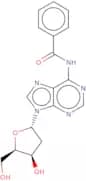
Fórmula:C9H11N5O4Pureza:Min. 95%Cor e Forma:Off-White PowderPeso molecular:253.21 g/molN6-Benzoyl-2'-deoxy-a-adenosine
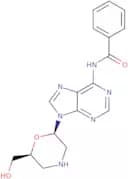
N6-Benzoyl-2'-deoxy-a-adenosine is a synthetic nucleoside analog. N6-Benzoyl-2'-deoxy-a-adenosine has antiviral and anticancer properties. It is a potent inhibitor of DNA polymerase and also inhibits ribonucleotide reductase, which are enzymes crucial for DNA synthesis. N6-Benzoyl-2'-deoxy-a-adenosine inhibits the synthesis of viral RNA, leading to inhibition of viral replication. It has been shown to inhibit proliferation of tumor cells in vitro and in vivo by inhibiting DNA synthesis and inducing apoptosis.Fórmula:C17H17N5O4Pureza:Min. 95%Peso molecular:355.36 g/molN6-Benzoyl-7'-OH-morpholino adenosine
CAS:N6-Benzoyl-7'-OH-morpholino adenosine is a modified nucleoside with antiviral activity. It is being developed as an activator of ribonucleotide reductase and a potential anticancer agent. N6-Benzoyl-7'-OH-morpholino adenosine is synthesized by reacting benzoyl chloride with 7'-O-dimethoxytritylmorpholine. This reaction results in the formation of the desired product, which has been shown to be an activator of ribonucleotide reductase. The synthesis of this compound can be performed on a large scale, making it an attractive candidate for chemotherapeutic use.Fórmula:C17H18N6O3Pureza:Min. 95%Cor e Forma:SolidPeso molecular:354.36 g/mol4'-C-Azido-2'-deoxy-2'-fluoro-b-D-arabinouridine
CAS:4'-C-Azido-2'-deoxy-2'-fluoro-b-D-arabinouridine is a novel nucleoside analog that can be activated to the monophosphate form for incorporation into DNA. It has antiviral and anticancer properties. 4'-C-Azido-2'-deoxy-2'-fluoro-b-D-arabinouridine has been shown to inhibit the proliferation of cultured tumor cells, suggesting a potential use in cancer chemotherapy.
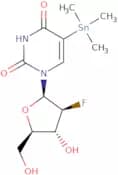
Fórmula:C9H10FN5O5Pureza:Min. 95%Peso molecular:287.2 g/mol5-Trimethylstannyl-1-(2-deoxy-2-fluoro-b-D-arabinofuranosyl)uracil
CAS:Ribonucleosides are a class of compounds that contain the nucleoside ribose and the phosphate group. Ribonuclesides are modified ribonucleosides that have been synthesized and modified to be more stable than standard ribonucleotide analogs. The compound 5-Trimethylstannyl-1-(2-deoxy-2-fluoro-b-D-arabinofuranosyl)uracil is a novel nucleoside that has been shown to have anticancer, antiviral, and antiinflammatory activities in vitro. It is also an activator for phosphoramidites, which are used to modify DNA or RNA molecules. This chemical is available at high purity and quality with CAS No. 213136-14-2.Fórmula:C12H19FN2O5SPureza:Min. 95%Peso molecular:408.98 g/mol2-Fluoro-I ce-phosphoramidite (convertible G ce-phosphoramidite)
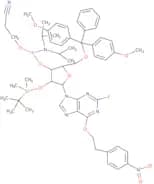
CAS:Please enquire for more information about 2-Fluoro-I ce-phosphoramidite (convertible G ce-phosphoramidite) including the price, delivery time and more detailed product information at the technical inquiry form on this pageFórmula:C54H67FN7O10PSiPureza:Min. 95%Peso molecular:1,052.2 g/mol4',5'-Didehydro-5'-deoxy-2'-O-methyluridine
CAS:4',5'-Didehydro-5'-deoxy-2'-O-methyluridine is a novel nucleoside phosphoramidite. It is a monophosphate, high purity and high quality. 4',5'-Didehydro-5'-deoxy-2'-O-methyluridine is an activator of DNA polymerase and can be used in the synthesis of DNA. 4',5'-Didehydro-5'-deoxy-2'-O-methyluridine also has antiviral properties and can be used to synthesize deoxyribonucleosides. It has been modified to have a diphosphate group at the 5' end, which allows it to be incorporated into DNA during synthesis.
Fórmula:C11H13NO5Pureza:Min. 95%Peso molecular:239.22 g/molN4-Benzoyl-2'-deoxy-5'-O-levulinoylcytidine
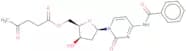
N4-Benzoyl-2'-deoxy-5'-O-levulinoylcytidine is a modified nucleoside that is synthesized from 2,4-dichloroacetophenone and cytidine. It has been shown to be an activator of the ribonucleotide reductase enzyme, which converts deoxyribonucleosides into their corresponding ribonucleotides. This drug is used in cancer therapy as well as antiviral and antiretroviral therapy. N4-Benzoyl-2'-deoxy-5'-O-levulinoylcytidine is also being investigated for use in treating other diseases such as malaria and AIDS.Fórmula:C21H23N3O7Pureza:Min. 95%Peso molecular:429.43 g/mol3’-Azido-3’-deoxy-b-L-uridine
CAS:3’-Azido-3’-deoxy-b-L-uridine is a novel nucleoside analog that inhibits DNA polymerase. It is a modified, phosphoramidite precursor of the antiviral drug AZT and has been shown to inhibit human immunodeficiency virus (HIV) in vitro. 3’-Azido-3’-deoxy-b-L-uridine has also been found to be cytotoxic against cancer cells and may have antitumor activity. The phosphoramidite form of 3’ azido 3’ deoxy b L uridine can be used for the synthesis of oligonucleotides with high purity and quality.Fórmula:C9H11N5O5Pureza:Min. 95%Peso molecular:269.21 g/mol5-Chlorouridine
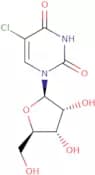
CAS:5-Chlorouridine is a nucleoside with hypochlorous acid. It has been shown to inhibit the growth of tumor cells in tissue culture and to have an inhibitory effect on cervical cancer, which may be due to its ability to inhibit cellular metabolism and DNA synthesis. 5-Chlorouridine inhibits the uptake of uridine by blocking the conversion of uridine into cytosine, thereby preventing DNA synthesis. This prodrug also prevents radiation from inducing mutations in DNA. The molecular modeling study shows that 5-chlorouridine forms hydrogen bonds with hydroxyl groups in RNA, which may be important for its anti-cancer activity.Fórmula:C9H11ClN2O6Pureza:Min. 95%Cor e Forma:White PowderPeso molecular:278.65 g/molAdenosine-5'-carboxylic acid
CAS:Adenosine-5'-carboxylic acid is a pharmaceutical compound that is used as an anti-inflammatory agent. It is a synthetic, non-nucleoside adenine nucleotide analog that has been shown to have potent anti-inflammatory activity in vitro. Adenosine-5'-carboxylic acid inhibits the synthesis of prostaglandins and leukotrienes which are mediators of inflammation. It also inhibits the synthesis of protein kinase C, which plays a role in cell proliferation, differentiation and apoptosis. Adenosine-5'-carboxylic acid has also been found to inhibit the growth of glioma cells in tissue culture and human muscle cells in vivo. The mechanism for this effect may be due to its ability to inhibit DNA synthesis and induce apoptosis.Fórmula:C10H11N5O5Pureza:Min. 95%Peso molecular:281.23 g/mol7-Deaza-2'-deoxy-O6-methylguanosine
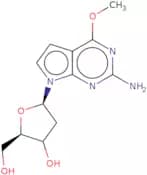
7-Deaza-2'-deoxy-O6-methylguanosine is a novel nucleoside phosphoramidite that is the first of its kind to have been shown to be an antiviral agent. It is also anticancerous and stimulates diphosphate synthesis. 7-Deaza-2'-deoxy-O6-methylguanosine is a highly reactive nucleoside phosphoramidite that reacts with DNA in the same manner as deoxyribonucleotides. The monophosphate form of this compound has been shown to be anticancerous and stimulate diphosphate synthesis. This novel compound has been shown to inhibit replication of human immunodeficiency virus type 1 (HIV-1) in vitro.
Fórmula:C12H16N4O4Pureza:Min. 95%Peso molecular:280.28 g/mol2-Thio-2'-deoxycytidine
CAS:2-Thio-2'-deoxycytidine is a polycrystalline material that belongs to the group of experimental materials. 2-Thio-2'-deoxycytidine is a tautomeric form of cytosine which has been studied theoretically and experimentally. It has been shown that this compound is stable in the environment and can be used as a research material.Fórmula:C9H13N3O3SPureza:Min. 95%Peso molecular:243.29 g/molN6-Benzoyl-7-deaza-2'-deoxy-5'-O-DMT-adenosine
CAS:N6-Benzoyl-7-deaza-2'-deoxy-5'-O-DMT-adenosine (BENZA) is a modified nucleoside that is synthesized by the modification of 7-deaza adenosine. BENZA has antiviral activity and has been shown to be a potent activator of the interferon system in vitro. This compound has been shown to be effective against viruses such as HIV, herpes simplex virus, and hepatitis B virus. In addition, BENZA was found to have a high purity level and is available at competitive prices.Fórmula:C39H36N4O6Pureza:Min. 95%Peso molecular:656.73 g/mol2'-Deoxy-N2-Isobutyryl-3',5'-O-(1,1,3,3-tetraisopropyl-1,3-disiloxanediyl)guanosine
2'-Deoxy-N2-isobutyryl-3',5'-O-(1,1,3,3-tetraisopropyl-1,3-disiloxanediyl)guanosine (TIG) is a nucleoside and ribonucleoside analog that has antiviral activity. It is synthesized from 2'-deoxyguanosine by the introduction of an isobutyryl moiety at the C2 position and a 1,1,3,3-tetraisopropyl group at the 3' hydroxyl position. TIG is an activator of DNA polymerase β with high quality and high purity and can be used for the synthesis of oligodeoxynucleotide phosphoramidites. TIG can be used to synthesize DNA or RNA molecules with deoxyribonucleosides or modified nucleotides.Pureza:Min. 95%2'-Deoxy-2',2'-difluorouridine 5'-triphosphate triethylammonium salt
2'-Deoxy-2',2'-difluorouridine 5'-triphosphate triethylammonium salt is a synthetic nucleoside which is an activator of deoxyribonucleoside monophosphates and diphosphates. This compound has antiviral, anticancer and antimicrobial properties. It is a novel nucleoside that has not been previously reported. This product is high purity, high quality, and CAS No.
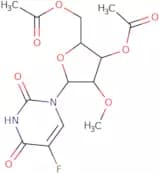
Pureza:Min. 95%3',5'-Di-o-acetyl-5-fluoro-2'-o-methyluridine
CAS:3',5'-Di-O-acetyl-5-fluoro-2'-O-methyluridine is a modified nucleoside with antiviral properties. 3',5'-Di-O-acetyl-5-fluoro-2'-O-methyluridine inhibits viral replication by inhibiting the enzyme ribonucleotide reductase, which catalyzes the conversion of ribonucleoside diphosphates to deoxyribonucleoside diphosphates. 3',5'-Di-O-acetyl-5-fluoro-2'-O-methyluridine has been shown to be effective against herpes simplex virus type 1 and 2, as well as human cytomegalovirus, and can be used in the treatment of cancer.Fórmula:C14H17FN2O8Pureza:Min. 95%Peso molecular:360.29 g/molN6-Benzoyl-3'-deoxy-5'-O-DMT-cytidine 2'-CE phosphoramidite
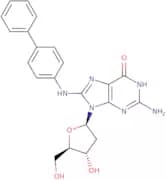
CAS:N6-Benzoyl-3'-deoxy-5'-O-DMT-cytidine 2'-CE phosphoramidite is a Ribonucleoside, Novel, High quality, Activator, Deoxyribonucleosides, Modified, CAS No. 157327-96-3. It is one of the main ingredients in the synthesis of DNA monophosphate and diphosphate. It is also used as an anticancer and antiviral agent.Fórmula:C46H52N5O8PPureza:Min. 95%Peso molecular:833.91 g/molN-(2'-Deoxyguanosin-8-yl)-4-amino(biphenyl)
CAS:N-(2'-Deoxyguanosin-8-yl)-4-amino(biphenyl) (NGB) is a genotoxic compound that causes mutations in mammalian cells. It has been shown to cause cancer in rats, and it is carcinogenic in the bladder of both rats and humans. NGB is also mutagenic to the wild-type strain of bacteria, which may be due to its ability to affect DNA replication. This drug has been detected in human urine at levels as high as 2 micrograms per milliliter and has been found in tissues of mammals, including humans. NGB binds tightly to eicosatetraynoic acid (ETYA), a fatty acid that is an intermediate product of lipid metabolism, which may account for its genotoxic effects.Fórmula:C22H22N6O4Pureza:Min. 95%Peso molecular:434.45 g/mol3'-Azido-3'-deoxythymidine 5'-triphosphate triethylammonium salt
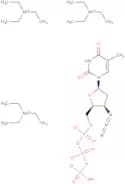
CAS:3'-Azido-3'-deoxythymidine 5'-triphosphate triethylammonium salt is a nucleoside analogue of 3'-azido-3'-deoxythymidine. It is an antiviral agent that inhibits the synthesis of viral DNA and RNA by inhibiting the activity of DNA polymerase, which has been shown to be effective against HIV and herpes simplex virus type 1. The phosphoramidites are synthesized from the corresponding phosphonate, 3'-azido-3'-deoxythymidine 5'-triphosphate, by treatment with a base (e.g., sodium methoxide). This novel nucleoside analogue has been shown to have anticancer properties in animal models.Fórmula:C10H16N5O13P3·3C6H15NPureza:Min. 95%Peso molecular:810.75 g/mol2'-Deoxy-N3-methylcytidine hydroiodide salt
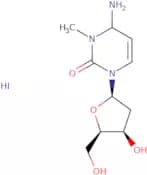
CAS:2'-Deoxy-N3-methylcytidine hydroiodide salt is a nucleoside and phosphoramidite. It is used as an anticancer agent that inhibits DNA synthesis. It also has antiviral and antitumor effects. The chemical name for 2'-deoxy-N3-methylcytidine hydroiodide salt is 2'-deoxy-N3-methylcytidine, monophosphate salt with hydroiodic acid. This drug does not have a CAS number because it's not commercially available.Fórmula:C10H17N3O4·HIPureza:Min. 95%Cor e Forma:PowderPeso molecular:371.17 g/mol3’-O-tert-Butyldimethylsilyl-2’-deoxyadenosine
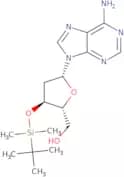
CAS:3’-O-tert-Butyldimethylsilyl-2’-deoxyadenosine is a nucleoside that is used as an antiviral and anticancer drug. It inhibits viral RNA synthesis by acting as a competitive inhibitor of the enzyme ribonucleotide reductase, which converts ribonucleotides to deoxyribonucleotides. 3′-O-tert-Butyldimethylsilyl-2’-deoxyadenosine has been shown to inhibit cancer cells in vitro and in vivo. This compound also has antiangiogenic effects and may inhibit tumor cell proliferation by targeting the Ras/Raf/MEK/ERK pathway.Pureza:Min. 95%2'-Deoxy-5'-O-DMT-inosine 3'-succinyl CPG
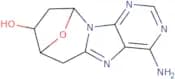
2'-Deoxy-5'-O-DMT-inosine 3'-succinyl CPG is a novel chemical compound that has anticancer properties. It is synthesized by the phosphoramidite chemistry and modified with succinyl CPG. This compound can be used as an activator in DNA synthesis, as well as antiviral and anti-inflammatory activities. 2'-Deoxy-5'-O-DMT-inosine 3'-succinyl CPG is a nucleoside monophosphate derived from 2'-deoxy-5'-O-dimethoxytrityl adenosine and 3'-succinyl CPG. It has a CAS number of 90161-81-0.Pureza:Min. 95%2-(2-Deoxy-b-D-ribofuranosyl)-2,3,8,9-tetrahydro-7-oxa-2,3,5,6-tetraazabenz[cd]azulen-4-amine
CAS:2-(2-Deoxy-b-D-ribofuranosyl)-2,3,8,9-tetrahydro-7-oxa-2,3,5,6-tetraazabenz[cd]azulen-4-amine is a novel and structurally distinct nucleoside analog. It has been shown to be an activator of human telomerase reverse transcriptase (hTERT), with low toxicity in vitro and in vivo. 2-(2-Deoxyribofuranosyl)-2,3,8,9 tetrahydro 7 oxa 2 3 5 6 tetraazabenz[cd]azulen 4 amine has been shown to have antiviral activity against the influenza virus A/PR/8/34 (H1N1) and SARS coronavirus in cell cultures. This compound also inhibits the replication of HIV type 1 by inhibiting the reverse transcriptase enzymeFórmula:C13H17N5O4Pureza:Min. 95%Peso molecular:307.31 g/mol2’,3’,5’-Tri-O-(tert-butyldimethylsilyl)-adenosine
2’,3’,5’-Tri-O-(tert-butyldimethylsilyl)-adenosine is a novel nucleoside that is synthetically modified by the replacement of the ribose sugar with an amino sugar. The modification of the sugar reduces the likelihood of hydrolysis to ribose and phosphate. This product has shown anticancer effects against human tumor cells in vitro and in vivo. It also has antiviral activities against herpes simplex virus type 1 (HSV-1). 2’,3’,5’-Tri-O-(tert-butyldimethylsilyl)-adenosine is a monophosphate nucleoside that inhibits DNA synthesis by inhibiting DNA polymerase. It acts as a competitive inhibitor for deoxyribonucleotides and phosphoramidites, which are used in DNA synthesis. 2’,3’,5’-
Pureza:Min. 95%8-Aza-7-deaza-2'-deoxy-N2-DMF-5'-O-DMT-adenosine
CAS:8-Aza-7-deaza-2'-deoxy-N2-DMF-5'-O-DMT-adenosine is an activator of RNA synthesis. It is a novel, modified nucleoside that was synthesized to be used as a building block in the synthesis of ribonucleosides and deoxyribonucleosides. This compound has anticancer and antiviral activity. 8-Aza-7-deaza-2'-deoxy-N2-DMF-5'-O-DMT adenosine is phosphoramidite with CAS No. 8693551406. The purity of this reagent is high and it can be used for medical research.Fórmula:C34H36N6O5Pureza:Min. 95%Peso molecular:608.69 g/mol2'-Deoxycytidine-3'-monophosphate sodium salt
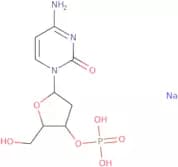
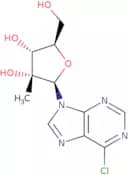
CAS:2'-Deoxycytidine-3'-monophosphate sodium salt is a synthetic phosphoramidite that can be used as an activator to synthesize DNA. It is a nucleoside that has antiviral and anticancer properties, and it is also being investigated for use in the treatment of diseases such as chronic myeloid leukemia. 2'-Deoxycytidine-3'-monophosphate sodium salt is a novel nucleoside with high purity and high quality. It has been shown to inhibit the growth of cancer cells by inhibiting DNA synthesis.Fórmula:C9H12N3O7P·2NaPureza:Min. 95%Peso molecular:351.16 g/mol6-Chloro-9-(2-C-methyl-beta-D-ribofuranosyl)-9H-purine
CAS:6-Chloro-9-(2-C-methyl-beta-D-ribofuranosyl)-9H-purine is a novel nucleoside analogue. It is synthesized by reacting 2,6-dichloro 9-(2'-C-methyl beta D ribofuranosyl) 9H purine with methyl bromoacetate in the presence of sodium methoxide in methanol. 6-chloro 9-(2'-C-methyl beta D ribofuranosyl) 9H purine has antiviral activity against DNA and RNA viruses that are sensitive to it. It is phosphoramidite and can be used for DNA synthesis.Fórmula:C11H13ClN4O4Pureza:Min. 95%Peso molecular:300.7 g/mol2'-Bromo-2'-deoxyadenosine-5'-[(beta,gamma)-imido]triphosphate triethylammonium salt - 10mM aqueous solution
CAS:2'-Bromo-2'-deoxyadenosine-5'-[(beta,gamma)-imido]triphosphate triethylammonium salt (IDP) is a synthetic analog of adenosine that has been used as a bioreactor in tissue culture. IDP binds to the mineralocorticoid receptor and activates it, leading to increased levels of fatty acid synthesis in the blood sample. This drug has shown efficacy in treating cancer and inhibiting tumor growth in animal studies. IDP also has potential for use as an environmental pollutant due to its ability to be activated by wastewater treatment processes.Fórmula:C10H16N6O11P3BrPureza:Min. 95%Peso molecular:569.09 g/mol2'-Deoxy-2'-fluoro-2'-C-methyl-5-methyluridine
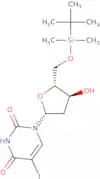
2'-Deoxy-2'-fluoro-2'-C-methyl-5-methyluridine is a modified nucleoside that inhibits the proliferation of cancer cells. It has been shown to be effective against HIV, Hepatitis B and C, influenza, herpes simplex virus type 1 and 2, and human cytomegalovirus. This drug is synthesized by phosphoramidite chemistry and is used as a DNA activator in the synthesis of oligonucleotides. 2'-Deoxy-2'-fluoro-2'-C-methyl-5-methyluridine is a novel compound that exhibits high quality with high purity.Pureza:Min. 95%5'-O-tert-Butyldimethylsilyl-2'-deoxy-5-iodouridine
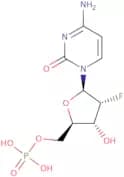
CAS:5'-O-tert-Butyldimethylsilyl-2'-deoxy-5-iodouridine is an antiviral agent that acts by inhibiting DNA polymerase, preventing the production of viral DNA. It has a high purity and is modified with tert-butyldimethylsilyl groups so it can be used in phosphoramidite synthesis. It also has a CAS number of 134218-81-8 and is synthesized using monophosphate, phosphoramidites, or nucleosides as starting materials.Fórmula:C15H25IN2O5SiPureza:Min. 95%Cor e Forma:PowderPeso molecular:468.37 g/mol2'-Deoxy-2'-fluorocytidine-5'-monophosphate
CAS:2'-Deoxy-2'-fluorocytidine-5'-monophosphate (2F-dFMP) is a synthetic nucleoside that is used in the treatment of cancer and as an antiviral agent. 2F-dFMP inhibits DNA synthesis by inhibiting DNA polymerase, which is needed for replication of the cell's genetic material. It also has anti-HIV activity and can be used to treat HIV infection. 2F-dFMP is phosphorylated to 2'-deoxy-2'-fluorocytidine 5'-triphosphate (2F-dCTP), which then competes with natural nucleotides for incorporation into DNA and RNA. This drug binds to the enzyme thymidylate synthase, preventing the formation of thymine monophosphate from erythronic acid.Fórmula:C9H13FN3O7PPureza:Min. 95%Peso molecular:325.19 g/mol3'-Deoxy-N6-lauroyladenosine
CAS:3'-Deoxy-N6-lauroyladenosine is a nucleoside analog that is used to treat cancer. It is a phosphoramidite compound and it has been shown to be highly active against cancer cells. 3'-Deoxy-N6-lauroyladenosine is an antiviral agent that inhibits viral DNA synthesis by competing with the natural substrate, deoxyribonucleosides, for incorporation into the growing DNA chain. It also prevents the replication of RNA viruses by inhibiting their transcription and translation processes. 3'-Deoxy-N6-lauroyladenosine also inhibits inflammation in the body and may act as a chemotherapeutic agent in other diseases such as diabetes, Alzheimer's disease, and Parkinson's disease.
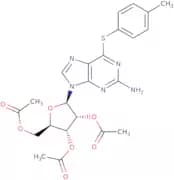
Fórmula:C22H35N5O4Pureza:Min. 95%Peso molecular:433.54 g/mol2-Amino-6-(4-methylphenyl)thio-9-(2',3',5'-tri-O-acetyl-b-D-ribofuranosyl)purine
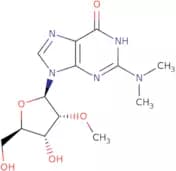
CAS:2-Amino-6-(4-methylphenyl)thio-9-(2',3',5'-tri-O-acetyl-b-D-ribofuranosyl)purine is a novel nucleoside phosphoramidite that has antiviral and anticancer activity. This compound is a modified nucleoside that inhibits viral replication by inhibiting the synthesis of viral DNA. 2-Amino-6-(4-methylphenyl)thio-9-(2',3',5'-tri-O-acetylbD ribofuranosyl)purine binds to the catalytic site of the enzyme ribonucleotide reductase, which is essential for the production of dNTPs. This chemical also has shown anticancer activity in cell culture against leukemia cells and breast cancer cells, although it was not active against colon cancer cells.Fórmula:C23H25N5O7SPureza:Min. 95%Peso molecular:515.54 g/molN,N-Dimethyl-2'-O-methylguanosine
CAS:N,N-Dimethyl-2'-O-methylguanosine is a nucleoside that belongs to the category of nucleosides. It is a chemical structure that has been shown to have research value for the study of nucleic acids and their related diseases. This compound is also used in posttranscriptional mechanisms and phylogenetic studies. N,N-Dimethyl-2'-O-methylguanosine can be synthesized from uridine, ribonucleotide, or other nucleosides through various chemical reactions. It is also used as a structural component in some pharmaceuticals.Fórmula:C13H19N5O5Pureza:Min. 95%Peso molecular:325.32 g/mol2,5'-Anhydro-5,6-didehydro-2'-deoxy-2',2'-difluorouridine
2,5'-Anhydro-5,6-didehydro-2'-deoxy-2',2'-difluorouridine is a novel ribonucleoside that has been synthesized as a phosphoramidite. It is an anticancer agent with antiviral and antiretroviral properties. The 2,5'-Anhydro-5,6-didehydro-2'-deoxy-2',2'-difluorouridine is a modified nucleoside that has the potential to be used in the treatment of certain cancers. It can also be used to inhibit viral replication by inhibiting RNA synthesis. This compound inhibits the enzyme diphosphate kinase, which converts ATP into ADP and phosphate. This leads to an accumulation of ADP in cells and inhibition of DNA synthesis.Fórmula:C9H10F2N2O5Pureza:Min. 95%Peso molecular:264.18 g/molγ-[(6-Azidohexyl)-imido]-ATP sodium
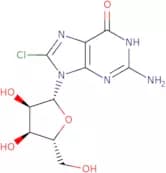
Please enquire for more information about γ-[(6-Azidohexyl)-imido]-ATP sodium including the price, delivery time and more detailed product information at the technical inquiry form on this pageFórmula:C16H28N9O12P3•NaxPureza:Min. 95%8-Chloroguanosine
CAS:8-Chloroguanosine is a purine nucleoside that is activated by the addition of adenosine triphosphate (ATP). It reacts with DNA to form a covalent glycosidic bond. 8-Chloroguanosine has been found in urine samples and cell nuclei, as well as in activated and reactive sites in DNA. 8-Chloroguanosine is genotoxic and can cause oxidative damage to DNA. It also has potential as a biomarker for atherosclerosis, because it can be used to detect the group P2 phosphorylation status of proteins in lesions on arteries.Fórmula:C10H12ClN5O5Pureza:Min. 95%Cor e Forma:SolidPeso molecular:317.69 g/molBiotin-5-deoxyuridine-5'-triphosphate, lithium salt - 1 mM aqueous solution
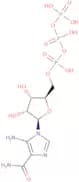
Biotin-5-deoxyuridine-5'-triphosphate, lithium salt is a novel phosphoramidite. It has been shown to be an anticancer agent and antiviral agent. Biotin-5-deoxyuridine-5'-triphosphate, lithium salt inhibits the growth of cancer cells by binding to the ribonucleotide reductase enzyme, thereby preventing synthesis of DNA and RNA.Fórmula:C22H34N5O16P3S·xLiPureza:Min. 95%Peso molecular:749.52 g/mol5-Aminoimidazole-4-carboxamide-1-b-D-ribofuranosyl 5'-triphosphate
CAS:5-Aminoimidazole-4-carboxamide-1-b-D-ribofuranosyl 5'-triphosphate (AICAR) is a bifunctional agent that has been shown to stimulate the activity of adenylosuccinate synthetase, an enzyme that catalyzes the conversion of adenosine monophosphate (AMP) to adenosine triphosphate (ATP). AICAR is also a substrate for adenylosuccinate synthetase. The use of AICAR as a pharmacological agent has been associated with increased levels of nucleotides in cells and tissues. This may be due to the activation of AMPK, which stimulates ATP production by breaking down ATP through oxidative phosphorylation. AICAR can be detected using chromatographic techniques, such as high performance liquid chromatography or thin layer chromatography.Fórmula:C9H17N4O14P3Pureza:Min. 95%Peso molecular:498.17 g/molN-Acetyl-5-[1,2-bis(acetyloxy)ethyl]-5'-O-DMT-2'-deoxycytidine
CAS:N-Acetyl-5-[1,2-bis(acetyloxy)ethyl]-5'-O-DMT-2'-deoxycytidine is a nucleoside that is modified with acetyl groups at the 2' and 5' positions of the deoxyribose sugar. It is used as an antiviral and anticancer agent. The acetyl groups on the 2' position prevent N-Acetyl-5-[1,2-bis(acetyloxy)ethyl]-5'-O-DMT-2'-deoxycytidine from being phosphorylated by cellular enzymes, which may be useful in cancer therapy. This compound also has high purity and can be used to synthesize other nucleosides.Fórmula:C47H58N5O12PPureza:Min. 95%Peso molecular:915.96 g/mol5-Bromo-2,4-di(benzyloxy)pyrimidine
CAS:5-Bromo-2,4-di(benzyloxy)pyrimidine is an activator of DNA and RNA synthesis. It is a phosphoramidite that is used in the synthesis of oligonucleotides. 5-Bromo-2,4-di(benzyloxy)pyrimidine has antiviral activity and can inhibit the replication of HIV in vitro. This compound also has anticancer activity when it is given as a monophosphate, while its diphosphate form inhibits DNA and RNA synthesis. 5-Bromo-2,4-di(benzyloxy)pyrimidine can be synthesized from 2,4-dibenzyloxy pyrimidine and bromine in high purity with a CAS number 41244-53-5.
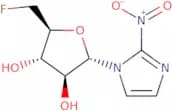
Fórmula:C18H15BrN2O2Pureza:Min. 95%Peso molecular:371.23 g/mol1-(5'-Deoxy-5'-fluoro-a-D-arabinofuranosyl)-2-nitroimidazole
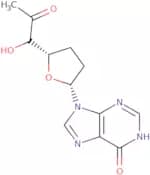
CAS:1-(5'-Deoxy-5'-fluoro-a-D-arabinofuranosyl)-2-nitroimidazole is an anticancer drug that has been shown to inhibit tumor growth in vivo. This drug binds to the integrin receptor, which is expressed on the surface of cells and is involved in the process of cell adhesion. 1-(5'-Deoxy-5'-fluoro-a-D-arabinofuranosyl)-2-nitroimidazole inhibits tumor growth by inhibiting hypoxic tumor formation. Hypoxia is a condition where there is not enough oxygen for normal cell function. This drug has also been shown to reduce inflammation, which may be due to its ability to inhibit proinflammatory cytokines, such as IL-1β and TNFα, from binding to their receptors on cells. 1-(5'-Deoxy-5'-fluoro-a-D-arabinofuranosyl)-Fórmula:C8H10FN3O5Pureza:Min. 95%Cor e Forma:PowderPeso molecular:247.18 g/mol2',3'-Didehydro-2',3'-dideoxy-5'-acetate inosine
CAS:2',3'-Didehydro-2',3'-dideoxy-5'-acetate inosine (ddA) is a prodrug that is activated by hydrolysis to didanosine. The sodium salt of ddA has been shown to be effective in the treatment of HIV infection. Sodium ddA is a crystalline, neutralized salt with an alkaline pH and a pKa of 9.4. It has been crystallized from an alkaline solution using Raney nickel as a catalyst. This product can be used to synthesize intermediates for pharmaceuticals or other chemical products.Fórmula:C12H12N4O4Pureza:Min. 95%Peso molecular:276.25 g/molN4-Benzoyl-5-bromo-2'-deoxy-5'-O-DMT-cytidine 3'-CE phosphoramidite
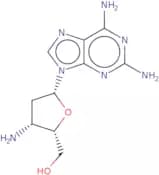
CAS:N4-Benzoyl-5-bromo-2'-deoxy-5'-O-DMT-cytidine 3'-CE phosphoramidite is a novel modified cytosine derivative. It has anticancer activity and can be used in the treatment of cancer cells that are resistant to other anticancer drugs. This product has a high purity and quality, which allows it to be widely used in the synthesis of DNA, RNA, and ribonucleosides. In addition, N4-Benzoyl-5-bromo-2'-deoxy-5'-O-DMT-cytidine 3'-CE phosphoramidite is an activator for diphosphate formation as well as a nucleotide analogue with antiviral effects. This product is also an inhibitor of DNA polymerase α and β, which are enzymes involved in DNA replication.Fórmula:C46H51BrN5O8PPureza:Min. 95%Peso molecular:912.8 g/mol2,6-Diamino-9-(3'-amino-2',3'-dideoxy-β-D-ribofuranosyl)purine
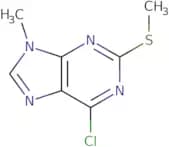
CAS:2,6-Diamino-9-(3'-amino-2',3'-dideoxy-b-D-ribofuranosyl)purine is an antiviral agent that inhibits the replication of the viral DNA by binding to the viral DNA and preventing its transcription into RNA. It has been shown to be active against herpes simplex virus type 1 (HSV-1) and human cytomegalovirus (HCMV). 2,6-Diamino-9-(3'-amino-2',3'-dideoxy-b-D-ribofuranosyl)purine is a modified nucleoside that can be used in various areas of research, including antiviral and anticancer activities.Fórmula:C10H15N7O2Pureza:Min. 95%Peso molecular:265.28 g/mol2-Methylthio-6-chloro-9-methylpurine
CAS:2-Methylthio-6-chloro-9-methylpurine is an activator that inhibits the enzyme ribonucleotide reductase, which is involved in the synthesis of DNA and RNA. 2-Methylthio-6-chloro-9-methylpurine has been shown to inhibit viral replication and may be used as a antiviral agent. This compound has novel properties and is a potential anticancer drug due to its ability to inhibit the growth of tumor cells.Fórmula:C7H7CIN4SPureza:Min. 95%Peso molecular:318.14 g/mol2',3',5'-Triacetyl -azacytidine
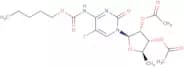
CAS:2',3',5'-Triacetyl-azacytidine is a transcription factor that has dose-dependent effects on the production of melanin. It inhibits the synthesis of melanin by binding to two specific transcription factors, the microphthalmia-associated transcription factor and the histone methyltransferases. This drug also inhibits tyrosinase, which is an enzyme involved in the production of melanin. 2',3',5'-Triacetyl-azacytidine has been shown to inhibit the growth of murine melanoma cells and may be useful for treating skin cancer.Fórmula:C14H18N4O8Pureza:Min. 95%Peso molecular:370.31 g/mol2',3'-Di-O-acetyl-5'-deoxy-5-fluoro-N4-(pentoxycarbonxyl)cytidine
CAS:2',3'-Di-O-acetyl-5'-deoxy-5-fluoro-N4-(pentoxycarbonxyl)cytidine is a nucleoside analog that inhibits DNA polymerase and RNA polymerase, which are enzymes vital for the production of DNA and RNA, respectively. This drug has been shown to be effective in treating cancer cells that are resistant to other chemotherapeutic agents. 2',3'-Di-O-acetyl-5'-deoxy-5-fluoro-N4-(pentoxycarbonxyl)cytidine has also been shown to inhibit viral replication by inhibiting viral reverse transcriptase.Fórmula:C19H26FN3O8Pureza:Min. 95%Peso molecular:443.43 g/mol2'-O-Me-5'-O-DMT-1,3-di-N-POM-pseudouridine-3'-CE phosphoramidite
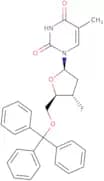
2'-O-Me-5'-O-DMT-1,3-di-N-POM-pseudouridine-3'-CE phosphoramidite is an antiviral agent that inhibits the synthesis of RNA. It has been shown to inhibit the production of new viruses in cultured cells and to be active against some strains of influenza virus. The modification was developed by chemists at Boehringer Ingelheim, who have also synthesised other novel nucleosides that are being tested as anticancer agents. This product is a monophosphate derivative with a high purity level and a CAS number.Pureza:Min. 95%3'-Deoxy-3'-fluoro-5'-O-tritylthymidine
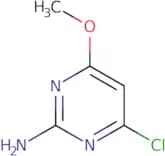
CAS:3'-Deoxy-3'-fluoro-5'-O-tritylthymidine is a monophosphate nucleoside that inhibits the viral DNA polymerase. It has antiviral activity against herpes viruses, including HSV-1 and HSV-2. 3'-Deoxy-3'-fluoro-5'-O-tritylthymidine is a synthetic nucleoside with modified phosphate groups to improve stability and purity. This product has shown anticancer effects in vitro and in vivo by inhibiting DNA synthesis and promoting apoptosis of cancer cells.Fórmula:C29H27FN2O4Pureza:Min. 95%Peso molecular:486.53 g/mol2-Amino-6-chloro-4-methoxypyrimidine
CAS:2-Amino-6-chloro-4-methoxypyrimidine (2ACMP) is a molecule that has been synthesized by the process of asymmetric synthesis. It is soluble in ethyl formate and has shown to be a strong inhibitor of the enzyme uv absorption, with an inhibition constant of 1.0 x 10 M. 2ACMP has been shown to inhibit molecular processes such as vibrational excitation, molecular modeling, and surface methodology. This molecule also binds to metal hydroxides and can be used for process optimization when combined with solubility data and nutrient solutions.
Fórmula:C5H6ClN3OPureza:Min. 95%Peso molecular:159.57 g/mol2'-Deoxy-5-fluorouridine 5'-diphosphate sodium salt
CAS:2'-Deoxy-5-fluorouridine 5'-diphosphate sodium salt is an antiviral agent that inhibits the synthesis of viral RNA. It is a modified monophosphate nucleotide that is used to treat hepatitis B and C virus infections, as well as AIDS. This drug has been shown to be effective in treating cancer cells, such as leukemia and lymphoma. 2'-Deoxy-5-fluorouridine 5'-diphosphate sodium salt has also been shown to have anticancer properties against colon cancer cells.Fórmula:C9H13FN2O11P2·xNaPureza:Min. 95%RSPACER CEP
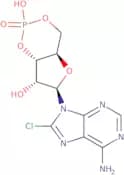
CAS:RSPACER CEP is a novel synthetic oligonucleotide with anti-cancer and antiviral activity. The product has been shown to inhibit the proliferation of tumor cells in vitro and reduce the production of pro-inflammatory cytokines in macrophages. The product is phosphoramidite, which is an intermediate for the chemical synthesis of DNA. It is synthesized from deoxyribonucleosides, modified nucleosides, and monophosphate nucleotides. RSPACER CEP also has antiviral properties that are mediated by inhibiting viral RNA replication in infected cells through inhibition of viral polymerase.Fórmula:C41H59N2O7PSiPureza:Min. 95%Peso molecular:751 g/mol8-Chloroadenosine 3',5'-cyclic monophosphate
CAS:8-Chloroadenosine 3',5'-cyclic monophosphate (8-CAM) is a potent inducer of the mitochondrial membrane potential. It has been shown to have cytotoxic effects on human myeloma cell line, HL-60 cells, and fetal bovine serum. 8-CAM has shown anticancer properties in solid tumours in mice. It was also found to be toxic to human carcinoma cell lines and synergistic with other pharmacological agents, such as doxorubicin. 8-CAM has been shown to have immunosuppressive effects in animal models and may be a potential therapeutic agent for autoimmune diseases.Fórmula:C10H11ClN5O6PPureza:Min. 95%Cor e Forma:White PowderPeso molecular:363.65 g/mol6-Azathymidine
CAS:6-Azathymidine is an antiviral agent that prevents the synthesis of viral DNA. It is a nucleoside analogue that contains a hydroxyl group at the 6 position on a pyrimidine ring. This compound has been shown to be effective in treating HIV infection and cancer, as well as herpes simplex virus and influenza virus. 6-Azathymidine inhibits the enzyme ribonucleotide reductase, which is responsible for converting ribonucleotides into deoxyribonucleotides, thereby blocking DNA synthesis. The phosphate derivatives of this drug have been shown to inhibit the biosynthesis of human immunodeficiency virus (HIV) by interfering with intermolecular hydrogen bonding between guanine and adenine.
Fórmula:C9H13N3O5Pureza:Min. 95%Peso molecular:243.22 g/mol2',5'-Dideoxy-8,5'-cycloadenosine
CAS:2',5'-Dideoxy-8,5'-cycloadenosine is an anticancer nucleoside. It is a modified deoxyribonucleoside that contains a 2'-deoxyribose sugar with a ribose sugar at the 5' position. This product has been shown to be active against DNA and RNA viruses in the lab. It also has antiviral properties and can inhibit the synthesis of DNA, RNA, or both. The chemical structure of this product is novel and has not been found in nature.
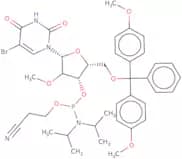
Fórmula:C10H11N5O2Pureza:Min. 95%Peso molecular:233.23 g/mol5-Bromo-5'-O-DMT-2'-O-methyluridine 3'-CE phosphoramidite
5-Bromo-5'-O-DMT-2'-O-methyluridine 3'-CE phosphoramidite is a novel, modified nucleoside and diphosphate that has antiviral activity. It is synthesized from 5-bromouracil and 2'-O-methyluridine by the use of a high purity reagent. The product is an anticancer agent that can be used to treat different types of cancer. This compound has also shown to have high purity and high quality.Fórmula:C40H48BrN4O9PPureza:Min. 95%Peso molecular:839.71 g/mol2'-C-Methyluridine 5'-triphosphate lithium salt - 10mM aqueous solution
2'-C-Methyluridine 5'-triphosphate lithium salt is a nucleoside that is a high quality, activator and novel. It is used to synthesize ribonucleosides and deoxyribonucleosides. This drug has anticancer properties and can be used as an immunomodulator. 2'-C-Methyluridine 5'-triphosphate is not active against acid-fast bacteria such as Mycobacterium tuberculosis or Mycobacterium avium complex.Fórmula:C10H13N2O15P3Li4Pureza:Min. 95%Peso molecular:521.9 g/mol6-Chloro-9-methylpurine
CAS:6-Chloro-9-methylpurine is an inhibitor of the enzyme kinase. It has been shown to inhibit the activity of 6-chloropurine phosphohydrolase and 6-chloropurine nucleoside phosphorylase, which are important enzymes in purine metabolism. 6-Chloro-9-methylpurine can be used to treat a number of diseases, including myeloid leukemia, where it inhibits the production of nucleic acids. This drug has also been shown to inhibit the growth of lettuce by inhibiting chlorophyll synthesis.Fórmula:C6H5ClN4Pureza:Min. 95%Peso molecular:168.58 g/mol3'-Deoxy-3'-fluorothymidine-5'-triphosphate sodium salt
3'-Deoxy-3'-fluorothymidine-5'-triphosphate sodium salt (3'-DFP) is a modified nucleoside that acts as an antiviral and anticancer drug. It is a monophosphate derivative of thymidine, which is converted to diphosphate by the enzyme thymidylate kinase. 3'-DFP inhibits DNA synthesis by preventing the incorporation of deoxyribonucleotides into DNA. 3'-DFP can also be used as a building block in the synthesis of other nucleosides such as cytidine 5′-triphosphate, uridine 5′-triphosphate, and adenosine 5′-triphosphate. 3'-DFP is active against herpesviruses including Epstein-Barr virus, cytomegalovirus, and varicella zoster virus. It has also been shown to inhibit cancer cell proliferation when used at high doses.Pureza:Min. 95%6,6'-Azopurine
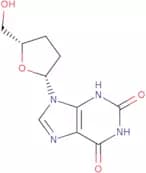
CAS:6,6'-Azopurine is a hydrophobic organic compound that is used as an operational oxidant in the conversion of alcohols to aldehydes. It reacts with hydroxyl groups on the surface of the catalyst and undergoes nucleophilic attack to form a pyridinium salt. The reaction rate increases with increasing pH and temperature. 6,6'-Azopurine is also an immobilized oxidant that can be used for the oxidation of alcohols or hydrocarbons. Immobilization can be achieved by covalent coupling or adsorption on silica gel or alumina. 6,6'-Azopurine has been shown to have high activity against chlorides and is used for the oxidation of chlorides to produce chloride radicals.Fórmula:C10H6N10Pureza:Min. 95%Peso molecular:266.22 g/mol2',3'-Dideoxyxanthosine
CAS:Produto Controlado2',3'-Dideoxyxanthosine is a purine nucleoside analog that inhibits the production of human immunodeficiency virus (HIV). It has potent activity against HIV and is more potent than other drugs in its class. This drug also inhibits the growth of cells by preventing the synthesis of DNA, RNA, and proteins. 2',3'-Dideoxyxanthosine has shown to be an effective treatment for HIV infection.Fórmula:C10H12N4O4Pureza:Min. 95%Peso molecular:252.23 g/molAdenosine 5'-monophosphate [U-13C10,U-15N5]
CAS:Adenosine 5'-monophosphate (AMP) is a nucleoside that is used in the synthesis of DNA, RNA and other nucleic acids. AMP is also an antiviral and anticancer agent that can be used to activate other drugs. AMP is synthesized from adenosine triphosphate (ATP) by removing one phosphate group, resulting in the formation of adenosine diphosphate (ADP). ADP can then be converted to AMP by adding a phosphate group back on. This synthetic process can be modified to produce novel derivatives of AMP with enhanced properties.Fórmula:C10H14N5O7PPureza:Min. 95%Peso molecular:362.11 g/mol2'-O-tert-Butyldimethylsilyl-3'-deoxy-5-methyluridine
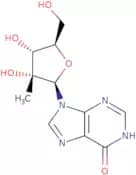
CAS:2'-O-tert-Butyldimethylsilyl-3'-deoxy-5-methyluridine (2'-O-TBDMS-5'-dMU) is a synthetic nucleoside that is an antiviral agent. It has been shown to be an activator of DNA polymerase, which may be due to its ability to bind to the enzyme's catalytic site and inhibit the enzyme's activity. 2'-O-TBDMS-5'-dMU also has high purity and can be used in the synthesis of modified nucleosides, phosphoramidites, diphosphates, and ribonucleosides. 2'-O-TBDMS-5'-dMU is a white powder with a melting point of about 221°C. It is soluble in water and alcohols and insoluble in acetone or ether.Fórmula:C16H28N2O5SiPureza:Min. 95%Peso molecular:356.49 g/mol2'-C-Methylinosine
CAS:2'-C-Methylinosine is an analog of 2'-deoxyinosine that is used as a prodrug for the treatment of hepatitis B virus infection. It has been shown to inhibit RNA synthesis in cell cultures by competitively inhibiting the activity of rna-dependent RNA polymerase. This inhibition leads to the accumulation of unprocessed, inactive ribonucleotides, which are eventually degraded by cellular enzymes. 2'-C-Methylinosine is an analog of 2'-deoxyinosine that has been modified at the C2 position with methyl groups (hence its name). The modification increases the stability and solubility of this molecule. Clinical trials have shown that 2'-C-Methylinosine can be used to treat hepatitis B virus infection when combined with other drugs such as lamivudine or entecavir.
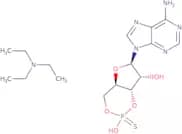
Fórmula:C11H14N4O5Pureza:Min. 95%Peso molecular:282.25 g/molAdenosine 3',5'-cyclic monophosphothioate Rp-isomer sodium salt
CAS:Adenosine 3',5'-cyclic monophosphothioate Rp-isomer sodium salt is a neurotrophic factor that has been shown to have neuroprotective properties in different animal models of Parkinson's disease. It has been shown to promote the synthesis of dopamine, glutamate, and other neurotransmitters in dopaminergic neurons. Adenosine 3',5'-cyclic monophosphothioate Rp-isomer sodium salt also promotes protein production by stimulating the synthesis of intracellular proteins such as cytosolic Ca2+ and IGF-I. This drug may be effective in pharmacological treatment for Parkinson's disease. Adenosine 3',5'-cyclic monophosphothioate Rp-isomer sodium salt is a potent inhibitor of phosphodiesterase type 4 (PDE4) with a Ki value of 0.07 μM. This inhibition leads to the accumulation of cAMP, which activates protein kinase A (PKAFórmula:C10H11N5O5PS·NaPureza:Min. 95%Peso molecular:367.25 g/mol5-Bromo-deoxyuridine CPG
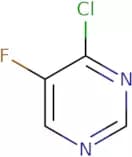
5-Bromo-deoxyuridine CPG is a novel nucleoside. The chemical name of this compound is 5-bromo-2'-deoxyuridine (CAS No. 2305-39-4). 5-Bromo-deoxyuridine CPG has been synthesized from diphosphate and phosphoramidite. It is used to produce the monophosphate form, which acts as an antiviral and anticancer agent.Pureza:Min. 95%4-Chloro-5-fluoropyrimidine
CAS:4-Chloro-5-fluoropyrimidine is a fluoropyrimidine that is used in the synthesis of pharmaceuticals, such as 4-amino-2-chloro-5-fluoropyrimidine. This compound is synthesized by chlorinating 4-chloro-5-fluoropyrimidine with chlorine gas. The resulting product is hydrolyzed to yield 4-amino-2,4,5,6 tetrafluoro pyrimidines. 4CFP can also be obtained by hydrogenolysis of toluene with chlorine gas and sodium hydroxide or hydrolyzing an ammonium salt with hydrochloric acid.
Fórmula:C4H2ClFN2Pureza:Min. 95%Peso molecular:132.52 g/mol2'-Deoxyadenosine-5'-[(a,b)-methyleno]triphosphate sodium salt - 10 mM aqueous solution
CAS:2'-Deoxyadenosine-5'-[(a,b)-methyleno]triphosphate sodium salt - 10 mM aqueous solution is a molecule that binds to the epidermal growth factor receptor (EGFR). It is a nucleotide that is used in pharmaceutical preparations to treat certain types of cancer. This drug can be used in tissue culture to increase follicular growth and pge2 levels. 2'-Deoxyadenosine-5'-[(a,b)-methyleno]triphosphate sodium salt - 10 mM aqueous solution has been shown to inhibit the proliferation of monoclonal antibody-producing cells by inhibiting DNA synthesis through the inhibition of RNA polymerase II and polymerase chain reaction.Fórmula:C11H18N5O11P3·xNaPureza:Min. 95%Cor e Forma:PowderPeso molecular:489.21 g/mol6-(2-Deoxy-5-O-DMT-b-D-ribofuranosyl)-3,4-dihydro-8H-pyrimido-[4,5-c][1,2]oxazin-7-one
CAS:6-(2-Deoxy-5-O-DMT-b-D-ribofuranosyl)-3,4-dihydro-8H-pyrimido-[4,5-c][1,2]oxazin-7-one is a synthetic diphosphate that is active as an activator of phosphoramidites. It has shown anticancer activity in vitro and in vivo. This compound has been shown to inhibit the DNA synthesis of tumor cells and to be effective against viruses such as herpes simplex virus type 1 and 2 (HSV1 and HSV2). 6-(2-Deoxy-5-O-DMT b -D ribofuranosyl)-3,4 -dihydro 8H pyrimido [4,5 c ][1,2]oxazin 7 one also inhibits the replication of RNA viruses such as influenza A virus (IAV), human immunodeficiency virusFórmula:C32H35N3O7Pureza:Min. 95%Peso molecular:573.64 g/mol6-Chloro-7-deaza-9-(a-D-ribofuranosyl)purine
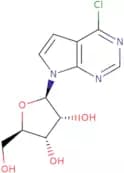
CAS:6-Chloro-7-deaza-9-(a-D-ribofuranosyl)purine is an anticancer drug that belongs to the class of nucleosides. It inhibits DNA and RNA synthesis by blocking the incorporation of nucleotides into DNA or RNA. This drug may also inhibit viral replication by blocking viral polymerase activity. 6-Chloro-7-deaza-9-(a-D-ribofuranosyl)purine has been shown to be a potent activator of phosphoramidites, which are used in chemical synthesis. This novel compound is synthesized using modified diphosphate chemistry and purified to high purity.Fórmula:C11H12ClN3O4Pureza:Min. 95%Peso molecular:285.68 g/mol5-Aminoallyl-2'-deoxycytidine
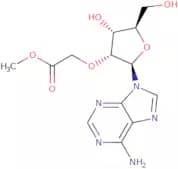
5-Aminoallyl-2'-deoxycytidine is an activator that has been shown to be a novel anticancer drug. It is an analogue of cytidine and is synthesized by the phosphoramidite method. 5-Aminoallyl-2'-deoxycytidine inhibits viral replication in human cells, but also has antiviral activity against HIV and influenza A virus. The compound has been shown to be active against small cell lung cancer in animal models.Pureza:Min. 95%2’-O-(2-Methoxy-2-oxoethyl)adenosine
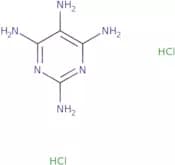
CAS:2’-O-(2-Methoxy-2-oxoethyl)adenosine is a novel antiviral and anticancer agent. It is an antiviral due to its ability to inhibit viral DNA synthesis and replication by competitively inhibiting the incorporation of deoxyribonucleoside triphosphate precursors into viral DNA. 2’-O-(2-Methoxy-2-oxoethyl)adenosine has been shown to be active against human cancer cells in vitro and in vivo, as well as other cell lines. This compound is a phosphoramidite that can be used for the synthesis of modified oligonucleotides, including ribonucleosides and deoxyribonucleosides. 2’-O-(2-Methoxy-2-oxoethyl)adenosine has also been shown to be an activator of RNA polymerase II transcriptional activity.Pureza:Min. 95%2,4,5,6-Tetraaminopyrimidine 2HCl
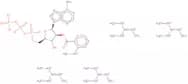
CAS:2,4,5,6-Tetraaminopyrimidine 2HCl is a chemical compound that belongs to the group of pyrimidines. It is a colorless solid with a melting point of 178.2°C and a boiling point of 339.8°C. This compound can be obtained by reacting 2,4,5-trichloropyrimidine with potassium cyanide in acetic acid solution or by heating 2,4-diaminopyrimidine with ammonium chloride and sodium nitrate in water. In the liquid chromatography process this compound is used as an analytical reagent for determining the purity and identity of organic compounds by measuring their retention time on the column.Pureza:Min. 95%2'/3'-(N-Methylanthraniloyl)-adenosine-5'-triphosphate triethylammonium salt
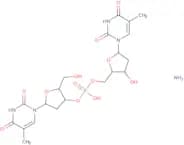
CAS:2'/3'-(N-Methylanthraniloyl)-adenosine-5'-triphosphate triethylammonium salt is a phosphoramidite, deoxyribonucleoside that is active as an antiviral. It inhibits the production of viral DNA and RNA by binding to the polymerase enzyme that copies the viral genome. This drug has been shown to be effective in vitro and in vivo against a wide range of viruses, including HIV, herpes simplex virus type 1 and 2, cytomegalovirus, varicella zoster virus, influenza A virus, and poliovirus. It also has anticancer activity by inhibiting cell proliferation.Fórmula:C18H23N6O14P3Pureza:Min. 95%Peso molecular:640.33 g/molThymidylyl-(3′→5′)-thymidine ammonium salt
CAS:Thymidylyl-(3′→5′)-thymidine is a modified nucleoside that has antiviral activity. It is synthesized from thymidine, which is the deoxyribonucleotide of thymine and uracil, by phosphorylation with ATP. Thymidylyl-(3′→5′)-thymidine has been shown to be an activator of DNA polymerase in vitro and inhibits replication of human immunodeficiency virus (HIV) in cell cultures. This compound has been studied as a potential treatment for AIDS.Fórmula:C20H30N5O12PPureza:Min. 95%Peso molecular:563.5 g/molN4-Benzoyl-3'-O-tert-butyldimethylsilyl-2'-deoxycytidine
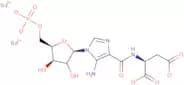
N4-Benzoyl-3'-O-tert-butyldimethylsilyl-2'-deoxycytidine is a monophosphate nucleoside analogue. It has antiviral and anticancer properties, as well as the ability to activate DNA synthesis. This product is synthesized from 2'-deoxycytidine and 4-benzoyl chloride in the presence of tert-butyldimethylsilyl chloride. It is available for sale as a white powder with a purity of 99%.Fórmula:C22H31N3O5SiPureza:Min. 95%Cor e Forma:PowderPeso molecular:445.58 g/molN-Succinyl-5-aminoimidazole-4-carboxamide ribose 5'-phosphate dibarium salt
CAS:N-Succinyl-5-aminoimidazole-4-carboxamide ribose 5'-phosphate dibarium salt is a novel, modified, and synthetic nucleotide that belongs to the group of ribonucleosides. It is an activator of DNA and has antiviral properties. This compound was developed for use in high quality pharmaceuticals for the treatment of cancer and as an antiviral drug. The synthesis of this compound is based on the incorporation of phosphoramidites in place of deoxyribonucleosides. This process yields high purity compounds that are used in various research applications.Fórmula:C13H15Ba2N4O12PPureza:Min. 95%Peso molecular:724.91 g/molN6-Benzoyl-5'-O-DMT-adenosine 3'-CE phosphoramidite
N6-Benzoyl-5'-O-DMT-adenosine 3'-CE phosphoramidite is a novel nucleoside that has been modified to protect the 2' hydroxyl group from attack by nucleases. This modification makes N6-Benzoyl-5'-O-DMT-adenosine 3'-CE phosphoramidite resistant to degradation and allows for its use in a variety of applications, such as anticancer, antiviral, and DNA sequencing.Pureza:Min. 95%5'-O-Acetyl-2',3'-dideoxyinosine
CAS:5'-O-Acetyl-2',3'-dideoxyinosine is a nucleoside analogue that inhibits viral replication. It is a potent activator of the immune system and has been shown to be effective against cancer cells. 5'-O-Acetyl-2',3'-dideoxyinosine was originally synthesized as an antiviral agent, but it was found to be ineffective in this function. The drug binds to the ribonucleotide reductase enzyme, which converts ribonucleotides into deoxyribonucleotides and is essential for the production of DNA. The drug blocks the conversion of ribonucleotides into deoxyribonucleotides, preventing DNA synthesis and replication. This drug has also been shown to have anticancer activity by inhibiting DNA synthesis and cell division.Fórmula:C12H14N4O4Pureza:Min. 95%Peso molecular:278.26 g/mol





![2,5-Dioxo-3-sulfo-1-pyrrolidinyl 6-[[5-(hexahydro-2-oxo-1H-thieno[3,4-d]imidazol-4-yl)-1-oxopentyl…](/_next/image/?url=https%3A%2Fstatic.cymitquimica.com%2Fproducts%2F3D%2Fthumb-webp%2FPD08913.webp&w=3840&q=75)











![2-(2-Deoxy-b-D-ribofuranosyl)-2,3,8,9-tetrahydro-7-oxa-2,3,5,6-tetraazabenz[cd]azulen-4-amine](/_next/image/?url=https%3A%2Fstatic.cymitquimica.com%2Fproducts%2F3D%2Fthumb-webp%2FND145590.webp&w=3840&q=75)

![2'-Bromo-2'-deoxyadenosine-5'-[(beta,gamma)-imido]triphosphate triethylammonium salt - 10mM aqueou…](/_next/image/?url=https%3A%2Fstatic.cymitquimica.com%2Fproducts%2F3D%2Fthumb-webp%2FNB166259.webp&w=3840&q=75)



![γ-[(6-Azidohexyl)-imido]-ATP sodium](/_next/image/?url=https%3A%2Fstatic.cymitquimica.com%2Fproducts%2F3D%2Fthumb-webp%2FNA183120.webp&w=3840&q=75)

![N-Acetyl-5-[1,2-bis(acetyloxy)ethyl]-5'-O-DMT-2'-deoxycytidine](/_next/image/?url=https%3A%2Fstatic.cymitquimica.com%2Fproducts%2F3D%2Fthumb-webp%2FNA146816.webp&w=3840&q=75)












![Adenosine 5'-monophosphate [U-13C10,U-15N5]](/_next/image/?url=https%3A%2Fstatic.cymitquimica.com%2Fproducts%2F3D%2Fthumb-webp%2FNA31536.webp&w=3840&q=75)


![2'-Deoxyadenosine-5'-[(a,b)-methyleno]triphosphate sodium salt - 10 mM aqueous solution](/_next/image/?url=https%3A%2Fstatic.cymitquimica.com%2Fproducts%2F3D%2Fthumb-webp%2FND46688.webp&w=3840&q=75)
![6-(2-Deoxy-5-O-DMT-b-D-ribofuranosyl)-3,4-dihydro-8H-pyrimido-[4,5-c][1,2]oxazin-7-one](/_next/image/?url=https%3A%2Fstatic.cymitquimica.com%2Fproducts%2F3D%2Fthumb-webp%2FND145589.webp&w=3840&q=75)