Nucleosídeos
Os nucleosídeos são building blocks fundamentais dos ácidos nucleicos, compostos por uma base nitrogenada ligada a uma molécula de açúcar. Nesta seção, você encontrará uma ampla variedade de nucleosídeos essenciais para pesquisas em biologia molecular, bioquímica e farmacologia. Esses compostos desempenham papéis cruciais na síntese de DNA e RNA, e também são vitais em vários processos metabólicos. Os nucleosídeos são usados para estudar material genético, desenvolver terapias antivirais e anticancerígenas, e entender os mecanismos celulares. Na CymitQuimica, fornecemos nucleosídeos de alta qualidade para apoiar suas necessidades de pesquisa e desenvolvimento, garantindo pureza e confiabilidade para suas aplicações experimentais.
Foram encontrados 3567 produtos de "Nucleosídeos"
Ordenar por
Pureza (%)
0
100
|
0
|
50
|
90
|
95
|
100
Caffeoyl-coenzym A
CAS:<p>Please enquire for more information about Caffeoyl-coenzym A including the price, delivery time and more detailed product information at the technical inquiry form on this page</p>Fórmula:C30H42N7O19P3SPureza:Min. 95%Peso molecular:929.68 g/molDMTr-TNA-C(Bz)-amidite
CAS:<p>Please enquire for more information about DMTr-TNA-C(Bz)-amidite including the price, delivery time and more detailed product information at the technical inquiry form on this page</p>Fórmula:C45H50N5O8PPeso molecular:819.9 g/molCiticoline sodium
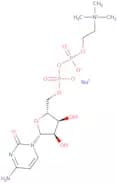
CAS:<p>Citicoline is a complex organic molecule, a form of B-vitamin choline that acts as an intermediate in many biosynthetic pathways, for example, in the biosynthesis of cell membrane phospholipids. As a dietary supplement, citicoline is a source of choline and cytidine, two components that are quickly absorbed in the intestine and across the blood-brain barrier. The neuroprotective properties of citicoline improves mental performance increasing the levels of other brain-related chemicals like dopamine and norepinephrine, helping with recovery in stroke patients, reducing memory loss due to aging and improving vision in patients with glaucoma.</p>Fórmula:C14H26N4O11P2•NaPureza:Min. 98.0 Area-%Cor e Forma:White To Off-White SolidPeso molecular:511.31 g/molN2-Benzoylguanosine
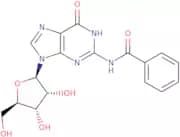
CAS:<p>N2-Benzoylguanosine is a nucleotide derivative that is formed by the acetylation of guanosine. It has been shown to act as a buffer in alkaline solutions and isomerizes to its n-oxide form when heated. N2-Benzoylguanosine reacts with peroxides such as hydrogen peroxide, glyoxal, and organic peroxides, forming hydroperoxide intermediates that can be converted into other products. The acidic hydrolysis of N2-benzoylguanosine yields the corresponding 6-benzoyladenosines. It has been shown to enhance the activity of uridine in inhibiting bacterial growth, while also acting as an inhibitor of viral RNA synthesis. This compound also reacts with nitrous acid to form an n6-benzoyladenosine derivative that inhibits the formation of RNA chains during transcription.</p>Fórmula:C17H17N5O6Pureza:Min. 95%Cor e Forma:White to beige solid.Peso molecular:387.35 g/molN4-Acetyl-2'-O-tert-butyldimethylsilylcytidine
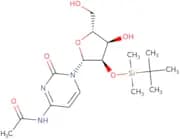
CAS:<p>N4-Acetyl-2'-O-tert-butyldimethylsilylcytidine is a novel nucleoside that has been extensively studied for its anticancer and antiviral properties. It is a modified nucleoside that inhibits the production of DNA, RNA, and protein. This product is also used as an activator in the synthesis of oligonucleotides. N4-Acetyl-2'-O-tert-butyldimethylsilylcytidine can be used in vitro to study the effects of different cancer cells on DNA replication. It has been shown to inhibit the growth of human leukemia cells in culture.</p>Fórmula:C17H29N3O6SiPureza:Min. 95%Cor e Forma:PowderPeso molecular:399.51 g/molGuanosine 5'-diphosphate sodium
CAS:<p>Pyruvate kinase substrate</p>Fórmula:C10H15N5O11P2•Na2Pureza:Min. 95%Cor e Forma:PowderPeso molecular:466.19 g/mol2'-Deoxy-3'-O-DMT-N2-isobutyrylguanosine 5'-CE phosphoramidite
<p>2'-Deoxy-3'-O-DMT-N2-isobutyrylguanosine 5'-CE phosphoramidite is a 5'-3’ “reverse” (or “inverse”) amidite.</p>Fórmula:C44H54N7O8PPureza:Min. 95%Peso molecular:839.94 g/mol4-Chloro-5-iodo-pyrrolo[2,3-d]pyriMidine-7-carboxylic acid tert-butyl ester
CAS:<p>Focuses is a chemical compound that does not have any known commercial or industrial uses.</p>Pureza:Min. 95%Guanosine5'-diphosphate
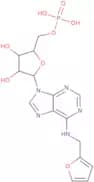
CAS:<p>Pyruvate kinase substrate</p>Fórmula:C10H15N5O11P2Pureza:Min. 95%Cor e Forma:PowderPeso molecular:443.2 g/molKinetin riboside-5'-monophosphate sodium salt
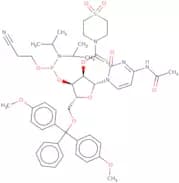
CAS:<p>Kinetin riboside-5'-monophosphate sodium salt is a synthetic nucleotide that has been modified to include a phosphate group at the 5' position. Kinetin riboside-5'-monophosphate sodium salt is an activator of DNA synthesis and can be used for the treatment of viral infections. It also shows anticancer activity and is effective against cancer cells that are resistant to other cancer drugs.</p>Fórmula:C15H16N5Na2O8P·H2OPureza:Min. 95%Cor e Forma:PowderPeso molecular:489.29 g/molDMT-2′O-TC-rC(ac) Phosphoramidite
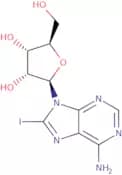
CAS:<p>DMT-2²O-TC-rC(ac) Phosphoramidite is a novel nucleoside that has been modified with a 2,2'-O, TC-rC(ac) group. This compound is an analogue of the natural nucleoside cytidine and can be used in both DNA and RNA synthesis. DMT-2²O-TC-rC(ac) Phosphoramidite is phosphorylated by ATP to form diphosphate, which is then incorporated into DNA or RNA. The CAS number for this compound is 1219089-87-8.</p>Fórmula:C46H57N6O11PS2Pureza:Min. 95%Cor e Forma:PowderPeso molecular:965.08 g/mol8-Iodoadenosine
CAS:<p>8-Iodoadenosine is a macrocyclic inhibitor that binds to the phosphate group on ATP. This binding prevents ATP from being hydrolyzed to ADP and inorganic phosphate, which inhibits the formation of ATP. 8-Iodoadenosine has been shown to inhibit the proliferation of some cancer cells by interfering with their ability to synthesize proteins. It has also been shown to be an effective treatment for parasitic infections caused by Entamoeba histolytica. 8-Iodoadenosine has also been shown to inhibit protein synthesis in bacteria, fungi, and parasites.</p>Fórmula:C10H12IN5O4Pureza:Min. 95%Peso molecular:393.14 g/molAdenosine 5′-O-(1-thiotriphosphate) sodium, mixture of R and S isomers
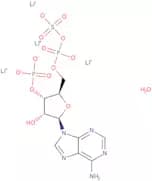
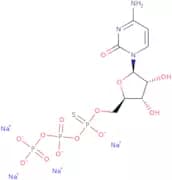
<p>Please enquire for more information about Adenosine 5′-O-(1-thiotriphosphate) sodium, mixture of R and S isomers including the price, delivery time and more detailed product information at the technical inquiry form on this page</p>Fórmula:C10H16N5O12P3S•Na3Pureza:Min. 95%Peso molecular:592.25 g/molCytidine-5'-O-(1-thiotriphosphate) lithium salt - 100mM aqueous solution
CAS:<p>Cytidine-5'-O-(1-thiotriphosphate) lithium salt is a monophosphate nucleotide analog. It is soluble in water, and is used in the synthesis of DNA and RNA. Cytidine-5'-O-(1-thiotriphosphate) lithium salt has antiviral, anticancer, and anti-inflammatory properties. This compound can be used as an activator for phosphoramidites in the synthesis of DNA or RNA. Cytidine-5'-O-(1-thiotriphosphate) lithium salt is a novel nucleoside that can be used in the synthesis of modified oligonucleotides.</p>Fórmula:C9H16N3O13P3S·xLiPureza:Min. 95%Peso molecular:499.22 g/molMorpholino A monomer
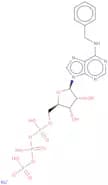
CAS:<p>Morpholino A is a modified nucleoside amidite used to prepare morpholino oligomers</p>Fórmula:C38H37ClN7O4PPureza:Min. 98 Area-%Cor e Forma:White PowderPeso molecular:722.17 g/molN6-Benzyladenosine 5'-triphosphate sodium salt - 10 mM aqueous solution
CAS:<p>N6-Benzyladenosine 5'-triphosphate sodium salt - 10 mM aqueous solution is an analog of adenosine triphosphate (ATP). It is used in the study of protein kinase C. ATP and its analogs are able to phosphorylate proteins and regulate their activity. This study has shown that N6-benzyladenosine 5'-triphosphate sodium salt - 10 mM aqueous solution is an atp analog that activates protein kinase C, leading to the phosphorylation of proteins. This analog also inhibits tyrosine kinases, which may be due to its ability to inhibit the reuptake of serotonin and other transmitters.</p>Fórmula:C17H22N5O13P3·xNaPureza:Min. 95%Cor e Forma:Colorless PowderPeso molecular:597.3 g/molRibavirin 5'-triphosphate triethylammonium salt - 10 mM aqueous solution
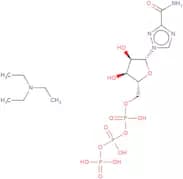
CAS:<p>Ribavirin triphosphate is the biologically active metabolite of antiviral nucleoside analog ribavirin. In cells, the prodrug ribavirin gets triphosphorylated and in it inhibits viral RNA polymerases, interfering with the synthesis of newly formed RNA.</p>Fórmula:C8H15N4O14P3•(C6H15N)xPureza:Min. 95 Area-%Cor e Forma:Clear LiquidPeso molecular:789.73(-)-Emtricitabine triphosphate sodium salt
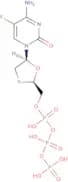
CAS:<p>Emtricitabine is a nucleoside reverse transcriptase inhibitor with activity against human immunodeficiency virus and hepatitis B virus</p>Fórmula:C8H9FN3Na4O12P3SPureza:Min. 95%Peso molecular:575.11 g/molUridine diphosphate choline (UDPC) sodium
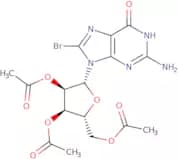
CAS:<p>Uridine diphosphate choline (UDPC) sodium is a nucleotide that is used as a phosphoramidite for DNA synthesis. The chemical formula for UDPC is C8H14N4O8P. The activation of the molecule occurs in acidic conditions, which may be due to the formation of an amide bond between the terminal phosphate and the amino group on the phosphorylcholine. This same reaction can also occur in alkaline conditions. UDPC has been shown to inhibit viral replication, including HIV-1, by blocking reverse transcription of viral RNA into DNA. It also has anticancer effects, as it inhibits cell proliferation and induces apoptosis in cancer cells. UDPC does not have any known side effects or toxicity.</p>Fórmula:C14H25N3O12P2•NaPureza:Min. 95%Cor e Forma:PowderPeso molecular:512.3 g/mol2',3',5'-Tri-O-acetyl-8-bromoguanosine
CAS:<p>2',3',5'-Tri-O-acetyl-8-bromoguanosine is a synthetic nucleoside analog that inhibits the growth of tumor cells. It has been shown to inhibit the progression of prostate cancer and cervical cancer by binding to guanosine, preventing its conversion into ATP. This compound also prevents proliferation in hek293 and glioblastoma cells. The mechanism of action may be due to oxidative phosphite formation, which causes DNA damage and subsequent apoptosis.</p>Fórmula:C16H18BrN5O8Pureza:Min. 95%Cor e Forma:Off-White To Light (Or Pale) Yellow SolidPeso molecular:488.25 g/molN6-Benzoyl-5'-O-DMT-2'-O-(2-methoxyethyl)adenosine 3'-CE phosphoramidite
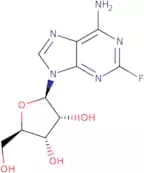
CAS:<p>Nucleoside phosphoramidites are used in the chemical synthesis of oligonucleotides containing 2’-O-(2-methoxyethyl) adenosine nucleoside units. Using a chemical approach rather than an enzymatic one allows custom-made oligonucleotides of a desired sequence to be obtained. 3’-Cyanoethyl phosphoramidites are typically modified by reaction with an appropriate alcohol in the presence of an azole catalyst such as imidazole or 1H-tetrazole. N6-Benzoyl-5'-O-DMT-2'-O-MOE-adenosine 3'-CE phosphoramidite has been used in the synthesis of 2’-modified oligonucleotides as protein binding modulators.</p>Fórmula:C50H58N7O9PPureza:Min. 95%Cor e Forma:PowderPeso molecular:932.01 g/mol2-Fluoroadenosine
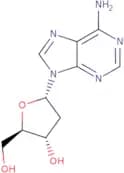
CAS:<p>2-Fluoroadenosine is a nucleoside that has shown high resistance to the enzyme cyclase. This property may be due to its structural and conformational properties, which are different from those of adenosine. 2-Fluoroadenosine has been shown to inhibit the synthesis of ATP in ventricular myocardium and fat cells, as well as increase levels of adenylate kinase in blood. It has also been shown to have potential as a drug target for autoimmune diseases, such as multiple sclerosis. 2-Fluoroadenosine can be used for biochemical and pharmacokinetic studies because it is rapidly metabolized by the liver and excreted in urine.<br>2-Fluoroadenosine can also be used to measure changes in the ratio of adenylate kinase:adenylate kinase reductase (AKAR) in blood plasma.</p>Fórmula:C10H12FN5O4Pureza:Min. 95%Cor e Forma:White Slightly Yellow PowderPeso molecular:285.23 g/mol2'-Deoxy-a-adenosine
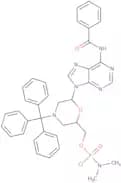
CAS:<p>2'-Deoxy-a-adenosine is a nucleoside that contains an adenine base. It has been studied for its biological properties, including its reaction with solution and its use as an antimicrobial agent. 2'-Deoxy-a-adenosine has been shown to inhibit the growth of bowel disease in mice by binding to the adenosine A3 receptor on the surface of cells. This nucleoside also binds to nuclear DNA and may be used as a pharmacological agent, but more research is needed to determine whether it would be effective against cancer cells. 2'-Deoxy-a-adenosine may also be useful as a potential drug target for the treatment of cancer due to its ability to bind with dna duplexes, which are found in all cancer cells.</p>Fórmula:C10H13N5O3Pureza:Min. 95%Cor e Forma:White PowderPeso molecular:251.25 g/mol[(2S,6R)-6-{N6-Benzoyladenin-9-yl}-4-tritylmorpholin-2-yl]methyl dimethyl-phosphoramidochloridate
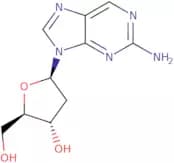
CAS:<p>Nucleotide analogue for use in oligonucleotide synthesis</p>Fórmula:C38H37ClN7O4PPureza:Min. 95%Cor e Forma:PowderPeso molecular:722.17 g/mol2-Amino-9-(2'-deoxy-β-D-ribofuranosyl)purine
CAS:<p>2-Amino-9-(2'-deoxy-b-D-ribofuranosyl)purine is a nucleoside analog that has been found to be effective in the treatment of leukemia.</p>Fórmula:C10H13N5O3Pureza:(Hplc) Min. 98.00%Cor e Forma:PowderPeso molecular:251.24 g/molXanthosine-5'-triphosphate triethylammonium salt - 100 mM aqueous solution
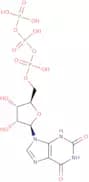
CAS:<p>Inhibitor of adenylyl and guanylyl cyclase</p>Fórmula:C10H15N4O15P3·xC6H15NPureza:Min. 95%Cor e Forma:Colorless PowderPeso molecular:524.17 g/mol7-Deaza-2'-C-ethynyladenosine
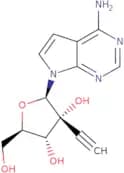
CAS:<p>7-Deaza-2'-C-ethynyladenosine (7DAA) is a research inhibitor that is classified as a polymerase inhibitor. It binds to the active site of the viral NS5B polymerase and inhibits RNA synthesis, which leads to virus replication. 7DAA has shown activity against hepatitis B virus (HBV) and hepatitis C virus (HCV). It also shows multifunctional properties in its inhibition of HBV genotypes A1, A3, and D1. In addition, 7DAA interacts with the RNA binding site on HCV polymerase protein and prevents binding of the viral RNA genome to this site. 7DAA also inhibits HIV replication by preventing assembly of the reverse transcriptase enzyme complex at an early stage.</p>Fórmula:C13H14N4O4Pureza:Min. 95%Cor e Forma:PowderPeso molecular:290.27 g/molm-Topolin riboside
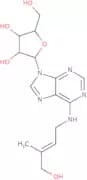
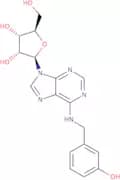
CAS:<p>Functionalised adenosine riboside</p>Fórmula:C17H19N5O5Pureza:Min. 95%Cor e Forma:White To Off-White SolidPeso molecular:373.36 g/mol2'-O-(2-Methoxyethyl)adenosine 5'-a-thiotriphosphate sodium salt
<p>2'-O-(2-Methoxyethyl)adenosine 5'-a-thiotriphosphate sodium salt is a synthetic nucleoside with antiviral and anticancer properties. It is an analog of adenosine 5'-triphosphate (ATP) in which the ribose sugar has been replaced by a 2'-O-(methoxyethyl) moiety. It has shown to be cytotoxic against cancer cells, and it is a potent activator of human telomerase, the enzyme that synthesizes telomeres at the end of chromosomes. This compound has been shown to have high purity and quality and does not have any CAS numbers assigned to it.</p>Fórmula:C13H18N5O13P3S·4NaPureza:Min. 95%Peso molecular:669.25 g/mol8-Aza-7-deaza-2'-deoxyguanosine
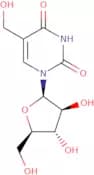
CAS:<p>8-Aza-7-deaza-2'-deoxyguanosine is an alkynylated, cross-linked, single stranded nucleic acid. It has been shown to be effective at cross-linking and cross-linking nucleic acids. 8-Aza-7-deaza-2'-deoxyguanosine binds to the 7 deazapurine residues in DNA, forming a covalent bond between the two strands of the helix. This binding prevents the strand from unwinding and prevents the replication of DNA. The thermodynamic data for this compound shows that it is stable in both hot and cold water, which makes it a good candidate for use in research as well as in clinical settings.</p>Fórmula:C10H13N5O4Pureza:Min. 95%Cor e Forma:PowderPeso molecular:267.24 g/mol1-(β-D-Arabinofuranosyl)-5-hydroxymethyluracil
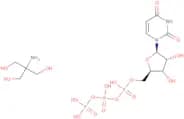
CAS:<p>A hetero-base functionalised ara-nucleoside</p>Fórmula:C10H14N2O7Pureza:Min. 95%Peso molecular:274.23 g/molUridine 5'-triphosphate tris salt
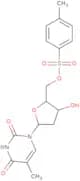
CAS:<p>Uridine 5'-triphosphate tris salt is a pyrimidine nucleotide that is used in the synthesis of RNA. It has been shown to be an effective inhibitor of hamster ovary and human ovarian cells. Uridine 5'-triphosphate tris salt is water-soluble and does not interfere with cellular assays or microfluidic devices. Uridine 5'-triphosphate tris salt has also been shown to have potential as a model system for analytical chemistry and pharmacological research.</p>Fórmula:C13H26N3O18P3Pureza:Min. 95%Cor e Forma:White PowderPeso molecular:484.14 g/mol5'-O-Tosylthymidine
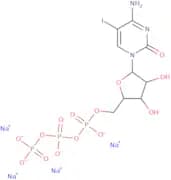
CAS:<p>5'-O-Tosylthymidine is a bifunctional reagent that is used in the synthesis of DNA. It is a nucleophilic, inorganic compound that reacts with the electrophilic acrylonitrile group on 5'-hydroxythymidine to form a stable thiophosphate linkage. The reaction takes place stepwise and is catalyzed by an enzyme called DNA polymerase. This product has been used as an antimetabolite in medicine, mainly for treating leukemia.</p>Fórmula:C17H20N2O7SPureza:Min. 95%Peso molecular:396.42 g/mol5-Iodocytidine 5'-triphosphate sodium salt - 100mM solution
CAS:<p>5-Iodocytidine 5'-triphosphate sodium salt is a novel antiviral agent. It is the sodium salt of 5-iodocytidine 5'-triphosphate and is used to inhibit viral replication. It inhibits RNA synthesis by interfering with the incorporation of deoxyribonucleosides into the growing DNA chain, which blocks DNA synthesis. This inhibition prevents virus production and may be useful in treating cancer.</p>Fórmula:C9H15IN3O14P3Pureza:Min. 95%Peso molecular:609.05 g/molPolyadenylic acid potassium
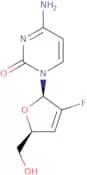
CAS:<p>Please enquire for more information about Polyadenylic acid potassium including the price, delivery time and more detailed product information at the technical inquiry form on this page</p>Fórmula:(C10H14N5O7P)x•KxPureza:85% Min2',3'-Dideoxy-2',3'-didehydro-2'-fluorocytidine
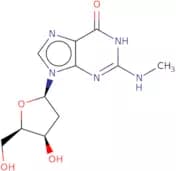
CAS:<p>2',3'-Dideoxy-2',3'-didehydro-2'-fluorocytidine (ddC) is a nucleoside with antiviral activity. The mechanism of action is not well understood, but ddC has been shown to inhibit the proliferation of human immunodeficiency virus (HIV). It is also active against isolates of herpes simplex virus and vesicular stomatitis virus. The elimination half-life of ddC in humans is about 8 hours. In humans, this drug is eliminated by methylation and glucuronidation reactions. The pharmacokinetics of ddC have been studied in animals, including rats and rabbits, with preliminary indications that the elimination half-life may be longer than in humans.</p>Fórmula:C9H10FN3O3Pureza:Min. 95%Peso molecular:227.19 g/mol2'-Deoxy-N2-methylguanosine
CAS:<p>2'-Deoxy-N2-methylguanosine is a nucleoside with anticancer properties. It is a phosphoramidite, which is an analog of the natural nucleotide guanosine, where the 2'-hydroxyl group has been replaced by a methylene group. This compound is used in DNA synthesis and RNA synthesis. It can be used as a monophosphate or diphosphate. It also has antiviral and anti-inflammatory activities, as well as N2-methylamino moiety that can be used for the treatment of cancer and inflammatory diseases such as arthritis.</p>Fórmula:C11H15N5O4Pureza:Min. 95%Cor e Forma:White PowderPeso molecular:281.27 g/mol2'-Deoxyadenosine - isolated from DNA
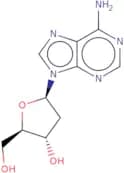
CAS:<p>2'-Deoxyadenosine is a nucleoside that is found in DNA. It has been shown to have potent anticancer activity against carcinoma cell lines and to bind to the adenosine receptor A3. 2'-Deoxyadenosine has also been shown to inhibit the production of inflammatory cytokines, such as tumor necrosis factor-α and interleukin-6, from nuclear extracts of mouse tumor cells. This nucleoside may be a potential drug target for the treatment of cancer and inflammation.</p>Fórmula:C10H13N5O3Pureza:Min. 98 Area-%Cor e Forma:PowderPeso molecular:251.24 g/mol3'-Deoxy-5-methyluridine
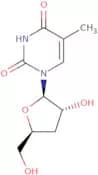
CAS:<p>3'-Deoxy-5-methyluridine (3'-DMAU) is a synthetic nucleoside that is used in the treatment of viral infections. 3'-DMAU has antiviral and anticancer activity, and it has been used to synthesize DNA for genetic engineering. It has shown promising results in the treatment of HIV as well as in the prevention of cancer metastasis. 3'-DMAU inhibits DNA synthesis by binding to the enzyme RNA polymerase, which blocks its interaction with ribonucleosides, thus inhibiting RNA synthesis. In addition, 3'-DMAU causes cell death by inhibiting protein synthesis. The drug is activated by phosphorylation to form 5'-triphosphate and 5'-diphosphate derivatives, which inhibit DNA and RNA synthesis at multiple sites within the cell.</p>Fórmula:C10H14N2O5Pureza:Min. 95%Cor e Forma:PowderPeso molecular:242.23 g/molOleoyl coenzyme A lithium salt
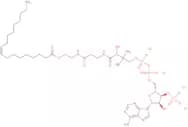
CAS:<p>Oleoyl coenzyme A lithium salt is a fatty acid that belongs to the class of organic compounds known as aliphatic acyl-coenzyme A. It is synthesized by the enzyme synthetase and can be used to diagnose cascading, linear response, and aldehyde synthesis in carbon nanotubes. Oleoyl coenzyme A lithium salt has been shown to bind to sephadex G-100 and immobilize it on a surface. This immobilization process aids in the diagnosis of various diseases such as diabetes mellitus, cancer, and cardiovascular problems. The chloride anion present in oleoyl coenzyme A lithium salt buffers and stabilizes the pH levels during this process. Oleoyl coenzyme A lithium salt also binds to multi-walled carbon nanotubes (MWNTs) due to its hydrophobic nature, which aids in the detection of markers such as lipids or proteins using immunological techniques.</p>Fórmula:C39H68N7O17P3S·xLiPureza:Min. 95%Peso molecular:1,031.98 g/mol5′-O-DMT-LNA N-Bz adenosine
CAS:<p>5′-O-DMT-LNA N-Bz adenosine is a novel nucleoside that has been modified with an aminooxy group. The compound is synthesized by the phosphoramidite method and it is designed for use in antiviral and anticancer research. 5′-O-DMT-LNA N-Bz adenosine can be used as a substrate for DNA polymerases and other enzymes to produce nucleic acid strands. This product is CAS No. 206055-74-5, monophosphate, Phosphoramidites, Synthetic, Deoxyribonucleosides, Anticancer, Ribonuclesides, High purity.</p>Fórmula:C39H35N5O7Pureza:Min. 95%Peso molecular:685.73 g/molPropionyl coenzyme A lithium salt
CAS:<p>Propionyl coenzyme A lithium salt is a phosphoramidite that can be used in the synthesis of DNA and RNA. It is a novel chemical compound that has been modified to include ribonucleosides in addition to deoxyribonucleosides. This product is of high purity and quality, with a CAS number of 108321-21-7.</p>Fórmula:C24H40N7O17P3S·xLiPureza:85%Cor e Forma:White PowderPeso molecular:823.6 g/molSpacer-c3 cep
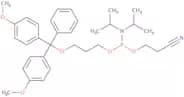
CAS:<p>Spacer-C3 Cep is a novel modified nucleoside phosphoramidite. It has been chemically modified with a spacer arm and 3-Cep (1,2-diaminoethane). Spacer-C3 Cep is an activator for DNA polymerases, which are enzymes that synthesize DNA from deoxyribonucleosides. The modified nucleoside phosphoramidite has antiviral and anticancer activities. It can be used in the synthesis of oligodeoxyribonucleotides for gene therapy or as a monophosphate for the preparation of DNA probes. Spacer-C3 Cep can also be used to synthesize ribonucleotide analogs that inhibit viral replication by inhibiting RNA synthesis.</p>Fórmula:C33H43N2O5PPureza:Min. 95%Peso molecular:578.7 g/mol2'-Deoxyuridine-5'-monophosphate disodium salt
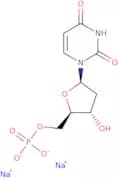
CAS:<p>2'-Deoxyuridine-5'-monophosphate disodium salt (2DUMP) is a nucleoside analog that inhibits the synthesis of DNA and RNA by inhibiting the enzyme thymidylate synthase. 2DUMP is a covalent inhibitor of thymidylate synthase, which prevents the formation of dTMP from deoxyuridine 5'-triphosphate. This compound has been shown to be effective in treating squamous cell cancer and hyperproliferative diseases such as chronic myelogenous leukemia. 2DUMP is also used as an antiviral agent against HIV, herpes simplex virus, and varicella zoster virus. It has been shown to bind to benzalkonium chloride (BAK) in biological samples such as serum or plasma.<br>2DUMP binds to BAK through a covalent linkage between the 3' hydroxyl group on BAK and the phosphate group on 2DUMP</p>Fórmula:C9H11N2O8PNa2Pureza:Min. 95%Cor e Forma:PowderPeso molecular:352.15 g/mol5′-O-DMT-LNA N-Bz 5-Me cytidine
CAS:<p>5′-O-DMT-LNA N-Bz 5-Me cytidine is a protected LNA cytidine nucleoside.</p>Fórmula:C39H37N3O8Pureza:Min. 95%Peso molecular:675.73 g/mol8-Nitroguanosine
CAS:<p>8-Nitroguanosine is a nucleotide analogue that inhibits the activity of cyclic GMP in cells. It has been found to inhibit the growth of bacteria and cancer cells, as well as to stimulate the production of reactive oxygen species in brain cells. 8-Nitroguanosine has also been shown to inhibit the activity of cyclase enzymes in liver cells, which may be useful for treating liver disease. 8-Nitroguanosine is used as a chemical base for monoclonal antibodies that are used to study brain functions and pathogenic mechanisms.</p>Fórmula:C10H12N6O7Pureza:Min. 95%Peso molecular:328.24 g/molN2-Acetyl-5'-O-DMT-guanosine
CAS:<p>N2-Acetyl-5'-O-DMT-guanosine is a novel anticancer nucleoside that has been synthesized to mimic the natural nucleotides found in DNA. It is phosphorylated to N2-acetyl-5'-O-DMT-guanosine monophosphate, which can be converted back to the active form of N2-acetyl-5'-O-DMT guanosine by phosphatases. This agent activates DNA synthesis and inhibits viral replication, including HIV and herpes simplex virus. The antiviral activity is due to its inhibition of viral DNA polymerase and diphosphate kinase.</p>Pureza:Min. 95%Adenylyl-3'-5'-guanosine sodium salt
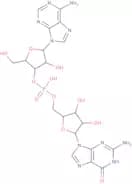
CAS:<p>3'-Adenylyl-5'-guanosine ammonium salt is a dinucleoside that competes with guanosine for binding to the enzyme adenylate cyclase. This reaction leads to increased levels of cyclic AMP, which causes an increase in the rate of viral replication. 3'-Adenylyl-5'-guanosine ammonium salt has been shown to inhibit the growth of pyogenic bacteria such as Streptococcus pyogenes and has also been used to treat influenza infections. 3'-Adenylyl-5'-guanosine ammonium salt is an inorganic compound that is found in tobacco. It can be synthesized from uridine and p-nitrophenyl phosphate by the reaction: 3'--O--(CH2)4--COOH + H2N--PO4--> 3'--O--(CH2)4--CONH2 + H3PO4</p>Fórmula:C20H24N10O11P·NaPureza:Min. 95%Peso molecular:634.43 g/mol5-Methoxyuridine-5'-triphosphate sodium, 100mM aqueous solution
CAS:<p>5-Methoxyuridine-5'-triphosphate is a monophosphate nucleoside that serves as a precursor for the synthesis of 5-methoxyuridine (5MU) and other nucleosides. It has antiviral effects, and is used in the treatment of herpes zoster infection. 5-Methoxyuridine-5'-triphosphate is an analog of uridine and deoxyribonucleosides with antiviral activity, which can be used to treat herpes zoster infection. This drug also has anticancer properties, which may be due to its ability to inhibit DNA synthesis by inhibiting ribonucleotide reductase and DNA polymerase, leading to cell death.</p>Fórmula:C10H17N2O16P3•NaxPureza:Min. 95%Cor e Forma:Clear LiquidPeso molecular:514.17 g/mol3'-O-Propargyladenosine
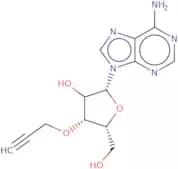
CAS:<p>3'-O-Propargyladenosine is a modified nucleoside that has antiviral and anti-inflammatory properties. It is a synthetic compound that is chemically related to adenosine. 3'-O-Propargyladenosine is an activator of the immune system and it inhibits viral DNA synthesis. The compound also has been shown to reduce inflammation in mice by inhibiting the production of prostaglandin E2 (PGE2). 3'-O-Propargyladenosine has been shown to inhibit the replication of human immunodeficiency virus type 1 (HIV-1) and cytomegalovirus (CMV).</p>Fórmula:C13H15N5O4Pureza:Min. 95%Cor e Forma:PowderPeso molecular:305.29 g/mol7-Deaza-2',3'-dideoxy-7-iodoadenosine
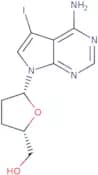
CAS:<p>7-Deaza-2',3'-dideoxy-7-iodoadenosine is a nucleoside analogue that is used as an antiviral, anticancer, and antifungal agent. It is a modified form of adenosine which inhibits viral replication by inhibiting the activity of reverse transcriptase. 7-Deaza-2',3'-dideoxy-7-iodoadenosine has also been shown to inhibit DNA synthesis in cells by blocking the incorporation of dCTP into DNA. This nucleoside analogue has shown potential for use as an activator in phosphoramidite chemistry and as a deoxyribonucleoside in oligonucleotide synthesis.</p>Fórmula:C11H13IN4O2Pureza:Min. 95%Cor e Forma:PowderPeso molecular:360.15 g/molPolyoxin B
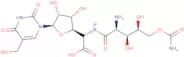
CAS:<p>Polyoxin B is a natural product that is produced by the fungus Polyporus umbellatus. It is a synthetase inhibitor that specifically inhibits the enzyme malic acid synthetase in bacteria and fungi. Polyoxin B has been shown to have antifungal activity in vitro and to inhibit the growth of Cryptococcus neoformans, which may be due to its ability to inhibit terminal residues, such as acetate extract, bacterial strain, and synthase enzyme.</p>Fórmula:C17H25N5O13Pureza:Min. 70%Cor e Forma:Yellow PowderPeso molecular:507.41 g/mol2'-Deoxy-3,4,5,6-tetrahydrouridine
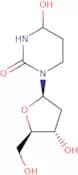
CAS:<p>2'-Deoxy-3,4,5,6-tetrahydrouridine (2DTHR) is a cytidine deaminase inhibitor that is used in vitro to inhibit the production of tumor necrosis factor (TNF). 2DTHR has been shown to be active against hepatocellular carcinoma cells. It is also reactive with tumor tissue and can be eliminated at a rate similar to that of deoxycytidine kinase. This drug binds to the enzyme target and inhibits its activity by increasing enzyme levels, which causes cell death. 2DTHR inhibits TNF production in tumor tissue by binding to cytidine deaminase and preventing conversion of cytidine into uracil. This drug has been shown to cause tumor inhibition in vitro.</p>Fórmula:C9H16N2O5Pureza:Min. 95%Cor e Forma:PowderPeso molecular:232.23 g/molGuanylyl-3',5'-guanosine ammonium salt
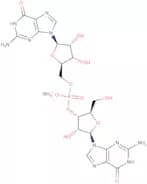
CAS:<p>Guanylyl-3',5'-guanosine ammonium salt is a novel antiviral agent that has high antiviral activity against influenza A virus. It is a guanine derivative which has been modified to include an aminopropyl group and an ammonium cation. This compound also acts as an activator for deoxyribonucleosides, nucleotides, and ribonucleosides. Guanylyl-3',5'-guanosine ammonium salt may be used in the manufacture of DNA, RNA, and phosphoramidites. This compound also has anticancer effects by inhibiting the proliferation of tumor cells and inducing apoptosis.</p>Fórmula:C20H25N10O12P·H3NPureza:Min. 95%Peso molecular:645.48 g/molAdenosine 2',3'-cyclic monophosphate
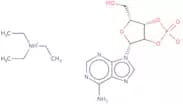
CAS:<p>Adenosine 2',3'-cyclic monophosphate triethylammonium salt (AMP-TEA) is a structural analogue of adenosine. It is a potent inhibitor of protein synthesis by preventing the phosphodiesterase activity of cyclic nucleotide phosphodiesterases and cyclic nucleotide phosphodiesterase. AMP-TEA can be used as a tool to study translation in tissue culture, as well as to examine the effects on protein synthesis and other biochemical reactions that are regulated by cyclic nucleotides. It is also used for the preparation of tissue samples for enzymatic analysis or for radiolabeling experiments.<br>AMP-TEA has an optimum pH of 4.5, but can be used at lower or higher pH values. The optimal temperature range for use is between 0°C and 50°C, with the maximum stability occurring at 37°C.</p>Fórmula:C10H12N5O6PPureza:Min. 95%Cor e Forma:PowderPeso molecular:329.21 g/mol[(2S,6R)-6-{Thymin-1-yl}-4-tritylmorpholin-2-yl]methyl dimethyl-phosphoramidochloridate
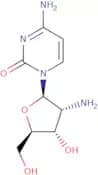
CAS:<p>[(2S,6R)-6-{Thymin-1-yl}-4-tritylmorpholin-2-yl]methyl dimethyl-phosphoramidochloridate (TMP) is a Ribonucleoside and Deoxyribonucleoside Activator that is synthesized from Thymine (T), Thymidine (Td), and Phosphoramidites. TMP is a novel synthetic derivative of thymine with the ability to activate DNA synthesis reactions. TMP has been shown to provide high quality nucleotides with high purity in a single step reaction.</p>Fórmula:C31H34ClN4O5PPureza:Min. 95%Cor e Forma:White To Light (Or Pale) Red SolidPeso molecular:609.05 g/mol2'-Amino-2'-deoxycytidine
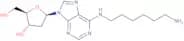
CAS:<p>2'-Amino-2'-deoxycytidine is a modified nucleoside, based on cytidine. In this compound 2'-hydroxyl group has been replaced by an amino group, which can change hydrogen bonding patterns potentially affecting how it interacts with biomolecules.</p>Fórmula:C9H14N4O4Pureza:Min. 95%Cor e Forma:PowderPeso molecular:242.24 g/molN6-(6-Aminohexyl)-2'-deoxyadenosine
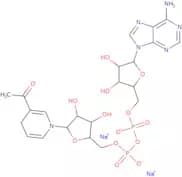
CAS:<p>N6-(6-Aminohexyl)-2'-deoxyadenosine is a novel nucleoside that is structurally related to the natural nucleosides, dATP and dGTP. It has been shown to be an activator of ribonucleosides and phosphoramidites, which are used in the synthesis of DNA and RNA. N6-(6-Aminohexyl)-2'-deoxyadenosine has also been shown to inhibit cancer cells as well as antiviral activity against HIV-1.</p>Fórmula:C16H26N6O3Pureza:Min. 95%Cor e Forma:Slightly Yellow PowderPeso molecular:350.43 g/mol3-Acetylpyridine adenine dinucleotide disodium, reduced form
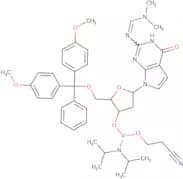
CAS:<p>Reduced synthetic analog of NADH with an acetylpyridine modification. It is used as a reducing substrate to study the mechanisms of NAD(P)+-dependent reductases and to probe the active sites and catalytic processes of these important enzymes through its altered spectroscopic and binding properties. The disodium salt ensures good solubility for biochemical applications.</p>Fórmula:C22H30N6O14P2•Na2Pureza:Min. 95%Cor e Forma:Slightly Yellow PowderPeso molecular:710.43 g/mol7-deaza-dG-CE Phosphoramidite
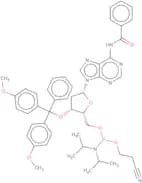
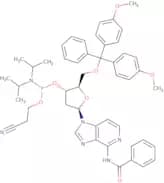
CAS:<p>7-deaza-dG-CE Phosphoramidite is a monophosphate nucleotide, which is synthesized by modification of the 7-deaza-dG ribonucleoside. It has an antiviral and anticancer activity, and is used as a building block for novel drugs. 7-Deaza-dG-CE phosphoramidite has been shown to inhibit tumor growth and induce apoptosis in Hep2 cells. It also inhibits HIV replication in vitro. The compound is chemically stable and does not react with other biomolecules.</p>Fórmula:C44H54N7O7PPureza:Min. 95%Peso molecular:823.9 g/molN6-Benzoyl-2'-deoxy-3'-O-DMT-adenosine 5'-CE phosphoramidite
CAS:<p>A 5'-3’ “reverse” (or “inverse”) amidites</p>Fórmula:C47H52N7O7PPureza:Min. 95%Peso molecular:857.93 g/molN2-Isobutyryl-O6-(4-pivaloyloxybenzyl)-7’-OH-N-trityl-morpholino guanine
CAS:<p>N2-Isobutyryl-O6-(4-pivaloyloxybenzyl)-7’-OH-N-trityl-morpholino guanine is a phosphoramidite nucleoside that is used as a building block in the synthesis of oligonucleotides. N2-Isobutyrylguanosine is available as a high purity, high quality, and novel nucleoside that can be used in anticancer therapy. It has been shown to inhibit the growth of human cancer cells without affecting normal cells. This drug also inhibits DNA and RNA synthesis by inhibiting the enzyme ribonucleotide reductase.</p>Pureza:Min. 95%5’-O-DMT-2’-O,4’-C-methylene-5-methyluridine
CAS:<p>5’-O-DMT-2’-O,4’-C-methylene-5-methyluridine is a nucleoside that is used as an antiviral and anticancer agent. It is a novel compound that has not been previously described in the literature. 5’-O-DMT-2’-O,4’-C methylene 5 methyluridine has been shown to inhibit the replication of the herpes virus in vitro (in cell culture) and in vivo (in animals). This compound also inhibits the proliferation of cancer cells by inhibiting DNA synthesis. It may be used as an anticancer agent or an antiviral agent.</p>Pureza:Min. 95%5'-o-DMT-N4-benzoyl-5-methyl-2'-o-methylcytidine 3'-ce phosphoramidite
CAS:<p>5'-O-DMT-N4-benzoyl-5-methyl-2'-O-methylcytidine 3'-ce phosphoramidite is a high purity, diphosphate, CAS No. 166593-57-3, Modified, Anticancer, DNA. It is a novel activator monophosphate that can be used for the synthesis of phosphoramidites for oligonucleotide synthesis and as a novel building block for nucleosides and deoxyribonucleosides. 5'-O-DMT-N4-benzoyl-5-methyl-2'-O-methylcytidine 3'-ce phosphoramidite has been shown to have anticancer activity in vitro. The cytotoxic effect of this compound is mediated by its ability to inhibit DNA replication and induce apoptosis in human leukemia cells.</p>Fórmula:C48H56N5O9PPureza:Min. 95%Peso molecular:878.00 g/molStearoyl coenzyme A free acid hydrate
CAS:<p>Stearoyl coenzyme A free acid hydrate is a natural, non-synthetic lipid molecule that belongs to the group of fatty acids. It is found in the form of a white crystalline powder and has a melting point at approximately 56°C. Stearoyl CoA free acid hydrate is an essential component of cellular metabolism, carrying out reactions such as desaturase, dextran sulfate, and other enzyme activities. Stearoyl CoA free acid hydrate may have therapeutic applications for metabolic disorders and obesity. The enzyme complex that catalyzes the synthesis of stearoyl CoA free acid hydrate in adipocytes is ATP-binding cassette transporter (ABC) A1 and ABCG1, which are members of the superfamily of ATP-binding cassette (ABC) transporters. It also plays a role in regulating immune responses via Toll-like receptor 4 (TLR4).</p>Fórmula:C39H70N7O17P3S•H2OPureza:Min. 92 Area-%Cor e Forma:White PowderPeso molecular:1,052.01 g/mol2'-O-Propargyladenosine
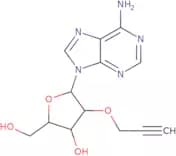
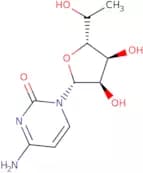
CAS:<p>2'-O-Propargyladenosine is a modified nucleoside that belongs to the group of deoxyribonucleosides. It is an activator of viral DNA polymerases, which causes the synthesis of viral DNA to stop. This compound has antiviral and anticancer activities. 2'-O-Propargyladenosine has been shown to be effective against various human cancer cell lines in vitro and in vivo. It is a synthetic nucleoside with high purity, showing no detectable impurities by HPLC analysis.</p>Fórmula:C13H15N5O4Pureza:Min. 95%Cor e Forma:White PowderPeso molecular:305.29 g/mol4'-α-C-Methylcytidine
CAS:<p>4'-a-C-Methylcytidine is a nucleoside that is synthesized from 4'-a-C-methyluridine. It has antiviral and anticancer properties, and has been shown to be a potent activator of the immune system. The modified nucleosides in this compound are thought to be less toxic than other cytotoxic agents. 4'-a-C-Methylcytidine is also used as a building block for the synthesis of DNA, RNA and phosphoramidites.</p>Pureza:Min. 95%Cor e Forma:PowderPeso molecular:257.24 g/mol2-O-Ethylthymidine
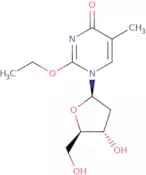
CAS:<p>2-O-Ethylthymidine is a nucleoside that is used to study the structure and dynamics of DNA. It can be synthesized by reacting 1-β-D-arabinofuranosylbenzene with ethylmercury acetate. 2-O-Ethylthymidine can be used in kinetic studies as it is specific for dna. It has been shown to have a conformational change, which is stabilized by the presence of an aromatic ring such as phenanthrene. This compound was also found to inhibit neuroblastoma cell growth in vitro.</p>Fórmula:C12H18N2O5Pureza:Min. 95%Cor e Forma:PowderPeso molecular:270.28 g/mol2'-Fluoro-5'-o-DMT-2'-deoxyinosine-3'-ce-phosphoramidite
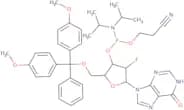
CAS:<p>2'-Fluoro-5'-o-DMT-2'-deoxyinosine-3'-ce-phosphoramidite is a novel nucleoside analog that inhibits viral DNA replication and has antiviral properties. It is an effective inhibitor of HIV, HSV, and HCV. The drug works by binding to the viral DNA polymerase enzyme, thereby blocking the RNA-dependent DNA polymerase activity and inhibiting viral DNA synthesis. 2'-Fluoro-5'-o-DMT-2'-deoxyinosine-3'-ce-phosphoramidite is a modified nucleoside with a fluorine atom at the 5' position of the sugar moiety, which prevents phosphodiester cleavage by phosphodiesterases in the cell's cytoplasm. This drug also has anticancer effects on human cancer cells by inhibiting ribonucleotide reductase and deoxyribonucleotide reductase.</p>Fórmula:C40H46FN6O7PPureza:Min. 95%Peso molecular:772.8 g/mol3'-Phosphoadenosine-5'-phosphosulfate lithium salt hydrate
CAS:<p>Universal sulfonate donor for in vivo sulfonation by sulfotransferases</p>Fórmula:C10H15N5O13P2S·xLi·yH2OPureza:Min. 60 Area-%Cor e Forma:White PowderPeso molecular:507.27 g/mol2-Deoxy-5'-O-DMT-N2-isobutyryl-8-oxoguanosine 3'-CE phosphoramidite
CAS:<p>2-Deoxy-5'-O-DMT-N2-isobutyryl-8-oxoguanosine 3'-CE phosphoramidite is an 8-oxo modified amidite. The 8-oxo modification is caused naturally in DNA by oxidation so is significant in mutagenesis and ultimately carcinogenesis.</p>Fórmula:C44H54N7O9PPureza:Min. 95%Peso molecular:855.94 g/molZeatin riboside
CAS:<p>Zeatin riboside is a naturally occurring compound that belongs to the group of nucleotides. It is synthesized in plants and bacteria, and has been shown to have physiological activities in both these organisms. Rootstocks are typically used as the optimum concentration for zeatin riboside. Zeatin riboside has been shown to be effective against bacterial strains that cause plant diseases, such as bacterial strain Xanthomonas campestris pv. corylina. Zeatin riboside also inhibits the growth of plant pathogens by increasing adenine nucleotide levels in root cells, which leads to an increase in photosynthetic activity and a decrease in the production of chemical pesticides. The optimum pH for zeatin riboside is 8-9.</p>Fórmula:C15H21N5O5Pureza:Min. 90%Cor e Forma:PowderPeso molecular:351.36 g/molALS-8176
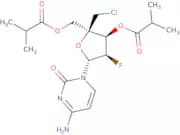
CAS:<p>ALS-8176 is a benzimidazole compound that has been shown to be effective against both wild-type and syncytial viruses. It is also active against the hepatitis B virus, which causes fulminant hepatitis in humans and death in 30% of cases. The antiviral activity of ALS-8176 was demonstrated by its ability to inhibit viral DNA synthesis and to prevent the release of new viral particles. ALS-8176 has also been shown to have a broad spectrum of activity against paramyxoviruses, including mumps, measles, and respiratory syncytial virus (RSV). This drug can be used for the treatment of influenza A and B when administered during the early stages of infection. ALS-8176 blocks the antibody response to influenza virus infection as well as monoclonal antibody binding sites on the hemagglutinin protein, preventing fusion between infected cells.</p>Fórmula:C18H25ClFN3O6Pureza:Min. 95%Cor e Forma:PowderPeso molecular:433.86 g/molN2-Ethyl-2′-deoxyguanosine - 98 % HPLC
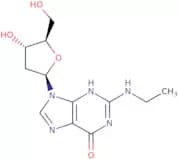
CAS:<p>N2-Ethyl-2′-deoxyguanosine is an important metabolite of N2-ethyl-3′,5′-dideoxyadenosine (NEDA) and has been detected in urine samples from Sprague-Dawley rats. The biological properties of this metabolite are not well understood, but it has been shown to have genotoxic effects in mammalian cells and to be carcinogenic in a rat model. N2-Ethyl-2′-deoxyguanosine is also able to enhance the repair of damaged DNA and has functional groups that are similar to those found in cancer cells.</p>Fórmula:C12H17N5O4Pureza:Min. 98 Area-%Cor e Forma:White PowderPeso molecular:295.29 g/mol3'-Deoxyadenosine-5'-triphosphate sodium salt - 10mM aqueous solution
CAS:<p>3'-Deoxyadenosine-5'-triphosphate sodium salt is a nucleotide that has been shown to be effective in chemotherapy. It is a substrate for the synthesis of DNA, RNA, and ATP. 3'-Deoxyadenosine-5'-triphosphate sodium salt is also a building block for DNA polymerase, which is an enzyme that synthesizes DNA from a template. It has been shown to have anticancer activity in drug-resistant cells and can be used as an alternative to purine analogs such as 6-mercaptopurine or cladribine. 3'-Deoxyadenosine-5'-triphosphate sodium salt has been shown to inhibit the production of nucleotides by blocking their conversion into triphosphates, which are necessary for DNA replication and repair. This inhibition leads to apoptosis in cells with high levels of nucleotide turnover such as cardiac and myeloid cells. The drug interactions may depend on the</p>Fórmula:C10H16N5O12P3Pureza:Min. 95%Cor e Forma:Colorless PowderPeso molecular:491.18 g/mol9-(β-D-Xylofuranosyl)guanine
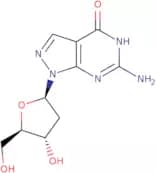
CAS:<p>9-(β-D-xylofuranosyl)guanine (9XG) is a trifluoride. It is an antiviral agent that inhibits the growth of herpes virus, in particular by methylating guanosine to 9-methylguanosine in the viral DNA. 9XG binds to the viral DNA and prevents its replication through the inhibition of RNA synthesis. The drug is active against many different types of viruses and has been shown to be effective against tissue cultures infected with herpes virus. 9XG is synthesized from guanosine and boron trifluoride etherate, which are reacted at -78 degrees Celsius for three days. This yields a mixture of compounds with various peracylation groups, which are then separated by chromatography.</p>Pureza:Min. 95%9-(β-D-Arabinofuranosyl)adenine 5'-monophosphate
CAS:<p>9-(β-D-Arabinofuranosyl)adenine 5'-monophosphate (Ara-AMP) is a prodrug that is converted to adenine arabinoside in vivo. It is used as an antiviral agent for the prevention of hepatitis B and C. Ara-AMP inhibits viral DNA synthesis by acting as a competitive inhibitor of adenosine triphosphate, which is required for viral DNA polymerase activity. Ara-AMP also has antiviral properties against some RNA viruses, such as HIV and influenza virus. Ara-AMP can be administered orally or by injection, making it suitable for use in children who are unable to take oral medication.</p>Fórmula:C10H14N5O7PPureza:Min. 95%Cor e Forma:White PowderPeso molecular:347.22 g/mol2',3',5'-Tri-O-acetylinosine
CAS:<p>2′,3′,5′-Tri-O-acetylinosine is a protected form of the nucleoside inosine, with potential for use in the preparation of modified nucleotides and nucleoside analogs.</p>Fórmula:C16H18N4O8Pureza:Min. 95%Cor e Forma:White To Off-White SolidPeso molecular:394.34 g/molN6-Benzoyl-L-adenosine
CAS:<p>N6-Benzoyl-L-adenosine is a novel nucleoside that has been shown to have antiviral and anticancer activity. It is synthesized by the reaction of L-adenosine with benzoyl chloride in the presence of a base. The drug inhibits the growth of cancer cells by interfering with DNA synthesis. N6-Benzoyl-L-adenosine also inhibits viral replication, especially HIV, herpes simplex virus type 1, and human cytomegalovirus (HCMV). It can be used as an antiviral agent in combination with other drugs or as an anticancer agent alone. N6 Benzoyl L adenosine is a nucleoside that has been shown to have antiviral and anticancer activity. It is synthesized by the reaction of L adenosine with benzoyl chloride in the presence of a base. The drug inhibits the growth of cancer cells by interfering with DNA synthesis. N6</p>Fórmula:C17H17N5O5Pureza:Min. 95%Cor e Forma:White to off-white solid.Peso molecular:371.35 g/mol8-Amino-2’-deoxyadenosine
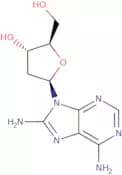
CAS:<p>8-Amino-2’-deoxyadenosine (8AAD) is a nucleoside that is used in the laboratory for the analysis of dna duplexes. It stabilizes dna duplexes in an acidic environment, and it can be used to analyze the stability of dna duplexes at neutral pH. 8AAD can also stabilize triplex structures formed by 8AAD, amines, and purines. The orientation of these bases in the triplex structure is important because they can determine which strands are cleaved during hydrolysis.</p>Fórmula:C10H14N6O3Pureza:Min. 95%Peso molecular:266.26 g/molN6-Benzyladenosine 5'-diphosphate sodium salt - 10 mM aqueous solution
CAS:<p>N6-Benzyladenosine 5'-diphosphate sodium salt is a modified nucleoside that has a high purity, which is suitable for synthesis of DNA or RNA. It can be used in the modification of deoxyribonucleosides, ribonucleosides, and phosphoramidites. N6-Benzyladenosine 5'-diphosphate sodium salt has been shown to have anticancer effects and antiviral effects. This drug also has novel properties such as an ability to inhibit the proliferation of cancer cells.</p>Fórmula:C17H21N5O10P2Pureza:Min. 95%Cor e Forma:Colorless PowderPeso molecular:517.32 g/molThymidine-3',5'-diphosphate disodium salt
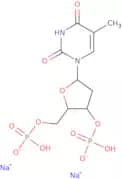
CAS:<p>Thymidine-3',5'-diphosphate disodium salt is an antiviral and anticancer drug. It is a modified nucleoside which is synthesized from thymidine-3',5'-diphosphate and sodium bicarbonate (NaHCO3). This drug inhibits the synthesis of DNA and RNA, thereby inhibiting viral replication. Thymidine-3',5'-diphosphate disodium salt also has an antitumor effect by preventing the production of DNA in tumor cells.</p>Fórmula:C10H14N2Na2O11P2Pureza:Min. 95%Cor e Forma:PowderPeso molecular:446.15 g/mol2',3'-O-Isopropylideneinosine
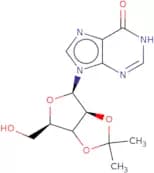
CAS:<p>2',3'-O-Isopropylideneinosineis a nucleoside for use in research applications</p>Fórmula:C13H16N4O5Pureza:Min. 95%Cor e Forma:PowderPeso molecular:308.3 g/molm-Methoxytopolin riboside
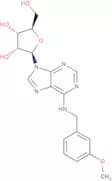
CAS:<p>m-Methoxytopolin riboside is a nucleoside that is a phosphoramidite derivative of the natural nucleoside, topolin riboside. This compound has antiviral and anticancer activities. It inhibits viral DNA synthesis and also induces apoptosis in cancer cells. m-Methoxytopolin riboside is modified with a methoxy group at the 3' position of the sugar moiety. This modification prevents incorporation into DNA and RNA, thereby inhibiting viral replication and inducing apoptosis in cancer cells.</p>Fórmula:C18H21N5O5Pureza:Min. 95%Cor e Forma:PowderPeso molecular:387.39 g/molN6-Dibenzoyl-3-deaza-2'-deoxy-5'-O-DMT-3-methyladenosine 3'-CE phosphoramidite
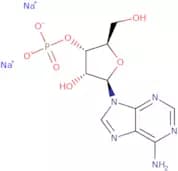
CAS:<p>N6-Benzoyl-3-deaza-2'-deoxy-5'-O-DMT-3-methyladenosine 3' is a nucleoside that has been modified to be resistant to the enzymatic degradation by ribonucleases. The phosphoramidite is used in the synthesis of DNA and can be used as an antiviral or anticancer drug. It also acts as a competitive inhibitor of adenosine deaminase, which is an enzyme involved in the metabolism of purines. N6-Benzoyl-3-deaza-2'-deoxy-5'-O-DMT-3 methyladenosine 3' can inhibit viral replication by inhibiting RNA polymerase activity, and it has been shown to have antifungal properties.</p>Fórmula:C56H59N6O8PPureza:Min. 95%Peso molecular:870.99 g/molAdenosine 3'-monophosphate sodium
CAS:<p>Adenosine 3'-monophosphate sodium is a nucleotide that is used as a substrate for enzymes. It has been shown to increase the enzymatic activity of papaverine, litoralis, subtilis, and histidine phosphatase. Adenosine 3'-monophosphate sodium also has protease activity, which can be activated by adding an enzyme preparation containing subtilisin and trypsin. This compound also has a pH optimum of 8.0-9.5 and is active at an alkaline pH of 9.5-10.5. The specific strain of bacteria will determine the optimal pH range for activity, with enterobacter bacterial strains having a maximum range of 6-7 and brevibacterium bacteria strains having a range of 4-6.</p>Fórmula:C10H12N5O7PNa2Pureza:Min. 95%Cor e Forma:White To Off-White SolidPeso molecular:391.19 g/mol2'-O-Methyl-p-thiouridynyl-(3'->5')-2'-deoxyadenosine
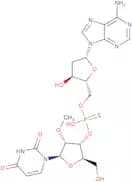
CAS:<p>2'-O-Methyl-p-thiouridynyl-(3'->5')-2'-deoxyadenosine is an analog of the nucleoside uridine. It is a potent inhibitor of protein synthesis in cells, and has the potential to be used as a long-term treatment for tuberculosis. 2'-O-Methyl-p-thiouridynyl-(3'->5')-2'-deoxyadenosine has been shown to inhibit the production of tumor necrosis factor alpha (TNFα) in mice with influenza or hepatitis, and also inhibits the replication of HIV. This drug may also have antibacterial properties due to its ability to inhibit bacterial DNA gyrase and topoisomerase IV. 2'-O-Methyl-p-thiouridynyl-(3'->5')-2'-deoxyadenosine binds to an antigen on the surface of cells, activating them.</p>Fórmula:C20H26N7O10PSPureza:Min. 95%Peso molecular:587.5 g/mol6-Methyluridine
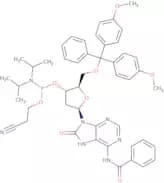
CAS:<p>Methyluridine is a derivative of uridine that is used in the synthesis of pyrimidine nucleotides. This drug is also an inhibitor of orotidine 5′-monophosphate decarboxylase, which converts orotic acid to uracil. The conformational properties of methyluridine have been studied and found to be similar to those of other purine derivatives, such as adenine and guanine. In addition, methyluridine has been shown to inhibit the growth of typhimurium and increase the production of uracil in human lymphocytes. Methyluridine is metabolized by hydroxylation in liver microsomes, yielding 6-carboxylic acid.</p>Fórmula:C10H14N2O6Pureza:Min. 95%Cor e Forma:PowderPeso molecular:258.23 g/molN6-Benzoyl-2'-deoxy-5'-O-DMT-8-oxoadenosine 3'-CE phosphoramidite
CAS:<p>N6-Benzoyl-2'-deoxy-5'-O-DMT-8-oxoadenosine 3'-CE phosphoramidite is an 8-oxo modified amidite</p>Fórmula:C47H52N7O8PPureza:Min. 95%Peso molecular:873.95 g/mol2-Phenylaminoadenosine
CAS:<p>2-Phenylaminoadenosine (2-PA) is a potent and selective inhibitor of the P2Y receptor. 2-PA has been shown to reduce myocardial infarct size in vivo in mice, which may be due to its ability to inhibit the release of dopamine from the brain. In addition, 2-PA binds to LPS receptors on endothelial cells, reducing the production of proinflammatory cytokines and preventing platelet aggregation. 2-PA also inhibits the activation of toll-like receptor 4 (TLR4) in human monocytes, leading to reduced expression of proinflammatory cytokines and increased expression of anti-inflammatory cytokines.<br>2-PA is an agonist that binds with high affinity to P2Y receptors on erythrocytes. This binding results in decreased adenosine triphosphate (ATP) production by adenosine deaminase, which leads to decreased intracellular calcium levels and inhibition of neutroph</p>Fórmula:C16H18N6O4Pureza:Min. 95%Cor e Forma:PowderPeso molecular:358.35 g/mol2'-O-Methyluridine-5'-monophosphate triethylammonium
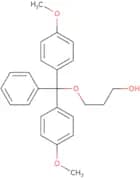
CAS:<p>2'-O-Methyluridine-5'-monophosphate triethylammonium salt is a modified nucleoside analogue that is an antiviral agent. It inhibits viral replication by acting as an inhibitor of RNA synthesis and DNA polymerase, which are necessary for the virus to replicate. This compound also has anticancer activity and can be used as a chemotherapeutic agent. 2'-O-Methyluridine-5'-monophosphate triethylammonium salt is synthesized from uracil, phosphoramidite, and triethylamine. It has high purity and high quality with a CAS number of 67624-43-5.</p>Fórmula:C10H15N2O9P•(C6H15N)2Pureza:Min. 95%Cor e Forma:PowderPeso molecular:439.21 g/molO1-(Dimethoxytrityl)propane-1,3-diol
CAS:<p>Please enquire for more information about O1-(Dimethoxytrityl)propane-1,3-diol including the price, delivery time and more detailed product information at the technical inquiry form on this page</p>Fórmula:C24H26O4Pureza:Min. 95%Peso molecular:378.5 g/mol2'-O-Methyladenosine 5'-monophosphate triethylammonium salt
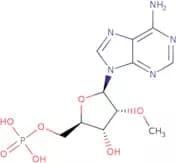
CAS:<p>2'-O-Methyladenosine 5'-monophosphate triethylammonium salt is an antiviral nucleoside that is used in the treatment of hepatitis B and C. It is a modified nucleoside that inhibits the replication of RNA by binding to the enzyme ribonuclease, which plays a vital role in the synthesis of DNA. 2'-O-Methyladenosine 5'-monophosphate triethylammonium salt also has anticancer properties and can inhibit DNA synthesis. This compound is a novel phosphoramidite building block for oligonucleotide synthesis and has been shown to be an activator for deoxyribonucleosides.</p>Fórmula:C11H16N5O7PPureza:Min. 95%Peso molecular:361.25 g/mol2′-C-Methyl-2′,3′-O-(1-methylethylidene)adenosine
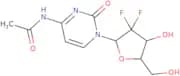
CAS:<p>Please enquire for more information about 2′-C-Methyl-2′,3′-O-(1-methylethylidene)adenosine including the price, delivery time and more detailed product information at the technical inquiry form on this page</p>Fórmula:C14H19N5O4Pureza:Min. 95%Peso molecular:321.33 g/molN-Acetyl-2'-deoxy-2',2'-difluorocytidine
CAS:<p>N-Acetyl-2'-deoxy-2',2'-difluorocytidine is a novel nucleoside analog. It is phosphorylated at the 5' position and converted to a monophosphate by adenylyl cyclase, which is an enzyme that catalyzes the conversion of ATP to cyclic AMP. This nucleoside analog has antiviral activity in vitro and in vivo against HIV-1. It also has been shown to inhibit DNA replication of human cells infected with herpes simplex virus type 1 (HSV-1).</p>Fórmula:C11H13F2N3O5Pureza:Min. 95%Peso molecular:305.23 g/mol2'-O-(2-Methoxyethyl)guanosine 5'-monophosphate
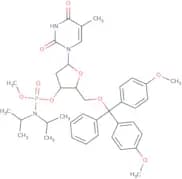
CAS:<p>10umol is approx 5mg.2'-O-(2-Methoxyethyl)guanosine 5'-monophosphate is a novel nucleoside phosphorylated on the 5' position</p>Pureza:Min. 95%5'-o-(4,4'-Dimethoxytrityl)-2'-deoxythymidine-3'-(methyl-N,N-diisopropyl)phosphoramidite
CAS:<p>Please enquire for more information about 5'-o-(4,4'-Dimethoxytrityl)-2'-deoxythymidine-3'-(methyl-N,N-diisopropyl)phosphoramidite including the price, delivery time and more detailed product information at the technical inquiry form on this page</p>Fórmula:C38H48N3O9PPureza:Min. 95%Peso molecular:721.8 g/mol2'-O-(2-Methoxyethyl)adenosine 5'-monophosphate
CAS:<p>10umol is approximately 5mg.2'-O-(2-Methoxyethyl)adenosine 5'-monophosphate is a nucleoside compound that has been phosphorylated in the 5'-position.</p>Pureza:Min. 95%Abacavir 5'-phosphate
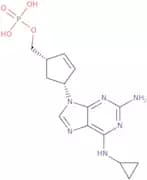
CAS:<p>Abacavir 5'-phosphate is a nucleoside analog that inhibits the replication of the herpes virus by covalently binding to the viral DNA polymerase and blocking its ability to polymerize dNTPs. Abacavir 5'-phosphate's anti-viral potency has been shown in vivo using a model with herpes simplex virus, and it has been shown to inhibit viral replication in cell culture. The drug also reacts with cellular components such as proteins, lipids, and nucleic acids, which may lead to drug reactions. Abacavir 5'-phosphate is chemically stable, so it can be subjected to analytical methods without degradation. It is an analog of zidovudine (AZT).</p>Fórmula:C14H19N6O4PPureza:Min. 95%Peso molecular:366.31 g/mol





![4-Chloro-5-iodo-pyrrolo[2,3-d]pyriMidine-7-carboxylic acid tert-butyl ester](/_next/image/?url=https%3A%2Fstatic.cymitquimica.com%2Fproducts%2F3D%2Fthumb-webp%2FNC44293.webp&w=3840&q=75)




![[(2S,6R)-6-{N6-Benzoyladenin-9-yl}-4-tritylmorpholin-2-yl]methyl dimethyl-phosphoramidochloridate](/_next/image/?url=https%3A%2Fstatic.cymitquimica.com%2Fproducts%2F3D%2Fthumb-webp%2FNB58201.webp&w=3840&q=75)








![[(2S,6R)-6-{Thymin-1-yl}-4-tritylmorpholin-2-yl]methyl dimethyl-phosphoramidochloridate](/_next/image/?url=https%3A%2Fstatic.cymitquimica.com%2Fproducts%2F3D%2Fthumb-webp%2FNT58203.webp&w=3840&q=75)