Nucleosídeos
Os nucleosídeos são building blocks fundamentais dos ácidos nucleicos, compostos por uma base nitrogenada ligada a uma molécula de açúcar. Nesta seção, você encontrará uma ampla variedade de nucleosídeos essenciais para pesquisas em biologia molecular, bioquímica e farmacologia. Esses compostos desempenham papéis cruciais na síntese de DNA e RNA, e também são vitais em vários processos metabólicos. Os nucleosídeos são usados para estudar material genético, desenvolver terapias antivirais e anticancerígenas, e entender os mecanismos celulares. Na CymitQuimica, fornecemos nucleosídeos de alta qualidade para apoiar suas necessidades de pesquisa e desenvolvimento, garantindo pureza e confiabilidade para suas aplicações experimentais.
Foram encontrados 3569 produtos de "Nucleosídeos"
Ordenar por
Pureza (%)
0
100
|
0
|
50
|
90
|
95
|
100
Malonyl coenzyme A lithium salt - 90%
CAS:Malonyl coenzyme A lithium salt - 90% is a fatty acid that is involved in the biosynthesis of fats. It is also involved in the synthesis of prostaglandins, which are hormone-like substances that have a wide variety of effects on many different tissues. Malonyl coenzyme A lithium salt - 90% may be useful for the treatment of insulin resistance and obesity due to its ability to stimulate glucose uptake by fat cells and increase insulin sensitivity. The following product details are for a supplement:Fórmula:C24H38N7O19P3S·xLiPureza:Min. 95%Peso molecular:853.58 g/mol2'-O-(2-Methoxyethyl)adenosine 5'-α-thiotriphosphate sodium
<p>2'-O-(2-Methoxyethyl)adenosine 5'-a-thiotriphosphate sodium salt is a synthetic nucleoside with antiviral and anticancer properties. It is an analog of adenosine 5'-triphosphate (ATP) in which the ribose sugar has been replaced by a 2'-O-(methoxyethyl) moiety. It has shown to be cytotoxic against cancer cells, and it is a potent activator of human telomerase, the enzyme that synthesizes telomeres at the end of chromosomes. This compound has been shown to have high purity and quality and does not have any CAS numbers assigned to it.</p>Fórmula:C13H18N5O13P3S·4NaPureza:Min. 95%Peso molecular:669.25 g/mol3'-O-Propargyladenosine
CAS:3'-O-Propargyladenosine is a modified nucleoside that has antiviral and anti-inflammatory properties. It is a synthetic compound that is chemically related to adenosine. 3'-O-Propargyladenosine is an activator of the immune system and it inhibits viral DNA synthesis. The compound also has been shown to reduce inflammation in mice by inhibiting the production of prostaglandin E2 (PGE2). 3'-O-Propargyladenosine has been shown to inhibit the replication of human immunodeficiency virus type 1 (HIV-1) and cytomegalovirus (CMV).Fórmula:C13H15N5O4Pureza:Min. 95%Cor e Forma:PowderPeso molecular:305.29 g/mol2'-Deoxy-3'-O-DMT-N2-isobutyrylguanosine 5'-CE phosphoramidite
2'-Deoxy-3'-O-DMT-N2-isobutyrylguanosine 5'-CE phosphoramidite is a 5'-3’ “reverse” (or “inverse”) amidite.Fórmula:C44H54N7O8PPureza:Min. 95%Peso molecular:839.94 g/molCaffeoyl-coenzym A
CAS:Please enquire for more information about Caffeoyl-coenzym A including the price, delivery time and more detailed product information at the technical inquiry form on this pageFórmula:C30H42N7O19P3SPureza:Min. 95%Peso molecular:929.68 g/mol2',3'-Dideoxy-2',3'-didehydro-2'-fluorocytidine
CAS:<p>2',3'-Dideoxy-2',3'-didehydro-2'-fluorocytidine (ddC) is a nucleoside with antiviral activity. The mechanism of action is not well understood, but ddC has been shown to inhibit the proliferation of human immunodeficiency virus (HIV). It is also active against isolates of herpes simplex virus and vesicular stomatitis virus. The elimination half-life of ddC in humans is about 8 hours. In humans, this drug is eliminated by methylation and glucuronidation reactions. The pharmacokinetics of ddC have been studied in animals, including rats and rabbits, with preliminary indications that the elimination half-life may be longer than in humans.</p>Fórmula:C9H10FN3O3Pureza:Min. 95%Peso molecular:227.19 g/mol1-(β-D-Arabinofuranosyl)-5-hydroxymethyluracil
CAS:<p>A hetero-base functionalised ara-nucleoside</p>Fórmula:C10H14N2O7Pureza:Min. 95%Peso molecular:274.23 g/mol3'-Deoxy-5-methyluridine
CAS:<p>3'-Deoxy-5-methyluridine (3'-DMAU) is a synthetic nucleoside that is used in the treatment of viral infections. 3'-DMAU has antiviral and anticancer activity, and it has been used to synthesize DNA for genetic engineering. It has shown promising results in the treatment of HIV as well as in the prevention of cancer metastasis. 3'-DMAU inhibits DNA synthesis by binding to the enzyme RNA polymerase, which blocks its interaction with ribonucleosides, thus inhibiting RNA synthesis. In addition, 3'-DMAU causes cell death by inhibiting protein synthesis. The drug is activated by phosphorylation to form 5'-triphosphate and 5'-diphosphate derivatives, which inhibit DNA and RNA synthesis at multiple sites within the cell.</p>Fórmula:C10H14N2O5Pureza:Min. 95%Cor e Forma:PowderPeso molecular:242.23 g/mol2',3',5'-Tri-O-acetyl-8-bromoguanosine
CAS:<p>2',3',5'-Tri-O-acetyl-8-bromoguanosine is a synthetic nucleoside analog that inhibits the growth of tumor cells. It has been shown to inhibit the progression of prostate cancer and cervical cancer by binding to guanosine, preventing its conversion into ATP. This compound also prevents proliferation in hek293 and glioblastoma cells. The mechanism of action may be due to oxidative phosphite formation, which causes DNA damage and subsequent apoptosis.</p>Fórmula:C16H18BrN5O8Pureza:Min. 95%Cor e Forma:Off-White To Light (Or Pale) Yellow SolidPeso molecular:488.25 g/mol7-Deaza-2',3'-dideoxy-7-iodoadenosine
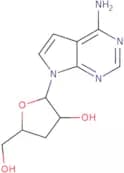
CAS:7-Deaza-2',3'-dideoxy-7-iodoadenosine is a nucleoside analogue that is used as an antiviral, anticancer, and antifungal agent. It is a modified form of adenosine which inhibits viral replication by inhibiting the activity of reverse transcriptase. 7-Deaza-2',3'-dideoxy-7-iodoadenosine has also been shown to inhibit DNA synthesis in cells by blocking the incorporation of dCTP into DNA. This nucleoside analogue has shown potential for use as an activator in phosphoramidite chemistry and as a deoxyribonucleoside in oligonucleotide synthesis.Fórmula:C11H13IN4O2Pureza:Min. 95%Cor e Forma:PowderPeso molecular:360.15 g/mol2-Methylamino-N6-methyladenosine
CAS:<p>2-Methylamino-N6-methyladenosine is an activator that can inhibit the replication of DNA, RNA, and protein synthesis. It is a novel monophosphate nucleoside with antiviral and anticancer properties. 2-Methylamino-N6-methyladenosine has been shown to be effective against human cytomegalovirus and murine leukemia virus (MLV) in cell culture. Furthermore, it has been shown to be active against the herpes simplex virus type 1 (HSV1) in mice after oral administration. 2-Methylamino-N6-methyladenosine is a modified deoxyribonucleoside that contains an amino group at the 2' position of the ribose sugar moiety. It also contains an alkyl group at the 6 position of adenine. This modification confers increased stability to the molecule, which prevents degradation by intracellular nucleases.</p>Pureza:Min. 95%5-Methyl-L-uridine
CAS:<p>5-Methyl-L-uridine is an antiviral drug which belongs to a class of compounds called nucleoside analogues. It is used in the treatment of chronic hepatitis B and C, as well as for prevention of hepatitis A and B. 5-Methyl-L-uridine inhibits the virus by turning off the production of viral DNA and RNA, through interactions with the virus's polymerase chain reaction process. This drug also prevents protein synthesis in cells infected with viruses such as HIV, herpes simplex virus type 1, and influenza A virus. 5-Methyl-L-uridine is a prodrug that is converted to its active form, uridine monophosphate, by enzymes in the liver. The cytotoxic effects of 5-methyluridine on cancer cells have been shown to be due to inhibition of cellular DNA synthesis and repair pathways.</p>Fórmula:C10H14N2O6Pureza:Min. 95%Cor e Forma:White PowderPeso molecular:258.23 g/mol9-(beta-D-Xylofuranosyl)guanine
CAS:<p>9-(β-D-xylofuranosyl)guanine (9XG) is a trifluoride. It is an antiviral agent that inhibits the growth of herpes virus, in particular by methylating guanosine to 9-methylguanosine in the viral DNA. 9XG binds to the viral DNA and prevents its replication through the inhibition of RNA synthesis. The drug is active against many different types of viruses and has been shown to be effective against tissue cultures infected with herpes virus. 9XG is synthesized from guanosine and boron trifluoride etherate, which are reacted at -78 degrees Celsius for three days. This yields a mixture of compounds with various peracylation groups, which are then separated by chromatography.</p>Pureza:Min. 95%2'-Deoxy-3,4,5,6-tetrahydrouridine
CAS:<p>2'-Deoxy-3,4,5,6-tetrahydrouridine (2DTHR) is a cytidine deaminase inhibitor that is used in vitro to inhibit the production of tumor necrosis factor (TNF). 2DTHR has been shown to be active against hepatocellular carcinoma cells. It is also reactive with tumor tissue and can be eliminated at a rate similar to that of deoxycytidine kinase. This drug binds to the enzyme target and inhibits its activity by increasing enzyme levels, which causes cell death. 2DTHR inhibits TNF production in tumor tissue by binding to cytidine deaminase and preventing conversion of cytidine into uracil. This drug has been shown to cause tumor inhibition in vitro.</p>Fórmula:C9H16N2O5Pureza:Min. 95%Cor e Forma:PowderPeso molecular:232.23 g/molAdenosine 5'-monophosphate sodium
CAS:<p>Adenosine 5'-monophosphate sodium is a nucleotide that is involved in the energy metabolism of cells. It has been shown to inhibit oxidative injury and to activate signal pathways in response to external stimuli, such as glucose deprivation. Adenosine 5'-monophosphate sodium can be synthesized from ATP by the enzyme adenosine kinase.</p>Fórmula:C10H13N5O7P·NaPureza:Min. 98 Area-%Cor e Forma:White PowderPeso molecular:369.2 g/mol2-Deoxy-5'-O-DMT-N2-isobutyryl-8-oxoguanosine 3'-CE phosphoramidite
CAS:2-Deoxy-5'-O-DMT-N2-isobutyryl-8-oxoguanosine 3'-CE phosphoramidite is an 8-oxo modified amidite. The 8-oxo modification is caused naturally in DNA by oxidation so is significant in mutagenesis and ultimately carcinogenesis.Fórmula:C44H54N7O9PPureza:Min. 95%Peso molecular:855.94 g/mol2',3',5'-Tri-O-acetylinosine
CAS:<p>2′,3′,5′-Tri-O-acetylinosine is a protected form of the nucleoside inosine, with potential for use in the preparation of modified nucleotides and nucleoside analogs.</p>Fórmula:C16H18N4O8Pureza:Min. 95%Cor e Forma:White To Off-White SolidPeso molecular:394.34 g/mol5-Methoxyuridine-5'-triphosphate sodium, 100mM aqueous solution
CAS:5-Methoxyuridine-5'-triphosphate is a monophosphate nucleoside that serves as a precursor for the synthesis of 5-methoxyuridine (5MU) and other nucleosides. It has antiviral effects, and is used in the treatment of herpes zoster infection. 5-Methoxyuridine-5'-triphosphate is an analog of uridine and deoxyribonucleosides with antiviral activity, which can be used to treat herpes zoster infection. This drug also has anticancer properties, which may be due to its ability to inhibit DNA synthesis by inhibiting ribonucleotide reductase and DNA polymerase, leading to cell death.Fórmula:C10H17N2O16P3•NaxPureza:Min. 95%Cor e Forma:Clear LiquidPeso molecular:514.17 g/molN6-Benzyladenosine 5'-triphosphate sodium salt - 10 mM aqueous solution
CAS:<p>N6-Benzyladenosine 5'-triphosphate sodium salt - 10 mM aqueous solution is an analog of adenosine triphosphate (ATP). It is used in the study of protein kinase C. ATP and its analogs are able to phosphorylate proteins and regulate their activity. This study has shown that N6-benzyladenosine 5'-triphosphate sodium salt - 10 mM aqueous solution is an atp analog that activates protein kinase C, leading to the phosphorylation of proteins. This analog also inhibits tyrosine kinases, which may be due to its ability to inhibit the reuptake of serotonin and other transmitters.</p>Fórmula:C17H22N5O13P3·xNaPureza:Min. 95%Cor e Forma:Colorless PowderPeso molecular:597.3 g/molStearoyl coenzyme A free acid hydrate
CAS:<p>Stearoyl coenzyme A free acid hydrate is a natural, non-synthetic lipid molecule that belongs to the group of fatty acids. It is found in the form of a white crystalline powder and has a melting point at approximately 56°C. Stearoyl CoA free acid hydrate is an essential component of cellular metabolism, carrying out reactions such as desaturase, dextran sulfate, and other enzyme activities. Stearoyl CoA free acid hydrate may have therapeutic applications for metabolic disorders and obesity. The enzyme complex that catalyzes the synthesis of stearoyl CoA free acid hydrate in adipocytes is ATP-binding cassette transporter (ABC) A1 and ABCG1, which are members of the superfamily of ATP-binding cassette (ABC) transporters. It also plays a role in regulating immune responses via Toll-like receptor 4 (TLR4).</p>Fórmula:C39H70N7O17P3S•H2OPureza:Min. 92 Area-%Cor e Forma:White PowderPeso molecular:1,052.01 g/molALS-8176
CAS:ALS-8176 is a benzimidazole compound that has been shown to be effective against both wild-type and syncytial viruses. It is also active against the hepatitis B virus, which causes fulminant hepatitis in humans and death in 30% of cases. The antiviral activity of ALS-8176 was demonstrated by its ability to inhibit viral DNA synthesis and to prevent the release of new viral particles. ALS-8176 has also been shown to have a broad spectrum of activity against paramyxoviruses, including mumps, measles, and respiratory syncytial virus (RSV). This drug can be used for the treatment of influenza A and B when administered during the early stages of infection. ALS-8176 blocks the antibody response to influenza virus infection as well as monoclonal antibody binding sites on the hemagglutinin protein, preventing fusion between infected cells.Fórmula:C18H25ClFN3O6Pureza:Min. 95%Cor e Forma:PowderPeso molecular:433.86 g/molUridine-3',5'-cyclic monophosphate sodium salt
CAS:<p>Uridine-3',5'-cyclic monophosphate sodium salt is a phosphotriester that is an intermediate in the biosynthesis of nucleosides. It is also a phosphodiesterase inhibitor, which means it inhibits the breakdown of cyclic nucleotides and allows them to accumulate. This drug has been shown to increase platelet production and has anti-inflammatory effects. Uridine-3',5'-cyclic monophosphate sodium salt is a human metabolite that can be synthesized from uridine, which is present in DNA, RNA, and food sources such as meat, eggs, and milk. The synthesis of uridine-3',5'-cyclic monophosphate sodium salt requires phosphoramidite as a precursor.</p>Fórmula:C9H10N2O8P·NaPureza:Min. 98 Area-%Cor e Forma:White PowderPeso molecular:328.2 g/molN2-Ethyl-2′-deoxyguanosine - 98 % HPLC
CAS:<p>N2-Ethyl-2′-deoxyguanosine is an important metabolite of N2-ethyl-3′,5′-dideoxyadenosine (NEDA) and has been detected in urine samples from Sprague-Dawley rats. The biological properties of this metabolite are not well understood, but it has been shown to have genotoxic effects in mammalian cells and to be carcinogenic in a rat model. N2-Ethyl-2′-deoxyguanosine is also able to enhance the repair of damaged DNA and has functional groups that are similar to those found in cancer cells.</p>Fórmula:C12H17N5O4Pureza:Min. 98 Area-%Cor e Forma:White PowderPeso molecular:295.29 g/molN6-Benzoyl-5'-O-DMT-2'-O-methyladenosine 3'-CE phosphoramidite
CAS:<p>N6-Benzoyl-5'-O-DMT-2'-O-methyladenosine 3'-CE phosphoramidite is a nucleoside phosphoramidite used as a building block in the chemical synthesis of oligonucleotides containing a 2’-O-methyl adenosine nucleoside unit. The use of a chemical synthesis rather than an enzymatic one allows oligonucleotides of a desired sequence to be produced. 3’-Cyanoethyl phosphoramidites are typically used by substitution of the di-isopropylamine group with an appropriate alcohol in the presence of an azole catalyst. Oligonucleotides containing 2'-O-methylribonucleoside units have shown site-specific cleavage with E. coli RNase H, either at a hairpin loop or at a stem region.</p>Fórmula:C48H54N7O8PPureza:Min. 98 Area-%Cor e Forma:White Off-White PowderPeso molecular:887.98 g/molDMTr-TNA-C(Bz)-amidite
CAS:<p>Please enquire for more information about DMTr-TNA-C(Bz)-amidite including the price, delivery time and more detailed product information at the technical inquiry form on this page</p>Fórmula:C45H50N5O8PPeso molecular:819.9 g/mol2'-O-Propargyladenosine
CAS:<p>2'-O-Propargyladenosine is a modified nucleoside that belongs to the group of deoxyribonucleosides. It is an activator of viral DNA polymerases, which causes the synthesis of viral DNA to stop. This compound has antiviral and anticancer activities. 2'-O-Propargyladenosine has been shown to be effective against various human cancer cell lines in vitro and in vivo. It is a synthetic nucleoside with high purity, showing no detectable impurities by HPLC analysis.</p>Fórmula:C13H15N5O4Pureza:Min. 95%Cor e Forma:White PowderPeso molecular:305.29 g/molAdenylyl-3'-5'-guanosine sodium salt
CAS:<p>3'-Adenylyl-5'-guanosine ammonium salt is a dinucleoside that competes with guanosine for binding to the enzyme adenylate cyclase. This reaction leads to increased levels of cyclic AMP, which causes an increase in the rate of viral replication. 3'-Adenylyl-5'-guanosine ammonium salt has been shown to inhibit the growth of pyogenic bacteria such as Streptococcus pyogenes and has also been used to treat influenza infections. 3'-Adenylyl-5'-guanosine ammonium salt is an inorganic compound that is found in tobacco. It can be synthesized from uridine and p-nitrophenyl phosphate by the reaction: 3'--O--(CH2)4--COOH + H2N--PO4--> 3'--O--(CH2)4--CONH2 + H3PO4</p>Fórmula:C20H24N10O11P·NaPureza:Min. 95%Peso molecular:634.43 g/molThymidine-3',5'-diphosphate disodium salt
CAS:Thymidine-3',5'-diphosphate disodium salt is an antiviral and anticancer drug. It is a modified nucleoside which is synthesized from thymidine-3',5'-diphosphate and sodium bicarbonate (NaHCO3). This drug inhibits the synthesis of DNA and RNA, thereby inhibiting viral replication. Thymidine-3',5'-diphosphate disodium salt also has an antitumor effect by preventing the production of DNA in tumor cells.Fórmula:C10H14N2Na2O11P2Pureza:Min. 95%Cor e Forma:PowderPeso molecular:446.15 g/molAdenosine 3'-monophosphate sodium
CAS:<p>Adenosine 3'-monophosphate sodium is a nucleotide that is used as a substrate for enzymes. It has been shown to increase the enzymatic activity of papaverine, litoralis, subtilis, and histidine phosphatase. Adenosine 3'-monophosphate sodium also has protease activity, which can be activated by adding an enzyme preparation containing subtilisin and trypsin. This compound also has a pH optimum of 8.0-9.5 and is active at an alkaline pH of 9.5-10.5. The specific strain of bacteria will determine the optimal pH range for activity, with enterobacter bacterial strains having a maximum range of 6-7 and brevibacterium bacteria strains having a range of 4-6.</p>Fórmula:C10H12N5O7PNa2Pureza:Min. 95%Cor e Forma:White To Off-White SolidPeso molecular:391.19 g/mol2',3'-O-Isopropylideneinosine
CAS:<p>2',3'-O-Isopropylideneinosineis a nucleoside for use in research applications</p>Fórmula:C13H16N4O5Pureza:Min. 95%Cor e Forma:PowderPeso molecular:308.3 g/molGuanylyl-3',5'-guanosine ammonium salt
CAS:<p>Guanylyl-3',5'-guanosine ammonium salt is a novel antiviral agent that has high antiviral activity against influenza A virus. It is a guanine derivative which has been modified to include an aminopropyl group and an ammonium cation. This compound also acts as an activator for deoxyribonucleosides, nucleotides, and ribonucleosides. Guanylyl-3',5'-guanosine ammonium salt may be used in the manufacture of DNA, RNA, and phosphoramidites. This compound also has anticancer effects by inhibiting the proliferation of tumor cells and inducing apoptosis.</p>Fórmula:C20H25N10O12P·H3NPureza:Min. 95%Peso molecular:645.48 g/molDMT-2′O-TC-rC(ac) Phosphoramidite
CAS:DMT-2²O-TC-rC(ac) Phosphoramidite is a novel nucleoside that has been modified with a 2,2'-O, TC-rC(ac) group. This compound is an analogue of the natural nucleoside cytidine and can be used in both DNA and RNA synthesis. DMT-2²O-TC-rC(ac) Phosphoramidite is phosphorylated by ATP to form diphosphate, which is then incorporated into DNA or RNA. The CAS number for this compound is 1219089-87-8.Fórmula:C46H57N6O11PS2Pureza:Min. 95%Cor e Forma:PowderPeso molecular:965.08 g/mol2-O-Ethylthymidine
CAS:<p>2-O-Ethylthymidine is a nucleoside that is used to study the structure and dynamics of DNA. It can be synthesized by reacting 1-β-D-arabinofuranosylbenzene with ethylmercury acetate. 2-O-Ethylthymidine can be used in kinetic studies as it is specific for dna. It has been shown to have a conformational change, which is stabilized by the presence of an aromatic ring such as phenanthrene. This compound was also found to inhibit neuroblastoma cell growth in vitro.</p>Fórmula:C12H18N2O5Pureza:Min. 95%Cor e Forma:PowderPeso molecular:270.28 g/molN4-Acetyl-2'-O-tert-butyldimethylsilylcytidine
CAS:<p>N4-Acetyl-2'-O-tert-butyldimethylsilylcytidine is a novel nucleoside that has been extensively studied for its anticancer and antiviral properties. It is a modified nucleoside that inhibits the production of DNA, RNA, and protein. This product is also used as an activator in the synthesis of oligonucleotides. N4-Acetyl-2'-O-tert-butyldimethylsilylcytidine can be used in vitro to study the effects of different cancer cells on DNA replication. It has been shown to inhibit the growth of human leukemia cells in culture.</p>Fórmula:C17H29N3O6SiPureza:Min. 95%Cor e Forma:PowderPeso molecular:399.51 g/mol2'-Deoxyinosine-5'-triphosphate sodium,100mM aqueous solution
CAS:<p>2'-Deoxyinosine-5'-triphosphate sodium (2'-dITP) is a modified nucleotide that has antiviral and anticancer properties. It has been shown to be an activator for ribonucleosides, deoxyribonucleosides, and DNA. 2'-DITP has also been shown to inhibit the growth of human breast cancer cells in vitro.</p>Fórmula:C10H11N4Na4O13P3Pureza:Min. 95%Cor e Forma:Clear LiquidPeso molecular:580.09 g/molN6-Benzyladenosine 5'-diphosphate sodium salt - 10 mM aqueous solution
CAS:N6-Benzyladenosine 5'-diphosphate sodium salt is a modified nucleoside that has a high purity, which is suitable for synthesis of DNA or RNA. It can be used in the modification of deoxyribonucleosides, ribonucleosides, and phosphoramidites. N6-Benzyladenosine 5'-diphosphate sodium salt has been shown to have anticancer effects and antiviral effects. This drug also has novel properties such as an ability to inhibit the proliferation of cancer cells.Fórmula:C17H21N5O10P2Pureza:Min. 95%Cor e Forma:Colorless PowderPeso molecular:517.32 g/molKinetin riboside-5'-monophosphate sodium salt
CAS:Kinetin riboside-5'-monophosphate sodium salt is a synthetic nucleotide that has been modified to include a phosphate group at the 5' position. Kinetin riboside-5'-monophosphate sodium salt is an activator of DNA synthesis and can be used for the treatment of viral infections. It also shows anticancer activity and is effective against cancer cells that are resistant to other cancer drugs.Fórmula:C15H16N5Na2O8P·H2OPureza:Min. 95%Cor e Forma:PowderPeso molecular:489.29 g/mol2'-Deoxy-a-adenosine
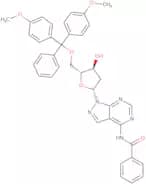
CAS:<p>2'-Deoxy-a-adenosine is a nucleoside that contains an adenine base. It has been studied for its biological properties, including its reaction with solution and its use as an antimicrobial agent. 2'-Deoxy-a-adenosine has been shown to inhibit the growth of bowel disease in mice by binding to the adenosine A3 receptor on the surface of cells. This nucleoside also binds to nuclear DNA and may be used as a pharmacological agent, but more research is needed to determine whether it would be effective against cancer cells. 2'-Deoxy-a-adenosine may also be useful as a potential drug target for the treatment of cancer due to its ability to bind with dna duplexes, which are found in all cancer cells.</p>Fórmula:C10H13N5O3Pureza:Min. 95%Cor e Forma:White PowderPeso molecular:251.25 g/molN6-Benzoyl-2'-deoxy-3'-O-DMT-adenosine 5'-CE phosphoramidite
CAS:<p>A 5'-3’ “reverse” (or “inverse”) amidites</p>Fórmula:C47H52N7O7PPureza:Min. 95%Peso molecular:857.93 g/molCiticoline sodium
CAS:<p>Citicoline is a complex organic molecule, a form of B-vitamin choline that acts as an intermediate in many biosynthetic pathways, for example, in the biosynthesis of cell membrane phospholipids. As a dietary supplement, citicoline is a source of choline and cytidine, two components that are quickly absorbed in the intestine and across the blood-brain barrier. The neuroprotective properties of citicoline improves mental performance increasing the levels of other brain-related chemicals like dopamine and norepinephrine, helping with recovery in stroke patients, reducing memory loss due to aging and improving vision in patients with glaucoma.</p>Fórmula:C14H26N4O11P2•NaPureza:Min. 98.0 Area-%Cor e Forma:White To Off-White SolidPeso molecular:511.31 g/mol2'-Deoxy-3',5'-O-(1,1,3,3-tetraisopropyl-1,3-disiloxanediyl)uridine
CAS:2'-Deoxy-3',5'-O-(1,1,3,3-tetraisopropyl-1,3-disiloxanediyl)uridine is a novel and synthetic nucleoside analog with antiviral activity. It inhibits the synthesis of DNA by binding to the enzyme ribonucleotide reductase. This compound has been shown to be an activator of PPARs in vitro.Fórmula:C21H38N2O6Si2Pureza:Min. 95%Peso molecular:470.72 g/mol4'-α-C-Methylcytidine
CAS:<p>4'-a-C-Methylcytidine is a nucleoside that is synthesized from 4'-a-C-methyluridine. It has antiviral and anticancer properties, and has been shown to be a potent activator of the immune system. The modified nucleosides in this compound are thought to be less toxic than other cytotoxic agents. 4'-a-C-Methylcytidine is also used as a building block for the synthesis of DNA, RNA and phosphoramidites.</p>Pureza:Min. 95%Cor e Forma:PowderPeso molecular:257.24 g/molent-abacavir
CAS:Ent-abacavir is a drug that belongs to the group of antiretroviral drugs. It has minimal toxicity and has been shown to be effective in long-term treatment of HIV/AIDS. Ent-abacavir is also used as part of active antiretroviral therapy, which includes at least three or four different drugs. It inhibits the activity of reverse transcriptase, an enzyme involved in the replication process of HIV and other retroviruses. This drug has been shown to have few drug interactions with other medications, although caution should be taken when using ent-abacavir with drugs that are metabolized by cytochrome P450 enzymes. Ent-abacavir is not recommended for use in patients who have chronic viral hepatitis or who have a body mass index greater than 30 kg/m2 because its pharmacokinetic properties may be altered in these individuals.Fórmula:C14H18N6OPureza:Min. 95%Peso molecular:286.33 g/mol5-Iodocytidine 5'-triphosphate sodium salt - 100mM solution
CAS:5-Iodocytidine 5'-triphosphate sodium salt is a novel antiviral agent. It is the sodium salt of 5-iodocytidine 5'-triphosphate and is used to inhibit viral replication. It inhibits RNA synthesis by interfering with the incorporation of deoxyribonucleosides into the growing DNA chain, which blocks DNA synthesis. This inhibition prevents virus production and may be useful in treating cancer.Fórmula:C9H15IN3O14P3Pureza:Min. 95%Peso molecular:609.05 g/mol7-Deaza-2'-C-ethynyladenosine
CAS:<p>7-Deaza-2'-C-ethynyladenosine (7DAA) is a research inhibitor that is classified as a polymerase inhibitor. It binds to the active site of the viral NS5B polymerase and inhibits RNA synthesis, which leads to virus replication. 7DAA has shown activity against hepatitis B virus (HBV) and hepatitis C virus (HCV). It also shows multifunctional properties in its inhibition of HBV genotypes A1, A3, and D1. In addition, 7DAA interacts with the RNA binding site on HCV polymerase protein and prevents binding of the viral RNA genome to this site. 7DAA also inhibits HIV replication by preventing assembly of the reverse transcriptase enzyme complex at an early stage.</p>Fórmula:C13H14N4O4Pureza:Min. 95%Cor e Forma:PowderPeso molecular:290.27 g/mol2-Fluoroadenosine
CAS:<p>2-Fluoroadenosine is a nucleoside that has shown high resistance to the enzyme cyclase. This property may be due to its structural and conformational properties, which are different from those of adenosine. 2-Fluoroadenosine has been shown to inhibit the synthesis of ATP in ventricular myocardium and fat cells, as well as increase levels of adenylate kinase in blood. It has also been shown to have potential as a drug target for autoimmune diseases, such as multiple sclerosis. 2-Fluoroadenosine can be used for biochemical and pharmacokinetic studies because it is rapidly metabolized by the liver and excreted in urine.<br>2-Fluoroadenosine can also be used to measure changes in the ratio of adenylate kinase:adenylate kinase reductase (AKAR) in blood plasma.</p>Fórmula:C10H12FN5O4Pureza:Min. 95%Cor e Forma:White Slightly Yellow PowderPeso molecular:285.23 g/mol2'-Deoxyuridine-5'-monophosphate disodium salt
CAS:<p>2'-Deoxyuridine-5'-monophosphate disodium salt (2DUMP) is a nucleoside analog that inhibits the synthesis of DNA and RNA by inhibiting the enzyme thymidylate synthase. 2DUMP is a covalent inhibitor of thymidylate synthase, which prevents the formation of dTMP from deoxyuridine 5'-triphosphate. This compound has been shown to be effective in treating squamous cell cancer and hyperproliferative diseases such as chronic myelogenous leukemia. 2DUMP is also used as an antiviral agent against HIV, herpes simplex virus, and varicella zoster virus. It has been shown to bind to benzalkonium chloride (BAK) in biological samples such as serum or plasma.<br>2DUMP binds to BAK through a covalent linkage between the 3' hydroxyl group on BAK and the phosphate group on 2DUMP</p>Fórmula:C9H11N2O8PNa2Pureza:Min. 95%Cor e Forma:PowderPeso molecular:352.15 g/molGuanosine-5'-[(a,β)-methyleno]triphosphate sodium salt
CAS:Guanosine-5'-[(a,b)-methyleno]triphosphate sodium salt (GpCpp) is a non hydrolyzable nucleosidePureza:Min. 95%Fludarabine phosphate
CAS:<p>Fludarabine phosphate is an antileukemic drug that inhibits DNA polymerase α and β, as well as other enzymes in the nucleotide synthesis pathway. It is used to treat patients with chronic myelogenous leukemia (CML) who have developed resistance to other treatments. Fludarabine phosphate has been shown to induce a cytotoxic effect against tumor cells by binding to ATP-binding cassette transporter proteins on the cell membrane and inhibiting intracellular targets such as DNA, RNA, and protein synthesis. Fludarabine phosphate has also been shown to inhibit the growth of tumor cells through synergistic interactions with other anticancer drugs such as hydroxyurea or busulfan, which may be due to its ability to inhibit enzyme activities such as erythrocyte alkaline phosphatase.</p>Fórmula:C10H13FN5O7PPureza:Min. 98 Area-%Cor e Forma:PowderPeso molecular:365.21 g/mol5'-O-Tosylthymidine
CAS:<p>5'-O-Tosylthymidine is a bifunctional reagent that is used in the synthesis of DNA. It is a nucleophilic, inorganic compound that reacts with the electrophilic acrylonitrile group on 5'-hydroxythymidine to form a stable thiophosphate linkage. The reaction takes place stepwise and is catalyzed by an enzyme called DNA polymerase. This product has been used as an antimetabolite in medicine, mainly for treating leukemia.</p>Fórmula:C17H20N2O7SPureza:Min. 95%Peso molecular:396.42 g/mol3'-Deoxyadenosine-5'-triphosphate sodium salt - 10mM aqueous solution
CAS:3'-Deoxyadenosine-5'-triphosphate sodium salt is a nucleotide that has been shown to be effective in chemotherapy. It is a substrate for the synthesis of DNA, RNA, and ATP. 3'-Deoxyadenosine-5'-triphosphate sodium salt is also a building block for DNA polymerase, which is an enzyme that synthesizes DNA from a template. It has been shown to have anticancer activity in drug-resistant cells and can be used as an alternative to purine analogs such as 6-mercaptopurine or cladribine. 3'-Deoxyadenosine-5'-triphosphate sodium salt has been shown to inhibit the production of nucleotides by blocking their conversion into triphosphates, which are necessary for DNA replication and repair. This inhibition leads to apoptosis in cells with high levels of nucleotide turnover such as cardiac and myeloid cells. The drug interactions may depend on theFórmula:C10H16N5O12P3Pureza:Min. 95%Cor e Forma:Colorless PowderPeso molecular:491.18 g/mol[(2S,6R)-6-{Thymin-1-yl}-4-tritylmorpholin-2-yl]methyl dimethyl-phosphoramidochloridate
CAS:[(2S,6R)-6-{Thymin-1-yl}-4-tritylmorpholin-2-yl]methyl dimethyl-phosphoramidochloridate (TMP) is a Ribonucleoside and Deoxyribonucleoside Activator that is synthesized from Thymine (T), Thymidine (Td), and Phosphoramidites. TMP is a novel synthetic derivative of thymine with the ability to activate DNA synthesis reactions. TMP has been shown to provide high quality nucleotides with high purity in a single step reaction.Fórmula:C31H34ClN4O5PPureza:Min. 95%Cor e Forma:White To Light (Or Pale) Red SolidPeso molecular:609.05 g/mol8-Amino-2’-deoxyadenosine
CAS:8-Amino-2’-deoxyadenosine (8AAD) is a nucleoside that is used in the laboratory for the analysis of dna duplexes. It stabilizes dna duplexes in an acidic environment, and it can be used to analyze the stability of dna duplexes at neutral pH. 8AAD can also stabilize triplex structures formed by 8AAD, amines, and purines. The orientation of these bases in the triplex structure is important because they can determine which strands are cleaved during hydrolysis.Fórmula:C10H14N6O3Pureza:Min. 95%Peso molecular:266.26 g/mol2'-Deoxyadenosine
CAS:2'-Deoxyadenosine is a nucleoside that is found in DNA. It has been shown to have potent anticancer activity against carcinoma cell lines and to bind to the adenosine receptor A3. 2'-Deoxyadenosine has also been shown to inhibit the production of inflammatory cytokines, such as tumor necrosis factor-α and interleukin-6, from nuclear extracts of mouse tumor cells. This nucleoside may be a potential drug target for the treatment of cancer and inflammation.Fórmula:C10H13N5O3Pureza:Min. 98 Area-%Cor e Forma:PowderPeso molecular:251.24 g/molN6-Acetyl-2'-deoxyadenosine
CAS:N6-Acetyl-2'-deoxyadenosine is an antiviral and anticancer nucleoside. It is a novel modified nucleoside that has been synthesized with a high degree of purity. N6-Acetyl-2'-deoxyadenosine is active against HIV, Hepatitis C, and other viruses, as well as cancer cells. It also inhibits the activity of bacterial DNA gyrase and topoisomerase IV, which are enzymes that maintain the integrity of bacterial DNA. N6-Acetyl-2'-deoxyadenosine has a phosphoramidite structure and is synthesized from 2'-deoxyribonucleosides.Fórmula:C12H15N5O4Pureza:Min. 95%Peso molecular:293.28 g/mol2',3'-Di-O-benzoyl-N6-benzoyl-L-adenosine
CAS:<p>2',3'-Di-O-benzoyl-N6-benzoyl-L-adenosine (DBBA) is a modified nucleoside with anticancer, antiviral, and synthetic properties. It can be used as a building block for the synthesis of DNA, RNA, or other nucleotide analogues. DBBA has shown activity against certain cancer cells and has been found to inhibit the replication of HIV and herpes simplex virus type 1 in cell culture. DBBA is also known as 2',3'-Dibenzoyl-N6-benzoyladenosine.</p>Fórmula:C31H25N5O7Pureza:Min. 95%Peso molecular:579.56 g/mol2′-C-Methyl-2′,3′-O-(1-methylethylidene)adenosine
CAS:<p>Please enquire for more information about 2′-C-Methyl-2′,3′-O-(1-methylethylidene)adenosine including the price, delivery time and more detailed product information at the technical inquiry form on this page</p>Fórmula:C14H19N5O4Pureza:Min. 95%Peso molecular:321.33 g/mol2'-O-(2-Methoxyethyl)guanosine 5'-monophosphate
CAS:<p>10umol is approx 5mg.2'-O-(2-Methoxyethyl)guanosine 5'-monophosphate is a novel nucleoside phosphorylated on the 5' position</p>Pureza:Min. 95%Wyosine
CAS:Wyosine is a glycosylated protein that is found in the mitochondria of eukaryotic cells. It has been shown to have an acidic pH and to be non-covalently bound to a molecule with a molecular weight of approximately 2,000 Da. Wyosine binds to the wild-type strain of the bacterium Mycobacterium tuberculosis, which may play a role in its biological properties. This molecule also reacts with antibodies and can be used as an antigen for antibody production. Wyosine is structurally similar to x-ray crystal structures and has been observed by X-ray crystallography at atomic resolution.Fórmula:C14H17N5O5Pureza:Min. 95%Peso molecular:335.32 g/mol2'-Deoxyguanosine-[15N5] monohydrate
CAS:2'-Deoxyguanosine-[15N5] monohydrate is a chemical compound that has been shown to have anticancer activity in colorectal adenocarcinoma cells. The high-activity form of this compound is produced by the addition of a 15N isotope, which can be detected using an electrochemical detector. This compound inhibits the enzyme DNA methyltransferase, preventing the addition of methyl groups to DNA and thereby inhibiting cell growth. 2'-Deoxyguanosine-[15N5] monohydrate also has anti-inflammatory properties due to its ability to inhibit IL-2 receptor signaling.Fórmula:C10H13N5O4·H2OPureza:Min. 95%Cor e Forma:White/Off-White SolidPeso molecular:285.26 g/mol1-(2-Deoxy-β-D-erythro-pentofuranosyl)-4-nitro-1H-indole
CAS:Please enquire for more information about 1-(2-Deoxy-β-D-erythro-pentofuranosyl)-4-nitro-1H-indole including the price, delivery time and more detailed product information at the technical inquiry form on this pageFórmula:C13H14N2O5Pureza:Min. 95%Peso molecular:278.26 g/mol2-Chloroadenosine 5'-monophosphate triethylamine salt
CAS:<p>2-Chloroadenosine 5'-monophosphate triethylamine salt is a phosphoramidite that has anticancer and antiviral activities. It is synthesized by reacting 2-chloroadenosine with triethylamine. This product has a novel chemical structure and it can be used as an activator for the synthesis of modified DNA, RNA, and other nucleosides. It is also used in the manufacture of deoxyribonucleosides, ribonucleosides, and other nucleotides.</p>Fórmula:C10H13ClN5O7P·C12H30N2Pureza:Min. 95%Peso molecular:584.05 g/molN-Acetyl-2'-deoxy-2',2'-difluorocytidine
CAS:N-Acetyl-2'-deoxy-2',2'-difluorocytidine is a novel nucleoside analog. It is phosphorylated at the 5' position and converted to a monophosphate by adenylyl cyclase, which is an enzyme that catalyzes the conversion of ATP to cyclic AMP. This nucleoside analog has antiviral activity in vitro and in vivo against HIV-1. It also has been shown to inhibit DNA replication of human cells infected with herpes simplex virus type 1 (HSV-1).Fórmula:C11H13F2N3O5Pureza:Min. 95%Peso molecular:305.23 g/molValopicitabine
CAS:Valopicitabine is a prodrug that is converted to its active form, 3'-deoxy-3'-methylvalopicitabine, in the body. Valopicitabine inhibits viral replication by a mechanism that is not yet fully understood. It has been shown to inhibit NS3 protease and induce an interferon response. Valopicitabine has also been shown to inhibit Toll-like receptor 4 (TLR4) activity and elicit an antiviral response. Valopicitabine has low bioavailability, which may be due to its high lipophilicity.Fórmula:C15H24N4O6Pureza:Min. 95%Peso molecular:356.37 g/mol5-Bromo-2'-deoxy-4-thiouridine
CAS:<p>5-Bromo-2'-deoxy-4-thiouridine is a high purity, diphosphate nucleoside with novel anticancer activity. It is a potent activator of the transcription factor NF-kappaB and inhibits the proliferation of cancer cells. 5-Bromo-2'-deoxy-4-thiouridine has been shown to be an effective antiviral agent against HIV and hepatitis B virus in vitro. This compound also inhibits the synthesis of DNA and RNA in human cells, which may be due to its ability to inhibit thymidylate synthase. 5-Bromo-2'-deoxy-4-thiouridine is not active against bacterial cells because they lack thymidylate synthase.</p>Pureza:Min. 95%5'-o-(4,4'-Dimethoxytrityl)-2'-deoxythymidine-3'-(methyl-N,N-diisopropyl)phosphoramidite
CAS:Please enquire for more information about 5'-o-(4,4'-Dimethoxytrityl)-2'-deoxythymidine-3'-(methyl-N,N-diisopropyl)phosphoramidite including the price, delivery time and more detailed product information at the technical inquiry form on this pageFórmula:C38H48N3O9PPureza:Min. 95%Peso molecular:721.8 g/molO1-(Dimethoxytrityl)propane-1,3-diol
CAS:Please enquire for more information about O1-(Dimethoxytrityl)propane-1,3-diol including the price, delivery time and more detailed product information at the technical inquiry form on this pageFórmula:C24H26O4Pureza:Min. 95%Peso molecular:378.5 g/mol2'-O-Methyluridine-5'-monophosphate triethylammonium
CAS:<p>2'-O-Methyluridine-5'-monophosphate triethylammonium salt is a modified nucleoside analogue that is an antiviral agent. It inhibits viral replication by acting as an inhibitor of RNA synthesis and DNA polymerase, which are necessary for the virus to replicate. This compound also has anticancer activity and can be used as a chemotherapeutic agent. 2'-O-Methyluridine-5'-monophosphate triethylammonium salt is synthesized from uracil, phosphoramidite, and triethylamine. It has high purity and high quality with a CAS number of 67624-43-5.</p>Fórmula:C10H15N2O9P•(C6H15N)2Pureza:Min. 95%Cor e Forma:PowderPeso molecular:439.21 g/mol2'-O-(2-Methoxyethyl)adenosine 5'-monophosphate
CAS:10umol is approximately 5mg.2'-O-(2-Methoxyethyl)adenosine 5'-monophosphate is a nucleoside compound that has been phosphorylated in the 5'-position.Pureza:Min. 95%2'-Deoxyinosine-5'-triphosphate sodium
CAS:2'-Deoxyinosine-5'-triphosphate sodium is a nucleoside that is used as an antiviral, anticancer and novel drug. It inhibits viral replication by inhibiting DNA synthesis in the cell. 2'-Deoxyinosine-5'-triphosphate sodium binds to viral RNA polymerase, preventing the enzyme from creating new DNA strands. This prevents the virus from replicating and spreading to other cells in the body. 2'-Deoxyinosine-5'-triphosphate sodium has been shown to inhibit cancer growth by binding to DNA, which prevents it from dividing and creating new cells. This drug also has antiviral activity against HIV and Herpes Simplex Virus Type 1 (HSV1). 2'-Deoxyinosine-5'-triphosphate sodium is typically used as a buffer solution for peptide synthesis or as a chemical intermediate for various organic syntheses.Fórmula:C10H15N4O13P3·xNaPureza:Min. 95%Cor e Forma:White PowderPeso molecular:492.17 g/mol3'-Deoxycytidine-5'-triphosphate
CAS:<p>3'-Deoxycytidine-5'-triphosphate is a modified nucleoside that is the precursor for DNA synthesis. It is an activator of deoxyribonucleoside triphosphates, which are needed in the production of DNA. 3'-Deoxycytidine-5'-triphosphate has been shown to be active against cancer cells and antiviral agents. This chemical also inhibits viral RNA synthesis by blocking the conversion of ribonucleotides to deoxyribonucleotides. 3'-Deoxycytidine-5'-triphosphate is novel and high purity, with a CAS number 69383-05-7.</p>Pureza:Min. 95%Peso molecular:467.1 g/mol[(2S,6R)-6-{N4-Benzoylcydin-1-yl}-4-tritylmorpholin-2-yl]methyl dimethyl-phosphoramidochloridate
CAS:<p>[(2S,6R)-6-{N4-Benzoylcydin-1-yl}-4-tritylmorpholin-2-yl]methyl dimethylphosphoramidochloridate is an antiviral and anticancer nucleoside phosphoramidite. It is synthesized by reacting the purified 6-(N4-benzoylcydin-1-yl) morpholine with dimethyl phosphorochloridate in pyridine at room temperature. This novel monophosphate nucleoside has been shown to be efficacious against human immunodeficiency virus (HIV) and murine leukemia virus (MLV). The antiviral activity of [(2S,6R)-6-(N4-benzoylcydin-1-yl)-4-(tritylmorpholin]-2(1H)-yl]methyl dimethylphosphoramidochloridate is due to its ability</p>Fórmula:C37H37ClN5O5PPureza:Min. 95%Cor e Forma:PowderPeso molecular:698.15 g/molAbacavir 5'-phosphate
CAS:<p>Abacavir 5'-phosphate is a nucleoside analog that inhibits the replication of the herpes virus by covalently binding to the viral DNA polymerase and blocking its ability to polymerize dNTPs. Abacavir 5'-phosphate's anti-viral potency has been shown in vivo using a model with herpes simplex virus, and it has been shown to inhibit viral replication in cell culture. The drug also reacts with cellular components such as proteins, lipids, and nucleic acids, which may lead to drug reactions. Abacavir 5'-phosphate is chemically stable, so it can be subjected to analytical methods without degradation. It is an analog of zidovudine (AZT).</p>Fórmula:C14H19N6O4PPureza:Min. 95%Peso molecular:366.31 g/mol2'-O-Methyladenosine 5'-monophosphate triethylammonium salt
CAS:2'-O-Methyladenosine 5'-monophosphate triethylammonium salt is an antiviral nucleoside that is used in the treatment of hepatitis B and C. It is a modified nucleoside that inhibits the replication of RNA by binding to the enzyme ribonuclease, which plays a vital role in the synthesis of DNA. 2'-O-Methyladenosine 5'-monophosphate triethylammonium salt also has anticancer properties and can inhibit DNA synthesis. This compound is a novel phosphoramidite building block for oligonucleotide synthesis and has been shown to be an activator for deoxyribonucleosides.Fórmula:C11H16N5O7PPureza:Min. 95%Peso molecular:361.25 g/molN6-Benzoyl-2'-deoxy-5'-O-DMT-adenosine 3'-thiophosphoramidite
<p>N6-Benzoyl-2'-deoxy-5'-O-DMT-adenosine 3'-thiophosphoramidite is a modified phosphoramidite that can be used to synthesize DNA oligomers. The nucleoside is an antiviral and antitumor agent. It is also used to inhibit the replication of RNA by inhibiting the activity of DNA polymerase. N6-Benzoyl-2'-deoxy-5'-O-DMT-adenosine 3'-thiophosphoramidite has novel properties that have not been seen in any other nucleosides. This product is for research use only, not for diagnostics or therapeutic purposes.</p>Fórmula:C51H51N6O7PS2Pureza:Min. 95%Peso molecular:955.09 g/mol2'-Deoxy-5-methyl-isocytidine
CAS:<p>2'-Deoxy-5-methyl-isocytidine is an analog of cytidine that is used in the synthesis of oligodeoxynucleotides. It has shown to be complementary to dsDNA and to inhibit hepatitis B virus replication in cell culture. 2'-Deoxy-5-methyl-isocytidine is synthesized by solid phase chemistry on a polystyrene support with monomers, depyrimidination, and purification by column chromatography. The chemical stability of this compound has been shown by its ability to withstand heating at 100°C for 10 minutes without decomposition.</p>Fórmula:C10H15N3O4Pureza:Min. 95%Peso molecular:241.26 g/mol4-Thiothymidine-5'-triphosphate lithium salt - 100mM aqueous solution
CAS:4-Thiothymidine-5'-triphosphate lithium salt - 100mM aqueous solution is thio-base modified thymidine nucleotideFórmula:C10H17N2O13P3S·xLiPureza:Min. 95%Peso molecular:498.23 g/mol2’-Deoxy-N2-DMF-2’-fluoroguanosine
<p>Please enquire for more information about 2’-Deoxy-N2-DMF-2’-fluoroguanosine including the price, delivery time and more detailed product information at the technical inquiry form on this page</p>Fórmula:C13H17FN6O4Pureza:Min. 95%Peso molecular:340.31 g/mol3'-O-Methyladenosine 5'-triphosphate lithium salt
CAS:3'-O-Methyladenosine 5'-triphosphate lithium salt is a phosphoramidite that is used in the synthesis of DNA and RNA. This product has antiviral and anticancer properties. 3'-O-Methyladenosine 5'-triphosphate lithium salt is a novel nucleoside that is synthesized by modifying the phosphate group with a methyl group at the 3' position. It also has high purity, as well as high quality and modified nucleosides.Fórmula:C11H14N5O13P3·Li4Pureza:Min. 95%Peso molecular:544.94 g/molLong trebler phosphoramidite
CAS:<p>Please enquire for more information about Long trebler phosphoramidite including the price, delivery time and more detailed product information at the technical inquiry form on this page</p>Fórmula:C89H107N2O15PPeso molecular:1,475.78 g/mol2'-O-tert-Butyldimethylsilyl-N6-(tert-butylphenoxyacetyl)-5'-O-DMT-adenosine 3'-CE phosphoramidite
CAS:<p>2'-O-tert-Butyldimethylsilyl-N6-(tert-butylphenoxyacetyl)-5'-O-DMT-adenosine 3'-CE phosphoramidite is a high purity, diphosphate nucleoside. This is an anticancer drug that inhibits the growth of cancer cells by inhibiting DNA synthesis and RNA synthesis. It is a novel compound that has been shown to be an activator of cellular proliferation in vitro. 2'-O-tert-Butyldimethylsilyl-N6-(tert-butylphenoxyacetyl)-5'-O-DMT-adenosine 3'-CE phosphoramidite is used as a monophosphate nucleoside synthase inhibitor in the treatment of cancer.</p>Fórmula:C58H76N7O9PSiPureza:Min. 95%Peso molecular:1,074.33 g/mol3'-O-Methylcytidine 5'-triphosphate lithium salt
CAS:<p>3'-O-Methylcytidine 5'-triphosphate lithium salt is an antiviral agent that inhibits the synthesis of RNA by inactivating the enzyme ribonuclease. The compound has been shown to be effective against herpes simplex virus type 1 (HSV-1) and type 2 (HSV-2). 3'-O-Methylcytidine 5'-triphosphate lithium salt is a novel nucleoside analogue that can be used as a phosphoramidite building block for DNA synthesis. It is also a high quality synthetic product with high purity and high purity.</p>Fórmula:C10H14N3O14P3·Li4Pureza:Min. 95%Peso molecular:520.92 g/mol2'-O-Methylguanosine 5'-monophosphate sodium
CAS:2'-O-Methylguanosine 5'-monophosphate sodium is a nucleoside analog that has been shown to inhibit the growth of human cancer cells. It is a modified monophosphate nucleotide, which is synthesized by the chemical modification of guanosine with 2'-O-methylation at the 5' position and phosphorylation at the 3' position. This drug is not active against viruses and may be used as an anticancer agent. 2'-O-Methylguanosine 5'-monophosphate sodium has also been shown to be effective in treating hepatitis B virus infection. The drug may act as an antiviral agent by interfering with viral DNA synthesis, causing viral particles to aggregate, or by inhibiting viral DNA polymerase activity.Pureza:Min. 95%2,2'-Anhydro-L-thymidine
CAS:<p>2,2'-Anhydro-L-thymidine is an antiviral, anticancer agent and a synthetic nucleoside. It is a monophosphate that was first synthesized in 1967 and has been used as a potential antiviral agent. 2,2'-Anhydro-L-thymidine has been shown to be effective against the herpes simplex virus type 1 (HSV1). However, it does not inhibit viral nucleic acid synthesis or viral protein synthesis. It also does not inhibit the growth of tumor cells in culture.</p>Fórmula:C10H12N2O5Pureza:Min. 95%Cor e Forma:PowderPeso molecular:240.21 g/mol2'-O-tert-Butyldimethylsilyl-N-(tert-butylphenoxyacetyl)-5'-O-DMT-guanosine 3'-CE phosphoramidite
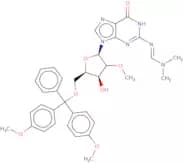
CAS:2'-O-tert-Butyldimethylsilyl-N-(tert-butylphenoxyacetyl)-5'-O-DMT-guanosine 3'-CE phosphoramidite is a synthetic nucleoside analog. The chemical name for this product is 2'-O-tert-butyldimethylsilyl-N-(tert-butylphenoxyacetyl)-5'-O-dimethoxytritylguanosine 3'-cyanoethylphosphoramidite. The molecular formula is C28H34N2O8PSi, and the molecular weight is 812.59 g/mol. This product has an EC Number of 61317 - CAS Number of 149989 - 68 - 4 and a melting point of 232°C (238°F). This compound can be used in the synthesis of oligonucleotides that are used to bind to RNA andFórmula:C58H76N7O10PSiPureza:Min. 95%Peso molecular:1,090.32 g/mol2-Amino-5'-O-(dimethoxytrityl)-N6-(dimethylaminomethylidene)-N2-(isobutyryl)-2'-O-methyladenosine
CAS:<p>DMF functionalised 2'-O-methyladenosine</p>Fórmula:C39H45N7O7Peso molecular:723.82 g/molDoubler phosphoramidite
CAS:Please enquire for more information about Doubler phosphoramidite including the price, delivery time and more detailed product information at the technical inquiry form on this pageFórmula:C64H79N4O10PPeso molecular:1,095.31 g/moldG-MGO
CAS:<p>Methylglyoxal (MGO) is a reactive byproduct formed by several metabolic precursors notably glycolysis. dG-MGO is therefore a useful marker to in monitoring various glycation pathways</p>Fórmula:C13H17N5O7Peso molecular:355.3 g/mol5-Cyano-2'-deoxycytidine
CAS:Nucleobase functionalised deoxynucleosideFórmula:C10H12N4O4Pureza:Min. 95%Peso molecular:252.23 g/mol5'-O-DMT-S6-cyanoethyl-N2-TFA-2'-deoxyguanosine
CAS:Base labile TFA protected deoxyguanosineFórmula:C36H33F3N6O6SPeso molecular:734.75 g/mol2'-Deoxy-5-fluorouridine-5'-triphosphate sodium salt - 100 mM solution in water
CAS:<p>2'-Deoxy-5-fluorouridine-5'-triphosphate sodium salt - 100 mM solution in water is a nucleotide analog that inhibits the synthesis of RNA. It is used for the treatment of cancer. This agent binds to DNA and prevents the formation of RNA by inhibiting the enzyme ribonucleotide reductase. 2'-Deoxy-5-fluorouridine-5'-triphosphate sodium salt - 100 mM solution in water also has a perchloric acid component, which may be responsible for its haematopoietic effects.</p>Fórmula:C9H14FN2O14P3·xNaPureza:Min. 95%Cor e Forma:PowderPeso molecular:486.13 g/mol2'-Deoxy-5'-O-DMT-5-acetoxymethyluridine 3'-CE phosphoramidite
CAS:2'-Deoxy-5'-O-DMT-5-acetoxymethyluridine 3'-CE phosphoramidite is a novel nucleoside analogue with anticancer activity. It is synthesized from 2'-deoxy-5'-O-DMT-5-acetoxymethyluridine and 3'-chloroethyl phosphate. The compound has been shown to inhibit DNA, RNA, and protein synthesis in vitro, as well as to induce apoptosis in human cancer cell lines. 2'-Deoxy-5'-O-DMT-5-acetoxymethyluridine 3'-CE phosphoramidite is a modified nucleoside that can be used in the production of oligonucleotides for use in gene therapy.Fórmula:C42H51N4O10PPureza:Min. 95%Peso molecular:802.85 g/mol7-Deaza-2'-deoxyguanosine-5'-triphosphate sodium salt - 10mM aqueous solution
CAS:<p>7-Deaza-2'-deoxyguanosine-5'-triphosphate sodium salt is a cytosolic small molecule that inhibits the activity of telomerase, an enzyme involved in the replication of chromosomes. It also has inhibitory effects on kinase domains and may be used to treat cancer. 7-Deaza-2'-deoxyguanosine-5'-triphosphate sodium salt binds to human mitochondrial DNA and inhibits gene transcription by hybridizing with it. This results in the inhibition of dopamine production, which can be helpful for treating Parkinson's disease. 7-Deaza-2'-deoxyguanosine-5'-triphosphate sodium salt is structurally similar to 2'-deoxyadenosine 5'-triphosphate (dATP) and can be incorporated into DNA by phosphorylation to form a covalent bond that disrupts the dATP/ATP ratio. This causes cellular energy production to decrease and</p>Fórmula:C11H17N4O13P3·xNaPureza:Min. 95%Peso molecular:506.19 g/mol5'-O-DMT-8-Bromo-N6-(benzoyl)-2′-deoxyadenosine
CAS:Bromo substituted deoxyadenosineFórmula:C38H34BrN5O6Peso molecular:736.61 g/mol2',3'-Dideoxy-3',5-difluorocytidine
CAS:<p>2',3'-Dideoxy-3',5-difluorocytidine (ddF) is a nucleotide analogue that inhibits the viral polymerase. It binds to the enzyme and prevents it from synthesizing DNA, which is needed for viral replication. ddF has been shown to be effective against different types of cancer cells, including breast and prostate cancers. This drug also has antiviral properties and is used as an antiviral agent in AIDS therapy. ddF may also be used as a precursor in the synthesis of other nucleosides or nucleotides.</p>Pureza:Min. 95%IDA-dAMP
An iminodiacetic acid phophoramidite. This acts as a pyrophosphate mimic so behaves as a leaving group in the enzymatic polymerisation of deoxyribonucleic acids.Fórmula:C14H19N6PO9Peso molecular:446.31 g/mol5-Fluorouridine-5'-diphosphate sodium
CAS:5-Fluorouridine-5'-diphosphate sodium salt is a nucleoside analog that inhibits the synthesis of RNA and DNA. It is used to treat cancer, as well as opportunistic infections, such as cryptococcal disease. 5-Fluorouridine-5'-diphosphate sodium salt binds to the enzyme thymidylate synthase and prevents it from synthesizing dTMP, which is needed for DNA synthesis. This drug also has been shown to be effective against monoclonal antibodies in mice with cancer. 5-Fluorouridine-5'-diphosphate sodium salt may also be useful in gene therapy for cancer treatment. This drug can be taken up by cells where it is converted into uracil, which inhibits protein synthesis by competing with the natural substrate tRNA for binding sites on ribosomes.Fórmula:C9H13FN2O12P2•NaxPureza:Min. 95%Cor e Forma:PowderPeso molecular:423.16 g/molCytidine 5'-diphosphoglycerol disodium salt
CAS:Cytidine 5'-diphosphoglycerol disodium salt is a modified nucleotide that belongs to the group of phosphoramidites. It is a cytidine derivative with a 2-hydroxymethylene bridge, which makes it resistant to degradation by cytidine deaminase and therefore enhances its anticancer activity. Cytidine 5'-diphosphoglycerol disodium salt has been shown to inhibit the growth of cancer cells in vitro and in vivo models, as well as inhibit viral replication. Cytidine 5'-diphosphoglycerol disodium salt is stable at high temperatures and can be used for activation of DNA synthesis in vitro. This product has not been tested on animals or humans and should not be taken internally.Fórmula:C12H19N3Na2O13P2Pureza:Min. 95%Peso molecular:521.22 g/molThymidine 3'-monophosphate sodium salt
CAS:Thymidine 3'-monophosphate sodium salt (TMP) is a nucleoside that is involved in the synthesis of DNA. TMP has been shown to have minimal carcinogenic effects on the liver, with no effect on the rate of DNA synthesis or cell proliferation in vivo. It has been shown to be hepatotoxic and genotoxic in animal studies and can cause DNA strand breaks and chromosomal aberrations in liver cells. TMP also causes a specific adduct, crotonaldehyde, which is considered to be an indicator of hepatic injury. The detection method for this adduct uses gas chromatography-mass spectrometry, which identifies the presence of TMP by detecting its unique mass spectrum.Fórmula:C10H15N2O8P•xNaPureza:Min. 95%Cor e Forma:PowderLauroyl coenzyme A potassium salt
CAS:<p>Lauroyl coenzyme A potassium salt is a potent inhibitor of fatty acid synthase. It has the ability to inhibit the enzyme activity of fatty acid synthase in vitro, which belongs to the class of irreversible inhibitors. Lauroyl coenzyme A potassium salt inhibits the synthesis of fatty acids by inhibiting the enzyme activity of fatty acid synthase. This inhibitor also reversibly inhibits other enzymes with a similar mechanism, such as acetyl-coenzyme A carboxylase and phosphatidate phosphohydrolase. The reaction mechanism can be understood through titration calorimetry studies, demonstrating that lauroyl coenzyme A potassium salt binds to the active site of these enzymes and blocks access to substrates. The binding affinity is higher for wild type strains than for mutant strains, which may be due to differences in protein structure or other factors. Lauroyl coenzyme A potassium salt has been shown to have no effect on wild-type strains but inhibits polymer</p>Fórmula:C33H55N7O17P3SK3Pureza:Min. 95%Cor e Forma:PowderPeso molecular:1,064.11 g/mol2',3'-Dehydro-5'-O-tritylthymidine
CAS:<p>2',3'-Dehydro-5'-O-tritylthymidine is an anticancer compound, which is a novel nucleoside phosphoramidite. It is synthesized from thymidine in two steps: first, the 2',3'-dideoxyribose phosphate moiety is prepared by reacting 2',3'-dideoxyribose with chloroacetic acid in the presence of triethylamine, followed by reaction with trityl chloride to form the 5' position of the thymidine. 2',3'-Dehydro-5'-O-tritylthymidine has been shown to inhibit DNA synthesis and antiviral activity.</p>Fórmula:C29H26N2O4Pureza:Min. 95%Peso molecular:466.54 g/mol2'-O-tert-Butyldimethylsilyl-N4-(tert-butylphenoxyacetyl)-5'-O-DMT-cytidine 3'-CE phosphoramidite
CAS:<p>2'-O-tert-Butyldimethylsilyl-N4-(tert-butylphenoxyacetyl)-5'-O-DMT-cytidine 3'-CE phosphoramidite is a DNA synthesis reagent that is used in the preparation of oligonucleotides, in particular for the synthesis of 2'-deoxyribonucleosides. It has been shown to be an activator and to have anticancer, antiviral, and antimalarial properties. This compound is synthesized by reacting 5'-O-DMT cytidine with 2',3' epoxypropyltrichlorophosphite. The product is purified by silica gel column chromatography and recrystallization from ethanol followed by vacuum drying. CAS No. 149989-66-2</p>Fórmula:C57H76N5O10PSiPureza:Min. 95%Peso molecular:1,050.3 g/molGuanosine-2'(&3')-monophosphate disodium (mixed isomers)
CAS:Guanosine-2'(&3')-monophosphate disodium salt (mixed isomers) is a synthetic nucleoside with antiviral and anticancer properties. It has been shown to activate the transcription of DNA in vitro by binding to the promoter region, resulting in higher levels of RNA synthesis. Guanosine-2'(&3')-monophosphate disodium salt (mixed isomers) has been shown to inhibit the replication of viruses, such as herpes simplex virus type 1 (HSV-1), and it may have potential use in cancer therapy. The drug is also used as a precursor for other antiviral drugs and antibiotics. Guanosine-2'(&3')-monophosphate disodium salt (mixed isomers) is available in high purity, high quality, and at low cost.Fórmula:C10H14N5O8P•2NaPureza:Min. 95%Cor e Forma:White PowderPeso molecular:407.18 g/mol7-Deaza-2'-deoxy-7-ethynyladenosine
CAS:<p>7-Deaza-2'-deoxy-7-ethynyladenosine is a fluorescent analog of adenosine that has been synthesized to be used as an antimicrobial agent. This compound has shown to be effective against both Gram-positive and Gram-negative bacteria, including methicillin resistant Staphylococcus aureus and Escherichia coli. 7DDAE is also able to inhibit the growth of fungus and yeast, such as Candida albicans. This drug has been shown to have no cytotoxic effects on mammalian cells at concentrations up to 50 μM. 7DDAE has been found to be very photostable in solution, which means it does not degrade when exposed to light.</p>Fórmula:C13H14N4O3Pureza:Min. 95%Cor e Forma:PowderPeso molecular:274.28 g/molOctanoyl coenzyme A lithium salt hydrate
CAS:Octanoyl coenzyme A lithium salt hydrate (OCCA) is a metabolite of octanoic acid, which is formed by the oxidation of fatty acids. OCCA has been shown to have relevance in the metabolism of fatty acids, as it can be conjugated with other molecules and transported into cells. This compound has been detected in human liver tissues and was found to be metabolized by primary rat hepatocytes in vitro. The metabolic pathway of OCCA is not yet fully understood, but it has been investigated in vivo studies.Fórmula:C29H50N7O17P3S·xLi·yH2OPureza:Min. 95%Peso molecular:893.73 g/mol2'-Amino-2'-deoxycytidine-5'-triphosphate
CAS:2'-Amino-2'-deoxycytidine-5'-triphosphate is an inhibitor of viral RNA polymerase. It is a nucleoside analogue that mimics the natural substrate for the enzyme, 2'-deoxycytidine-5'-triphosphate. This compound binds to the active site of viral RNA polymerases and blocks their ability to synthesize RNA. The compound has been shown to inhibit the replication of norovirus and HIV in cell culture. 2'-Amino-2'-deoxycytidine-5'-triphosphate binds to metal ions in the active site of the enzyme, which prevents its binding with the template strand and prevents elongation of RNA synthesis.Fórmula:C9H17N4O13P3Pureza:Min. 95%Peso molecular:482.17 g/molTrebler phosphoramidite
CAS:<p>Please enquire for more information about Trebler phosphoramidite including the price, delivery time and more detailed product information at the technical inquiry form on this page</p>Fórmula:C86H101N2O14PPeso molecular:1,417.7 g/molUDP-N-azidoacetylglucosamine
CAS:UDP-N-azidoacetylglucosamine is a UDP sugar with an azide functional handle on the glucosamine making it suitable for modification via click chemistry.Fórmula:C17H26N6O17P2Pureza:Min. 95%Cor e Forma:PowderPeso molecular:648.37 g/mol3'-Amino-2',3'-dideoxyguanosine-5'-triphosphate lithium salt - 100 mM aqueous solution
CAS:3'-Amino-2',3'-dideoxyguanosine's lack of a 3'-hydroxyl group makes it a chain terminator for DNA polymerase, a key application in Sanger sequencing. Additionally, the 3'-amino group serves as a functional handle for modifying the 3' end of oligonucleotides with various labels or conjugates, expanding their utility in research and diagnostics. The lithium salt ensures better handling and solubility.Fórmula:C10H17N6O12P3(freeacid)Pureza:Min. 95%Cor e Forma:Clear LiquidPeso molecular:506.2 g/molN4-Benzoyl-3',5'-O-(1,1,3,3-tetraisopropyl-1,3-disiloxanediyl)cytidine
CAS:N4-Benzoyl-3',5'-O-(1,1,3,3-tetraisopropyl-1,3-disiloxanediyl)cytidine is a boron trifluoride etherate catalyst that catalyzes the synthesis of cytidine from uridine. This catalyst is stable and can be used for many reactions. It yields a trifluoromethanesulfonate as a byproduct. The trifluoromethanesulfonate can be converted to a boronic acid or ester by treatment with base or acid respectively. The etherate can also be converted to an alcohol using hydrogen chloride gas and methanol. N4-Benzoyl-3',5'-O-(1,1,3,3-tetraisopropyl-1,3-disiloxanediyl)cytidine has been shown to catalyze the isomerFórmula:C28H43N3O7Si2Pureza:Min. 95%Cor e Forma:PowderPeso molecular:589.83 g/mol3'-Amino-2',3'-dideoxyadenosine-5'-triphosphate lithium salt - 100 mM aqeous solution
CAS:3'-Amino-2',3'-dideoxycytidine-5'-triphosphate lithium salt is a chain-terminating nucleotide analog for DNA synthesis, similar to ddCTP but with a 3'-amino group. While its role in traditional Sanger sequencing might be limited compared to standard ddCTP, the 3'-amino modification offers potential advantages for specialized sequencing techniques, post-synthetic labeling, and as a research tool to study DNA polymerases. The lithium salt ensures better handling and solubility.Fórmula:C10H17N6O11P3(freeacid)Pureza:Min. 95%Cor e Forma:Clear LiquidPeso molecular:490.2 g/mol3'-Amino-2',3'-dideoxycytidine-5'-triphosphate lithium salt - 100 mM aqueous solution
CAS:3'-Amino-2',3'-dideoxycytidine's lack of a 3'-hydroxyl group makes it a chain terminator for DNA polymerase, a key application in Sanger sequencing. Additionally, the 3'-amino group serves as a functional handle for modifying the 3' end of oligonucleotides with various labels or conjugates, expanding their utility in research and diagnostics. The lithium salt ensures better handling and solubility.Fórmula:C9H17N4O12P3(freeacid)Pureza:Min. 95%Cor e Forma:Clear LiquidPeso molecular:466.17 g/mol5-Carboxymethyl-2-thiouridine
CAS:5-Carboxymethyl-2-thiouridine is a modified form of uridine that has been synthesized by the reaction of 5-carboxymethyluracil with thiourea. It is used in chemical biology to study protein synthesis and to analyze the structural changes that occur during this process. 5-Carboxymethyl-2-thiouridine has also been shown to be effective as a viral RNA polymerase inhibitor, preventing the synthesis of viral proteins and thus reducing viral replication. This drug is also used in chromatographic methods for separating amino acids, peptides, and proteins.Fórmula:C11H14N2O7SPureza:Min. 95%Peso molecular:318.3 g/molArchaeosine
CAS:<p>Archaeosine is a low energy chemical compound that inhibits the enzyme transcriptase polymerase chain reaction (PCR), which is an enzyme that catalyzes the synthesis of DNA from RNA. Archaeosine has significant interactions with human proteins, such as leukocyte antigen, and can be used to study protein-protein interactions and enzyme kinetics. The asymmetric synthesis of archaeosine has been studied in rat liver microsomes, which is a type of cell found in the tissues of the liver. Archaeosine also prevents bacterial enzymes from synthesizing DNA.</p>Fórmula:C12H16N6O5Pureza:Min. 95%Peso molecular:324.29 g/mol5-(Carboxyhydroxymethyl)uridine methyl ester
CAS:<p>5-(Carboxyhydroxymethyl)uridine methyl ester is a modified form of uridine that is used in biochemical reactions. It is found in the ovary, where it interacts with acidic environments to produce the corresponding hydroxymethyl derivatives. The hydroxymethyl derivatives are then converted to the corresponding 5-carboxy-hydroxymethyl derivatives by conjugates and modifications, which can be analyzed using various assays. 5-(Carboxyhydroxymethyl)uridine methyl ester has also been shown to have epigenetic effects on cellular activity and cancer.</p>Fórmula:C12H16N2O9Pureza:Min. 95 Area-%Cor e Forma:Slightly Yellow Clear LiquidPeso molecular:332.26 g/mol3'-Amino-2',3'-dideoxythymidine-5'-triphosphate lithium salt - 100 mM aqueous solution
CAS:<p>3'-Amino-2',3'-dideoxythymidine-5'-triphosphate lithium salt - 100 mM aqueous solution is the sodium salt of the monophosphate ester of 3'-amino-2',3'-dideoxy-5'-thiacytidine. It is used as an antiviral and antineoplastic agent. 3'-Amino-2',3'-dideoxythymidine-5'-triphosphate lithium salt - 100 mM aqueous solution has been shown to be an activator of RNA polymerase II and DNA polymerase, which are enzymes that synthesize proteins and DNA, respectively. This drug also inhibits the synthesis of deoxyribonucleosides, diphosphates, and nucleosides. END></p>Fórmula:C10H18N3O13P3(freeacid)Pureza:Min. 95%Cor e Forma:Clear LiquidPeso molecular:481.18 g/mol[(2S,6R)-6-{N2-(Isobutyryl)-O6-(diphenylcarbomoyl)guanin-9-yl}-4-tritylmorpholin-2-yl]methyl dimethyl-phosphoramidochloridate
CAS:[(2S,6R)-6-{N2-(Isobutyryl)-O6-(diphenylcarbamoyl)guanin-9-yl}-4-tritylmorpholin-2-yl]methyl dimethylphosphoramidochloridate is a novel antiviral agent that is structurally related to the nucleoside analogues. It is synthesized by reacting an N2-(isobutyryl)O6-(diphenylcarbamoyl)guanin with 2,6-bis(trityl)morpholine and methyl dimethyl phosphite in dichloromethane. This compound has been shown to be active against herpes simplex virus type 1 (HSV1), HSV type 2 (HSV2), and cytomegalovirus (CMV). [(2S,6R)-6-{N2-(Isobutyryl)-OFórmula:C48H48ClN8O6PPureza:Min. 95%Peso molecular:899.37 g/mol7-Deaza-3'-deoxyadenosine
CAS:<p>7-Deaza-3'-deoxyadenosine is a synthetic nucleoside that is used in the synthesis of DNA. It has antiviral activity and is effective against HIV, herpes simplex virus and hepatitis B. 7-Deaza-3'-deoxyadenosine also has anticancer activity and can be used as a chemotherapeutic agent for leukemia, lymphoma, and breast cancer. This drug has been shown to inhibit the growth of cultured human tumor cells by inhibiting DNA synthesis through inhibition of DNA polymerase alpha and beta.</p>Fórmula:C11H14N4O3Pureza:Min. 95%Peso molecular:250.25 g/molLysidine
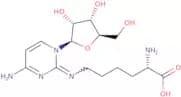
CAS:<p>Derivative of cytidine found in tRNA which enhances translation fidelity</p>Fórmula:C15H25N5O6Pureza:Min. 95%Peso molecular:371.39 g/mol5-Carbamoylmethyl-2'-O-methyluridine
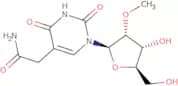
CAS:5-Carbamoylmethyl-2'-O-methyluridine is a nucleoside analog that inhibits the synthesis of proteins by inhibiting the translation process. It has been shown to be effective against tuberculosis and other mycobacterial diseases. 5-Carbamoylmethyl-2'-O-methyluridine binds to the ribosomal RNA, preventing protein synthesis and causing cell death. This drug has pleiotropic effects on cells, including inhibition of frameshifting, which is a mechanism used by some viruses to avoid immune responses. 5-Carbamoylmethyl-2'-O-methyluridine also interacts with cellular genes in response to stress (e.g., ultraviolet radiation). The mechanism of action for this drug is similar to that of 5-methoxycarbonylmethyl 2'-thiouridine (5MMCU), which inhibits protein synthesis by binding to the 30S ribosomal subunit and blocking the formation ofFórmula:C12H17N3O7Pureza:Min. 95%Cor e Forma:PowderPeso molecular:315.28 g/mol5-Amino-1-β-D-ribofuranosyl-1H-imidazole-4-carboxamide
CAS:Fórmula:C9H14N4O5Pureza:95%Cor e Forma:SolidPeso molecular:258.2313N6-Benzoyl-2'-deoxy-5'-O-trityladenosine 3'-CE phosphoramidite
CAS:<p>N6-Benzoyl-2'-deoxy-5'-O-trityladenosine 3'-CE phosphoramidite is a novel nucleoside analog that inhibits the proliferation of cancer cells. It has been shown to inhibit the proliferation of tumor cells in vitro and in vivo, as well as to induce apoptosis. The monophosphate form of this compound has been shown to be an effective antiviral agent against influenza virus. This compound also has high quality and purity.</p>Fórmula:C45H48N7O5PPureza:Min. 95%Peso molecular:797.9 g/molN6-Benzyladenosine 5'-monophosphate sodium salt monohydrate
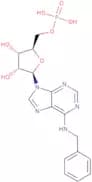
CAS:<p>N6-Benzyladenosine 5'-monophosphate sodium salt is a nucleoside that is not identified. It has been shown to be metabolized by adenosine deaminase and may have antitumor activity. N6-Benzyladenosine 5'-monophosphate sodium salt is also a radioactively labeled adenine analog that has been used in the study of metabolic pathways.</p>Fórmula:C17H18N5Na2O7P·H2OPureza:Min. 97 Area-%Cor e Forma:PowderPeso molecular:499.32 g/molRef: 3D-NB30216
Produto descontinuado5'-ODMT-thymidine 3'-Sp-oxazaphospholidine
<p>5'-ODMT-thymidine 3'-Sp-oxazaphospholidine is a modified nucleoside that can be used as an anticancer drug. It is a high purity, diphosphate, Anticancer, Modified, Phosphoramidites. 5'-ODMT-thymidine 3'-Sp-oxazaphospholidine is synthesized by the phosphorylation of thymidine with oxazaphospholidine. It has been shown to inhibit DNA and RNA synthesis in cancer cells.</p>Pureza:Min. 95%Polyinosinic-polycytidylic acid sodium salt
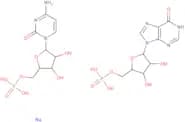
CAS:<p>Polyinosinic acid-polycytidylic acid (Poly I:C), an agonist of TLR3 toll-like receptors, is a synthetic double-stranded RNA analog, consisting of polyinosinic acid (poly I) paired with polycytidylic acid (poly C), forming a stable duplex structure. PolyI:C stimulates the secretion of pro-inflammatory cytokines and type I interferon through its interaction with endosomal Toll-like receptor 3 (TLR-3) and the cytoplasmic receptors melanoma differentiation-associated gene 5 (MDA-5) and retinoic acid-inducible gene I (RIG-I). This immunostimulant activity makes Poly I:C a useful vaccine adjuvant and is used in vaccine formulations. Poly I:C and its stabilized analogs (e.g., poly-ICLC) are also being actively researched for their dual role in oncology: directly targeting tumors and acting as immune potentiators. For example Poly I:C can induce apoptosis in tumor cells and stimulate immunogenic cell death and is therefore being explored alongside chemotherapy, radiotherapy, and checkpoint inhibitors, helping to overcome resistance mechanisms and strengthen treatment outcomes. We can supply PolyI:C to all stages of your project - from R&D and preclinical phases right up to GMP commercial manufacture. Contact our team for custom Poly I:C products.<br>For more on poly I:C read out blog 'Poly I:C: A Vaccine Adjuvant With Oncological Potential.'</p>Fórmula:(C10H13N4O8P)x•(C9H14N3O8P)x•NaxCor e Forma:White PowderRef: 3D-TP36521
Produto descontinuadoL-Cytidine
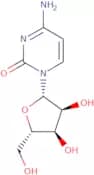
CAS:<p>L-Cytidine is a nucleoside that is found in the body, and is also used as a drug. It is a precursor to other nucleosides, such as cytidine triphosphate, which is involved in DNA synthesis and repair. L-Cytidine has been shown to be effective against HIV infection by inhibiting the activity of the enzyme ns3 protease. This inhibition prevents viral proteins from being released from cells and infecting other cells. L-Cytidine has also been shown to be an inhibitor of creatine kinase and glycosidation, two enzymes that are necessary for cell metabolism. L-Cytidine has also been shown to be reactive with halides, which may lead to unwanted side effects.</p>Fórmula:C9H13N3O5Pureza:Min. 95%Cor e Forma:PowderPeso molecular:243.22 g/mol9-(2’-Deoxy-2’-fluoro-arabinofuranosyl)adenine 5’-triphosphate triethyl ammonium salt
<p>Ai Product Descriptions 50 Creative</p>Pureza:Min. 95%N2-Isobutyryl-N-trityl-morpholino guanine
CAS:<p>N2-Isobutyryl-N-trityl-morpholino guanine is a synthetic nucleoside analogue. It has been shown to be an activator of ribonucleotide reductase, and it is a potential anticancer agent. N2-Isobutyryl-N-trityl-morpholino guanine has also been shown to inhibit the replication of DNA and RNA viruses. This compound is being studied for its possible use in the treatment of HIV infection, as well as other viral infections that affect the central nervous system.</p>Pureza:Min. 95%2,2'-Anhydro-5'-O-toluoyluridine
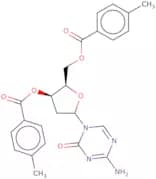
<p>2,2'-Anhydro-5'-O-toluoyluridine is a synthetic nucleoside analog that is used as an antiviral agent for the treatment of herpes simplex virus. It activates ribonucleotide reductase and inhibits DNA synthesis by inhibiting the enzyme DNA polymerase. 2,2'-Anhydro-5'-O-toluoyluridine has been shown to be active against colon cancer cells in vitro and in vivo. This drug has also been shown to inhibit the growth of certain types of leukemia cells and may be useful in treating patients with chronic myeloid leukemia.</p>Fórmula:C17H16N2O6Pureza:Min. 95%Peso molecular:344.32 g/mol7-Cyano-7-deaza-2'-deoxyadenosine
CAS:<p>7-Cyano-7-deaza-2'-deoxyadenosine is a nucleoside analog that inhibits the growth of virus by competing with deoxyadenosine for incorporation into DNA and RNA. 7-Cyano-7-deaza-2'-deoxyadenosine also stabilizes dna duplexes and prevents them from breaking down. It has been shown to be effective against herpes simplex virus, which causes painful blisters on the skin or genitals. This drug has been used in clinical trials as an antiviral agent. 7-Cyano-7-deaza-2'-deoxyadenosine is synthesized from 2',3'-didehydrocytidine under the following conditions:</p>Fórmula:C12H13N5O3Pureza:Min. 95%Cor e Forma:PowderPeso molecular:275.26 g/molRef: 3D-NC144684
Produto descontinuadoThymidine
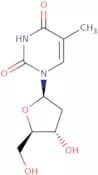
CAS:<p>Thymidine, also known as deoxythymidine (dT), is a pyrimidine deoxynucleoside that pairs with deoxyadenosine (dA) in a double stranded DNA. It’s used as a biochemical modulator of antimetabolites such as 5-fluorouracil (5-FU), 1-beta-D-arabinofuranosylcytosine (Cytarabine) and methotrexate (MTX) in cancer therapy. It’s also the enantiomer of telbivudine, an antiviral drug used to treat hepatitis B virus (HBV) infection.</p>Fórmula:C10H14N2O5Pureza:Min. 99.0 Area-%Cor e Forma:White PowderPeso molecular:242.23 g/mol2'-Deoxy-2'-fluoro-5-iodouridine
CAS:<p>2'-Deoxy-2'-fluoro-5-iodouridine is a nucleoside analog that is a modified version of uridine, where the 2'-fluoro modification is added to the sugar (deoxyribose), and an iodine atom is attached at the 5' position of the uracil base. This combination of modifications provides unique properties that may be useful for research and therapeutic applications.</p>Fórmula:C9H10FIN2O5Pureza:Min. 95%Cor e Forma:White PowderPeso molecular:372.09 g/mol3'-O-Methyluridine
CAS:<p>3'-O-Methyluridine is a nucleoside that is used in the preparation of oligonucleotides and as a substrate for uridine phosphorylase. It is used to study the termination of RNA synthesis, which occurs when there are no more ribose residues in the RNA template strand. When this happens, an adenosine residue is added by polyphosphate kinase to the 3' end of the RNA strand. This addition causes a release of pyrophosphate and leads to end of DNA synthesis. The acid hydrolysis technique can be used to separate 3'-O-methyluridine from other nucleotides. This reaction produces guanosine, which can be detected using polymerase chain reaction (PCR) techniques such as polyacrylamide gel electrophoresis (PAGE).</p>Fórmula:C10H14N2O6Pureza:Min. 95%Cor e Forma:White PowderPeso molecular:258.23 g/molN6-Benzoyl-2'-O-methyladenosine
CAS:<p>N6-Benzoyl-2'-O-methyladenosine is a novel nucleoside that has been synthesized by chemical modification of adenosine. It is an activator of the ribonucleotide reductase enzyme and is currently being studied as an anticancer and antiviral agent. N6-Benzoyl-2'-O-methyladenosine has shown antitumor activity against human breast cancer cells in vitro and in vivo, inhibiting tumor growth. It also inhibits the replication of herpes simplex virus type 1 (HSV1) and type 2 (HSV2).</p>Fórmula:C18H19N5O5Peso molecular:385.37 g/mol3'-O-Amino-2'-deoxycytidine
CAS:<p>3'-O-Amino-2'-deoxycytidine (3'-AAC) is an activator nucleoside that has antiviral and anticancer properties. It can be used with other anticancer agents such as doxorubicin, methotrexate, and 5-fluorouracil to increase the efficacy of these compounds. 3'-AAC is a phosphoramidite monophosphate that can be used in the synthesis of oligodeoxynucleotides. This product is also a novel chemical entity that has not been previously described in any publication or patent application.</p>Fórmula:C9H14N4O4Pureza:Min. 95%Peso molecular:242.23 g/molN6-Benzoyl-2',3'-isopropylideneadenosine
CAS:<p>N6-Benzoyl-2',3'-isopropylideneadenosine is a nucleoside that is structurally related to the natural nucleosides adenosine, deoxyadenosine, and deoxyguanosine. It is an antiviral agent that has been shown to be an activator of the enzyme ribonucleotide reductase. N6-Benzoyl-2',3'-isopropylideneadenosine is a modified nucleoside with high purity and high quality. The CAS number for this compound is 39947-04-1. This compound has not been found in nature, but it can be synthesized by modifying nucleosides or by using phosphoramidites.</p>Fórmula:C20H21N5O5Pureza:Min. 95%Cor e Forma:PowderPeso molecular:411.41 g/molRef: 3D-NB08544
Produto descontinuadoN2-DMF-5'-O-DMT-2'-O-methylguanosine
CAS:<p>N2-DMF-5'-O-DMT-2'-O-methylguanosine is a novel nucleoside analog that has antiviral, anticancer and immunomodulating properties. It is synthesized from 2′,3′-dideoxyadenosine 5′-monophosphate by the condensation of 2,6-dimethylaniline with methylguanosine 5′-monophosphate and 5,6-dimethylaniline. The modification of the guanine base in N2-DMF-5'-O-DMT-2'-O-methylguanosine to an O6 -methyl group results in increased affinity for the ribonucleotide reductase enzyme (RNR) and inhibition of DNA synthesis.</p>Fórmula:C35H38N6O7Pureza:Min. 95%Peso molecular:654.71 g/molRef: 3D-ND08425
Produto descontinuado8-Aza-N6-benzoyl-7-deaza-2'-deoxy-5'-O-DMT-adenosine
CAS:<p>8-Aza-N6-benzoyl-7-deaza-2'-deoxy-5'-O-DMT-adenosine is a nucleoside analog that has been modified by replacing the ribose moiety with deoxyribose. This modification increases its stability in vivo and in vitro. 8-Aza-N6-benzoyl-7-deaza-2'-deoxy-5'-O-DMT adenosine is an activator of DNA polymerase, which can be used to synthesize DNA. It is also an antiviral agent, active against herpes simplex virus type 1 and 2, vaccinia virus, and cytomegalovirus. This compound has shown promising anticancer activity against human breast cancer cells grown in culture.</p>Fórmula:C38H35N5O6Pureza:Min. 95%Peso molecular:657.71 g/molN4-Acetyl-2'-O-acetyl-5'-O-DMT-arabinosyl cytosine 3'-CE phosphoramidite
<p>N4-Acetyl-2'-O-acetyl-5'-O-DMT-arabinosyl cytosine 3'-CE phosphoramidite is a prodrug that is activated by intracellular enzymes. It has been shown to be an immunostimulatory agent, which modulates the immune system for the treatment of cancer and autoimmune disorders. N4-Acetyl-2'-O-acetyl-5'-O-DMT-arabinosyl cytosine 3'-CE phosphoramidite can also act as a ligand for various cell surface receptors and transporters, including CD28, interleukin 2 receptor alpha chain, CD40, CD84, and MHC class II. The compound has been shown to inhibit tumor cells in culture and induces apoptosis in these cells.</p>Pureza:Min. 95%1-(5-O-Acetyl-2,3-dideoxy-ß-L-glycero-pent-2-enofuranosyl)-5-fluorouracil
CAS:<p>1-(5-O-Acetyl-2,3-dideoxy-ß-L-glycero-pent-2-enofuranosyl)-5-fluorouracil is a modified nucleoside analog with structural alterations that enhance its biological properties and stability. The compound features 5-fluorouracil as the nucleobase, a fluorinated pyrimidine often used in chemotherapy due to its ability to interfere with DNA replication. The sugar component is 2,3-dideoxy-β-L-glycero-pent-2-enofuranose and has a specific glycerol and enol configuration, which alters its interactions with enzymes involved in nucleic acid metabolism. The compound includes a 5-O-acetyl protecting group at the 5'-position, which shields the hydroxyl group during synthesis.</p>Fórmula:C11H11FN2O5Pureza:Min. 95%Peso molecular:270.21 g/molRef: 3D-NA182971
Produto descontinuado5-Methylcytidine
CAS:<p>5-Methylcytidine is a nucleoside that is found in DNA and RNA. It is used in structural biology to probe the structure of DNA. 5-Methylcytidine binds to the enzyme methyl transferase, which catalyzes the transfer of a methyl group from S-adenosylmethionine to produce 5-methyluridine. This reaction occurs in long-term toxicity studies using primary cells, such as lymphocytes and fibroblasts. 5-Methylcytidine has been shown to inhibit tumour growth in mice by binding to nuclear dna polymerase and blocking transcription. The binding site for this drug on the polymerase is located at the same site as that for nucleoside analogues like azidothymidine (AZT) and zidovudine (AZT).</p>Fórmula:C10H15N3O5Pureza:Min. 95%Cor e Forma:White PowderPeso molecular:257.24 g/molDiquafosol Impurity 2
CAS:<p>Diquafosol Impurity 2 is a high-purity phosphoramidite that can be used for the synthesis of DNA, RNA, and deoxyribonucleosides. This product is also a novel activator for phosphoramidites. Diquafosol Impurity 2 has CAS No. 63785-59-1 and a molecular weight of 228.24 g/mol. It is insoluble in water, but soluble in most organic solvents.</p>Fórmula:C18H25N4O20P3Pureza:Min. 95%Peso molecular:710.33 g/mol3'-Amino-3'-deoxy-5'-O-DMT-thymidine
CAS:<p>3'-Amino-3'-deoxy-5'-O-DMT-thymidine is a specifically designed building block for introducing a 3'-amino group into oligonucleotides, primarily at the 3' terminus. The DMT protecting group facilitates incorporation during standard solid-phase synthesis, and the 3'-amino group provides a versatile handle for post-synthetic modifications and conjugations.</p>Fórmula:C31H33N3O6Pureza:Min. 95%Cor e Forma:PowderPeso molecular:543.61 g/molCytidine 5'-triphosphate disodium salt
CAS:<p>Please enquire for more information about Cytidine 5'-triphosphate disodium salt including the price, delivery time and more detailed product information at the technical inquiry form on this page</p>Fórmula:C9H14N3Na2O14P3Pureza:Min. 97 Area-%Peso molecular:527.12 g/molN4-Acetyl-2'-deoxy-5-methylcytidine
<p>N4-Acetyl-2'-deoxy-5-methylcytidine is a novel nucleoside analog of cytidine. It has been shown to be an activator of the immune system, and has antiviral and anticancer properties. This synthetic nucleoside is phosphorylated by kinases in cells to form N4-acetyl-2'-deoxy-5'-methyluridine monophosphate. The phosphate group can be removed by phosphatases in cells to yield N4-acetyl-2'-deoxycytidine, which is a precursor for DNA synthesis.</p>Fórmula:C12H17N3O5Pureza:Min. 95%Cor e Forma:PowderPeso molecular:283.28 g/molRef: 3D-NA15219
Produto descontinuado2',3'-O-Isopropylideneadenosine
CAS:<p>2',3'-O-Isopropylideneadenosine is a nucleoside that has a possible usage as an organic chemical synthesis intermediate</p>Fórmula:C13H17N5O4Pureza:Min. 98 Area-%Cor e Forma:White PowderPeso molecular:307.31 g/mol5-Iodocytidine
CAS:<p>5-Iodocytidine is a nucleoside analogue that has been shown to possess potent antitumor activity. It is also used as a fluorescent probe for detection of uridine in biological samples. 5-Iodocytidine is structurally similar to uridine, which allows it to be taken up by cells and incorporated into RNA. This analog can also be detected with antibody response, as well as with the use of a fluorescence microscope. 5-Iodocytidine may have the potential to treat infectious diseases and autoimmune diseases because it binds to response elements on DNA and activates gene transcription.</p>Fórmula:C9H12IN3O5Pureza:Min. 98 Area-%Cor e Forma:White PowderPeso molecular:369.11 g/molPolyinosinic acid tripotassium salt
CAS:<p>Polyinosinic acid is a single stranded RNA analog which is combined with polycytidylic acid (poly C) to form a stable duplex structure known as Polyinosinic acid-polycytidylic acid (Poly I:C). PolyI:C stimulates the secretion of pro-inflammatory cytokines and type I interferon through its interaction with endosomal Toll-like receptor 3 (TLR-3) and the cytoplasmic receptors melanoma differentiation-associated gene 5 (MDA-5) and retinoic acid-inducible gene I (RIG-I). This immunostimulant activity makes Poly I:C a useful vaccine adjuvant and is used in vaccine formulations. Poly I:C and its stabilized analogs (e.g., poly-ICLC) are also being actively researched for their dual role in oncology: directly targeting tumors and acting as immune potentiators. For example Poly I:C can induce apoptosis in tumor cells and stimulate immunogenic cell death and is therefore being explored alongside chemotherapy, radiotherapy, and checkpoint inhibitors, helping to overcome resistance mechanisms and strengthen treatment outcomes. We can supply PolyI:C to all stages of your project - from R&D and preclinical phases right up to GMP commercial manufacture. Contact our team for custom Poly I:C products.<br>For more on poly I:C read out blog 'Poly I:C: A Vaccine Adjuvant With Oncological Potential.'</p>Pureza:Min. 95%Ref: 3D-TP65775
Produto descontinuado5-(Aminomethyl)-2-thiouridine
CAS:<p>5-(Aminomethyl)-2-thiouridine is a bifunctional molecule that can be used in chromatography and as a precursor for the epigenetic modifications of DNA. 5-(Aminomethyl)-2-thiouridine has been shown to have an effect on the methyltransferase pathway, which is involved in the epigenome. This molecule has also been shown to affect the growth rate of bacteria in vitro.</p>Fórmula:C10H15N3O5SPureza:Min. 95%Peso molecular:289.31 g/mol2-Hydrazinoadenosine
CAS:<p>2-Hydrazinoadenosine is an active analogue of adenosine. It is a potent agonist for the adenosine receptor subtypes A1 and A2A with high affinity. 2-Hydrazinoadenosine has been shown to inhibit cardiac contractility in animal models, as well as to produce hypotension, bradycardia, and bronchodilation in humans. This drug also has a functional effect on the heart by binding to adenosine receptors, which leads to the inhibition of catecholamine release. This drug is used clinically as an antiarrhythmic agent and a vasodilator in coronary artery disease.</p>Fórmula:C10H15N7O4Pureza:Min. 95%Cor e Forma:PowderPeso molecular:297.27 g/molRef: 3D-NH06266
Produto descontinuadoGuanosine hydrate
CAS:<p>Please enquire for more information about Guanosine hydrate including the price, delivery time and more detailed product information at the technical inquiry form on this page</p>Fórmula:C10H13N5O5·xH2OPureza:Min. 98 Area-%Peso molecular:283.24 g/molRef: 3D-W-108553
Produto descontinuado4-Methyl-2-(methylsulfanyl)-5-pyrimidinecarboxylic acid
CAS:<p>Ribonucleosides, deoxyribonucleosides, and their activated forms (e.g., 4-methyl-2-(methylsulfanyl)-5-pyrimidinecarboxylic acid) are all important intermediates for the synthesis of DNA and RNA. Ribonucleosides are the key building blocks for the synthesis of DNA. They can be converted to nucleosides by removal of the ribose moiety. Deoxyribonucleosides are synthesized from ribonucleosides by removal of the hydroxyl group from carbon 2' position of ribose. The activated forms (e.g., 4-methyl-2-(methylsulfanyl)-5-pyrimidinecarboxylic acid) are useful in phosphoramidite chemistry as they have a free amine group on one side and a free sulfonyl group on the other side that can be used to react with a growing oligo or polyphosph</p>Fórmula:C7H8N2O2SPureza:Min. 95%Peso molecular:184.22 g/molRef: 3D-NM57401
Produto descontinuado8,5’(R)-Cycloadenosine
CAS:<p>Please enquire for more information about 8,5’(R)-Cycloadenosine including the price, delivery time and more detailed product information at the technical inquiry form on this page</p>Fórmula:C10H11N5O4Pureza:Min. 95%Peso molecular:265.23 g/molThymidine 5’-triphosphate sodium hydrate
<p>Thymidine 5’-triphosphate (dTTP) sodium hydrate is a fundamental building block in chemical biology. As one of the four natural deoxynucleotides, it plays a crucial role in DNA replication and repair, where dTTP is incorporated into growing DNA strands by DNA polymerases, ensuring fidelity during genetic duplication. The use of dTTP spans various applications, including PCR, DNA sequencing, and site-directed mutagenesis.</p>Pureza:Min. 95%Ref: 3D-FT181302
Produto descontinuado2-(Butylthio)pyrimidine-5-carbaldehyde
CAS:<p>2-(Butylthio)pyrimidine-5-carbaldehyde (BTPCA) is a neutralizing agent that inhibits the proliferation of cancer cells by binding to their cell membranes. It binds to the membrane and blocks the cyclic AMP receptor, thereby inhibiting the growth of cells. BTPCA has been shown to be effective in killing CD4+ T cells and may have therapeutic potential for autoimmune diseases. BTPCA also has diagnostic potential, as it can be used to detect epidermal growth factor receptors on cell membranes.</p>Fórmula:C9H12N2OSPureza:Min. 95%Peso molecular:196.27 g/molRef: 3D-NB57433
Produto descontinuado3'-Deoxy-3'-C-methylcytidine
CAS:<p>3'-Deoxy-3'-C-methylcytidine is a monophosphate nucleotide that is used as an activator for DNA synthesis. It is a novel, synthetic nucleoside with high purity and high quality. 3'-Deoxy-3'-C-methylcytidine has been shown to inhibit viral replication, including human immunodeficiency virus type 1 (HIV-1), herpes simplex virus type 1 (HSV-1) and Epstein Barr virus (EBV) in cell culture. It also inhibits the growth of cancer cells in vitro by inhibiting the synthesis of DNA, RNA, and protein.</p>Fórmula:C10H15N3O4Pureza:Min. 95%Peso molecular:241.24 g/molRef: 3D-ND15622
Produto descontinuadoS-(2-Hydroxy-5-nitrobenzoyl)-6-thioinosine
CAS:<p>S-(2-Hydroxy-5-nitrobenzoyl)-6-thioinosine is a population of endogenous inotropic agents that are transported by the uptake system. It interacts with benzodiazepine receptor and has been shown to act as an agonist. The uptake system is responsible for the uptake of S-(2-hydroxy-5-nitrobenzoyl)-6-thioinosine, which then binds to the benzodiazepine receptor. This binding causes an increase in cAMP levels and subsequent relaxation of smooth muscle cells. S-(2-hydroxynitrobenzoyl)-6-thioinosine has been shown to be a transport inhibitor, which affects the uptake of other drugs such as benzodiazepines and antiepileptics. It also modulates responsiveness through interaction with the transport system.</p>Fórmula:C17H17N5O7SPureza:Min. 95%Peso molecular:435.41 g/molLDA
CAS:<p>LDA is a technique for extracting spectral features from a set of spectra. It uses the probabilistic model of discriminant analysis to discriminate between groups of spectra. LDA has been shown to outperform other techniques, such as PCA and MDA, in analyzing datasets with a small number of variables. The algorithm is incrementally updated with new data points and parameters, which makes it an attractive choice for real-time applications.</p>Pureza:Min. 95%3'-Azido-3'-deoxythymidine 5'-triphosphate triethylammonium salt
CAS:<p>3'-Azido-3'-deoxythymidine 5'-triphosphate triethylammonium salt is a nucleoside analogue of 3'-azido-3'-deoxythymidine. It is an antiviral agent that inhibits the synthesis of viral DNA and RNA by inhibiting the activity of DNA polymerase, which has been shown to be effective against HIV and herpes simplex virus type 1. The phosphoramidites are synthesized from the corresponding phosphonate, 3'-azido-3'-deoxythymidine 5'-triphosphate, by treatment with a base (e.g., sodium methoxide). This novel nucleoside analogue has been shown to have anticancer properties in animal models.</p>Fórmula:C10H16N5O13P3·3C6H15NPureza:Min. 95%Peso molecular:810.75 g/molRef: 3D-NA15338
Produto descontinuado1-(2'-Deoxy-3',5'-di-O-toluoyl-D-ribofuranosyl)-4-amino-1,3-dihydro-2-oxo-1,3,5-triazine
<p>1-(2'-Deoxy-3',5'-di-O-toluoyl-D-ribofuranosyl)-4-amino-1,3-dihydro-2-oxo-1,3,5-triazine is a nucleoside that is used as an anticancer drug. It is a modified nucleotide with a 2'-deoxyribofuranosyl group attached to the 3' carbon of the sugar moiety. It has been shown to be active against viruses and cancer cells. 1-(2'-Deoxy-3',5'-di-O-toluoyl-D-ribofuranosyl)-4-amino -1,3 -dihydro -2 -oxo -1,3,5 -triazine inhibits the replication of DNA by inhibiting DNA polymerase. This in turn prevents RNA synthesis and protein synthesis.</p>Fórmula:C24H24N4O6Pureza:Min. 95%Peso molecular:464.48 g/molN2-Isobutyryl-2'-(2-methoxyethyl)guanosine
CAS:<p>N2-Isobutyryl-2'-(2-methoxyethyl)guanosine is a nucleoside that is structurally related to guanosine. It is used as an activator for RNA synthesis and as a novel antiviral agent. This compound has been shown to have high purity, high quality, and excellent solubility. N2-Isobutyryl-2'-(2-methoxyethyl)guanosine has also been found to be active against HIV in vitro by inhibiting reverse transcriptase activity.</p>Pureza:Min. 95%3'-O-Aminoacetoxythymidine 5'-O-triphosphate triethylammonium salt
<p>Please enquire for more information about 3'-O-Aminoacetoxythymidine 5'-O-triphosphate triethylammonium salt including the price, delivery time and more detailed product information at the technical inquiry form on this page</p>Fórmula:C13H22N3O14P3•(C6H15N)xPureza:Min. 99 Area-%Cor e Forma:PowderPeso molecular:537.25 g/mol3'-Azido-2',3'-dideoxyuridine
CAS:<p>3'-Azido-2',3'-dideoxyuridine is an analog of the nucleoside dideoxyuridine that inhibits HIV replication. It has a high inhibitory dose and low toxicity. 3'-Azido-2',3'-dideoxyuridine is converted to its active form, 3'-azido-2',3'-dideoxythymidine (AZT), by dephosphorylation in human serum. AZT inhibits HIV replication by competing with the natural substrate for viral DNA polymerase, thereby inhibiting synthesis of viral DNA. 3'-Azido-2',3'-dideoxyuridine has been shown to be effective against hepatitis B virus and hepatitis C virus in cell cultures.</p>Fórmula:C9H11N5O4Pureza:Min. 95%Cor e Forma:Off-White PowderPeso molecular:253.21 g/molRef: 3D-NA05737
Produto descontinuado2'-Methyl-cytidine-(Bz)-succinyl-CPG; 500 Å (RNA)
<p>2-Methyl-cytidine-(Bz)-succinyl-CPG; 500 Å (RNA) is a nucleoside analog that is modified with a 2'-methyl group. It is synthesized by the phosphoramidite method, which is performed in a high purity and high quality environment. This product can be used as an activator for DNA synthesis and has been shown to have anti-cancer and antiviral properties.</p>Pureza:Min. 95%Ref: 3D-NM11612
Produto descontinuado2'-Deoxy-2'-fluoro-2-methoxy-b-D-arabinoadenosine
CAS:<p>2'-Deoxy-2'-fluoro-2-methoxy-b-D-arabinoadenosine (FMA) is an antiviral nucleoside that has been shown to inhibit the growth of human T lymphocytes, human hepatoma cells and mouse lymphoma L5178Y cells. It also inhibits the replication of HIV in vitro and has been shown to be effective against other viruses such as herpes simplex virus type 1 and 2, cytomegalovirus, Epstein Barr virus, varicella zoster virus and vaccinia. FMA is a phosphoramidite compound that can be used in DNA synthesis. It is also a monophosphate analog of arabinoadenosine that can be used as an activator of deoxyribonucleosides. This novel compound can be modified to synthesize diphosphates or phosphoramidites.</p>Fórmula:C11H14FN5O4Pureza:Min. 95%Peso molecular:299.26 g/molCytidine 5'-monophosphate sodium salt
CAS:<p>Cytidine 5'-monophosphate sodium salt is a nucleotide that is found in RNA and DNA. Cytidine 5'-monophosphate sodium salt is an intermediate in the biosynthesis of uridine, choline, and saccharose. It also plays an important role in the immune system as it can be a precursor for immunoglobulins. The reaction rate of cytidine 5'-monophosphate sodium salt with lipase has been shown to be constant at pH 7.5-8.0 and 37°C. This product has been shown to have emulsifying properties by forming micelles with water-immiscible solvents such as hexane or heptane, which may be due to its ability to form hydrogen bonds with other molecules such as saccharose or guanosine. Cytidine 5'-monophosphate sodium salt can also be used as a chromatographic material for separating saccharose from other sugars</p>Fórmula:C9H14N3O8P·xNaPureza:Min. 95 Area-%Cor e Forma:White Off-White PowderPeso molecular:323.2 g/mol5'-O-DMT-2'-ethylfluoro-5-methyluridine 3'-CE phophoramidite
<p>5'-O-DMT-2'-ethylfluoro-5-methyluridine 3'-CE phophoramidite is an antiviral agent that has been shown to inhibit the replication of HIV in cell culture and to prevent the synthesis of the virus. 5'-O-DMT-2'-ethylfluoro-5-methyluridine 3'-CE phophoramidite inhibits viral replication by acting as a competitive inhibitor of HIV reverse transcriptase and blocking viral DNA synthesis from viral RNA. It has also been shown to have anticancer properties, which may be due to its ability to suppress tumor growth through inhibition of protein synthesis.</p>Pureza:Min. 95%3'-Deoxy-N6-lauroyladenosine
CAS:<p>3'-Deoxy-N6-lauroyladenosine is a nucleoside analog that is used to treat cancer. It is a phosphoramidite compound and it has been shown to be highly active against cancer cells. 3'-Deoxy-N6-lauroyladenosine is an antiviral agent that inhibits viral DNA synthesis by competing with the natural substrate, deoxyribonucleosides, for incorporation into the growing DNA chain. It also prevents the replication of RNA viruses by inhibiting their transcription and translation processes. 3'-Deoxy-N6-lauroyladenosine also inhibits inflammation in the body and may act as a chemotherapeutic agent in other diseases such as diabetes, Alzheimer's disease, and Parkinson's disease.</p>Fórmula:C22H35N5O4Pureza:Min. 95%Peso molecular:433.54 g/molRef: 3D-ND10014
Produto descontinuadoPolyadenylic acid potassium
CAS:<p>Please enquire for more information about Polyadenylic acid potassium including the price, delivery time and more detailed product information at the technical inquiry form on this page</p>Fórmula:(C10H14N5O7P)x•KxPureza:85% Min


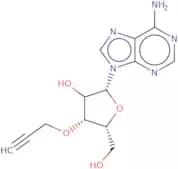


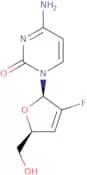
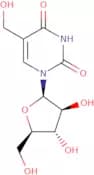
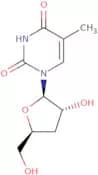
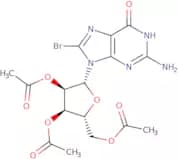
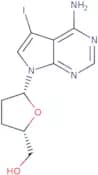
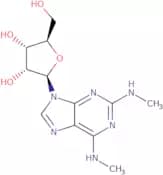
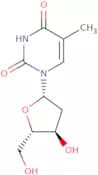
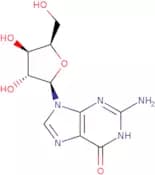
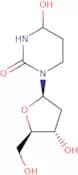
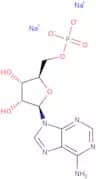



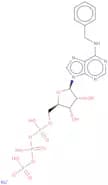

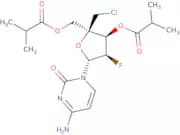

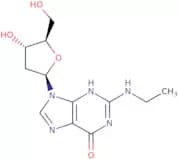
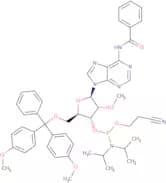

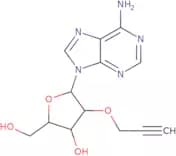
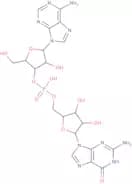
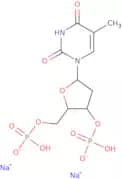
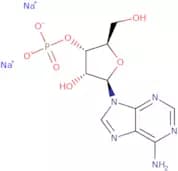
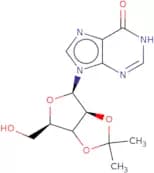
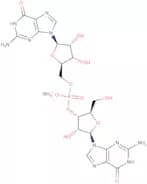
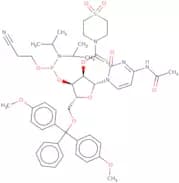
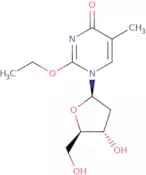
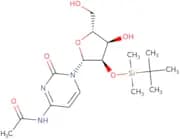
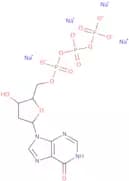

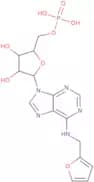
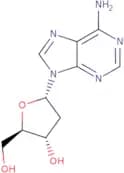
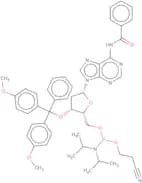
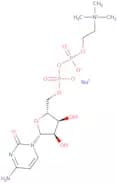
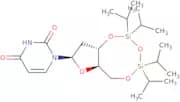

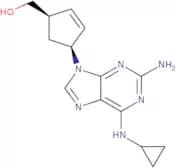
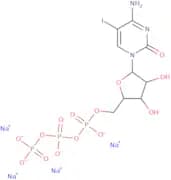
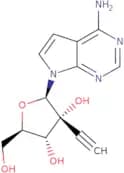
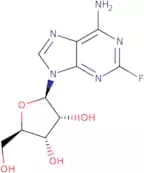
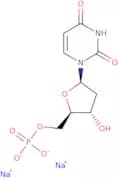
![Guanosine-5'-[(a,β)-methyleno]triphosphate sodium salt](/_next/image/?url=https%3A%2Fstatic.cymitquimica.com%2Fproducts%2F3D%2Fthumb-webp%2FNG171069.webp&w=3840&q=75)

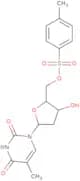
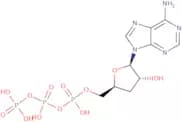
![[(2S,6R)-6-{Thymin-1-yl}-4-tritylmorpholin-2-yl]methyl dimethyl-phosphoramidochloridate](/_next/image/?url=https%3A%2Fstatic.cymitquimica.com%2Fproducts%2F3D%2Fthumb-webp%2FNT58203.webp&w=3840&q=75)
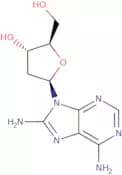
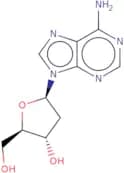
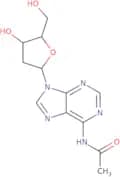



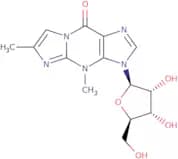
![2'-Deoxyguanosine-[15N5] monohydrate](/_next/image/?url=https%3A%2Fstatic.cymitquimica.com%2Fproducts%2F3D%2Fthumb-webp%2FND170583.webp&w=3840&q=75)

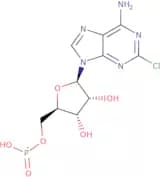
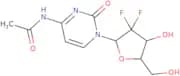
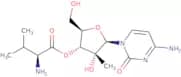
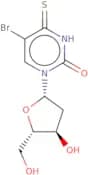
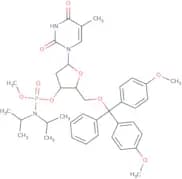
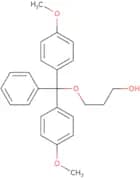


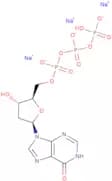

![[(2S,6R)-6-{N4-Benzoylcydin-1-yl}-4-tritylmorpholin-2-yl]methyl dimethyl-phosphoramidochloridate](/_next/image/?url=https%3A%2Fstatic.cymitquimica.com%2Fproducts%2F3D%2Fthumb-webp%2FNB58202.webp&w=3840&q=75)
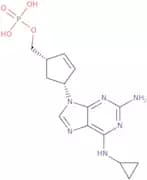
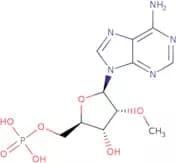

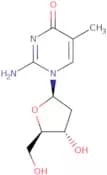

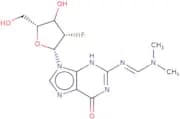
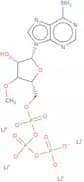

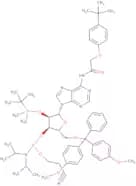
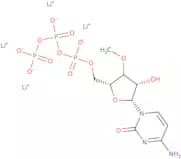

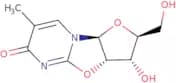
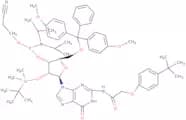
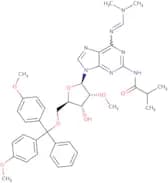

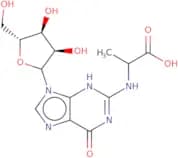
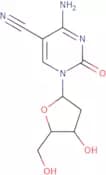
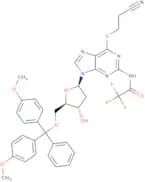
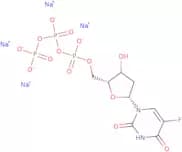
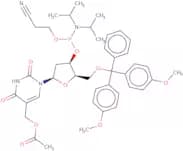
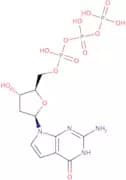
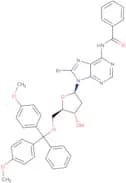
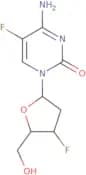
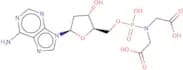
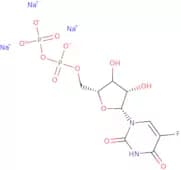
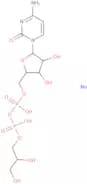

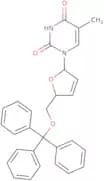
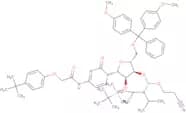
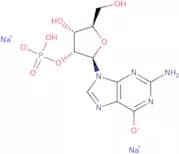
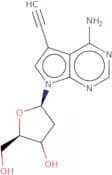


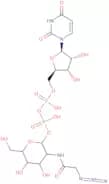
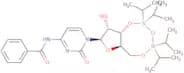
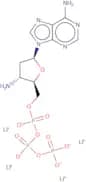

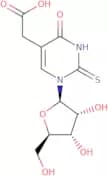
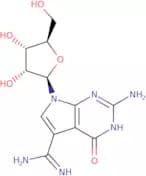
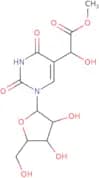
![[(2S,6R)-6-{N2-(Isobutyryl)-O6-(diphenylcarbomoyl)guanin-9-yl}-4-tritylmorpholin-2-yl]methyl dimet…](/_next/image/?url=https%3A%2Fstatic.cymitquimica.com%2Fproducts%2F3D%2Fthumb-webp%2FNI58200.webp&w=3840&q=75)