


Derivados de Quinazolina e Quinolina
As quinazolinas e quinolinas são compostos heterocíclicos contendo nitrogénio, com estruturas aromáticas que desempenham um papel fundamental na síntese de fármacos com atividade anticancerígena, antimicrobiana e anti-inflamatória. Os seus derivados apresentam modificações estruturais que otimizam a biodisponibilidade e a seletividade, permitindo o desenvolvimento de novos princípios ativos para diversas aplicações terapêuticas. Estes compostos são utilizados na fabricação de APIs para o tratamento do câncer, infeções, doenças neurodegenerativas e cardiovasculares. Além disso, os derivados de quinazolina e quinolina são essenciais na investigação de inibidores enzimáticos e no desenvolvimento de moléculas bioativas inovadoras.
Na CymitQuimica, oferecemos derivados de quinazolina e quinolina de alta pureza para aplicações em síntese química, desenvolvimento farmacêutico e biotecnologia.
Foram encontrados 65630 produtos de "Derivados de Quinazolina e Quinolina"
Ordenar por
Pureza (%)
0
100
|
0
|
50
|
90
|
95
|
100
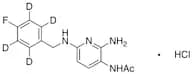
D 13223-d4 (Flupirtine Metabolite)
CAS:Produto Controlado<p>Applications The major active labelled metabolite of Flupirtine in human plasma. A potassium channel opener<br>References Niebch, G., et al.: Arzneim.-Forsch., 42, 1343 (1992), Friedel, H., et al.: Drugs, 45, 548 (1993), Fu, I., et al.: J. Pharm. Biomed. Anal., 18, 347 (1998),<br></p>Fórmula:C14H12D4ClFN4OCor e Forma:NeatPeso molecular:314.784-Methoxy-3-[3-(morpholin-4-yl)propoxy]benzaldehyde
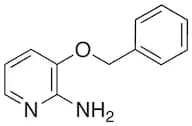
CAS:Produto ControladoFórmula:C15H21NO4Cor e Forma:NeatPeso molecular:279.332-Amino-3-benzyloxypyridine
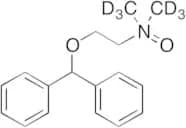
CAS:Produto Controlado<p>Applications 2-Amino-3-benzyloxypyridine is used in preparation of pyridinyl/pyridazinyloxymethyl substituted Raf kinase inhibitors.<br>References Jen, T., et al.: J. Med. Chem., 20, 1258 (1977), Chung, D., et al.: Antican. Res., 11, 1373 (1991),<br></p>Fórmula:C12H12N2OCor e Forma:NeatPeso molecular:200.24Diphenhydramine-d6 N-Oxide
CAS:Produto Controlado<p>Applications A labelled metabolite of Diphenhydramine (D486900) in humans.<br>References Breyer-Pfaff, U., et al.: Drug Metab. Dispos., 25, 340 (1997),<br></p>Fórmula:C17H15D6NO2Cor e Forma:NeatPeso molecular:277.39R-Amisulpride
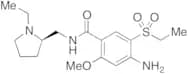
CAS:Produto Controlado<p>Stability Hygroscopic<br>Applications R-Amisulpride is an isomer of the antipsychotic Amisulpride (A633250). R-Amisulprideis a potential antidiabetic agent.<br>References Roix, J.J., et. al.: Diabetes Obesity Metab., 14, 329 (2012)<br></p>Fórmula:C17H27N3O4SCor e Forma:NeatPeso molecular:369.48Telmisartan Amide
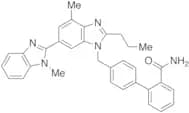
CAS:<p>Impurity Telmisartan EP Impurity F / Telmisartan Amide<br>Applications An amide impurity of Temisartan (D294250).<br>References Xu, G. et al.: Zhong. Yiyao Gong. Zaz., 40, 714 (2009);<br></p>Fórmula:C33H31N5OCor e Forma:NeatPeso molecular:513.63Methyl 4-Amino-3-methylbenzoate
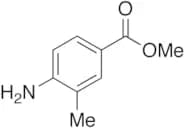
CAS:Produto Controlado<p>Applications Methyl 4-Amino-3-methylbenzoate is used in the synthesis of neuroprotective hydrazides used in the treatment of Alzheimer’s. It is also used in the research and development of diphenylamine-based retinoids.<br>References Chiruta, C. et al.: Bioorg. Med. Chem. Lett., 21, 2733 (2013); Ohta, K. et al.: Bioorg. Med. Chem. Lett., 23, 81 (2013);<br></p>Fórmula:C9H11NO2Cor e Forma:NeatPeso molecular:165.195-Methyl-1,3-benzenediacetonitrile
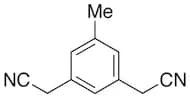
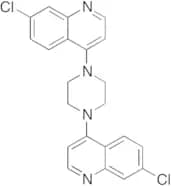
CAS:<p>Impurity Anastrozole 1,3-Dicyanomethyl Impurity<br>Applications 5-Methyl-1,3-benzenediacetonitrile is an Anastrozole intermediate. Anastrozole 1,3-Dicyanomethyl Impurity. Anastrozole is an aromatase inhibitor and used as an antineoplastic.<br>References Plourde, P.V., et al.: Breast Cancer Res. Treat., 30, 103 (1994), Buzdar, A.U., et al.: Cancer, 79, 730 (1997)<br></p>Fórmula:C11H10N2Cor e Forma:NeatPeso molecular:170.211,4-bis(7-Chloroquinolin-4-yl)piperazine
CAS:Produto ControladoFórmula:C22H18Cl2N4Cor e Forma:NeatPeso molecular:409.31N-[1,1-Bis[(acetyloxy)methyl]-3-(4-octylphenyl)propyl]acetamide
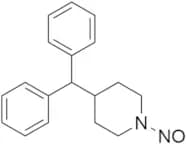
CAS:Produto Controlado<p>Applications N-[1,1-Bis[(acetyloxy)methyl]-3-(4-octylphenyl)propyl]acetamide is derived from Diethyl 2-Acetamidomalonate (D443130), which is a versatile building block used for the synthesis of various pharmaceutical and biologically active compounds. It is an intermediate for the preparation of Novobiocin (N888500) analogues as potential heat shock protein 90 inhibitors.<br>References Gunaherath, G. M., et al.: Bioorg. Med. Chem., 21, 5118 (2013);<br></p>Fórmula:C25H39NO5Cor e Forma:NeatPeso molecular:433.584-(Diphenylmethyl)-1-nitrosopiperidine
CAS:Produto ControladoFórmula:C18H20N2OCor e Forma:NeatPeso molecular:280.37N-(3-Chloro-6,11-dihydro-6-methyl-5,5-dioxidodibenzo[c,f][1,2]thiazepin-11-yl)-β-alanine-d4
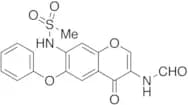
CAS:Produto ControladoFórmula:C17H13D4ClN2O4SCor e Forma:NeatPeso molecular:384.87Iguratimod
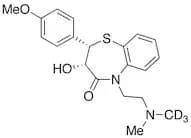
CAS:Produto Controlado<p>Applications Iguratimod acts as an anti-inflammatory agent, used primarily in the treatment of rheumatoid arthritis.<br>References Estellat, C. et al.: Arch. Int. Med., 172, 237 (2012); Du, F. et al.: Arth. Res. Ther., 10 (2008); Tanaka, K. et al.: Rheumatol. Rep., 1, 11 (2009);<br></p>Fórmula:C17H14N2O6SCor e Forma:NeatPeso molecular:374.37Desacetyl Diltiazem-d3
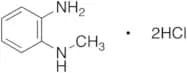
CAS:Produto Controlado<p>Applications A labelled metabolite of Diltiazem (D460620).<br>References Shallcross, H., et al.: Br. Med. J., 295, 1236 (1987), Yeung, P.K.F., et al.: Drug Metab. Dispos., 18, 1055 (1990), Cashman, J.R., et al.: J. Med. Chem., 34,2049 (1991),<br></p>Fórmula:C20H21D3N2O3SCor e Forma:NeatPeso molecular:375.5N-Methyl-o-phenylenediamine, Dihydrochloride
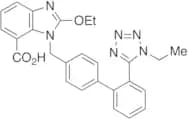
CAS:Produto ControladoFórmula:C7H10N2·2ClHCor e Forma:NeatPeso molecular:195.091H-1-Ethyl Candesartan
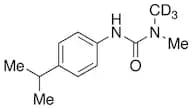
CAS:Produto Controlado<p>Applications Candesartan (C175575) impurity.<br></p>Fórmula:C26H24N6O3Cor e Forma:WhitePeso molecular:468.51Isoproturon-d3
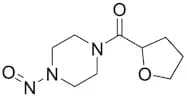
CAS:Produto Controlado<p>Applications Labelled Isoproturon. Pre-and post-emergence herbicide for control of annual grasses and broad-leaved weeds. Herbicide.<br>References Fournier, J.-C., et al.: Chemosphere, 4, 207 (1975), Gonzales, P., et al.: Weed Res., 23, 39 (1983),<br></p>Fórmula:C122H3H15N2OCor e Forma:White To Off-WhitePeso molecular:209.30N-Nitroso Tetrahydrofuroylpiprazine
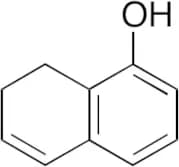
CAS:Produto ControladoFórmula:C9H15N3O3Cor e Forma:NeatPeso molecular:213.2347,8-Dihydro-1-naphthalenol
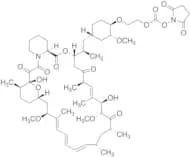
CAS:<p>Stability Light Sensitive, Air (oxygen) Sensitive<br>Applications 7,8-Dihydro-1-naphthalenol can be used as reagent/reactant in stereoselective preparation of indanes via chiral hypervalent iodine - mediated ring contraction of dihydronaphthalenes<br> Not a dangerous good if item is equal to or less than 1g/ml and there is less than 100g/ml in the package<br>References Ahmed, A., & Silva, L. F,: J. Org. Chem., 81, 2174-2181 (2016)<br></p>Fórmula:C10H10OCor e Forma:White To Light YellowPeso molecular:146.19Everolimus NHS-carbonate (>85%)
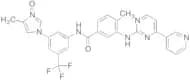
Produto Controlado<p>Applications Everolimus NHS-carbonate is a derivative of Everolimus (E945400), a macrolide immunosuppressant.<br></p>Fórmula:C58H86N2O18Pureza:>85%Cor e Forma:NeatPeso molecular:1099.306Nilotinib 3-Imidazolyl N-oxide
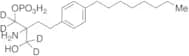
CAS:Produto Controlado<p>Applications 4-Methyl-3-(4-pyridin-3-yl)pyrimidin-2-yl]amino-N-(5-(3-oxo-4-methyl-1H-imidazol-1-yl)-3-(trifluoromethyl)phenyl)benzamine is an impurity compound of Nilotinib (N465300), useful in the treatment of chronic myelogenous leukemia. It is a COVID19-related research product.<br>References Wei-Sheng H., et al.: Synthesis, 14, 2121 (2007); Corbin, A., et al.: J. Biol. Chem., 277, 32214(2002), Golemovic, M., et al.: Clin. Cancer Res., 11, 4941 (2005), Gleixner, K., et al.: Blood, 107, 752 (2006), Nicolini, F., et al.: Leukemia, 20, 1061 (2006),<br></p>Fórmula:C28H22F3N7O2Cor e Forma:NeatPeso molecular:545.52rac FTY720-d4 Phosphate
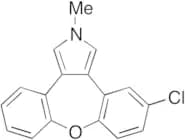
CAS:Produto Controlado<p>Stability Hygroscopic<br>Applications Labelled rac FTY720 (F805010). rac FTY720 is a sphingosine 1-phosphate receptor modular, ameliorates experimental autoimmune encephalomyelitis by inhibition of T cell infiltration.<br>References Igarashi, J., et al.: J. Biol. Chem., 275, 32363 (2000), Bandhuvula, P., et al.: J. Biol. Chem., 280, 33697 (2005),<br></p>Fórmula:C19H30D4NO5PCor e Forma:NeatPeso molecular:391.482,3,3a,12b-Tetradehydro Asenapine
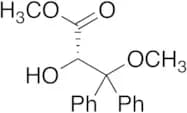
CAS:Produto ControladoFórmula:C17H12ClNOCor e Forma:NeatPeso molecular:281.74(S)-α-Hydroxy-β-methoxy-β-phenyl-benzenepropanoic Acid Methyl Ester
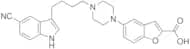
CAS:Produto Controlado<p>Impurity Ambrisentan Hydroxyester Impurity<br>Applications (S)-α-Hydroxy-β-methoxy-β-phenyl-benzenepropanoic Acid Methyl Ester is an impurity in the synthesis of Ambrisentan (A575860), a nonpeptide endothelin ETA receptor antagonist. Antihypertensive. (Ambrisentan Hydroxyester Impurity)<br>References Riechers, H., et al.: J. Med. Chem., 39, 2123 (1996), Billman, G.E., et al.: Curr. Opin. Invest. Drugs, 3, 1483 (2002), Vatter, H., et al.: Clin. Neuropharmacol., 26, 73 (2003),<br></p>Fórmula:C17H18O4Cor e Forma:NeatPeso molecular:286.32Vilazodone Carboxylic Acid
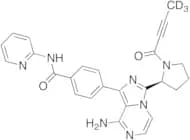
CAS:Produto Controlado<p>Stability Hygroscopic<br>Applications Vilazodone Carboxylic Acid is the carboxylic acid impurity and an intermediate in the preparation of the antidepressant Vilazodone (V265000).<br>References Heinrich, T. et al.: J. Med. Chem., 47, 4684 (2004); Hu, B. et al.: Org. Proc. Res. Dev., 16, 1552 (2012);<br></p>Fórmula:C26H26N4O3Cor e Forma:NeatPeso molecular:442.51Aprepitant-13C2,d2 (Major)
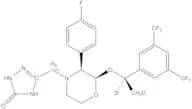
CAS:Produto Controlado<p>Applications This product is deuterated at the 1 position and on the ajacent methyl. The 1 position is the benylic position of the bis(trifluoromethyl) phenyl. This compound has a mixture of 1 to 4 deuterium atoms, there is no detectable unlabeled material.Aprepitant is a structurally novel substance P neurokinin 1 (NK1) receptor antagonist. In vitro studies using human liver microsomes indicate that aprepitant is metabolised primarily by CYP3A4 with minor metabolism by CYP1A2 and CYP2C19, and no metabolism by CYP2D6, CYP2C9, or CYP2E1.<br>References Hale, J.J., et al.: J. Med. Chem., 41, 4607 (1998), Campos, D., et al.: J. Clin. Oncol., 19, 1759 (2001), Van Belle, S., et al.: Cancer, 94, 3032 (2002), Majumdar, A.K., et al.: J. Clin. Pharmacol., 46, 291 (2006),<br></p>Fórmula:C2113C2H19D2F7N4O3Cor e Forma:Off White SolidPeso molecular:538.422-(6-Methoxy-2-naphthyl)acetonitrile
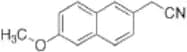
CAS:Produto Controlado<p>Applications 2-(6-Methoxy-2-naphthyl)acetonitrile (cas# 71056-96-7) is a compound useful in organic synthesis.<br></p>Fórmula:C13H11NOCor e Forma:NeatPeso molecular:197.237-Demethyl Ivabradine Hydrochloride
CAS:Produto Controlado<p>Applications Ivabradine (I940500) metabolite.<br>References Duffull, S., et al.: Eur. J. Pharm. Sci., 10, 285 (2000), Portoles, A., et al.: J. Clin. Pharmacol., 46, 1195 (2006),<br></p>Fórmula:C26H34N2O5·HClCor e Forma:NeatPeso molecular:491.02ent-Rotigotine
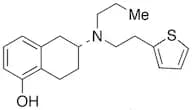
CAS:<p>Applications It is a non-ergot dopamine agonist drug and is indicated for the treatment of Parkinson’s disease.<br>References Loschmann, P., et al.: Eur. J. Pharmacol., 166, 373 (1989), Edgar, D., et al.: J. Pharmacol. Exp. Ther., 283, 757 (1997), Ferreira, J., et al.: Lancet, 355, 1333 (2000), Arnulf, I., et al.: Neurology, 58, 1019 (2002), Wisor, J., et al.: Neuroscience, 132, 1027 (2005),<br></p>Fórmula:C19H25NOSCor e Forma:Brown OilyPeso molecular:315.472-epi-Darunavir
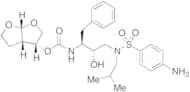
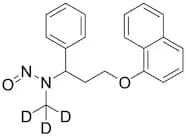
CAS:<p>Applications 2-epi-Darunavir is a stereoisomer to Darunavir (D193500), a second generation HIV-1-protease inhibitor; structurally similar to amprenavir. Antiviral. It is a COVID19-related research product.<br>References Rao, R.N., et. al.: J. Sep. Sci., 35, 2671 (2012); Koh, Y., et al.: Antimicrob. Agents Chemother., 47, 3123 (2003); Arasteh, K., et al.: AIDS, 19, 943 (2005); Surleraux, D.L.N.G., et al.: J. Med. Chem., 48, 1813 (2005)<br></p>Fórmula:C27H37N3O7SCor e Forma:NeatPeso molecular:547.66rac N-Nitroso-N-Desmethyl Dapoxetine-D3
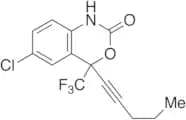
Produto ControladoFórmula:C20D3H17N2O2Cor e Forma:NeatPeso molecular:323.404rac 6-Chloro-1,4-dihydro-4-(1-pentynyl)-4-(trifluoromethyl)-2H-3,1-benzoxazin-2-one
CAS:Produto Controlado<p>Applications An Efavirenz (E425000) impurity.<br></p>Fórmula:C14H11ClF3NO2Cor e Forma:Off White SolidPeso molecular:317.692-[(4,6-Dimethyl-2-pyrimidinyl)oxy]-3,3-diphenyl-2-propenoic Acid
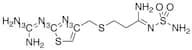
CAS:Produto Controlado<p>Impurity Ambrisentan Impurity E<br>Applications 2-[(4,6-Dimethyl-2-pyrimidinyl)oxy]-3,3-diphenyl-2-propenoic Acid is an acrylic acid derivative that can be used as an endothelin receptor antagonist useful for treating hypertension or pulmonary artery hypertension. Ambrisentan Impurity E<br>References Zhang, D., et al.: Faming Zhuanli Shenqing. CN 102093286 A 20110615. Jun 15, 2011<br></p>Fórmula:C21H18N2O3Cor e Forma:White To Off-WhitePeso molecular:346.38Famotidine-13C3
CAS:Produto Controlado<p>Applications Labelled Famotidine. Histamine H2-receptor antagonist. Antiulcerative.<br>References Takeda, M., et al.: Arzneim.-Forsch., 32, 734 (1982), Miwa, M., et al.: J. Clin. Pharmacol. Ther. Toxicol., 22, 214 (1984), Takabatke, T., et al.: Eur. J. Clin. Pharmacol., 28, 327 (1985),<br></p>Fórmula:C513C3H15N7O2S3Cor e Forma:NeatPeso molecular:340.4231-Oxo Everolimus (~80%)
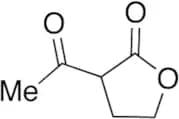
Produto ControladoFórmula:C53H81NO14Pureza:~80%Cor e Forma:NeatPeso molecular:956.212-Acetylbutyrolactone
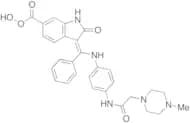
CAS:Produto Controlado<p>Applications An intermediate in the synthesis of 2,4-disubstituted pyridines. A fluorogenic reagent for the spectrofluorimetric determination of primary amines.<br>References Toche, R.B. et al.: H. Heterocyclic Chem., 45, 1711 (2008); Sabry, S.M., J. Pharm. Biomed. Anal., 40, 1057 (2006);<br></p>Fórmula:C6H8O3Cor e Forma:NeatPeso molecular:128.13Desmethyl Nintedanib Carboxylic Acid (Nintedanib Impurity A)
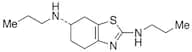
Produto Controlado<p>Applications Desmethyl Nintedanib Carboxylic Acid is an impurity of Intedanib (I666650), which is an indolinone derivative potently blocking VEGF-, PDGF-, and FGF-receptor kinases. it is an indolinone as triple angiokinase inhibitors and an antitumor agent.<br>References Sun, L., et al.: J. Med. Chem., 41, 2588 (1998); Xie, H., et al.: J. Med. Chem., 50, 4898 (2007); Hilberg, F., et al.: Cancer Res., 68, 4774 (2008); Roth, G., et al.: J. Med. Chem., 58, 1053 (2015)<br></p>Fórmula:C29H29N5O5Cor e Forma:NeatPeso molecular:527.572-N-Propyl Pramipexole
CAS:Produto Controlado<p>Impurity Pramipexole EP Impurity B; Pramipexole BP Impurity B<br>Applications 2-N-Propyl Pramipexole (Pramipexole EP Impurity B; Pramipexole BP Impurity B) is a Pramipexole derivative.<br></p>Fórmula:C13H23N3SCor e Forma:NeatPeso molecular:253.411,4-Bis[(tetrahydro-2-furanyl)carbonyl]-piperazine
CAS:<p>1,4-Bis[(tetrahydro-2-furanyl)carbonyl]-piperazine is a synthetic drug product. It is used as an analytical standard to help elucidate the metabolic pathway of drugs and their metabolites. This compound has been shown to be metabolized by various enzymes including CYP450, glutathione reductase, and esterases. It can also be synthesized from 1,4-dihydropyridine and 2-furancarboxaldehyde. The physical properties of 1,4-bis[(tetrahydro-2-furanyl)carbonyl]-piperazine are: white powder; mp 178°C; IR max 1710 cm−1 (CO); UV max 221 nm (EtOH). The impurities in this product are: 1-(2H)-Quinolinone (CAS No. 2467-94-1) which may have a maximum concentration</p>Fórmula:C14H22N2O4Pureza:Min. 95%Peso molecular:282.34 g/molChloromethyl olanzapinium chloride
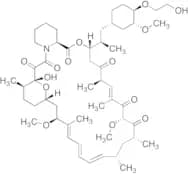
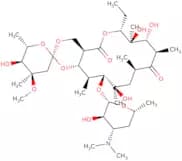
CAS:<p>Chloromethyl olanzapinium chloride is an analytical reference material that can be used as a standard for HPLC-UV analysis. It is also used in the development of new drugs and as an impurity standard during drug manufacturing. Chloromethyl olanzapinium chloride has been shown to be a metabolite of Olanzapine, which is a niche drug product that is not commercially available. Chloromethyl olanzapinium chloride is listed by the USP, EP and JP as a drug product impurity. It can be synthesized from natural or synthetic sources.</p>Fórmula:C18H22Cl2N4SPureza:Min. 95%Cor e Forma:PowderPeso molecular:397.37 g/molErythromycin E
CAS:<p>Erythromycin E is a diluent that is used to make erythromycin solutions. It has been shown to have bioactive molecules by incubating it with chromatographic methods. These bioactive molecules are conjugates of erythromycin and methyl ethyl groups. Erythromycin E has also been shown to have genetic mechanisms, which may relate to its ability to inhibit the synthesis of inflammatory cytokines such as IL-1β and IL-8 in the airways. The acetate extraction method is used for the production of erythromycin E. This process involves extracting erythromycin from Streptomyces bacteria grown in an acetate buffer solution.</p>Fórmula:C37H65NO14Pureza:Min. 95%Cor e Forma:Off-White SolidPeso molecular:747.91 g/mol1-Phenyl-1,2,3,4-tetrahydro-isoquinoline
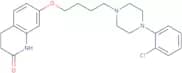
CAS:<p>1-Phenyl-1,2,3,4-tetrahydro-isoquinoline is a synthetic compound which has been used as a lead compound for the development of drugs with dopamine β-hydroxylase inhibitory activity. In vitro studies have shown that 1-phenyl-1,2,3,4-tetrahydro-isoquinoline inhibits human serum dopamine β-hydroxylase and can be used to study the possible role of this enzyme in Parkinson's disease. This drug is racemized in the body and has been found to be effective against Parkinson's disease in rats. It is also an enantiomer that has industrial applications for the production of polyurethane foam insulation coatings.</p>Fórmula:C15H15NPureza:Min. 95%Cor e Forma:PowderPeso molecular:209.29 g/molDeschloro aripiprazole
CAS:<p>Deschloro aripiprazole is a drug product that has been analyzed for impurities. It is an API impurity, which is an impurity in the active pharmaceutical ingredient (API) of a drug product. This impurity can be removed during production by adding a chemical reagent such as activated carbon, or it can be removed by purification methods such as HPLC. Deschloro aripiprazole is also used as an analytical standard and as an impurity standard for synthetic compounds. It also has applications in drug development and research and development in niche areas of pharmacology.</p>Fórmula:C23H28ClN3O2Pureza:Min. 95%Peso molecular:413.94 g/mol3’-Destrifluoromethyl 2’-trifluoromethyl cinacalcet
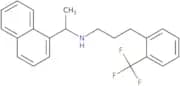
CAS:<p>3' - Destrifluoromethyl 2' - trifluoromethyl cinacalcet is a metabolite of cinacalcet, which is a drug used for the treatment of secondary hyperparathyroidism. It is an impurity in the drug product and can be identified by HPLC.</p>Fórmula:C22H22F3NPureza:Min. 95%Peso molecular:357.41 g/molSolifenacin EP impurity F succinate
CAS:<p>Solifenacin is an anti-cholinergic drug that has been shown to have a potent antagonistic effect on muscarinic receptors. It is used in the treatment of overactive bladder, urinary incontinence, and irritable bowel syndrome. Solifenacin succinate is a metabolite of solifenacin and it has been found to be an antagonist of M3 muscarinic receptors. The presence of solifenacin and its metabolites in wastewater can interfere with treatment processes by inhibiting the removal of other organic chemicals such as tamsulosin hydrochloride. Optimisation studies for solifenacin production have shown that famotidine can be used as a process aid to reduce solifenacin impurities. Famotidine is also an antagonist of M3 muscarinic receptors and can be used to remove solifenacin from wastewater. Analytes detected in wastewater samples include solifenacin, famot</p>Fórmula:C27H32N2O6Pureza:Min. 95%Peso molecular:480.55 g/molDes(oxopentyl) valsartan benzyl ester
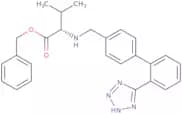
CAS:<p>Des(oxopentyl) Valsartan Benzyl Ester is an analytical standard for the drug valsartan. It is a white to off-white, crystalline powder that is soluble in methanol and acetone. This compound can be used as an HPLC standard, or as an impurity standard in the development of valsartan drugs. Des(oxopentyl) Valsartan Benzyl Ester also has niche uses in natural product isolation and synthetic organic chemistry. It is a metabolite of des(oxopentyl)valsartan, which is a prodrug of valsartan.</p>Fórmula:C26H27N5O2Pureza:Min. 95%Peso molecular:441.53 g/molCyamemazine sulfoxide
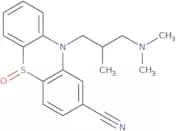
CAS:<p>Cyamemazine sulfoxide is a histamine H1 receptor antagonist. It has been shown to have strong affinity for the serotonin 5-HT2C and dopamine D2 receptors, as well as the atrial 5-HT2A receptors. Cyamemazine sulfoxide has a low oral bioavailability of about 10% and is metabolized in the liver to cyamemazine and its active form, cyamemazine sulfoxide. Cyamemazine sulfoxide binds to serotonin 5-HT2C receptors with a high affinity, which leads to inhibition of serotonin release from nerve endings in the brain. This drug also inhibits dopamine release from nerve endings in the brain and has been shown to have cardiac effects on heart rate and contractility.</p>Fórmula:C19H21N3OSPureza:Min. 95%Peso molecular:339.46 g/molBenserazide EP Impurity B hydrochloride
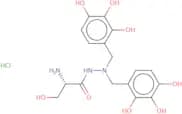
<p>Please enquire for more information about Benserazide EP Impurity B hydrochloride including the price, delivery time and more detailed product information at the technical inquiry form on this page</p>Fórmula:C17H21N3O8•HClPureza:Min. 95%Peso molecular:431.83 g/mol4',4'''-[(4'-Methyl-2'-propyl[2,6'-bi-1H-benzimidazole]-1,1'-diyl)bis(methylene)]bis[1,1'-biphenyl]-2-carboxylic acid
CAS:<p>4',4'''-[(4'-Methyl-2'-propyl[2,6'-bi-1H-benzimidazole]-1,1'-diyl)bis(methylene)]bis[1,1'-biphenyl]-2-carboxylic acid is an analytical reagent that is used in research and development as a drug product impurity standard. This compound has been shown to be metabolized by cytochrome P450 1A1 and 2C8 to form 4-hydroxybenzoic acid and 4,4''-[(4'-methyl-2' propyl-[2,6']bi-1H-benzimidazol-1,1' diyl)bis(methylene)]bis[3-(4-hydroxyphenyl)-propionic acid], respectively. 4',4''-[(4'-Methyl-2' propyl-[2,6']bi-1</p>Fórmula:C46H38N4O4Pureza:Min. 95%Peso molecular:710.82 g/molAmido methyl meloxicam
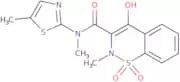
CAS:<p>Amido methyl meloxicam is a synthetic nonsteroidal anti-inflammatory drug. It is used to relieve inflammation and pain. Amido methyl meloxicam is chemically similar to the naturally occurring substance, meclofenamic acid, but it does not have the same side effects.<br>Amido methyl meloxicam is metabolized in the liver by CYP3A4/5 and then excreted by the kidneys.</p>Fórmula:C15H15N3O4S2Pureza:Min. 95%Peso molecular:365.43 g/molN-Desmethyltoremifene
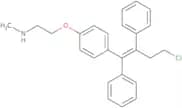
CAS:<p>N-Desmethyltoremifene is an anti-estrogen that has been shown to have genotoxic effects. It inhibits DNA synthesis and protein synthesis in human breast cancer cells. N-Desmethyltoremifene is a potent inducer of CYP3A4, which metabolizes many drugs. This drug also binds to α1-acid glycoprotein, which can lead to reduced plasma concentrations and pharmacokinetics. N-Desmethyltoremifene has been shown to inhibit the growth of renal cell carcinoma in animals, but not normal tissue, at high doses.</p>Fórmula:C25H26ClNOPureza:Min. 95%Peso molecular:391.93 g/molLevofloxacin carboxylic acid
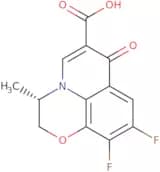
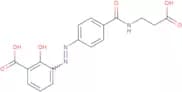
CAS:<p>Levofloxacin is a synthetic molecule with an asymmetric carbon atom in its heterocycle. It is synthesized by reacting chloroform with 2-fluoro-5-nitrobenzaldehyde, which reacts further with sodium hydroxide and hydrochloric acid to form the levofloxacin carboxylic acid. Impurities can be found in the reaction product due to chlorine atoms that are formed during the synthesis. The amount of impurities present in the final product can be determined using a titration method or through HPLC analysis. Levofloxacin has been shown to be effective against methicillin-resistant Staphylococcus aureus (MRSA) and Clostridium perfringens, although is not active against acid-fast bacteria such as Mycobacterium tuberculosis or Mycobacterium avium complex.</p>Fórmula:C13H9F2NO4Pureza:Min. 95%Cor e Forma:PowderPeso molecular:281.21 g/mol2-O-[4-[[(2-Carboxyethyl)amino]carbonyl]phenyl] balsalazide
CAS:<p>2-O-[4-[[(2-Carboxyethyl)amino]carbonyl]phenyl] balsalazide is a drug product that has been custom synthesized and purified to high purity. It is an analytical standard for metabolism studies. This compound is metabolized through a number of metabolic transformations, including hydrolysis by esterases or glucuronidases, oxidation by cytochrome P450 enzymes, reduction by glutathione reductase, or conjugation with glucuronic acid. 2-O-[4-[[(2-Carboxyethyl)amino]carbonyl]phenyl] balsalazide is also used as a pharmacopoeia impurity standard and as a research and development HPLC standard.</p>Fórmula:C27H24N4O9Pureza:Min. 95%Peso molecular:548.5 g/mol[4-(4-Amino-6-hydroxy-7-methoxy-2-quinazolinyl)-1-piperazinyl](tetrahydro-2-furanyl)-methanone
CAS:<p>4-(4-Amino-6-hydroxy-7-methoxy-2-quinazolinyl)-1-piperazinyl](tetrahydro-2-furanyl)-methanone (CAS No. 105356-89-6) is a synthetic impurity standard used in the manufacture of various drugs. Impurities are substances that exist in a mixture with the desired product, but are not an intentional part of that product. Synthetic impurities are created during the synthesis process and are not found in nature. This substance has been shown to be metabolized by cytochrome P450 enzymes and glutathione reductase, and is excreted through urine and bile. It also binds to markers expressed at high levels in Mycobacterium tuberculosis strains (e.g., ESX-1 secretion system protein) and inhibits cell growth in culture.</p>Fórmula:C18H23N5O4Pureza:Min. 95%Peso molecular:373.41 g/mol4'-[(1,4'-Dimethyl-2'-propyl[2,6'-bi-1H-benzimidazol]-1'-yl)methyl][1,1'-biphenyl]-2-carboxamide
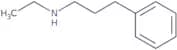
CAS:<p>Imatinib is a drug substance that belongs to the class of imidazole and phenylpiperidine derivatives. It is used in the treatment of leukemia and other cancers. Imatinib has been shown to inhibit tumor cell proliferation by inhibiting protein synthesis via inhibition of ribosomal activity, leading to cell death. Imatinib also inhibits the activation of PPARγ, an important transcription factor involved in lipid metabolism. The presence of impurities may affect the therapeutic efficacy or safety of this drug, so it is important to know what impurities are present in order to avoid unexpected side effects.</p>Fórmula:C33H31N5OPureza:Min. 95%Peso molecular:513.63 g/molAlverine EP Impurity C
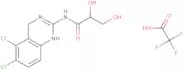
CAS:<p>Alverine EP Impurity C is a by-product of the synthesis of alverine, which is an ammonium salt. The process involves the use of high yield, high purity triflic acid, and organic solvents. The reaction system is typically carried out in a solvent such as toluene or dichloromethane. The organic solvent is then removed by filtration and the desired product can be obtained by crystallization or recrystallization. Alverine EP Impurity C has been shown to have insecticidal properties when applied externally, due to its interaction with insect stereoisomers. It also has anticancer activity and may be used in cancer therapy treatments that involve decompressing tumours and increasing blood supply to the area. Alverine EP Impurity C also has a citric acid binding property that makes it insoluble in water.</p>Fórmula:C11H17NPureza:Min. 95%Peso molecular:163.26 g/molN-(5,6-Dichloro-1,4-dihydro-2-quinazolinyl)-2,3-dihydroxypropanamide 2,2,2-trifluoroacetate
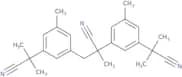
CAS:<p>N-(5,6-Dichloro-1,4-dihydro-2-quinazolinyl)-2,3-dihydroxypropanamide 2,2,2-trifluoroacetate is an analytical reference standard that can be used as a high purity drug product impurity in HPLC. It also has niche application as an API impurity and is a metabolite of the drug quinine.</p>Fórmula:C13H12Cl2F3N3O5Pureza:Min. 95%Peso molecular:418.15 g/molDi-destriazole anastrozole dimer impurity
CAS:<p>Di-destriazole anastrozole dimer impurity is a synthetic impurity that is created during the synthesis of anastrozole. It has been studied as a possible metabolite of the drug, but its role in metabolism is not well understood. Di-destriazole anastrozole dimer impurity is soluble in water and methanol and has a melting point of between 1°C to 2°C. The purity of this compound is typically at least 99% with a specific gravity of 1.043 g/mL.</p>Fórmula:C26H29N3Pureza:Min. 95%Peso molecular:383.53 g/molN-[(3-Trifluoromethyl)phenyl)propyl] cinacalcet HCl
CAS:<p>N-[(3-Trifluoromethyl)phenyl)propyl] cinacalcet HCl is an analytical standard that is used as a HPLC impurity standard and an impurity in the synthesis of pharmaceutical drugs. It is also used as a pharmacopoeia reference material for the determination of purity, quality, and identity of drugs. This compound has been assigned a CAS number of 1271930-15-4 (free base). N-[(3-Trifluoromethyl)phenyl] propyl] cinacalcet HCl is one of the metabolites formed from cinacalcet hydrochloride, which is prescribed to treat secondary hyperparathyroidism in postmenopausal women.</p>Fórmula:C32H31F6N·HClPureza:Min. 95%Peso molecular:580.05 g/mol2,12-Dihydro-1,3-dimethyl-9-methoxy-12-thioxobenzo [4,5] pyrido [1,2-c] imidazo [1,2-a] imidazol-2-one
CAS:<p>2,12-Dihydro-1,3-dimethyl-9-methoxy-12-thioxobenzo [4,5] pyrido [1,2-c] imidazo [1,2-a] imidazol-2-one is a synthetic compound that has not been evaluated in humans. This compound is an impurity standard for the synthesis of an API. The purity of this compound is >98% and it has been shown to be stable under acidic conditions.</p>Fórmula:C16H13N3O2SPureza:Min. 95%Peso molecular:311.36 g/molDolasetron Mesylate
CAS:<p>Dolasetron Mesylate (MDL-73147EF) is an antagonist of the 5-HT3 receptor and can be used in research on the treatment of vomiting and nausea following</p>Fórmula:C20H24N2O6SPureza:99.05%Cor e Forma:White PowderPeso molecular:420.484'-(Bromomethyl)-[1,1'-biphenyl]-2-carboxamide
CAS:<p>4'-(Bromomethyl)-[1,1'-biphenyl]-2-carboxamide is a custom synthesis drug product. It is used as an analytical standard and has been shown to be metabolized in vitro. The main metabolites are 4'-hydroxymethyl-[1,1'-biphenyl]-2-carboxamide and 4'-carboxy-[1,1'-biphenyl]-2-carboxamide. The drug product is also a natural product and can be found in the human body.</p>Fórmula:C14H12BrNOPureza:Min. 95%Peso molecular:290.16 g/molBalsalazide 3-isomer
CAS:<p>Balsalazide 3-isomer (BZ3) is a diacid that is used as an anti-hypertensive drug. BZ3 has been shown to be a prodrug of balsalazide, which is converted in vivo to the active form by hydrolysis of the ester linkage. The prodrug approach was designed to provide an orally available agent for use in patients with colitis and ulcerative colitis. The synthetic process begins with the reaction of salicylic acid and bisoprolol to form the ester product, which then undergoes a second reaction with acetyl chloride to form the acyl chloride intermediate. This intermediate reacts with balsalazide and yields BZ3 when heated to high temperatures. BZ3 contains no impurities because it is synthesized from pure starting materials, whereas commercially available balsalazide may contain impurities such as salicylic acid or colitis.</p>Fórmula:C17H15N3O6Pureza:Min. 95%Peso molecular:357.32 g/molMirtazapine N-oxide
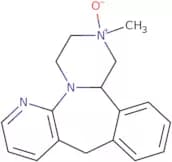
CAS:<p>Mirtazapine N-oxide is an antidepressant agent that is metabolized to mirtazapine. Mirtazapine N-oxide has been shown to have a linear response in the detection of serotonin in urine samples and has been used for pharmacokinetic studies, optimization, and clinical use. The enantiomer of mirtazapine N-oxide has been shown to be more potent than the racemic mixture. The drug is excreted unchanged into the urine with a half-life of 2 hours. Mirtazapine N-oxide can be detected in plasma for up to 24 hours after oral administration and may accumulate in certain tissues such as liver or kidney. This drug has also been shown to cause death in mice at very high doses.</p>Fórmula:C17H19N3OPureza:Min. 95%Peso molecular:281.35 g/molChlorhexidine digluconate EP Impurity L
<p>Chlorhexidine digluconate EP Impurity L is a metabolite of chlorhexidine digluconate. It is an impurity found in the drug product, which is used for the treatment of skin and mucous membrane infections. The mechanism of action for chlorhexidine digluconate EP Impurity L is not known. However, it has been shown to be metabolized by CYP3A4 and CYP2C9 enzymes to form chlorhexidine acetate, a metabolite that inhibits bacterial growth, and hydrolyzed by esterases to form 2-hydroxychlorhexidine acetate. This metabolite has been found in the urine of rats following oral administration with chlorhexidine digluconate EP Impurity L.</p>Fórmula:C13H15ClN2O6Pureza:Min. 95%Peso molecular:330.72 g/mol(aR)-a-Methyl-N-[3-[4-(trifluoromethyl)phenyl]propyl]-1-naphthalenemethanamine
CAS:<p>(aR)-a-Methyl-N-[3-[4-(trifluoromethyl)phenyl]propyl]-1-naphthalenemethanamine is a synthetic drug product that is used in research and development. It has been shown to have an analytical purity of 99.8%.</p>Fórmula:C22H22F3NPureza:Min. 95%Peso molecular:357.41 g/molPantoprazole sulfone N-oxide
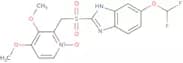
CAS:<p>Pantoprazole sulfone N-oxide is a prodrug that is converted to the active form pantoprazole in the stomach where it inhibits gastric acid secretion. Pantoprazole sulfone N-oxide has been shown to be genotoxic, and can cause polyvinyl chloride to degrade when stored together. Reconstituted solution of this drug should be used within 24 hours after reconstitution, as the chemical stability of this drug decreases rapidly. Validation studies have been conducted on different analytical methods for determining pantoprazole concentrations in reconstituted solutions, and these methods have been harmonized with those published by the United States Pharmacopeia (USP). The pump inhibitor activity of pantoprazole sulfone N-oxide has been demonstrated in dogs, and it is also useful for treating acid reflux disease in humans. Pantoprazole sulfone N-oxide is unstable at high temperatures (>25°C), so should not be refrigerated or</p>Fórmula:C16H15F2N3O6SPureza:Min. 95%Peso molecular:415.37 g/mol1-[4-(4-Amino-6,7-dimethoxy-2-quinazolinyl)-1-piperazinyl]-2-hydroxy-1-pentanone
CAS:<p>1-[4-(4-Amino-6,7-dimethoxy-2-quinazolinyl)-1-piperazinyl]-2-hydroxy-1-pentanone (DMPP) is an analog of the antiarrhythmic drugs flecainide and propafenone. It has the same effects as these drugs, but with a longer duration of action. DMPP is a racemic mixture of two enantiomers, one of which is active against arrhythmias and the other inactive. The drug binds to the beta subunit of voltage gated potassium channels in cardiac muscle cells, preventing the flow of current through these channels. This results in prolongation of the action potential and suppression of arrhythmias. DMPP also inhibits cellulase activity and may be used as an agent for treatment of bacterial infections caused by methicillin resistant Staphylococcus aureus (MRSA).</p>Fórmula:C19H27N5O4Pureza:Min. 95%Peso molecular:389.45 g/molPhenobarbital impurity A
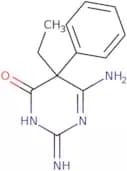
CAS:<p>Phenobarbital impurity A is a drug product that can be synthesized by Custom synthesis, and is available in high purity. It has been used for metabolic studies and as an analytical standard. Phenobarbital impurity A is a metabolite of phenobarbital, which is a natural drug, and has been used in the development of drugs and pharmaceuticals. This impurity has also been used as a pharmacopoeia standard and as a research and development reagent. CAS No. 69125-70-8</p>Fórmula:C12H14N4OPureza:Min. 95%Cor e Forma:PowderPeso molecular:230.27 g/molValdecoxib 3'-sulfonamide
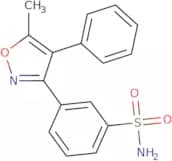
CAS:<p>Valdecoxib 3'-sulfonamide is a synthetic, non-naturally occurring drug product that has been custom synthesized for the purposes of research and development. It is not a natural API nor is it an impurity standard. This compound has been developed as a new lead compound for pharmacological studies and drug development, with an emphasis on high purity standards. The CAS number for this compound is 1373038-56-2.</p>Fórmula:C16H14N2O3SPureza:Min. 95%Peso molecular:314.36 g/molPantoprazole impurity
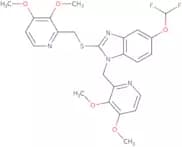
CAS:<p>Pantoprazole is a proton pump inhibitor. It is used in the treatment of gastroesophageal reflux disease and other conditions involving excessive stomach acid production. The chemical name for Pantoprazole impurity is (E)-1-(4-chlorophenyl)ethyl-3-[(pyrrolidin-2-yl)oxy]propanediol. This substance is an enantiomer of pantoprazole, which has been determined to be inactive. Pantoprazole impurity can be identified by its melting point, crystallizing habit, and optical rotation. Active carbon filtration can be used to remove this substance from the final product.</p>Fórmula:C24H24F2N4O5SPureza:Min. 95%Peso molecular:518.53 g/molCaptopril EP Impurity N
CAS:<p>Captopril EP Impurity N is a synthetic impurity found in Captopril EP, which is used as a drug product for the treatment of hypertension. The impurity standard for Captopril EP Impurity N is available on request.</p>Fórmula:C8H14O4S2Pureza:Min. 95%Peso molecular:238.33 g/molMontelukast Bis-sulfide(mixture of diastereomers)
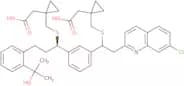
CAS:<p>Montelukast Bis-sulfide is a drug product that is custom synthesized with high purity. It has been studied for its metabolism, analytical properties, and natural sources. The metabolite of montelukast bis-sulfide has been extensively researched for pharmacopoeia as well as for drug development. Montelukast bis-sulfide is a synthetic compound that is not found in nature, but it has niche applications in research and development. CAS No.: 1242260-05-4</p>Fórmula:C41H46ClNO5S2Pureza:Min. 95%Peso molecular:732.39 g/molRopivacaine N-Oxide
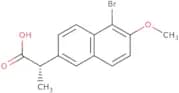
CAS:<p>Ropivacaine N-Oxide is a synthetic drug used to relieve pain during surgery. It is metabolized by the liver, with metabolites excreted in the urine. Ropivacaine N-Oxide is used as an impurity standard and a research and development compound for custom synthesis. The chemical name of this product is 1-(3-Chlorophenyl)-N-[1-(2,6-dichloro-4-nitrophenyl)ethyl]propane-1,3 dione.</p>Fórmula:C17H26N2O2Pureza:Min. 95%Cor e Forma:SolidPeso molecular:290.4 g/molNaproxen Impurity C
CAS:<p>Naproxen Impurity C is an analytical impurity that is found in Naproxen. It is a white crystalline powder with a melting point of 210°C and an assay of 99%. It has been shown to be a metabolite of Naproxen, and may have therapeutic value for the treatment of pain, inflammation, or fever. The purity of this product has been verified by HPLC analysis.</p>Fórmula:C14H13BrO3Pureza:Min. 95%Peso molecular:309.16 g/mol2-[[4-[2-(Cyclopropylmethoxy)ethyl]phenoxy]methyl]oxirane
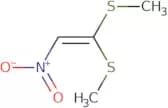
CAS:<p>2-[4-[2-(Cyclopropylmethoxy)ethyl]phenoxy]methyloxirane is a metabolite of the drug product 2-[[4-[2-(Cyclopropylmethoxy)ethyl]phenoxy]methyl]oxirane. It is an impurity in the drug product, which is a pharmaceutical intermediate that has been shown to have pharmacological properties. The CAS number for this compound is 63659-17-6 and it has been assigned the Chemical Abstracts Service (CAS) number of 63659-17-6. This compound has been characterized using HPLC and GC/MS methods.</p>Fórmula:C15H20O3Pureza:Min. 95%Peso molecular:248.32 g/mol1,1-Bis-(methylthio)-2-nitroethene
CAS:<p>1,1-Bis-(methylthio)-2-nitroethene is a versatile molecule that can be used as an imine. It is synthesized by reacting trifluoromethanesulfonic acid with the amine in the presence of a base. The imine product has been shown to bind to amines and is therefore a potential drug candidate for prostate cancer cells. 1,1-Bis-(methylthio)-2-nitroethene reacts with triflic acid to produce an intramolecular hydrogen bond, leading to its efficient synthesis. The resulting compound then undergoes reactions that are characterized by nmr spectra and profiles. This functional group is inhibitory against prostate cancer cell lines at high concentrations, although it has no effect on other cell lines.</p>Fórmula:C4H7NO2S2Pureza:Min. 95%Peso molecular:165.24 g/molN,N-Bis[2-(2-hydroxyethoxy)ethyl] quetiapine chloride
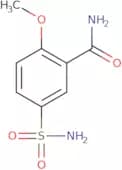
<p>N,N-Bis[2-(2-hydroxyethoxy)ethyl] quetiapine chloride is a synthetic drug product with a purity of >98% and low impurity content, which is used in research and development. It can be custom synthesized to meet the needs of a particular research or development project. This compound has an analytical purity of >98% and low impurity content, making it suitable for use as an API impurity standard. N,N-Bis[2-(2-hydroxyethoxy)ethyl] quetiapine chloride is not currently regulated by any pharmacopoeia.</p>Fórmula:C25H34ClN3O4SPureza:Min. 95%Peso molecular:508.07 g/mol2-Methoxy-5-sulfamoylbenzamide
CAS:<p>2-Methoxy-5-sulfamoylbenzamide is a white crystalline solid that is soluble in water. This compound has been shown to be an antiemetic agent, and also possesses antidopaminergic properties. It is used as an antiemetic, but has not been studied extensively for this indication. 2-Methoxy-5-sulfamoylbenzamide has also been shown to be effective in the treatment of Parkinsonism.</p>Fórmula:C8H10N2O4SPureza:Min. 95%Peso molecular:230.24 g/mol[4-(4-Amino-7-hydroxy-6-methoxy-2-quinazolinyl)-1-piperazinyl](tetrahydro-2-furanyl)-methanone
CAS:<p>3-amino-2,6-dimethoxy-4-(4-amino-7-hydroxy-6-methoxyquinazolin-2(1H)-yl)piperazine (DMQA) is a synthetic compound. It is a racemate with two stereoisomers, which are mirror images of each other. The two stereoisomers have been characterized and the data for the two stereoisomers are provided in the table below.</p>Fórmula:C18H23N5O4Pureza:Min. 95%Peso molecular:373.41 g/mol3-[2-[4-(1,2-Benzisoxazol-3-yl)-1-piperidinyl]ethyl]-6,7,8,9-tetrahydro-2-methyl-4H-pyrido[1,2-a]pyrimidin-4-one
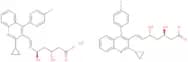
CAS:<p>3-[2-[4-(1,2-Benzisoxazol-3-yl)-1-piperidinyl]ethyl]-6,7,8,9-tetrahydro-2-methyl-4H-pyrido[1,2-a]pyrimidin-4-one is an analog of the antibacterial drug cefuroxime. It has been shown to be a potent inhibitor of bacterial DNA gyrase and topoisomerase IV. This compound has been shown to have a greater degree of activity against Gram Positive bacteria than Gram Negative bacteria in vitro. 3-[2-[4-(1,2-Benzisoxazol-3-yl)-1-piperidinyl]ethyl]-6,7,8,9-tetrahydro-- 2 -methyl-- 4H-- pyrido[1,2-- a]pyrimidin-- 4 -one is not active against acid</p>Fórmula:C23H28N4O2Pureza:Min. 95%Peso molecular:392.49 g/mol(3R,5R)-Pitavastatin Calcium Salt
CAS:<p>(3R,5R)-Pitavastatin Calcium Salt is a drug product that is used in the development of pharmaceuticals. It is a synthetic compound with an impurity standard and a metabolite impurity. The CAS number for this product is 254452-96-5. (3R,5R)-Pitavastatin Calcium Salt has been shown to be metabolized by CYP2C9 and CYP2C8 enzymes, which may result in a decrease in potency or activity. This product also has been shown to have anti-inflammatory properties and inhibit the production of inflammatory mediators such as prostaglandins and leukotrienes. (3R,5R)-Pitavastatin Calcium Salt was prepared by solid phase synthesis using a fluorous biphasic approach.</p>Fórmula:C25H24FNO4CaPureza:Min. 95%Cor e Forma:White/Off-White SolidPeso molecular:441.5 g/mol(2S,4S)-4-Cyclohexyl-1-(1,3 dioxopentyl)-L-proline
CAS:Produto Controlado<p>(4S)-4-Cyclohexyl-1-(1,3 dioxopentyl)-L-proline is a synthetic, non-natural amino acid. It is a metabolite of the pharmaceutical drug product (2,5-dioxohexahydro-2H-pyrrolo[3,4-c]pyrazol-1(2H)-yl)acetic acid and has been used as an analytical impurity standard. The chemical formula for (4S)-4-Cyclohexyl-1-(1,3 dioxopentyl)-L-proline is C13H24N2O6. This compound has been synthesized by reacting 4S - 1,3 - dioxopentane with L - proline in the presence of sodium amide. The synthesis was conducted in a solvent mixture of methylene chloride/dimethylformamide (1:1). The molecular</p>Fórmula:C16H25NO4Pureza:Min. 95%Peso molecular:295.37 g/mol2-((2-Methyl-1-(propionyloxy)propoxy)(4-phenylbutyl)phosphoryl)acetic acid
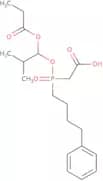
CAS:<p>2-((2-Methyl-1-(propionyloxy)propoxy)(4-phenylbutyl)phosphoryl)acetic acid (KZPBA) is a zoonotic antibiotic that has been shown to be active against agalactiae. It is a prodrug, which is metabolized to the active form, KZPBA, in humans and other mammals. The mechanism of action of KZPBA is not yet known; however, it has been hypothesized that its activity may be due to inhibition of DNA gyrase and topoisomerase IV. This drug has also been shown to have an effect on mastitis in dairy cows.</p>Fórmula:C19H29O6PPureza:Min. 95%Peso molecular:384.4 g/molRoflumilast Impurity B
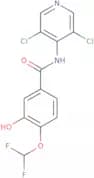
CAS:<p>Roflumilast Impurity B is an oxidative reagent that can be used for the preparation of a variety of organic compounds. It is a white solid that is soluble in organic solvents. Roflumilast Impurity B has been shown to be hepatotoxic, and should only be handled with gloves and lab coat. This material should not come in contact with skin or eyes. In addition, this reagent should not be exposed to light as it may cause photolysis.</p>Fórmula:C13H8Cl2F2N2O3Pureza:Min. 95%Peso molecular:349.12 g/mol6-Des(1-methyl-2-benzimidazolyl)-6-carboxy telmisartan
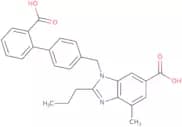
CAS:<p>Telmisartan is a drug that belongs to the class of angiotensin II receptor antagonists and is used in the treatment of hypertension. Telmisartan can be quantitatively analyzed with high sensitivity by liquid chromatography. Impurities in telmisartan can be analyzed qualitatively and quantitatively by liquid chromatography, which requires a shorter time than GC analysis.</p>Fórmula:C26H24N2O4Pureza:Min. 95%Peso molecular:428.48 g/mol4-Methyl-5-[(2-aminoethyl)thiomethyl]imidazole dihydrochloride
CAS:<p>4-Methyl-5-[(2-aminoethyl)thiomethyl]imidazole dihydrochloride is a synthetic drug product that has been purified to high purity. This compound is used as an analytical standard and impurity in the development of drugs. 4-Methyl-5-[(2-aminoethyl)thiomethyl]imidazole dihydrochloride is a metabolite of imidazole, which is a natural substance with unknown pharmacological activity. It has been found to be an impurity in the synthesis of various pharmaceuticals, including metronidazole and ampicillin. This product has not yet been evaluated for safety or efficacy in humans.</p>Fórmula:C7H13N3S·2HClPureza:Min. 95%Peso molecular:244.19 g/molN-(Aminosulphonyl)-2-[[[2-[(Aminoiminomethyl)amino]-4-thiazolyl]methylsulphinyl]propanimidamide
CAS:<p>N-(Aminosulphonyl)-2-[[[2-[(aminoiminomethyl)amino]-4-thiazolyl]methylsulphinyl]propanimidamide (NTSX) is an analytical standard and a metabolite of the drug product N-(aminosulphonyl)-2-[[[2-[(aminothiazolyl)methyl]sulfinyl]propanimidamide (NTST). The CAS number is 109467-06-3. NTSX is a white to off-white crystalline powder that is soluble in water and has a molecular weight of 296.37. It has been shown to be active against ampicillin resistant strains of Staphylococcus aureus, but not against methicillin resistant strains. NTSX can be synthesized from the drug NTST or obtained as an impurity from the synthesis of NTST.</p>Fórmula:C8H15N7O3S3·C4H4O4Pureza:Min. 95%Peso molecular:469.52 g/mol2-Amino-5,6-dichloro-3(4H)-quinazoline acetic acid hydrobromide
CAS:<p>2-Amino-5,6-dichloro-3(4H)-quinazoline acetic acid hydrobromide is a drug product that is Custom synthesized. It has a high purity and analytical quality. Metabolism studies have been conducted on this compound. Natural and synthetic sources are available for this compound. It is found in the Drug Development section of the pharmacopoeia. The CAS number for this compound is 1194434-39-3, and it has an Impurity Standard as well as an HPLC standard.</p>Fórmula:C10H10BrCl2N3O2Pureza:Min. 95%Peso molecular:355.02 g/mol(2R)-2-(3,4-Dimethoxyphenyl)-5-[2-(3,4-dimethoxyphenyl)ethyl-methylamino]-2-isopropylpentanenitrile hydrochloride
CAS:<p>(2R)-2-(3,4-Dimethoxyphenyl)-5-[2-(3,4-dimethoxyphenyl)ethyl-methylamino]-2-isopropylpentanenitrile hydrochloride (ZD4054) is a drug that has been shown to be sensitive to the efflux pump in Escherichia coli. It is also able to inhibit multidrug resistance in nematodes and cross-resistance in humans. ZD4054 inhibits multidrug resistance by inhibiting the efflux of drugs from cells. This prevents the development of resistance to antibiotics and other drugs. The mechanism of action for this drug is unknown, but it may affect chloride channels that are found on the cell membrane. ZD4054 has also been shown to be effective against C.elegans and Drosophila melanogaster, two species commonly used for research purposes.</p>Fórmula:C27H39ClN2O4Pureza:Min. 95%Peso molecular:491.06 g/molRegorafenib metabolite M5
CAS:<p>Regorafenib metabolite M5 is a drug product that is custom synthesized by our company and has high purity. It can be used in metabolism studies, drug development, and pharmacopoeia due to its natural origin. It is also a synthetic compound that can be used as an impurity standard or research and development standard in HPLC.</p>Fórmula:C20H13ClF4N4O4Pureza:Min. 95%Peso molecular:484.79 g/mol1-Desmethyl granisetron
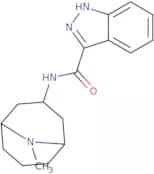
CAS:Produto Controlado<p>1-Desmethyl granisetron is an impurity found in the synthesis of granisetron hydrochloride. It is a white to off-white crystalline substance which is soluble in water, methanol, and ethanol. 1-Desmethyl granisetron has a molecular weight of 328.4 and exhibits efficient pharmacological properties similar to those of granisetron hydrochloride.</p>Fórmula:C17H22N4OPureza:Min. 95%Peso molecular:298.38 g/mol[5-[(Dimethylamino)methyl]furan-2-yl]methanol
CAS:<p>Dimethylaminoethyl methacrylate is a chemical compound that belongs to the group of dimeric monomers. It is an activated form of methacrylates, which are compounds containing the -C(O)OC-CH2-CH2-O-CO-R functional group. The activated form is prepared by the reaction of a primary amine with acetic acid and acrylic acid. Dimethylaminoethyl methacrylate has been used as a carbohydrate adduct to create glycoconjugates and it has been shown to have anti-mutagenic properties. This product can be found in high concentrations in China.</p>Fórmula:C8H13NO2Pureza:Min. 95%Peso molecular:155.19 g/mol2,12-Dihydro-1,3-dimethyl-8-methoxy-12-thioxobenzo [4,5] pyrido [1,2-c] imidazo [1,2-a] imidazol-2-one
CAS:<p>2,12-Dihydro-1,3-dimethyl-8-methoxy-12-thioxobenzo [4,5] pyrido [1,2-c] imidazo [1,2-a] imidazol-2-one is a metabolite of the drug 2-[2-(4,5,-dihydroimidazo[1,2a]imidazol -2(3H)-yl)ethoxy]-N-(methylsulfonyl)benzamide. It can be used as an impurity standard for the manufacture of drugs and as a research chemical.</p>Fórmula:C16H13N3O2SPureza:Min. 95%Peso molecular:311.36 g/mol2-[2-[4-(5,5-Dioxidodibenzo[b,f][1,4]thiazepin-11-yl)-1-piperazinyl]ethoxy]ethanol
CAS:<p>Quetiapine is a drug that belongs to the class of sulfoxides. It is usually administered orally, but can also be given intravenously or intramuscularly. Quetiapine has been studied for its clinical use in the treatment of schizophrenia and bipolar disorder. The plasma concentrations of quetiapine are determined by high-performance liquid chromatography (HPLC) with tandem mass spectrometry (LC-MS/MS) detection. Validation studies have shown that the HPLC-MS/MS method is accurate and precise, with good linearity over a range of concentrations. Analysis was performed on plasma samples from healthy volunteers who were administered either 2 mg or 10 mg doses of quetiapine by intravenous injection. Concentrations were calculated and compared to those found in patients with schizophrenia and bipolar disorder who had been given oral doses of 300 mg per day for four weeks, yielding a therapeutic plasma concentration range from 100 to 300 ng/mL.</p>Fórmula:C21H25N3O4SPureza:Min. 95%Peso molecular:415.51 g/molrac-N-Desisopropyl-N-ethyl acebutolol
CAS:<p>rac-N-Desisopropyl-N-ethyl acebutolol is a synthetic drug product. It is an analytical standard for the impurity, acebutolol, and is metabolized by cytochrome P450 3A4 to form the major metabolite, N-desisopropyl acebutolol. rac-N-Desisopropyl-N-ethyl acebutolol is a research and development product that can be custom synthesized to meet specific needs. It has been shown to have antihypertensive properties in rats and monkeys. This product is not intended for human use.</p>Fórmula:C17H26N2O4Pureza:Min. 95%Peso molecular:322.4 g/mol(+/-)N-Methyl-y-[3-(trifluoromethyl)-phenoxy]benzenepropanamine hydrochloride
CAS:<p>N-Methyl-y-[3-(trifluoromethyl)-phenoxy]benzenepropanamine hydrochloride is a synthetic drug product that has been shown to be metabolized in humans. It is an impurity standard for HPLC and analytical methods. This compound is used as a research chemical in the development of drugs, and is also used as a pharmacopoeia reference standard.</p>Fórmula:C17H18F3NO·HClPureza:Min. 95%Peso molecular:345.79 g/molN2-Methyl alfuzosin
CAS:<p>N2-Methyl alfuzosin is an impurity of Alfuzosin, a drug used to treat benign prostatic hyperplasia. It can be used as an HPLC standard for the detection and quantification of Alfuzosin in pharmaceutical products. N2-Methyl alfuzosin is a metabolite of Alfuzosin that is formed by cytochrome P450 3A4. It has been shown to have anti-inflammatory effects, which may be due to its inhibition of prostaglandin synthesis.</p>Fórmula:C19H27N5O4Pureza:Min. 95%Peso molecular:389.45 g/mol

![4-Methoxy-3-[3-(morpholin-4-yl)propoxy]benzaldehyde](/_next/image/?url=https%3A%2Fstatic.cymitquimica.com%2Fproducts%2FTR%2Fthumb-webp%2FM152140.webp&w=3840&q=75)
![N-[1,1-Bis[(acetyloxy)methyl]-3-(4-octylphenyl)propyl]acetamide](/_next/image/?url=https%3A%2Fstatic.cymitquimica.com%2Fproducts%2FTR%2Fthumb-webp%2FB400600.webp&w=3840&q=75)
![N-(3-Chloro-6,11-dihydro-6-methyl-5,5-dioxidodibenzo[c,f][1,2]thiazepin-11-yl)-β-alanine-d4](/_next/image/?url=https%3A%2Fstatic.cymitquimica.com%2Fproducts%2FTR%2Fthumb-webp%2FC424342.webp&w=3840&q=75)

![2-[(4,6-Dimethyl-2-pyrimidinyl)oxy]-3,3-diphenyl-2-propenoic Acid](/_next/image/?url=https%3A%2Fstatic.cymitquimica.com%2Fproducts%2FTR%2Fthumb-webp%2FD479015.webp&w=3840&q=75)
![1,4-Bis[(tetrahydro-2-furanyl)carbonyl]-piperazine](/_next/image/?url=https%3A%2Fstatic.cymitquimica.com%2Fproducts%2F3D%2Fthumb-webp%2FIB63853.webp&w=3840&q=75)




![4',4'''-[(4'-Methyl-2'-propyl[2,6'-bi-1H-benzimidazole]-1,1'-diyl)bis(methylene)]bis[1,1'-biphenyl…](/_next/image/?url=https%3A%2Fstatic.cymitquimica.com%2Fproducts%2F3D%2Fthumb-webp%2FIM28023.webp&w=3840&q=75)
![2-O-[4-[[(2-Carboxyethyl)amino]carbonyl]phenyl] balsalazide](/_next/image/?url=https%3A%2Fstatic.cymitquimica.com%2Fproducts%2F3D%2Fthumb-webp%2FIC167038.webp&w=3840&q=75)
-methanone](/_next/image/?url=https%3A%2Fstatic.cymitquimica.com%2Fproducts%2F3D%2Fthumb-webp%2FIA63846.webp&w=3840&q=75)
![4'-[(1,4'-Dimethyl-2'-propyl[2,6'-bi-1H-benzimidazol]-1'-yl)methyl][1,1'-biphenyl]-2-carboxamide](/_next/image/?url=https%3A%2Fstatic.cymitquimica.com%2Fproducts%2F3D%2Fthumb-webp%2FID28022.webp&w=3840&q=75)
![N-[(3-Trifluoromethyl)phenyl)propyl] cinacalcet HCl](/_next/image/?url=https%3A%2Fstatic.cymitquimica.com%2Fproducts%2F3D%2Fthumb-webp%2FIT106469.webp&w=3840&q=75)
![2,12-Dihydro-1,3-dimethyl-9-methoxy-12-thioxobenzo [4,5] pyrido [1,2-c] imidazo [1,2-a] imidazol-2…](/_next/image/?url=https%3A%2Fstatic.cymitquimica.com%2Fproducts%2F3D%2Fthumb-webp%2FID57925.webp&w=3840&q=75)


![4'-(Bromomethyl)-[1,1'-biphenyl]-2-carboxamide](/_next/image/?url=https%3A%2Fstatic.cymitquimica.com%2Fproducts%2F3D%2Fthumb-webp%2FIB19246.webp&w=3840&q=75)
![(aR)-a-Methyl-N-[3-[4-(trifluoromethyl)phenyl]propyl]-1-naphthalenemethanamine](/_next/image/?url=https%3A%2Fstatic.cymitquimica.com%2Fproducts%2F3D%2Fthumb-webp%2FIM101358.webp&w=3840&q=75)
![1-[4-(4-Amino-6,7-dimethoxy-2-quinazolinyl)-1-piperazinyl]-2-hydroxy-1-pentanone](/_next/image/?url=https%3A%2Fstatic.cymitquimica.com%2Fproducts%2F3D%2Fthumb-webp%2FIA63849.webp&w=3840&q=75)

![2-[[4-[2-(Cyclopropylmethoxy)ethyl]phenoxy]methyl]oxirane](/_next/image/?url=https%3A%2Fstatic.cymitquimica.com%2Fproducts%2F3D%2Fthumb-webp%2FIC20741.webp&w=3840&q=75)
![N,N-Bis[2-(2-hydroxyethoxy)ethyl] quetiapine chloride](/_next/image/?url=https%3A%2Fstatic.cymitquimica.com%2Fproducts%2F3D%2Fthumb-webp%2FIB76470.webp&w=3840&q=75)
-methanone](/_next/image/?url=https%3A%2Fstatic.cymitquimica.com%2Fproducts%2F3D%2Fthumb-webp%2FIA63847.webp&w=3840&q=75)
![3-[2-[4-(1,2-Benzisoxazol-3-yl)-1-piperidinyl]ethyl]-6,7,8,9-tetrahydro-2-methyl-4H-pyrido[1,2-a]p…](/_next/image/?url=https%3A%2Fstatic.cymitquimica.com%2Fproducts%2F3D%2Fthumb-webp%2FIB21194.webp&w=3840&q=75)
![4-Methyl-5-[(2-aminoethyl)thiomethyl]imidazole dihydrochloride](/_next/image/?url=https%3A%2Fstatic.cymitquimica.com%2Fproducts%2F3D%2Fthumb-webp%2FIM58265.webp&w=3840&q=75)
![N-(Aminosulphonyl)-2-[[[2-[(Aminoiminomethyl)amino]-4-thiazolyl]methylsulphinyl]propanimidamide](/_next/image/?url=https%3A%2Fstatic.cymitquimica.com%2Fproducts%2F3D%2Fthumb-webp%2FIA58086.webp&w=3840&q=75)

![(2R)-2-(3,4-Dimethoxyphenyl)-5-[2-(3,4-dimethoxyphenyl)ethyl-methylamino]-2-isopropylpentanenitril…](/_next/image/?url=https%3A%2Fstatic.cymitquimica.com%2Fproducts%2F3D%2Fthumb-webp%2FID28684.webp&w=3840&q=75)
![[5-[(Dimethylamino)methyl]furan-2-yl]methanol](/_next/image/?url=https%3A%2Fstatic.cymitquimica.com%2Fproducts%2F3D%2Fthumb-webp%2FID57850.webp&w=3840&q=75)
![2,12-Dihydro-1,3-dimethyl-8-methoxy-12-thioxobenzo [4,5] pyrido [1,2-c] imidazo [1,2-a] imidazol-2…](/_next/image/?url=https%3A%2Fstatic.cymitquimica.com%2Fproducts%2F3D%2Fthumb-webp%2FID57924.webp&w=3840&q=75)
![2-[2-[4-(5,5-Dioxidodibenzo[b,f][1,4]thiazepin-11-yl)-1-piperazinyl]ethoxy]ethanol](/_next/image/?url=https%3A%2Fstatic.cymitquimica.com%2Fproducts%2F3D%2Fthumb-webp%2FID27366.webp&w=3840&q=75)

![(+/-)N-Methyl-y-[3-(trifluoromethyl)-phenoxy]benzenepropanamine hydrochloride](/_next/image/?url=https%3A%2Fstatic.cymitquimica.com%2Fproducts%2F3D%2Fthumb-webp%2FIM58072.webp&w=3840&q=75)
