Monossacáridos
Subcategorias de "Monossacáridos"
- Aloses(11 produtos)
- Arabinoses(21 produtos)
- Eritroses(11 produtos)
- Frutoses(9 produtos)
- Fucoses(36 produtos)
- Galactosamina(41 produtos)
- Galactoses(261 produtos)
- Glucoses(365 produtos)
- Ácidos Glucurónicos(52 produtos)
- Glico-substratos para enzimas(78 produtos)
- Guloses(6 produtos)
- Idoses(4 produtos)
- Inositóis(15 produtos)
- Lixoses(4 produtos)
- Mannoses(65 produtos)
- O-Glicanos(48 produtos)
- Psicoses(3 produtos)
- Ramnoses(10 produtos)
- Riboses(61 produtos)
- Ácidos siálicos(100 produtos)
- Sorboses(4 produtos)
- Açúcares(173 produtos)
- Tagatoses(4 produtos)
- Taloses(8 produtos)
- Xiloses(20 produtos)
Foram encontrados 6088 produtos de "Monossacáridos"
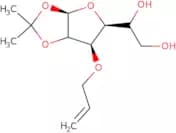
3-O-Allyl-1,2-O-isopropylidene-α-D-galactofuranose
CAS:3-O-Allyl-1,2-O-isopropylidene-α-D-galactofuranose is a synthetic glycoside that can be custom synthesized. It is a fluorinated monosaccharide that reacts with an allyl group to form an allyl glycoside. This modification increases the solubility of the molecule and can make it soluble in organic solvents. 3-O-Allyl-1,2-O-isopropylidene α D galactofuranose is used to modify saccharides or complex carbohydrates for use in research.Fórmula:C12H20O6Pureza:Min. 95%Cor e Forma:Clear LiquidPeso molecular:260.28 g/mol1,4:3,6-Dianhydro-D-glucitol
CAS:Isosorbide dinitrate is a drug that belongs to the class of nitrates. It is used in the treatment of angina pectoris, as well as congestive heart failure and chronic heart failure. Isosorbide dinitrate has been shown to cause caspase-independent cell death in human leukemia cells and breast cancer cells. This may be due to its ability to inhibit mitochondrial membrane potential and interfere with intracellular calcium mobilization. The optimum concentration for isosorbide dinitrate is 10 µM, which inhibits the growth of bacteria, including Mycobacterium tuberculosis and Salmonella enterica serovar Typhimurium. The drug also inhibits the production of proinflammatory cytokines such as IL-1β, IL-6, and TNF-α by inhibiting c-jun phosphorylation. Isosorbide dinitrate also has anti-inflammatory properties, which may be due to its ability to inhibit 4-hyd
Fórmula:C6H10O4Pureza:(%) Min. 98%Cor e Forma:White Off-White PowderPeso molecular:146.14 g/mol1-O-Methyl-β-D-glucopyranoside
CAS:1-O-Methyl-β-D-glucopyranoside is a β-glucosidase inducer.
Fórmula:C7H14O6Pureza:Min. 98.0 Area-%Peso molecular:194.19 g/molRef: 3D-M-3592
-Unit-ggA consultar5gA consultar25gA consultar50gA consultar100gA consultar250gA consultarMethyl 2,4-di-O-methyl-β-D-glucopyranoside
CAS:Methyl 2,4-di-O-methyl-b-D-glucopyranoside is a selectively protected glucose glycosideFórmula:C9H18O6Pureza:Min. 95%Peso molecular:222.24 g/molL-Altrose
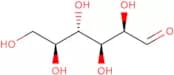
CAS:L-Altrose is a carbohydrate that is used as a nutrient and sweetener. It is a dextrose monomer with an L-arabinose side chain. L-Altrose has been shown to be a stereoselective carbon source that can be used in the synthesis of various biologically active compounds, such as antibiotics. L-Altrose has also been shown to stimulate growth of yeast cells in the absence of oxygen by providing an extracellular carbon source. This compound can be hydrolyzed by ring-opening or benzoylation reactions to yield dextrose.
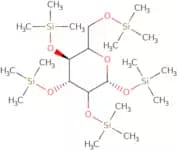
Fórmula:C6H12O6Pureza:Min. 99 Area-%Cor e Forma:White PowderPeso molecular:180.16 g/mol1,2,3,4,6-Penta-O-trimethylsilyl-a-D-galactopyranose
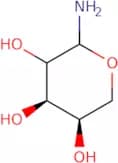
CAS:1,2,3,4,6-Penta-O-trimethylsilyl-a-D-galactopyranose is a modification of the sugar galactose. It is a complex carbohydrate and an oligosaccharide that has been custom synthesized. The molecular weight of 1,2,3,4,6-Penta-O-trimethylsilyl-a-D-galactopyranose is 592.77 g/mol. The purity of this compound is >99%. This compound has been fluorinated and saccharide methylated.Fórmula:C21H52O6Si5Pureza:Min. 95%Peso molecular:541.07 g/molD-Lyxosylamine
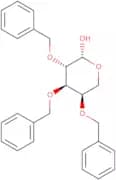
CAS:D-Lyxosylamine is a drug that has been shown to have anticancer activity against leishmania species. It inhibits the growth of the parasite by binding to the lectin, sialic, and glycoconjugates on the surface of cells. This inhibition leads to a blockage in the transport of glucose and amino acids, which are essential for cell growth and replication. D-Lyxosylamine has also been shown to have anti-leukemic effects, which may be due to its ability to kill lymphocytic leukemia cells. The drug was administered orally in a clinical trial with human volunteers in order to test its effectiveness against Leishmania major infections. D-Lyxosylamine administered at 50mg/kg/day for 28 days had no significant effect on Leishmania major infection rates.Fórmula:C5H11NO4Pureza:Min. 95%Cor e Forma:White PowderPeso molecular:149.1 g/mol2,3,4-Tri-O-benzyl-b-D-arabinopyranose
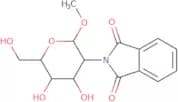
CAS:2,3,4-Tri-O-benzyl-b-D-arabinopyranose (TBA) is a sugar that is found in the skin of primates. It has been shown to promote epidermal growth factor (EGF) production and maturation of the epidermis. TBA has also been shown to have a gestational age effect on epidermal growth. This compound has been used as a synchronizing agent for animal studies in vitro and has been investigated as a treatment for cesarean sections, which may help to reduce the risk of infection and postoperative complications. TBA has also been used to treat skin diseases such as psoriasis and ichthyosis by stimulating keratinocyte proliferation and differentiation.Fórmula:C26H28O5Pureza:Min. 95%Cor e Forma:PowderPeso molecular:420.5 g/molMethyl 2-deoxy-2-phthalimido-β-D-glucopyranoside
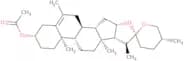
CAS:Methyl 2-deoxy-2-phthalimido-b-D-glucopyranoside is a synthetic sugar that has been modified with fluorine. It is an important building block for the synthesis of complex carbohydrates. Methyl 2-deoxy-2-phthalimido-b-D-glucopyranoside can be used to modify saccharides and oligosaccharides, as well as to add fluorine atoms to glycosyl units. This modification can be done using a click chemistry reaction with azide functionalized molecules. The chemical structure of Methyl 2-deoxy-2-phthalimido-b-D-glucopyranoside is shown below:Fórmula:C15H17NO7Pureza:Min. 95%Cor e Forma:White to off-white solid.Peso molecular:323.3 g/mol6-Methyldiosgenin Acetate
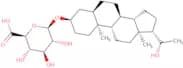
CAS:6-Methyldiosgenin acetate is a saponin that is found in the plant Balanites aegyptiaca. It has been shown to have anti-inflammatory and anti-tumor effects, as well as antioxidant properties. 6-Methyldiosgenin acetate also has been shown to stimulate the production of nitric oxide (NO) in endothelial cells, which may contribute to its anti-inflammatory effects. The chemical structure of 6-methyldiosgenin acetate is similar to that of furostanol and spirostanol, which are both saponins found in plants that can be used for the treatment of cancer. In addition, sapogenols are known to have a variety of therapeutic activities including antidiabetic, antiviral and anticancer activity.Fórmula:C30H46O4Pureza:Min. 95%Peso molecular:470.68 g/molPregnanediol 3α-O-β-D-glucuronide
CAS:Pregnanediol 3α-O-β-D-glucuronide is a glucuronide metabolite of progesterone, which is a key steroid hormone in the reproductive system. This compound is derived from the metabolic conversion of progesterone, primarily within the liver, where it undergoes glucuronidation. This process involves the addition of glucuronic acid, mediated by the enzyme UDP-glucuronosyltransferase, enhancing the compound’s solubility for renal excretion.
Fórmula:C27H44O8Pureza:Min. 95%Cor e Forma:PowderPeso molecular:496.63 g/molD-Xylose
CAS:Xylose (Xyl) is an aldopentose also known as wood sugar (Collins, 2006). The main sources of xylose are hemicelluloses found in hardwood and perennial plants, such as, grasses, cereals, and herbs (Petzold-Welcke, 2014) and some algae. Xylose is used in the production of xylitol, a low calory sugar substitute. Xylose is used in glycosaminoglycan (GAG) biosynthesis, which is initiated by peptide O-xylosyltransferases, which transfer xylose onto selected serine residues in the core proteins. The first enzyme in the pathway, peptide O-xylosyltransferase, catalyzes the transfer of xylose from uridine diphosphate (UDP)-α-D-xylose onto serine and thus determines the site(s) of GAG attachment on the core protein (Briggs, 2018).Fórmula:C5H10O5Pureza:Min. 99.0 Area-%Peso molecular:150.13 g/mol4'-Hydroxypropanolol D-glucuronide D5
Produto Controlado4'-Hydroxypropanolol D-glucuronide D5 is a custom synthesis.
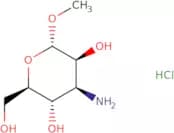
Fórmula:C22H24NO9D5Pureza:Min. 95%Peso molecular:456.51 g/molMethyl 3-amino-3-deoxy-α-D-mannopyranoside hydrochloride
CAS:Methyl 3-amino-3-deoxy-a-D-mannopyranoside HCl is a potent antioxidant that has been shown to protect cells from lipid peroxidation and protein oxidation. It also inhibits the formation of toxic reactive oxygen species, such as hydroxyl radicals. This compound has been shown to have protection against oxidative stress in cell culture studies. Methyl 3-amino-3-deoxy-a-D-mannopyranoside HCl is an inhibitor of the enzyme catalase, which may be responsible for its antioxidant activity. This compound also inhibits population growth in an aerobic environment, as well as catalase and dismutase activity in a population of bacteria. Methyl 3-amino-3-deoxy-a-D-mannopyranoside HCl is resistant to solanum tuberosum and solanum tuberosum extract and is oxidized by peroxidases found in plants.Fórmula:C7H15NO5•HClPureza:Min. 95%Cor e Forma:PowderPeso molecular:229.66 g/mol1-O-Methyl-beta-D-glucuronic acid, sodium salt
CAS:1-O-Methyl-β-D-glucuronic acid is a β-glucuronidase inducer.Fórmula:C7H11NaO7Peso molecular:230.15 g/molDL-Glyceraldehyde 3-phosphate - 45-55 mg/mL aqueous solution
CAS:Glyceraldehyde 3-phosphate (G3P) is an intermediate in the glycolytic pathway. It is also a component of polysaccharides and glycosaminoglycans. G3P is synthesized from glucose by the enzyme triose phosphate isomerase. The synthesis of G3P can be achieved by a number of methods, including methylation, fluorination, and click chemistry. This product contains 45-55 mg/mL of Glyceraldehyde 3-phosphate in water solution at pH 7.0 and at a temperature range of 2-8°C.Fórmula:C3H7O6PPureza:Min. 95 Area-%Peso molecular:170.06 g/molChitobiose dihydrochloride
CAS:Chitobiose 2HCl is a synthetic sugar that has been modified using Click chemistry. It is a fluorescent sugar that can be used as an indicator for protein-sugar interactions. Chitobiose 2HCl is soluble in water and has a molecular weight of 258.078 g/mol.Fórmula:C12H24N2O9•(HCl)2Pureza:Min. 95%Peso molecular:413.25 g/molD-Glucose-1,6-13C2
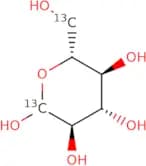
CAS:D-Glucose is a sugar that is used in the production of polysaccharides and glycosylations. It can be modified with fluorination, saccharide methylation, or glycosylation. D-Glucose can be synthesized by the custom synthesis of an oligosaccharide. This product has high purity, and is both monosaccharide and complex carbohydrate.Fórmula:C2C4H12O6Pureza:Min. 95%Cor e Forma:White PowderPeso molecular:182.14 g/molMitiglinide-acyl-b-D-glucuronide
Mitiglinide-acyl-b-D-glucuronide is a custom synthesis of an oligosaccharide and polysaccharide that has been fluorinated, modified and then acylated. This reagent is available in high purity and with a modification of methylation. It is a complex carbohydrate with high purity that is obtained by modifying the sugar monomer. Mitiglinide-acyl-b-D-glucuronide is a synthetic monosaccharide that has been modified with polysaccharides and saccharides to produce a product with high purity.Fórmula:C25H33NO9Pureza:Min. 95%Peso molecular:491.53 g/molEsculin sesquihydrate
CAS:Sugars formed by photosynthesis are essential for plants nutrition and they can be carried by a sophisticated system called phloem from the leaves to the root tips. Since the phloem is a delicate tissue composed of various specialized cell types, the study of its structure and functions remains a challenging task. Recently, fluorescent coumarin glucoside derivatives, including esculin (Plant Physiology 2015, 1211-1220) have been used as phloem probes. Among the probes tested, only esculin and fraxin are transported, while skimmin is not, suggesting a certain specifity of natural coumarin glucosides for the transporter AtSUC2.Fórmula:C30H38O21Pureza:Min. 98.0 Area-%Peso molecular:734.62 g/molMethyl 2,3,4-tri-O-benzyl-b-D-glucopyranoside
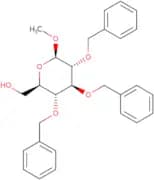
CAS:Methyl 2,3,4-tri-O-benzyl-β-D-glucopyranoside is a modified sugar. It can be used in the synthesis of oligosaccharides and polysaccharides. This product is stable to organic solvents and has high purity. Methyl 2,3,4-tri-O-benzyl-β-D-glucopyranoside can be fluorinated by reacting with hydrogen fluoride gas to produce methyl 2,3,4-[tri(trifluoromethyl)oxy]benzyl β D glucopyranoside. The product is also available in the form of click modification (a type of chemical modification). Methyl 2,3,4-tri-O-benzyl-β D glucopyranoside is a custom synthesis that is CAS No. 435680 3.
Fórmula:C28H32O6Pureza:Min. 95%Peso molecular:464.55 g/mol1,5-Anhydro-D-glucitol 6-dihydrogenphosphate
CAS:1,5-Anhydro-D-glucitol 6-dihydrogenphosphate is a biochemical analog. It has been shown to have anti-inflammatory effects in rat models of inflammatory bowel disease and metabolic disorders. 1,5-Anhydro-D-glucitol 6-dihydrogenphosphate inhibits the activity of bacterial enzymes that catalyze protein glycosylation. It also blocks the production of inflammatory cytokines and colony stimulating factors. The enzyme inhibition may be due to its ability to inhibit the synthesis of D-glucose from D-galactose by blocking the enzyme DALR (deleted in liver cancer).Fórmula:C6H13O8PPureza:Min. 95%Cor e Forma:PowderPeso molecular:244.14 g/mol2,3-O-Isopropylidene)- L- ribonic acid γ-lactone
2,3-O-Isopropylidene)- L- ribonic acid gamma-lactone is a carbohydrate that has been modified with fluorination. This product can be used in the synthesis of oligosaccharides and monosaccharides. The custom synthesis of this product is available on request. This product has been shown to be high purity and methylated. It has also been glycosylated and click modified.Pureza:Min. 95%3-Cyano-(1H)-1,2,4-triazine
3-Cyano-(1H)-1,2,4-triazine is a synthetic compound that belongs to the group of complex carbohydrates. It is a monosaccharide and an oligosaccharide that can be custom synthesized and modified. 3-Cyano-(1H)-1,2,4-triazine is used as a glycosylation or polysaccharide modification agent in the synthesis of sugar molecules. It has been shown to have high purity and low toxicity.Pureza:Min. 95%N-(2,4-Dinitrophenyl-deoxygalactonojirimycin
N-(2,4-Dinitrophenyl-deoxygalactonojirimycin is a complex carbohydrate that has been modified with methylation, glycosylation, and click modification. It has an Oligosaccharide chain and a CAS number of 888315-21-2. N-(2,4-Dinitrophenyl-deoxygalactonojirimycin is a high purity product that is available in the form of a white solid.Pureza:Min. 95%L-Arabonic acid-1,4-lactone
CAS:L-Arabonic acid-1,4-lactone (LL) is the product of the reaction between L-arabinose and trifluoroacetic acid. LL is an enantiomer of D-arabinose and has a pK a of 6.5, which makes it a weak base. This compound has been shown to be a hydroxyl group donor in human liver and is also used as a chaperone for protein folding.
Fórmula:C5H8O5Pureza:Min. 95%Cor e Forma:White PowderPeso molecular:148.11 g/molD-Glucosamine HCl - sea shell origin
CAS:D-Glucosamine (GlcN) is an aldohexose (2-Amino-2-deoxyglucose) in which the hydroxyl group at position 2 is replaced by an amino group (Collins, 2006). D-Glucosamine is found in chitosan as the N-Acetylated derivative in chitin (Rudrapatnam, 2003), glycoproteins, glycolipids and the glycosaminoglycan hyaluronic acid (Fallacara, 2018). Glucosamine, as its sulfate salt, often in combination with the polydisaccharide chondroitin, is marketed over-the-counter as a treatment for osteoarthritis inflammation and its accompanying pain. Only the D-enantiomer of glucosamine exists in nature.Fórmula:C6H13NO5·HClPureza:(Titration) Min. 98%Cor e Forma:White PowderPeso molecular:215.63 g/molD-Glucamine
CAS:D-Glucamine, also known as glycamine, 1-Amino-1-deoxy-D-glucitol and 1-Amino-1-deoxy-L-sorbitol, is a naturally occurring amino sugar, precursor for glycosylated proteins and lipids. It is used as an excipient in pharmaceutical formulations, where it can act as a stabilizer, pH adjuster, or osmotic agent. D-Glucamine is also used, together with iodinated organic compounds, in X-ray contrast media. In cosmetics, it is used as moisturizer and smoother.Fórmula:C6H15NO5Pureza:Area-% Min. 95 Area-%Cor e Forma:White Off-White PowderPeso molecular:181.19 g/mol1,2,3,4-Tetra-O-acetyl-6-O-tosyl-b-D-glucopyranose
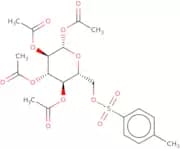
CAS:The tetra-acetyl-6-tosyl-b-D-glucopyranose is a modification of the natural 1,2,3,4-tetra-O-acetyl-6-O-tosyl--D glucopyranose. It is synthesized by reacting the 1,2,3,4 tetra acetyl b glucopyranose with tosyl chloride and anhydrous pyridine in dry dichloromethane. The product is purified by column chromatography on silica gel using a solvent system consisting of ethyl acetate and methanol. The yield of this reaction is about 60%. The molecular weight of this compound is 876.7 g/mol and its melting point is 253°C. The CAS No. for this compound is 661910-9 and its IUPAC name is (1R*, 2S*, 4R*)-1,2,Fórmula:C21H26O12SPureza:Min. 95%Cor e Forma:White PowderPeso molecular:502.49 g/mol2,3,4,6-Tetra-O-acetyl-b-D-glucopyranosyl chloride
CAS:2,3,4,6-Tetra-O-acetyl-b-D-glucopyranosyl chloride is a fluorescent probe for nuclei and quadrupole resonance spectroscopy. It has been used to study the nuclear quadrupole resonance of anions in aqueous solution. The fluorescence intensity of 2,3,4,6-Tetra-O-acetyl-b-D-glucopyranosyl chloride is proportional to the concentration of anions in water. Fluorescence properties were evaluated by measuring the emission spectrum at various excitation wavelengths. The absorption spectrum was also measured to determine the fluorescence quantum yield and fluorescence lifetime.Fórmula:C14H19ClO9Pureza:Min. 95 Area-%Cor e Forma:White Off-White PowderPeso molecular:366.8 g/mol1,2-O-Isopropylidene-3-deoxy-3-fluoro-a-D-glucofuranose
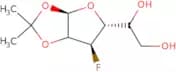
CAS:1,2-O-Isopropylidene-3-deoxy-3-fluoro-a-D-glucofuranose is a synthetic sugar that is used in the preparation of glycoproteins. It is an oligosaccharide and a monosaccharide, which means it consists of many saccharides linked together. It has a molecular weight of 568.8 g/mol and belongs to the class of carbohydrates. 1,2-O-Isopropylidene-3-deoxy-3-fluoro-a -D -glucofuranose can be synthesized from 3,4,5,6 tetraacetyl glucose by a click modification reaction with N-(9H-[1,2]dithiolanyl)sulfenamide and then fluorination with N-[(9H-[1,2]dithiolanyl)sulfonyl]trifluFórmula:C9H15FO5Pureza:Min. 95%Peso molecular:222.21 g/molDapagliflozin propanediol monohydrate - Bio-X ™
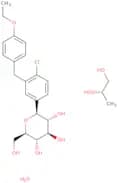
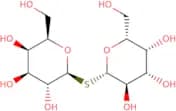
CAS:Dapagliflozin is a sodium-glucose cotransporter subtype 2 (SGLT2) inhibitor that can be used in the treatment of diabetes mellitus type 2. It inhibits glucose reabsorption in the proximal tubule of the nephron and results in glycosuria, which helps to improve glycaemic control. Also, Dapagliflozin is used to lower the risk of sustained eGFR decline, end-stage renal disease, cardiovascular death, and hospitalization for heart failure in patients with chronic kidney disease who are at risk of progression.Fórmula:C21H25ClO6•C3H8O2•H2OPureza:Min. 95%Cor e Forma:PowderPeso molecular:502.98 g/molThiodigalactoside - Bio-X ™
CAS:This product is part of our Bio-X ™ Range. These products are aimed at life science researchers who need high quality ready-to-use products for assay development, screening or other R&D work. With a solubility datasheet and convenient vials, all of our Bio-X ™ products are in stock across our global warehouses for rapid delivery and ease of use.Fórmula:C12H22O10SPureza:Min. 95%Cor e Forma:PowderPeso molecular:358.36 g/mol2-Deoxy-2-fluoro-D-glucose 6-phosphate dipotassium
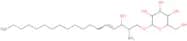
CAS:2-Deoxy-2-fluoro-D-glucose 6-phosphate dipotassium is a fluorinated sugar that is used as a building block in the synthesis of complex carbohydrates. 2-Deoxy-2-fluoro-D-glucose 6-phosphate dipotassium can be modified to produce glycosylations, methylations, and click chemistry modifications. This product is sold as a custom synthesis and can be used for any desired modification.Fórmula:C6H10FK2O8PPureza:Min. 95 Area-%Cor e Forma:PowderPeso molecular:338.31 g/molGlucosylsphingosine
CAS:Glucosylsphingosine is a modified carbohydrate that belongs to the group of complex carbohydrates. It is a custom synthesis and has high purity with no detectable impurities. Glucosylsphingosine is an oligosaccharide, which is a polysaccharide composed of three or more monosaccharides. This compound can be methylated, glycosylated, or fluorinated in order to change its properties. Glucosylsphingosine has been synthesized from glucose and sphinganine, which are both monosaccharides. Glucose can be synthesized by the reduction of glucose-6-phosphate using glucose-6-phosphate dehydrogenase or it can be obtained from hydrolysis of starch. Sphinganine can be obtained by hydrolysis of sphingomyelin, which is a phospholipid found in cell membranes or by deacylation of N-acetylFórmula:C24H47NO7Pureza:Min. 95%Peso molecular:461.63 g/moltrans,trans-3,4-Dihydroxy-D-proline
Trans,trans-3,4-Dihydroxy-D-proline is a custom synthesis that has been fluorinated and methylated. It is a polysaccharide with a sugar backbone of an oligosaccharide or saccharide. The carbons in the backbone are connected by glycosylation to form a complex carbohydrate. This product has CAS No.
Pureza:Min. 95%3,5-O-Isopropylidene-a-L-xylofuranose
3,5-O-Isopropylidene-a-L-xylofuranose is a Custom synthesis, modification, fluorination and methylation of a monosaccharide. 3,5-O-Isopropylidene-a-L-xylofuranose is a synthetic oligosaccharide that has been modified by click chemistry with the addition of an acetate group.Fórmula:C8H14O5Pureza:Min. 95%Peso molecular:190.19 g/mol2-Keto-D-gluconic acid
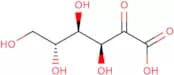
CAS:2-Keto-D-gluconic acid is a naturally occurring compound that can be synthesized from sodium carbonate and 2-keto-d-gluconic acid. 2-Keto-D-gluconic acid has been shown to have antimicrobial properties against many bacterial strains, including its ability to inhibit the growth of wild type strains of Staphylococcus aureus, Streptococcus pneumoniae, Escherichia coli, and Pseudomonas aeruginosa. It has also been shown to have antiinflammatory properties. The synthesis of 2-keto-D-gluconic acid requires optimization of the process with respect to the monoclonal antibody surface methodology used.Fórmula:C6H10O7Pureza:Min. 95%Cor e Forma:PowderPeso molecular:194.14 g/molL-Rhamnose monohydrate - high purity
CAS:L-Rhamnose monohydrate is a sugar that is found in plants, animals, and bacteria. It is a component of polysaccharides like cellulose and hemicellulose. L-Rhamnose monohydrate has been shown to stimulate the growth of probiotic bacteria like Lactobacillus acidophilus in vitro. It also has antiviral properties against the herpes simplex virus type 1 (HSV-1). The antiviral activity may be due to its ability to inhibit viral replication by interfering with the synthesis of viral DNA and RNA. L-Rhamnose monohydrate may also have anti-inflammatory effects due to its ability to inhibit prostaglandin synthesis through inhibition of cyclooxygenase enzyme activity. This product has applications as a dietary supplement and ingredient in functional foods or beverages.Fórmula:C6H12O5•H2OPureza:Min. 98.0 Area-%Cor e Forma:PowderPeso molecular:182.17 g/molFlurbiprofen sorbitol ester
Flurbiprofen is an anti-inflammatory drug that belongs to the group of non-steroidal anti-inflammatory drugs. It is a prodrug that is converted to the active form, flurbiprofen acid, in the liver. Flurbiprofen is used to reduce inflammation and relieve pain. The synthesis of this compound starts with the fluorination of 2,3-dihydroxybenzoic acid using N-fluorobenzenesulfonimide as a reagent. This reaction produces an alkylating agent, which reacts with sucrose in the presence of sodium methoxide to produce methylated sucrose ester. This is then oxidized with potassium permanganate to produce methylated sucrose ester oxide, which undergoes a click modification reaction with tetramethyl orthosilicate and triethylamine to produce flurbiprofen sorbitol ester (FSE).Fórmula:C21H25FO7Pureza:Min. 95%Cor e Forma:PowderPeso molecular:408.42 g/mol1,6-Anhydro-b-D-galactopyranose
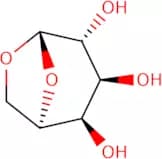
CAS:Used for preparation of biologically active compoundsFórmula:C6H10O5Pureza:Min. 97 Area-%Cor e Forma:White Off-White PowderPeso molecular:162.14 g/mol5-Deoxy-L-ribose
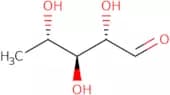
CAS:5-Deoxy-L-ribose is found in a variety of organisms, including humans. It is stereoselective, with the (-) form being more common than the (+) form. 5-Deoxy-L-ribose is synthesized by the glycosidic bond between l-arabinose and D-ribose. This compound is an inexpensive way to produce 5-deoxy analogs of other sugars, such as glucose, fructose, and mannose. The biosynthesis of 5-deoxy-L-ribose relies on a molybdenum cofactor and involves oxidation of L-arabinonate by aldehyde oxidase to give L-xylulose. Lactate dehydrogenase converts this into D-xylulose. Dihydroorotate reductase then reduces this to give D-(+)-5--deoxy--D--erythro--pentitol phosphate, which cyclFórmula:C5H10O4Pureza:Min. 95%Cor e Forma:Slightly Yellow Clear LiquidPeso molecular:134.13 g/molD-Glucuronic acid, sodium salt monohydrate
CAS:D-Glucuronic acid, sodium salt monohydrate is a chromatographic standard. It is used to measure the hydrophilicity of a sample and its interaction with proteins. In addition, it can be used as an immunomodulator. D-Glucuronic acid, sodium salt monohydrate has been shown to have anti-inflammatory effects by inhibiting the production of prostaglandins and leukotrienes. The acidic nature of this compound may play a role in its membrane system interactions with lysine residues on protein surfaces.Fórmula:C6H11NaO8Peso molecular:234.14 g/molIsopropyl-beta-D-thioglucuronic acid, sodium salt
CAS:Isopropyl-β-D-thioglucuronic acid is a β-D-glucuronidase inducer. It enhances the sensitivity of β-glucuronidase assays in E. coli.
Fórmula:C9H15NaO6SPureza:Min. 98 Area-%Peso molecular:274.27 g/mol6-Phosphogluconic acid, trisodium salt dihydrate
CAS:6-Phosphogluconic acid, trisodium salt dihydrate is a custom synthesis that has been made to order. It is a complex carbohydrate that can be modified with methylation, glycosylation and other modifications. 6-Phosphogluconic acid, trisodium salt dihydrate is an Oligosaccharide and Polysaccharide of Modification saccharides. It can be made as an Methylated Glycosylated Carbohydrate or a Click Modified Sugar. It can be Fluorinated or Synthetically made for high purity.Fórmula:C6H14Na3O12PPeso molecular:378.11 g/mol3'-Sialyl-N-acetyllactosamine-β-ethylamine
Please enquire for more information about 3'-Sialyl-N-acetyllactosamine-β-ethylamine including the price, delivery time and more detailed product information at the technical inquiry form on this pageFórmula:C27H47N3O19Pureza:Min. 95%Peso molecular:717.67 g/molβ-D-Galactose pentaacetate plant origin (ex peach gum)
CAS:1,2,3,4,6-Penta-O-acetyl-b-D-galactopyranose, also known as beta-D-galactose pentaacetate, has high chemical stability and long shelf life. This protected form of galactose is a key building block of any chemical synthesis of galactose-containing oligosaccharides or glycoconjugates. In the presence of Lewis acids it can be used as a glycosyl donor to make simple glycosides. In order to perform more complex galactosylations it can be converted into more reactive donors, such as glycosyl halides or thioglycosides.Fórmula:C16H22O11Peso molecular:390.35 g/molRef: 3D-G-1782
-Unit-kgkgA consultar1kgA consultar5kgA consultar10kgA consultar500gA consultar2500gA consultar1,2:5,6-Di-O-isopropylidene-α-D-gulofuranose
CAS:1,2:5,6-Di-O-isopropylidene-alpha-D-gulofuranose is a sugar molecule that has a carbon and oxygen atoms in the 1,2 positions and an oxygen atom in the 5,6 position. It is an intermediate in the synthesis of lipids. The kinetic and clinical relevance of this compound have not been fully studied. 1,2:5,6-Di-O-isopropylidene-alpha-D-gulofuranose binds to fatty acid receptors on liver cells and initiates a cascade of events that lead to inflammation and cell death. This sugar molecule also inhibits hepatitis C virus RNA replication by binding to specific sequences on the virus’s RNA genome. The molecular interactions between 1,2:5,6-Di-O-isopropylidene alpha D gulofuranose and other molecules are determined by steric interactions with its hydroxyl group asFórmula:C12H20O6Pureza:Min. 98.0 Area-%Peso molecular:260.28 g/molRef: 3D-W-200121
-Unit-ggA consultar5gA consultar10gA consultar25gA consultar50gA consultar100gA consultar1-O-Methyl-α-D-galactopyranoside monohydrate
CAS:1-O-Methyl-α-D-galactopyranoside is a gratuitous α-galactosidase inducer.Fórmula:C7H16O7Peso molecular:212.20 g/molRef: 3D-M-3590
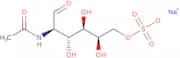
-Unit-ggA consultar10gA consultar25gA consultar50gA consultar100gA consultar250gA consultarN-Acetyl-D-galactosamine-6-O-sulphate sodium salt - 95%
CAS:N-Acetyl-D-galactosamine-6-O-sulphate sodium salt is a glycosylation product that can be used in the synthesis of oligosaccharides and saccharides. It is also used for the modification of proteins, polysaccharides, fluorination reactions, and click reactions. This compound has been synthesized from D-galactose and acetylated with sulfuric acid to form an ester. N-Acetyl-D-galactosamine-6-O-sulphate sodium salt has a molecular weight of 584.12 g/mol and a melting point of 236°C.Fórmula:C8H14NO9SNaPureza:Min. 95 Area-%Cor e Forma:PowderPeso molecular:323.25 g/molN-Acetyl-D-glucosamine-3-O-sulphate sodium
N-Acetyl-D-glucosamine-3-O-sulphate sodium (NADG) is a type of high purity, monosaccharide that is synthesized from D-glucosamine and sulphuric acid. NADG is a synthetic carbohydrate that can be used in the synthesis of complex carbohydrates. It has been modified to contain fluorine atoms at the 3rd and 4th carbon positions. This modification prevents NADG from being hydrolyzed by aminoglycosides such as kanamycin and neomycin, which are used in chemotherapy treatment.Fórmula:C8H15NO9S•NaPureza:Min. 95%Cor e Forma:PowderPeso molecular:324.25 g/mol1,3-O-Benzylidene-4-O-DMT-D-threitol
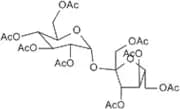
1,3-O-Benzylidene-4-O-DMT-D-threitol is an oligosaccharide that is used as a synthetic building block for the synthesis of complex carbohydrates. This compound has been modified to include fluorine and methyl groups. It can be synthesized via a click reaction with 3,4,5,6-tetraiodoacetone. 1,3-O-Benzylidene-4-O-DMT-D-threitol is soluble in water and aqueous solutions and can be used as a carbohydrate marker. The modification of this compound allows it to be detected by electrophoresis or chromatography due to changes in its mobility and charge.Pureza:Min. 95%Sucrose octaacetate
CAS:Sucrose octaacetate is used commercially and industrially in a variety of applications including as an inert ingredient in pesticides and herbicides and has been approved by the EPA as an inert ingredient in pesticides due to its low toxicity. It has also been approved by the FDA as a food additive. It has a bitter taste and is used as a bitterant to deter accidental ingestion.Fórmula:C28H38O19Pureza:Min. 95%Cor e Forma:PowderPeso molecular:678.59 g/molα-D-Glucose-1-phosphate disodium salt hydrate
CAS:Alpha-D-glucose-1-phosphate disodium salt hydrate is a sugar that is used to provide the carbohydrate in the diet. It is an important monosaccharide and can be found in many fruits, vegetables, and dairy products. The optimum pH for alpha-D-glucose-1-phosphate disodium salt hydrate is 7.5. Alpha-D-glucose-1-phosphate disodium salt hydrate has been shown to have antifungal properties, which are due to its ability to inhibit the growth of fungi by interfering with their metabolism. Alpha D glucose 1 phosphate disodium salt hydrate also inhibits the growth of bacteria such as E coli K 12 and C coli K 12, which are microorganisms that can cause food poisoning in humans. This compound also has been shown to have antihypertensive properties, which may be due to its ability to stimulate nitric oxide synthesis.Fórmula:C6H11O9PNa2(anhydrousbasis)Peso molecular:304.1 g/mol3,6-Di-O-acetyl-5-S-acetyl-5-deoxy-1,2-O-isopropylidene-α-D-glucofuranose
CAS:3,6-Di-O-acetyl-5-S-acetyl-5-deoxy-1,2-O-isopropylidene-a-D-glucofuranose is an acetal sugar. It is custom synthesized for research purposes. The sugar has a purity of >99% and was synthesized by click chemistry as well as fluorination and glycosylation. This product is offered in a variety of modifications including methylation, modification, and oligosaccharide. 3,6 Di O Acetyl 5 S Acetyl 5 Deoxy 1 2 O Isopropylidene A D Glucurono Furanose can be used to produce saccharides or complex carbohydrates in the laboratory setting.Fórmula:C15H22O8SPureza:Min. 95%Cor e Forma:PowderPeso molecular:362.4 g/mol4-O-β-D-Galactopyranosyl-D-glucitol
CAS:Lactitol is a polyol sugar alcohol that has been used in the treatment of chronic viral hepatitis. It is also used to treat constipation, irritable bowel syndrome, and other gastrointestinal disorders. Lactitol is metabolized by certain types of bacteria and can have a laxative effect. Lactitol is not absorbed in the human intestine and thus does not cause an increase in blood sugar levels. Lactitol has been shown to be effective against microbial translocation and bacterial overgrowth in the gut, which may be due to its ability to lower pge2 levels and inhibit histological changes.
Fórmula:C12H24O11Pureza:Min. 98.0 Area-%Peso molecular:344.31 g/molRef: 3D-W-109090
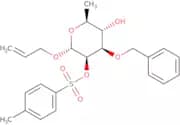
-Unit-kgkgA consultar1kgA consultar5kgA consultar10kgA consultar500gA consultar2500gA consultarAllyl 3-O-benzyl-2-O-p-toluenesulfonyl-a-L-rhamnopyranoside
CAS:Allyl 3-O-benzyl-2-O-p-toluenesulfonyl-a-L-rhamnopyranoside (ABTS) is a synthetic sugar derivative that is used in the modification and synthesis of saccharides. ABTS can be modified by fluorination, glycosylation, methylation, or other modifications to produce new compounds. ABTS has a CAS number of 940274-22-6.Fórmula:C23H28O7SPureza:Min. 95%Peso molecular:448.54 g/mol2-Acetamido-2-deoxy-β-D-glucopyranosyl amine
CAS:2-Acetamido-2-deoxy-beta-D-glucopyranosyl amine (A2DG) is a diagnostic marker for juvenile idiopathic polyarteritis nodosa. This molecule is an intermediate in the synthesis of the carbohydrate, heparin. The A2DG assay measures concentrations of this metabolite in plasma samples and can be used to diagnose vasculitis and other inflammatory diseases. Novartis has developed a metabolite profiling technique that uses mass spectrometry to identify molecules present in cell culture or plasma samples. This technique has been used to measure levels of A2DG metabolites in patients with vasculitis, including juvenile idiopathic polyarteritis nodosa.Fórmula:C8H16N2O5Pureza:Min. 95.0 Area-%Peso molecular:220.22 g/mol2-Acetamido-2-deoxy-3-O-(a-D-galactopyranosyl)-D-galactopyranose
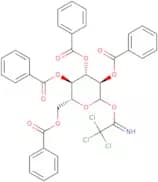
CAS:2-Acetamido-2-deoxy-3-O-(a-D-galactopyranosyl)-D-galactopyranose is a high purity synthetic oligosaccharide. It is an off white to light yellow powder with a molecular weight of 514.06 and a melting point of >200 degrees Celsius. The chemical formula for this product is C12H24O11N2. This product has been fluorinated, methylated, glycosylated, and click modified to create a complex carbohydrate that can be used in the synthesis of other molecules.Fórmula:C14H25NO11Pureza:Min. 90.0 Area-%Peso molecular:383.35 g/mol2,3,4,6-Tetra-O-benzoyl-a-D-glucopyranosyl trichloroacetimidate
CAS:A calibration system is a device that utilizes a set of parameters to calibrate or correct for errors in measurement. The device utilizes the properties of the signal, such as amplitude and frequency, to compensate for electronic distortion. A calibration system can be used in many different fields including biology, medicine and telecommunications. The optical system includes a sensor that interacts with an organism or cell culture to measure the concentration of a substance. The sensor may utilize light-emitting diodes (LEDs) or photodetectors to detect changes in current or voltage. Calibration is needed to ensure accuracy when using this type of sensor. A linearized data base stores information about polypeptides such as their linear sequence and how they interact with other molecules. This data base can be accessed by programs that calculate the sequence of new polypeptides and predict their function in cells and organisms.Fórmula:C36H28Cl3NO10Pureza:Min. 95%Cor e Forma:PowderPeso molecular:740.97 g/mol4-Isothiocyanatophenyl-α-D-mannopyranoside
CAS:4-Isothiocyanatophenyl-alpha-D-mannopyranoside is a synthetic glycosylated sugar that has been modified with fluorination and methylation. It is a custom synthesis that can be modified to customer specifications. This product is available in high purity and at competitive prices.Fórmula:C13H15NO6SPureza:Min. 98.0 Area-%Peso molecular:313.33 g/molRef: 3D-W-204140
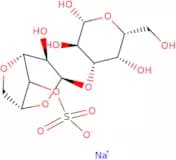
-Unit-ggA consultar1gA consultar50mgA consultar100mgA consultar250mgA consultar500mgA consultarNeocarrabiose-4-O-sulfate sodium
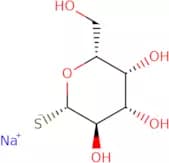
CAS:Neocarrabiose-4-O-sulfate sodium is a methylated, saccharide polymer. It is a modification of the natural product neocarrabiose A (CAS No. 108321-76-2) and has been synthesized by Click chemistry. Neocarrabiose-4-O-sulfate sodium is a high purity, synthetic carbohydrate with a complex structure that consists of glucose and galactose units linked by β-(1→3) and β-(1→6) bonds. The glycosylation pattern of this compound is different from that of neocarrabiose A because it contains additional modifications at the terminal positions on the sugar rings. Neocarrabiose-4-O-sulfate sodium is used for glycosylation reactions, such as Click chemistry and oligosaccharide synthesis.Fórmula:C12H19NaO13SPureza:Min. 95%Cor e Forma:White PowderPeso molecular:426.33 g/molβ-D-Thiogalactose sodium
CAS:β-D-Thiogalactose sodium (DTGS) is a radiometric technique that evaluates the profiles of gases by measuring their molecular weights. DTGS is used to measure gas concentrations in the atmosphere, which are transferred to positions on a map. The DTGS technique is validated and calibrated by comparing its measurements with those of other techniques, such as infrared spectroscopy. It can be used to evaluate water vapor and other gases in the atmosphere. This technique has been shown to have accurate results at temperatures ranging from −5°C up to 100°C and at frequencies from 1 Hz up to 10 MHz.Fórmula:C6H11NaO5SPureza:Min. 95%Cor e Forma:PowderPeso molecular:218.2 g/molN-(4-Methylbenzyliden)imino-2,3,4,6-tetra-O-pivaloyl-D-glucopyranoside
N-(4-Methylbenzyliden)imino-2,3,4,6-tetra-O-pivaloyl-D-glucopyranoside is a synthetic monosaccharide with a complex carbohydrate structure. It can be used in custom synthesis and glycosylation reactions. This product is not found in nature and has not been reported to be found in any natural products. The CAS number for this compound is 51492-04-3.Fórmula:C34H51NO9Pureza:Min. 95%Peso molecular:617.77 g/mol1-Chloro-2-deoxy-3,5-di-O-toluoyl-D-ribofuranose
CAS:Synthetic building block for nucleic acid researchFórmula:C21H21ClO5Pureza:Min. 95%Cor e Forma:Off-White PowderPeso molecular:388.84 g/mol1,3,4,6-Tetra-O-acetyl-N-azidoacetylgalactosamine
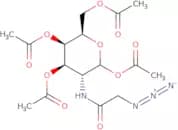
CAS:1,3,4,6-Tetra-O-acetyl-N-azidoacetylgalactosamine is an azido-tagged analogue of N-acetylgalactosamine. It features azide functionality on the N-acyl side chain and is acetylated to aid in cell membrane permeation. It is metabolised by mammalian cells and incorporated into mucin-type-O-linked glycoproteins. The azide functionality is exploited as a biorthogonal functional group that can be reacted with phosphine probes by the Staudinger ligation.Fórmula:C16H22N4O10Pureza:Min. 95 Area-%Cor e Forma:White Off-White PowderPeso molecular:430.37 g/molMethyl (2,3-di-O-benzyl-4-O-methyl-α,β-D-glucopyranoside)uronate
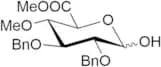
CAS:A protected glucuronide which is an anomeric mixture.Fórmula:C22H26O7Pureza:Min. 95%Cor e Forma:PowderPeso molecular:402.44 g/mol2-Deoxy-D-ribonic acid-1,4-lactone
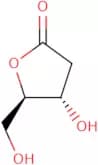
CAS:2-Deoxy-D-ribonic acid-1,4-lactone (2DRA) is a chemical compound with physiological effects. 2DRA is an irreversible inhibitor of DNA polymerase that has been shown to be a potent inhibitor of nuclear DNA synthesis in vitro and in vivo. The 2DRA inhibits the transfer reactions that are required for the replication of DNA. 2DRA binds to the nuclease domain of the enzyme and prevents it from cutting the phosphodiester bonds, leading to inhibition of DNA synthesis. This compound also has genotoxic effects and can cause mutation in cells through radiation or chemical treatment.Fórmula:C5H8O4Pureza:Min. 95%Cor e Forma:Colorless Yellow PowderPeso molecular:132.12 g/mol2-Acetamido-1,3-di-O-acetyl-2-deoxy-D-glucopyranose
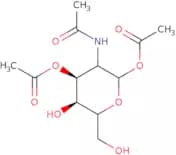
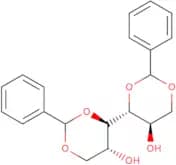
CAS:2-Acetamido-1,3-di-O-acetyl-2-deoxy-D-glucopyranose is a synthetic sugar that is used in the synthesis of complex carbohydrates. It has been shown to be an effective fluorinating agent for glycosylations and can be methylated or click modified. 2-Acetamido-1,3-di-O-acetyl-2-deoxy-D-glucopyranose has high purity and can be custom synthesized to order.Fórmula:C12H19NO8Pureza:Min. 95%Cor e Forma:White PowderPeso molecular:305.28 g/mol1,3:4,6-Di-O-benzylidene-D-mannitol
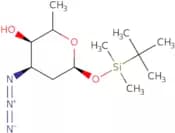
CAS:1,3:4,6-Di-O-benzylidene-D-mannitol is a chiral sugar that is synthesized from d-mannitol. It is used for the preparation of polymers with acrylonitrile and phosphine. 1,3:4,6-Di-O-benzylidene-D-mannitol can be obtained by copolymerizing the monomers d-mannitol and acrylonitrile in an enantioselective manner. The yield of this compound depends on the analytical methods used to determine the composition of the polymer. The product is also used as a ligand in metal hydrides and simplifies the synthesis of chiral methyl esters.Fórmula:C20H22O6Pureza:Min. 95%Cor e Forma:PowderPeso molecular:358.39 g/mol3-Azido-1-O-t-butyldimethylsilyl-2,3,6-trideoxy-b-L-arabino-hexopyranose
3-Azido-1-O-t-butyldimethylsilyl-2,3,6-trideoxy-b-L-arabinohexopyranose is a modified sugar. It is used as a building block in the synthesis of oligosaccharides and polysaccharides. This product is custom synthesized to customer's specifications and is available in high purity.Fórmula:C12H25N3O3SiPureza:Min. 95%Peso molecular:287.43 g/mol2-Methyl-(3,4,6-tri-O-acetyl-1,2-dideoxy-a-D-glucopyrano)-[2,1-d]-2-oxazoline
CAS:2-Methyl-(3,4,6-tri-O-acetyl-1,2-dideoxy-a-D-glucopyrano)-[2,1-d]-2-oxazoline (TAO) is a molecule that is produced during the glycosylation of proteins. TAO has been shown to enhance chemotherapy by targeting and inhibiting the growth of cancer cells. TAO binds to the epidermal growth factor receptor (EGFR), which is a protein that regulates cell proliferation. TAO inhibits cancer cell growth by blocking the activation of EGFR and its downstream signaling pathways. This inhibition leads to tumor regression in xenografts in mice. TAO also blocks o-glycosylation, which is a process that enhances cancer therapy resistance.Fórmula:C14H19NO8Pureza:90%Cor e Forma:Yellow PowderPeso molecular:329.31 g/mol2- Azido-3,5-di-O-benzoyl- 2- deoxy- 2- C- methyl-D- ribonic acid g- lactone
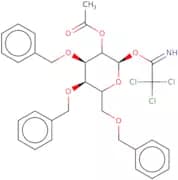
CAS:2-Azido-3,5-di-O-benzoyl-2-deoxy--C-methyl-D--ribonic acid g--lactone is a methylated saccharide that can be used for the synthesis of polysaccharides. The 2'-azido group in this compound can be used to modify oligosaccharides and glycosylations. This compound is a custom synthesis and is not commercially available. It has been shown to have high purity and a yield of 99%.Fórmula:C20H17N3O6Pureza:Min. 95%Peso molecular:395.37 g/mol2-O-Acetyl-3,4,6-tri-O-benzyl-a-D-glucopyranosyl trichloroacetimidate
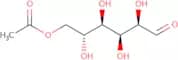
CAS:2-O-Acetyl-3,4,6-tri-O-benzyl-a-D-glucopyranosyl trichloroacetimidate is a custom synthesis. It is a modified oligosaccharide with a fluorinated carbon atom in the 2 position of the acetyl group. This chemical has been shown to be effective for click modification and glycosylation reactions. The CAS number for this chemical is 108869-64-3.Pureza:Min. 95%6-O-Acetyl-D-glucose
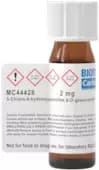
CAS:6-O-Acetyl-D-glucose is a natural sugar that is found in Holothuria, a sea cucumber. It has been shown to have anti-cancer and anti-inflammatory properties. 6-O-Acetyl-D-glucose inhibits the production of extracellular Ca2+ and has shown therapeutic effects against colorectal carcinoma. This active substance also exhibits allergenic reactions, which may be due to its ability to bind to IgE antibodies on mast cells and basophils. 6-O-Acetyl-D-glucose is a glycoside that contains an acetate group linked by an O atom to the hydroxyl residue of glucose. The glycosidic bond can be hydrolyzed with the enzyme β glucosidase, releasing the aglycone (sugar) and β glucosidase.Fórmula:C8H14O7Pureza:Min. 95%Cor e Forma:PowderPeso molecular:222.19 g/mol5-Chloro-8-hydroxyquinoline b-D-glucuronide
CAS:Chromogenic substrate targeting beta-glucuronidase
Fórmula:C15H14ClNO7Pureza:Min. 98 Area-%Cor e Forma:White PowderPeso molecular:355.73 g/molDiacetone-D-glucose
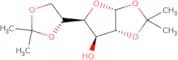
CAS:1,2:5,6-Di-O-isopropylidene-alpha-D-glucofuranose, also known as diacetone-D-glucose (DAG), is a partially protected D-glucose sugar locked in the furanose form with isopropylidene protecting groups on the 1,2 and 5,6 positions. The unprotected 3 position is ready for a variety of chemical manipulations, such as alkylation, acylation or stereo-inversion. An orthogonal protecting group could be added to the 3 position to allow deprotection of an isopropylidene and therefore manipulations of the other hydroxyl groups. Diacetone-D-glucose has been used to make fluorinated hexopyranose glycolysis inhibitors useful in the treatment of brain tumours.
Fórmula:C12H20O6Pureza:Min. 98 Area-%Cor e Forma:White Off-White PowderPeso molecular:260.28 g/mol2-Acetamido-2-deoxy-a-D-galactopyranosyl serine
CAS:2-Acetamido-2-deoxy-a-D-galactopyranosyl serine (2AGPS) is a naturally occurring glycosaminoglycan. It has been shown to inhibit the growth of cancer cells and to reduce the size of mouse tumors in vivo. This compound also inhibits viral replication in vitro, and its antiviral properties have been shown to work on several different types of viruses, including herpes simplex virus type 1, human cytomegalovirus, and influenza A virus. 2AGPS is also a potent inducer of toll-like receptor 4 signaling pathways in macrophages and dendritic cells. 2AGPS can be synthesized by using a polymerase chain reaction (PCR) technique with synthetic oligosaccharides as a template.Fórmula:C11H20N2O8Pureza:Min. 90 Area-%Cor e Forma:Off-White Yellow PowderPeso molecular:308.29 g/molD-Erythrulose - Aqueous solution
CAS:D-Erythrulose is a sugar that can be synthesized from the chemical structures of glycolaldehyde and carbonyl group. It can also be produced by hydrolysis of erythritol, which is found in plant cell walls. D-Erythrulose has been used as an alternative to glucose for fermentation processes because it does not inhibit the growth of most bacteria. D-Erythrulose has been shown to increase ATP levels in Escherichia coli K-12 cells and to affect the activities of enzymes involved in glycolysis, such as glyceraldehyde 3-phosphate dehydrogenase, phosphoglycerate kinase, and enolase. The metabolic pathways that produce D-erythrulose are found in many organisms, including Corynebacterium glutamicum, Brucella melitensis, and Brucella suis.Fórmula:C4H8O4Pureza:Min. 95%Cor e Forma:Colorless PowderPeso molecular:120.1 g/mol2,3,5-Tri-O-benzoyl-1-O-(4-nitrobenzoyl)-D-ribofuranose
CAS:2,3,5-Tri-O-benzoyl-1-O-(4-nitrobenzoyl)-D-ribofuranose is a custom synthesis of an oligosaccharide. It is used in the synthesis of polysaccharides and glycosylations. This compound has been modified with methylation and fluorination reactions. It has CAS No. 108392-15-0 and is available in high purity.Fórmula:C33H25NO11Pureza:Min. 95%Cor e Forma:PowderPeso molecular:611.55 g/mol1,2,3,4-Tetra-O-pivaloyl-6-O-triisopropylsilyl-b-D-glucopyranose
1,2,3,4-Tetra-O-pivaloyl-6-O-triisopropylsilyl-b-D-glucopyranose is a high purity custom synthesis sugar. It has been modified with fluorination and glycosylation. The CAS number for this product is 8071-79-8. Synthetic modification of the sugar to form an oligosaccharide or monosaccharide can also be performed. This product is a complex carbohydrate that contains saccharides in the form of a sugar molecule linked together by glycosidic bonds.Fórmula:C35H64O10SiPureza:Min. 95%Peso molecular:672.98 g/mol1,2-Di-O-acetyl-3-deoxy-3-fluoro-5-O-toluoyl-a-D-ribofuranose
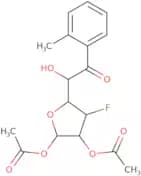
CAS:1,2-Di-O-acetyl-3-deoxy-3-fluoro-5-O-toluoyl-a-D-ribofuranose is a fluorinated sugar molecule. It is a methylated saccharide that has been modified with click chemistry and glycosylation. The modified sugar can be used to synthesize a variety of complex carbohydrates including oligosaccharides and polysaccharides. This product is available in high purity with CAS No. 1884324-99-5.Pureza:Min. 95%2,4-O-Benzylidene-D-Threose
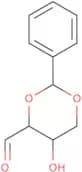
CAS:2,4-O-Benzylidene-D-Threose is a chemical compound that is used as a reagent in the synthesis of glycosphingolipids. It is prepared by the Wittig reaction of 2,4-dibromobenzaldehyde with potassium azide and phytosphingosine. The compound has also been used as a tool in biological studies to study the biosynthesis of glycosphingolipids. This product can react with carbinols to produce acetylides or diphosphate esters. 2,4-O-Benzylidene-D-Threose can be used as a reagent for the synthesis of methylmagnesium chloride, which is a Grignard reagent.Pureza:Min. 95%Methyl 2,3-di-O-benzoyl-4,6-O-(4-methoxybenzylidene)-a-D-glucopyranoside
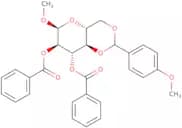
CAS:Methyl 2,3-di-O-benzoyl-4,6-O-(4-methoxybenzylidene)-a-D-glucopyranoside is a synthetic carbohydrate. The chemical name is methyl 2,3-di-O-benzoyl-4,6--O-(4--methoxybenzylidene) -a -D--glucopyranoside. It is a white or off white powder that is soluble in water and methanol. This product can be used as a monosaccharide for glycosylation or polysaccharide for saccharide modification.Fórmula:C29H28O9Pureza:Min. 95%Peso molecular:520.54 g/mol2-Acetamido-2,6-dideoxy-L-mannose
2-Acetamido-2,6-dideoxy-L-mannose is a deoxyhexose that is found in lipopolysaccharides from Gram-negative bacteria. 2-Acetamido-2,6-dideoxy-L-mannose is the only hexose that can be used for O antigen synthesis, which makes it an important component of LPS and O antigens. It has been sequenced in many organisms including animals, plants, and bacteria. 2-Acetamido-2,6-dideoxy-L-mannose may be involved in the translocation of bacteria across the gut epithelium into the bloodstream. The monosaccharide also plays a role in serogrouping and serotyping of bacteria.Pureza:Min. 95%1,2:4,5-Di-O-cyclohexylidene-b-D-fructopyranose
CAS:1,2:4,5-Di-O-cyclohexylidene-b-D-fructopyranose is a modification of the natural carbohydrate 1,2:4,5-di-O-isopropylidene-b-D-fructopyranose. It is an oligosaccharide composed of three units of b-D-fructofuranose linked by α-(1,2) and β-(1,4) glycosidic bonds. The methylation and glycosylation of this saccharide can be customized to produce a wide range of products with different properties. 1,2:4,5 Di O cyclohexylidene b D fructopyranose can be used in applications such as pharmaceuticals and agrochemicals.
The molecular formula for this compound is C10H14O8 and its CAS number is 18608-92-9.Fórmula:C18H28O6Pureza:Min. 95%Peso molecular:340.41 g/mol1,2:3,4-Di-O-isopropylidene-6-thio-a-D-galactopyranose
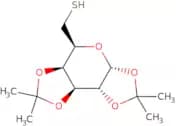
CAS:1,2:3,4-Di-O-isopropylidene-6-thio-a-D-galactopyranose is a synthetic oligosaccharide that contains a fluorinated sugar. It has been used for the synthesis of glycoproteins and polysaccharides. This product is custom synthesized and can be modified to your specifications. It is typically used in the production of polysaccharides or glycoproteins. This product has a high purity and CAS No. 16714-07-1.Fórmula:C12H20O5SPureza:Min. 95%Cor e Forma:Clear LiquidPeso molecular:276.35 g/mol2-Amino-2-deoxy-D-fucose
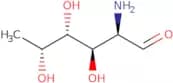
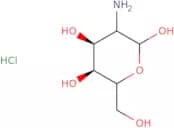
CAS:2-Amino-2-deoxy-D-fucose is a sugar molecule that is found in the cell wall of bacteria, including Staphylococcus aureus. It may be used to treat microbial infections by binding to bacterial cell walls and causing them to lose their ability to adhere to host cells. This sugar molecule may also be effective against Pseudomonas aeruginosa. 2-Amino-2-deoxy-D-fucose has been shown to inhibit the growth of P. aeruginosa in vitro by inhibiting the synthesis of fatty acids and increasing the production of hydrogen fluoride, which leads to cell death.Fórmula:C6H13NO4Pureza:Min. 95%Peso molecular:163.17 g/molD-Gluconic acid manganese salt
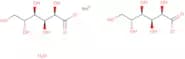
CAS:D-Gluconic acid manganese salt (DGM) is a glycol ether that is used as an antimicrobial agent in the treatment of infectious diseases. It binds to the metal ions in bacterial cell walls and disrupts their function. DGM has been shown to inhibit enzymes such as phosphoglucoisomerase, glucose-6-phosphate dehydrogenase, and pyruvate kinase. DGM also has covalent linkages that may be involved in its antimicrobial activity. The structure of DGM has been determined by X-ray diffraction data and electrochemical impedance spectroscopy, which show that it belongs to group p2.
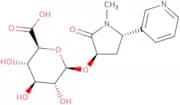
Fórmula:C6H11O7·MnPureza:Min. 98%Cor e Forma:PowderPeso molecular:445.24 g/mol1-O-(trans-3-Hydroxycotinine)-b-D-glucuronide ammonium salt
CAS:The glucuronidation of 1-O-(trans-3-hydroxycotinine)-b-D-glucuronide ammonium salt is mediated by the enzyme UDP-glucuronosyltransferase. This reaction is catalyzed by the transfer of a glucuronic acid residue from UDP-glucuronic acid to a hydroxyl group on the side chain of 1-O-(trans-3-hydroxycotinine)-b-D-glucuronide ammonium salt. The kinetic analysis of human urine samples has shown that this reaction is significant. This metabolite can be detected in urine samples using next generation sequencing and its concentration can be used as an indicator for the consumption of tobacco or nicotine containing products. Epidemiological studies have shown that this metabolite has significant effects on cancer risk. Genotyping and genotype studies have shown that this metabolite is responsible for genetic polymorphisms that are associated with increased cancer risk.
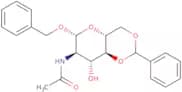
Fórmula:C16H20N2O8•(NH3)xPureza:Min. 97%Cor e Forma:White PowderPeso molecular:368.34 g/molBenzyl 2-acetamido-4,6-O-benzylidene-2-deoxy-β-D-glucopyranoside
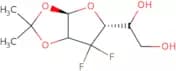
CAS:This product is a computational, experimental, and acoustic expansion of benzyl 2-acetamido-4,6-O-benzylidene-2-deoxy-b-D-glucopyranoside. It is used as an additive to motorcycle fuel, with the purpose of preventing engine knock. The experiment was conducted by measuring the pressure levels in a cylinder at different temperatures. The results showed that the highest pressure level was obtained when the temperature was increased to 220 degrees Celsius and the pressure level decreased when it was lowered to 200 degrees Celsius.Fórmula:C22H25NO6Pureza:Min. 95%Cor e Forma:White to off-white solid.Peso molecular:399.44 g/mol3-Deoxy-3,3-difluoro-1,2-O-Di-O-isopropylidene-a-D-glucofuranose
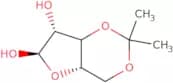
3-Deoxy-3,3-difluoro-1,2-O-Di-O-isopropylidene-a-D-glucofuranose is an alpha, beta unsaturated carbonyl sugar. It can be used as a building block to synthesize oligosaccharides or glycosylations. It has been shown that 3DG reacts with the amino group of proteins and peptides leading to the formation of methylated sugars. This compound can also be used to modify saccharides such as by converting them into click or substitution derivatives. 3DG is readily available in high purity and is stable under a variety of conditions.Fórmula:C9H14F2O5Pureza:Min. 95%Peso molecular:240.2 g/mol1-O-Benzyl-2,3:4,6-di-O-isopropylidene-a-L-sorbofuranoside
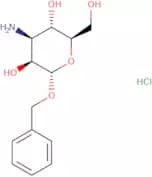
1-O-Benzyl-2,3:4,6-di-O-isopropylidene-a-L-sorbofuranoside is an oligosaccharide that is used for the synthesis of saccharides and polysaccharides. It has a molecular weight of 296.1 g/mol and a CAS number of 257874-01-8. The product can be synthesized from 1,2,3,4,6,-O-isopropylidene sorbitol and benzaldehyde via methylation and click modification. This product is also used in the fluorination of complex carbohydrates. 1,2,3,4,6,-O-isopropylidene sorbitol can be modified by various methods to produce different products with different properties. It has a purity level of ≥98% (HPLC) and is made up of one monosaccharide sugar unit with a single reactiveFórmula:C19H26O6Pureza:Min. 95%Peso molecular:350.41 g/molBenzyl 3-amino-3-deoxy-a-D-mannopyranoside HCl
CAS:Benzyl 3-amino-3-deoxy-a-D-mannopyranoside HCl is a high purity, custom synthesized, synthetic carbohydrate. It has been modified with fluorination and glycosylation. Modification of the carbohydrate is done by methylation or oligosaccharide addition. This product is a complex carbohydrate that has been synthesized from monosaccharides and saccharides. The carbohydrates are saccharide chains composed of carbon, hydrogen, and oxygen atoms in a straight or branched chain. Carbohydrates can be classified according to their number of sugar units: mono-, di-, tri-, tetra-, penta-, hexa-, hepta-, octa-, nona-.Fórmula:C13H19NO5·HClPureza:Min. 95%Cor e Forma:PowderPeso molecular:305.75 g/molN-Acetylneuraminic acid dihydrate
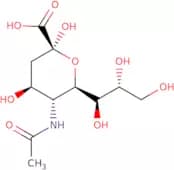
CAS:N-Acetylneuraminic acid dihydrate, also known as sialic acid dehydrate or Neu5Ac dehydrate, is often present in the terminal chains of many oligosaccharides and has a cellular recognition function (Varki and Schauer, 2009). Together with its non-hydrated form, N-acetylneuraminic acid and derivatives function as neurotransmitters and are involved in many post-translational protein modifications. N-acetylneuraminic acids are present on the surface of the vertebrate cells and can interact with pathogens, such as, bacteria and viruses. Recent scientific studies have revealed that the spike glycoprotein of the SARS-COV 2 coronavirus, responsible of the COVID-19, shows a high affinity to N-acetylneuranimic acid (Baker, 2020).Fórmula:C11H19NO9·2H2OPureza:Min. 95%Cor e Forma:PowderPeso molecular:345.3 g/molD-Glucosaminic acid
CAS:D-Glucosaminic acid is a monosaccharide that is found in many glycosaminoglycans. It has been shown to have synergistic effects when combined with malonic acid and hydroxyl group. D-Glucosaminic acid can be used for wastewater treatment, as it is able to form stable complexes with the anionic groups of cell walls. D-Glucosaminic acid also shows antibacterial activity against bacterial strains, including Mycoplasma pneumoniae and Streptococcus pyogenes. The wild-type strain of Escherichia coli is not inhibited by this compound.Fórmula:C6H13NO6Pureza:Min. 96 Area-%Cor e Forma:White Off-White PowderPeso molecular:195.17 g/molD-Galactose - anhydrous
CAS:Galactose (Gal) is the C4 epimer of glucose with one hydroxyl group axial which by Hudsons rules makes it slightly less stable than glucose (Hudson, 1948). However, galactose is very common in plants and animals, and occurs in many polysaccharides, such as, galactomannans (e.g. Guar, Locust Bean Gum), Carrageenans , Agar (L-Galactose), Hemicellulose, Gum Arabic [link] and galactans (e.g. from Lupin) (Whistler, 1993). Galactose is one of the key mammalian monosaccharides (glucose, galactose, mannose, fucose, N-acetyl glucosamine, N-acetyl galactosamine and sialic acid) and it occurs in blood, milk, gangliosides, N- and O-linked glycans (Gabius, 2009). Like glucose, galactose exhibits mutarotation (Acree, 1968) and is optically active (dextrorotary) with L-galactose as its enantiomer (levorotary).Fórmula:C6H12O6Pureza:Min. 98 Area-%Cor e Forma:White PowderPeso molecular:180.16 g/molD-Glucose 1-13C
CAS:D-Glucose 1-13C is a kinetic isotope that is used to study the metabolic pathways of glucose. The presence of 13C in the molecule allows for the identification of metabolites and provides an accurate measurement of metabolic rate. This isotope has been used to study lipid metabolism in exudates from animals, as well as fatty acid synthesis in microsomes from rats. D-Glucose 1-13C has also been used in studies on yeast, specifically Saccharomyces cerevisiae strain and Saccharomyces cerevisiae strain.Fórmula:CC5H12O6Pureza:Min. 95%Cor e Forma:White PowderPeso molecular:181.15 g/molD-Glucopyranosyl thiosemicarbazide
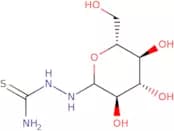
CAS:D-Glucopyranosyl thiosemicarbazide is a synthetic molecule that reacts with halides to produce regiospecifically substituted aldehydes. It has been used in the synthesis of glycosylated heterocycles and for the conversion of amines into reactive intermediates. D-Glucopyranosyl thiosemicarbazide can be prepared by reacting 2,3-dichloro-5,6-dicyanobenzoquinone with sodium nitrite in methanol followed by hydrolysis with water. This reaction produces an intermediate that reacts with sulfur dioxide to form the desired product. The structure of this molecule was determined using X-ray crystallography on crystals obtained from aspergillus mold.Fórmula:C7H15N3O5SPureza:Min. 95%Cor e Forma:White to off-white powder.Peso molecular:253.28 g/mol2-Iodoethyl 2,3,4,6-tetra-O-acetyl-α-D-mannopyranoside
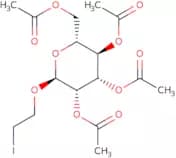
CAS:2-Iodoethyl 2,3,4,6-tetra-O-acetyl-a-D-mannopyranoside is a high purity custom synthesis that can be modified with Click chemistry. It can be synthesized by modification of methylated glycosides and saccharides. This product has been shown to have a wide range of applications in the areas of fluorination, glycosylation, and methylation. The sugar moiety is an oligosaccharide made up of one or more monosaccharides (simple sugars) joined together by glycosidic bonds. This product is often found in complex carbohydrates such as glycogen and starch.
Fórmula:C16H23IO10Pureza:Min. 95%Cor e Forma:White to off-white solid.Peso molecular:502.25 g/mol
























![2-Methyl-(3,4,6-tri-O-acetyl-1,2-dideoxy-a-D-glucopyrano)-[2,1-d]-2-oxazoline](/_next/image/?url=https%3A%2Fstatic.cymitquimica.com%2Fproducts%2F3D%2Fthumb-webp%2FMM07263.webp&w=3840&q=75)