Monossacáridos
Monossacarídeos são a forma mais simples de carboidratos e servem como building blocks fundamentais para açúcares mais complexos e polissacarídeos. Essas moléculas de açúcar único desempenham papéis críticos no metabolismo energético, na comunicação celular e nos componentes estruturais das células. Nesta seção, você encontrará uma ampla variedade de monossacarídeos essenciais para pesquisas em bioquímica, biologia molecular e glicociência. Esses compostos são cruciais para estudar vias metabólicas, processos de glicosilação e desenvolvimento de agentes terapêuticos. Na CymitQuimica, oferecemos monossacarídeos de alta qualidade para apoiar suas necessidades de pesquisa, garantindo precisão e confiabilidade em suas investigações científicas.
Subcategorias de "Monossacáridos"
- Aloses(11 produtos)
- Arabinoses(21 produtos)
- Eritroses(11 produtos)
- Frutoses(9 produtos)
- Fucoses(36 produtos)
- Galactosamina(41 produtos)
- Galactoses(261 produtos)
- Glucoses(365 produtos)
- Ácidos Glucurónicos(51 produtos)
- Glico-substratos para enzimas(77 produtos)
- Guloses(6 produtos)
- Idoses(4 produtos)
- Inositóis(15 produtos)
- Lixoses(4 produtos)
- Mannoses(65 produtos)
- O-Glicanos(48 produtos)
- Psicoses(3 produtos)
- Ramnoses(10 produtos)
- Riboses(61 produtos)
- Ácidos siálicos(100 produtos)
- Sorboses(4 produtos)
- Açúcares(173 produtos)
- Tagatoses(4 produtos)
- Taloses(8 produtos)
- Xiloses(20 produtos)
Exibir 17 mais subcategorias
Foram encontrados 6090 produtos de "Monossacáridos"
Ordenar por
Pureza (%)
0
100
|
0
|
50
|
90
|
95
|
100
5,6-O-Isopropylidene-3-C-methyl-D-mannono-1.4-lactone
<p>5,6-O-Isopropylidene-3-C-methyl-D-mannono-1.4-lactone is a fluorinated monosaccharide that can be modified with other chemicals to create a variety of products. This chemical is used in the synthesis of oligosaccharides and polysaccharides. 5,6-O-Isopropylidene-3-C-methyl-D-mannono-1.4-lactone has a CAS number of 105853-. It has been shown to be high purity and is also available for custom synthesis. 5,6--O--isopropylidene--3--C--methyl--D--mannono--1.4--lactone can be synthesized from methylation, click modification, and fluorination reactions on glycolaldehyde.</p>Pureza:Min. 95%5-O-Allyl-2,3,4-tri-O-benzyl-D-ribitol
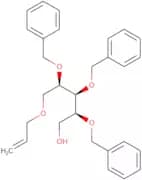
CAS:<p>5-O-Allyl-2,3,4-tri-O-benzyl-D-ribitol is an acid that has been used in preparative organic chemistry. It is a benzyloxymethyl derivative of ribose, which can be converted to the corresponding methyl ether by hydrolysis with sodium methoxide in methanol. 5-O-Allyl-2,3,4-tri-O-benzyl-D-ribitol functions as an isomer and dimerization reagent for the preparation of propenyl derivatives. 5-O-Allyl 2,3,4 tri O benzyl D ribitol has been shown to inhibit Influenza A H1N1 strains in vitro with a 50% inhibitory concentration (IC50) of 1 μM.</p>Fórmula:C29H34O5Pureza:Min. 90.0 Area-%Cor e Forma:Yellow Clear LiquidPeso molecular:462.58 g/mol(2S, 3R, 4S, 5R) -3, 4- Dihydroxy- 5- (hydroxymethyl) - N- methyl-2- pyrrolidinecarboxami de
CAS:<p>2,3-dihydroxy-5-hydroxymethylpyrrolidineacetic acid is a synthetic compound that is a building block for the synthesis of complex carbohydrates. It is an intermediate in the preparation of 2,3-dihydroxy-5-hydroxymethylpyrrolidinone and 4,6-dihydroxy-2,5,7,8-tetramethylchroman-2-carboxylic acid. This product can be used in glycosylation reactions for the synthesis of saccharide and oligosaccharides.</p>Pureza:Min. 95%2-Amino-2-deoxy-D-allose hydrochloride
CAS:<p>2-Amino-2-deoxy-D-allose hydrochloride is a structural isomer of 2-amino-2-deoxy-daltrose. This substance has a nuclear magnetic resonance spectrum that is consistent with the proposed structure. The coupling constants are in agreement with the expected values for this type of molecule. A mass spectrum of this substance shows peaks corresponding to the molecular ion, a tetrazole fragment, and the two vicinal hydrogens. The measurement of 2-amino-2-deoxy-daltrose by nuclear magnetic resonance spectroscopy is shown below:</p>Fórmula:C6H13NO5·HClPureza:Min. 95%Peso molecular:215.63 g/molMethyl 2,3,4-tri-O-benzyl-6-O-triisopropylsilyl-a-D-glucopyranoside
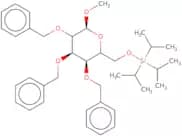
<p>Methyl 2,3,4-tri-O-benzyl-6-O-triisopropylsilyl-a-D-glucopyranoside is an oligosaccharide that is synthesized by the process of fluorination and glycosylation. It can be used as a synthetic building block to produce complex carbohydrates and polysaccharides. This compound is a monosaccharide that has been modified with methyl groups on the 2, 3, 4, and 6 positions. Methyl 2,3,4-tri-O-benzyl-6-O-triisopropylsilyl glucopyranoside can be used for click modification reactions. The CAS number for this compound is</p>Fórmula:C37H52O6SiPureza:Min. 95%Peso molecular:620.91 g/mol1,5,6,7-Tetra-O-benzylvoglibose
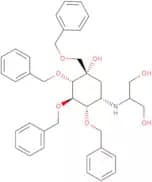
CAS:<p>1,5,6,7-Tetra-O-benzylvoglibose is a naturally occurring pentose that is classified as an inhibitor of protein synthesis. It has been shown to inhibit the growth of tumor cells and may be useful in the treatment of cancer. 1,5,6,7-Tetra-O-benzylvoglibose binds to cation channels and blocks their activity. This prevents the influx of calcium ions into the cell which is required for cell division. 1,5,6,7-Tetra-O-benzylvoglibose also inhibits tumor metastases by inhibiting proliferation of myeloid derived suppressor cells (MDSCs). 1,5,6,7 Tetra-O-benzylvoglibose has been shown to inhibit growth factor signaling pathways in cardiac tissue and reduce the risk of cardiac disease development.</p>Fórmula:C38H45NO7Pureza:Min. 95%Peso molecular:627.77 g/molEstradiol 3-sulfate 17β-glucuronide dipotassium
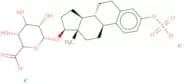
CAS:<p>Estradiol 3-sulfate 17b-glucuronide dipotassium salt is an estradiol ester that is a metabolite of estradiol. It has been shown to be an intermediate in the synthesis of estrone sulfate and other steroid hormones. Estradiol 3-sulfate 17b-glucuronide dipotassium salt is formed from estradiol by the addition of one molecule of sulfuric acid followed by the addition of glucuronic acid, which results in a salt form. It may also be formed by oxidation of allylic hydroperoxides and photooxygenation in families with oxygenated moieties. Irradiation leads to formation of oxygenated steroids. The alkene reactivity depends on the substitution pattern, the cyclic reactivity depends on the ring size and substitution pattern, and the reactivity with peroxides depends on the position of substitution.</p>Fórmula:C24H32O11S•K2Pureza:Min. 95%Cor e Forma:White to off-white solid.Peso molecular:606.77 g/molMethyl 2,3,5-tri-O-benzyl-β-D-ribofuranoside
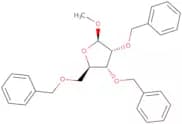
CAS:<p>Methyl 2,3,5-tri-O-benzyl-b-D-ribofuranoside is a glycosylation reagent that can be used in the synthesis of oligosaccharides and polysaccharides. It is used to modify saccharides with fluorine or methyl groups and can be used to synthesize complex carbohydrates. Methyl 2,3,5-tri-O-benzyl-b-D-ribofuranoside is also an intermediate for click chemistry reactions. This product has high purity and can be custom synthesized to meet customers' needs.</p>Fórmula:C27H30O5Pureza:Min. 95%Cor e Forma:Pale yellow oil.Peso molecular:434.52 g/molMethyl 2,3-di-O-acetyl-4,6-O-(4-methoxybenzylidene)-a-D-mannopyranoside
<p>Methyl 2,3-di-O-acetyl-4,6-O-(4-methoxybenzylidene)-a-D-mannopyranoside is a custom synthesis that contains a fluorinated sugar with a methyl group attached to the 4 position. The oligosaccharide is synthesized through click chemistry and has been modified with an acetate at the 6 position. The CAS number is 108739-53-0. The carbohydrate is a complex carbohydrate that can be found in nature or synthesized in the laboratory.</p>Fórmula:C19H24O9Pureza:Min. 95%Peso molecular:396.4 g/molmyo-Inositol 1,2,4,5,6-pentakisphosphate
<p>Myo-inositol 1,2,4,5,6-pentakisphosphate (IP) is a phosphate of inositol that is found in the cytosol. It is an important component of polyphosphates and can be used for oxygen transport. It has been shown to inhibit the growth of cancer cells by binding to monoclonal antibodies that are targeted against CD20 and CD22 on cancer cells. IP also inhibits the activity of kinases and phosphatases in mammalian cells. This may be due to the inhibition of cytokine release from macrophages treated with IL-1β. Inositol phosphates are involved in many cellular responses including platelet-derived growth factor activation, cell proliferation, and protein synthesis.</p>Fórmula:C6H17O21P5Pureza:Min. 95%Peso molecular:580.06 g/mol2-Deoxy-2-fluoro-L-fucose
CAS:<p>2-Deoxy-2-fluoro-L-fucose (2FF) is a fluorinated analogue of fucose that can be converted to GDP (Guanosine Diphosphate)-2FF in vitro, a competitive inhibitor of alpha-1,3-fucosyltransferase V. It can also be metabolised inside the cell to a substrate-based inhibitor of fucosyltransferases. 2FF reduces fucosylation of IgG in antibodies, which increases therapeutic efficacies of antibodies that cause antibody-dependent cellular cytotoxicity.</p>Fórmula:C6H11FO4Pureza:Min. 98.0 Area-%Cor e Forma:White PowderPeso molecular:166.15 g/mol5-O-tert-Butyldiphenylsilyl-2,3-O-isopropylidene-D-ribofuranose
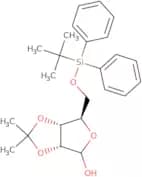
CAS:<p>5-O-tert-Butyldiphenylsilyl-2,3-O-isopropylidene-D-ribofuranose is a synthetic compound that is an inhibitor of adenosine deaminase. This drug has been shown to inhibit the synthesis of nucleic acids and other biological molecules such as amino acids and proteins. 5-O-tert-Butyldiphenylsilyl-2,3-O-isopropylidene ribofuranose is used in organic chemistry as a chiral analog for naturally occurring compounds such as adenosine. 5BPSSIROdR inhibits the enzyme adenosine deaminase by binding to its active site and preventing it from converting adenosine into inosine.</p>Fórmula:C24H32O5SiPureza:Min. 95%Cor e Forma:PowderPeso molecular:428.59 g/molD-Galactosamine hydrochloride
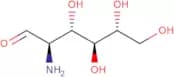
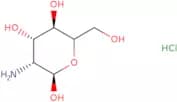
CAS:<p>D-Galactosamine (GalN) is an aldohexose (2-Amino-2-deoxygalactose) in which the hydroxyl group at position 2 is replaced by an amino group (Collins, 2006). Galactosamine (as the N-Acetyl derivative) forms a key part of both N- and O-linked glycoproteins, glycolipids and glycosaminoglycans. Treatment of experimental animals with D-galactosamine / lipopolysaccharide causes lethal liver injury characterized by apoptosis of the hepatocyte and it is used as a laboratory model to study the effect of therapeutic agents (Hirono, 2001).</p>Fórmula:C6H14ClNO5Peso molecular:215.63 g/molRef: 3D-G-1500
1gA consultar5gA consultar10gA consultar50gA consultar2500mgA consultar-Unit-ggA consultar4-Penten-1-yl 2,3,4,6-tetra-O-acetyl-b-D-glucopyranoside
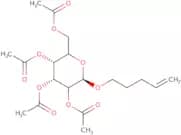
CAS:<p>4-Penten-1-yl 2,3,4,6-tetra-O-acetyl-b-D-glucopyranoside is a carbohydrate that is synthesized by the modification of an existing molecule. It is a custom synthesis and can be modified with click chemistry to create new compounds. This compound has a high purity and is soluble in water. It can be used for saccharide or polysaccharide synthesis as well as glycosylation reactions. This product's CAS number is 50256-33-2 and it has been assigned the chemical name Methylation, saccharide, Polysaccharide, Click modification, CAS No. 50256-33-2, Modification, Oligosaccharide, Custom synthesis, Glycosylation, High purity, Carbohydrate, sugar, Synthetic, Fluorination.</p>Fórmula:C19H28O10Pureza:Min. 95%Peso molecular:416.42 g/molN-Butyldeoxygalactonojirimycin
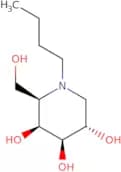
CAS:<p>Competitive inhibitor of glucosylceramidase (GlcCer), which catalyses the first step in glycosphingolipid (GSL) synthesis. This compound is a promising candidate for substrate reduction therapy in Sandhoff disease, where it decreases the rate of GSL biosynthesis and counterbalances the impaired rate of ganglioside catabolism.</p>Fórmula:C10H21NO4Pureza:Min. 95%Cor e Forma:PowderPeso molecular:219.28 g/mol4-(b-D-Mannopyranosyl)-D-rhamnose
<p>4-(b-D-Mannopyranosyl)-D-rhamnose is a glycosylation agent that can be methylated and fluorinated. It is also capable of being modified with the Click reaction to add polysaccharide or oligosaccharide moieties. 4-(b-D-Mannopyranosyl)-D-rhamnose is an important building block for complex carbohydrates, which are important in many aspects of life. This product is available in custom synthesis, high purity, and CAS No.</p>Pureza:Min. 95%5,6-O-Isopropylidene-phlorigidoside B
<p>5,6-O-Isopropylidene-phlorigidoside B is a glycosylation inhibitor that belongs to the class of oligosaccharides and synthetic compounds. This compound has been shown to inhibit the synthesis of complex carbohydrates by reacting with a phosphoryl group on an activated sugar. The 5,6-O-isopropylidene group on the molecule is fluorinated and methylated, which may be used for custom synthesis or modification. 5,6-O-Isopropylidene-phlorigidoside B can also be used as a fluorescent probe in fluorescence microscopy.</p>Pureza:Min. 95%2-Azido- 2- deoxy- 5, 6- O- isopropylidene -L- gulonic acid g- lactone
<p>2-Azido-2-deoxy-5,6-O-isopropylidene-L-gulonic acid g-lactone is a synthetic compound that is used as a building block in the synthesis of various saccharides. It can be modified to form glycosylation products and complex carbohydrates. The chemical name for this compound is 2-azido-2,3,4,5,6 -pentafluoroethane sulfonic acid. This molecule has a molecular weight of 162.14 and a molecular formula of C9H9F7O4S. It has an empirical formula of C8H12FO5S. 2-Azido-2,3,4,5,6 -pentafluoroethane sulfonic acid is soluble in water and ethanol and can be stored at room temperature for up to one year without decomposing.</p>Pureza:Min. 95%2-Azidoethyl 2,3,4,6-tetra-O-acetyl-b-D-glucopyranoside
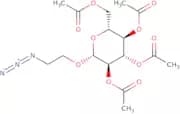
CAS:<p>2-Azidoethyl 2,3,4,6-tetra-O-acetyl-b-D-glucopyranoside is a sugar that is custom synthesized. It is a synthetic compound that has been fluorinated and methylated. This product can be used for glycosylation or oligosaccharide synthesis. It is a high purity product with a purity of 98% and has been modified with click chemistry. The CAS number for this product is 140428-81-5.</p>Fórmula:C16H23N3O10Cor e Forma:White PowderPeso molecular:417.37 g/mol4-Isothiocyanatophenyl-a-D-mannopyranoside
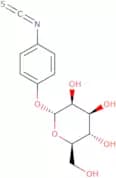
CAS:<p>4-Isothiocyanatophenyl-a-D-mannopyranoside is a synthetic molecule that is used for the modification of saccharides and polysaccharides. It is used in glycosylation reactions to introduce an alpha-N-acetylgalactosamine residue with a methyl group at position 6 of the pyranose ring to produce N,O-linked glycans. This product can be custom synthesized to meet specific customer requirements. It has high purity, excellent solubility in water, and does not contain any toxic impurities.</p>Fórmula:C13H15NO6SPureza:Min. 95 Area-%Cor e Forma:Off-White PowderPeso molecular:313.33 g/molHyacinthacine A2
CAS:<p>Hyacinthacine A2 (HA2) is a diastereomer of hyacinthacine A3. It is a radical coupling compound that has been shown to be stereoselective. HA2 selectively reacts with d-arabinose and other sugar molecules, but not with L-arabinose or other sugar molecules, which makes it useful in the synthesis of polyhydroxylated compounds. HA2 has been found to inhibit the growth of bacteria such as Staphylococcus aureus and Clostridium perfringens, making it an antibacterial agent. HA2 also inhibits protein synthesis and cell division by binding to DNA-dependent RNA polymerase, preventing transcription and replication. This inhibition is due to conformational changes in the molecule as well as radical mechanisms.</p>Fórmula:C8H15NO3Pureza:Min. 95%Peso molecular:173.21 g/mol1-Deoxy- 3, 4- O- isopropylidene-D- erythro- 2- pentulofuranose
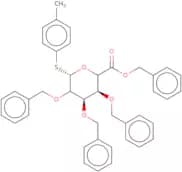
<p>1-Deoxy- 3, 4- O- isopropylidene-D-erythro-2 pentulofuranose is a mannitol derivative. It is a carbohydrate that has been modified by fluorination and methylation and glycosylation. It can be synthesized from erythritol and 2,3,4-trihydroxybenzaldehyde. This product can be custom synthesized to order with high purity in quantities of 10 grams or more.</p>Pureza:Min. 95%4-Methylphenyl 2,3,4-tri-O-benzyl-b-D-thioglucuronide benzyl ester
CAS:<p>4-Methylphenyl 2,3,4-tri-O-benzyl-b-D-thioglucuronide benzyl ester is a carbohydrate that is synthesized from the monosaccharide 4-methylphenol and bromoacetaldehyde. It is a custom synthesis that can be modified with fluorination or methylation. The purity of this product is high and it has been synthesized using a click modification.</p>Fórmula:C41H40O6SPureza:Min. 95%Peso molecular:660.82 g/mol2-O-b-D-Glucopyranosyl-L-ascorbic acid
CAS:<p>L-Ascorbic acid is a white crystalline solid that can be obtained from the tissues of many fruits and vegetables. L-Ascorbic acid is soluble in water, but insoluble in alcohol. It can be found in two forms: an oxidized form (dehydroascorbic acid) and a reduced form (L-ascorbic acid). The conversion between the two forms is catalyzed by ascorbate oxidase. L-Ascorbic acid has antioxidant properties, which scavenge free radicals, and prevent the oxidation of LDL cholesterol to its more atherogenic form. This compound also helps to alkalize bodily fluids and neutralizes pollution, making it useful for treating or preventing cervical cancer or diabetes. L-Ascorbic acid also acts as a preservative by inhibiting bacterial growth.</p>Fórmula:C12H18O11Pureza:Min. 95%Peso molecular:338.26 g/mol3-O-Benzyl-1,2:5,6-di-O-isopropylidene-a-D-glucofuranose
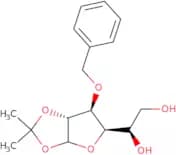
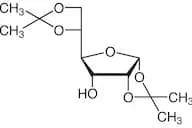
CAS:<p>3-O-Benzyl-1,2:5,6-di-O-isopropylidene-a-D-glucofuranose is a custom synthesis for use in the methylation of oligosaccharides and polysaccharides. It has been used in the Click modification of saccharide derivatives, as well as in the fluorination of complex carbohydrates. 3-O-Benzyl-1,2:5,6-di-O-isopropylidene-a-D-glucofuranose is a monosaccharide that can be used to synthesize sugar. This chemical is also able to modify carbohydrate molecules with various functional groups. 3BzGluFur is a high purity product that can be used to create monosaccharides and sugars with various modifications.</p>Fórmula:C19H26O6Pureza:Min. 95%Cor e Forma:Slightly Yellow Clear LiquidPeso molecular:350.41 g/mol4-C-Methyl- 2, 3- O-isopropylidene -D- lyxono-1,5- lactone
<p>4-C-Methyl- 2, 3- O-isopropylidene -D- lyxono-1,5- lactone is a custom synthesis. It is a complex carbohydrate with the CAS number of 67903-96-6.<br>It has a molecular weight of 287.39 g/mol and a purity of >99%. 4CMMDL has been modified with methylation at the C4 position and glycosylation at the C2 position. The modification on this molecule is called Click chemistry.<br>This molecule contains a sugar group that is an oligosaccharide with 11 saccharides, which are all glucose molecules. This sugar group has been fluorinated at the C2 position to form 4CMMDLF (also known as Fluorogalactofuranose). <br>The chemical formula for 4CMMDLF is C12H8O11F2, and it has a molar mass of 5</p>Pureza:Min. 95%N-Acetyl-2-O-propargyl-a-neuraminic acid
CAS:<p>N-Acetyl-2-O-propargyl-a-neuraminic acid is a glycosylated, fluorinated saccharide. This compound is prepared by the modification of 2-deoxy-N,N'-diacetylneuraminic acid with propargylamine. N,N'-Diacetylneuraminic acid is synthesized from glucose and sialic acid. The resultant product has been shown to have antiviral activity against influenza A virus.</p>Fórmula:C14H21NO9Pureza:Min. 95%Peso molecular:347.32 g/mol1,2:3,5-Di-O-isopropylidene-b-L-apiose
CAS:<p>1,2:3,5-Di-O-isopropylidene-b-L-apiose is a sugar that is used in the production of glycosylation and methylation. It is an oligosaccharide of the monosaccharide apiose and has a molecular weight of 432.06 g/mol. 1,2:3,5-Di-O-isopropylidene-b-L-apiose can be synthesized by the modification of natural apiose with chloromethyl groups at C3 and C5 positions. It is also possible to modify 1,2:3,5-Di-O-isopropylidene apiose with other functional groups such as fluorine or glycosylation. This compound can be used in the synthesis of complex carbohydrates such as heparin, hyaluronic acid, and chitin.</p>Fórmula:C11H18O5Pureza:Min. 95%Peso molecular:230.26 g/mol(2R, 3R, 4R) -3- Benzyloxy- 1- benzyl-4- (hydroxymethyl) - 2- azetidinecarboxylic acid N-methylamide
<p>(2R, 3R, 4R) -3- Benzyloxy- 1- benzyl-4- (hydroxymethyl) - 2- azetidinecarboxylic acid N-methylamide is a synthetic monosaccharide that can be used for carbohydrate modification. In addition to its use in the synthesis of saccharides and oligosaccharides, this compound has been shown to be useful as a fluorination reagent. This compound is also available with custom synthesis and high purity. (2R, 3R, 4R) -3-Benzyloxy-1-benzyl-4-(hydroxymethyl)-2-azetidinecarboxylic acid N-methylamide is an excellent methylation reagent and glycosylation agent. It can be used in the click chemistry modification of proteins and other biomolecules.</p>Pureza:Min. 95%Octyl D-glucuronic acid
CAS:<p>Octyl D-glucuronic acid is a glycosylation agent that can be used to modify the surface of proteins and polymers. It is an oligosaccharide that contains eight glucose molecules linked by beta 1-4 glycosidic bonds. Octyl D-glucuronic acid has been shown to have a high purity, with no detectable impurities or contaminants. The modification of proteins and polymers with this molecule has been shown to increase their stability and resistance to environmental factors such as moisture, heat, pH changes, and light exposure. It also increases the hydrophilicity of the modified material and can be used for click chemistry reactions using azide or alkyne functional groups.<br>Octyl D-glucuronic acid is commercially available from Sigma Aldrich in different grades: Technical Grade (TG), Analytical Grade (AG), Pharmaceutical Grade (PG).</p>Fórmula:C14H26O7Pureza:Min. 95%Cor e Forma:PowderPeso molecular:306.36 g/molN-(2-Phenyl-1-cyano-3-butene)-2,3,4,6-tetra-O-pivaloyl-D-glucopyranoside
<p>N-(2-Phenyl-1-cyano-3-butene)-2,3,4,6-tetra-O-pivaloyl-D-glucopyranoside is a compound that is used as an intermediate in the synthesis of glycosylated polysaccharides. It has been used to synthesize saccharides and oligosaccharides with a wide range of compositions. This compound can be custom synthesized to meet your specifications.</p>Fórmula:C37H54NO9Pureza:Min. 95%Peso molecular:656.84 g/mol3-Aminopropyl-3-O-(α-D-galactopyranosyl)-β-D-galactopyranoside
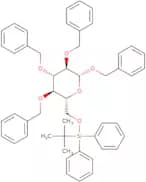
CAS:<p>Please enquire for more information about 3-Aminopropyl-3-O-(α-D-galactopyranosyl)-β-D-galactopyranoside including the price, delivery time and more detailed product information at the technical inquiry form on this page</p>Fórmula:C15H29NO11Pureza:Min. 80%Peso molecular:399.39 g/mol1,2,3,4-Tetra-O-benzyl-6-O-tert-butyldiphenylsilyl-b-D-galactopyranose
<p>1,2,3,4-Tetra-O-benzyl-6-O-tert-butyldiphenylsilyl-b-D-galactopyranose is a custom synthesis of an oligosaccharide. It is a complex carbohydrate that is composed of a glycosylated polysaccharide with a molecular weight of 676. It has been modified by methylation and fluorination (a click modification). The carbohydrate has been synthesized using high purity, fluoroquinolone resistant reagents.</p>Fórmula:C50H54O6SiPureza:Min. 95%Peso molecular:779.07 g/mol(3S,4S, 5S) -4,5-O-Isopropylidene-3-O-tert.butyldimethylsilyl-1- nonyl-3, 4, 5- piperidinetriol
<p>The following is a description of the product that was generated by a professional copywriter.</p>Pureza:Min. 95%4- β- D-Ribofuranosyl-2, 6- piperidinedione
CAS:<p>4-beta-D-Ribofuranosyl-2,6-piperidinedione is a sugar that can be used as a building block in the synthesis of saccharides and oligosaccharides. It has been shown to be useful for glycosylation reactions and click reactions. 4-beta-D-Ribofuranosyl-2,6-piperidinedione is also used in the synthesis of complex carbohydrates.</p>Fórmula:C10H15NO6Pureza:Min. 95%Peso molecular:245.23 g/mol(1S) -1- [(2S, 3R,4S) -4-(Acetoxy)methyl-3-benzyloxy- N-benzyl-1- azetidinyl] -di-O-acetyl-1, 2- ethanediol
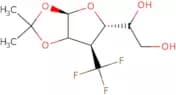
<p>1,2-Ethanediol is a polyhydroxy alcohol that is used in the synthesis of complex carbohydrates. It can be found as an Oligosaccharide in plants, which are composed of three or more sugar molecules. 1,2-Ethanediol is also found in the glycosylation reaction for the modification of saccharides and carbohydrates. This process adds glucose to a protein or peptide molecule through a condensation reaction with the amino acid N-acetylglucosamine. Glycosylation usually occurs in animal cells, but can also occur in plants and microorganisms. The addition of methyl groups by Methylation to 1,2-ethanediol is used to create Methylated derivatives of this compound. A click modification to this compound can be done using a Copper(I) azide complex and an alkyne reagent to add a terminal alkene group to 1,2-ethanediol. Fluorination at</p>Pureza:Min. 95%3-Deoxy-1,2-O-O-isopropylidene-3-trifluoromethyl-a-D-glucofuranose
<p>3-Deoxy-1,2-O-O-isopropylidene-3-trifluoromethyl-a-D-glucofuranose is a synthetic sugar that is used in the synthesis of oligosaccharides and polysaccharides. It has been shown to be effective in click chemistry modifications, such as methylations and glycosylations. 3DOGF has been found to be a potential biomarker for cancer cell proliferation.</p>Fórmula:C10H15F3O5Pureza:Min. 95%Peso molecular:272.22 g/molMethyl 3,4-di-O-benzyl-2-deoxy-a-D-glucopyranoside
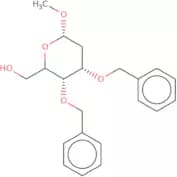
<p>Methyl 3,4-di-O-benzyl-2-deoxy-a-D-glucopyranoside (MBG) is a synthetic compound that is modified at the C3 position with a benzyl group. MBG is an oligosaccharide and polysaccharide that has been shown to have potential as a drug for the treatment of cancer. It has been shown to inhibit tumor growth in animals and human cells by inhibiting DNA synthesis and protein synthesis. Additionally, it can be used for the prevention of postoperative adhesions by inhibiting collagen formation.</p>Fórmula:C21H26O5Pureza:Min. 95%Peso molecular:358.43 g/mol1-Chloro-3,5-di-O-(4-chlorobenzoyl)-2-deoxy-D-ribofuranose
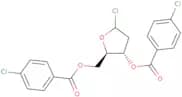
CAS:<p>Research on 1-chloro-3,5-di-O-(4-chlorobenzoyl)-2-deoxy-D-ribofuranose has shown that this compound has high antibacterial activity against a broad spectrum of Gram positive and Gram negative bacteria. In addition to its role as an antibacterial agent, this compound can also be used as a research reagent for the detection of genetic mutations in bacteria. This compound is not soluble in acetone or chloroform, but is soluble in water.</p>Fórmula:C19H15Cl3O5Pureza:Min. 95%Cor e Forma:White PowderPeso molecular:429.68 g/mol1,2:5,6-Di-O-cyclohexylidene-α-D-glucofuranose
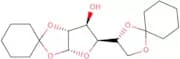
CAS:<p>1,2:5,6-Di-O-cyclohexylidene-a-D-glucofuranose is a synthetic sugar which is used as a starting material for the synthesis of oligosaccharides and polysaccharides. This chemical is also used in the modification of glycosylation and carbohydrate. It can be used to synthesize high purity sugars, including monosaccharides and oligosaccharides. 1,2:5,6-Di-O-cyclohexylidene-a-D-glucofuranose is not fluorescent under UV light.</p>Fórmula:C18H28O6Pureza:Min. 95%Cor e Forma:White PowderPeso molecular:340.41 g/molAllyl 2-acetamido-2,6-dideoxy-6-fluoro-a-D-galactopyranoside
<p>Allyl 2-acetamido-2,6-dideoxy-6-fluoro-a-D-galactopyranoside is a synthetic carbohydrate that has been modified with fluorination. It is a saccharide, which is a type of sugar. Allyl 2-acetamido-2,6-dideoxy-6-fluoro-a-D-galactopyranoside is an oligosaccharide and it belongs to the group of complex carbohydrates. This product can be custom synthesized and has high purity. It has been methylated and glycosylated. Click modification has also been performed on this product.</p>Fórmula:C11H19FNO5Pureza:Min. 95%Cor e Forma:PowderPeso molecular:264.27 g/mol2-Deoxy-2-fluoro-D-glucose 6-phosphate barium salt
CAS:<p>2-Deoxy-2-fluoro-D-glucose 6-phosphate barium salt is a glucose analogue used in positron emission tomography (PET) imaging of cancer. It is an inhibitor of glycolysis and phosphofructokinase, which are enzymes that catalyze the conversion of glucose to pyruvate. 2-Deoxy-2-fluoro-D-glucose 6-phosphate barium salt is taken up by the cell by active transport, then metabolized into 2 deoxy 2 fluoro D mannose phosphate and finally converted to glucosylceramide. The PET scan detects the accumulation of this molecule in cells with high glycolytic activity, such as cancer cells. This compound has been shown to inhibit hepatocellular carcinoma (HCC) cell growth in vitro and in vivo.</p>Fórmula:C6H10FO8P·BaPureza:Min. 95%Cor e Forma:PowderPeso molecular:397.44 g/molCarrageenan
CAS:<p>Carageenan is a mixture of gelling sulphated galactans extracted from red algae (typically Euchuma cottonii, Euchuma spinosum Mastocarpus stellata and Chondrus crispus). The structure of all carrageenans consists of a strictly alternating masked repeating unit of 1,3 linked α-D-galactose and 1,4 linked β-D-galactose with variable proportions of sulphate. The α-linked galactose residue occurs as α-3-6-anhydro-2-sulphate.<br>The images were kindly provided by Prof Mike Guiry from Cork who runs ‘The Seaweed Site’.</p>Cor e Forma:White Powder1,2,3,4-Tetra-O-benzyl-6-O-tert-butyldiphenylsilyl-b-D-glucopyranose
CAS:<p>1,2,3,4-Tetra-O-benzyl-6-O-tert-butyldiphenylsilyl-b-D-glucopyranose is a fluorinated monosaccharide. It is synthesized by reacting benzyl bromide with 1,2,3,4-tetra-O-(benzyloxycarbonyl)-D-glucopyranosyl chloride in the presence of triethylamine and pyridine. This compound can be used as a building block for the synthesis of oligosaccharides and polysaccharides. The modification of the sugar moiety is carried out through methylation or click chemistry. The purity of this compound is >98%.</p>Fórmula:C50H54O6SiPureza:Min. 95%Peso molecular:779.07 g/mol2,5-Anhydro-D-mannitol
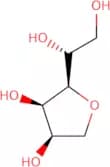
CAS:<p>2,5-Anhydro-D-mannitol is a glucose analogue that is metabolized by the body to produce energy. It has been shown to inhibit the proliferation of HL-60 cells in vitro, and also inhibits glucose uptake and utilization in liver cells. 2,5-Anhydro-D-mannitol has been shown to have a direct effect on cellular metabolism and ATP levels. This molecule interacts with cell surface glycoproteins and nitrous oxide (NO) through hydrogen bonding interactions. 2,5-Anhydro-D-mannitol also appears to regulate peptide hormone production in the liver. The hydroxyl group on this molecule is responsible for its redox potential. In addition, 2,5-Anhydro-D-mannitol can induce cell lysis by interfering with protein synthesis due to its enzyme activities.</p>Fórmula:C6H12O5Pureza:Min. 98 Area-%Cor e Forma:PowderPeso molecular:164.16 g/mol(Ribo) 3,4-O-Isopropylidene-2,4-di-C-methyl-L-ribono-1.5-lactone
<p>(Ribo) 3,4-O-Isopropylidene-2,4-di-C-methyl-L-ribono-1.5-lactone is a custom synthesis that can be produced in various quantities and with various modifications to meet your needs. It is a high purity compound that is available for both research and industrial use. This compound has been fluorinated and modified to create a complex carbohydrate. It is an oligosaccharide of polysaccharide that can be used as a monosaccharide or sugar in the synthesis of polysaccharides or saccharides. This product is not intended for medical use.</p>Pureza:Min. 95%(2R, 3R, 4R, 5R) -3, 4-Dihydroxy- 2, 5- bis(hydroxymethyl) -1- pyrrolidinepropanoic acid tert butyl ester
<p>This is a custom synthesis. It can be used as a sugar, click modification, fluorination, glycosylation, and synthetic. This product is CAS No. 634-74-8 with many modifications to make it work for your needs. We have oligosaccharides and monosaccharides that can be modified to create complex carbohydrates.</p>Pureza:Min. 95%Dimethyl (2S)-2-((4R)-3-O-benzyl-1,2-O-isopropylidene-D-threos-4-yl)succinate
<p>Dimethyl 2-((4R)-3-O-benzyl-1,2-O-isopropylidene-D-threos--4-yl)succinate is a glycosylate compound that is used in the synthesis of saccharides and oligosaccharides. This product can be custom synthesized to order as a monosaccharide or oligosaccharide and can be fluorinated or methylated. Dimethyl (2S)-2-(4R)-3-O-benzyl-1,2--O--isopropylidene D--threo--4--yl)succinate has CAS number 49627–08–0 and molecular weight of 334.24 g/mol. This product is not intended for therapeutic use.</p>Pureza:Min. 95%Methyl 6-deoxy-β-D-glucopyranoside
CAS:<p>Methyl 6-deoxy-b-D-glucopyranoside is a custom synthesis that produces methylated sugars. It is a high purity, complex carbohydrate with a molecular weight of 312.06 g/mol and CAS No. 6340-52-9. Methyl 6-deoxy-b-D-glucopyranoside is produced by the click modification of glucose, which is an oligosaccharide composed of six molecules of glucose linked together. This product has been used in the synthesis of polysaccharides and saccharides.</p>Fórmula:C7H14O5Pureza:Min. 95%Cor e Forma:PowderPeso molecular:178.18 g/mol4-Chloro-4-deoxy-D-galactitol
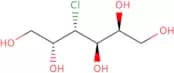
<p>4-Chloro-4-deoxygalactitol is a modified sugar. It is used in the synthesis of saccharides and oligosaccharides. This compound can be used to modify the glycosylation of proteins and polysaccharides. The 4-chloro group can be fluorinated, methylated, or click modified. The 4-deoxy group can also be modified to create 3,6-dideoxy-4-chloro-, 3,6-diiodo-, or 3,6-dimethoxy derivatives. This compound is known by CAS number 1877-19-0 and has a molecular weight of 270.06 g/mol with a melting point of 201 °C (410 °F).</p>Fórmula:C6H13ClO5Pureza:Min. 95%Peso molecular:200.62 g/mol(5S)-3-Benzyloxycarbonylamino-5-(hydroxymethyl)-2(5H)-furanone
<p>(5S)-3-Benzyloxycarbonylamino-5-(hydroxymethyl)-2(5H)-furanone, also known as (5S)-3-benzyloxycarbonylamino-5-(hydroxymethyl)furan-2(5H)one or 5′,6′-dihydroxy-3′,4′,5′-trimethoxyacetophenone is a modification of the carbohydrate with an Oligosaccharide. This modification is a custom synthesis that has been synthesized and provided in high purity and CAS number. It is a monosaccharide that can be methylated or glycosylated and has many different uses including in polysaccharides such as sugar. The fluorination of this saccharide provides it with an extra protection against degradation.</p>Pureza:Min. 95%3-Azido-3-deoxy-5,6-O-isopropylidene-D-allonic acid g-lactone
CAS:<p>3-Azido-3-deoxy-5,6-O-isopropylidene-D-allonic acid g-lactone is a modification of the sugar allose. It is an oligosaccharide that contains a complex carbohydrate. It can be custom synthesized and has high purity, making it suitable for use in pharmaceuticals. 3-Azido-3-deoxy-5,6-O-isopropylidene-D allonic acid g lactone is a methylated sugar, which means that it has had one of its hydroxyl groups replaced with a methyl group. It is also glycosylated, meaning that it has been modified by the addition of carbohydrates to its structure. The carbons in 3ADODAGL are found in the form of ring structures, which are known as saccharides.</p>Pureza:Min. 95%1,2:5,6-Di-O-isopropylidene-a-D-gulofuranose
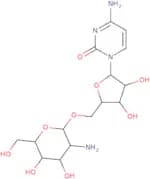
CAS:<p>Synthetic building block</p>Fórmula:C12H20O6Pureza:Min. 98 Area-%Cor e Forma:White PowderPeso molecular:260.28 g/mol5'-O-(2-Amino-2-deoxy-D-glucopyranosyl) cytidine
CAS:<p>5'-O-(2-Amino-2-deoxy-D-glucopyranosyl) cytidine is a synthetic carbohydrate, which can be modified in a variety of ways to create custom glycoproteins. This product can be used for glycosylation and polysaccharide synthesis. It has been fluorinated with trifluoromethanesulfonic acid to allow for click modifications, methylated, or sugar modified. The purity of this product is high and the CAS number is 631842-23-4.</p>Fórmula:C15H24N4O9Pureza:Min. 95%Peso molecular:404.37 g/mol1-Deoxythiomannojirimycin
<p>1-Deoxythiomannojirimycin is a potent inhibitor of glycosidases, including α-amylase, β-glucanase, and α-glucosidase. This compound has been synthesized from thiomannose and jirimycin. Thiomannose is a natural compound that can be found in almond extract or as a byproduct of the hydrolysis of mannitol during hydrogenation. It can also be produced enzymatically from glucose by using β-mannosidase or α-mannosidase. 1-Deoxythiomannojirimycin inhibits the activity of glycosidases by forming an irreversible covalent bond with the active site serine hydroxyl group on the enzyme. This inhibits the cleavage of substrates such as starch into reducing sugars (e.g., glucose) and disaccharides (e.g., maltose).</p>Pureza:Min. 95%Glucuronic acid-GEL
<p>Glucuronic acid-GEL is a monosaccharide that has been modified with a methyl group. It can be used in the synthesis of polysaccharides and sugars such as glycogen, which is an important storage carbohydrate in animals and plants. Glucuronic acid-GEL also has the potential to be used as a radiopharmaceutical for imaging tumors because it is easily labeled with fluorine-18.<br>Glucuronic acid-GEL is synthesized by linking two molecules of glucose through a glycosyl bond. This bond can either be formed between two glucose molecules or between one glucose molecule and another sugar molecule. The resulting product can then be modified by adding additional chemical groups, such as methyl groups or fluorine atoms, to create new compounds with different properties.</p>Pureza:Min. 95%(2R, 3R) -3- [(3aR, 4R, 6aS) - 2, 2- Diethyltetrahydro- 5- (phenylmethyl) - 4H- 1, 3- dioxolo[4, 5- c] pyrrol- 4- yl] - 3- [[(1, 1- dimethylethyl) dimethylsilyl] oxy] - 1, 2- propanediol
<p>(2R, 3R) -3- [(3aR, 4R, 6aS) - 2, 2- Diethyltetrahydro- 5- (phenylmethyl) - 4H- 1, 3- dioxolo[4, 5- c] pyrrol- 4- yl] - 3-[(1, 1-dimethylethyl) dimethylsilyl]oxy]-1, 2- propanediol is a synthetic carbohydrate that is used as a building block for saccharide synthesis. It can be modified with Click chemistry to introduce reactive groups on its molecules. This compound has been shown to react with oligosaccharides and polysaccharides by glycosylation and methylation reactions. The high purity of this product makes it suitable for use in pharmaceuticals and other chemical applications.</p>Pureza:Min. 95%2-O-Benzhydryloxybis(trimethylsilyloxy)silyl-3, 4- O- isopropylidene - L- arabinonic acid γ-lactone
<p>2-O-Benzhydryloxybis(trimethylsilyloxy)silyl-3,4-O-isopropylidene -L-arabinonic acid gamma-lactone (2BHOS) is an oligosaccharide that is synthesized from arabinose. It is a product of the Click modification and is used to synthesize a glycosylation with a monosaccharide or saccharide donor molecule. 2BHOS can be modified by fluorination, glycosylation, methylation, or other chemical modifications. 2BHOS has CAS number 47311-27-8.</p>Pureza:Min. 95%UDP-6-deoxy-6-fluoro-D-galactose
CAS:<p>UDP-6-deoxy-6-fluoro-D-galactose is an intermediate in the biosynthesis of galactooligosaccharides. It can be used as a substrate for glycosyltransferases and glycosidases to produce oligosaccharides, which are important components of glycoconjugates. UDP-6-deoxy-6-fluoro-D-galactose has been shown to be an acceptor for acetylation by trifluoroacetate and trifluoride. Kinetic studies show that UDP-6-deoxy-6-fluoro Dgalactose binds to α1 acid glycoprotein, which may be a drug target.</p>Fórmula:C15H23FN2O16P2Pureza:Min. 95%Peso molecular:568.29 g/molEthyl 2,3-di-O-benzyl-4,6-O-benzylidene-a-D-thiomannopyranoside
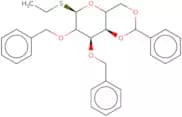
CAS:<p>Ethyl 2,3-di-O-benzyl-4,6-O-benzylidene-a-D-thiomannopyranoside is a custom synthesis of an oligosaccharide with a complex carbohydrate structure. It can be modified to suit customer specifications. This product has been fluorinated and is available in high purity. Ethyl 2,3-di-O-benzyl-4,6-O-benzylidene-a-D-thiomannopyranoside is a sugar that can be used for the synthesis of polysaccharides and saccharides. It has been synthesized by methylation and Click modification.</p>Fórmula:C29H32O5SPureza:Min. 95%Peso molecular:492.63 g/molMonoacetone-L-glucose
CAS:<p>Monoacetone-L-glucose is a white crystalline powder that is soluble in water. It is an acetone derivative of D-Glucose.</p>Fórmula:C9H16O6Pureza:Min. 95%Peso molecular:220.22 g/molN- (2, 5-Anhydro- 3- azido- 3- deoxy-4,6-di-O-acetyl- D- altronoyl) - 2, 5- anhydro- 3- amino- 3- deoxy-4,6-di-O-acetyl- D- altronic acid methyl ester
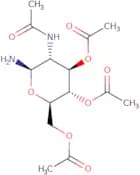
<p>N- (2, 5-Anhydro- 3- azido- 3- deoxy-4,6-di-O-acetyl- D- altronoyl) - 2, 5- anhydro- 3- amino -3,6 di O acetyl -D altronic acid methyl ester is a glycosylation compound that is synthesized by modifying the corresponding nitrophenol with methylamine. It has a CAS number of 1205843.</p>Pureza:Min. 95%2-Acetamido-3,4,6-tri-O-acetyl-2-deoxy-β-D-glucopyranosyl amine
CAS:<p>2-Acetamido-3,4,6-tri-O-acetyl-2-deoxy-b-D-glucopyranosyl amine is a high purity custom synthesis sugar. It can be modified with fluorination, glycosylation, and methylation. It has CAS No. 4515-24-6 and is a synthetic oligosaccharide monosaccharide saccharide carbohydrate complex carbohydrate.</p>Fórmula:C14H22N2O8Pureza:Min. 95%Cor e Forma:PowderPeso molecular:346.33 g/mol2-Acetamido-2-deoxy-a-D-galactopyranosyl serine
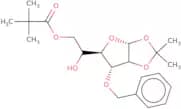
CAS:<p>2-Acetamido-2-deoxy-a-D-galactopyranosyl serine (2AGPS) is a naturally occurring glycosaminoglycan. It has been shown to inhibit the growth of cancer cells and to reduce the size of mouse tumors in vivo. This compound also inhibits viral replication in vitro, and its antiviral properties have been shown to work on several different types of viruses, including herpes simplex virus type 1, human cytomegalovirus, and influenza A virus. 2AGPS is also a potent inducer of toll-like receptor 4 signaling pathways in macrophages and dendritic cells. 2AGPS can be synthesized by using a polymerase chain reaction (PCR) technique with synthetic oligosaccharides as a template.</p>Fórmula:C11H20N2O8Pureza:Min. 90 Area-%Cor e Forma:Off-White Yellow PowderPeso molecular:308.29 g/mol3-O-Benzyl-1,2-O-isopropylidene-6-O-pivaloyl-α-D-glucofuranose
CAS:<p>3-O-Benzyl-1,2-O-isopropylidene-6-O-pivaloyl-a-D-glucofuranose is a modification of the natural oligosaccharide. It is a complex carbohydrate that has been synthesized and modified by methylation, fluorination and glycosylation. This product is a monosaccharide with one free hydroxyl group at C3 position and is soluble in water. It has CAS No: 321380-09-0 and can be used as an intermediate for the synthesis of polysaccharides with different saccharide units.</p>Fórmula:C21H30O7Pureza:Min. 95%Cor e Forma:White to off-white solid.Peso molecular:394.46 g/mol2-C-Methyl-D-arabino-1,4-lactone
<p>2-C-Methyl-D-arabinose is a modification of the sugar arabinose. It is an oligosaccharide that can be synthesized in the laboratory. 2-C-Methyl-D-arabinose can be used as a custom synthesis and has been identified by its CAS number, which is 76447-07-6. This compound is a monosaccharide that has a molecular formula of C5H10O4 and an atomic weight of 150.12 g/mol. It is also referred to as methylated arabinose or D(+)-2,3,4,5,6 tetra‑O-methyl‑D‑arabino‑1,4‑lactone. 2-C-Methyl-D-arabinose is also a polysaccharide that contains glucose subunits with modifications such as fluorination or saccharides with glycosylation or methylation.</p>Pureza:Min. 95%2,5-Anhydro-4-azido-4-deoxy-L-xylonic acid methyl ester
CAS:<p>2,5-Anhydro-4-azido-4-deoxy-L-xylonic acid methyl ester is a custom synthesized carbohydrate that has been modified with glycosylation and methylation. This product can be used as a sugar or polysaccharide in the synthesis of complex carbohydrates. 2,5-Anhydro-4-azido-4-deoxy-L-xylonic acid methyl ester is an intermediate in the production of high purity monosaccharides for use in the manufacture of fluorinated saccharides.<br>2,5-Anhydro-4-azido-4-deoxy--L--xylonic acid methyl ester is also available from other suppliers.</p>Pureza:Min. 95%N-Acetyl-D-[1,2,3-¹³C3]neuraminic acid
CAS:<p>N-Acetyl-D-[1,2,3-¹³C3]neuraminic acid is a modification of the natural sugar N-acetylneuraminic acid. It can be synthesized by reacting 1,2,3-¹³C3]cytidine with sodium hydroxide and acetic anhydride in methanol. It is a carbohydrate that can be found in many plants and animals. This compound has been shown to inhibit glycosylation and methylation reactions. N-Acetyl-D-[1,2,3-¹³C3]neuraminic acid is also a monosaccharide that belongs to the group of sugars. Due to its high purity and availability, this substance can be used as a substitute for sialic acid in research experiments.</p>Fórmula:C3C8H19NO9Pureza:Min. 95%Cor e Forma:PowderPeso molecular:312.25 g/mol(1S) -1- [(2S, 3R) - 3- Hydroxy- 1- (phenylmethyl) - 2- azetidinyl] -1, 2- ethanediol
CAS:<p>(1S) -1- [(2S, 3R) - 3- Hydroxy- 1- (phenylmethyl) - 2- azetidinyl] -1, 2- ethanediol is an enantiomerically pure sugar with a CAS number of 1322748-34-4. It is a synthetic sugar that contains a saccharide. The sugar has been modified to contain an azetidinyl and an ethanediol group. This modification gives the sugar a glycosylation and methylation pattern. The product was synthesized in the lab, unlike natural sugars which are derived from plants or animals.</p>Fórmula:C12H17NO3Pureza:Min. 95%Peso molecular:223.27 g/molUDP-2-acetamido - 2- deoxy- 5- thio- D- glucopyranose
<p>UDP-2-acetamido - 2- deoxy- 5- thio- D- glucopyranose is a monosaccharide that is used in glycosylation reactions to produce oligosaccharides or polysaccharides. It is synthesized by the addition of a sugar to UDP using an acetylating agent such as acetic anhydride. The resulting product can be methylated, fluorinated, and click modified. This product can also be used for complex carbohydrate synthesis.</p>Pureza:Min. 95%D-Glycero-D-talo-heptitol
CAS:<p>D-Glycero-D-talo-heptitol is a natural product that is found in plants and bacteria. It is an alditol, which is created by the glycosidic bond of a carbohydrate and a hydroxyl group. D-Glycero-D-talo-heptitol has shown to inhibit the activity of enzymes involved in fatty acid synthesis, such as 3-hydroxyacyl coenzyme A dehydrogenase, and carbohydrate synthesis, such as fructose 1,6 bisphosphatase. This compound also inhibits the borohydride reduction of glycan precursors. This may be due to its hydrophilic interactions with water molecules and its hydrophobic interactions with other lipid molecules.</p>Fórmula:C7H16O7Pureza:Min. 95%Cor e Forma:White Off-White PowderPeso molecular:212.2 g/mol13-cis-Retinoyl b-D-glucuronide
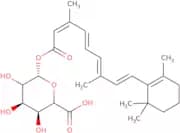
CAS:Produto Controlado<p>13-cis-Retinoyl b-D-glucuronide is a synthetic compound that can be modified to create a wide range of potential products. 13-cis-Retinoyl b-D-glucuronide is an oligosaccharide with a carbohydrate that may be glycosylated or polysaccharided. It has been custom synthesized and fluorinated, methylated, and monosaccharided. This product is extremely pure and can be used for many applications in the biomedical field.</p>Fórmula:C26H36O8Pureza:Min. 95%Peso molecular:476.56 g/molN-Nonyldeoxygalactonojirimycin
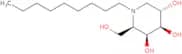
CAS:<p>N-Nonyldeoxygalactonojirimycin (NDGJ) is a novel antiviral agent that inhibits the activity of viral enzymes, such as polymerase chain reaction and reverse transcriptase. NDGJ has been shown to inhibit the replication of hepatitis viruses in primary cells and human macrophages. The drug also inhibits the replication of human pathogens, such as HIV-1, herpes simplex virus type 1, and cytomegalovirus in cell culture. NDGJ has an effect on hydrophobic amino acids in protein synthesis by binding to them and preventing their attachment to the ribosomal surface. This leads to cell lysis through a process called osmotic shock.</p>Fórmula:C15H31NO4Pureza:Min. 95 Area-%Cor e Forma:White Off-White PowderPeso molecular:289.41 g/molL-Psicose
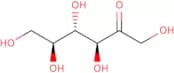
CAS:<p>L-Psicose is a monosaccharide that is the only metabolite of D-fructose. It is found in many living organisms, such as bacteria and fungi. L-Psicose has been shown to inhibit ribitol dehydrogenase, an enzyme involved in the production of ribitol, which catalyzes the conversion of ribitol to ribulose 5-phosphate. Ribulose 5-phosphate is an important precursor molecule for glycolysis and pentose phosphate pathways. In addition, L-psicose has been shown to bind to proteins through hydrogen bonding, which may prevent the protein from folding properly or interacting with other molecules. This binding can lead to cell death if it inhibits essential cellular functions.</p>Fórmula:C6H12O6Pureza:Min. 95%Cor e Forma:White PowderPeso molecular:180.16 g/mol1,2-O-Isopropylidene-3-deoxy-α-D-allofuranose
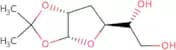
CAS:<p>1,2-O-Isopropylidene-3-deoxy-a-D-allofuranose is a custom synthesis that is a complex carbohydrate. It has been modified by methylation and glycosylation. The product is an Oligosaccharide, Polysaccharide and Modification of saccharide. The product has high purity with a CAS No. 4494-96-6.</p>Fórmula:C9H16O5Pureza:Min. 95%Cor e Forma:Off-White PowderPeso molecular:204.22 g/molSolasodine 3-glucoside
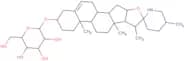
CAS:<p>Solasodine 3-glucoside is a sugar that belongs to the group of oligosaccharides. It has been synthetically modified by fluorination, methylation, and click chemistry. Solasodine 3-glucoside is synthesized from sucrose in a glycosylation reaction with glucuronic acid and an aminoglycoside antibiotic. The sugar analogs are then converted to the desired saccharide structure by monosaccharide synthesis or polysaccharide synthesis. This product is custom synthesized to order for customers and can be modified to suit their needs with click chemistry and other modifications.</p>Fórmula:C33H53NO7Pureza:Min. 95%Peso molecular:575.8 g/molL-Threonic acid
CAS:<p>L-Threonic acid is a metabolite of plants that is involved in the synthesis of other molecules. It can be found in the injection solution and magnesium salts that are used for treating osteoporosis and magnesium deficiency. L-Threonic acid can also be found in caffeic acids, which are plant polyphenols that have antioxidant properties. L-Threonic acid has been shown to have structural similarity to calcium and has been shown to have a role in mitochondrial membrane potential, cellular physiology, and oxidative injury. L-Threonic acid may also play a role in energy metabolism. The toxicity of L-Threonic acid has been studied extensively with mixed results.</p>Fórmula:C4H8O5Pureza:Min. 95%Peso molecular:136.1 g/mol2-Acetamido-2,4-dideoxy-4-fluoro-α-D-glucopyranose
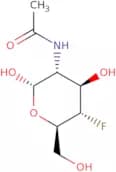
CAS:<p>2-Acetamido-2,4-dideoxy-4-fluoro-a-D-glucopyranose is a synthetic, fluorinated carbohydrate. It is a monosaccharide that is made by the substitution of an acetamido group with a fluoro group at C2 and C4 of the glucose molecule. This product has been synthesized using Click chemistry to modify the 2’ position and methylation at C5. The target use for this product is as a sugar in order to glycosylate or polysaccharide. This compound has been shown to have high purity and can be custom synthesized, depending on the needs of the customer.</p>Fórmula:C8H14FNO5Pureza:Min. 95 Area-%Cor e Forma:PowderPeso molecular:223.2 g/molL-Gulurono-6,3-lactone
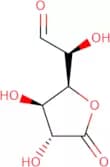
CAS:<p>L-Gulurono-6,3-lactone is a methylated carbohydrate that can be modified with a variety of functional groups. It is used in the synthesis of saccharides and oligosaccharides. L-Gulurono-6,3-lactone has been shown to bind to a variety of proteins, including amyloid beta protein and human serum albumin.<br>This compound is synthesized by reacting L-glucose with 2 equivalents of anhydrous hydrogen fluoride in acetic acid at room temperature. It is also fluorinated by reacting it with sodium borohydride and hydrogen fluoride in methanol at -78°C.</p>Fórmula:C6H8O6Pureza:Min. 95%Cor e Forma:PowderPeso molecular:176.12 g/mol2-(D-Gluco-pentylhydroxypentyl)-4(R)-1,3-thiazolidine-4-carboxylic acid
CAS:<p>2-(D-Gluco-pentylhydroxypentyl)-4(R)-1,3-thiazolidine-4-carboxylic acid is a custom synthesis. It is used in the glycosylation of saccharides and oligosaccharides. This product can be modified with fluorination, methylation, or click modification. It is also used in the synthesis of complex carbohydrates.</p>Fórmula:C9H17NO7SPureza:(Hplc-Ms) Min. 95 Area-%Cor e Forma:PowderPeso molecular:283.3 g/molEthyl a-D-glucopyranoside
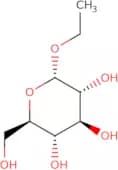
CAS:<p>Ethyl a-D-glucopyranoside is an organic acid that has been extracted from the seeds of the plant Reticulata. It contains a mixture of fatty acids and compounds that are collectively known as retinoids. Ethyl a-D-glucopyranoside inhibits beta-glucosidase, aminotransferase activity, and intestinal glucosidases and has been shown to have antioxidant properties. This product may be used for the treatment of musculoskeletal disorders, such as osteoarthritis, which is characterized by degeneration and inflammation of joints. Ethyl a-D-glucopyranoside may also be used as an agent to help prevent skin aging caused by exposure to ultraviolet (UV) radiation and other factors.</p>Fórmula:C8H16O6Pureza:Min. 95%Cor e Forma:White PowderPeso molecular:208.21 g/mol3-O-Benzyl-1,2-O-isopropylidene-a-D-glucofuranose
CAS:<p>3-O-Benzyl-1,2-O-isopropylidene-a-D-glucofuranose (3BZIPF) is an oligosaccharide with a molecular weight of 477.6 g/mol. It is soluble in alcohol and water. 3BZIPF can be used as a sugar substitute or in the food industry. The product can be custom synthesized to meet your requirements.</p>Fórmula:C16H22O6Pureza:Min. 95%Cor e Forma:Yellow PowderPeso molecular:310.34 g/mol1,4-Anhydro-D-mannitol
CAS:<p>1,4-Anhydro-D-mannitol is a sugar alcohol that belongs to the group of alditols. It is a tautomer of galactitol, which is found in fetal bovine serum. The dehydrated form of this compound has been shown to have an inhibitory effect on tyrosinase activity. 1,4-Anhydro-D-mannitol may be used as an intermediate in the production of polymers or as a cosmeceutical agent due to its high water solubility and low toxicity.</p>Fórmula:C6H12O5Pureza:Min. 95%Cor e Forma:PowderPeso molecular:164.16 g/moltrans-Zeatin-7-glucoside
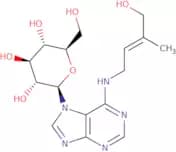
CAS:<p>Trans-zeatin-7-glucoside is an abscisic acid (ABA) metabolite that can be found in plant tissue. It is used as a natural product to regulate growth and development. Trans-zeatin-7-glucoside has been shown to inhibit the biosynthesis of gibberellins, which are plant hormones that promote cell elongation. This compound is purified from plant tissues by chromatographic methods, such as reversed phase HPLC or ion exchange chromatography. The sample preparation involves extraction with a solvent such as methanol or chloroform followed by purification on an analytical column. Immunoaffinity chromatography is also used for sample preparation, which involves binding to antibody molecules on the surface of a solid support material. Trans-zeatin-7-glucoside can be detected using analytical methods such as gas chromatography or liquid chromatography coupled with mass spectrometry. Trans-zeatin-7-</p>Fórmula:C16H23N5O6Pureza:Min. 95 Area-%Cor e Forma:PowderPeso molecular:381.38 g/mol4-Aminophenyl β-D-glucuronide sodium
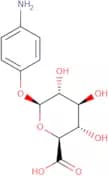
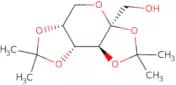
CAS:<p>4-Aminophenyl β-D-Glucuronide can be used to analyse acetaminophen and other metabolites in plasma.</p>Fórmula:C12H14NO7•NaPureza:Min. 95%Cor e Forma:PowderPeso molecular:307.23 g/mol2,3:4,5-Di-O-isopropylidene-b-D-fructopyranose
CAS:<p>2,3:4,5-Di-O-isopropylidene-b-D-fructopyranose (IDFP) is a natural compound that has been shown to have pharmacological properties. It is an inhibitor of the enzyme alpha-glucosidase and may be used as a treatment for diabetes mellitus type II. IDFP binds to the active site of the enzyme α-glucosidase, preventing access of the substrate glucose. This causes a decrease in blood glucose levels and has also been shown to reduce cholesterol levels in mice. IDFP is synthesized by reacting ethylene diamine with 2,3:4,5-di-O-isopropylidene b -D -fructofuranose. This reaction produces a heterocycle that undergoes asymmetric synthesis using sodium hydroxide solution and hydrogen fluoride as catalysts.</p>Fórmula:C12H20O6Pureza:Min. 95%Cor e Forma:White Off-White PowderPeso molecular:260.28 g/molPuerarin
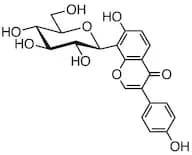
CAS:Fórmula:C21H20O9Pureza:>98.0%(T)(HPLC)Cor e Forma:White to Almost white powder to crystalPeso molecular:416.38α-D-Galacturonic Acid Hydrate
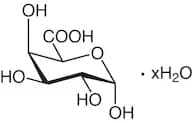
CAS:Fórmula:C6H10O7·xH2OPureza:>95.0%(T)Cor e Forma:White to Light yellow to Light orange powder to crystalPeso molecular:194.14 (as Anhydrous)Sedoheptulose-1,7-diphosphate
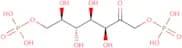
CAS:Sedoheptulose-1,7-diphosphate is a metabolite of glucose and fructose that is synthesized by the enzyme sedoheptulose-1,7-bisphosphatase. It is formed when the phosphate group of sedoheptulose-1,7-bisphosphate is transferred to another molecule in a process called phosphorylation. Sedoheptulose-1,7-diphosphate has been shown to be an important intermediate in the synthesis of fatty acids. It also activates various enzymes and has been shown to have an effect on transcriptional regulation in plants.Fórmula:C7H16O13P2Pureza:Min. 95%Cor e Forma:SolidPeso molecular:370.14 g/mol1,2:5,6-Di-O-isopropylidene-α-D-allofuranose
CAS:Fórmula:C12H20O6Pureza:>98.0%(GC)Cor e Forma:White to Almost white powder to crystalPeso molecular:260.29DL-Xylose
CAS:<p>DL-Xylose is a sugar that belongs to the group of pentoses. It contains a hydroxyl group at the C2 position and an aldehyde group at the C1 position. DL-Xylose is found in plants, animals, and bacteria. The gene sequence analysis of the type strain of DL-xylose showed that it has a fatty acid composition of 0.5% and protocatechuic acid composition of 0.7%. Dry weight analysis on swiss-webster mice fed with DL-xylose as the only carbon source showed that this sugar can provide up to 30% of energy requirements for these mice.</p>Fórmula:C5H10O5Pureza:Min. 98.5 Area-%Cor e Forma:White PowderPeso molecular:150.13 g/mol2-Acetamido-3-O-benzyl-4,6-O-benzylidene-2-deoxy-b-D-glucopyranosyl azide
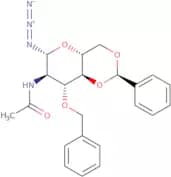
CAS:<p>2-Acetamido-3-O-benzyl-4,6-O-benzylidene-2-deoxy-b-D-glucopyranosyl azide is a modified carbohydrate that is used in the synthesis of glycosides. It is a synthetic molecule that is fluorinated at the alpha position of the glycosidic bond to allow for reaction with other molecules. This product has been shown to be stable in acid and base reactions and can be used for oligosaccharide synthesis or modification.</p>Fórmula:C22H24N4O5Pureza:Min. 95%Cor e Forma:PowderPeso molecular:424.46 g/mol4-Methoxyphenyl 2,3,4,6-Tetra-O-acetyl-β-D-galactopyranoside
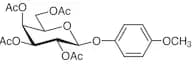
CAS:Fórmula:C21H26O11Pureza:>98.0%(HPLC)Cor e Forma:White to Almost white powder to crystalPeso molecular:454.43Phenyl 2,3,4,6-tetra-O-acetyl-b-D-galactopyranoside
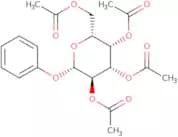
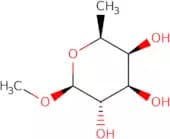
CAS:<p>Phenyl 2,3,4,6-tetra-O-acetyl-b-D-galactopyranoside (TTA) is a synthetic monosaccharide that is used in the synthesis of complex carbohydrates. TTA is also known as Fluorination, Monosaccharide, Synthetic, Oligosaccharide, complex carbohydrate and has CAS No. 2872-72-2. TTA can be custom synthesized for research purposes or for commercial use and can be glycosylated to form polysaccharides. TTA is modified through methylation or click chemistry and can be used to modify sugar molecules or other carbohydrates. It is also high purity with less than 1% impurities.</p>Fórmula:C20H24O10Pureza:Min. 95%Cor e Forma:PowderPeso molecular:424.4 g/molMethyl b-L-fucopyranoside
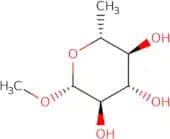
CAS:<p>Methyl b-L-fucopyranoside is a glycosylating agent that is used to modify saccharides and oligosaccharides. It can be used for the synthesis of complex carbohydrates, such as polysaccharides and glycoconjugates. Methyl b-L-fucopyranoside is also useful for the synthesis of glycosylated proteins, which are proteins with sugar chains attached to them. The product is a white solid that is soluble in water.</p>Fórmula:C7H14O5Pureza:Min. 95%Cor e Forma:White PowderPeso molecular:178.18 g/mol2,3,4,6-Tetra-O-acetyl-4-(hydroxymethyl)phenyl-b-D-glucopyranoside
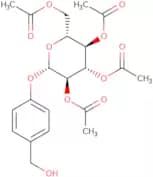
CAS:<p>2,3,4,6-Tetra-O-acetyl-4-(hydroxymethyl)phenyl-b-D-glucopyranoside is a chemical that is extracted from the rhizoma gastrodiae. It is used to treat symptoms of damaged ganglion cells in diabetic patients. 2,3,4,6-Tetra-O-acetyl-4-(hydroxymethyl)phenyl-b-D-glucopyranoside inhibits chloride channels in neurons by binding with the extracellular receptor site and thereby preventing the influx of chloride ions. This leads to reduced neuronal excitability and decreased symptoms of damaged ganglion cells in diabetic patients. 2,3,4,6 Tetra O acetyl 4 (hydroxymethyl) phenyl b D glucopyranoside has been shown to have an inhibitory effect on structural formula and environmental pollution.</p>Fórmula:C21H26O11Pureza:Min. 95%Cor e Forma:PowderPeso molecular:454.42 g/molMethyl 2,3,4,6-tetra-O-benzyl-a-D-mannopyranoside
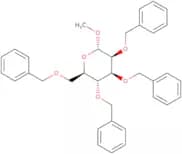
CAS:<p>Methyl 2,3,4,6-tetra-O-benzyl-a-D-mannopyranoside is a glycosylation product that can be used in chemical synthesis. This compound is an example of a complex carbohydrate and can be modified with methyl or fluorine groups. Methyl 2,3,4,6-tetra-O-benzyl-a-D-mannopyranoside is also a sugar and an oligosaccharide. This compound has been custom synthesized to meet customer specifications and is available in high purity.</p>Fórmula:C35H38O6Pureza:Min. 95%Cor e Forma:Clear Viscous LiquidPeso molecular:554.67 g/molCandesartan N2-glucuronide
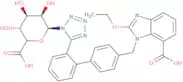
CAS:<p>Candesartan N-glucuronide is a metabolite of candesartan. It is produced by human UDP-glucuronosyltransferase, which belongs to the subfamily of uridine diphosphate (UDP)-glucuronosyltransferases. Candesartan N-glucuronide inhibits angiotensin II receptor type 1 (AT1) and has minimal effects on angiotensin II receptor type 2 (AT2). Candesartan N-glucuronide binds to the AT1 receptor and blocks its activation by angiotensin II. This binding inhibits the uptake of sodium ions into cells and causes an increase in potassium ion secretion, leading to vasodilation. Candesartan N-glucuronide also induces the expression of cytochrome P450 3A5, which results in increased metabolism of drugs such as paclitaxel.</p>Fórmula:C30H28N6O9Pureza:Min. 95%Peso molecular:616.58 g/mol2,3,4-Tri-O-benzyl-L-arabinopyranose
CAS:The anomeric position of 2,3,4-tri-O-benzyl-L-arabinopyranose is anomeric. The yields of the two possible anomers were not determined in this experiment. Hydrogenolysis of the benzyl group in 2,3,4-tri-O-benzyl-L-arabinopyranose at room temperature resulted in a mixture of the two possible anomers.Fórmula:C26H28O5Pureza:Min. 95%Cor e Forma:PowderPeso molecular:420.5 g/mol










![(1S) -1- [(2S, 3R,4S) -4-(Acetoxy)methyl-3-benzyloxy- N-benzyl-1- azetidinyl] -di-O-acetyl-1, 2- e…](/_next/image/?url=https%3A%2Fstatic.cymitquimica.com%2Fproducts%2F3D%2Fthumb-webp%2FMA163358.webp&w=3840&q=75)







![N-Acetyl-D-[1,2,3-¹³C3]neuraminic acid](/_next/image/?url=https%3A%2Fstatic.cymitquimica.com%2Fproducts%2F3D%2Fthumb-webp%2FMA182016.webp&w=3840&q=75)
![(1S) -1- [(2S, 3R) - 3- Hydroxy- 1- (phenylmethyl) - 2- azetidinyl] -1, 2- ethanediol](/_next/image/?url=https%3A%2Fstatic.cymitquimica.com%2Fproducts%2F3D%2Fthumb-webp%2FMH163545.webp&w=3840&q=75)