Monossacáridos
Subcategorias de "Monossacáridos"
- Aloses(11 produtos)
- Arabinoses(21 produtos)
- Eritroses(11 produtos)
- Frutoses(9 produtos)
- Fucoses(36 produtos)
- Galactosamina(41 produtos)
- Galactoses(261 produtos)
- Glucoses(365 produtos)
- Ácidos Glucurónicos(52 produtos)
- Glico-substratos para enzimas(78 produtos)
- Guloses(6 produtos)
- Idoses(4 produtos)
- Inositóis(15 produtos)
- Lixoses(4 produtos)
- Mannoses(65 produtos)
- O-Glicanos(48 produtos)
- Psicoses(3 produtos)
- Ramnoses(10 produtos)
- Riboses(61 produtos)
- Ácidos siálicos(100 produtos)
- Sorboses(4 produtos)
- Açúcares(173 produtos)
- Tagatoses(4 produtos)
- Taloses(8 produtos)
- Xiloses(20 produtos)
Foram encontrados 6088 produtos de "Monossacáridos"
Allyl 4-O-benzyl-2,3-di-O-levulinyl-a-L-rhamnopyranoside
Allyl 4-O-benzyl-2,3-di-O-levulinyl-a-L-rhamnopyranoside is a custom synthesis of an oligosaccharide with a complex carbohydrate backbone. It is modified by methylation and glycosylation and fluorinated to give it high purity.
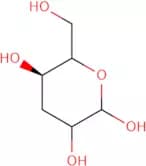
Pureza:Min. 95%3-Deoxy-D-galactopyranose
CAS:3-Deoxy-D-galactopyranose is a galectin that has been synthetically produced. It has shown to be an antagonist of galactoside, which may be useful in the treatment of type 2 diabetes. The synthetic method for this molecule is still being developed.
Fórmula:C6H12O5Pureza:Min. 95%Cor e Forma:PowderPeso molecular:164.16 g/mol2-Amino-2,6-dideoxy-L-mannose hydrochloride
2-Amino-2,6-dideoxy-L-mannose hydrochloride is a high purity and custom synthesis sugar. It is synthesized from 2,6-Dideoxymannose with the use of Click chemistry. This modification allows for a variety of fluorinations, glycosylations, and methylations to be used in the synthesis process. The CAS number for this compound is 107625-00-3.
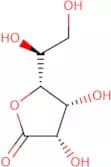
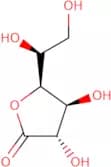
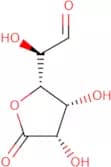
Pureza:Min. 95%L-Gulonic acid-1,4-lactone
CAS:L-Gulonic acid-1,4-lactone is an ascorbic acid derivative that inhibits the production of matrix metalloproteinases (MMPs) and other enzymes. L-Gulonic acid-1,4-lactone has been shown to inhibit the activity of MMPs in hl-60 cells, which may be due to its ability to chelate metal ions, such as zinc and copper. This molecule also has a stabilizing effect on collagen type I because it prevents cross linking between lysine amino acids. The discovery process for this molecule was found by screening clones from a cDNA library with biochemical properties similar to those of ascorbic acid. This molecule has been shown to inhibit the activation of protein kinase C (PKC) and phosphorylation of extracellular signal regulated kinase (ERK). L-Gulonic acid-1,4-lactone is metabolized through plant metabolism
Fórmula:C6H10O6Pureza:Min. 95 Area-%Cor e Forma:White PowderPeso molecular:178.14 g/molPhenyl 4,6-O-benzylidene-2-deoxy-2-N-(2,2,2-trichloroethyl)-b-D-thioglucopyranoside
Phenyl 4,6-O-benzylidene-2-deoxy-2-N-(2,2,2-trichloroethyl)-b-D-thioglucopyranoside is an oligosaccharide that has been synthesized by the glycosylation of a benzylidene glycosylamine with a sugar. It is a custom synthesis which has been fluorinated and methylated. This compound is an important intermediate in the synthesis of complex carbohydrates. Phenyl 4,6-O-benzylidene-2-deoxy-2-N-(2,2,2 trichloroethyl)-b -D thioglucopyranoside is not toxic and has a high purity.
Pureza:Min. 95%(1S) -1- [(2S, 3S,4R) -4-Hydroxymethyl-3- hydroxy- N-methyl-1- azetidinyl] -1, 2- ethanediol
(1S) -1- [(2S, 3S,4R) -4-Hydroxymethyl-3- hydroxy- N-methyl-1- azetidinyl] -1, 2- ethanediol is a synthetic sugar that can be used as a glycosylation or methylation agent. It is a white powder with a molecular weight of 342. The purity of this product is > 98%. This product has CAS No. 517862-65-8.
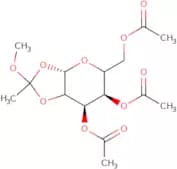
Pureza:Min. 95%3,4,6-Tri-O-acetyl-b-D-mannopyranose 1,2-(methyl orthoacetate)
CAS:3,4,6-Tri-O-acetyl-b-D-mannopyranose 1,2-(methyl orthoacetate) is a glycosylation product that is used in the synthesis of oligosaccharides. 3,4,6-Tri-O-acetyl-b-D-mannopyranose 1,2-(methyl orthoacetate) is synthesized by the reaction of 3,4,6-triacetyl b D mannopyranose with methyl orthoacetate in aqueous solution containing an acid catalyst. This compound can be used to modify saccharides and complex carbohydrates. It is also used in click chemistry to create modified sugars. The molecular weight of this compound ranges from 200 to 600 grams per mole and it has a CAS number of 4435 05 6.Fórmula:C15H22O10Pureza:Min. 95%Cor e Forma:PowderPeso molecular:362.33 g/molRef: 3D-MT04874
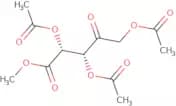
Produto descontinuadoTri-O-acetyl-4-pentulosonic acid methyl ester
CAS:Tri-O-acetyl-4-pentulosonic acid methyl ester is a high purity, custom synthesis sugar that has been modified by click chemistry. It is fluorinated, glycosylated and synthetically modified. The chemical name for this product is 3'-O-Acetyl-4'-O-(2,3,5,6-tetrafluoro)pentylosonic acid methyl ester. Tri-O-acetyl-4-pentulosonic acid methyl ester is a saccharide that has the CAS No. 108595-14-8 and has been shown to be useful in the synthesis of oligosaccharides and monosaccharides.
Fórmula:C12H16O9Pureza:Min. 95%Peso molecular:304.25 g/mol2-Azidomethyl-2-deoxy-D-ribono-1.5-lactone
2-Azidomethyl-2-deoxy-D-ribono-1.5-lactone is a custom synthesis of an oligosaccharide with a carbohydrate chain that has been modified by methylation and glycosylation. It is a high purity product that can be used in the synthesis of complex carbohydrates, such as polysaccharides, and has been fluorinated to create a click modification. This compound has an CAS number and can be used in the synthesis of saccharides or sugars. It can also be used for the preparation of complex carbohydrates, such as polysaccharides, and has been fluorinated to create a click modification.
Pureza:Min. 95%L-Xylose
CAS:L-Xylose is a monosaccharide that is found in many plants. It is used as a sweetener, and also has been shown to be beneficial in the treatment of diabetic neuropathy. L-Xylose can be metabolized by the enzyme xylitol dehydrogenase to produce energy for the cell. The enzyme catalyzes the conversion of xylitol to D-xylulose and then D-xylulose 1-phosphate, which can be converted into ATP for use by cells. L-Xylose is not metabolized by bacterial enzymes and does not affect blood sugar levels. L-Xylose has been shown to have an effect on taste perception, with a sweet taste at concentrations of 10 milligrams per liter (mg/L). This sweet taste is due to its hydroxymethyl group on the C2 position, which reacts with sodium ions in the mouth. The optimum pH for L-xylose
Fórmula:C5H10O5Pureza:Min. 99.0 Area-%Peso molecular:150.13 g/molRef: 3D-X-8000
Produto descontinuadoPropargyl a-D-glucopyranoside
CAS:Propargyl a-D-glucopyranoside is a high purity custom synthesis sugar. It is synthesized by Click modification, fluorination, and glycosylation followed by methylation. Propargyl a-D-glucopyranoside can be used for the modification of oligosaccharides and monosaccharides to produce complex carbohydrates.
Fórmula:C9H14O6Pureza:Min. 95%Cor e Forma:PowderPeso molecular:218.2 g/molRef: 3D-MP31404
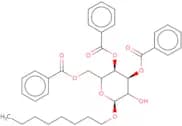
Produto descontinuadoOctyl 3,4,6-tri-O-benzoyl-a-D-mannopyranoside
CAS:Octyl 3,4,6-tri-O-benzoyl-a-D-mannopyranoside is a carbohydrate that has been custom synthesized. It has a molecular weight of 614.4 g/mol and the chemical formula C30H50O8. This compound is an oligosaccharide with a polysaccharide backbone. Octyl 3,4,6-tri-O-benzoyl-a-D-mannopyranoside is soluble in water and ethanol, but insoluble in hexane or ether. It has CAS No. 19308-45-3 and can be modified by methylation or glycosylation. The molecule contains three sugar residues that have been linked through glycosidic bonds to form a triose sugar (a sugar containing three carbon atoms). The molecule also contains an acetal group at the C1 position of the mannose moiety that can be fluorinated with b
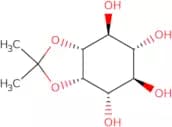
Fórmula:C35H40O9Pureza:Min. 95%Peso molecular:604.69 g/mol1,2-Isopropylidene-D,L-myo-inositol
CAS:1,2-Isopropylidene-D,L-myo-inositol is a modification of the natural product myo-inositol. It is synthesized by methylation and glycosylation of inositol with methanol. This chemical compound has been modified to include fluorination and saccharide.
Fórmula:C9H16O6Pureza:Min. 95%Cor e Forma:White PowderPeso molecular:220.22 g/molRef: 3D-MI04760
Produto descontinuadoD-Fructose 1-phosphate disodium
CAS:Please enquire for more information about D-Fructose 1-phosphate disodium including the price, delivery time and more detailed product information at the technical inquiry form on this page
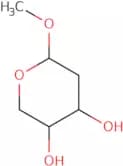
Fórmula:C6H11Na2O9PPureza:90%Cor e Forma:PowderPeso molecular:304.1 g/molMethyl 2-deoxy-b-D-ribopyranoside
CAS:Methyl 2-deoxy-b-D-ribopyranoside is a synthetic monosaccharide that has been modified by fluorination, monosaccharide, and methylation. It is an oligosaccharide that belongs to the group of complex carbohydrates. This compound can be used for glycosylation reactions or as a sugar donor in click chemistry. Methyl 2-deoxy-b-D-ribopyranoside has CAS No. 17676-20-9 and it's purity is greater than 99%.
Fórmula:C6H12O4Pureza:Min. 95%Peso molecular:148.16 g/mol5-O-tert-Butyldimethylsilyl-2,3-O-isopropylidene-L-ribono-1,4-lactone
CAS:5-O-tert-Butyldimethylsilyl-2,3-O-isopropylidene-L-ribono-1,4-lactone is a high purity custom synthesis and custom synthesis of complex carbohydrates. 5-O-tert-Butyldimethylsilyl-2,3-O-isopropylidene-L-ribono--1,4--lactone is a fluorination and an oligosaccharide that contains methylated sugar. It is a polysaccharide with a click modification that can be used for glycosylation and methylation. This product has been shown to be effective in the synthesis of oligosaccharides.
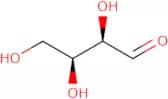
Fórmula:C15H28O5SiPureza:Min. 95%Peso molecular:316.47 g/molL-Threose - aqueous solution
CAS:L-Threose is a sugar molecule that is used as a structural component of DNA and RNA. It is also an important part of the energy metabolism in cells. L-Threose can be enzymatically inactivated by glycosidases, which are enzymes that hydrolyze glycosidic bonds. The inhibition of glycosidases by L-threose may be useful for the prevention or treatment of diseases associated with enzyme activity, such as diabetes mellitus type II. L-Threose has been shown to have inhibitory properties against sephadex G-100, a membrane protein found in bacteria. L-Threose may be useful as a control agent for research into the response element of polymerase chain reaction (PCR).
Fórmula:C4H8O4Pureza:Min. 60 Area-%Cor e Forma:Clear LiquidPeso molecular:120.1 g/molL-Fucose
CAS:L-Fucose is a monosaccharide that is an important component of glycoproteins and glycolipids. L-Fucose is also found in the cell wall of bacteria. The most abundant sources of L-fucose are from the hydrolysis of lactose or sucrose by bacteria, or as a result of intestinal microbial fermentation. L-Fucose has been shown to be involved in the regulation of many metabolic processes, including the glomerular filtration rate and sephadex g-100 binding capacity in the kidney. It has also been shown to improve growth in infant rats with protein malnutrition. The enzyme that catalyzes the conversion of D-arabinose to L-fucose is known as fucokinase.
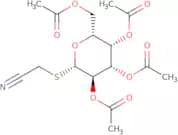
Fórmula:C6H12O5Pureza:Min. 98.0 Area-%Peso molecular:164.16 g/molCyanomethyl 2,3,4,6-tetra-O-acetyl-b-D-thiogalactopyranoside
CAS:Cyanomethyl 2,3,4,6-tetra-O-acetyl-b-D-thiogalactopyranoside is an important reagent for the synthesis of glycosides and oligosaccharides. This substance has been used to synthesize a variety of modified saccharides, such as methylated sugars and fluorinated saccharides. It also has been applied to the synthesis of complex carbohydrates with the click modification.Fórmula:C16H21NO9SPureza:Min. 98 Area-%Cor e Forma:White Off-White PowderPeso molecular:403.41 g/molRef: 3D-MC04530
Produto descontinuado6-Deoxy-L-psicose
CAS:6-Deoxy-L-psicose is a d-arabinose analog that can be used as a substrate in the enzymatic synthesis of L-arabinose. It has been shown to inhibit the activity of phosphatase and glutamicum enzymes in vitro. 6-Deoxy-L-psicose binds to the active site of the enzyme through its phosphate group, which prevents access by an incoming substrate. The phosphate group also acts as an electron donor for the enzyme, stabilizing it through hydrogen bonding interactions. X-ray structures of 6-deoxy-L-psicose bound to corynebacterium glutamicum have revealed a ternary complex with two molecules of corynebacterium glutamicum and one molecule of 6-deoxy-L-psicose.
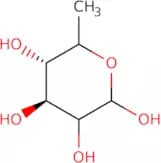
Fórmula:C6H12O5Pureza:Min. 95%Peso molecular:164.16 g/mol6-Deoxy-L-talose
CAS:6-Deoxy-L-talose is a sugar that is found in the cell walls of bacteria. It is a component of glycan, which are long chains of sugar molecules linked together. Glycans are important for the structural integrity and function of bacterial cell walls. 6-Deoxy-L-talose is a monosaccharide that has been detected in the type strain of Bacillus subtilis and in wild-type strains of Pseudomonas aeruginosa. This sugar can be chemically analyzed using gas chromatography and mass spectrometry to determine its structure and chemical composition. 6-Deoxy-L-talose can be used to detect specific monoclonal antibodies against it, which could be useful for detecting bacterial infections or determining how antibiotics affect bacteria.
Fórmula:C6H12O5Pureza:Min. 98 Area-%Cor e Forma:White PowderPeso molecular:164.16 g/mol2-Allyloxycarbonylamino-2-deoxy-D-galactose
2-Allyloxycarbonylamino-2-deoxy-D-galactose is a monosaccharide that is synthetically modified for use as a synthetic building block in the synthesis of complex carbohydrates and saccharides. This compound is fluorinated at the 2 position to increase its water solubility, which makes it useful for chemical modifications. It has been shown to be methylated and glycosylated.
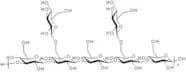
Pureza:Min. 95%Lentinan
CAS:The polysaccharide Lentinan is isolated from the mushroom L. edodes (shitake mushroom). The primary structure is a β-(1–3)-glucose backbone with two (1–6)-β-glucose branches for each five glucose resiodues. Lentinan is clinically used for cancer treatment both in China and Japan. According to the clinical studies published in and outside of China, lentinan-based drugs are used for the treatment of various cancers, including lung, gastric, colorectal and other cancers. In addition, lentinan-based drugs are also used for treating HIV, hepatitis and malignant pleural effusion.
Cor e Forma:Brown PowderRef: 3D-FL33321
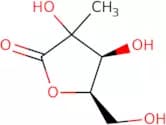
Produto descontinuado(3R,4R)-2-Methyl-2,3,4,5-tetrahydroxypentane
(3R,4R)-2-Methyl-2,3,4,5-tetrahydroxypentane is a synthetic compound. It is a glycosylation reagent that can be used to modify the sugar moiety in oligosaccharides and complex carbohydrates. (3R,4R)-2-Methyl-2,3,4,5-tetrahydroxypentane is also used for fluorination reactions and click chemistry modifications. This product has been shown to have high purity and can be custom synthesized. The CAS number for this compound is 36610-02-6.
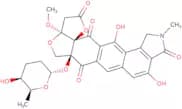
Pureza:Min. 95%Lactonamycin
CAS:Lactonamycin is a linker that contains an oxygenated functional group. It can be found in some active natural products and has been synthesized in the laboratory. Lactonamycin is used as a model system for biosynthesis, where it was shown to efficiently produce glycosidic bonds when supplied with carbon sources such as glucose. The biological properties of Lactonamycin include its ability to inhibit microbial infection and inflammation, which may be due to its hydroxy group.
Fórmula:C28H27NO12Pureza:Min. 95%Peso molecular:569.51 g/moln-Dodecyl-β-D-maltoside
CAS:Dodecyl maltoside (DDM) is a non-ionic detergent that consists of a hydrophilic maltose head and a hydrophobic long chain alkyl tail. It has a relatively low critical micelle concentration of 0.17 mM and is considered a gentle but powerful detergent. DDM is often the best tool for solubilising/crystallising membrane proteins. Membrane proteins usually have α-helical structures that are easily destroyed when the protein is released from its membrane environment. DDM can often preserve these structures during the solubilisation. In addition, membrane proteins can often be renatured when isolated with DDM.
Fórmula:C24H46O11Peso molecular:510.63 g/mol3-Deoxy-L- threo- 2- hexulosaric acid
CAS:3-Deoxy-L-threo-2-hexulosaric acid is a sugar that is modified by the addition of a fluorine atom to one of its hydroxyl groups. 3-Deoxy-L-threo-2-hexulosaric acid is used in the synthesis of complex carbohydrates and oligosaccharides. It is also used in the modification of saccharides, sugars, and polysaccharides. 3-Deoxy-L-threo-2-hexulosaric acid can be custom synthesized according to your specifications. It can be synthesized with high purity at our labs.
Pureza:Min. 95%2-C-Methyl- 2, 3- O- isopropylidene - D- ribonic acid g- lactone
2-C-Methyl- 2, 3- O- isopropylidene - D- ribonic acid g- lactone (2CMP) is a modification of the sugar D- ribose that has been found to be useful in the synthesis of oligosaccharides. It can be synthesized from 2,3-O-isopropylidene -D-ribofuranose and methyl iodide. 2CMP is used as a building block for glycosylation reactions because it is easily converted to different sugars by methylation, fluorination, or saccharide modification.
Pureza:Min. 95%(3R, 4R, 5S) -3, 4-Dihydroxy- 5- (hydroxymethyl) - 2- pyrrolidinone
3, 4-Dihydroxy-5-(hydroxymethyl)pyrrolidinone (3R,4R,5S) is a custom synthesis of a fluorinated compound that has been modified through methylation and monosaccharide substitution. This product has been designed for use in Click chemistry applications. The CAS number for this product is 100906-64-6.
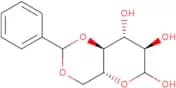
Pureza:Min. 95%4,6-O-Benzylidene-D-glucose
CAS:4,6-O-Benzylidene-D-glucose is a potent inhibitor of the enzyme dibutyltin oxide, which is involved in the synthesis of energy. It has been shown to have clinical activity in rat cardiomyocytes and has been tested in clinical studies. 4,6-O-Benzylidene-D-glucose inhibits enzymes by forming hydrogen bonds with their substrates. This compound also interacts with hydrochloric acid to form a stable complex that prevents it from interacting with other molecules. 4,6-O-Benzylidene-D-glucose is rapidly broken down into glucose and benzaldehyde when it reacts with carbonyl groups or amines. The asymmetric synthesis of this compound can be achieved using an intramolecular hydrogen transfer reaction.
4,6-O-Benzylidene glucose is derived from D-mannose derivatives and contains a hydroxyl group on the central carbonFórmula:C13H16O6Pureza:Min. 98 Area-%Cor e Forma:White PowderPeso molecular:268.26 g/molRef: 3D-MB03806
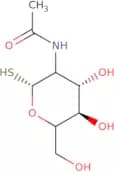
Produto descontinuado2-Acetamido-2-deoxy-a-D-thiogalactopyranose
Please enquire for more information about 2-Acetamido-2-deoxy-a-D-thiogalactopyranose including the price, delivery time and more detailed product information at the technical inquiry form on this page
Fórmula:C8H15NO5SPureza:Min. 95%Cor e Forma:PowderPeso molecular:237.27 g/molRef: 3D-MA12496
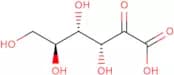
Produto descontinuado2-Keto-L-gluconic acid
CAS:Please enquire for more information about 2-Keto-L-gluconic acid including the price, delivery time and more detailed product information at the technical inquiry form on this page
Fórmula:C6H10O7Pureza:Min. 95%Peso molecular:194.14 g/mol2-Deoxy-D-ribose
CAS:Used in synthetic organic chemistry and natural product synthesis. Induces apoptosis by inhibiting the synthesis and increasing the efflux of glutathione. It is used for synthesis of optically active dipyrrolyl alkanols from pyrroles on the surface of montmorillonite KSF clay.
Fórmula:C5H10O4Pureza:Min. 98 Area-%Cor e Forma:White PowderPeso molecular:134.13 g/molL-Glucono-1,4-lactone
CAS:L-Glucono-1,4-lactone is a substance that belongs to the group of compounds known as alpha hydroxy acids. It is produced in the body by an enzyme called l-gluconolactonase and is present in small quantities in many fruits and vegetables. L-Glucono-1,4-lactone has been shown to prevent skin aging and protect against UV light damage through its antioxidant properties. This compound can be found in sunscreens or it can be taken orally to provide protection from the sun. Clinical data on L-Glucono-1,4-lactone treatments are not yet available.
Fórmula:C6H10O6Pureza:Min. 95%Cor e Forma:PowderPeso molecular:178.14 g/molRef: 3D-MG59520
Produto descontinuadoEthyl 2-acetamido-2-deoxy-b-D-galactopyranoside
Ethyl 2-acetamido-2-deoxy-b-D-galactopyranoside is a custom synthesis, fluorinated, modified with methyl and acetamido groups, monosaccharide with a CAS number. It is synthesized by the modification of galactose with an acetamido group and then reacting it with ethyl bromoacetate. It is a saccharide that can be used to modify glycoproteins. This compound has been used in the synthesis of oligosaccharides and polysaccharides. Ethyl 2-acetamido-2-deoxy-b-D-galactopyranoside is also known as a sugar or carbohydrate.
Fórmula:C10H19NO6Pureza:Min. 95%Cor e Forma:SolidPeso molecular:249.26 g/molD-Glucuronolactone
CAS:D-Glucuronolactone is supposed to be involved in detoxification processes.
Fórmula:C6H8O6Peso molecular:176.13 g/mol(3aS, 7S, 9S, 9aR, 9bR) -9- [[(1, 1- Dimethylethyl) dimethylsilyl] oxy] - 2, 2- diethylhexahydro- 7- methyl-1, 3- dioxolo[4, 5- a] i ndolizin- 6(4H) - one
(3aS, 7S, 9S, 9aR, 9bR) -9- [[(1, 1- Dimethylethyl) dimethylsilyl] oxy] - 2, 2- diethylhexahydro- 7- methyl-1, 3- dioxolo[4, 5- a] i ndolizin- 6(4H) - one is an oligosaccharide made of sugar and saccharide. This compound is synthesized in the laboratory by clicking modification. It has a high purity and is custom synthesis. The CAS No. for this compound is 251788-72-8.
Pureza:Min. 95%1-O-Methyl-α-D-glucopyranoside
CAS:Methyl α-D- glucopyranoside is a methylated sugar used as an inhibitor of lectin-conjugate binding. Methyl α-D- glucopyranoside is commonly used in protein purification for eluting glycoproteins and other glycoconjugates from affinity chromatography columns of agarose lectin. Methyl α-D- glucopyranoside is also known as Methyl alpha-D-glucoside or alpha-Methyl-glucoside.
Fórmula:C7H14O6Pureza:Min. 99.0 Area-%Peso molecular:194.19 g/molRef: 3D-M-3593
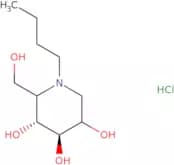
Produto descontinuadoN-Butyldeoxymannojirimycin HCl
CAS:N-Butyldeoxymannojirimycin HCl is a custom synthesis, complex carbohydrate that is synthesized from Oligosaccharides and Polysaccharides. This product is modified with Methylation, Glycosylation, and Carbohydrate. It has the CAS No. 155501-85-2 and it is high purity and fluorinated. The product can be used in Synthetic applications such as Click modification, sugar, or Fluorination.
Fórmula:C10H21NO4·HClPureza:Min. 95%Cor e Forma:SolidPeso molecular:255.74 g/molRef: 3D-MB04672
Produto descontinuado2,4,6-Tri-O-benzoyl-3-O-benzyl-D-mannopyranose
2,4,6-Tri-O-benzyl-3-O-benzyl-D-mannopyranose is a modification of the monosaccharide D-mannopyranose. It is a carbohydrate that can be custom synthesized and has high purity with a CAS number. The 2,4,6-tri-O-benzoyl group can be used for glycosylation reactions to produce polysaccharides. This modification also has the ability to be fluorinated or methylated by using the corresponding reagents.
2,4,6-Tri-O-benzoyl-3-O-benzyl mannopyranose is an oligosaccharide that can serve as a building block for more complicated carbohydrates like polysaccharides. It has not been shown to have any toxicity in animals and is used as a food additive in some countries.Fórmula:C34H30O9Pureza:Min. 95%Peso molecular:582.6 g/molα-D-Mannose-1-phosphate sodium
CAS:α-D-Mannose-1-phosphate sodium is a synthetically made mannose phosphate. This compound is used in the synthesis of oligosaccharides and glycoproteins.
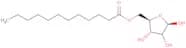
Fórmula:C6H11Na2O9PPureza:Min. 98 Area-%Cor e Forma:White PowderPeso molecular:304.1 g/mol5-O-Lauryl-D-xylofuranose
CAS:5-O-Lauryl-D-xylofuranose is a lipase that can hydrolyze pentoses and hexoses. This enzyme has been shown to be active at temperatures between 0°C and 40°C, with optimal activity at 30°C. 5-O-Lauryl-D-xylofuranose is also thermostable and can be immobilized on silica gel or alumina. It is used in the manufacture of lysine, L-arabinose, and D-xylose. The enzyme catalyzes the reaction by removing a hydroxyl group from the pentoses or hexoses through an ester linkage with a dodecanoate group. The aliphatic chain of 5-O-lauryl dodecanoate is attached to the pentose or hexose molecule in an ester linkage by a thioether bond.
Fórmula:C17H32O6Pureza:Min. 95%Peso molecular:332.43 g/mola-D-Arabinopyranosyl azide
CAS:a-D-Arabinopyranosyl azide is a new modified sugar that has been synthesized by the Click chemistry method. It is a complex carbohydrate with different substituents at the C2, C4, and C6 positions. This compound can be used for methylation, saccharide, polysaccharide, glycosylation or other custom synthesis. The CAS No. for this product is 138892-04-3, and it has a purity of >99%.
Fórmula:C5H9N3O4Pureza:Min. 95%Peso molecular:175.14 g/mol2,6-Dideoxy-2-fluoro-L-mannose
2,6-Dideoxy-2-fluoro-L-mannose is a monosaccharide that is a fluorinated glycosylate. It is used in the synthesis of oligosaccharides and has been shown to be useful for click modification of proteins. This compound is also used as a substrate for methylation reactions. 2,6-Dideoxy-2-fluoro-L-mannose contains an oxygen atom at the C1 position and two hydroxyl groups at the C3 and C4 positions on the ring. The molecular weight of this compound is 180.16 g/mol.
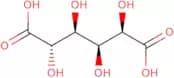
Pureza:Min. 95%Calcium D-saccharate tetrahydrate
CAS:Calcium D-saccharate is the calcium salt of saccharic acid, also known as glucaric acid. Calcium D-saccharate has been evaluated for chemopreventive activity in a rat tracheal epithelial cell following exposure to the carcinogen benzo[a]pyrene. Addition of calcium D-saccharate to sugarcane juice during liming enhanced clarification as high molecular weight components were removed by filtration.
Fórmula:C6H8O8·Ca·(H2O)4Cor e Forma:PowderPeso molecular:320.26 g/molRef: 3D-MC04536
Produto descontinuadoUDP-GlcNAc disodium salt
CAS:Substrate for N-acetylglucosaminyltransferases
Fórmula:C17H25N3O17P2Na2Pureza:Min. 98 Area-%Cor e Forma:White PowderPeso molecular:651.32 g/molPhenyl 3-deoxy-3-fluoro-α-D-glucopyranoside
Phenyl 3-deoxy-3-fluoro-a-D-glucopyranoside is a modified oligosaccharide, which is synthesized by the glycosylation of 3,6-diaminohexanoic acid with phenyl boronic acid. This compound is also known as an anti-tuberculosis drug. It has been shown to inhibit bacterial growth by binding to DNA dependent RNA polymerase, thereby preventing transcription and replication. The high frequency of human activity has been shown using a patch clamp technique on human erythrocytes. Phenyl 3-deoxy-3-fluoro-a-D-glucopyranoside also specifically binds to markers expressed at high levels in Mycobacterium tuberculosis strains (e.g., ESX1 secretion system protein) and inhibits cell growth in culture.
Fórmula:C12H15FO5Pureza:Min. 95%Cor e Forma:White to off-white solid.Peso molecular:258.24 g/molRef: 3D-MP11443
Produto descontinuadoD-Allose pentaacetate
CAS:D-Allose pentaacetate is a modified oligosaccharide that can be used as a synthetic intermediate in the production of complex carbohydrates. It has been shown to have high purity and is easily synthesized in a laboratory setting. D-Allose pentaacetate is a monosaccharide with five acetate groups that can be methylated or glycosylated, which makes it an ideal candidate for modification. D-Allose pentaacetate has CAS No. 144071-49-8 and can be found on PubChem CID: 1215965.
Fórmula:C16H22O11Pureza:Min. 95%Cor e Forma:PowderPeso molecular:390.34 g/mol6-Deoxy-L-allitol
6-Deoxy-L-allitol is a white crystalline solid that melts at 122°C. It has an amorphous character and may be present as a mixture of rotations, form, and crystalline polymorphs. 6-Deoxy-L-allitol can be oxidized to its diol derivative by hydrogen peroxide or sodium periodate. This compound is soluble in water, methanol, and acetone. The molecular weight of this compound is 179.06 g/mol.
Pureza:Min. 95%2,3,4,6-Tetra-O-acetyl-D-mannopyranose
CAS:2,3,4,6-Tetra-O-acetyl-D-mannopyranose is a glycosylated polysaccharide. It is a complex carbohydrate with a methylated D-mannopyranose backbone and an acetylated 2,3,4,6-tetraose sidechain. This product can be fluorinated or saccharified to make it more reactive for click chemistry. 2,3,4,6-Tetra-O-acetyl-D-mannopyranose has been custom synthesized in a high purity form that is suitable for use in various applications including polymeric materials and pharmaceuticals.
Fórmula:C14H20O10Pureza:Min. 95%Peso molecular:348.3 g/mol2-Azido-((R)-3,5-O-benzylidene)-2,6-dideoxy- L-manno-hexitol
2-Azido-((R)-3,5-O-benzylidene)-2,6-dideoxy-L-manno-hexitol is a methylated sugar that can be custom synthesized. It has CAS number of 4783-79-8. The chemical formula for this compound is C12H22N2O11 and the molecular weight is 538.3 g/mol. This product is a white to off white crystalline powder with a melting point of 200 degrees Celsius and an assay of 98%. This product is not soluble in water or alcohol. In addition, this product does not contain any heavy metals or toxic residues.
Pureza:Min. 95%Allosamizoline
CAS:Allosamizoline is a potent inhibitor of bacterial enzyme that is produced by the bacteria. It inhibits viral replication and has been shown to inhibit the biosynthesis of other bioactive molecules, such as cyclohexane ring, nitrogen atoms, and growth regulators. Allosamizoline is a bicyclic compound with an acetylation at the carbon atom and a cyclohexane ring. This compound also has two nitrogen atoms in its structure that are important for inhibiting bacterial enzymes. In addition, allosamizoline can be conjugated to fluorescein via an ester linkage. The fluorescein-allosamizoline conjugate can be used as a fluorescent probe for the detection of bacterial enzymes in live cells and tissues.
Fórmula:C9H16N2O4Pureza:Min. 95%Peso molecular:216.23 g/molD-Glucose 6-phosphate, monosodium salt
CAS:D-Glucose 6-phosphate, monosodium salt is a natural compound found in honeybush (Cyclopia species) and other plants. The compound is also found in the human body as a result of its synthesis from glucose. D-Glucose 6-phosphate, monosodium salt is an inhibitor of NADPH cytochrome P450 reductase, which is an enzyme that converts NADPH to NADP+. This inhibition prevents the formation of nadph and causes an accumulation of reduced nicotinamide adenine dinucleotide (NADH), which leads to the inhibition of cell growth. D-Glucose 6-phosphate, monosodium salt has been shown to inhibit cancer cells and bacterial growth. It does this by inhibiting enzymes such as cytosolic phosphoglycerate kinase and phosphofructokinase.
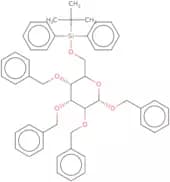
Fórmula:C6H12O9PNaPureza:Min. 98.0 Area-%Peso molecular:282.12 g/mol1,2,3,4-Tetra-O-benzyl-6-O-tert-butyldiphenylsilyl-a-D-mannopyranose
CAS:1,2,3,4-Tetra-O-benzyl-6-O-tert-butyldiphenylsilyl-a-D-mannopyranose is a synthetic glycoside that can be used as a building block for the synthesis of complex carbohydrates. It is a fluorinated sugar that can be modified with methyl groups and other functional groups. This product is available in high purity and can be custom synthesized to meet your specific needs.
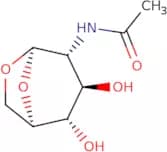
Fórmula:C50H54O6SiPureza:Min. 95%Peso molecular:779.07 g/mol2-Acetamido-1,6-anhydro-2-deoxy-β-D-glucopyranose
CAS:2-Acetamido-1,6-anhydro-2-deoxy-b-D-glucopyranose is widely used in carbohydrate chemistry. It is used as reagent for the synthesis of oligosaccharides and also as a precursor in the synthesis of oligopeptides. 2-Acetamido-1,6-anhydro-2-deoxy-b-D-glucopyranose is an analog of levoglucosan, a compound that is often used to trace for biomass burning in enviromental chemistry studies.
Fórmula:C8H13NO5Pureza:Min. 95%Cor e Forma:PowderPeso molecular:203.19 g/molL-Rhamnose diethyl mercaptal
CAS:L-Rhamnose diethyl mercaptal is an antiperspirant and deodorant that is used in combination with other ingredients to reduce or eliminate body odor. It is a supplement, often found in combinations with other compounds such as neodymium and radium. This compound works by preventing the formation of sweat from the apocrine glands, which reduces underarm wetness and body odor. L-Rhamnose diethyl mercaptal also has antimicrobial properties that help prevent bacterial growth on the skin surface.
Fórmula:C10H22O4S2Pureza:Min. 95%Cor e Forma:PowderPeso molecular:270.41 g/molRef: 3D-MR05237
Produto descontinuado2-Deoxy-2-fluoro-D-galactose
CAS:Please enquire for more information about 2-Deoxy-2-fluoro-D-galactose including the price, delivery time and more detailed product information at the technical inquiry form on this page
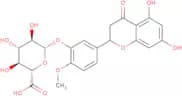
Fórmula:C6H11FO5Pureza:Min. 97 Area-%Peso molecular:182.15 g/molHesperetin 3'-O-b-D-glucuronide
CAS:Hesperetin 3'-O-b-D-glucuronide is a natural product that is synthesized by glycosylation of hesperidin with 3,4,5-trihydroxybenzoic acid. It is a synthetic and complex carbohydrate that can be modified to include fluorination, monosaccharide, oligosaccharide, methylation, and click modification. Hesperetin 3'-O-b-D-glucuronide can also be used in the synthesis of polysaccharides with glycosylations. This product has high purity and can be custom synthesized for customers.
Fórmula:C22H22O12Pureza:Min. 95%Cor e Forma:Slightly Yellow PowderPeso molecular:478.4 g/molRef: 3D-MH44424
Produto descontinuadoMethyl 3,5-di-O-(p-chlorobenzoyl)-2-deoxy-b-D-ribofuranoside
Methyl 3,5-di-O-(p-chlorobenzoyl)-2-deoxy-b-D-ribofuranoside is a synthetic oligosaccharide. It has been synthesized by the modification of the glycosylation site on an existing saccharide with a methyl group and fluorination at the 3’ position. This molecule is a monosaccharide with a p-chlorobenzoyl group attached to its 2’ position.
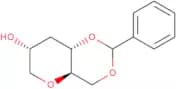
Pureza:Min. 95%1,5-Anhydro-4,6-O-benzylidene-3-deoxy-D-glucitol
CAS:1,5-Anhydro-4,6-O-benzylidene-3-deoxy-D-glucitol (1,5BPG) is a form compound that is conformationally restricted to the chair conformation. It has inhibitory activity against human macrophages and low activity against thp-1 cells. The 1,5BPG inhibits the activation of Nlrp3 and induces apoptosis in macrophages. These effects are mediated through binding to the hydroxyl group of C2 on the glucose moiety of 1,5BPG. The 1,5BPG also has high activity against marrow derived macrophages. This is due to its ability to inhibit the synthesis of phosphatidic acid and other lipids in these cells.
Fórmula:C13H16O4Pureza:Min. 95%Cor e Forma:PowderPeso molecular:236.26 g/molRef: 3D-MA05144
Produto descontinuadoD-Mannosaminuronic acid
D-Mannosaminuronic acid is a monosaccharide that has been isolated from the seed of the African plant, Acacia drepanolobium. It is found to be an antigenic component of shigella and related enterobacteria and plays an important role in the biosynthesis of glycolipids. D-Mannosaminuronic acid can be hydrolyzed by acidic enzymes such as lipases, esterases, phosphatases, or proteases. This process may lead to the liberation of fatty acids and sugars. The purified enzyme preparations have been shown to catalyze the synthesis of D-mannosaminuronic acid from mannose and fructose.
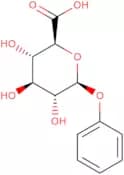
Pureza:Min. 95%Phenyl-beta-D-glucuronic acid monohydrate
CAS:Phenyl-beta-D-glucuronic acid monohydrate is a genotoxic agent that is metabolized to S-phenylmercapturic acid. This metabolite can be detected in urine as an indicator of exposure to the compound. Phenyl-beta-D-glucuronic acid monohydrate has been shown to have toxic effects on humans, such as decreasing the glomerular filtration rate and increasing reactive oxygen species levels. It also decreases antioxidant vitamin levels and causes blood disorders, including hemolytic anemia. Phenyl-beta-D-glucuronic acid monohydrate may also be used for the treatment of autoimmune diseases by inhibiting certain enzymes involved in inflammation and immune response.Fórmula:C12H16O8Pureza:Min. 98 Area-%Cor e Forma:White PowderPeso molecular:288.26 g/mol2,3,4,6-Tetra-O-acetyl-a-D-galactopyranosyl azide
CAS:Please enquire for more information about 2,3,4,6-Tetra-O-acetyl-a-D-galactopyranosyl azide including the price, delivery time and more detailed product information at the technical inquiry form on this page
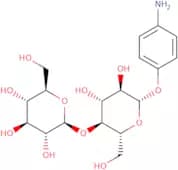
Fórmula:C14H19N3O9Pureza:Min. 98 Area-%Cor e Forma:PowderPeso molecular:373.32 g/mol4-Aminophenyl b-D-cellobioside
CAS:4-Aminophenyl b-D-cellobioside is a cyclopentadienyl cellobioside. The ocean and the timings of polymerization, as well as the use of catalysts, are crucial for the production of this compound. 4-Aminophenyl b-D-cellobioside is an important chemical intermediate used in the production of pharmaceuticals and other products with applications in various industries such as textiles, plastics, coatings, dyes and pigments. Metal complexes are widely used catalysts for olefin polymerization reactions. Indian chemists have developed a new catalyst that has shown high activity in olefin polymerization. The indian scientists have also found a new way to recycle cyclopentadiene.
Fórmula:C18H27NO11Pureza:Min. 95%Cor e Forma:Off-White PowderPeso molecular:433.41 g/molRef: 3D-EA05142
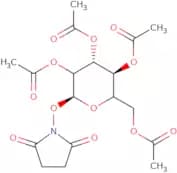
Produto descontinuadoO-(2,3,4,6-Tetra-O-acetyl-b-D-galactopyranosyl)-N-hydroxysuccinimide
CAS:O-(2,3,4,6-Tetra-O-acetyl-b-D-galactopyranosyl)-N-hydroxysuccinimide is a synthetic glycosylation reagent. It has the CAS number 896730-84-0 and is available for custom synthesis. O-(2,3,4,6-Tetra-O-acetyl-b-D-galactopyranosyl)-N-hydroxysuccinimide is used in the synthesis of oligosaccharides and saccharides. It is also used in click chemistry to modify proteins and other biomolecules. This product has a purity of 99% or higher and can be modified at any position with fluorination or methylation.
Fórmula:C18H23NO12Pureza:Min. 95%Peso molecular:445.37 g/mol2-Deoxy-D-ribose
CAS:Used in synthetic organic chemistry and natural product synthesis. Induces apoptosis by inhibiting the synthesis and increasing the efflux of glutathione. It is used for synthesis of optically active dipyrrolyl alkanols from pyrroles on the surface of montmorillonite KSF clay.
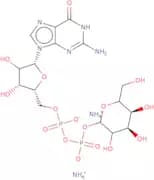
Fórmula:C5H10O4Pureza:Min. 99.0 Area-%Peso molecular:134.13 g/molGDP-D-mannose diammonium salt
GDP-D-mannose diammonium salt is a custom synthesis. It has been modified with fluorination, methylation, and monosaccharide substitution. The structure of this compound consists of a glucose molecule bonded to a D-mannose molecule by an oxygen linkage at the 1-position. This product has been synthetically modified to include a click modification and oligosaccharides. GDP-D-mannose diammonium salt is used for the production of polysaccharides as well as glycosylation reactions.
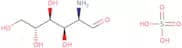
Fórmula:C16H23N5O16P2·N2H8Pureza:Min. 95%Peso molecular:639.4 g/molD-Glucosamine sulfate
CAS:D-Glucosamine sulfate is a pharmacological agent that has been shown to have activity against oxidative injury in vitro and in vivo. It inhibits the production of reactive oxygen species and lipid peroxidation, which are believed to be responsible for the development of liver disease. D-Glucosamine sulfate has also been shown to have activity against infectious diseases, with a particular focus on the inhibition of Toll-like receptor 4 signaling. The polymerase chain reaction (PCR) technique was used to detect the expression of glucosamine synthetase and other genes encoding enzymes that synthesize glucosamine in Mycobacterium tuberculosis. This drug may also be useful for treatment of inflammatory diseases such as rheumatoid arthritis, as it has been shown to inhibit prostaglandin synthesis, which is involved in the inflammatory response.
Fórmula:C6H13NO5•H2SO4Pureza:Min. 95%Cor e Forma:White PowderPeso molecular:277.25 g/molRef: 3D-MG05263
Produto descontinuado2,3:5,6-Di-O-isopropylidene-D-talose
2,3:5,6-Di-O-isopropylidene-D-talose is a custom synthesis of methylated oligosaccharides. It is a complex carbohydrate that contains both a monosaccharide and a polysaccharide. 2,3:5,6-Di-O-isopropylidene-D-talose is a modification of the sugar D(+)-talose (a pentasaccharide), which has been fluorinated to make it more stable. This product has high purity, and can be used in many different applications such as click chemistry, oligosaccharide synthesis, or fluorination reactions.
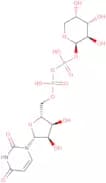
2,3:5,6-Di-O-isopropylidene-D-talose is an Oligosaccharide that is a Polysaccharide. It can be used as an inhibitor for DNA polymerase α and β enzymes in PCR reactionsFórmula:C10H16O6Pureza:Min. 95%Peso molecular:232.23 g/molUDP-b-L-arabinopyranose
CAS:UDP-b-L-arabinopyranose is a nucleotide sugar that is used in the synthesis of proteins and other macromolecules. It is synthesized from uridine and d-ribulose 5-phosphate by the enzyme ribulokinase. The reaction between UDP, b-L-arabinofuranose, and ATP, catalyzed by arabinofuranosyl transferase, produces UDP-b-L-arabinopyranose. This nucleotide sugar can be converted to UDP-b-(1→4)-glucuronate by the enzyme glucuronosyltransferase. This process plays an important role in plant physiology as well as in cell wall biosynthesis. The optimal pH for this conversion is 7.5 to 8.2.
Fórmula:C14H22N2O16P2Pureza:Min. 95%Cor e Forma:PowderPeso molecular:536.28 g/molRef: 3D-MU07659
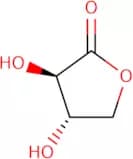
Produto descontinuadoL-Threonic acid-1,4-lactone
CAS:L-Threonic acid-1,4-lactone is a nutrient solution for mammalian tissue. It is a coenzyme that acts as an intermediate in the conversion of dehydroascorbic acid to erythronate and participates in the synthesis of 4-hydroxycinnamic acid from 4-hydroxyphenylpyruvic acid. L-Threonic acid-1,4-lactone has been shown to inhibit the replication of human immunodeficiency virus (HIV) in vitro. The physiological levels of L-Threonic acid-1,4-lactone are not yet known, but it has been shown to have inhibitory properties on HIV infection at concentrations that do not affect cellular metabolism or induce reactive oxygen species production. L-Threonic acid-1,4-lactone also has been shown to prevent hepatic steatosis and fatty liver disease by inhibiting lipid accumulation via its ability to
Fórmula:C4H6O4Pureza:Min. 95%Cor e Forma:PowderPeso molecular:118.09 g/molRef: 3D-MT08297
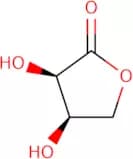
Produto descontinuadoD-Erythrono-1,4-lactone
CAS:Chiral synthon; used to synthesise analgoues of natural products
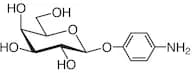
Fórmula:C4H6O4Pureza:Min. 98 Area-%Cor e Forma:White PowderPeso molecular:118.09 g/mol4-Aminophenyl β-D-Galactopyranoside
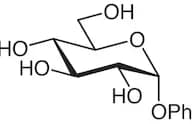
CAS:Fórmula:C12H17NO6Pureza:>98.0%(HPLC)Cor e Forma:White to Almost white powder to crystalPeso molecular:271.27Phenyl α-D-Glucopyranoside
CAS:Fórmula:C12H16O6Pureza:>97.0%(GC)Cor e Forma:White to Light yellow powder to crystalPeso molecular:256.25Silodosin O-beta-D-glucuronide
CAS:Silodosin O-beta-D-glucuronide is a metabolite of silodosin, a drug used to treat benign prostatic hyperplasia. It is the glucuronide conjugate of silodosin and its presence in plasma can be quantified by high performance liquid chromatography (HPLC). The solvents used in HPLC are acetonitrile and ammonium formate. The chromatographic separation is achieved with a mobile phase consisting of an organic solvent (acetonitrile) and an ion pairing agent (ammonium formate) that interacts with the analyte and forms an ion pair. The sensitivity of HPLC for this analyte can be improved by using deuterated solvents.
Fórmula:C31H40F3N3O10Pureza:Min. 95 Area-%Cor e Forma:PowderPeso molecular:671.7 g/molRef: 3D-MS180506
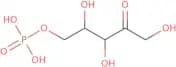
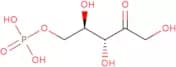
Produto descontinuadoD-Ribulose 5-phosphate sodium
CAS:Ribulose 5-phosphate sodium is a chemical that can be used to inhibit the enzyme ribulose phosphate reductase. Ribulose 5-phosphate sodium has been shown to inhibit glycolaldehyde production in the chloroplasts of plants, effectively reducing the amount of carbon dioxide produced. This chemical has also been shown to have an inhibitory effect on other enzymes involved in carbon fixation and assimilation. The effectiveness of this chemical is dependent on the specific plant species and environmental conditions.
Fórmula:C5H11O8P•NaxPureza:Min. 95%Cor e Forma:PowderPeso molecular:230.11 g/molRef: 3D-AAA09387
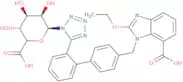
Produto descontinuadoCandesartan N2-glucuronide
CAS:Candesartan N-glucuronide is a metabolite of candesartan. It is produced by human UDP-glucuronosyltransferase, which belongs to the subfamily of uridine diphosphate (UDP)-glucuronosyltransferases. Candesartan N-glucuronide inhibits angiotensin II receptor type 1 (AT1) and has minimal effects on angiotensin II receptor type 2 (AT2). Candesartan N-glucuronide binds to the AT1 receptor and blocks its activation by angiotensin II. This binding inhibits the uptake of sodium ions into cells and causes an increase in potassium ion secretion, leading to vasodilation. Candesartan N-glucuronide also induces the expression of cytochrome P450 3A5, which results in increased metabolism of drugs such as paclitaxel.
Fórmula:C30H28N6O9Pureza:Min. 95%Peso molecular:616.58 g/molD-Ribulose 5-phosphate sodium salt
CAS:Reference compound for metabolites of the pentosephosphate pathway
Fórmula:C5H11O8P·xNaPureza:Min. 96 Area-%Cor e Forma:White Yellow PowderPeso molecular:230.11 g/molRef: 3D-MR45852
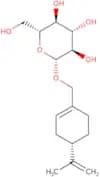
Produto descontinuadoS-(-)-Perillyl alcohol glucoside
CAS:S-(-)-Perillyl alcohol glucoside is a glycoconjugate that has been shown to inhibit β-glucosidase and pancreatic lipase. It is used in the treatment of cancers, such as colorectal cancer, by inhibiting glucose uptake into cells. S-(-)-Perillyl alcohol glucoside may also have anticancer effects by inhibiting glucose transporters and caspases.
Fórmula:C16H26O6Pureza:Min. 95%Cor e Forma:PowderPeso molecular:314.37 g/molRef: 3D-MP182736
Produto descontinuadoDigalactosyl diglyceride
CAS:Digalactosyl diglyceride is a lipid that is found in the wax of plants. It has been shown to have anti-inflammatory properties and can be used as a nonsteroidal anti-inflammatory drug. Digalactosyl diglyceride binds to nuclear DNA and inhibits fatty acid synthesis, which leads to membrane destabilization.
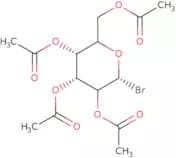
Fórmula:C18H34O13Pureza:Min. 95%Cor e Forma:SolidPeso molecular:458.45 g/molAcetobromo-D-glucose
CAS:Intermediate for β-glucosides; potential PET surface modification reagent
Fórmula:C14H19BrO9Pureza:Min. 95%Cor e Forma:White Off-White PowderPeso molecular:411.2 g/molRef: 3D-MT03359
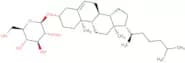
Produto descontinuadoCholesterol b-D-glucoside
CAS:Cholesterol b-D-glucoside is a modified cholesterol that has been fluorinated and methylated. It is a complex carbohydrate that can be used in the synthesis of oligosaccharides and monosaccharides. Cholesterol b-D-glucoside is soluble in water, alcohols, and ethers and is insoluble in chloroform. The CAS number for Cholesterol b-D-glucoside 7073-61-2. This product is available for custom synthesis, which means it can be made to order with the specifications you need.
Pureza:Min. 95%Ref: 3D-MC167931
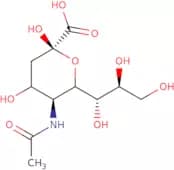
Produto descontinuadoN-Acetyl-L-neuraminic acid
CAS:N-Acetyl-L-neuraminic acid is a glycosylation compound that is an important component of the cell wall of Gram negative bacteria. It is used in the synthesis of polysaccharides and in the formation of complex carbohydrates. N-Acetyl-L-neuraminic acid has been studied for its potential use as a drug delivery agent due to its ability to inhibit the activity of enzymes such as α-mannosidase, which can lead to tumor metastasis. This compound can be synthesized using methylation, fluorination, and click chemistry, or custom synthesized by ordering specific monosaccharides. N-Acetyl-L-neuraminic acid can also be modified with acetate groups to create an acetylated form for use in chemical analysis or as a substrate for enzymatic reactions.
Fórmula:C11H19NO9Pureza:Min. 95%Peso molecular:309.27 g/molRef: 3D-MA64798
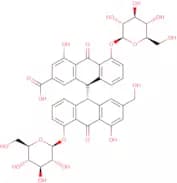
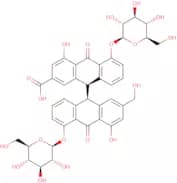
Produto descontinuadoSennoside C
CAS:Sennoside C is a bioactive phytochemical extracted from the leaves of Eclipta prostrata. It has been shown to have anti-tumor and anti-inflammatory properties. Sennoside C has also been found to be effective in treating autoimmune diseases, including psoriasis and rheumatoid arthritis. Sennoside C is a low-energy compound that binds with fatty acids to form a bound form. This bound form can be hydrolyzed by sodium hydroxide solution to release free sennosides, which are anthraquinone glycosides that can be used for the treatment of skin conditions such as eczema and dermatitis.
Fórmula:C42H40O19Pureza:Min. 95%Cor e Forma:SolidPeso molecular:848.76 g/molRef: 3D-MS74107
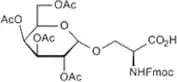
Produto descontinuado2,3,4,6-Tetra-O-acetyl-a-D-galactopyranosyl-Fmoc serine
CAS:2,3,4,6-Tetra-O-acetyl-a-D-galactopyranosyl-Fmoc serine is a custom synthesis that has been modified by fluorination and methylation. It is a monosaccharide with CAS No. 1351605-34-8 and Polysaccharide with Glycosylation and sugar Carbohydrate. This molecule has a complex carbohydrate structure with many glycosylation sites.Fórmula:C32H35NO14Pureza:Min. 95%Peso molecular:657.62 g/molRef: 3D-MT09625
Produto descontinuado2-C-Methyl-D-arabono-1,4-lactone
CAS:2-C-Methyl-D-arabono-1,4-lactone is a synthetic sugar that can be custom synthesized to order. This product is fluorinated and methylated, which allows for the modification of any desired position. The product is also an oligosaccharide with a high purity and can be modified using click chemistry. 2-C-Methyl-D-arabono-1,4-lactone can be used as a sugar in glycosylation reactions or as a polysaccharide in complex carbohydrate synthesis.
Fórmula:C6H10O5Pureza:Min. 95%Peso molecular:162.14 g/molRef: 3D-MM10516
Produto descontinuadoMethyl b-D-thioxylopyranoside
CAS:Methyl b-D-thioxylopyranoside is a synthetic sugar that is used in the synthesis of saccharides and oligosaccharides. It is also used to modify saccharides, such as glucosamine, by adding methyl groups to the sugar's hydroxyl group. Methyl b-D-thioxylopyranoside can be used for glycans with high purity and high yield. This product does not contain any other substances except for water and ethanol. The chemical formula for this product is C6H8O6.
Pureza:Min. 95%5,7-Bis-(benzyloxy)-a-(4-(benzyloxy)phenyl)-3-[3,4-di-O-acetyl-a-O-acetyl-a-L-rhamnopyranosyloxyl]-4H-chromen-4-one
CAS:This product is a custom synthesis. This product is a methylation, click modification, and oligosaccharide. This product is a polysaccharide and saccharide. This product is fluorinated and complex carbohydrate. This product is high purity with modification. This product has monosaccharides and sugar. This product is synthetic and CAS No. 849938-27-8.
Fórmula:C53H48O12Pureza:Min. 95%Peso molecular:876.94 g/molRef: 3D-MB16635
Produto descontinuado1, 4- Anhydro- 3- deoxy-D- threo- pentitol
CAS:1,4-Anhydro-3-deoxy-D-threo-pentitol is a custom synthesis of a monosaccharide. The structure consists of a hydrogen attached to the oxygen on the anomeric carbon which is then substituted with fluorine. The hydroxyl group on C1 is methylated and then reduced to form a hemiacetal linkage with the C6 hydroxyl group. This product can be used in glycosylation reactions to produce complex carbohydrates.
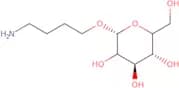
Fórmula:C5H10O3Pureza:Min. 95%Peso molecular:118.13 g/mol4-Aminobutyl β-D-galactopyranoside
CAS:4-Aminobutyl b-D-galactopyranoside is a methylated saccharide that is also a glycosylation reaction product of 4-aminobutyl b-D-galactopyranoside. It has been modified with Click chemistry and fluorinated for use in carbohydrate research, including glycoprotein synthesis, carbohydrate modification, and oligosaccharide synthesis. 4-Aminobutyl b-D-galactopyranoside has been shown to be a potent inhibitor of the enzyme aminoglycoside adenyltransferase 1 (AGT1), which is involved in the synthesis of bacterial cell wall peptidoglycan. This compound has been used as a model for glycosylation reactions as it contains both an amino and sugar moiety.
Fórmula:C10H21NO6Pureza:Min. 95%Peso molecular:251.28 g/molRef: 3D-MA44856
Produto descontinuado(2R,3R,4S,5R,6S)-3,4,5-Trihydroxy-2-hydroxymethyl-7,9-diaza-1-oxa-spiro[4,5]decane-10-one-8-thione
CAS:(2R,3R,4S,5R,6S)-3,4,5-Trihydroxy-2-hydroxymethyl-7,9-diaza-1-oxa-spiro[4,5]decane-10-one-8-thione is a custom synthesis of a polysaccharide. It has been modified to include fluorination and methylation. The monosaccharides present are glucose and galactose. This polysaccharide also has a saccharide linkage to an oligosaccharide that contains glycosylation sites for sugar groups.
Fórmula:C8H12N2O6SPureza:Min. 95%Peso molecular:264.26 g/molMethyl D-arabinofuranoside
CAS:Methyl D-arabinofuranoside is an antimycobacterial agent that inhibits the synthesis of mycolic acids, which are important components of the cell wall of Mycobacterium tuberculosis. Methyl D-arabinofuranoside has been shown to be active against drug-resistant strains and has been well tolerated by animals. This compound can be synthesized from 2,4-dichlorophenylacetic acid and arabinose in two steps. The first step involves a three-component condensation reaction with sodium hydroxide, hydrochloric acid, and 2,4-dichlorophenylacetic acid. The second step is a nucleophilic attack on the pyran ring of methyl D-arabinofuranoside with hypophosphorous acid. Methyl D-arabinofuranoside can also be prepared by reacting sodium nitrosobenzene with sodium benzene sulfinate in alcoholic solution
Fórmula:C6H12O5Pureza:Min. 95%Cor e Forma:Off-White PowderPeso molecular:164.16 g/molRef: 3D-MM31839
Produto descontinuadoMethyl L-rhamnopyranoside
CAS:Methyl L-rhamnopyranoside is a sugar that is the product of the reaction between l-rhamnose and acetone. This compound has been used as a chiral building block for the synthesis of other sugars, such as D-arabinose and D-lyxose. The yield of this reaction depends on the concentration of potassium thioacetate and temperature. This compound can be obtained in two forms: (1) anomeric form, which is an intermediate in the synthesis of carbohydrates and (2) crystalline form, which is a white solid with melting point at 157.3°C. The anomeric form has a stereogenic center at carbon atom 3, whereas the crystalline form does not have any stereogenic centers. Methyl L-rhamnopyranoside also reacts with chlorination reagents to produce chlorinated derivatives, such as 2-chloro-3-(3′,4′-dimeth
Fórmula:C7H14O5Pureza:Min. 95%Cor e Forma:PowderPeso molecular:178.18 g/molRef: 3D-MM04935
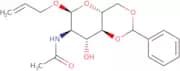
Produto descontinuadoAllyl 2-acetamido-4,6,-O-benzylidene-2-deoxy-a-D-glucopyranoside
CAS:Allyl 2-acetamido-4,6,-O-benzylidene-2-deoxy-a-D-glucopyranoside is a sugar that is used as a custom synthesis or modification. It is also called allyl 2-(1,3-dioxo-1,3,4,-thiadiazolidinium)acetamido 4,6,-O-(benzylidene)-2 deoxy erythro -a D glucopyranoside. Allyl 2 acetamido 4,6,-O -benzylidene -2 deoxy erythro -a D glucopyranoside is used in the glycosylation of proteins and oligosaccharides and in the synthesis of saccharides. This compound has been shown to be useful in identifying glycosaminoglycan chains in complex carbohydrates.
Fórmula:C18H23NO6Pureza:Min. 95%Peso molecular:349.39 g/molRef: 3D-MA09591
Produto descontinuadoSennoside D
CAS:Sennoside D is a fatty acid that can be isolated from the sennosides found in the leaves of the plant Senna alata. It has been shown to have anti-tumor properties and may play a role in treating colon cancer, breast cancer, and skin cancer. Sennoside D has also been shown to be effective against autoimmune diseases such as arthritis, ulcerative colitis, and Crohn's disease. The low energy of this compound may be due to its formation rate. The hydroxide solution (NaOH) is used in the synthesis of this molecule because it binds with carbon dioxide molecules to form sodium bicarbonate and carbon dioxide gas which can then be captured by water. This process produces a high yield of sennoside D. In addition, the bound form of this molecule is soluble in organic solvents and insoluble in water, which makes it suitable for skin conditions as well as colon cancer treatments.
Pureza:Min. 95%Cor e Forma:SolidRef: 3D-MS74108
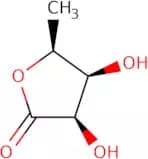
Produto descontinuado5-Deoxy-L-lyxono-1,4-lactone
CAS:5-Deoxy-L-lyxono-1,4-lactone is a crystalline solid that belongs to the class of hydroxamic acids. This compound has been shown to react with hydroxylamine in an aldonic reaction and to inhibit the enzyme xanthin oxidase. The monoclinic crystal structure of 5-Deoxy-L-lyxono-1,4-lactone was determined by XRD analysis. This compound is synthesized from glyoxylate and malonitrile in an efficient manner. It also inhibits glucose oxidation and can be used as an additive for food products.
Fórmula:C5H8O4Pureza:Min. 95%Peso molecular:132.12 g/molRef: 3D-MD09167
Produto descontinuado4-Epi-daunosamine
CAS:4-Epi-daunosamine is a glycopeptide antibiotic that is used to treat infections caused by Gram-positive bacteria. It binds to the cell wall of these bacteria and inhibits the synthesis of new cell walls. This causes the cells to burst and die, which leads to bacterial death. 4-Epi-daunosamine has been shown to be effective against animal pathogens such as Streptococcus pneumoniae, Haemophilus influenzae, and Clostridium perfringens. 4-Epi-daunosamine also has a low level of toxicity in humans, but can cause adverse effects such as nausea and vomiting if taken in large doses.
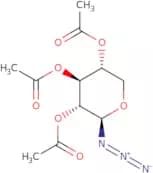
Fórmula:C6H11NO3Pureza:Min. 95%Peso molecular:145.16 g/mol2,3,4-Tri-O-acetyl-β-D-xylopyranosyl azide
CAS:2,3,4-Tri-O-acetyl-b-D-xylopyranosyl azide is a compound that has a linear range of 10 to 500 μM. It has been shown to inhibit the growth of bacteria such as C. perfringens and S. aureus. This compound inhibits the production of toxins in these bacteria by binding to the ribosomes and inhibiting protein synthesis. In addition, this compound has been shown to have high activity at salinity levels up to 15% NaCl and diffraction data was obtained from 2,3,4-tri-O-acetyl-b-D-xylopyranosyl azide crystals using XRD in order to quantify its molecular structure.
Fórmula:C11H15N3O7Pureza:Min. 98 Area-%Cor e Forma:PowderPeso molecular:301.25 g/molRef: 3D-MT01040
Produto descontinuadoAmitriptilyne N-b-D-glucuronide
Amitriptilyne N-b-D-glucuronide is a fluorinated, monosaccharide that is used in synthetic oligosaccharides and polysaccharides. This product can be custom synthesized to meet customer specifications. Amitriptilyne N-b-D-glucuronide is an oligosaccharide with a complex carbohydrate structure. It can be modified by glycosylation, methylation, and click chemistry. The CAS number for this product is 122470-06-8. The sugar content of this product ranges from 98% to 99%. The purity of this product is greater than 99%.
Pureza:Min. 95%Ref: 3D-MA163654
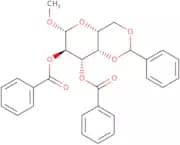
Produto descontinuadoMethyl 2,3-di-O-benzoyl-4,6-O-benzylidene-b-D-galactopyranoside
CAS:Methyl 2,3-di-O-benzoyl-4,6-O-benzylidene-b-D-galactopyranoside is a custom synthesis that belongs to the class of complex carbohydrates. This compound is an oligosaccharide or a polysaccharide that has been modified by methylation and glycosylation. The modification of this saccharide with methyl groups allows for fluorination which is a click modification. Methyl 2,3-di-O-benzoyl-4,6-O-benzylidene b -D galactopyranoside is synthesized via glycosylation followed by fluorination. This product can be used as a research chemical or in other applications.
Fórmula:C28H26O8Pureza:Min. 95%Peso molecular:490.5 g/mol


![(1S) -1- [(2S, 3S,4R) -4-Hydroxymethyl-3- hydroxy- N-methyl-1- azetidinyl] -1, 2- ethanediol](/_next/image/?url=https%3A%2Fstatic.cymitquimica.com%2Fproducts%2F3D%2Fthumb-webp%2FMH163379.webp&w=3840&q=75)










![(3aS, 7S, 9S, 9aR, 9bR) -9- [[(1, 1- Dimethylethyl) dimethylsilyl] oxy] - 2, 2- diethylhexahydro- …](/_next/image/?url=https%3A%2Fstatic.cymitquimica.com%2Fproducts%2F3D%2Fthumb-webp%2FMD168732.webp&w=3840&q=75)














![5,7-Bis-(benzyloxy)-a-(4-(benzyloxy)phenyl)-3-[3,4-di-O-acetyl-a-O-acetyl-a-L-rhamnopyranosyloxyl]…](/_next/image/?url=https%3A%2Fstatic.cymitquimica.com%2Fproducts%2F3D%2Fthumb-webp%2FMB16635.webp&w=3840&q=75)

![(2R,3R,4S,5R,6S)-3,4,5-Trihydroxy-2-hydroxymethyl-7,9-diaza-1-oxa-spiro[4,5]decane-10-one-8-thione](/_next/image/?url=https%3A%2Fstatic.cymitquimica.com%2Fproducts%2F3D%2Fthumb-webp%2FMT01909.webp&w=3840&q=75)