Monossacáridos
Monossacarídeos são a forma mais simples de carboidratos e servem como building blocks fundamentais para açúcares mais complexos e polissacarídeos. Essas moléculas de açúcar único desempenham papéis críticos no metabolismo energético, na comunicação celular e nos componentes estruturais das células. Nesta seção, você encontrará uma ampla variedade de monossacarídeos essenciais para pesquisas em bioquímica, biologia molecular e glicociência. Esses compostos são cruciais para estudar vias metabólicas, processos de glicosilação e desenvolvimento de agentes terapêuticos. Na CymitQuimica, oferecemos monossacarídeos de alta qualidade para apoiar suas necessidades de pesquisa, garantindo precisão e confiabilidade em suas investigações científicas.
Subcategorias de "Monossacáridos"
- Aloses(11 produtos)
- Arabinoses(21 produtos)
- Eritroses(11 produtos)
- Frutoses(9 produtos)
- Fucoses(36 produtos)
- Galactosamina(41 produtos)
- Galactoses(261 produtos)
- Glucoses(365 produtos)
- Ácidos Glucurónicos(51 produtos)
- Glico-substratos para enzimas(77 produtos)
- Guloses(6 produtos)
- Idoses(4 produtos)
- Inositóis(15 produtos)
- Lixoses(4 produtos)
- Mannoses(65 produtos)
- O-Glicanos(48 produtos)
- Psicoses(3 produtos)
- Ramnoses(10 produtos)
- Riboses(61 produtos)
- Ácidos siálicos(100 produtos)
- Sorboses(4 produtos)
- Açúcares(173 produtos)
- Tagatoses(4 produtos)
- Taloses(8 produtos)
- Xiloses(20 produtos)
Exibir 17 mais subcategorias
Foram encontrados 6088 produtos de "Monossacáridos"
Ordenar por
Pureza (%)
0
100
|
0
|
50
|
90
|
95
|
100
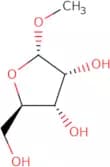
Methyl 2-deoxy-a-L-ribofuranoside
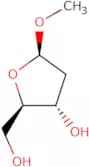
CAS:<p>Methyl 2-deoxy-a-L-ribofuranoside is a modification of a monosaccharide. It is synthesized by reacting 2,3,4,6-tetra-O-methylglucose with sodium nitrite in the presence of hydrochloric acid. Methyl 2-deoxy-a-L-ribofuranoside is used to modify saccharides and polysaccharides.</p>Fórmula:C6H12O4Pureza:Min. 95%Peso molecular:148.16 g/mol1,2,3,6-Tetra-O-acetyl-4-deoxy-4-fluoro-D-galactopyranose
CAS:<p>1,2,3,6-Tetra-O-acetyl-4-deoxy-4-fluoro-D-galactopyranose is a sugar that is used in the synthesis of complex carbohydrates. The chemical structure of this sugar is similar to that of glucose or lactose. This sugar can be produced by methylation and saccharide reactions with the use of a Click modification. It can also be synthesized from 3,6-diacetylpyranose. This product is available for custom synthesis and has high purity.</p>Fórmula:C14H19FO9Pureza:Min. 95%Peso molecular:350.29 g/mol2,6-Anhydro-3-deoxy-D-lyxo-hept-2-enononitrile
CAS:<p>2,6-Anhydro-3-deoxy-D-lyxo-hept-2-enononitrile is a modified sugar that has been synthesized with Fluorination and saccharide. This compound is a custom synthesis of an oligosaccharide. It is also an Oligosaccharide Synthetic and is CAS No. 180336-27-0. This product has the molecular formula C8H12O5 and molecular weight of 228.24 g/mol. It has a purity of >99% (HPLC) and it is Custom synthesis, High purity</p>Fórmula:C7H9NO4Pureza:Min. 95%Peso molecular:171.15 g/mol6-O-Benzyl-1-(-)-carboxymenthyl-2,3;4,5-di-O-cyclohexylidene-D-myo-inositol
CAS:<p>6-O-Benzyl-1-(-)-carboxymenthyl-2,3;4,5-di-O-cyclohexylidene-D-myo-inositol is a novel glycosylation substrate for the synthesis of oligosaccharides. It is synthesized by fluorination and methylation of 1,2,3,4,5,-pentaacetoxycyclopentane. The fluorinated product can be further modified to produce various saccharides. This compound can be used as a custom synthesis in the synthesis of complex carbohydrates with high purity.</p>Fórmula:C36H52O8Pureza:Min. 95%Peso molecular:612.79 g/mol3,5-Bis-O-(2,4-Dichlorobenzyl)-2-C-methyl-a-D-ribofuranose
<p>3,5-Bis-O-(2,4-Dichlorobenzyl)-2-C-methyl-a-D-ribofuranose is a custom synthesis that can be modified by fluorination, methylation, and monosaccharide or oligosaccharide addition. This sugar has a molecular weight of 476.28 g/mol and CAS No. 94629-04-0. It is a polysaccharide that is glycosylated with sugar at carbons 1 and 2. 3,5-Bis-O-(2,4-Dichlorobenzyl)-2-C-methyl-a-D-ribofuranose is used as an intermediate in the synthesis of complex carbohydrates such as Glycogenin A (CAS No. 94629 04 0), which has been shown to have antihyperglycemic effects.</p>Pureza:Min. 95%Diosmetin-d3-3,7-O-di-Glucuronide
CAS:Produto Controlado<p>Diosmetin-d3-3,7-O-di-Glucuronide is a white to off-white powder that is soluble in water. It is a synthetic compound that can be used as a sugar or carbohydrate modification. It has been shown to be useful for the synthesis of complex carbohydrates and polysaccharides. This product can also be used in click chemistry, methylation, and fluoroination.</p>Fórmula:C28H25D3O18Pureza:Min. 95%Peso molecular:655.53 g/mol5-epi-isofagomine
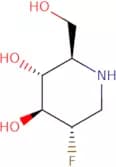
CAS:<p>5-Epi-isofagomine is a piperidine compound that can be used as a synthon for various carbohydrate derivatives. It has been shown to inhibit glycosidases and may be applied in the synthesis of carbohydrates. This compound is synthesized by a stepwise nitro reduction of d-mannitol, followed by an enolate reaction with an appropriate acid chloride. The 5-epi-isofagomine skeleton is obtained by stereoselective polyhydroxylation of the corresponding 2,5-dihydroxybenzaldehyde.</p>Fórmula:C6H13NO3Pureza:Min. 95%Peso molecular:147.17 g/molCyanomethyl-2,3,4,6-tetra-O-acetyl-a-D-thiomannopyranoside
CAS:<p>Cyanomethyl-2,3,4,6-tetra-O-acetyl-a-D-thiomannopyranoside is a glycosylated thioglycoside that contains sulfur. It is used as an intermediate in the synthesis of 2′,3′,5′-trihydroxybenzaldehyde and 2′,3′,5′-trihydroxybenzoic acid.</p>Pureza:Min. 95%4-Methoxyphenyl 4-O-Acetyl-3,6-di-O-benzyl-2-deoxy-2-phthalimido-b-D-glucopyranoside
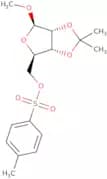
CAS:<p>4-Methoxyphenyl 4-O-acetyl-3,6-di-O-benzyl-2-deoxy-2-phthalimido--b-D--glucopyranoside is a synthetic carbohydrate that has been modified with fluorine. It has the chemical formula of C24H21F7NO8P and a molecular weight of 592.56. This compound is used for the synthesis of glycosides and as an intermediate for the synthesis of saccharides and oligosaccharides.</p>Fórmula:C37H35NO9Pureza:Min. 95%Peso molecular:637.68 g/molMethyl 2,3-O-isopropylidene-D-ribofuranoside
CAS:<p>Methyl 2,3-O-isopropylidene-D-ribofuranoside is a nucleophile that reacts with amines to form a tetroxide intermediate. It has been shown to react with the cellular components of vesicular stomatitis virus and to have an interaction with malonic acid. This compound also reacts with osmium tetroxide in the presence of phosphite to produce a chloride ion and an osmate ester. Methyl 2,3-O-isopropylidene-D-ribofuranoside can be recycled by quaternization with sodium periodate, which yields methyl 3,5-dimethoxybenzoate.</p>Fórmula:C9H16O5Pureza:Min. 95%Cor e Forma:Colorless PowderPeso molecular:204.2 g/mol2,3,4-Tri-O-benzoyl-a-L-fucopyranosyl trichloroacetimidate
CAS:<p>This compound is a custom synthesis that has been modified by fluorination and methylation. It has the structure of an oligosaccharide, with a saccharide at its core, and is composed of a glycosylated sugar. The saccharide consists of an acetimidate moiety attached to a benzoyl group. This compound can be used as part of a modification process for the production of polysaccharides or complex carbohydrates in order to create more efficient products.</p>Fórmula:C29H24Cl3NO8Pureza:Min. 95%Peso molecular:620.86 g/mol5-Bromo-5-deoxy-2,3-O-isopropylidene-D-ribono-1,4-lactone
CAS:<p>5-Bromo-5-deoxy-2,3-O-isopropylidene-D-ribono-1,4-lactone is a modified sugar that can be synthesized from other sugars. It is used in the synthesis of oligosaccharides and polysaccharides. 5BDBOL has a CAS number of 94324-23-9. 5BDBOL can be methylated and glycosylated. This compound has high purity and is monosaccharide.</p>Fórmula:C8H11BrO4Pureza:Min. 95%Cor e Forma:SolidPeso molecular:251.07 g/molD-Mannono-D-lactam
CAS:<p>D-Mannono-D-lactam is a synthetic, sugar-based molecule. The compound is an antibiotic that inhibits bacterial growth by binding to the 50S ribosomal subunit of bacteria. It is active against a wide range of Gram-positive and Gram-negative bacteria, including methicillin resistant Staphylococcus aureus (MRSA), as well as Mycobacterium tuberculosis and Mycobacterium avium complex. D-Mannono-D-lactam has shown antiinflammatory properties, which may be due to its inhibition of prostaglandin synthesis.</p>Fórmula:C6H11NO5Pureza:Min. 95%Cor e Forma:White SolidPeso molecular:177.16 g/molPhenyl 2-O-Acetyl-3,4,6-tri-O-benzyl-1-thio-b-D-galactopyranoside
CAS:<p>Phenyl 2-O-Acetyl-3,4,6-tri-O-benzyl-1-thio-b-D-galactopyranoside is a glycosylated sugar that is under custom synthesis. The molecule contains a fluorinated benzene ring and an acetyl group. Phenyl 2-O-Acetyl-3,4,6-tri-O-benzyl 1,5 b -D -galactopyranoside can be modified in the laboratory to produce different derivatives and modifications. This product is made of high purity and has CAS No. 18387528 7.</p>Fórmula:C35H36O6SPureza:Min. 95%Peso molecular:584.72 g/mol2,5-Anhydro-3-deoxy-6-O-DMT-D-ribo-hexonic acid methyl ester
CAS:<p>2,5-Anhydro-3-deoxy-6-O-DMT-D-ribo-hexonic acid methyl ester is a modification of the sugar ribose. It is an oligosaccharide that has been synthesized and modified with methylation, glycosylation, and fluorination. This modification resulted in its CAS number 184296-62-6. The chemical formula for this compound is C10H13NO4F2NaO8. 2,5-Anhydro-3,6 DMT -D ribo hexonic acid methyl ester is soluble in water and ethanol at pH 7.0 to 8.0 and shows no solubility at pH below 6 or above 10. The molecular weight of this compound is 586. The purity level of this compound is 99% or greater by HPLC analysis.</p>Fórmula:C28H30O7Pureza:Min. 95%Peso molecular:478.53 g/molOctyl D-galactofuranoside tetraacetate
CAS:<p>Octyl D-galactofuranoside tetraacetate is a fluorinated monosaccharide that is synthesized from octyl galactopyranoside. It is a synthetic oligosaccharide with a molecular weight of 806. Octyl D-galactofuranoside tetraacetate has been modified for glycosylation, methylation, and click modification. The chemical name is 4-O-(2-deoxy-beta-D-glucopyranosyl)galactopyranose 1,2,3,4,6-pentaacetate and it has CAS No. 223412-29-1. This product can be custom synthesized to order in high purity as per the customer's requirements.</p>Fórmula:C22H36O10Pureza:Min. 95%Peso molecular:460.52 g/mol2-Azidoethyl 2-O-benzoyl-4,6-O-benzylidene-3-O-(4-methoxybenzyl)-a-D-mannopyranoside
<p>2-Azidoethyl 2-O-benzoyl-4,6-O-benzylidene-3-O-(4-methoxybenzyl)-a-D-mannopyranoside is a synthetic sugar that has been modified with fluorination and glycosylation. The carbohydrate is made of a complex chain of monosaccharides and saccharides. It is the CAS number for this chemical agent.</p>Pureza:Min. 95%Methyl 1-(4'-tert-butyldimethylsilyl-6-hydroxyraloxifene)-2,3,4-tri-O-acetyl-b-D-glycopyranuronate
CAS:<p>Methyl 1-(4'-tert-butyldimethylsilyl-6-hydroxyraloxifene)-2,3,4-tri-O-acetyl-b-D-glycopyranuronate is a modified carbohydrate. It is a synthetic saccharide that has been modified with methylation, fluorination and saccharide synthesis. This product can be custom synthesized and is available in high purity. Methyl 1-(4'-tert-butyldimethylsilyl-6-hydroxyraloxifene)-2,3,4-tri-O-acetyl-b-D--glycopyranuronate can be used in glycosylation reactions as well as Click modification reactions. CAS No: 174264–49–4.</p>Fórmula:C46H55NO13SSiPureza:Min. 95%Peso molecular:890.08 g/mol6-O-Benzyl-2,3:4,5-di-O-cyclohexylidene-D-myo-inositol
CAS:<p>6-O-Benzyl-2,3:4,5-di-O-cyclohexylidene-D-myo-inositol is a complex carbohydrate that is synthesized from 6-O-benzyl-2,3:4,5-di-O-(cyclohexylidene)-D-myo-[1]-inositol. It can be used in the synthesis of glycosylations and other modifications. This product has been custom synthesized to high purity and is available for purchase.</p>Fórmula:C26H34O6Pureza:Min. 95%Peso molecular:442.54 g/mol1,2,3,4,6-Penta-O-pivaloyl-b-D-glucopyranose
CAS:<p>1,2,3,4,6-Penta-O-pivaloyl-b-D-glucopyranose is a glycosylation that is used in the synthesis of complex carbohydrates. This product can be custom synthesized to meet your needs. It is also available in high purity and with a CAS No. of 81058-26-6.</p>Fórmula:C31H52O11Pureza:Min. 95%Peso molecular:600.74 g/mol3-Deoxy-D-[UL-13C6]fructose
<p>3-Deoxy-D-[UL-13C6]fructose is a high purity, custom synthesis, modification, and fluorination of a methylated oligosaccharide. It is a synthetic molecule that can be used to study the methylation of complex carbohydrates. 3-Deoxy-D-[UL-13C6]fructose can be used as an intermediate in the synthesis of other sugar molecules. The structure is shown below:</p>Pureza:Min. 95%Dehydroclindamycin
CAS:<p>Dehydroclindamycin is a semisynthetic antibiotic that belongs to the class of antibiotics known as lincosamides. It is used in clinical treatment for bacterial infections. Dehydroclindamycin acts by interfering with the bacterial ribosome and prevents the formation of proteins required for cell division. This drug may be susceptible to degradation by hydrolysis or oxidation, which can lead to impurities. Dehydroclindamycin is produced by hydrogenation of clindamycin hydrochloride using a Raney nickel catalyst, followed by chromatography. The spectrum of dehydroclindamycin consists of antibacterial activity against gram-positive bacteria such as Staphylococcus aureus and Enterococcus faecalis and gram-negative bacteria such as Escherichia coli and Klebsiella pneumoniae.</p>Fórmula:C18H31ClN2O5SPureza:Min. 95%Peso molecular:422.97 g/mol2-Hydroxyestradiol-17-O-b-D-glucuronide
CAS:<p>2-Hydroxyestradiol-17-O-b-D-glucuronide is a custom synthesis of an oligosaccharide and polysaccharide. It is modified with methylation, glycosylation, and carbamylation, and fluorinated to produce a high purity product. This product can be synthesized with a click modification or glycosylation, but is not available for purchase as a monosaccharide.</p>Fórmula:C24H32O9Pureza:Min. 95%Peso molecular:464.51 g/mol1,4-Anhydro-2-deoxy-3,5-bis-O-(t-butyldimethylsilyl)-D-erythro-pent-1-enitol
CAS:<p>1,4-Anhydro-2-deoxy-3,5-bis-O-(t-butyldimethylsilyl)-D-erythro-pent-1-enitol is a custom synthesis that has been fluorinated. It is a high purity oligosaccharide with a complex carbohydrate structure. This product was synthesized by click modification and methylation of the saccharide. It is a monosaccharide and sugar with a molecular formula C8H14FNO6S.</p>Fórmula:C17H36O3Si2Pureza:Min. 95%Cor e Forma:Clear LiquidPeso molecular:344.64 g/mol3,4,6-Tri-O-acetyl-2-deoxy-2-phthalimido-a-D-glucopyranosyl fluoride
CAS:<p>3,4,6-Tri-O-acetyl-2-deoxy-2-phthalimido-a-D-glucopyranosyl fluoride is a synthetic saccharide that has been modified with the Click chemistry. It is an acetylated derivative of 2,3,4,6-trihydroxybenzoic acid and was prepared by the fluorination of 3,4,6-trihydroxybenzoic acid followed by glycosylation with 4-(N-(1-(ethoxycarbonyl)ethyl)amino)-benzeneboronic acid. The product is a white to off white powder that is soluble in water and low solvents. The purity of this product is >98% as determined by HPLC analysis.</p>Fórmula:C20H20FNO9Pureza:Min. 95%Peso molecular:437.37 g/molPomolic acid 28-O-b-D-glucopyranosyl ester
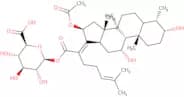
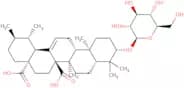
CAS:<p>Pomolic acid is a saponin isolated from the ethanol extract of Astragalus membranaceus. Pomolic acid has a nitrite reductase inhibitory effect and inhibits cell proliferation in certain cells, such as those found in the pancreas. The chemical structure of pomolic acid and its derivatives are similar to those of steroid glycosides and steroid alkaloids. It also has the ability to disrupt DNA replication and reduce insulin resistance. The use of pomolic acid in Chinese medicine formulas is reported to be effective for treating diabetes mellitus type 2, hyperlipidemia, and obesity.</p>Pureza:Min. 95%Bromo-2-tetraacetyl galactose
<p>Bromo-2-tetraacetyl galactose is a glycosylation agent that is used for the post-translational modification of proteins. It can be applied to many types of polysaccharides such as saccharide, oligosaccharide, and glycoconjugates. Bromo-2-tetraacetyl galactose has been shown to be an effective methylation agent and can be used in click chemistry. This product has a CAS number and is custom synthesized for high purity.</p>Pureza:Min. 95%3-[(2,3,4,6-Tetra-O-acetyl-b-D-glucopyranosyl)thio]-propanoic acid
CAS:<p>3-[(2,3,4,6-Tetra-O-acetyl-b-D-glucopyranosyl)thio]-propanoic acid is a modification of an oligosaccharide. It is a complex carbohydrate that has been modified with methylation and glycosylation. This product is synthesized from the raw material, which is a high purity monosaccharide or polysaccharide. 3-[(2,3,4,6-Tetra-O-acetyl-b-D-glucopyranosyl)thio]-propanoic acid has CAS No. 325410 2 and Mw of 835.5 g/mol. The molecular weight and purity are determined by high performance liquid chromatography (HPLC). The product is soluble in water and ethanol.</p>Fórmula:C17H24O11SPureza:Min. 95%Peso molecular:436.43 g/molα-Fructoselysine dihydrochloride
CAS:<p>α-Fructoselysine dihydrochloride is a custom synthesis of a complex carbohydrate with an Oligosaccharide and Polysaccharide. It has been modified by Methylation and Glycosylation. α-Fructoselysine dihydrochloride has a CAS number of 96192-34-6, which is used for Click modification. This product is pure and high in purity, as well as being Fluorinated and Synthetic.</p>Fórmula:C12H24N2O7·2(HCl)Pureza:Min. 95%Peso molecular:308.33 g/molMethyl 2-acetamido-4,6-O-benzylidene-2-deoxy-b-D-glucopyranoside
CAS:<p>Methyl 2-acetamido-4,6-O-benzylidene-2-deoxy-b-D-glucopyranoside is a custom synthesis of an oligosaccharide that can be modified with methylation, glycosylation, or fluorination. It is a complex carbohydrate that has been synthesized using a click modification and high purity. This product is available for purchase as a white to off white powder.</p>Fórmula:C16H21NO6Pureza:Min. 95%Peso molecular:323.34 g/molNicotine-N-(4-deoxy-4,5-didehydro)-b-D-glucuronide
CAS:<p>Nicotine-N-(4-deoxy-4,5-didehydro)-b-D-glucuronide is a synthetic glycosylated nicotine derivative. It is a white to slightly yellow powder that is soluble in water and alcohol. Nicotine-N-(4-deoxy-4,5-didehydro)-b-D-glucuronide has been shown to be effective against methicillin resistant Staphylococcus aureus (MRSA) and Clostridium perfringens, although is not active against acid fast bacteria such as Mycobacterium tuberculosis or Mycobacterium avium complex. This product has been custom synthesized with the goal of providing high purity and modification.</p>Fórmula:C16H20N2O5Pureza:Min. 95%Peso molecular:320.34 g/mol2-Acetamido-3,4,6-tri-O-acetyl-1-O-(N-Cbz-6-aminohexyl)-2-deoxy-b-D-galactopyranose
CAS:<p>2-Acetamido-3,4,6-tri-O-acetyl-1-O-(N-Cbz-6-aminohexyl)-2-deoxy-b-D-galactopyranose is a glycosylation agent that is used in the preparation of complex carbohydrates. It is also a methylation agent, fluorinated saccharide and an oligosaccharide. This compound can be custom synthesized for your specific needs. It is a white to off white powder and has a purity of 99%. The CAS number for this product is 159173 -77 -0.</p>Fórmula:C28H40N2O11Pureza:Min. 95%Peso molecular:580.62 g/molDecyl a- D- glucopyranoside
CAS:<p>Decyl a- D- glucopyranoside is a synthetic, custom-synthesized carbohydrate and sugar that is used in the synthesis of oligosaccharides. This compound is also used in the synthesis of saccharides and glycosylations. Decyl a- D- glucopyranoside has high purity and can be modified with fluorination, methylation, or glycosylation to produce desired products.</p>Fórmula:C16H32O6Pureza:Min. 95%Peso molecular:320.42 g/mol2-Methylphenyl 2-acetamido-3,4,6-tri-O-acetyl-2-deoxy-b-D-glucopyranoside
CAS:<p>2-Methylphenyl 2-acetamido-3,4,6-tri-O-acetyl-2-deoxy-b-D-glucopyranoside is a high purity custom synthesis that has undergone a click modification (a reaction in which an azide group is transferred from an alkyne group to an electron rich atom such as nitrogen). The product has been fluorinated and modified with the addition of a saccharide group. This complex carbohydrate can be used in the synthesis of oligosaccharides or polysaccharides. It is also used as a sugar substitute.</p>Fórmula:C21H27NO9Pureza:Min. 95%Peso molecular:437.44 g/mol1-(2,3,4,6-Tetra-O-acetyl-b-D-glucopyranosyl)imidazole
CAS:<p>1-(2,3,4,6-Tetra-O-acetyl-b-D-glucopyranosyl)imidazole (1A2G) is an acidic sugar that is found in plants from the genus Desmodium. It is a component of the biomass and has been shown to have anti-inflammatory properties. 1A2G can be extracted from plants such as Centrosema, Pueraria and Phaseolus edulis, which are commonly grown in tropical regions. This sugar can be used as a nutrient or as a treatment for diseases such as diabetes mellitus or cancer.</p>Pureza:Min. 95%D-Glucose 2-phosphate
CAS:<p>D-Glucose 2-phosphate (D-G6P) is a glycolysis intermediate that is generated by the enzyme phosphoglucose isomerase. It is necessary for the synthesis of glycogen and starch, as well as for the formation of glucose 6-phosphate in glycolysis. D-G6P has been shown to be an important substrate for enzymes involved in phosphate transfer. D-G6P also plays a role in mitochondrial function, as it can be converted to ATP by the enzyme pyruvate kinase. D-G6P has been shown to alter physiological effects in wild type strains of yeast and plants, as well as having disease activity against human serum.</p>Fórmula:C6H13O9PPureza:Min. 95 Area-%Cor e Forma:PowderPeso molecular:260.14 g/molMomordicoside G
CAS:<p>Momordicoside G is a plant-derived compound that belongs to the group of monoterpenoids. It has been shown to stimulate cell growth and differentiation in vitro by binding to epidermal growth factor (EGF) and colony-stimulating factor (CSF) receptors. Momordicoside G has also been shown to inhibit pentobarbital sodium-induced lung cell lysis, which may be due to its ability to induce synthesis of fatty acids. This molecule has been found in a variety of model organisms, including bacteria and yeast. The fluorescence emission spectrum of momordicoside G has been reported and it was shown that this molecule binds to DNA polymerase. Studies have also shown that momordicoside G can inhibit RNA extraction from lung fibroblasts, which may be due to its ability to bind with RNA polymerase II.</p>Fórmula:C37H60O8Pureza:Min. 95%Peso molecular:632.87 g/mol1-O-Acetyl-2,3,5-tri-O-benzoyl-D-ribofuranose
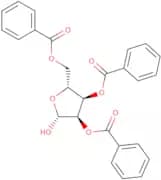
CAS:<p>1-O-Acetyl-2,3,5-tri-O-benzoyl-D-ribofuranose is a kinetic inhibitor that binds to the active site of L1210 leukemia cells. It inhibits the growth of these cells by reacting with chloride ions and causing cross-coupling reactions. This leads to the production of 2,3,5 triacetylated benzoyl ribofuranoside and 2 aminoadenosine. The latter molecule has significant antitumor effects on human macrophages and Leishmania donovani. 1-O-Acetyl-2,3,5-tri-O-benzoyl-D-ribofuranose also has significant antitumor effects on guanosine and xanthosine in human tumor cells.</p>Fórmula:C28H24O9Pureza:Min. 95%Cor e Forma:White PowderPeso molecular:504.48 g/molRhein 1-D-glucuronide
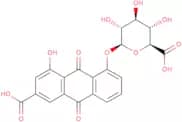
CAS:<p>Rhein 1-D-glucuronide is a synthetic sugar that can be used in the synthesis of complex carbohydrates. It is a monosaccharide that has been modified with fluorination and has been shown to have high purity. Rhein 1-D-glucuronide is a methylated form of rhein, which is an oligosaccharide or polysaccharide found in plants. The modification of rhein 1-D-glucuronide allows for an increased resistance to hydrolysis by esterases or glucuronidases, allowing for its use as a synthetic intermediate in the production of saccharides.</p>Pureza:Min. 95%Methyl (methyl 3-deoxy-D-arabino-hept-2-ulopyranosid)onate
CAS:<p>Methyl 3-deoxy-D-arabino-hept-2-ulopyranosid)onate is a custom synthesis of methylation, click modification, and oligosaccharide. It is an oligosaccharide that contains a saccharide linked to a monosaccharide. Methyl 3-deoxy-D-arabino-hept-2-ulopyranosid)onate is used in the synthesis of polysaccharides and complex carbohydrates. This product is characterized by high purity and low cost, making it ideal for research purposes.</p>Fórmula:C9H16O7Pureza:Min. 95%Peso molecular:236.22 g/mol6-O-Benzoyl-3-O-tert-butyldimethylsilyl-D-glucal
<p>6-O-Benzoyl-3-O-tert-butyldimethylsilyl-D-glucal is a custom synthesis that is used in the modification of monosaccharides and oligosaccharides. It is a synthetic molecule that has been modified with fluorination, methylation, and click chemistry. This product is a saccharide with a CAS number.</p>Fórmula:C19H28O5SiPureza:Min. 95%Peso molecular:364.51 g/mol1,2,3-Tri-O-benzoyl-4-deoxy-a-L-fucopyranose
CAS:<p>1,2,3-Tri-O-benzoyl-4-deoxy-a-L-fucopyranose is a carbohydrate that belongs to the group of oligosaccharides. It is a sugar that contains three benzoyl groups and one deoxyhexopyranose. This product can be custom synthesized and has high purity with no detectable impurities. 1,2,3-Tri-O-benzoyl-4-deoxy-a-L-fucopyranose can be used in the synthesis of glycoproteins and other complex carbohydrates by methylation and glycosylation methods. The product also has click modification capability.</p>Fórmula:C27H24O7Pureza:Min. 95%Peso molecular:460.48 g/mol2,3,4,6-Tetra-O-acetyl-b-D-glucopyranosyl-N-Fmoc-L-threonine
CAS:<p>2,3,4,6-Tetra-O-acetyl-b-D-glucopyranosyl-N-Fmoc-L-threonine is a Fluorination compound that is synthesized by the modification of natural carbohydrate. It's CAS number is 130548-92-4 and it's molecular weight is 464.8 Da. The purity of this compound is > 98% and the chemical formula is C24H36N2O10. 2,3,4,6-Tetra-O-acetyl-b-D-glucopyranosyl -N - Fmoc - L - threonine can be used in Polysaccharide synthesis for click modifications or methylations.</p>Fórmula:C33H37NO14Pureza:Min. 95%Peso molecular:671.66 g/molLevofloxacin acyl-b-D-glucuronide
CAS:<p>Levofloxacin acyl-b-D-glucuronide is a metabolite of levofloxacin and belongs to the class of fluoroquinolone antibiotics. It has been shown to be effective against rhesus monkeys in efficacy studies. Levofloxacin acyl-b-D-glucuronide is eliminated via the urine, with >90% excreted within 24 hours. The majority of this drug is excreted as an active n-oxide form with a half-life of 8 hours.</p>Fórmula:C24H28FN3O10Pureza:Min. 95%Peso molecular:537.49 g/molPantothenic acid 2,4-di-O-b-D-galactopyranoside
<p>Pantothenic acid 2,4-di-O-b-D-galactopyranoside is a custom synthesis of Methylated Pantothenic Acid 2,4-Di-O-b-D-Galactopyranoside. The compound is an oligosaccharide composed of two glucose molecules and one galactose molecule. It contains a fluorine atom at the 4th position of the sugar chain. This modification was made to increase the solubility in water. Pantothenic acid 2,4-di-O-b-D-galactopyranoside can be used in industry as a food additive or pharmaceutical intermediate.</p>Fórmula:C21H37NO15Pureza:Min. 95%Peso molecular:543.52 g/mol4-Methoxyphenyl 2-azido-4,6-O-benzylidene-2-deoxy-b-D-galactopyranose
CAS:<p>4-Methoxyphenyl 2-azido-4,6-O-benzylidene-2-deoxy-b-D-galactopyranose is a synthetic sugar that has been modified with the Click reaction. It is a water soluble white solid and can be used in the synthesis of glycosides. 4MPAPGAL is a complex carbohydrate that can be used to modify saccharides or oligosaccharides. It has been shown to bind to proteins and other biomolecules with high affinity.</p>Fórmula:C20H21N3O6Pureza:Min. 95%Peso molecular:399.4 g/mol1-Deoxy-D-ribulose - 1.0M Aqueous solution
CAS:<p>1-Deoxy-D-ribulose is a ribose sugar that has been modified by the removal of one of the hydroxyl groups. It has a variety of uses, including as a flavouring agent in food and beverages and as an intermediate in the production of other chemicals. The flavour profile varies depending on its source, but can include caramel, toffee, <br>chocolate, dried fruit or molasses flavours.</p>Fórmula:C5H10O4Pureza:Min. 95%Cor e Forma:PowderPeso molecular:134.13 g/molRibaric acid disodium salt
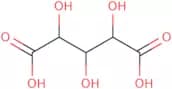
CAS:<p>Ribaric acid is a polycarboxylic acid that is used as a disinfectant and corrosion inhibitor. It has been shown to have synergistic effects with other compounds, such as azobenzene. Ribaric acid also has the ability to inhibit the growth of bacteria, enzymes and fungi. The structure of ribaric acid is composed of alternating carboxylate groups and hydroxyl groups, which give it its biodegradable properties. It can be used in deionized water due to its high resistance to hydrolysis. One study showed that ribaric acid inhibited the growth of bacteria by disrupting their cell wall synthesis and inhibiting their DNA synthesis by interacting with bacterial DNA gyrase.</p>Fórmula:C5H6Na2O7Pureza:Min. 95%Peso molecular:224.08 g/mol1,2,3,4,6-Penta-O-benzoyl-α-D-galactopyranose
CAS:<p>1,2,3,4,6-Penta-O-benzoyl-a-D-galactopyranose is a custom synthesis of an oligosaccharide with a glycosylation site that can be modified by the addition of other sugars. It has been fluorinated and methylated at the 6 position. The CAS number for this compound is 41545-55-5.</p>Fórmula:C41H32O11Pureza:Min. 95%Cor e Forma:PowderPeso molecular:700.69 g/mol5-Azido-5-deoxy-D-fructose
CAS:<p>5-Azido-5-deoxy-D-fructose is a chiral compound that has been synthesized by the catalytic hydrogenation of 5-azido-4,6-dideoxy-D-glucose. The kinetic and stereoselective synthesis of 5-azido-5-deoxy-D-fructose is achieved by using an acetylating agent to first generate the corresponding acetic acid derivative. The enantiomeric excess in this reaction was 88%. This compound can be used as a precursor for the synthesis of polyhydroxylated compounds, such as 3,4,5,6 tetrahydroxybenzoate.</p>Fórmula:C6H11N3O5Pureza:Min. 98 Area-%Cor e Forma:White PowderPeso molecular:205.17 g/molTolmetin acyl-b-D-glucuronide
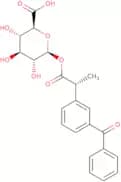
CAS:<p>Tolmetin acyl-b-D-glucuronide is a nonsteroidal anti-inflammatory drug that is metabolized to the active form, tolmetin, in the liver. The major route of elimination is through the kidneys as an inactive conjugate with glucuronic acid and excreted in urine. Tolmetin acyl-b-D-glucuronide has been shown to react with lysines on proteins in biological fluids by forming covalent adducts. This reaction can lead to allergic reactions and other problems.</p>Fórmula:C21H23NO9Pureza:Min. 95%Cor e Forma:White to pale yellow solid.Peso molecular:433.41 g/mol1,2,3,4,6-Penta-O-trimethylsilyl-D-mannopyranose
CAS:<p>1,2,3,4,6-Penta-O-trimethylsilyl-D-mannopyranose is a methylated pentasaccharide with a fluorinated hydroxyl group at the C2 position. It is used in the synthesis of polysaccharides and oligosaccharides. 1,2,3,4,6-Penta-O-trimethylsilyl-D-mannopyranose can be modified to produce new polysaccharides or oligosaccharides with desired properties. This product is also suitable for use in high purity applications due to its high purity and low background fluorescence.</p>Fórmula:C21H52O6Si5Pureza:Min. 95%Peso molecular:541.06 g/mol4-Methoxyphenyl 3,6-Di-O-benzyl-2-deoxy-2-phthalimido-b-D-glucopyranoside
CAS:<p>4-Methoxyphenyl 3,6-Di-O-benzyl-2-deoxy-2-phthalimido-b-D-glucopyranoside is a glycopeptide with sucrase activity. It has been shown to prevent the growth of cancer cells in vitro and in vivo by inhibiting the production of insulin and other hormones. The anti-tumor effect was also observed in virus infected cells, where it inhibited the replication of papilloma virus. 4MPBG was found to inhibit the multiplication of human immunodeficiency virus (HIV) in vitro by binding to HIV RNA and blocking its synthesis.</p>Fórmula:C35H33NO8Pureza:Min. 95%Peso molecular:595.64 g/mol2-Decyltetradecyl-D-xylopyranoside
CAS:<p>2-Decyltetradecyl-D-xylopyranoside is a synthetic, fluorinated carbohydrate that has been modified to contain a reactive methylene group. This compound can be used as a reactant in Click chemistry, which is an easy and convenient method for modifying the structure of polysaccharides. 2-Decyltetradecyl-D-xylopyranoside may be used for the synthesis of oligosaccharides or carbohydrates. This compound is soluble in water and organic solvents such as methanol and ethanol. It has a CAS number of 446264-02-4.</p>Fórmula:C29H58O5Pureza:Min. 95%Cor e Forma:Colourless solid.Peso molecular:486.77 g/mol4-Methoxyphenyl 2-azido-4,6-O-benzylidene-2-deoxy-a-D-galactopyranose
CAS:<p>4-Methoxyphenyl 2-azido-4,6-O-benzylidene-2-deoxy-a-D-galactopyranose is a custom synthesis of an oligosaccharide. It is a polysaccharide that contains a modified sugar with a methyl group at position C6 and a benzyl group at position 4. The glycosylation of this sugar is the result of an enzymatic process involving the transfer of glucose from UDP to C6. This modification is called Click chemistry, which can be done in vivo or in vitro using chemical reactions. This product has high purity and can be used as an inhibitor for bacterial growth or as a catalyst for organic synthesis.</p>Fórmula:C20H21N3O6Pureza:Min. 95%Peso molecular:399.4 g/mol5-(S-2-Pyridin-3-yl-pyrrolidine)-1-yl-5-deoxy-1,2-isopropylidene-a-D-xylofuranose
CAS:<p>5-(S-2-Pyridin-3-yl-pyrrolidine)-1-yl-5-deoxy-1,2-isopropylidene-a-D-xylofuranose is a glycosylated sugar which can be modified with methyl groups, fluorine atoms, and saccharides. This compound has been synthesized in the laboratory and has not been found in nature. It is soluble in water and ethanol. The compound is available for custom synthesis to order.</p>Fórmula:C17H24N2O4Pureza:Min. 95%Peso molecular:320.39 g/mol2,5-Anhydro-D-mannitol-1,6-diphosphate dibarium salt dihydrate
CAS:<p>2,5-Anhydro-D-mannitol-1,6-diphosphate dibarium salt dihydrate is a synthetic sugar that is an intermediate in the synthesis of glycosylation products. It can be modified with methyl groups and fluorine atoms. The CAS number for this product is 352000-03-4. This product can be custom synthesized to meet specifications such as purity and monosaccharide content. It is a white to off white powder with a melting point of 136 - 141 °C and a solubility of 0.01 g/L in water.</p>Fórmula:C6H10Ba2O11P2·2H2OPureza:Min. 95%Peso molecular:630.77 g/molMethyl 4,6-di-O-acetyl-2,3-carbonyl-b-D-mannopyranoside
CAS:<p>Methyl 4,6-di-O-acetyl-2,3-carbonyl-b-D-mannopyranoside is a saccharide that is modified by the Click reaction with osmium tetroxide and methyl iodide. It can be used in glycosylation reactions to produce complex carbohydrates. This product is made of high purity and has a CAS No. 53958-22-8.</p>Fórmula:C12H16O9Pureza:Min. 95%Peso molecular:304.25 g/molMethyl 4-azido-3-O-benzyl-4,6-dideoxy-2-O-methyl-a-D-glucopyranoside
CAS:<p>Methyl 4-azido-3-O-benzyl-4,6-dideoxy-2-O-methyl-a-D-glucopyranoside is a synthetic sugar that has been modified with azide and fluoride. It may be used in the synthesis of saccharides as a monosaccharide or oligosaccharide. This compound can be used to prepare glycosylation derivatives, which are complex carbohydrates that are important for cell recognition and immune system function.</p>Fórmula:C15H21N3O4Pureza:Min. 95%Peso molecular:307.35 g/mol1,2-Di-O-acetyl-4-O-allyl-3-O-benzyl-a-L-rhamnpyranose
<p>1,2-Di-O-acetyl-4-O-allyl-3-O-benzyl-a-L-rhamnpyranose is a synthetic monosaccharide that contains an O,O'-diacetyl group on the 2' position. This product is a complex carbohydrate that has been modified with fluorination and methylation. It can be used as a custom synthesis or as a glycosylation or polysaccharide modification. 1,2-Di-O-acetyl-4-O-allyl-3,6'-di(benzoyloxy)-a,a'-dimethyl rhamnopyranose is soluble in water and is of high purity.</p>Fórmula:C20H26O7Pureza:Min. 95%Peso molecular:378.42 g/mol4-O-Acetyl-2,5-anhydro-1,3-O-isopropylidene-6-[bis(2-cyanoethyl)phosphoryl]-D-glucitol
CAS:<p>4-O-Acetyl-2,5-anhydro-1,3-O-isopropylidene-6-[bis(2-cyanoethyl)phosphoryl]-D-glucitol is a synthetic carbohydrate that can be used as a pharmaceutical intermediate. 4-O-Acetyl-2,5-anhydro-1,3,-O isopropylidene 6-[bis(2 cyanoethyl)phosphoryl]-D glucitol is a sugar that has been fluorinated and methylated. It is an oligosaccharide sugar with glycosylation and click modification.</p>Fórmula:C17H25N2O9PPureza:Min. 95%Peso molecular:432.36 g/mol3,4-Dideoxyglucosone-3-ene
CAS:<p>3,4-di-deoxyglucosone-3-ene is a bioreactive glucose degradation product which can be formed during heat sterilisation of glucose containing peritoneal dialysis solutions. Chemically, 3,4-Dideoxyglucosone-3-ene is an α,β-unsaturated carbonyl compound which increases its reactivity with cellular sulfhydryl, amino groups, proteins, and DNA. 3,4-Dideoxyglucosone-3-ene induces apoptosis in neutrophils, renal cells and peripheral blood mononuclear cells. Such induction leads to impaired peritoneal antibacterial defence.</p>Fórmula:C6H8O4Pureza:Min. 95 Area-%Cor e Forma:Colorless PowderPeso molecular:144.13 g/mol4-O-Acetyl-3,6-di-O-tert-butyldimethylsilyl-D-glucal
CAS:<p>4-O-Acetyl-3,6-di-O-tert-butyldimethylsilyl-D-glucal is a methylated derivative of D-glucal which has been synthesized by the click reaction using acetyl chloride, triethylamine, and dimethyl sulfate. 4OATBDMSDG is a high purity sugar with a CAS number of 132891-79-3. This sugar can be used in the synthesis of polysaccharides or as an intermediate for custom synthesis.</p>Pureza:Min. 95%scyllo-Inosamine hydrochloride
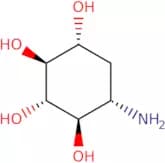
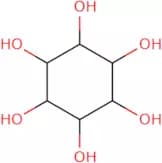
CAS:<p>Scyllo-inosamine is a synthetic compound that is used as an oxime for the treatment of ascites tumors. It is synthesized from benzyl cyanide and cyclohexane. The benzyl groups are removed by catalytic hydrogenation, and the resulting product is hydrolyzed to scyllo-inosamine. Scyllo-inosamine has been shown to have a stereogenic center at C3, which allows it to act as an aminocyclitol, with the nitrogen atom acting as a nucleophile in the ring opening reaction. Scyllo-inosamine has been shown to be active against a number of tumor cells in culture and has been investigated as chemotherapeutic agent for cancer treatment.</p>Fórmula:C6H13NO4·HClPureza:Min. 95%Peso molecular:199.63 g/mol1,2,4,6-Tetra-O-acetyl-3-deoxy-3-phthalimido-D-galactopyranoside
<p>This product is a custom synthesis of 1,2,4,6-Tetra-O-acetyl-3-deoxy-3-phthalimido-D-galactopyranoside. It is a sugar that is synthesized from 4 acetyl groups and 6 hydroxyl groups. The compound has a CAS number of 71034-05-4 and can be modified by fluorination, glycosylation, methylation, or modification. This product is an oligosaccharide that contains a saccharide with more than one monosaccharide unit. It is a complex carbohydrate with the formula C12H20O11.</p>Fórmula:C22H23NO11Pureza:Min. 95%Peso molecular:477.42 g/molPhenyl 4-O-acetyl-3,6-di-O-benzyl-2-deoxy-2-phthalimido-b-D-thioglucopyranoside
CAS:<p>Phenyl 4-O-acetyl-3,6-di-O-benzyl-2-deoxy-2-phthalimido-b-D-thioglucopyranoside is an oligosaccharide that has been modified with a click modification. The sugar is synthesized in high purity and the modification of this compound was achieved by fluorination. Phenyl 4O acetyl 3,6 di O benzyl 2 deoxy 2 phthalimido b D thioglucopyranoside is a carbohydrate that can be used as a monosaccharide or polysaccharide and has a complex structure. This chemical can also be used for methylation and is CAS No. 159734 71 1.</p>Pureza:Min. 95%Promethazine N-b-D-glucuronide
CAS:<p>Promethazine is a phenothiazine derivative that has antihistaminic, anticholinergic, and sedative properties. It is used as an antiemetic and to relieve allergy symptoms. Promethazine N-b-D-glucuronide is a custom synthesis of promethazine with methylation at the nitrogen atom on the side chain, click modification of the methyl group on the side chain, oligosaccharides attached to the nitrogen atom on the side chain, polysaccharide attached to the nitrogen atom on the side chain, saccharide attached to the nitrogen atom on the side chain, carbonyl group attached to the nitrogen atom on the side chain, fluorination at C5 position of sugar ring in promethazine N-b-D-glucuronide molecule, complex carbohydrate (sugar) in promethazine N-b-D-glucuronide molecule. Promethazine N-b-D-glucuron</p>Fórmula:C23H28N2O6SPureza:Min. 95%Peso molecular:460.54 g/mol6-Chloro-6-deoxy-D-galactitol
<p>6-Chloro-6-deoxy-D-galactitol is a sugar with the molecular formula C6H12O6. It is a modification of galactose and has the same chemical structure as 6-chloro-D-mannitol. It can be used in the synthesis of complex carbohydrates, and it is also an intermediate for producing oligosaccharides or polysaccharides. 6-Chloro-6-deoxy-D-galactitol is also known as Lactotriose. This product has been modified by fluorination, which increases its stability and reduces its reactivity to other compounds.</p>Fórmula:C6H13ClO5Pureza:Min. 95%Peso molecular:200.62 g/molBenzyl 2-acetamido-4,6-O-benzylidene-3-O-(carboxymethyl)-2-deoxy-a-D-glucopyranoside
CAS:<p>Benzyl 2-acetamido-4,6-O-benzylidene-3-O-(carboxymethyl)-2-deoxy-a-D-glucopyranoside is a custom synthesized, complex carbohydrate. It is a polysaccharide that has been modified with methylation and glycosylation. This product can be used for research purposes only and cannot be used in diagnostic procedures.</p>Fórmula:C24H27NO8Pureza:Min. 95%Peso molecular:457.47 g/mol3,4,6-Tri-O-acetyl-a-D-galactopyranose 1,2-(methyl orthoacetate)
CAS:<p>The survey was conducted to understand the current workforce and their feedback on the automated testing. The median number of respondents exceeded the number that was needed for a statistically significant result. The automated testing has helped to reduce the time it takes to test new features and has also improved the resilience of the developers. Feedback from testers has been positive, with many saying that they would recommend automated testing to other companies. This survey was conducted by an analyst who had an understanding of human-computer interaction and software development.</p>Fórmula:C15H22O10Pureza:Min. 95%Peso molecular:362.33 g/mol2-Acetamido-3-O-allyl-4,6-O-benzylidene-2-deoxy-b-D-glucopyranosyl azide
CAS:<p>2-Acetamido-3-O-allyl-4,6-O-benzylidene-2,3-deoxy-bDglucopyranosyl azide is a sugar that can be synthesized from an acetamido group and an allyl group. It is used in the synthesis of complex carbohydrates. 2A3BPGA is a monosaccharide with a glycosylation pattern of alpha 1,2. The methylation of the hydroxyl groups on the glucose rings leads to the formation of 2A3BPGAM. This modification has been shown to alter the solubility and reactivity of this sugar.</p>Fórmula:C18H22N4O5Pureza:Min. 95%Peso molecular:374.4 g/molMethyl 2-acetamido-3,6-di-O-benzyl-2-deoxy-b-D-glucopyranoside
CAS:<p>Methyl 2-acetamido-3,6-di-O-benzyl-2-deoxy-b-D-glucopyranoside is a modified oligosaccharide. It has been shown to be useful for the synthesis of complex carbohydrates and sugar derivatives. The synthesis of this product involves the use of click chemistry, which is a chemoselective reaction that uses copper as a catalyst. This product can be used in the production of polysaccharides and saccharides, as well as other related compounds. Methyl 2-acetamido-3,6-di-O-benzyl-2-deoxy -b -D -glucopyranoside is synthesized from methyl 3,6 di O benzyl 2 deoxy b D glucopyranoside by reacting with acetamide in the presence of palladium acetate and ammonium formate in DMF at room temperature.</p>Fórmula:C23H29NO6Pureza:Min. 95%Peso molecular:415.48 g/mol5-Azido-5-deoxy-1,2-O-isopropylidene-b-D-fructose
CAS:<p>5-Azido-5-deoxy-1,2-O-isopropylidene-b-D-fructose is an oligosaccharide that is custom synthesized to your specifications. This compound has been modified with a methyl group at position C1 and has been fluorinated at C2. It has also undergone glycosylation at the reducing end of the molecule and can be used as a saccharide in the synthesis of complex carbohydrates.</p>Fórmula:C9H15N3O5Pureza:Min. 95%Peso molecular:245.23 g/molBromoxynil D-glucuronide methyl ester
<p>Bromoxynil D-glucuronide methyl ester is a synthetic, high-purity chemical with a CAS number of 2512-06-3. It is an Oligosaccharide and sugar that is Glycosylated and Click modified. This product can be used in Custom synthesis or as a Modification to saccharides.</p>Fórmula:C14H13Br2NO7Pureza:Min. 95%Peso molecular:467.06 g/mol4-Methylphenyl 2,3,4,6-tetra-O-acetyl-β-D-thiogalactopyranoside
CAS:<p>4-Methylphenyl 2,3,4,6-tetra-O-acetyl-b-D-thiogalactopyranoside is a custom synthesis of an oligosaccharide with a polysaccharide. It is a high purity glycosylated carbohydrate with a CAS number of 28244-99-7. The sugar has been modified by methylation and fluorination, as well as the Click modification.</p>Fórmula:C21H26O9SPureza:Min. 95%Cor e Forma:PowderPeso molecular:454.49 g/mol2-Deoxy-D-glucose 1-14C
CAS:<p>2-Deoxy-D-glucose 1-14C is a radioactive isotope of glucose. It is synthesized by the fluorination and methylation of D-glucose, followed by the addition of a 14C atom. The compound can be used in the study of glycosylations, oligosaccharides, and saccharides.<br>2-Deoxy-D-glucose 1-14C has been shown to react with various sugars to form new compounds that are used in glycobiology research. This compound is highly purified, as it does not undergo any reactions with other compounds or impurities. It is also available for custom synthesis and modification.</p>Pureza:Min. 95%Methyl 2-deoxy-D-arabinopyranoside
CAS:<p>Methyl 2-deoxy-D-arabinopyranoside is a fluorinated monosaccharide with an alpha,beta-unsaturated carbonyl group. It is used as a building block for the synthesis of complex carbohydrates and oligosaccharides. Methyl 2-deoxy-D-arabinopyranoside has been shown to be modified by methylation, glycosylation, and polysaccharide formation. This product can be custom synthesized to meet the needs of the customer.</p>Fórmula:C6H12O5Pureza:Min. 95%Peso molecular:164.16 g/mol3-Hydroxystanozolol glucuronide
CAS:<p>3-Hydroxystanozolol glucuronide is a metabolite of stanozolol that has been found in human urine. 3-Hydroxystanozolol glucuronide is formed as an intermediate during the metabolic conversion of stanozolol to its active form, which then is hydrolyzed by erythrocyte esterases or glucuronidases to form 3-hydroxystanozolol. This metabolite has been validated as an analytical marker for monitoring the use of stanozolol in sport and population studies.</p>Fórmula:C26H38N2O8·C2H6Pureza:Min. 95%Peso molecular:536.66 g/mol6,6'-Di-O-triisopropylsilyl-lactal
CAS:<p>6,6'-Di-O-triisopropylsilyl-lactal is a synthetic oligosaccharide with a complex carbohydrate structure. It can be used as a monomer in the synthesis of glycosylides and glycopolymers, which are modified by fluorination, methylation, and click chemistry. This compound has been shown to have high purity and can be custom synthesized to meet your needs.</p>Fórmula:C30H60O9Si2Pureza:Min. 95%Peso molecular:620.96 g/molb-L-Fucopyranosyl nitromethane
<p>b-L-Fucopyranosyl nitromethane is a synthetic carbohydrate that has been modified by fluorination and methylation. It can be used as a building block for the synthesis of complex carbohydrates including saccharides, oligosaccharides, and monosaccharides.</p>Fórmula:C7H13NO6Pureza:Min. 95%Peso molecular:207.2 g/molD-[4,5,6]-Fructose-13C3
CAS:<p>D-[4,5,6]-Fructose-13C3 is a potent inhibitor of the golgi alpha-mannosidases which are enzymes that catalyze the hydrolysis of mannose residues from glycoproteins. This compound has been shown to inhibit the synthesis of glycoproteins in vitro and in vivo. D-[4,5,6]-Fructose-13C3 also inhibits other chemical reactions by binding to fatty acids or proteins. In cell culture, this compound has been shown to synergistically interact with cytochalasin B, which disrupts Golgi membranes. D-[4,5,6]-Fructose-13C3 is lipophilic and can be easily detected by magnetic resonance spectroscopy (MRS). MRS can be used to monitor the inhibition of fatty acid synthesis in cells cultured with this agent.</p>Fórmula:C3C3H12O6Pureza:Min. 95%Peso molecular:183.13 g/mol3,4,6-Tri-O-acetyl-2-deoxy-D-galactopyranose
<p>3,4,6-Tri-O-acetyl-2-deoxy-D-galactopyranose is a methylated saccharide that is the product of the reaction between 3,4,6-triacetyl-2,3,4,6-tetrapropionyl D galactopyranose and formaldehyde. It has been modified by Click chemistry and can be used for glycosylation reactions. This product is available in high purity and yields a complex carbohydrate that can be synthesised from various carbohydrates.</p>Fórmula:C12H18O8Pureza:Min. 95%Peso molecular:290.27 g/mol2,3,5-Tri-O-benzyl-L-lyxono-1,4-lactone
<p>Tri-O-benzyl-L-lyxono-1,4-lactone is a methylated saccharide. It can be used as a building block for the synthesis of oligosaccharides and glycosylations. It can also be used as a click modification to modify proteins and polymers.</p>Fórmula:C26H26O5Pureza:Min. 95%Cor e Forma:PowderPeso molecular:418.48 g/mol2,5-Anhydro-D-mannofuranose oxime
CAS:<p>2,5-Anhydro-D-mannofuranose oxime is a glycosylation inhibitor that prevents the formation of glycosidic bonds. It is used in the synthesis of complex carbohydrates, such as polysaccharides and oligosaccharides. This compound can be fluorinated or methylated to produce 2,5-anhydro-D-mannofuranose oxime derivatives that are useful for click chemistry. 2,5-Anhydro-D-mannofuranose oxime has been shown to inhibit the enzymatic conversion of mannitol to mannose and fructose by blocking the enzyme alpha mannosidase. The high purity of this compound makes it suitable for use in a variety of reactions, including glycobiology studies and carbohydrate modifications.</p>Fórmula:C6H11NO5Pureza:Min. 95%Peso molecular:177.16 g/mol3-Deoxy-2-keto-D-galactonate lithium salt
CAS:<p>3-Deoxy-2-keto-D-galactonate lithium salt is an enzyme inhibitor that belongs to the group of galacturonosyltransferases. It is a competitive inhibitor that binds to the enzyme active site and inhibits the transfer of galacturonic acid from UDP-galactose to various acceptor molecules, including oligosaccharides, polysaccharides, glycoproteins, and glycolipids. 3-Deoxy-2-keto-D-galactonate lithium salt has been shown to inhibit wild type strains of Escherichia coli and Saccharomyces cerevisiae. This compound also inhibits acid analysis enzymes such as catalase and triosephosphate isomerase in Escherichia coli. 3DGLS also inhibits protein synthesis by inhibiting the activity of enzymes such as ribonucleotide reductase and xanthine oxidase in Escherichia coli. The</p>Fórmula:C6H10O6·xLiPureza:Min. 95%1,4:6,3-Glucarodilactone
CAS:<p>1,4:6,3-Glucarodilactone is an undecenoate with a sustainable and degradable structure. It can be used as a monomer in the production of polyols that are used in various industries, such as the plastics industry. 1,4:6,3-Glucarodilactone is also an acidic compound that has been shown to have a crystalline product and isomeric transition. It is possible to produce this compound by ring-opening polymerization of p-xylylenediamine with butyl vinyl ether or isobutyl vinyl ether.</p>Fórmula:C6H6O6Pureza:Min. 95%Peso molecular:174.11 g/molRamiprilat acyl-b-D-glucuronide
CAS:<p>Ramiprilat acyl-b-D-glucuronide is a modified form of ramipril, an angiotensin converting enzyme inhibitor that belongs to the class of angiotensin II receptor antagonists. It is used in the treatment of hypertension and congestive heart failure. The modifications are performed by methylation, saccharide, polysaccharide, click modification, and modification. This active compound has CAS number 1357570-22-9. The chemical formula for this product is C37H53NO4. Ramiprilat acyl-b-D-glucuronide has high purity and is a complex carbohydrate with glycosylation on the sugar moiety that contains a fluorination at the 3 position on the glucose ring.</p>Fórmula:C27H36N2O11Pureza:Min. 95%Peso molecular:564.59 g/mol2-epi-(-)-emtricitabine
CAS:<p>2-epi-(-)-emtricitabine is an analog of the nucleoside cytidine, which inhibits the phosphorylation and subsequent degradation of deoxycytidine kinase, thereby blocking the production of the viral DNA polymerase. The compound also inhibits tyrosine kinases, which are enzymes that play a vital role in cell signaling. This inhibition may contribute to its antiviral activity. 2-epi-(-)-emtricitabine has been shown to inhibit human immunodeficiency virus (HIV) replication in vitro and in vivo. It is a prodrug that is converted to emtricitabine, its active form, by deoxycytidine kinase and then hydrolyzed by esterases. 2-epi-(-)-emtricitabine has been shown to be effective against hepatitis B virus and cancer cells.</p>Fórmula:C8H10FN3O3SPureza:Min. 95%Peso molecular:247.25 g/molPropofol-D-glucuronide methyl ester
<p>Propofol-D-glucuronide methyl ester is a modification of propofol, which is an anesthetic drug. It is also known as a polysaccharide or saccharide. The modification is made by the addition of methyl groups to the phenolic hydroxyl group on the sugar ring. This modification has been shown to have properties that are similar to those of propofol, but with greater solubility in water and a longer duration of action. Propofol-D-glucuronide methyl ester is synthesized from D-glucuronic acid, which is obtained from glucose through Oligosaccharide synthesis. This compound can be used for glycosylation reactions.</p>Fórmula:C19H28O7Pureza:Min. 95%Peso molecular:368.42 g/molD-Ribonolactone 2,3-cyclohexyl ketal
CAS:<p>D-Ribonolactone 2,3-cyclohexyl ketal is a custom synthesis. It is a synthetic modification of the natural D-ribose sugar molecule. It has been modified by methylation and glycosylation to yield a complex carbohydrate with a high degree of purity. The fluorination process has been used to introduce fluorine atoms into the molecule.</p>Fórmula:C11H16O5Pureza:Min. 95%Peso molecular:228.24 g/molD-Glucose-BSA
<p>Glucose covalently bound to BSA through a 3 atom spacer.</p>Pureza:Min. 95%Cor e Forma:Powder1,2:5,6-Di-O-cyclohexylidene-D-mannitol
CAS:<p>1,2:5,6-Di-O-cyclohexylidene-D-mannitol is a ligand that binds to metal ions. It forms a complex with nitro groups, which has been shown to have synergistic effects in transfer reactions. The structure of 1,2:5,6-Di-O-cyclohexylidene-D-mannitol was determined by x-ray diffraction and the crystal structure was confirmed by single crystal x-ray diffraction. This ligand can be used for the synthesis of alkenes and it reacts with magnesium chloride to form a grignard reagent. As a ligand, this compound has anticancer activity and can be used as an antiangiogenic agent.</p>Fórmula:C18H30O6Pureza:Min. 95%Peso molecular:342.43 g/molD-Glucofuranuronic acid,γ-lactone,1,6-13C2
CAS:<p>D-Glucofuranuronic acid,gamma-lactone,1,6-13C2 is an organic compound that is a glycosidic acid with a uronic acid group. It is composed of a hydrocarbon group and an acetylated d-xylose. This compound has been shown to have inhibitory activities against glycosidases and glycoside hydrolases. D-Glucofuranuronic acid,gamma-lactone,1,6-13C2 is synthesized by the reaction of trifluoroacetic acid with glyceraldehyde in the presence of water and an acid catalyst. It can be used as medicine for treating blood sugar levels but should not be taken in conjunction with other medicines because it inhibits their absorption.</p>Fórmula:C2C4H8O6Pureza:Min. 95%Peso molecular:178.12 g/mol5-Fluorouracil N-b-D-glucuronide
CAS:<p>5-Fluorouracil N-b-D-glucuronide is the major metabolite of 5-fluorouracil. It is mainly excreted in urine and bile, and has a high blood level. The glucuronide conjugate of 5-fluorouracin is hydrolyzed by beta-glucuronidase to generate 5-fluorouridine, which can be reabsorbed into the cell to form cytotoxic 5-fluoro uridine triphosphate. This process inhibits protein synthesis, leading to cell death. The half life of 5FU glucuronide is short and it needs to be constantly replaced with new doses. It has also been shown that levels of 5FU glucuronide are higher in tissues than in plasma, which may explain its inhibitory effect on tumors.</p>Fórmula:C10H11FN2O8Pureza:Min. 95%Peso molecular:306.2 g/mol2-Deoxy-2-fluoro-L-[UL-13C]fucose
CAS:<p>2-Deoxy-2-fluoro-L-[UL-13C]fucose is a modified sugar molecule used in various scientific applications, particularly in glycobiology and drug development. It's used to study fucose-containing glycans, enzyme interactions, metabolic pathways, and glycoengineering. For instance, it can be incorporated into proteins to investigate the effects of fucose modifications on their function or used to develop drugs targeting fucose-metabolizing enzymes</p>Fórmula:C6H12O5Pureza:Min. 95%Peso molecular:164.16 g/mol(R)-Monoethyl 3-acetoxyglutarate
CAS:<p>(R)-Monoethyl 3-acetoxyglutarate is a synthetic molecule that is used in the synthesis of complex carbohydrates. It can be fluorinated, methylated and glycosylated. This compound has CAS No. 113036-11-6.</p>Fórmula:C9H14O6Pureza:Min. 95%Peso molecular:218.2 g/molScopolamine O-b-D-glucuronide
CAS:<p>Scopolamine O-b-D-glucuronide is a methylated derivative of scopolamine. It is an oligosaccharide that is synthesized through glycosylation and has a high purity. Scopolamine O-b-D-glucuronide is used in the synthesis of complex carbohydrates.</p>Fórmula:C23H29NO10Pureza:Min. 95%Peso molecular:479.48 g/mol2,6-Di-O-Carboxymethyl-D-glucose
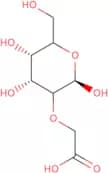
CAS:<p>2,6-di-O-carboxymethyl-D-glucose (2,6-CMG) is a modification of D-glucose. 2,6-CMG is a complex carbohydrate with CAS No. 95350-37-1 and has the molecular formula C8H14O9. It is an oligosaccharide that can be custom synthesized to meet customer specifications. 2,6-CMG has high purity and can be used as a sugar or polysaccharide. It also has been fluorinated to meet customer requirements. The glycosylation of 2,6-CMG is methylated and saccharides are then added to it in order to produce a monosaccharide or polysaccharide. This product can be used in the synthesis of glycoproteins and other biomolecules.</p>Fórmula:C10H16O10Pureza:Min. 95%Cor e Forma:Colourless LiquidPeso molecular:296.23 g/molD-Glucaro-1,5-lactam potassium salt
CAS:<p>D-Glucaro-1,5-lactam potassium salt is a synthetic compound that can be used as a building block for the synthesis of glycosylated carbohydrates. It is fluorinated to prevent hydrolysis and methylated to protect against oxidation. This product is also suitable for click modification, polysaccharide synthesis, and glycosylation reactions. D-Glucaro-1,5-lactam potassium salt has CAS No. 53834-55-2 and can be custom synthesized in high purity.</p>Fórmula:C6H9NO6·xKPureza:Min. 95%Cor e Forma:PowderPeso molecular:191.14 g/molMethyl 4-deoxy-a-D-glucopyranoside
CAS:<p>Methyl 4-deoxy-a-D-glucopyranoside is a high purity synthetic sugar with the molecular formula C5H10O5. It has been custom synthesized for Click modification, fluorination, glycosylation and methylation. Methyl 4-deoxy-a-D-glucopyranoside is used in glycosylation as a monosaccharide or saccharide to form complex carbohydrates. This product can be used in the synthesis of oligosaccharides and polysaccharides.</p>Fórmula:C7H14O5Pureza:Min. 95%Peso molecular:178.19 g/mol6-O-Benzoyl-3-O-triisopropylsilyl-D-galactal
<p>This is a synthetic sugar that can be custom synthesized based on the customer's specifications. 6-O-Benzoyl-3-O-triisopropylsilyl-D-galactal is a monosaccharide and an oligosaccharide that can be modified with a click modification, methylation, and glycosylation. It is a complex carbohydrate that has been shown to have anti-inflammatory properties. The glycosylation of this sugar can also be customized for specific purposes. This product has CAS number 132702-24-2 and is available at 95% purity or higher.</p>Fórmula:C22H34O5SiPureza:Min. 95%Peso molecular:406.59 g/molUDP-D-galactosamine disodium salt
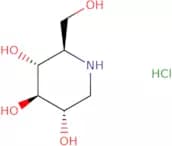
CAS:<p>UDP-D-galactosamine disodium salt is a type of sugar that is a substrate for UDP-glucuronosyltransferase (UGT), which catalyzes the transfer of galactose from UDP-D-galactose to other molecules. The product of this reaction is UDP-D-galacturonic acid. It is produced in the liver, where it participates in the synthesis of glycoproteins, glycolipids, and glycosaminoglycans. In addition, it can be found in the distal tubule of the kidney and in leukemia cells. The histological analysis of rat liver tissue showed that UDP-D-galactosamine disodium salt is present in hepatocytes. This sugar also helps with protein synthesis and activates uridine, which can be used as a carbon source. Histological analysis also revealed that UDP-D-galactosamine disodium salt plays an important role in glucose metabolism, as well as</p>Fórmula:C15H23N3O16P2Na2Pureza:Min. 95%Cor e Forma:PowderPeso molecular:609.28 g/molIsofagomine hydrochloride
CAS:<p>Inhibitor of lysosomal acid β-glucosidase (GlcCerase/glucocerebrosidase) with IC50 in nanomolar range for wildtype and mutant enzyme. It behaves as pharmacological chaperon by binding to instable GlcCerase active site at neutral pH values and facilitating the protein folding. In acidic lysosomes, isofagomine gets release from the enzyme active site. This results in increased levels of functional glucocerebrosidase and brings therapeutic benefits to patients with Gaucher disease.</p>Fórmula:C6H13NO3·HClPureza:Min. 95%Cor e Forma:PowderPeso molecular:183.63 g/molPyrogallol a-D-glucopyranoside
<p>Pyrogallol a-D-glucopyranoside is a synthetic carbohydrate that is used in the synthesis of various saccharides and oligosaccharides. Pyrogallol a-D-glucopyranoside is also used in the modification of saccharides and oligosaccharides through glycosylation, methylation, and fluorination. This carbohydrate has CAS No. 810-12-0 and molecular weight of 368.</p>Fórmula:C12H16O8Pureza:Min. 95%Peso molecular:288.25 g/mol6-O-Benzoylphlorigidoside B
CAS:<p>6-O-Benzoylphlorigidoside B is a natural product that belongs to the class of iridoid glycosides. It is found in plants such as callicarpa, which are members of the asterid clade. 6-O-Benzoylphlorigidoside B was isolated from iridoid glycosides in leaves of Formosana, a plant family native to Taiwan. This compound has been shown to have anti-inflammatory and anti-ulcer activities, as well as potential antiviral activity against herpes simplex virus type 1 (HSV1) and Epstein-Barr virus (EBV).</p>Pureza:Min. 95%Gemfibrozil b-D-glucuronide-D6
Produto Controlado<p>Gemfibrozil b-D-glucuronide-D6 is a methylated, saccharide, Polysaccharide. It is a custom synthesis of the synthetic and fluorinated gemfibrozil b-D-glucuronide. The product is purified by HPLC to >98% purity and supplied as a white powder.</p>Fórmula:C21H24D6O9Pureza:Min. 95%Cor e Forma:White to off-white solid.Peso molecular:432.49 g/molPentenylglycoside derivatives
<p>Pentenylglycoside derivatives are synthetic compounds that have a sugar as their core. These compounds are synthesized by glycosylation of pentenyl alcohols with sugars. They are highly soluble in water and have good stability. The molecules have been modified to increase their activity and reduce the toxicity. Some examples of modifications include fluorination, methylation, and click chemistry. This product is not available for sale in the United States because it has not been evaluated by the Food and Drug Administration (FDA).</p>Pureza:Min. 95%L-Idonic acid-1,4-lactone
CAS:<p>L-Idonic acid-1,4-lactone is a custom synthesis that is a glycoconjugate with a carbohydrate moiety. It can be used for the modification of glycoproteins and glycopeptides, and has shown to have anti-inflammatory properties. L-Idonic acid-1,4-lactone is a sugar that is made up of an idonic acid attached to an alpha (1→4)-linked D-glucose molecule. This product can be methylated or glycosylated and has been shown to have anticancer activity in animal models. L-Idonic acid-1,4-lactone is soluble in water and has been fluorinated at the 4 position on the glucose unit.</p>Fórmula:C6H10O6Pureza:Min. 95%Peso molecular:178.14 g/mol1,2,3,4-Tetra-O-acetyl-b-D-arabinopyranose
CAS:<p>1,2,3,4-Tetra-O-acetyl-b-D-arabinopyranose is a custom synthesis of a carbohydrate. It is a tetra acetylated form of arabinopyranose that has been fluorinated. The fluorination process increases the reactivity of the sugar and allows for it to be glycosylated or methylated. This sugar can be used in the synthesis of oligosaccharides and complex carbohydrates. These can be used as sweeteners or functional food additives.</p>Fórmula:C13H18O9Pureza:Min. 95%Peso molecular:318.28 g/mol1,3,4,6-Tetra-O-acetyl-2-deoxy-2-trifluoroacetamido-D-glucopyranose
CAS:<p>1,3,4,6-Tetra-O-acetyl-2-deoxy-2-trifluoroacetamido-D-glucopyranose is a carbohydrate that has been modified with fluorine and acetyl groups. It is used as a precursor to other saccharides. The compound is synthesized by the reaction of 1,3,4,6-tetra -O-acetyl glucose with trifluoroacetic anhydride in methylene chloride. It can be custom synthesized for research purposes. This product has high purity and is sold in both liquid and powder form.</p>Fórmula:C16H20F3NO10Pureza:Min. 95%Peso molecular:443.33 g/mol2-Deoxy-2-fluoro-2-C-methyl-D-ribofuranose
<p>2-Deoxy-2-fluoro-2-C-methyl-D-ribofuranose is a carbohydrate that contains a single sugar (monosaccharide) with the chemical formula C5H8O4. This compound is a synthetic monosaccharide that has been modified by fluorination, methylation, and glycosylation. It is often used in custom synthesis to create oligosaccharides or complex carbohydrates. 2DFFR can be ordered in high purity and has CAS No. 59737-89-7.</p>Pureza:Min. 95%3-Deoxy-3-fluoro-D-glucitol
CAS:<p>3-Deoxy-3-fluoro-D-glucitol is a glucose analog that is used as a marker for glycogen in tissue extracts. 3-Deoxy-3-fluoro-D-glucitol has been shown to be the most sensitive molecular marker for muscle glycogen concentrations, although it does not react with all types of muscle. It can also be used as a marker for glycogen content in extracts of tissue or cells because it reacts with locusta migratoria fat body. In addition, 3-deoxy-3-fluoro-D-glucitol can be used as a nuclear magnetic resonance (NMR) probe to study the structure of trehalose and fructose. The compound has been shown to bind to locusta migratoria fat body and can be used as an NMR probe to study the structure of trehalose and fructose.</p>Fórmula:C6H13FO5Pureza:Min. 95%Peso molecular:184.16 g/mol8-D-Glucopyranosyl-7,8,9,10-tetrahydro-6,10-methano-6H-pyrazino[2,3-h][3]benzazepine
<p>Please enquire for more information about 8-D-Glucopyranosyl-7,8,9,10-tetrahydro-6,10-methano-6H-pyrazino[2,3-h][3]benzazepine including the price, delivery time and more detailed product information at the technical inquiry form on this page</p>Fórmula:C19H23N3O5Pureza:Min. 95%Peso molecular:373.4 g/molGlycosaminoglycan related oligosaccharides
<p>Glycosaminoglycan related oligosaccharides are a family of complex carbohydrates that are found in the extracellular matrix. They consist of a monosaccharide, methylation, and glycosylation. Glycosaminoglycan related oligosaccharides have been shown to be effective in modifying cells, as well as in inhibiting bacterial growth. The fluorination of glycosaminoglycan related oligosaccharides has been shown to increase the stability and inhibit bacterial growth.</p>Pureza:Min. 95%Astragaloside II
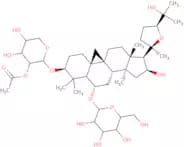
CAS:<p>Astragaloside II is a natural compound that has been shown to have anti-inflammatory effects in vitro and in vivo. Astragaloside II inhibits the production of inflammatory mediators by inhibiting phosphodiesterase and cyclooxygenase pathways. It also has a matrix effect on the cells, which may be due to its ability to activate protein kinase C. This compound also has an analytical method, which consists of HPLC with UV detection at 210 nm.</p>Fórmula:C43H70O15Pureza:Min. 95%Cor e Forma:White To Off-White SolidPeso molecular:827.01 g/molTopiramate didesacetal impurity
CAS:<p>Topiramate didesacetal impurity is a Custom synthesis, Modification, Fluorination, Methylation, Monosaccharide, Synthetic compound. It is used in the production of saccharides and polysaccharides. The Carbohydrate has a variety of uses including food additives and sweeteners.</p>Fórmula:C6H13NO8SPureza:Min. 95%Peso molecular:259.24 g/molL-Rhamnal
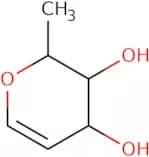
CAS:<p>L-Rhamnal is a sodium sulfide that is used in the synthesis of stereoselective compounds. It has been shown to have anti-leukemic properties and may be useful for the treatment of lymphocytic leukemia. L-Rhamnal has been shown to inhibit tumor growth and metastasis in animal models of cancer, as well as being cytotoxic to human leukemic cells. L-Rhamnal inhibits the proliferation of these cells by blocking DNA synthesis and preventing cell division. The hydroxymethyl group on L-rhamnal interacts with chloride ions to form a salt that can be degraded into hydrogen sulfide gas, which is known to be toxic to some organisms. The chloride ion also reacts with triterpene alcohols, glycosidic bonds, potassium phosphate, or borohydride reduction agents like sodium borohydride or lithium aluminum hydride. These reactions are used in carbohydrate chemistry and aldehyde</p>Fórmula:C6H10O3Pureza:Min. 95%Peso molecular:130.14 g/molD-Fructose-6-phosphate sodium hydrate
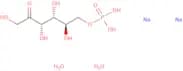
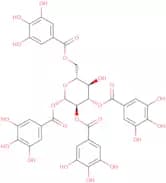
CAS:<p>D-Fructose-6-phosphate sodium hydrate is a polyvalent bioactive compound that can be found in plants, fungi, and bacteria. It has been used as a sealant for wounds and to treat damaged skin. D-Fructose-6-phosphate sodium hydrate is also used to activate the hydrophobic or dextran molecules in some drug delivery systems. This compound can be found in many products such as polyester fabrics, thermoplastic materials, and hydrophilic plastics. D-Fructose-6-phosphate sodium hydrate is an important intermediate in the metabolic pathways of glucose and sucrose.</p>Fórmula:C6H13O9P·2NaH2O)Pureza:Min. 95%Peso molecular:342.1 g/mol1,2,3,6-Tetra-O-galloylglucose
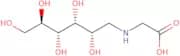
CAS:<p>1,2,3,6-Tetra-O-galloylglucose is a biologically active compound that has been shown to have inhibitory effects on influenza virus and human pathogenic bacteria. It has also been shown to have anticomplementary activity and anti-infective properties against human pathogens. This molecule also exhibits anion radical scavenging activities and can be utilized as a natural antioxidant in food products. The ellagitannins found in this molecule are responsible for its antioxidant properties. 1) 6-Fluoro-3-indoxyl-beta-D-galactopyranoside (Rifapentine) Rifapentine is an antituberculosis drug that belongs to the class of rifamycins. It is the most active of the rifamycins for the treatment of tuberculosis. Rifapentine inhibits bacterial growth by binding to DNA-dependent RNA polymerase, thereby preventing</p>Fórmula:C34H28O22Pureza:Min. 95%Peso molecular:788.57 g/molN-Glycinyl-1-deoxy-D-glucitol
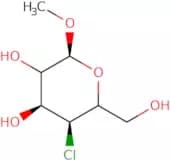
CAS:<p>N-Glycinyl-1-deoxy-D-glucitol is a custom synthesis product. It is an oligosaccharide that can be modified to produce polysaccharides or saccharides. The chemical name of this product is methyl 2,6-anhydro-2,6-dideoxyglucitol and the molecular weight is 242.17 g/mol. The CAS number for this compound is 57195-13-8 and it has a purity level of >99%. This compound can be used in a wide variety of applications such as Methylation, Click modification, Carbohydrate chemistry, Oligosaccharide chemistry, Polysaccharide chemistry, saccharide chemistry, Fluorination chemistry, complex carbohydrate chemistry and Monosaccharide chemistry.</p>Fórmula:C8H17NO7Pureza:Min. 95%Peso molecular:239.22 g/molMethyl 4-chloro-4-deoxy-a-D-glucopyranoside
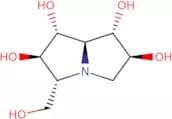
<p>Methyl 4-chloro-4-deoxy-a-D-glucopyranoside is a custom synthesis of an oligosaccharide with a sugar. It is synthesized by the reaction between methyl 4-chloro-4-deoxybenzoate and sodium cyanoborohydride in methanol. The product can be used to modify complex carbohydrates, such as glycosylation, which is the process of adding sugars to proteins or polysaccharides. Methyl 4-chloro-4-deoxyglucopyranoside has a high purity level of 99% and a CAS number of 3126991.</p>Fórmula:C7H13ClO5Pureza:Min. 95%Peso molecular:212.63 g/mol(+)-Casuarine
CAS:<p>(+)-Casuarine is a chiral biomolecule that is structurally related to (+)-cinchonine. It has been shown to be an inhibitor of glycosidase, an enzyme that hydrolyzes glycosides, and as such it has potential use in the development of drugs for the treatment of diabetes mellitus. The enolate form of (+)-casuarine can undergo cycloadditions with oxygenated functional groups. This reaction is stereoselective and leads to polyhydroxylated products.</p>Fórmula:C8H15NO5Pureza:Min. 95%Peso molecular:205.21 g/molFructose-L-tryptophan
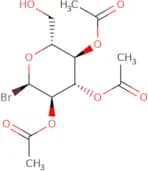
CAS:<p>Please enquire for more information about Fructose-L-tryptophan including the price, delivery time and more detailed product information at the technical inquiry form on this page</p>Fórmula:C17H22N2O7Pureza:Min. 95%Peso molecular:366.37 g/mol2,3,4-Triacetate-β- D- glucopyranosyl bromide
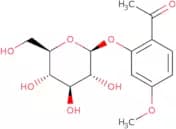
CAS:<p>2,3,4-Triacetate-beta-D-glucopyranosyl bromide is a custom synthesis of an oligosaccharide. It is a complex carbohydrate that can be modified to create a saccharide with methylation and glycosylation. This product has CAS No. 13032-61-6 and can be used in research for the modification of saccharides and carbohydrates.</p>Pureza:Min. 95%2-Acetyl-5-methoxyphenyl β-D-Glucopyranoside
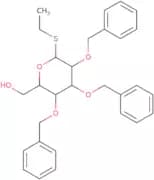
CAS:<p>2-Acetyl-5-methoxyphenyl beta-D-glucopyranoside is a flavonoid that belongs to the group of dihydroquercetin. It can be prepared by liquid chromatography. 2-Acetyl-5-methoxyphenyl beta-D-glucopyranoside inhibits tumor cells in vitro and in vivo, through the inhibition of protein synthesis and DNA replication. In addition, it has been shown to inhibit the growth of leptadenia species with a high degree of selectivity. It also exhibits an antitumor effect on mouse sarcoma 180 cells, as well as on human melanoma cells. This compound binds to macroporous adsorbents such as sephadex and tricusposide, which are used for purification purposes.</p>Fórmula:C15H20O8Pureza:Min. 95%Peso molecular:328.31 g/molEthyl 2,3,4-tri-O-benzyl-b-D-thiogalactopyranoside
CAS:<p>Ethyl 2,3,4-tri-O-benzyl-b-D-thiogalactopyranoside is a synthetically produced saccharide typically used as a building block in oligo-saccharide synthesis.</p>Pureza:Min. 95%1-Deoxy-L-altronojirimycin hydrochloride
CAS:<p>L-altronojirimycin is a diterpene glycoside that belongs to the group of natural products that have inhibitory properties against lipid peroxidation. It has been shown to decrease the concentration of 1,2-dipalmitoylglycerophosphocholine (DPPC) in primary cells and reduce the rate of lipid peroxidation in a concentration-dependent manner. L-altronojirimycin inhibits the activity of enzymes such as acetylcholinesterase and phospholipase A2, which are involved in inflammation. This drug has also been shown to have cardioprotective effects and inhibit mutations in cardiac muscle cells. L-altronojirimycin has been tested for its long-term efficacy and shown to be effective against both bowel disease and cardiac effects.</p>Fórmula:C6H13NO4•HClPureza:Min. 95%Cor e Forma:PowderPeso molecular:199.63 g/molMannostatin A hydrochloride
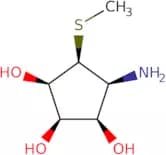
CAS:<p>Mannostatin A is a prodrug that is activated in the body by cleavage of the ester linkage. It has been shown to be a specific inhibitor of feedback inhibition of protein synthesis and cleavage at the carboxyl-terminal end. Mannostatin A has also been shown to inhibit, selectively, the synthesis of proteins in bacteria. In addition, it is possible that this drug may be converted into an inactive form by conjugation with glucuronic acid or by oxidation.</p>Fórmula:C6H14ClNO3SPureza:Min. 95%Peso molecular:215.7 g/mol2-Amino-2-deoxy-D-idose
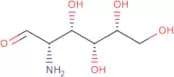
CAS:<p>2-Amino-2-deoxy-D-idose is a sugar that is found in the cell walls of bacteria. It has been shown to be an inhibitor of the enzymes that catalyze the acetylation and methylenecyclopropanes reactions, which are necessary for bacterial growth. 2-Amino-2-deoxy-D-idose binds to copper ions, preventing them from binding with the enzymes. This drug also chelates metals such as zinc, iron, and manganese to prevent their use by bacteria.</p>Fórmula:C6H13NO5Pureza:Min. 95%Peso molecular:179.17 g/mola-L-Fucose-1-phosphate
<p>a-L-Fucose-1-phosphate is a Glycosylation, complex carbohydrate, Methylation, Click modification, Polysaccharide, Fluorination, saccharide, Modification, sugar, Oligosaccharide and Synthetic product. a-L-Fucose-1-phosphate is available for custom synthesis and can be ordered with high purity.</p>Pureza:Min. 95%1,4-Dideoxy-1,4-imino-D-xylitol HCl
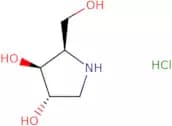
CAS:<p>1,4-Dideoxy-1,4-imino-D-xylitol HCl (DDX) is a potent inhibitor of the enzyme carboxypeptidase A2. DDX has been shown to inhibit the growth of HIV in vitro and in vivo. DDX also inhibits the production of proinflammatory cytokines and neurotrophic factors from HL60 cells. It has been shown to be a potential drug target for the treatment of infectious diseases such as alphaviruses, which produce a severe neuroinvasive disease in humans. DDX binds to dna with high affinity and specificity, but does not bind to RNA or proteins. DDX inhibits mitochondrial membrane potential by binding to ATP synthase and blocking the synthesis of ATP. DDX has also been shown to have an anti-oxidative injury effect on mitochondria, which may contribute to its inhibition of viral replication.</p>Fórmula:C5H11NO3·HClPureza:Min. 95%Peso molecular:169.61 g/mol2-Keto-D-galactonic acid
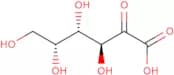
CAS:<p>2-Keto-D-galactonic acid is a chemical compound that is used as an intermediate in the synthesis of antibiotics. It has been found to inhibit the growth of bacteria, such as Erwinia carotovora and Escherichia coli. The 2-keto-d-galactonic acid can be crystallized in two forms: an amorphous form or a crystalline form.</p>Pureza:Min. 95%Glufosfamide
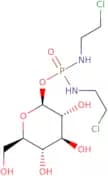
CAS:<p>Glufosfamide is a cytotoxic drug that is used in the treatment of some types of cancer. It is a prodrug that requires conversion to its active form, glufosfamid, by esterase enzymes before it can exert its genotoxic effects. Glufosfamide has shown to be active against platinum-resistant ovarian cancer and solid tumours. This drug also has been shown to inhibit the growth of prostate cancer cells and miapaca-2 cells, which are derived from pancreatic cancer. Glufosfamide has been found to have low toxicity in mice, but there may be adverse reactions when combined with other drugs such as erythromycin or ketoconazole.</p>Fórmula:C10H21Cl2N2O7PPureza:Min. 95%Peso molecular:383.16 g/mol1,2-Dideoxy-2-fluoronojirimycin
CAS:<p>1,2-Dideoxy-2-fluoronojirimycin is a synthetic alkenyl compound that inhibits the HIV-1 virus by competitively inhibiting the enzyme reverse transcriptase. It has been shown to inhibit the synthesis of viral DNA and RNA. 1,2-Dideoxy-2-fluoronojirimycin is an aralkyl compound with a hydroxyl group at position 1 and a fluorine atom at position 2. It also has sulfinyl groups in positions 3 and 4. The natural product is synthesised from glucose via glycosidase inhibition. This compound has shown potent antiviral activity against HIV-1 strains with high levels of resistance to other compounds such as AZT.</p>Fórmula:C6H12NO3FPureza:Min. 95%Peso molecular:165.16 g/molMethyl 2-deoxy-b-D-ribofuranoside
CAS:<p>Methyl 2-deoxy-b-D-ribofuranoside is a methylglucoside that is used in the synthesis of thiourea. Methyl 2-deoxy-b-D-ribofuranoside inhibits the production of an atypical nucleotide, 5'-methylthioadenosine, which is used to synthesize thymine. It has been shown to be catalytic and may play a role in the biosynthesis of methionine and histidine. The chloride ion causes the reaction to proceed via an S N 2 mechanism. Methyl 2-deoxy-b-D-ribofuranoside can also be used in the synthesis of chloroacetic acid, azide, dimethylformamide, fluoride, anomeric alcohols, hydantoins and thionyl chloride. Methyl 2-deoxy-b-D-ribofuranoside can be chromatographically separated using silica</p>Fórmula:C6H12O4Pureza:Min. 95%Peso molecular:148.16 g/molFusidic acid acyl glucuronide
CAS:<p>Fusidic acid acyl glucuronide is a high purity, custom synthesis, click modification of fusidic acid. It has been modified by fluorination and methylation. Fusidic acid acyl glucuronide is an Oligosaccharide, Polysaccharide, saccharide, sugar with a CAS No. 13013-66-6. It is a complex carbohydrate that has been synthesized using high purity, monosaccharides and polysaccharides.</p>Fórmula:C37H56O12Pureza:Min. 95%Peso molecular:692.83 g/molLotaustralin
CAS:<p>Lotaustralin is a natural product that is derived from the plant Lotea usitatissima. It belongs to the class of isoflavonoids and has shown activity against infectious diseases. Lotaustralin has been shown to inhibit mycelial growth in vitro by targeting enzymes involved in the biosynthesis of isoflavonoid compounds in plants, such as lc-ms/ms methodology, preparative hplc, and enzymatic assays. It also has been shown to have an effect on locomotor activity in mice. The polymerase chain reaction (PCR) assay was used to detect the presence of lotaustralin in various samples, including blood serum and sputum samples. This product can be used for sample preparation for PCR assay.</p>Fórmula:C11H19NO6Pureza:Min. 97%Peso molecular:261.27 g/molPentaric acid
CAS:<p>Pentaric acid is a crystalline, monocarboxylic acid with a hydroxyl group. It is used as an inhibitor of corrosion in metal and as a disinfectant. Pentaric acid can be found in urine samples and has been shown to be an effective inhibitor of the enzymatic reaction that produces azobenzene, which is associated with the development of bladder cancer. This compound also inhibits the growth of bacteria. Pentaric acid is used as an additive in some detergents and soaps because it can inhibit the growth of bacteria on surfaces. <br>Pentaric acid was first synthesized by German chemist Otto Wohlert in 1834. Hydrogen ions are released when pentaric acid dissolves in water, lowering the pH level and causing corrosion to metal surfaces. The corrosion inhibition properties of pentaric acid have been known since its discovery, but its anti-bacterial properties were not discovered until recently when researchers found that pentar</p>Fórmula:C5H8O7Pureza:Min. 95%Peso molecular:180.11 g/mol2,3-O-Isopropylidene-L-threitol
CAS:<p>2,3-O-Isopropylidene-L-threitol is a chiral sugar alcohol that is a new type of HDAC inhibitor. It has been shown to be an effective inhibitor of histone deacetylase (HDAC) and can be used in the treatment of certain cancers. 2,3-O-Isopropylidene-L-threitol is considered to be enantiomerically pure because it contains only one stereoisomer. It is also synthesized via a dehydrogenative process, which starts with the addition of 2 equivalents of phenol to diphenol followed by the addition of 4 equivalents of biphenyl. This product can also be used to make polycarbonates with functional groups such as epoxy or vinyl groups.</p>Fórmula:C7H14O4Pureza:Min. 95%Cor e Forma:Yellow PowderPeso molecular:162.18 g/mol5-Deoxy-D-arabinose
CAS:<p>5-Deoxy-D-arabinose is a phenylhydrazone compound that is soluble in water and alcohol. It has a molecular weight of 176.20, and its chemical formula is C6H8N2O3. The substance has been shown to be an inhibitor of the bacterial enzyme d-threose synthase, which catalyzes the formation of d-threose from D-ribose 5-phosphate and glycerone phosphate. This substance also inhibits fungal pteridine reductase; however, it does not inhibit mammalian pteridine reductase. 5-Deoxy-D-arabinose has analogues that are biologically active.</p>Fórmula:C5H10O4Pureza:Min. 95%Peso molecular:134.13 g/molResveratrol-4’-O-(6”-galloyl)glucoside
CAS:<p>Resveratrol-4’-O-(6”-galloyl)glucoside is a methylated, saccharide complex carbohydrate. It is an oligosaccharide that has been modified with click chemistry and glycosylation. Resveratrol-4’-O-(6”-galloyl)glucoside is synthesized in high purity through a custom synthesis process that includes fluorination and modification of the sugar. This product can be used as an ingredient in pharmaceuticals, food additives, or dietary supplements.</p>Fórmula:C27H26O12Pureza:Min. 95%Peso molecular:542.49 g/mol3-O-Benzyl-a-D-mannopyranose
CAS:<p>3-O-Benzyl-a-D-mannopyranose is a sugar that is used in the synthesis of complex carbohydrates. It is a synthetic compound that can be fluorinated, glycosylated, or methylated to produce desired compounds. 3-O-Benzyl-a-D-mannopyranose has a CAS number of 65877-63-6 and can be used in the synthesis of oligosaccharides, monosaccharides, and saccharides. This product has high purity and is available for custom synthesis.</p>Fórmula:C13H18O6Pureza:Min. 95%Peso molecular:270.28 g/molScopoletin b-D-glucuronide
CAS:<p>Scopoletin b-D-glucuronide is a synthetic compound that is modified by the addition of a fluorine atom to the methyl group in scopoletin. Scopoletin b-D-glucuronide has shown antiviral activity against herpes simplex virus type 1 and 2, with an IC50 value of 1.6 μM. It also has antiviral activity against HIV type 1 and HIV type 2, with an IC50 value of 0.5 μM. This compound also inhibits viral DNA synthesis, which may be due to its inhibition of host cell protein synthesis and subsequent inhibition of viral protein synthesis. Scopoletin b-D-glucuronide has been shown to have anti-inflammatory effects in a mouse model for rheumatoid arthritis, and it may be due to its suppression of prostaglandin synthesis or interference with leukocyte chemotaxis.</p>Fórmula:C16H16O10Pureza:Min. 95%Peso molecular:368.29 g/mol2,3,5-Tri-O-benzyl-D-ribose
CAS:<p>Remdesivir impurity</p>Fórmula:C26H28O5Pureza:Min. 98 Area-%Cor e Forma:White Off-White PowderPeso molecular:420.5 g/molNaltrexone 3-D-glucuronide-D4
<p>Naltrexone 3-D-glucuronide-D4 is a carbohydrate. It is a glycosylation product of naltrexone. The compound has been synthesized by the methylation of naltrexone and the glycosylation of the resultant product with glucose. Naltrexone 3-D-glucuronide-D4 is a high purity, custom synthesis, synthetic carbohydrate with a CAS number.</p>Pureza:Min. 95%Ramipril acyl-b-D-glucuronide
CAS:<p>Ramipril acyl-b-D-glucuronide is a glycosylated prodrug that is the active form of ramipril, an ACE inhibitor. It is metabolized in the liver to ramipril and excreted in the urine. Ramipril acyl-b-D-glucuronide has been shown to have an increased bioavailability and a longer half-life than ramipril due to its glycosylation. The synthesis of this drug has been modified by methylation, fluorination, and saccharide modification. This compound is also available as a custom synthesis for research purposes with high purity.</p>Fórmula:C29H40N2O11Pureza:Min. 95%Peso molecular:592.63 g/molMaltoheptaose hydrate
CAS:<p>Maltoheptaose hydrate is a mixture of oligosaccharides and monosaccharides that has been shown to be effective as a biocide. Maltoheptaose hydrate has been shown to be an effective radiation absorber, with the ability to absorb microwaves and other forms of radiation. The compound also has the capacity to form hydrogen bonds, which can lead to the formation of alcohols in solution. This property makes maltoheptaose hydrate a useful recording agent for microwave radiation, as well as being able to absorb alcohols. Maltoheptaose hydrate is composed of both monomeric and monosaccharides, which are saccharides.</p>Fórmula:C42H74O37Pureza:Min. 95%Peso molecular:1,171 g/molRhein 8-b-D-glucuronide
CAS:<p>Rhein 8-b-D-glucuronide is a synthetic glycosylate that has been modified with fluorine. It is soluble in water and methanol. Rhein 8-b-D-glucuronide is used as a reagent in sugar chemistry, such as the synthesis of oligosaccharides and monosaccharides. The compound can be used to modify saccharides as well, such as methylation and Click modification. Rhein 8-b-D-glucuronide has CAS number 70793-10-1 and a high purity level of >99%.</p>Fórmula:C21H16O12Pureza:Min. 95%Peso molecular:460.34 g/mol1-(4-methoxy-phenoxy)-a-D-talopyranose
<p>Methylation: The process of adding a methyl group to a molecule.<br>Saccharide: A carbohydrate that is composed of sugar units, such as glucose or sucrose.<br>Polysaccharide: A carbohydrate consisting of many sugar units linked together. <br>CAS No.: Chemical Abstracts Service number assigned to a chemical compound, which provides unique identification and allows for the tracking of chemical substances. <br>Modification: The process of altering the physical properties of an organic molecule by adding or removing functional groups. <br>Oligosaccharide: A carbohydrate consisting of three to ten sugar units linked together.<br>Carbohydrate: One type of macronutrient that contains carbon, hydrogen, and oxygen atoms in a ratio of 1:2:1 and can be classified as either simple or complex carbohydrates. <br>Sugar: Carbohydrates that are composed solely of one type of monosaccharide unit and typically have a sweet taste.</p>Pureza:Min. 95%L-Xylose-BSA
<p>L-Xylose-BSA is a glycosylation product that has been modified with methylation, click modification, and fluorination. The compound is a complex carbohydrate that is classified as a polysaccharide. L-Xylose-BSA is a monosaccharide that has been synthesized using the Custom synthesis and high purity techniques. This saccharide is used in various types of research including glycosylation, methylation, click modification, and fluorination. L-Xylose-BSA can also be found under CAS No. 6525-83-8 or EC No. E 1451/1.</p>Pureza:Min. 95%2-O-Carboxymethyl-D-glucose
CAS:<p>2-O-Carboxymethyl-D-glucose is a reaction product of D-glucose and chloroacetate. It is often used in the production of sulfoxide and fibre. 2-O-Carboxymethyl-D-glucose can be used as a precursor for other chemical compounds, such as functional groups, acidic monomers, or reactive monomers. It has been shown to react with anhydroglucose at a rate of 1:1. The reaction time for this process is dependent on the concentration of the reactants.</p>Fórmula:C8H14O8Pureza:Min. 95%Cor e Forma:White Off-White PowderPeso molecular:238.19 g/molMethyl a-D-mannofuranoside
CAS:<p>Methyl a-D-mannofuranoside is a synthetic sugar that has been modified by the addition of fluorine at C-1 and methylation at C-2. This modification provides the compound with desired physical properties, such as increased stability and solubility. Methyl a-D-mannofuranoside can be used in the synthesis of oligosaccharides, which are complex carbohydrates consisting of three to ten monosaccharides linked together by glycosidic bonds. It is also used for click chemistry modifications.</p>Fórmula:C7H14O6Pureza:Min. 95%Peso molecular:194.18 g/molL-Idaric acid 1,4-lactone
CAS:<p>L-Idaric acid 1,4-lactone is a synthetic glycosylidic sugar that can be modified with fluorine compounds to create a variety of derivatives. It is used as a monomer in the synthesis of oligosaccharides, polysaccharides, and complex carbohydrates. L-Idaric acid 1,4-lactone can also be synthesized from methyl erythritol tetraacetate and glycerol in the presence of acetic anhydride.</p>Fórmula:C6H8O7Pureza:Min. 98%Cor e Forma:White PowderPeso molecular:192.12 g/mol3-Amino-2,3-dideoxy-D-myo-inositol
CAS:<p>3-Amino-2,3-dideoxy-D-myo-inositol (3ADMI) is a gene product that belongs to the class of chemical biology. It is an actuator that has been shown to be able to bind and activate enzymes. 3ADMI is used as a substrate in the calibration of enzyme kinetics and as an analog for aminoglycosides. The conjugates of 3ADMI have been shown to prevent viral replication by inhibiting the synthesis of DNA or RNA.</p>Fórmula:C6H13NO4Pureza:Min. 95%Cor e Forma:White/Off-White SolidPeso molecular:163.17 g/mol(R)-Ketoprofen b-D-glucuronide
CAS:<p>(R)-Ketoprofen b-D-glucuronide is a synthetic modified sugar that is produced by the glucuronidation of ketoprofen, a nonsteroidal anti-inflammatory drug. The modification of ketoprofen with glucuronic acid can be achieved through an enzymatic process, which is catalyzed by UDP-glucuronyltransferase. This modification increases the solubility of ketoprofen and its ability to penetrate cells. (R)-Ketoprofen b-D-glucuronide has been shown to have antibacterial properties against Gram positive bacteria such as Staphylococcus aureus and Streptococcus pyogenes. It has also shown antiviral activity against HIV-1 due to its inhibition of reverse transcriptase, which is an enzyme important for viral replication.</p>Fórmula:C22H22O9Pureza:Min. 95%Cor e Forma:White to off-white solid.Peso molecular:430.4 g/molMethyl 2,3-O-isopropylidene-5-O-(4-toluenesulfonyl)-b-D-ribofuranoside
CAS:<p>Methyl 2,3-O-isopropylidene-5-O-(4-toluenesulfonyl)-b-D-ribofuranoside is a nucleoside derivative. It is a deprotected nucleoside that can be used as an alkylation agent. Methyl 2,3-O-isopropylidene-5-O-(4-toluenesulfonyl)-b-D-ribofuranoside is the sodium salt of 5'-O-(4-(methylsulfonyl)benzenesulfonate) -2'-deoxyadenosine. This compound is used in the preparation of other nucleosides, including 5'-O-(4-(methylsulfonyl)benzenesulfonate) -2'-deoxycytidine and 5'-O-(4-(methylsulfonyl)benzenesulfonate) -2'-</p>Pureza:Min. 95%Myo-inositol-d6
CAS:<p>Myo-inositol-d6 is a stable isotope of myo-inositol. It is used to monitor the biosynthesis of myo-inositol in yeast cells. Myo-inositol is a carbohydrate that has regulatory functions in yeast cells. Myo-inositol-d6 can be used as an extracellular bioassay for determining the uptake and intracellular distribution of myo-inositol in mammalian cells.</p>Fórmula:C6H12O6Pureza:Min. 95%Cor e Forma:PowderPeso molecular:186.19 g/mol3,4,6-Tri-O-acetyl-2-azido-2-deoxy-a-D-galactopyranosyl bromide - stabilised with 2% CaCO3
CAS:<p>3,4,6-Tri-O-acetyl-2-azido-2-deoxy-a-D-galactopyranosyl bromide - stabilised with 2% CaCO3 is a complex carbohydrate that is synthesized from 3,4,6-tri-O-acetylgalactose and 2-(bromoethyl) azide. This modification has been used to produce an oligosaccharide for use in the synthesis of glycoproteins. The modification was also used in the synthesis of a polysaccharide that is used as a reagent for the methylation of saccharides.</p>Fórmula:C12H16BrN3O7Pureza:Min. 95%Peso molecular:394.18 g/molb-Sitosterol b-D-glucuronide methyl ester
<p>b-Sitosterol b-D-glucuronide methyl ester is a carbohydrate that is a modification of saccharides. It is a sugar with the molecular formula C23H36O11 and molecular weight of 594.71. It has CAS No. 64432-41-7 and was first synthesized in the laboratory by custom synthesis in 2007. This compound is highly pure and has been shown to have high purity. It has been modified using fluorination, glycosylation, and methylation reactions. The carbohydrate has been shown to have anti-inflammatory activities, which may be due to its ability to inhibit prostaglandin synthesis.</p>Fórmula:C36H60O7Pureza:Min. 95%Peso molecular:604.86 g/molSennoside D
CAS:<p>Sennoside D is a fatty acid that can be isolated from the sennosides found in the leaves of the plant Senna alata. It has been shown to have anti-tumor properties and may play a role in treating colon cancer, breast cancer, and skin cancer. Sennoside D has also been shown to be effective against autoimmune diseases such as arthritis, ulcerative colitis, and Crohn's disease. The low energy of this compound may be due to its formation rate. The hydroxide solution (NaOH) is used in the synthesis of this molecule because it binds with carbon dioxide molecules to form sodium bicarbonate and carbon dioxide gas which can then be captured by water. This process produces a high yield of sennoside D. In addition, the bound form of this molecule is soluble in organic solvents and insoluble in water, which makes it suitable for skin conditions as well as colon cancer treatments.</p>Pureza:Min. 95%Cor e Forma:SolidEthyl 2,3,4-tri-O-acetyl-a-L-rhamnopyranoside
<p>Ethyl 2,3,4-tri-O-acetyl-a-L-rhamnopyranoside is a custom synthesis of methylated oligosaccharides. It is an acetylated form of L-rhamnopyranoside that is obtained by the reaction of dl-glyceraldehyde with acetone and acetic acid. The product has been fluorinated to give a complex carbohydrate with high purity.</p>Fórmula:C14H22O8Pureza:Min. 95%Peso molecular:318.32 g/molN-(1-Deoxy-D-fructos-1-yl)-L-serine
CAS:<p>The N-glycation of proteins is a process that occurs when protein reacts with glucose, which is called glycation. This process can lead to the formation of reactive oxygen species and subsequent oxidative stress. The oxidation of proteins can also lead to the formation of advanced glycation end products (AGEs), which are associated with complications such as diabetes, atherosclerosis, and cataracts. This product is an example of a protein that has undergone glycation. It has been shown to react with glucose in an enzymatic reaction and form glucose-derivatives called fructosamines, which are used for monitoring the level of glycation in humans. Fructosamines have been correlated with basic treatments such as medications or insulin therapy.</p>Fórmula:C9H17NO8Pureza:Min. 95%Peso molecular:267.23 g/mola-D-Xylopyranosyl azide
CAS:<p>a-D-Xylopyranosyl azide is a sugar that can be synthesized from the reaction of 1,2-dichloroethane with 2,3,4,6-tetra-O-acetyl-a-D-xylopyranose. This compound has a high purity and can be custom synthesized to order. It is used in glycosylation reactions to modify saccharides and oligosaccharides. It has been shown to be useful for click modification and fluorination reactions.</p>Pureza:Min. 95%Mirabegron N-glucuronide
CAS:<p>Mirabegron is a drug that is used to treat overactive bladder. Mirabegron N-glucuronide is the major metabolite of mirabegron, which has been shown to be excreted in urine. This metabolite can be detected using a validated assay and can be measured using a mass spectrometer. The concentration of mirabegron N-glucuronide in the blood sample was measured at various timepoints after administration of mirabegron. Pharmacokinetic studies were performed in humans and human liver tissue, giving information on how long it takes for the drug to reach its maximum concentration in the body and how long it stays there before being eliminated.</p>Pureza:Min. 95%3-Deoxy-3-fluoro-D-myo-inositol
CAS:<p>3-Deoxy-3-fluoro-D-myo-inositol, also known as myo-inositol 3-O-(2'-deoxy) (dFMI), is a natural product found in the brain that has been shown to selectively inhibit the growth of trophozoites. It can bind to nonselective cations and block intracellular Ca2+ channels. This causes an increase in cytosolic Ca2+ concentration, which activates a cytosolic Ca2+ signal cascade. These effects show that dFMI is capable of inhibiting the growth of trophozoites by blocking the function of Ca2+ channels and increasing cytosolic Ca2+.</p>Fórmula:C6H11FO5Pureza:Min. 95%Peso molecular:182.15 g/mol3-Deoxy-3-fluoro-D-fructose
CAS:<p>3-Deoxy-3-fluoro-D-fructose is a monosaccharide that has been used as an inhibitor of glucose uptake and metabolism in the lymphocytic leukemia cell line. This compound has been shown to inhibit the glucose transporter GLUT1, which is responsible for the transport of glucose across the plasma membrane. 3-Deoxy-3-fluoro-D-fructose inhibits cancer cells by inhibiting galactitol production through inhibition of gluconeogenesis. It also inhibits oxidative phosphorylation in lymphocytic leukemia cells, leading to apoptosis. 3-Deoxy-3-fluoro-D-fructose has been shown to inhibit cancer growth by blocking glucose uptake in xenopus oocytes.</p>Pureza:Min. 95%Psicose diacetonide
CAS:<p>Psicose diacetonide is a synthetic, custom-synthesized carbohydrate. It is a complex carbohydrate that is made of saccharides and has been modified to have a fluorinated monosaccharide. Psicose diacetonide is an oligosaccharide with a high purity and has been methylated and glycosylated.</p>Pureza:Min. 95%1,2-13C-D-Mannose
<p>1,2-13C-D-Mannose is a synthetic monosaccharide that is used as a building block for oligosaccharides and polysaccharides. It has been modified with fluorination, methylation, and click chemistry to yield a complex carbohydrate with high purity. The 13C isotope can be labeled in the 2 position of the mannose ring or at the C1 position of the glucose moiety.</p>Fórmula:C2C4H12O6Pureza:Min. 95%Cor e Forma:White PowderPeso molecular:182.14 g/mol2,3,5-Tri-O-benzoyl-b-D-ribofuranose
CAS:<p>2,3,5-Tri-O-benzoyl-b-D-ribofuranose is a custom synthesis of an oligosaccharide. It has been modified with fluorination and methylation. This is a synthetic carbohydrate that belongs to the class of saccharides. It has been synthesized from a monosaccharide and has glycosylation. The chemical formula for 2,3,5-Tri-O-benzoyl-b-D-ribofuranose is C10H14O7.</p>Fórmula:C26H22O8Pureza:Min. 95%Peso molecular:462.45 g/molN-Acetyl-α-D-glucosamine
CAS:<p>N-Acetyl-a-D-glucosamine is a low energy, vivo animal, chemical biology, expressed, oligosaccharides, acceptor. It is an acetylated amino sugar that can be found in the cell membrane surface of bacteria and is also a protein target for acetylation. In addition to this function, NAG has been shown to be involved in protein synthesis and growth factor activity. It has been used as a substrate for the production of monoclonal antibodies and has been shown to have stereoselective effects on the antibody response.</p>Fórmula:C8H15NO6Pureza:Min. 95%Cor e Forma:PowderPeso molecular:221.21 g/molQuinovic acid 3-O-b-D-glucoside
CAS:<p>Quinovic acid 3-O-b-D-glucoside is a fluorinated saccharide that has been synthesized in the laboratory. It is a high purity, synthetic sugar with an M+1 ion at m/z 571. The structure of this compound is O-α-D-mannopyranosyl-(1→2)-β-D-glucopyranosyl-(1→6)-β-D-glucopyranosyl-(1→2)-O-.</p>Pureza:Min. 95%1,4:3,6-Dianhydro- 2- O- methyl-D- glucitol
CAS:<p>1,4:3,6-Dianhydro-2-O-methyl-D-glucitol is a modified sugar that belongs to the group of carbohydrates. It is synthesized by the modification of 1,4:3,6-dianhydro-2,5-diO-methyl D glucitol with methyl iodide and sodium methoxide. The compound is used in pharmaceuticals as an excipient and in cosmetics as a moisturizer. It has been shown to be effective against influenza A virus.</p>Fórmula:C7H12O4Pureza:Min. 95%Peso molecular:160.17 g/molb-Estradiol 17-(b-D-glucuronide) sodium salt
CAS:<p>b-Estradiol 17-(b-D-glucuronide) sodium salt is a fluorinated, monosaccharide, synthetic, oligosaccharide, complex carbohydrate. The glycosylation of the sugar at the C3 position of the b-estradiol molecule is accomplished by the use of dibenzoyl-L-tartaric acid and N,N'-dicyclohexylcarbodiimide as coupling agents. This product can be used for custom synthesis and modification of carbohydrates. It has been fluorinated to increase its stability and to prevent oxidation. The CAS No. for this product is 15087-02-2.</p>Fórmula:C24H31O8NaPureza:Min. 95%Peso molecular:470.49 g/molD-Mannose-2-13C
CAS:<p>D-Mannose-2-13C is an analog of D-mannose, a simple sugar found in fruits and vegetables. This compound has been shown to inhibit elastase activity, which is involved in the development and progression of cancer. Studies have demonstrated that D-Mannose-2-13C induces apoptosis in human cancer cells, suggesting its potential use as an anti-tumor agent. Additionally, D-Mannose-2-13C has been shown to enhance the effects of other inhibitors such as dapoxetine, β-glucan, Chinese herb wogonin, and kinase inhibitors. This compound is also used as a tracer for urine metabolism studies due to its stable isotopic labeling with carbon-13.</p>Fórmula:C6H12O6Pureza:Min. 95%Peso molecular:181.15 g/mol4-Amino-4-deoxy-D-glucopyranose
CAS:<p>4-Amino-4-deoxy-D-glucopyranose is a sugar that has been fluorinated and methylated. It is an important building block in the synthesis of complex carbohydrates, including saccharides, oligosaccharides, and polysaccharides. This chemical can be used for the modification of proteins and nucleic acids.</p>Fórmula:C6H13NO5Pureza:Min. 95%Peso molecular:179.17 g/molClerosterol glucoside
CAS:<p>Leaves are a part of the vascular system of a plant. They are typically large, flattened, and have parallel veins. Leaves can be either simple or compound. The leaves of most plants have serrated edges and a single vein or rib that runs along the center of each leaf.</p>Pureza:Min. 95%D-Gluconic acid sodium salt
CAS:<p>D-Gluconic acid sodium salt - USP grade is a biochemical reagent that is used in the synthesis of nucleotides and various other biomolecules. It is also used as an antimicrobial agent, with broad-spectrum activity against bacteria, fungi, and viruses. In addition to its antimicrobial activity, D-gluconic acid has been shown to inhibit carcinoma cell lines in vitro. This inhibition may be due to the inhibition of enzymes involved in phosphorylation reactions such as adenylate kinase, glyceraldehyde 3-phosphate dehydrogenase (GAPDH) and hexokinase. X-ray diffraction data on wild-type strains of E. coli have shown that D-gluconic acid binds to the enzyme phosphogluconate dehydrogenase (PGD), which catalyzes a reaction between D-gluconic acid and NAD+ or NADP+. The matrix effect for this reaction was</p>Fórmula:C6H11NaO7Pureza:Min. 95%Peso molecular:218.14 g/mol1,3-O-Benzylidene-L-arabitol
CAS:<p>1,3-O-Benzylidene-L-arabitol is an enantiomer of arabinitol. It has been shown to have cytotoxic effects on cultured human leukemia cells, but the mechanism of action is unclear. 1,3-O-Benzylidene-L-arabitol may inhibit glycosylation by inhibiting the formation of a key enzyme that catalyzes the transfer of glucose to serine in glycosphingolipids and glycosylation. 1,3-O-Benzylidene-L-arabitol also inhibits the synthesis of erythrosphingosine and psychosine by blocking galactosyl transferase.</p>Fórmula:C12H16O5Pureza:Min. 95%Peso molecular:240.26 g/mol7-Xylosyl-10-deacetyltaxol
CAS:<p>7-Xylosyl-10-deacetyltaxol is a plant chemical that is found in the needles of the Taxus cuspidata tree. This compound has been shown to inhibit prostate cancer cells and has been clinically used as an adjuvant agent for cancer treatment. 7-Xylosyl-10-deacetyltaxol binds to prostate cancer cells and inhibits their growth, which may be due to its ability to inhibit cell cycle progression at the G2/M phase transition. It also has a strong inhibitory effect on test samples from human prostate cancer cells. In addition, it inhibits enzyme activities that are involved in the biosynthesis of membrane lipids, such as phospholipase A2, arachidonate 12-lipoxygenase, and cyclooxygenase 2. 7-Xylosyl-10-deacetyltaxol also inhibits enzyme activities in cell culture that are involved in the synthesis of carbon</p>Fórmula:C50H57NO17Pureza:Min. 95%Peso molecular:943.98 g/molHyaluronate dodecasaccharide
CAS:<p>Hyaluronate dodecasaccharide is a complex carbohydrate that belongs to the group of oligosaccharides. It is made up of hyaluronic acid, which is a polysaccharide, and a series of sugar molecules. Hyaluronate dodecasaccharide has been modified in order to increase the stability and water solubility. This product can be used as a coating material for pharmaceuticals or as an additive for cosmetics.</p>Fórmula:C84H128N6O67Pureza:Min. 95%Peso molecular:2,293.9 g/molMethyl a-D-altropyranoside
CAS:<p>Methyl a-D-altropyranoside is an electrolyte solution that is used for the stabilization and selective separation of glycosides. It has been shown to be effective at diagnosing bacterial infections by selectively binding to glycosylated nucleotides. The methyl group on the molecule is necessary for this function, and therefore it cannot act as a glycosylated nucleotide in its own right. Methyl a-D-altropyranoside may be used to synthesize nucleotides with axial or equatorial configurations, which are not usually found in nature. The yields of these sequences can be increased using this compound.</p>Fórmula:C7H14O6Pureza:Min. 95%Peso molecular:194.18 g/mol32-β-D-Glucosyl-cellobiose
CAS:Produto Controlado<p>32-β-D-Glucosyl-cellobiose is a fluorinated carbohydrate that is custom synthesized to meet the needs of the customer. It is a complex carbohydrate that can be modified by methylation, glycosylation, or click modification. It is made of one monosaccharide and two sugars. This product is highly pure and can be used in various applications such as pharmaceuticals, agrochemicals, and food production.</p>Fórmula:C18H32O16Pureza:Min. 95%Peso molecular:504.4 g/molD-Glucose (5-13C)
CAS:<p>D-Glucose (5-13C) is a modification of glucose. It is an oligosaccharide that is used in the synthesis of complex carbohydrates. D-Glucose (5-13C) has been modified by methylation and glycosylation to produce monosaccharides and polysaccharides. This sugar can be fluorinated, which makes it useful for saccharide studies.</p>Fórmula:C6H12O6Pureza:Min. 95%Peso molecular:181.15 g/mol3-O-Carboxymethyl-D-glucose
CAS:<p>3-O-Carboxymethyl-D-glucose (3CMG) is a humectant that can be used to replace glycerol in tobacco. 3CMG has the same chemical formula as D-glucose, but it has a hydroxy group at position 3 instead of 2. This structural difference leads to different properties, such as the ability to form hydrogen bonds with water molecules, which makes it an excellent humectant for use in tobacco products. 3CMG is also used in the food industry as a sugar substitute and sweetener due to its low caloric content and increased sweetness.</p>Fórmula:C8H14O8Pureza:Min. 95%Cor e Forma:White To Off-White SolidPeso molecular:238.19 g/molD-Glucoheptose
CAS:<p>D-Glucoheptose is a sugar that can be used as an alternative to sucrose in the food industry. It is obtained by hydrolysis of inulin, which is a complex carbohydrate that consists of chains of fructose molecules with terminal d-glucose residues. D-Glucoheptose has been shown to be metabolized by lysine residues, which are present in many proteins and enzymes that are involved in glucose metabolism. D-Glucoheptose also participates in reactions involving chondroitin sulfate and type strain interactions. It has been shown to have a hydroxyl group on the C2 position and methyl glycosides on the C3 position, as well as benzyl groups on the C6 position. The chemical composition of D-glucoheptose can be determined using chromatographic methods or analytical methods.</p>Fórmula:C7H14O7Pureza:Min. 95%Cor e Forma:PowderPeso molecular:210.18 g/molMomordicoside I aglycone
CAS:<p>Momordicoside I aglycone is a compound that has been extracted from the roots of Momordica grosvenori. It is a potent inhibitor of the enzyme cyclooxygenase and has been shown to have analgesic, anti-inflammatory, and antipyretic activities in mice.</p>Pureza:Min. 95%Methyl a-D-ribofuranoside - 95% oil
CAS:<p>Methyl a-D-ribofuranoside is a molecule that belongs to the group of conformers. It is a planar molecule, with its atoms in an orderly arrangement. The conformation of this molecule can be changed by rotating around the C-C bond, which has energies and displacements. Molecular orbital theory predicts that the conformation of methyl a-D-ribofuranoside is determined by the electron correlation between all atomic orbitals. The molecular structure of methyl a-D-ribofuranoside can be determined using spectroscopic methods, such as infrared and nuclear magnetic resonance spectroscopy. Coupling constants are used to measure how strongly two or more groups in a molecule are coupled together, while constants are used to measure the energy levels and frequencies in vibrational spectroscopy.</p>Fórmula:C6H12O5Pureza:Min. 95%Peso molecular:164.16 g/molN-Acetyl-D-glucosamine 6-acetate
CAS:<p>N-Acetyl-D-glucosamine 6-acetate is a modification of the sugar N-acetyl-D-glucosamine. It is an Oligosaccharide, which is a complex carbohydrate consisting of two or more simple sugars. N-Acetyl-D-glucosamine 6-acetate can be custom synthesized and is available in high purity. The CAS number for this compound is 131832-93-4. Synthetic modifications of this compound include methylation, glycosylation and fluorination. This compound can also be considered a polysaccharide because it consists of many saccharides connected together by glycosidic bonds.</p>Fórmula:C10H17NO7Pureza:Min. 97 Area-%Cor e Forma:White PowderPeso molecular:263.24 g/mol(R)-Naproxen acyl-b-D-glucuronide benzyl ester
<p>(R)-Naproxen acyl-b-D-glucuronide benzyl ester is a custom-synthesized molecule. The synthesis of this compound is accomplished by the modification of naproxen, which is a commercially available drug. The fluorination and methylation steps are accomplished to provide a more potent drug. This compound exhibits anti-inflammatory properties that may be due to its inhibition of prostaglandin synthesis.</p>Fórmula:C27H28O9Pureza:Min. 95%Peso molecular:496.51 g/molL-Daunosamine-b-methylglycoside hydrochloride
<p>L-Daunosamine-b-methylglycoside hydrochloride is a high purity, custom synthesis of an oligosaccharide. This product is synthesized from D-mannose and L-daunosamine. The synthetic process begins with the click modification of the carbohydrate to introduce a methyl group onto the sugar. The resulting product is then glycosylated, fluorinated, and methylated to create the final product. L-Daunosamine-b-methylglycoside hydrochloride has been shown to act as a competitive inhibitor of bacterial dna gyrase, which helps maintain the integrity of bacterial DNA by preventing supercoiling. L-Daunosamine-b-methylglycoside hydrochloride has also been shown to inhibit protein synthesis in bacteria by binding to ribosomes, which are responsible for translating mRNA into proteins.</p>Fórmula:C7H15NO3·HClPureza:Min. 95%Peso molecular:197.66 g/molGlcnacβ(1-3)GalNAc-α-Thr
CAS:<p>Glcnacβ(1-3)GalNAc-α-Thr is a polysaccharide that is found in the human body, which is a complex carbohydrate. It is an oligosaccharide modification of galactose and alpha-threonine. Glcnacβ(1-3)GalNAc-α-Thr can be custom synthesized to order with high purity and monosaccharide content. This product is used for research purposes and has not been approved for therapeutic use. The CAS number for this compound is 286959-52-2.</p>Fórmula:C20H35N3O13Pureza:Min. 95%Peso molecular:525.5 g/mol2-Hydroxyimipramine b-D-glucuronide
CAS:<p>2-Hydroxyimipramine b-D-glucuronide is a custom synthesis, modification, and fluorination of the drug 2-hydroxyimipramine. The methyl group from the molecule is replaced with a fluoro group. This modification leads to a new compound with improved pharmacokinetic properties. The new compound also has glycosylation sites on the sugar ring that are not present in the parent drug. This modification may lead to an increase in the therapeutic efficacy of 2-hydroxyimipramine b-D-glucuronide as it interacts with other drugs and increases their bioavailability.</p>Fórmula:C25H32N2O7Pureza:Min. 95%Cor e Forma:SolidPeso molecular:472.54 g/molD-Allose-1,2,3,4,5,6-13C6
CAS:<p>D-Allose is a sugar that is modified with a fluorine atom at position 6. This modification can be used to trace the origin of D-allose in complex carbohydrates such as glycogen and glycosylated proteins. The addition of a 13C6 atom allows for the identification of this sugar through mass spectrometry and nuclear magnetic resonance (NMR) analysis.</p>Fórmula:C6H12O6Pureza:Min. 95%Cor e Forma:White PowderPeso molecular:186.06 g/molFenofibryl b-D-glucuronide
CAS:<p>Fenofibryl b-D-glucuronide is a potential anticancer drug that has been shown to inhibit growth and induce apoptosis in human liver cancer cells. Fenofibryl b-D-glucuronide is also known to have the ability to react with covalent adducts, which may be due to its reactive nature. It is not currently known how this compound interacts with other drugs or how it affects body mass index in humans.</p>Fórmula:C23H23ClO10Pureza:Min. 95%Peso molecular:494.88 g/molErgosterol peroxide glucoside
CAS:<p>Ergosterol peroxide glucoside is a glycosylated compound that has been modified with methyl and fluorine groups. It can be custom synthesized to order, and is available in high purity. Ergosterol peroxide glucoside is a complex carbohydrate that has been modified with methyl and fluorine groups. This modification provides stability to the molecule, making it an ideal candidate for use as a pharmaceutical excipient. The sugar moiety is also modified to contain a click-reaction site for the covalent attachment of other molecules. The synthesis of this compound requires glycosylation, methylation, and fluorination reactions.</p>Pureza:Min. 95%b-Core-APE-HSA
<p>b-Core-APE-HSA is a custom synthesis of an oligosaccharide. This product is a complex carbohydrate with a CAS number and the molecular weight range of 500 to 10,000 Daltons. It is a polysaccharide that has been modified by methylation or glycosylation. The saccharide in this product is either glucose or mannose and it can be modified using click chemistry, fluorination, or other modifications. This product has high purity and can be synthesized using synthetic techniques such as glycosylation or Methylation.</p>Pureza:Min. 95%Didesmethylsibutamine D-glucuronide
<p>Didesmethylsibutamine D-glucuronide is a custom synthesis, complex carbohydrate, Oligosaccharide, CAS No. that is modified with saccharide and Methylation. It is synthesized with Carbohydrate and sugar to produce a high purity product. It also has the following modifications: Fluorination, Synthetic.</p>Pureza:Min. 95%6-Azido-6-deoxy-D-mannose
CAS:<p>6-Azido-6-deoxy-D-mannose is a hexose sugar that has been implicated in the binding of lectins to glycoclusters. Lectins are carbohydrate binding proteins found on the surface of cells and some viruses, which bind to specific carbohydrates via their sugar moieties. This process is called lectinosis and it is sometimes used as a form of immune evasion by pathogens. 6-Azido-6-deoxy-D-mannose can be used as a linker to attach affinity ligands or affinity tags to glycoclusters, which are clusters of glycoconjugates that have an important biological function. 6AoDM also has anti-microbial properties, making it an opportunistic pathogen.</p>Fórmula:C6H11N3O5Pureza:Min. 95%Peso molecular:205.17 g/molL-Sorbosone
CAS:<p>L-Sorbosone is an antioxidant that can be used as a food additive or dietary supplement. It has been shown to have antioxidative properties and has the ability to inhibit oxidation reactions. The optimum concentration of L-sorbosone is 0.1 milligrams per liter and it is effective at inhibiting chemical reactions in a wide range of pH levels, from 2 to 8. L-Sorbosone belongs to the genus sorbose, which is a sugar alcohol that does not contain an aldehyde group. It also converts sorbose into dehydroascorbic acid and inhibits the enzyme activities of two important enzymes involved in cell culture, namely glutathione reductase and cytochrome p450, which are necessary for maintaining cellular redox balance.</p>Fórmula:C6H10O6Pureza:Min. 95%Peso molecular:178.14 g/molPseudoginsenoside Rh2
CAS:<p>Pseudoginsenoside Rh2 is a bioactive compound, which is a derivative of ginsenosides found in Panax ginseng. It is specifically extracted from the plant's root, known for its rich saponin content. Pseudoginsenoside Rh2 functions by interacting with various cellular pathways, influencing apoptosis, and cell cycle regulation. The mechanism of action involves modulation of signaling pathways, including PI3K/Akt and MAPK, which are crucial in controlling cell growth and survival.</p>Fórmula:C36H62O8Pureza:Min. 95%Peso molecular:622.87 g/mol
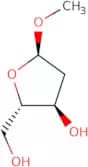

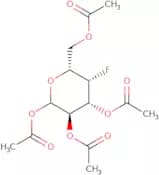
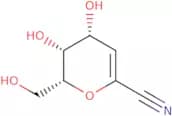
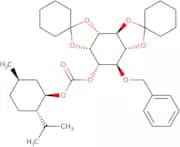
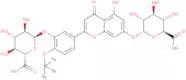


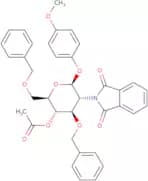
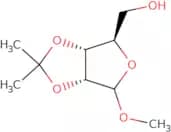
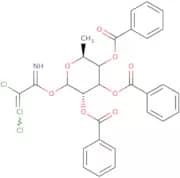

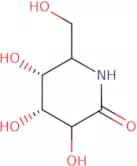
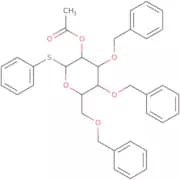
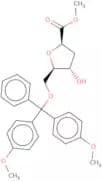


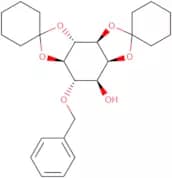
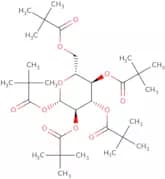
![3-Deoxy-D-[UL-13C6]fructose](/_next/image/?url=https%3A%2Fstatic.cymitquimica.com%2Fproducts%2F3D%2Fthumb-webp%2FMD14754.webp&w=3840&q=75)
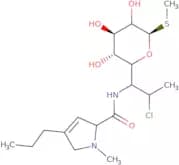
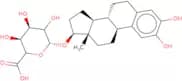
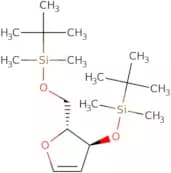

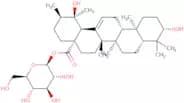

![3-[(2,3,4,6-Tetra-O-acetyl-b-D-glucopyranosyl)thio]-propanoic acid](/_next/image/?url=https%3A%2Fstatic.cymitquimica.com%2Fproducts%2F3D%2Fthumb-webp%2FMT01467.webp&w=3840&q=75)

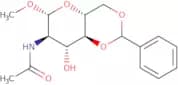
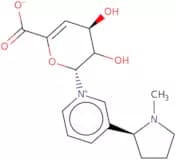
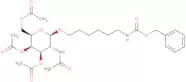

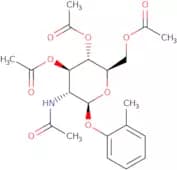
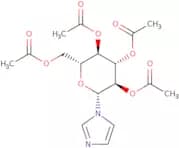


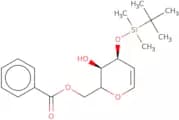


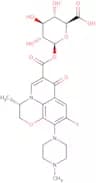
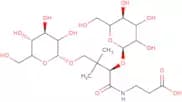

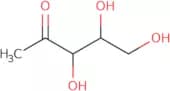
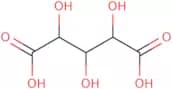


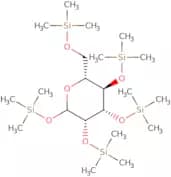
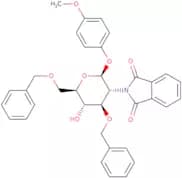


![4-O-Acetyl-2,5-anhydro-1,3-O-isopropylidene-6-[bis(2-cyanoethyl)phosphoryl]-D-glucitol](/_next/image/?url=https%3A%2Fstatic.cymitquimica.com%2Fproducts%2F3D%2Fthumb-webp%2FMA05705.webp&w=3840&q=75)
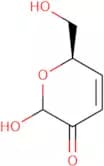
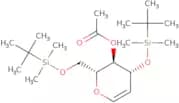
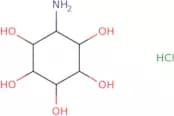


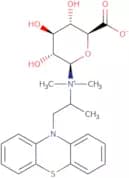
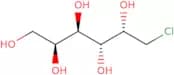
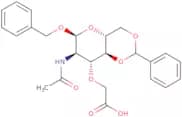
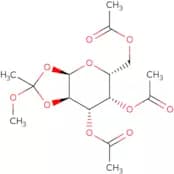
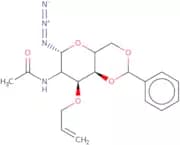
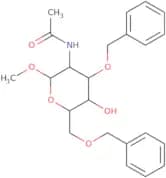

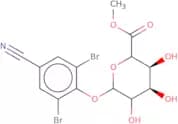
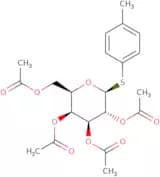

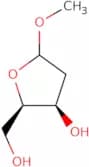
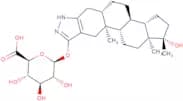
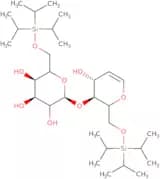
![D-[4,5,6]-Fructose-13C3](/_next/image/?url=https%3A%2Fstatic.cymitquimica.com%2Fproducts%2F3D%2Fthumb-webp%2FMF171832.webp&w=3840&q=75)
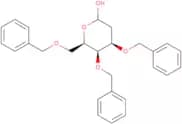


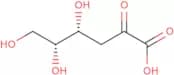
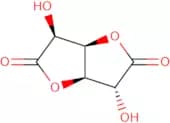
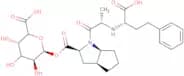

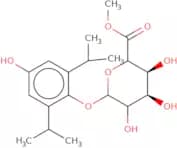
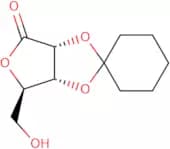
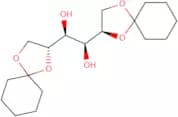
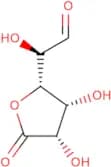
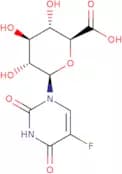
![2-Deoxy-2-fluoro-L-[UL-13C]fucose](/_next/image/?url=https%3A%2Fstatic.cymitquimica.com%2Fproducts%2F3D%2Fthumb-webp%2FMD45885.webp&w=3840&q=75)
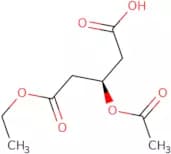
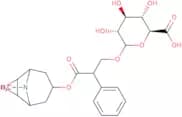
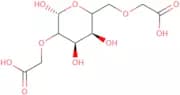
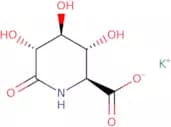
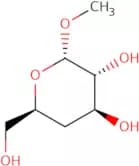
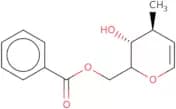

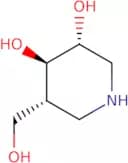
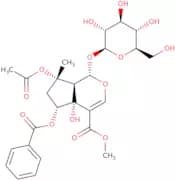
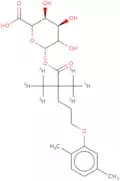

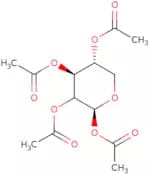
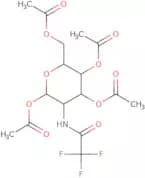
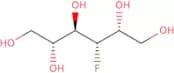
![8-D-Glucopyranosyl-7,8,9,10-tetrahydro-6,10-methano-6H-pyrazino[2,3-h][3]benzazepine](/_next/image/?url=https%3A%2Fstatic.cymitquimica.com%2Fproducts%2F3D%2Fthumb-webp%2FMG183915.webp&w=3840&q=75)