Monossacáridos
Subcategorias de "Monossacáridos"
- Aloses(11 produtos)
- Arabinoses(21 produtos)
- Eritroses(11 produtos)
- Frutoses(9 produtos)
- Fucoses(36 produtos)
- Galactosamina(41 produtos)
- Galactoses(261 produtos)
- Glucoses(365 produtos)
- Ácidos Glucurónicos(52 produtos)
- Glico-substratos para enzimas(78 produtos)
- Guloses(6 produtos)
- Idoses(4 produtos)
- Inositóis(15 produtos)
- Lixoses(4 produtos)
- Mannoses(65 produtos)
- O-Glicanos(48 produtos)
- Psicoses(3 produtos)
- Ramnoses(10 produtos)
- Riboses(61 produtos)
- Ácidos siálicos(100 produtos)
- Sorboses(4 produtos)
- Açúcares(173 produtos)
- Tagatoses(4 produtos)
- Taloses(8 produtos)
- Xiloses(20 produtos)
Foram encontrados 6088 produtos de "Monossacáridos"
L-[1-13C]Fucose
CAS:L-[1-13C]Fucose is a custom synthesis. It is an oligosaccharide that consists of D-fucose, which is a sugar found in the cell wall of bacteria. L-[1-13C]Fucose has been used as a substrate for methylation reactions and click chemistry modifications to study the binding affinity of various proteins. This compound has also been used in saccharide modification studies and glycosylation reactions.Fórmula:CC5H12O5Pureza:Min. 95%Cor e Forma:PowderPeso molecular:195.19 g/molO-(D-Glucopyranosylidene)amino N-phenylcarbamate
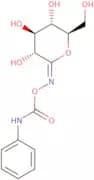
CAS:O-(D-glucopyranosylidene)amino N-phenylcarbamate is a synthetic monosaccharide that is used in our laboratory as an intermediate for the synthesis of complex carbohydrates. It is also used in the modification of polysaccharides and glycosylations. This compound has been shown to be stable to hydrolysis, methylation, and oxidation. O-(D-glucopyranosylidene)amino N-phenylcarbamate has been shown to be a high purity product with a CAS number of 104012-84-2.
Fórmula:C13H16N2O7Pureza:Min. 95%Peso molecular:312.28 g/mol2-C-Methyl- D- xylonic acid g- lactone
2-C-Methyl- D- xylonic acid g- lactone is a monosaccharide that can be used in the synthesis of oligosaccharides and complex carbohydrates. This compound is a fluorinated carbohydrate, which has been modified to include a methyl group at the C2 position. The chemical name for this compound is 2-C-Methyl-D-xylonic acid g-lactone and it has CAS No. 4983-92-1. This compound can be synthesized as a custom order and its purity exceeds 99%. Its synthesis can involve glycosylation or methylation, depending on the desired product.
Pureza:Min. 95%trans-Zeatin-7-glucoside
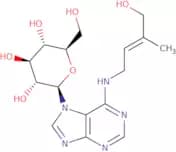
CAS:Trans-zeatin-7-glucoside is an abscisic acid (ABA) metabolite that can be found in plant tissue. It is used as a natural product to regulate growth and development. Trans-zeatin-7-glucoside has been shown to inhibit the biosynthesis of gibberellins, which are plant hormones that promote cell elongation. This compound is purified from plant tissues by chromatographic methods, such as reversed phase HPLC or ion exchange chromatography. The sample preparation involves extraction with a solvent such as methanol or chloroform followed by purification on an analytical column. Immunoaffinity chromatography is also used for sample preparation, which involves binding to antibody molecules on the surface of a solid support material. Trans-zeatin-7-glucoside can be detected using analytical methods such as gas chromatography or liquid chromatography coupled with mass spectrometry. Trans-zeatin-7-Fórmula:C16H23N5O6Pureza:Min. 95 Area-%Cor e Forma:PowderPeso molecular:381.38 g/mol1,2,3,4,6-Penta-O-pivaloyl-α-D-glucopyranoside
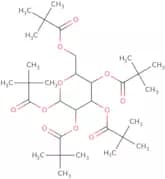
CAS:1,2,3,4,6-Penta-O-pivaloyl-a-D-glucopyranoside is a synthetic carbohydrate that has been fluorinated and methylated. This product is a modification of the natural compound D-glucose. It is an oligosaccharide which contains six pivaloyl groups attached to the 1-, 2-, 3-, 4-, 6-, and 7-positions on the glucose molecule. This product can be used in the synthesis of polysaccharides and glycosylations.Fórmula:C31H52O11Pureza:Min. 95%Peso molecular:600.75 g/mol2,3-O-Isopropylidene-D-lyxonic acid-1,4-lactone
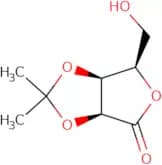
CAS:2,3-O-Isopropylidene-D-lyxonic acid-1,4-lactone (2,3-OIPDL) is a fluorinated polysaccharide that is synthesized from glycosylation of 1,4-lactone with 2,3-O-isopropylidene D-lyxonic acid. This compound has been shown to have high purity and is used in the modification of carbohydrates.Fórmula:C8H12O5Pureza:Min. 98 Area-%Cor e Forma:White Off-White PowderPeso molecular:188.18 g/molCroscarmellose sodium
CAS:Superdisintegrant used in pharmaceutical formulationsCor e Forma:White PowderPeso molecular:982.44N-Acetylmuramic acid
CAS:Component of peptidoglycan in bacterial cell walls. Peptidoglycan is a mesh-like polymer, made of a glycan backbone containing alternating subunits of Nâacetylglucosamine (GlcNAc) and Nâacetylmuramic acid (MurNAc). An enzyme substrate that is used to characterize and differentiate MurNAc and GlcNAc kinases.
Fórmula:C11H19NO8Pureza:Min. 97 Area-%Cor e Forma:White PowderPeso molecular:293.27 g/molPhenyl 4,6-O-benzylidene-β-D-glucopyranoside
CAS:Phenyl 4,6-O-benzylidene-b-D-glucopyranoside is a white crystalline powder that belongs to the group of glycoconjugates. It has been made by the modification of glycosides and saccharides. This product can be used as a fluorination agent in organic synthesis, or as a click modification in carbohydrate chemistry. Phenyl 4,6-O-benzylidene-b-D-glucopyranoside can also be used for glycosylation reactions and methylation reactions.Fórmula:C19H20O6Pureza:Min. 95%Cor e Forma:White to off-white solid.Peso molecular:344.36 g/mol2,3,4,6-Tetra-O-benzyl-a-D-glucopyranosyl fluoride
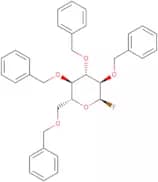
CAS:2,3,4,6-Tetra-O-benzyl-a-D-glucopyranosyl fluoride is a modification of a carbohydrate. It is a complex carbohydrate that has the CAS No. 89025-46-7 and is custom synthesized. The product contains an oligosaccharide and high purity that are synthetic and monosaccharides that are methylated, glycosylated, and polysaccharides that are sugars with fluorination. The product also contains saccharides with glycosylation and polysaccharide sugar units.Fórmula:C34H35FO5Pureza:Min. 95%Cor e Forma:White To Off-White SolidPeso molecular:542.64 g/molBenzyl 3-O-benzyl-4,6-O-benzylidene-2-deoxy-2-N-phthalamido-a-D-glucopyranoside
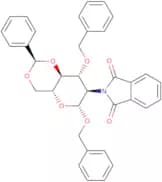
CAS:Benzyl 3-O-benzyl-4,6-O-benzylidene-2-deoxy-2-N-phthalamido-a-D-glucopyranoside is a sugar that is used as a building block for the synthesis of glycosaminoglycans. This sugar can be fluorinated, glycosylated, or methylated and is a synthetically modified oligosaccharide with an average molecular weight of about 880 Da. The monomer unit consists of two glucose residues linked by an α(1→4) glycosidic bond. It has been shown to have antihypertensive properties in vitro and in vivo.Fórmula:C35H31NO7Pureza:Min. 95%Cor e Forma:White to off-white solid.Peso molecular:577.62 g/mol3-o-Benzyl-diacetonide-d-glucose
3-O-benzyl-diacetonide-d-glucose is a synthetic monosaccharide that can be used as a building block for oligosaccharides and polysaccharides. It is custom synthesized to meet your specific needs and can be modified with fluorination, methylation, or glycosylation. 3-O-benzyl-diacetonide-d-glucose has been shown to have high purity and is available in small quantities for custom synthesis.
Pureza:Min. 95%6-O-Desmethyl donepezil glucuronide sodium (Mixture of Diastereomers)
CAS:Please enquire for more information about 6-O-Desmethyl donepezil glucuronide sodium (Mixture of Diastereomers) including the price, delivery time and more detailed product information at the technical inquiry form on this pageFórmula:C29H35NO9•NaPureza:Min. 95%Peso molecular:540.59 g/molD-Sorbitol
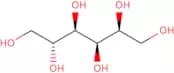
CAS:Sorbitol, also known as glucitol, occurs widely in plants, such as, the fruits of the Sorbus and Crataegus spp. Commercially it is produced by the catalytic hydrogenation of glucose (Collins, 2006). Sorbitol is approved as a sugar substitute with the E number 420 and has âgenerally recognized as safeâ status (GRAS) from the US Food and Drug Administration. It is about 60% as sweet as sucrose and is a mild laxative. Sorbitol has a wide range of other functional properties, including: humectancy, plasticizing ability, non-cariogenicity, and good chemical stability in harsh conditions, such as, alkaline pH and heat. Toothpaste production is the second largest application of sorbitol, accounting for 50,000 tons a year in Western Europe alone. Other important uses of sorbitol as a humectant, include: formulation of cough syrups, multivitamin preparations, emulsions, and suspensions (OâNeil, 2013).
Fórmula:C6H14O6Pureza:Min. 98 Area-%Cor e Forma:White PowderPeso molecular:182.17 g/mol1,2,3,5-Tetra-O-acetyl-b-L-ribofuranose
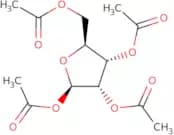
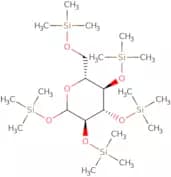
CAS:1,2,3,5-Tetra-O-acetyl-b-L-ribofuranose is a synthetic carbohydrate that can be modified with fluorination, methylation, or monosaccharide. It is a monomeric sugar that is used in the synthesis of oligosaccharides and polysaccharides. The compound has been shown to have antiviral properties against human immunodeficiency virus type 1 (HIV-1).Fórmula:C13H18O9Pureza:Min. 95%Cor e Forma:White PowderPeso molecular:318.3 g/mol1,2,3,4,6-Penta-O-trimethylsilyl-D-glucopyranose
CAS:1,2,3,4,6-Penta-O-trimethylsilyl-D-glucopyranose is a high purity product custom synthesized for research purposes. It is a sugar that has been modified by the Click modification and fluorination. 1,2,3,4,6-Penta-O-trimethylsilyl-D-glucopyranose is an oligosaccharide with a complex carbohydrate structure that can be used in glycosylation reactions. This product is a saccharide with a CAS number of 19126-99-9.Fórmula:C21H52O6Si5Pureza:Min. 95%Cor e Forma:Colorless PowderPeso molecular:541.07 g/molAllyl 2-acetamido-2-deoxy-?-D-glucopyranoside
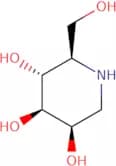
CAS:Allyl 2-acetamido-2-deoxy-a-D-glucopyranoside is a synthetic oligosaccharide that has the ability to bind to the O antigen of bacterial cells. It is used in vaccines as an adjuvant and has been shown to increase antibody production and provide protection against Shigella, a bacterial infection. This compound also shows chemoenzymatic activity, which allows for regiospecifically catalytic conversion of glycosides. Allyl 2-acetamido-2-deoxy-a-D-glucopyranoside binds to specific microbial enzymes that contain an acceptor site, with its catalytic function being activated by these enzymes.Fórmula:C11H19NO6Pureza:Min. 95%Cor e Forma:PowderPeso molecular:261.27 g/mol1-Deoxymannojirimycin HCl
CAS:Potent and specific inhibitor of α-mannosidase I. It is active against the Golgi isoform (GMI) of the enzyme and blocks carbohydrate branch elongation from immature to complex and hybrid N-glycans. Its anti-viral activity against HIV-1 is characterized by the alteration of N-glycan pattern and shift to high-mannose glycans on viral glycoprotein gp120, resulting in decreased infectivity of newly synthesized virions.
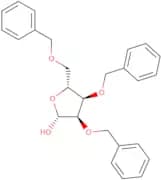
Fórmula:C6H13NO4·HClPureza:Min. 98 Area-%Cor e Forma:White Off-White PowderPeso molecular:199.63 g/mol2,3,5-Tri-O-benzyl-b-D-ribofuranose
CAS:2,3,5-Tri-O-benzyl-b-D-ribofuranose is a synthetic monosaccharide that is used in the synthesis of complex carbohydrates such as glycosylation and polysaccharides. One use for this chemical is to modify the sugar moiety with methyl groups, yielding 2,3,5-tri-O-methyl b-D-ribofuranose. This modification helps prevent the sugar from being metabolized by enzymes in the body. The chemical can also be fluorinated to yield 2,3,5-trifluoro b-D-ribofuranose.
Fórmula:C26H28O5Pureza:Min. 95%Cor e Forma:White PowderPeso molecular:420.5 g/molPhenyl-β-D-thioglucuronic acid
CAS:Phenyl-beta-D-thioglucuronic acid is a drug that is used to treat inflammatory diseases and autoimmune diseases. It is a basic structure that has been shown to have anti-estrogenic effects in vitro, although the mechanism of action is not well understood. Phenyl-beta-D-thioglucuronic acid can be crosslinked with proteins to form a matrix for wound healing. This drug has also been shown to be a potent inhibitor of proteases, and may inhibit other enzymes such as matrix metalloproteinases and serine proteases.
Fórmula:C12H14O6SPeso molecular:286.31 g/molRef: 3D-P-4300
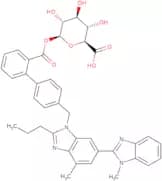
-Unit-ggA consultar1gA consultar5gA consultar10gA consultar500mgA consultar2500mgA consultarTelmisartan acyl-b-D-glucuronide
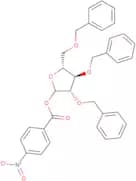
CAS:Telmisartan acyl-b-D-glucuronide is a drug metabolite that is formed by the conjugation of telmisartan with glucuronic acid. Telmisartan acyl-b-D-glucuronide is activated in vivo and reversibly inhibits the enzyme creatine kinase, which is involved in the metabolism of creatine to creatinine. The effective dose for this compound has been shown to be 10 mg/kg (orally) in humans. Telmisartan acyl-b-D-glucuronide has been shown to be an at1 receptor antagonist and may have some antihypertensive effects via modulation of ion channels. This drug also appears to have some proliferative effects on cells that are inhibited by radiation.Fórmula:C39H38N4O8Pureza:Min. 95%Cor e Forma:Off-White PowderPeso molecular:690.74 g/mol2,3,5-Tri-O-benzyl-1-O-(4-nitrobenzoyl)-D-arabinofuranose
CAS:2,3,5-Tri-O-benzyl-1-O-(4-nitrobenzoyl)-D-arabinofuranose is an organic compound that belongs to the group of furan derivatives. The configuration of this molecule was determined to be (2S,3S) by the use of stereoselective synthesis. It can be synthesized from a benzaldehyde and a ribofuranosyl chloride with a yield of about 95%. This compound has been shown to react with azides in a catalytic transfer reaction yielding yields of up to 100%.Fórmula:C33H31NO8Pureza:Min. 95%Cor e Forma:PowderPeso molecular:569.6 g/molPeonidin-3-O-arabinoside chloride
CAS:Peonidin-3-O-arabinoside chloride is a flavonol glycoside that is found in the plant peony and inhibits lipid absorption. It has inhibitory properties on fat absorption in vitro. Peonidin-3-O-arabinoside chloride also inhibits the activity of enzymes that break down dietary fats, such as pancreatic lipase, thereby preventing fat absorption. This compound has been shown to lower serum cholesterol levels and reduce blood pressure in vivo human trials. Peonidin-3-O-arabinoside chloride is extracted from the bark of the tree species Paeonia suffruticosa and is used as an ingredient in some weight loss supplements.Fórmula:C21H21O10·ClPureza:Min. 95%Cor e Forma:White Off-White PowderPeso molecular:468.84 g/mol4-Methoxyphenyl 3-O-benzyl-4,6-O-benzylidene-2-deoxy-2-phthalimido-β-D-glucopyranoside
CAS:4-Methoxyphenyl 3-O-benzyl-4,6-O-benzylidene-2-deoxy-2-phthalimido-b-D-glucopyranoside is a complex carbohydrate that has been modified with methylation and glycosylation. It has been synthesized using the following reactants: 4-(methoxy)phenol, benzaldehyde, and 2,3,4,6,-tetraacetylpiperidine. This product has a CAS number of 129575–88–8 and is available for custom synthesis in quantities from 1 gram to 50 kilograms. This product is used as a custom synthesis for oligosaccharides or polysaccharides.Fórmula:C35H31NO8Pureza:Min. 95%Peso molecular:593.62 g/mol1-O-Benzyl-2N, 3-O-carbonyl-α-L-sorbofuranosylamine
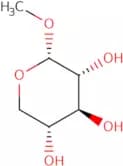
CAS:Apigenin is a flavone, which is a type of phenolic compound. It is one of the most widely distributed plant flavonoids found in nature. Apigenin has been shown to inhibit glucose uptake and intestinal transport in mice. Apigenin also has been shown to have anti-inflammatory properties, as well as the ability to suppress the growth of cancer cells in vitro. The expression of apigenin was observed after incubation with caco-2 cells and was upregulated when maltose was added to the media. Apigenin can be used as an additive for food products that are high in sugar content, such as cakes and cookies.Fórmula:C14H17NO6Pureza:Min. 95%Cor e Forma:Colourless LiquidPeso molecular:295.29 g/molMethyl a-D-xylopyranoside
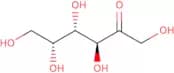
CAS:Methyl a-D-xylopyranoside is an iron chelator that can be used as a mycobacterial drug candidate. It binds to both ferric and ferrous iron, and has been shown to inhibit the uptake of ferric iron by Mycobacterium tuberculosis. It also inhibits the synthesis of siderophores, which are molecules produced by bacteria in order to acquire iron from their environment. Methyl a-D-xylopyranoside does not bind to the alpha-d-glucopyranoside moiety typically found in iron complexes. This is due to its hydroxamate group, which causes it to have an increased affinity for Fe3+. This compound is active against gram negative bacteria such as E. coli and Salmonella enterica serovar Typhimurium, but not against gram positive organisms such as Staphylococcus aureus or Streptococcus pneumoniae.Fórmula:C6H12O5Pureza:Min. 95%Cor e Forma:White Off-White PowderPeso molecular:164.16 g/molD-Tagatose
CAS:Low-calorie sweetener; additive in detergents, cosmetics, and pharmaceuticalsFórmula:C6H12O6Pureza:Min. 99 Area-%Cor e Forma:PowderPeso molecular:180.16 g/mol4-Methoxyphenyl 2,3,4,6-tetra-O-acetyl-α-D-mannopyranoside
CAS:4-Methoxyphenyl 2,3,4,6-tetra-O-acetyl-a-D-mannopyranoside is an extracellular calcium modulator that can be used to treat viral infections. It binds to the viral envelope and alters the virus's ability to fuse with cells. 4MPTAA also has antiviral activity against herpes simplex virus type 1 (HSV1) and influenza A virus (IAV). The compound also has anticancer activity by blocking the growth of cancer cells. 4MPTAA can be used for the treatment of microprocessor viruses such as tenella and myxoma. This drug also has a structural analysis profile that can be accessed using a variety of methodologies, including thermodynamic profiling and coagulation profiling.Fórmula:C21H26O11Pureza:Min. 95%Peso molecular:454.42 g/molβ,β-Trehalose
CAS:β,β-Trehalose is a carbohydrate that is synthesized by the expression of a trehalose synthase enzyme from the yeast Saccharomyces cerevisiae. β,β-Trehalose is an acidic sugar with two glucose subunits. It has been shown to have an enzymatic mechanism similar to that of glucose. β,β-Trehalose has been found to increase the solubility and stability of proteins in acidic phs (pHs) by binding to hydroxyl groups on protein surfaces. β,β-Trehalose also binds to alcohols such as ethanol and methanol, which may be due to its ability to form hydrogen bonds between oxygen atoms. This sugar also forms hexamers in solution, which may contribute to its effectiveness as a stabilizer for proteins and other molecules. The optimum ph for β,β-trehalose synthesis is around 5.5-6.0 and it can be used at higher phFórmula:C12H22O11Pureza:Min. 99 Area-%Cor e Forma:White Off-White PowderPeso molecular:342.3 g/mol1,2,3,4,6-Penta-O-acetyl-D-mannopyranose
CAS:1,2,3,4,6-Penta-O-acetyl-D-mannopyranose is an organic chemical compound that belongs to the group of sugars. It is a synthetic compound that can be used as an analytical reagent in hepg2 cells and chloride. 1,2,3,4,6-Penta-O-acetyl-D-mannopyranose has been shown to have a protective effect against adenosine receptors and phosphotungstic acid in brain cells. This sugar also has a strong affinity for lectins and can be used to study the binding of sugars to proteins by titration calorimetry.Fórmula:C16H22O11Pureza:Min. 98 Area-%Cor e Forma:White PowderPeso molecular:390.34 g/mol1-O-Galloyl-b-D-glucose
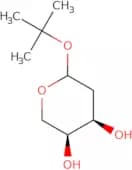
CAS:1-O-Galloyl-b-D-glucose is a molecule that is found in plants and has been used as an inhibitor of p-hydroxybenzoic acid (PHBA) enzyme activities. 1OGG inhibits the growth of viruses by inhibiting the enzymatic activity of their RNA polymerases. It also inhibits mitochondrial membrane potential, which is vital for cellular respiration. 1OGG has shown to be active against urinary infections and opportunistic fungal infections such as Candida glabrata. In vitro assays have shown that it may have anti-inflammatory properties.Fórmula:C13H16O10Pureza:Min. 98 Area-%Cor e Forma:White PowderPeso molecular:332.26 g/moltert-Butyl 2-deoxy-L-ribopyranoside
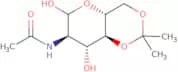
CAS:Tert-butyl 2-deoxy-L-ribopyranoside is a synthetic monosaccharide that can be used in the synthesis of polysaccharides and oligosaccharides. It is also used for fluorination reactions, such as click modification. This compound can be custom synthesized to order, and it is available in high purity. Tert-butyl 2-deoxy-L-ribopyranoside can be modified with a variety of different functional groups, including methylation. It has an CAS number of 1032153-57-3.Fórmula:C9H18O4Pureza:Min. 95%Cor e Forma:White to off-white solid.Peso molecular:190.24 g/mol2-Acetamido-2-deoxy-4,6-O-isopropylidene-D-glucopyranose
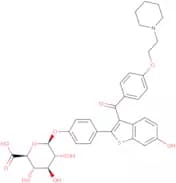
CAS:2-Acetamido-2-deoxy-4,6-O-isopropylidene-D-glucopyranose is a modification of 2,3,4,5,6 tetraacetamido 1,2,3,4,5 pentaoxo 1,2 deoxy D glucose. It is an oligosaccharide that has been synthesized for the first time in 1977. The monosaccharide can be methylated and glycosylated to form polysaccharides such as mannans and galactans. The chemical structure of this product can be modified with fluorination or saccharide substitution.Fórmula:C11H19NO6Pureza:Min. 95%Peso molecular:261.27 g/molRaloxifene 4'-D-glucuronide
CAS:Raloxifene 4'-D-glucuronide is a drug that is a prodrug of raloxifene, and it can be used to treat osteoporosis. The compound is metabolized by glucuronidation in the liver, and it has been found to have bioequivalence with the parent drug. Raloxifene 4'-D-glucuronide is marketed under the trade name Evista.Fórmula:C34H35NO10SPureza:Min. 95%Cor e Forma:PowderPeso molecular:649.71 g/molD-Glucose-13C6
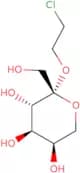
CAS:D-Glucose-13C6 is a complex carbohydrate, which is composed of a glucose molecule with one carbon atom labeled as C6. It is used to study the structure of carbohydrates and their interactions with proteins. D-Glucose-13C6 also has applications in the study of diseases such as Alzheimer's disease, Parkinson's disease, diabetes mellitus type 2, and cancer. In addition, this molecule can be used to measure plasma glucose concentrations in humans or animals. D-Glucose-13C6 is not active against bacteria such as Pseudomonas aeruginosa or Escherichia coli. The synthesis of D-glucose-13C6 requires anhydrous dextrose and unlabeled glucose.Fórmula:C6H12O6Pureza:Min. 98 Area-%Cor e Forma:White PowderPeso molecular:186.11 g/mol2-Chloroethyl-b-D-fructopyranoside
CAS:2-Chloroethyl-b-D-fructopyranoside is a stable reagent that is used to prepare 2,4-dichloroacetophenone (2,4-DAAP), which can be used as a crosslinking agent. This reagent is reactive and should be handled with care. It forms a hemoglobin adduct by reacting with the amino groups of hemoglobin. The reaction can be catalyzed by dialdehydes. Affinities for tissue proteins are created through stepwise reactions involving ring-opening reactions or methemoglobin formation. 2-Chloroethyl-b-D-fructopyranoside can be used to synthesize a polymerized affinity column by using the ring opening reaction in an affinity chromatography process.Fórmula:C8H15ClO6Pureza:Min. 95%Cor e Forma:PowderPeso molecular:242.65 g/molOsmaronin
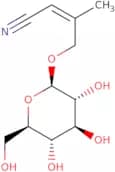
CAS:Leucine-âderived gamma-hydroxynitrile glucoside
Fórmula:C11H17NO6Pureza:Min. 95%Peso molecular:259.26 g/molMethyl β-D-maltopyranoside
CAS:Methyl β-D-maltopyranoside is a disaccharide that is an aglycon of maltosides. It has been shown to bind to the active site of alpha-d-glucopyranosidases, which are enzymes that hydrolyze alpha-d-glucopyranosides. Methyl β-D-maltopyranoside has also been shown to interact with dihedral angles and hydroxyl groups in the enzyme binding region, which may be due to conformational changes in the enzyme's active site. The kinetic constants for methyl β-D-maltopyranoside have been calculated by using an algorithm.Fórmula:C13H24O11Pureza:(%) Min. 98%Cor e Forma:PowderPeso molecular:356.32 g/molKifunensine
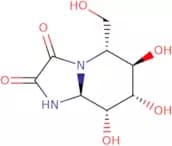
CAS:Kifunensine is a potent and specific inhibitor of plant and animal α-mannosidase I with IC50 in nanomolar range. It inhibits the enzyme isoforms in Golgi apparatus (GMI) and endoplasmatic reticulum (ERMI). The compound prevents mannose trimming on glycoproteins and shifts the glycoform content from complex to oligomannose type. It's used for the production of recombinant therapeutic glycoproteins with mannose rich N-linked glycans.Fórmula:C8H12N2O6Pureza:Min. 99 Area-%Cor e Forma:PowderPeso molecular:232.19 g/molUDP-a-D-xylose
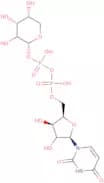
CAS:Substrate for xylosyltransferasesFórmula:C14H22N2O16P2Pureza:Min. 90 Area-%Cor e Forma:PowderPeso molecular:536.28 g/mol1,2-O-Isopropylidene-a-D-xylofuranose
CAS:Chiral building block for synthesis of carbohydrate and nucleoside derivativesFórmula:C8H14O5Pureza:(%) Min. 98%Cor e Forma:White PowderPeso molecular:190.19 g/mol1,4:3,6-Dianhydro-D-mannitol
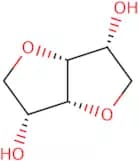
CAS:Building block for polymers synthesis, ionic liquids and chiral auxiliaries
Fórmula:C6H10O4Pureza:Min. 95%Cor e Forma:PowderPeso molecular:146.14 g/mol4,6-O-Benzylidene-D-glucal
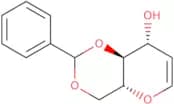
CAS:Glucal is a carbohydrate that is used as a synthon in organic synthesis. It has been shown to be anomeric and can be synthesized by acetylation of the corresponding aldose, or by the glycosidic bond reaction with borohydride reduction. Glucal is not stable at high pH and can undergo ring-opening reactions with nucleophiles such as sodium borohydride. Glucal also reacts with glycoconjugates to form new molecules, which are called glycosidic products.
Fórmula:C13H14O4Pureza:Min. 95%Cor e Forma:White PowderPeso molecular:234.25 g/mol3-Aminopropyl α-D-glucopyranoside
CAS:3-Aminopropyl α-D-glucopyranoside is a monomer that can be used to produce polymers. It has been shown to be effective in methylation, saccharide and oligosaccharide modifications. 3-Aminopropyl α-D-glucopyranoside is an alpha glucosidase inhibitor. The compound also inhibits the action of other enzymes, such as glycosidases, which are responsible for breaking down glycogen and starch. 3-Aminopropyl α-D-glucopyranoside is a white powder with a melting point of about 150°C and boiling point of about 300°C.Fórmula:C9H19NO6Pureza:Min. 95%Cor e Forma:PowderPeso molecular:237.35 g/molMethyl 3-O-benzyl-D-glucopyranoside
CAS:Methyl 3-O-benzyl-D-glucopyranoside is a custom synthesis. It is a complex carbohydrate that is an oligosaccharide, polysaccharide, and modified saccharide. Methyl 3-O-benzyl-D-glucopyranoside can be synthesized from glucose with the use of methylation, glycosylation, or carbonylation reactions. The product has been fluorinated to yield a high purity product. This product can be used for click modifications or sugar chemistry experiments.Pureza:Min. 95%N-Acetyl-D-glucosamine
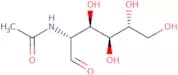
CAS:N-acetyl D-glucosamine (GlcNAc) is an aldohexose (2-acetamido-2-deoxyglucose) in which the hydroxyl group at position 2 is replaced by NHAc (Collins, 2006). N-acetyl D-glucosamine forms the exoskeletons of molluscs and insects as the building block of the polysaccharide chitin (Rudrapatnam, 2003). N-acetyl D-glucosamine is a key component of N- and O-linked glycans, present in glycolipids and the glycosaminoglycan hyaluronic acid (Fallacara, 2018). A recent study has suggested that N-acetyl D-glucosamine may have therapeutic potential for COVID-19 as it affects the spike protein-ACE2 receptor interaction during the infection with SARS-CoV-2 virus (Baysal, 2021).Fórmula:C8H15NO6Pureza:Min. 98 Area-%Cor e Forma:PowderPeso molecular:221.21 g/molIsosorbide dinitrate - 60% lactose and 40% Isosorbide dinitrate
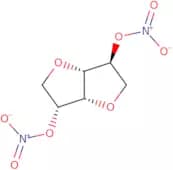
CAS:Isosorbide dinitrate is used to treat chronic bronchitis and congestive heart failure. It dilates blood vessels, allowing more oxygen-rich blood to reach the heart. Isosorbide dinitrate is also used to relieve chest pain (angina) and reduce complications after a heart attack. Isosorbide dinitrate is a prodrug that is converted in vivo to its active form, isosorbide mononitrate, by the enzyme nitric oxide synthase in response to hypoxia. In addition, it has been shown that this drug reduces levels of low-density lipoprotein cholesterol (LDL-C) and may be useful for the treatment of high cholesterol.
The mechanism of action for reducing LDL-C levels is not known but may be due to increased clearance of LDL-C from plasma or decreased production of very low density lipoproteins (VLDL). This medication does not affect triglycerides or high density lipFórmula:C6H8N2O8Pureza:Min. 95%Cor e Forma:White PowderPeso molecular:236.14 g/molEmodin 1-glucoside
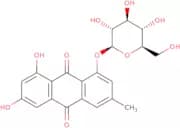
CAS:Emodin 1-glucoside is a natural anthraquinone glycoside that is produced by plants and has been shown to have cytotoxic effects against human cells. Emodin 1-glucoside inhibits the function of enzymes, such as glycosidases, phosphatases, and proteases. This compound is activated by calcium ions and has been shown to disrupt mitochondrial membrane potential. Emodin 1-glucoside also inhibits sugar residues and has shown significant cytotoxicity against cultured human cells at higher concentrations. It may be used as a medicine for the treatment of inflammation or cancer.Fórmula:C21H20O10Pureza:Min. 95%Cor e Forma:PowderPeso molecular:432.38 g/molPhenyl 2-O-benzoyl-4,6-O-benzylidene-3-O-(2-naphthylmethyl)-b-D-thioglucopyranoside
CAS:Phenyl 2-O-benzoyl-4,6-O-benzylidene-3-O-(2-naphthylmethyl)-b-D-thioglucopyranoside is a synthetic sugar with a complex carbohydrate structure. It has been modified by methylation, fluorination, and glycogenation. This product is used in the synthesis of saccharides and oligosaccharides for various purposes. Phenyl 2-O-benzoyl-4,6-O-benzylidene-3-- O-(2--naphthylmethyl)-b--D--thioglucopyranoside is CAS No. 1352561--95--5 and can be custom synthesized to meet your specifications.Fórmula:C37H32O6SPureza:Min. 95%Cor e Forma:PowderPeso molecular:604.71 g/molD-Fucose
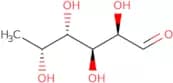
CAS:D-Fucose is a sugar that can be synthesized in vitro. It is a component of the xanthurenic acid pathway, which is involved in the synthesis of l-arabinose. D-Fucose has been found to have anti-leukemic effects and to inhibit enzyme activities in vitro. It has also been shown to bind to the toll-like receptor, α1-acid glycoprotein, and surface membranes. A hydroxyl group at position 1 on the fucose molecule may be important for this binding. D-Fucose's biological properties are related to its structural analysis and the cell receptors it binds with. D-Fucose has an optimum pH level of 7, so it cannot survive outside of a neutral environment. It does not need any biological cofactors or enzymes for its synthesis, so it is classified as a nonessential nutrient. D-Fucose is also used in blood groups because it contains an antigenFórmula:C6H12O5Pureza:Min. 97 Area-%Cor e Forma:White Off-White PowderPeso molecular:164.16 g/mol
![L-[1-13C]Fucose](/_next/image/?url=https%3A%2Fstatic.cymitquimica.com%2Fproducts%2F3D%2Fthumb-webp%2FMF08310.webp&w=3840&q=75)