Monossacáridos
Subcategorias de "Monossacáridos"
- Aloses(11 produtos)
- Arabinoses(21 produtos)
- Eritroses(11 produtos)
- Frutoses(9 produtos)
- Fucoses(36 produtos)
- Galactosamina(41 produtos)
- Galactoses(261 produtos)
- Glucoses(365 produtos)
- Ácidos Glucurónicos(52 produtos)
- Glico-substratos para enzimas(78 produtos)
- Guloses(6 produtos)
- Idoses(4 produtos)
- Inositóis(15 produtos)
- Lixoses(4 produtos)
- Mannoses(65 produtos)
- O-Glicanos(48 produtos)
- Psicoses(3 produtos)
- Ramnoses(10 produtos)
- Riboses(61 produtos)
- Ácidos siálicos(100 produtos)
- Sorboses(4 produtos)
- Açúcares(173 produtos)
- Tagatoses(4 produtos)
- Taloses(8 produtos)
- Xiloses(20 produtos)
Foram encontrados 6088 produtos de "Monossacáridos"
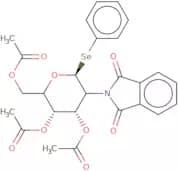
Phenyl 3,4,6-tri-O-acetyl-2-deoxy-2-phthalimido-b-D-selenoglucopyranoside
CAS:Phenyl 3,4,6-tri-O-acetyl-2-deoxy-2-phthalimido b-D-selenoglucopyranoside is a chemical compound that is used in the synthesis of saccharides and oligosaccharides. It has been modified with the Click reaction to give it a reactive group. This modification can be used for glycosylation or for incorporation into polysaccharides such as starch. Phenyl 3,4,6-tri-O-acetyl-2-deoxy b -D selenoglucopyranoside is a high purity synthetic compound that is available in custom synthesis quantities.Fórmula:C26H25NO9SePureza:Min. 95%Peso molecular:574.44 g/molMethyl 3-O-benzyl-D-glucopyranoside
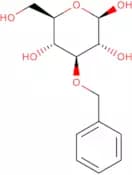
CAS:Methyl 3-O-benzyl-D-glucopyranoside is a custom synthesis. It is a complex carbohydrate that is an oligosaccharide, polysaccharide, and modified saccharide. Methyl 3-O-benzyl-D-glucopyranoside can be synthesized from glucose with the use of methylation, glycosylation, or carbonylation reactions. The product has been fluorinated to yield a high purity product. This product can be used for click modifications or sugar chemistry experiments.Pureza:Min. 95%N-Acetyl-D-glucosamine
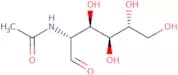
CAS:N-acetyl D-glucosamine (GlcNAc) is an aldohexose (2-acetamido-2-deoxyglucose) in which the hydroxyl group at position 2 is replaced by NHAc (Collins, 2006). N-acetyl D-glucosamine forms the exoskeletons of molluscs and insects as the building block of the polysaccharide chitin (Rudrapatnam, 2003). N-acetyl D-glucosamine is a key component of N- and O-linked glycans, present in glycolipids and the glycosaminoglycan hyaluronic acid (Fallacara, 2018). A recent study has suggested that N-acetyl D-glucosamine may have therapeutic potential for COVID-19 as it affects the spike protein-ACE2 receptor interaction during the infection with SARS-CoV-2 virus (Baysal, 2021).Fórmula:C8H15NO6Pureza:Min. 98 Area-%Cor e Forma:PowderPeso molecular:221.21 g/molD-Mannose
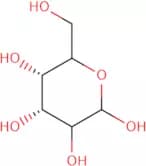
CAS:Mannose (Man) is the C2 epimer of glucose with one hydroxyl group axial which by Hudsons rules makes it slightly less stable than glucose (Hudson, 1948). However, mannose is very common in plants and animals, and occurs in many polysaccharides, such as, galactomannans (e.g. Guar, Locust Bean Gum), mananns (e.g. Ivory Nut Mannan), Spruce Galactoglucomannan, Gum Ghatti (Whistler, 1993) and bakerâs yeast (Saccharomyces cerevisiae) (Manners, 1973). Mannose is one of the key mammalian monosaccharides (Glucose, Galactose, Mannose, Fucose, N-Acetyl Glucosamine, N-Acetyl galactosamine and Sialic acid) and occurs in N-linked glycans where it is a core oligosaccharide (Gabius, 2009).Fórmula:C6H12O6Pureza:Min. 98 Area-%Cor e Forma:White PowderPeso molecular:180.16 g/molD-Glucosamine-3-O-sulphate
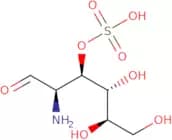
CAS:D-Glucosamine-3-O-sulphate is a naturally occurring sugar found in the human body. It is a structural component of a number of important molecules, such as glycoproteins, heparin, and glycosaminoglycans. D-Glucosamine-3-O-sulphate has been shown to inhibit the growth of mouse tumor cells by activating effector proteins that induce apoptosis and inhibit axonal growth. It also promotes oligodendrocyte differentiation, which may be due to its ability to increase heparin levels and reduce hepcidin expression.Fórmula:C6H13NO8SPureza:Min. 95%Cor e Forma:White PowderPeso molecular:259.23 g/molIsosorbide dinitrate - 60% lactose and 40% Isosorbide dinitrate
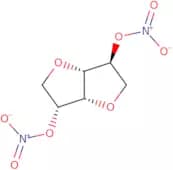
CAS:Isosorbide dinitrate is used to treat chronic bronchitis and congestive heart failure. It dilates blood vessels, allowing more oxygen-rich blood to reach the heart. Isosorbide dinitrate is also used to relieve chest pain (angina) and reduce complications after a heart attack. Isosorbide dinitrate is a prodrug that is converted in vivo to its active form, isosorbide mononitrate, by the enzyme nitric oxide synthase in response to hypoxia. In addition, it has been shown that this drug reduces levels of low-density lipoprotein cholesterol (LDL-C) and may be useful for the treatment of high cholesterol.
The mechanism of action for reducing LDL-C levels is not known but may be due to increased clearance of LDL-C from plasma or decreased production of very low density lipoproteins (VLDL). This medication does not affect triglycerides or high density lipFórmula:C6H8N2O8Pureza:Min. 95%Cor e Forma:White PowderPeso molecular:236.14 g/molMethyl 2-acetamido-2-deoxy-α-D-glucopyranoside
CAS:Methyl 2-acetamido-2-deoxy-α-D-glucopyranoside is a fluorinated sugar that is used as a building block in the synthesis of complex carbohydrates. It can be custom synthesized to order with purity levels up to 99.8%. The modification process includes methylation, monosaccharide, and polysaccharide modifications. This product is not intended for use in humans or animals.Fórmula:C9H17NO6Pureza:Min. 95%Cor e Forma:PowderPeso molecular:235.23 g/molPhenyl 2-O-benzoyl-4,6-O-benzylidene-3-O-(2-naphthylmethyl)-b-D-thioglucopyranoside
CAS:Phenyl 2-O-benzoyl-4,6-O-benzylidene-3-O-(2-naphthylmethyl)-b-D-thioglucopyranoside is a synthetic sugar with a complex carbohydrate structure. It has been modified by methylation, fluorination, and glycogenation. This product is used in the synthesis of saccharides and oligosaccharides for various purposes. Phenyl 2-O-benzoyl-4,6-O-benzylidene-3-- O-(2--naphthylmethyl)-b--D--thioglucopyranoside is CAS No. 1352561--95--5 and can be custom synthesized to meet your specifications.Fórmula:C37H32O6SPureza:Min. 95%Cor e Forma:PowderPeso molecular:604.71 g/molPhenyl 3,4,6-Tri-O-acetyl-2-deoxy-1-thio-2-(2,2,2-trichloroethoxyformamido)-b-D-glucopyranoside
CAS:Phenyl 3,4,6-tri-O-acetyl-2-deoxy-1-thio-2-(2,2,2-trichloroethoxyformamido)-b-D-glucopyranoside is a glycosylation product of the naturally occurring phenyl 2,3,4,6-tetraacetate. It is a white to off white powder that is stable in air and water. Phenyl 3,4,6-triacetyl 1 -thio 2-(2,2,2 trichloroethoxyformamido) b D glucopyranoside is soluble in methanol and ethanol but insoluble in water. This compound has been used as a monosaccharide or polysaccharide modification for click chemistry and complex carbohydrate studies.Fórmula:C21H24Cl3NO9SPureza:Max. 98 Area-%Cor e Forma:White Off-White PowderPeso molecular:572.84 g/molD-Fucose
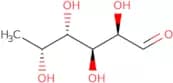
CAS:D-Fucose is a sugar that can be synthesized in vitro. It is a component of the xanthurenic acid pathway, which is involved in the synthesis of l-arabinose. D-Fucose has been found to have anti-leukemic effects and to inhibit enzyme activities in vitro. It has also been shown to bind to the toll-like receptor, α1-acid glycoprotein, and surface membranes. A hydroxyl group at position 1 on the fucose molecule may be important for this binding. D-Fucose's biological properties are related to its structural analysis and the cell receptors it binds with. D-Fucose has an optimum pH level of 7, so it cannot survive outside of a neutral environment. It does not need any biological cofactors or enzymes for its synthesis, so it is classified as a nonessential nutrient. D-Fucose is also used in blood groups because it contains an antigenFórmula:C6H12O5Pureza:Min. 97 Area-%Cor e Forma:White Off-White PowderPeso molecular:164.16 g/molEthyl 2,3,4-tri-O-benzyl-L-thiofucopyranoside
CAS:Ethyl 2,3,4-tri-O-benzyl-L-thiofucopyranoside is a glycosylation agent that is used in the synthesis of complex carbohydrates. It can also be used in the methylation and click modification of saccharides. Ethyl 2,3,4-tri-O-benzyl-L-thiofucopyranoside has been shown to have a high purity and can be custom synthesized to fit the needs of the customer. This product has a CAS number of 169532-17-6 and it is available in both monosaccharides and oligosaccharides.
Fórmula:C29H34O4SPureza:Min. 95%Cor e Forma:White Off-White PowderPeso molecular:478.64 g/mol3-O-Benzyl-D-glucopyranose
CAS:3-O-Benzyl-D-glucopyranose is a molecule that has been optimized for its autodock score. It binds to the active site of peptidases, which are enzymes that break down proteins in the body. 3-O-Benzyl-D-glucopyranose is a nauclea that can be used as a pharmacokinetic (PK) or pharmacodynamic (PD) inhibitor. Nauclea have shown effectiveness against diabetes by preventing the breakdown of glucose, which is an important energy source for cells. 3-O-Benzyl-D-glucopyranose has also been found to be an effective inhibitor of DPPIV, which is an enzyme involved in breaking down insulin and other hormones in blood circulation. In vitro studies have shown that it may also have antiaging properties due to its ability to inhibit production of inflammatory cytokines such as IL1β, IL6, and TNFα.Fórmula:C13H18O6Pureza:Min. 95%Cor e Forma:PowderPeso molecular:270.28 g/molMetrizamide
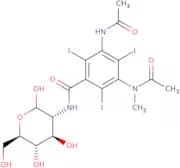
CAS:Radiopaque contrast agent; diagnostic aid for myelographyFórmula:C18H22I3N3O8Pureza:(%) Min. 95%Cor e Forma:White PowderPeso molecular:789.1 g/molD-Ribulose, 0.5-1.0 mol/L aqueous solution
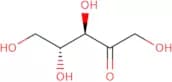
CAS:D-Ribulose is a type of sugar that belongs to the carbohydrate family. It is not metabolized by humans and is used as an energy source by certain bacteria. D-Ribulose is a substrate for bacterial xylitol dehydrogenase, which produces the intermediate xylitol. This product can be used in probiotic bacteria or as an antioxidant compound in biological samples such as coli k-12. D-Ribulose also has conformational properties that are different from other sugars, which may be due to its lack of hydroxyl groups on the ring. The reaction mechanism for this product has been identified and involves hydrogen fluoride (HF) and ribitol dehydrogenase to produce ribulose and hydrogen gas.Fórmula:C5H10O5Pureza:Min. 98 Area-%Cor e Forma:PowderPeso molecular:150.13 g/mol2,3,4,6-Tetra-O-pivaloyl-D-mannopyranosyl fluoride
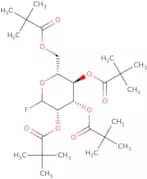
CAS:2,3,4,6-Tetra-O-pivaloyl-D-mannopyranosyl fluoride is a carbohydrate that is synthesized by the modification of D-mannose with 4,6-dichlorohexanoic acid. It is a white powder with a melting point of 170°C. 2,3,4,6-Tetra-O-pivaloyl-D-mannopyranosyl fluoride can be used as a monosaccharide for glycosylation reactions or as an intermediate for custom synthesis. This product has been methylated and glycosylated before the final purification process. It has a high purity level and can be used in Click chemistry reactions.
Fórmula:C26H43FO9Pureza:Min. 95%Cor e Forma:White PowderPeso molecular:518.61 g/mol2,3,4,6-Tetra-O-methyl-D-glucose
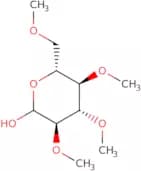
CAS:methyl ether of glucose with the anomeric position free.
Fórmula:C10H20O6Pureza:Min. 95%Cor e Forma:PowderPeso molecular:236.26 g/mol2-C-Methyl- D- xylonic acid g- lactone
2-C-Methyl- D- xylonic acid g- lactone is a monosaccharide that can be used in the synthesis of oligosaccharides and complex carbohydrates. This compound is a fluorinated carbohydrate, which has been modified to include a methyl group at the C2 position. The chemical name for this compound is 2-C-Methyl-D-xylonic acid g-lactone and it has CAS No. 4983-92-1. This compound can be synthesized as a custom order and its purity exceeds 99%. Its synthesis can involve glycosylation or methylation, depending on the desired product.
Pureza:Min. 95%9-(b-D-Galactopyranose)-nonanoic acid
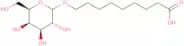
CAS:9-(b-D-Galactopyranose)-nonanoic acid is a custom synthesis, modification and fluorination of a methylated monosaccharide in the form of an oligosaccharide. This synthetic compound is polysaccharide with a carbohydrate group at one end, which can be modified to be glycosylated or saccharified. It has been shown to have anti-inflammatory properties, which may be due to its ability to inhibit prostaglandin synthesis.Fórmula:C15H28O8Pureza:Min. 95%Cor e Forma:SolidPeso molecular:336.38 g/mol2-Deoxy-2-fluoro-D-galactose - non-animal origin
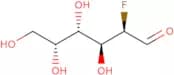
CAS:2-Deoxy-2-fluoro-D-galactose, also called 3-fluoro-6-hydroxymethyl-tetrahydro-pyran-2,4,5-triol, can be added to the medium of primary cultured rat hepatocytes to inhibit N-glycosylation of proteins. Immunoglobulin G (IgG) is the most common antibody found in blood and 2-deoxy-2-fluoro-D-galactose modifies the galactosylation of the N-linked glycan in the IgG-Fc receptor. We also have the same product MD04718.Fórmula:C6H11FO5Pureza:Min. 97 Area-%Cor e Forma:White Off-White PowderPeso molecular:182.15 g/molN-Acetyl-D-galactosamine
CAS:N-Acetyl-D-galactosamine (GalNAc) is an aldohexose (2-acetamido-2-deoxygalactose) in which the hydroxyl group at position 2 is replaced by a N-Acetyl group (Collins, 2006). GalNAc forms a key part of both N- and O-linked glycoproteins, glycolipids, gangliosides, blood groups, glycosaminoglycans (chondroitin and dermatan sulfate) and human milk oligosaccharides. The number of acetylgalactosamine residues attached to the IgA O-linked glycans of Crohn'sdisease patients is significantly decreased, and strongly correlated with clinical activity. It is suggested that alterations of GalNAc attachment in IgA may be useful as a novel diagnostic and prognostic marker of Crohn's disease (Inoue, 2012).Fórmula:C8H15NO6Pureza:Min. 98%Cor e Forma:White PowderPeso molecular:221.21 g/mol3,5-Di-O-benzoyl-2-deoxy-2,2-difluoro-1-O-methanesulfonyl-a-D-ribofuranoside - 75% alpha purity
CAS:3,5-Di-O-benzoyl-2-deoxy-2,2-difluoro-1-O-methanesulfonyl-aDribofuranoside is a glycosylation agent that reacts with the reducing end of glycogen to form a glycosidic linkage. The compound is used in the synthesis of complex carbohydrates and saccharides. 3,5-Di-O-benzoyl-2,2,-difluoro 1,1'-O-(methanesulfonyl) aDribofuranoside is often methylated at the 3' position to obtain 3,5diOBenzoyl 2,2'-difluoro 1,1'-O-(methylsulfonyl)-aDribofuranoside. This compound can be used for click chemistry reactions and modification of polysaccharides. It has been shown to have antiinflammatory effects onFórmula:C20H18F2O8SPureza:Min. 95%Cor e Forma:PowderPeso molecular:456.41 g/mol2,3,4,6-Tetra-O-pivaloyl-a-D-glucopyranosyl bromide
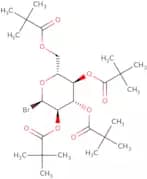
CAS:Intermediate in the synthesis of dapagliflozinFórmula:C26H43BrO9Pureza:Min. 95%Cor e Forma:PowderPeso molecular:579.52 g/molD-Glucosamine-6-phosphate sodium
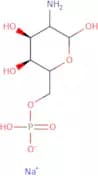
CAS:D-Glucosamine-6-phosphate sodium salt is a custom synthesis of an oligosaccharide, polysaccharide, and carbohydrate. The chemical modification of this compound includes methylation, glycosylation, and carbamylation. This product has high purity with a fluorination level of 98%.
Fórmula:C6H14NO8P·NaPureza:Min. 95%Cor e Forma:White Yellow PowderPeso molecular:282.14 g/mol2-Acetamido-1,3,4,6-tetra-O-acetyl-2-deoxy-b-D-glucopyranose
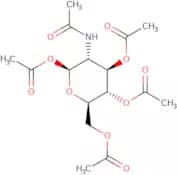
CAS:Promotes hyaluronic acid production; synthetic building blockFórmula:C16H23NO10Pureza:Min. 98 Area-%Cor e Forma:PowderPeso molecular:389.36 g/molMethyl β-D-ribopyranoside
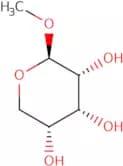
CAS:Methyl β-D-ribopyranoside is a sugar alcohol that belongs to the group of pentoses. It is a potential precursor for the synthesis of phosphite, which is a reactive anion used in organic chemistry. Methyl β-D-ribopyranoside has been shown to regulate the growth of bacteria and fungi by altering their metabolic pathways. This compound also has shown to be programmed death in certain bacterial strains, although it is not clear how it induces this programmed death. Methyl β-D-ribopyranoside can also affect the rhizosphere and can be used as a substrate for anions and sugar alcohols.
Fórmula:C6H12O5Pureza:Min. 99 Area-%Cor e Forma:White PowderPeso molecular:164.16 g/molMethyl 2-acetamido-2-deoxy-a-D-galactopyranoside
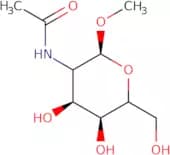
CAS:Methyl 2-acetamido-2-deoxy-a-D-galactopyranoside is a metabolite of the drug 6-fluoro-3-indoxyl-beta-D-galactopyranoside. It has been shown to induce apoptosis in cells, which is mediated by the activation of caspase 3 and cleavage of poly(ADP)ribose polymerase (PARP). Methyl 2-acetamido-2-deoxy-a-D-galactopyranoside also induces transcriptional regulation and decreases the expression of proteins that are involved in cell proliferation. These effects have been seen in clinical pathology, including cancer and infectious diseases. This metabolite binds to mouse monoclonal antibodies, which are used as a diagnostic tool for several types of cancer. The electrochemical impedance spectroscopy technique has demonstrated that methyl 2 acetamido 2 deoxy a D galactopyranoside inhibitsFórmula:C9H17NO6Pureza:Min. 98 Area-%Cor e Forma:White PowderPeso molecular:235.23 g/molPropofol-4-Hydroxy-4-D-glucuronide
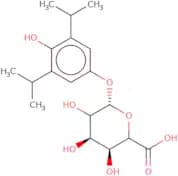
Propofol-4-Hydroxy-4-D-glucuronide is a fluorinated monosaccharide that has been synthesized using the glycosylation, polysaccharide and modification methods. This compound is a custom synthesis that has been modified with methylation and click chemistry. The CAS number for this product is 54910-87-6. This product is a complex carbohydrate with high purity.
Fórmula:C18H26O8Pureza:Min. 95%Peso molecular:370.39 g/mol6-Deoxy-D-lactose
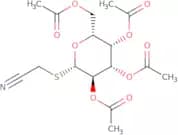
CAS:6-Deoxy-D-lactose is a custom synthesized, complex carbohydrate that is an Oligosaccharide. It is a polysaccharide with a CAS number of 52689-62-0. 6-Deoxy-D-lactose has been modified by methylation and glycosylation and can be used as a Modification of saccharides. 6-Deoxy-D-lactose has been fluorinated and it can be synthesized by Click modification of sugar or high purity. 6-Deoxy-D-lactose is a white, crystalline powder that is soluble in water, ethanol, and acetone.br> 6 Deoxy Lactose (6DL) is an oligosaccharide that consists of one glucose molecule linked to one galactose molecule via alpha 1-->4 glycosidic linkage. The chemical formula for 6DL is C 12 H 22 O 11 . 6DLFórmula:C12H22O10Pureza:Min. 95%Cor e Forma:Off-White PowderPeso molecular:326.3 g/molCyanomethyl 2,3,4,6-tetra-O-acetyl-b-D-thioglucopyranoside
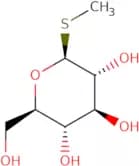
CAS:Cyanomethyl 2,3,4,6-tetra-O-acetyl-b-D-thioglucopyranoside is a synthetic glycosylation agent. It is an acetal derivative of b-D-thioglucopyranoside with a terminal methyl group at C2 and a fluorine atom at C6. This product can be used to modify saccharides and sugars in a variety of ways. It has been shown to react with various carbohydrates including polysaccharides and oligosaccharides. Synthetic glycosylations are often used in the synthesis of complex carbohydrates for use in pharmaceuticals or chemical engineering. The CAS number for this product is 61145-33-3.Fórmula:C16H21NO9SPureza:Min. 95%Peso molecular:403.41 g/molMethyl b-D-thioglucopyranoside
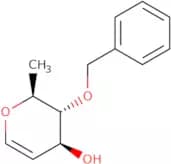
CAS:Methyl b-D-thioglucopyranoside is a mucolytic that is used to treat respiratory disorders such as chronic bronchitis, asthma, and emphysema. It can be used topically or orally, and is typically taken twice a day. Methyl b-D-thioglucopyranoside works by breaking down the mucus coating in the lungs, making it easier to cough up. This drug also has viscosity-lowering properties due to its ability to break down mucus.Fórmula:C7H14O5SPureza:Min. 95%Peso molecular:210.25 g/mol4-O-Benzyl-L-rhamnal
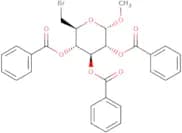
CAS:4-O-Benzyl-L-rhamnal is a functionalized, asymmetric, glycosylating agent that is used in the synthesis of glycoconjugates. 4-O-Benzyl-L-rhamnal is synthesized by the reaction of benzaldehyde with an aldehyde group on the sugar molecule. The product is then reacted with an alcohol to form a glycosidic bond. This process can be repeated until the desired number of sugar molecules are added. It can also be used to synthesize disaccharides and polysaccharides by convergent or nucleophile reactivity. 4-O-Benzyl-L-rhamnal utilizes a chiral auxiliary to produce its product, which can be used for synthesis purposes or as a starting material for other reactions.Fórmula:C13H16O3Pureza:Min. 95%Cor e Forma:PowderPeso molecular:220.27 g/molMethyl-2,3,4-tri-O-benzoyl-6-bromo-6-deoxy-alpha-D-glucopyranoside
CAS:Methyl-2,3,4-tri-O-benzoyl-6-bromo-6-deoxy-alpha-D-glucopyranoside is a sugar that belongs to the group of monosaccharides. It is a custom synthesis product that can be synthesized and modified according to customer's requirements. Methylation, fluorination and saccharide modification are possible and highly pure methylated products can be produced with high purity.Fórmula:C28H25BrO8Pureza:Min. 95%Peso molecular:569.4 g/molPhenyl 2,3,4,6-tetra-O-benzyl-b-D-thioglucopyranoside
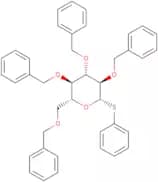
CAS:Phenyl 2,3,4,6-tetra-O-benzyl-b-D-thioglucopyranoside is a modification. It is an oligosaccharide that belongs to the class of carbohydrates. Phenyl 2,3,4,6-tetra-O-benzyl-b-D-thioglucopyranoside has a high purity and can be synthesized in a custom manner. It is a white to off white powder that has CAS No. 38184-10-0 and can be used for glycosylation or methylation reactions. It also has fluoroquinolone resistance and can be used as a complex carbohydrate in the synthesis of polysaccharides.Fórmula:C40H41O5SPureza:Min. 95%Cor e Forma:White Off-White PowderPeso molecular:632.83 g/mol2,3,5-Tri-O-benzoyl-2- C- methyl- D- arabinonic acid γ-lactone
2,3,5-Tri-O-benzoyl-2- C- methyl- D- arabinonic acid gamma-lactone is a modification of an oligosaccharide. It is synthesized by the benzoylation of 2,3,5-trihydroxybenzoic acid with methyl iodide and sodium carbonate in acetic acid. The product is purified by recrystallization from methanol and water to yield a white crystalline solid. The chemical formula for 2,3,5-tri-O-benzoyl-2- C- methyl--D--arabinonic acid gamma lactone is C14H16O8. The molecular weight of the compound is 478.26 g/molPureza:Min. 95%Esculin - Anhydrous
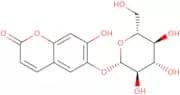
CAS:Esculin is a natural product obtained from the plant Aesculus hippocastanum. Esculin has been shown to have anti-inflammatory properties in experimental models. It also has been shown to inhibit the activity of both human and animal renin, suppressing kidney fibrosis. Esculin was found to be more effective than indomethacin in preventing the progression of renal disease induced by the model system of chronic kidney disease. Esculin also has antioxidant properties and can reduce oxidative stress caused by free radicals, which may contribute to its anti-inflammatory effects. Esculin is a coumarin derivative that can be used as a chromatographic stationary phase for separation and identification of various chemical compounds.Fórmula:C15H16O9Pureza:Min. 98 Area-%Cor e Forma:PowderPeso molecular:340.28 g/mol1,2;4,5-Di-O-isopropylidene-b-D-fructopyranose
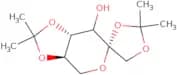
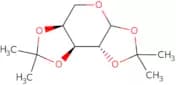
CAS:Synthetic building blockFórmula:C12H20O6Pureza:Min. 95 Area-%Cor e Forma:Off-White PowderPeso molecular:260.28 g/mol1,2:3,4-Di-O-isopropylidene-L-arabinopyranose
CAS:1,2:3,4-Di-O-isopropylidene-L-arabinopyranose is a custom synthesis of 1,2:3,4-di-O-isopropylidene arabinopyranose. It is an oligosaccharide with a glycosylation and methylation that has a high purity with a CAS number of 212069-31-3. This complex carbohydrate can be modified to create new saccharides. The modification process includes fluorination and click chemistry reactions.Fórmula:C11H18O5Pureza:Min. 95%Cor e Forma:PowderPeso molecular:230.26 g/mol3,4-O-Isopropylidene-D-mannitol
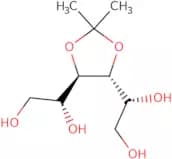
CAS:3,4-O-Isopropylidene-D-mannitol (IPM) is a d-mannitol that has been synthesized by an acid-catalyzed condensation reaction. It is a highly reactive compound with acidic properties and, as such, can be used as a buffer in acid environments. The product of this synthesis was also found to have anticancer activity in vitro, which may be due to its ability to induce apoptosis and inhibit cell proliferation. IPM possesses a hydroxyl group at the 3 position of the molecule and a hydrophilic nature. This makes it suitable for surface-enhanced Raman spectroscopy (SERS) studies and other detection methods.Fórmula:C9H18O6Pureza:Min. 95%Cor e Forma:White Off-White PowderPeso molecular:222.24 g/mol2,3:4,5-Di-O-isopropylidene-D-arabitol
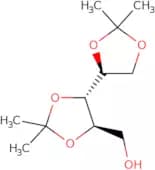
CAS:2,3:4,5-Di-O-isopropylidene-D-arabitol is a synthetic sugar that is used for glycosylation, methylation, and fluorination. The compound is an oligosaccharide that has been modified with methyl groups and activated monosaccharides. 2,3:4,5-Di-O-isopropylidene-D-arabitol is white in color and has a melting point of 109°C. It can be synthesized from D-mannitol with the help of sodium methoxide in methanol. 2,3:4,5-Di-O-isopropylidene-D-arabitol is also known as 1-(2,3:4,5) triose; 1-(2,3:4)-diose; 1-(2,3:4)-triose; 1-(2,3:4)-Fórmula:C11H20O5Pureza:Min. 95%Cor e Forma:Colorless PowderPeso molecular:232.27 g/molThymidine-5'-diphosphate-D-glucose disodium salt
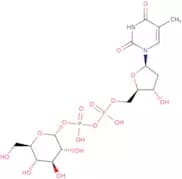
CAS:Starting point for the biosynthesis of more rare sugars such as deoxysugarsFórmula:C16H24N2O16P2Na2Pureza:Min. 95%Cor e Forma:White Off-White PowderPeso molecular:608.29 g/mol1,2:3,5-Di-O-Isopropylidene-α-L-xylofuranose
CAS:1,2:3,5-Di-O-Isopropylidene-a-L-xylofuranose is a fluorinated sugar that is used as a building block in the synthesis of complex carbohydrates and oligosaccharides. It has a CAS number of 131156-47-3. 1,2:3,5-Di-O-Isopropylidene-a-L-xylofuranose is an active component in the modification of saccharide and polysaccharide structures by click chemistry. It can be modified with various functional groups such as methylation or monosaccharide to produce specific compounds. This product is available for custom synthesis.Fórmula:C11H18O5Pureza:Min. 95%Cor e Forma:PowderPeso molecular:230.26 g/molGlucotropaeolin potassium
CAS:Glucotropaeolin potassium is a dietary compound that is found in plants. It contains the flavonoids progoitrin, glucosinolates, and isothiocyanates. Glucotropaeolin potassium can be extracted from plant tissue using a stable isotope to increase the quantity of extract. This extract can then be analyzed by high-performance liquid chromatography (HPLC) and colorimetric methods for its content of glucoraphanin and gluconapin. The profile of this extract can also be determined using silver ions.Fórmula:C14H18NO9S2·KPureza:Min. 98 Area-%Cor e Forma:PowderPeso molecular:447.52 g/mol2,3,4,6-Tetra-O-acetyl-D-glucopyranose
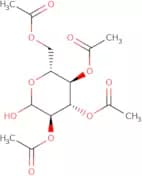
CAS:2,3,4,6-Tetra-O-acetyl-D-glucopyranose is a carbohydrate that is used in the synthesis of besifloxacin. This compound has been studied as an analog for many other natural compounds and its derivatives have shown to be effective against bacteria such as Staphylococcus aureus and Clostridium perfringens. The acetyl groups on this molecule allow it to be easily converted into other compounds with desired properties. This compound has been found to be acidic and can be used as a medicinal preparation or analytical chemistry reagent. The hydroxyl group on the 2 carbon atom allows the molecule to form glycoside derivatives. The halides on this molecule are also important for making new molecules by replacing one of the hydrogen atoms with another halogen atom. The phenylpropanoid glycosides are found in plants and may contain an enantiomeric form of 2,3,4
Fórmula:C14H20O10Pureza:Min. 95%Cor e Forma:White PowderPeso molecular:348.3 g/molAtractyloside dipotassium salt
CAS:Atractyloside dipotassium salt is a chemical compound that acts as a potent mitochondrial toxin. It is primarily derived from plant sources, notably from the Atractylis gummifera species. This compound functions by specifically inhibiting the adenine nucleotide translocase (ANT) located in the inner mitochondrial membrane, thereby obstructing the exchange of ADP and ATP across this membrane. This blockade disrupts ATP synthesis, leading to alterations in cellular bioenergetics and apoptotic pathways.Fórmula:C30H44K2O16S2Pureza:Min. 95 Area-%Peso molecular:802.99 g/molN-Acetyl-2,3-dehydro-2-deoxyneuraminic acid
CAS:Inhibitor of viral, bacterial and animal sialidaseFórmula:C11H17NO8Pureza:Min. 94 Area-%Cor e Forma:White PowderPeso molecular:291.25 g/mol2-Acetamido-3,4,6-tri-O-acetyl-2-deoxy-a-D-glucopyranosyl chloride - Stabilised with 2.5% CaCO3
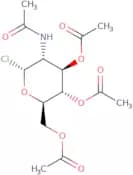
CAS:2-Acetamido-3,4,6-tri-O-acetyl-2-deoxy-a-D-glucopyranosyl chloride - Stabilised with 2.5% CaCO3 is a crystalline compound that is synthesized from acetobromosugars and has the ability to inhibit virus activity. The compound binds to the reactive sulfhydryl groups on the surface of the virus, inhibiting its infectivity. This compound can be used in biomedical research for the treatment of hepatitis.Fórmula:C14H20ClNO8Pureza:Min. 95%Cor e Forma:White PowderPeso molecular:365.76 g/mol1,2,3,5,6-Penta-O-benzoyl-D-galactofuranose
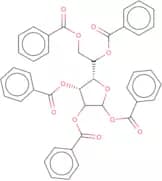
CAS:1,2,3,5,6-Penta-O-benzoyl-D-galactofuranose is a sugar that is custom synthesized and can be modified with fluorination. This product has a CAS number of 138811-45-7 and is high purity. It can be used in glycosylation, oligosaccharide synthesis, methylation, monosaccharide synthesis and polysaccharide synthesis. It is an important building block for the modification of complex carbohydrates.Fórmula:C41H32O11Pureza:Min. 95%Cor e Forma:White PowderPeso molecular:700.69 g/molD-Glucono-1,4-lactone
CAS:D-Glucono-1,4-lactone is a sugar that is produced by the action of glucoamylase on starch or cellulose. It can be used as a source of food for yeast, in the production of polyesters and plastics, and as a precursor to vitamin C. The pH optimum for D-glucono-1,4-lactone production is between 3.5 and 4.5. X-ray crystal structures have shown that the enzyme binds to crystalline cellulose via hydrogen bonding interactions, which are formed by hydroxyl groups on the enzyme and carboxyl groups on crystalline cellulose. These interactions are important for the cleavage of glucose from crystalline cellulose by D-glucono-1,4-lactone. D-glucono-1,4-lactone has been shown to reduce blood glucose levels in rats with metabolic disorders when administered orally at doses
Fórmula:C6H10O6Pureza:Min. 95%Cor e Forma:White PowderPeso molecular:178.14 g/molMethyl 2,3,4-tri-O-methyl-α-D-glucopyranoside
CAS:Methyl 2,3,4-tri-O-methyl-α-D-glucopyranoside is a synthetic monosaccharide that has been fluorinated with bromine. The synthetic process for this compound is click chemistry, which involves the use of copper and a chiral ligand. Methyl 2,3,4-tri-O-methyl-α-D-glucopyranoside is an example of a carbohydrate modification. It is also an oligosaccharide that contains three monosaccharides.
Methyl 2,3,4-tri-O-methyl-α-D-glucopyranoside can be used in glycosylation or methylation reactions due to its high purity and custom synthesis. This compound can also be used as an Oligosaccharide due to its saccharide composition.Fórmula:C10H20O6Pureza:Min. 95%Cor e Forma:PowderPeso molecular:236.26 g/molD-Mannitol
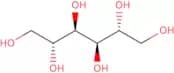
CAS:Mannitol is a sugar alcohol occurring widely in plants and they are exudates, for example, in olive and plane trees (Collins, 2006). It is produced commercially by the catalytic hydrogenation of fructose (Zelin, 2019). Mannitol is used extensively in food and pharmaceutical industries because of its unique functional properties. It is about 50% as sweet as sucrose and has a desirable cooling effect often used to mask bitter tastes. Mannitol is non-cariogenic and has a low caloric content. Mannitol is an osmotic diuretic that is metabolically inert in humans and is used for: the promotion of diuresis before irreversible renal failure becomes established, the promotion of urinary excretion of toxic substances, as an Antiglaucoma agent, and as a renal function diagnostic aid (OâNeil, 2013). Additonally, in 2020, mannitol was approved by the FDA as add-on maintenance therapy for the control of pulmonary symptoms associated with cystic fibrosis in adult patients (McKenna, 2020).Fórmula:C6H14O6Pureza:Min. 95%Cor e Forma:White PowderPeso molecular:182.17 g/mol