Monossacáridos
Monossacarídeos são a forma mais simples de carboidratos e servem como building blocks fundamentais para açúcares mais complexos e polissacarídeos. Essas moléculas de açúcar único desempenham papéis críticos no metabolismo energético, na comunicação celular e nos componentes estruturais das células. Nesta seção, você encontrará uma ampla variedade de monossacarídeos essenciais para pesquisas em bioquímica, biologia molecular e glicociência. Esses compostos são cruciais para estudar vias metabólicas, processos de glicosilação e desenvolvimento de agentes terapêuticos. Na CymitQuimica, oferecemos monossacarídeos de alta qualidade para apoiar suas necessidades de pesquisa, garantindo precisão e confiabilidade em suas investigações científicas.
Subcategorias de "Monossacáridos"
- Aloses(11 produtos)
- Arabinoses(21 produtos)
- Eritroses(11 produtos)
- Frutoses(9 produtos)
- Fucoses(36 produtos)
- Galactosamina(41 produtos)
- Galactoses(261 produtos)
- Glucoses(365 produtos)
- Ácidos Glucurónicos(51 produtos)
- Glico-substratos para enzimas(77 produtos)
- Guloses(6 produtos)
- Idoses(4 produtos)
- Inositóis(15 produtos)
- Lixoses(4 produtos)
- Mannoses(65 produtos)
- O-Glicanos(48 produtos)
- Psicoses(3 produtos)
- Ramnoses(10 produtos)
- Riboses(61 produtos)
- Ácidos siálicos(100 produtos)
- Sorboses(4 produtos)
- Açúcares(173 produtos)
- Tagatoses(4 produtos)
- Taloses(8 produtos)
- Xiloses(20 produtos)
Exibir 17 mais subcategorias
Foram encontrados 6088 produtos de "Monossacáridos"
Ordenar por
Pureza (%)
0
100
|
0
|
50
|
90
|
95
|
100
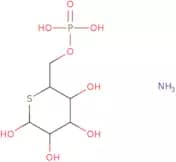
5-Thio-D-glucose-6-phosphate diammonium salt
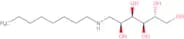
CAS:<p>Glucose 6-phosphatase substrate</p>Fórmula:C6H11O8PS·N2H8Pureza:Min. 95%Cor e Forma:PowderPeso molecular:310.26 g/mol1-Octylamino-1-deoxy-D-glucitol
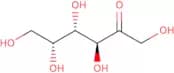
CAS:<p>1-Octylamino-1-deoxy-D-glucitol is a natural product that is extracted from the bark of the tree Streptomyces griseorubens. It has been shown to have a diastereomeric ratio of 97:3 and an optical purity of 98%. The thermodynamic properties of this compound are determined by the reaction time, which can vary from 1 to 24 hours. The enantiomers are separated by chromatography or crystallization, and the solubility data is determined at 25°C.</p>Fórmula:C14H31NO5Pureza:Min. 95%Cor e Forma:PowderPeso molecular:293.4 g/molD-Tagatose
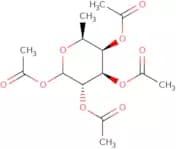
CAS:<p>Low-calorie sweetener; additive in detergents, cosmetics, and pharmaceuticals</p>Fórmula:C6H12O6Pureza:Min. 99 Area-%Cor e Forma:PowderPeso molecular:180.16 g/mol1,2,3,4-Tetra-O-acetyl-L-fucopyranose
CAS:<p>Intermediate for the anomeric modification of Fuc, including fucosylation</p>Fórmula:C14H20O9Pureza:Min. 97 Area-%Cor e Forma:White PowderPeso molecular:332.3 g/molD-Lyxose
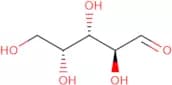
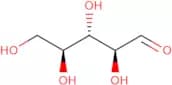
CAS:<p>Starting material for chiral-pool based synthesis of modified nucleosides</p>Fórmula:C5H10O5Pureza:Min. 99 Area-%Cor e Forma:White PowderPeso molecular:150.13 g/mol5-Deoxy-L-arabonic acid 1,4-lactone
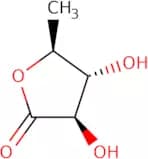
CAS:<p>5-Deoxy-L-arabonic acid 1,4-lactone is a phytochemical present in the flowers of some plants. It has been shown to have anti-cancer properties in lung cancer cells by inhibiting the growth of these cells. 5-Deoxy-L-arabonic acid 1,4-lactone inhibits cell division and induces apoptosis by binding to DNA, preventing replication. This compound also inhibits the production of prostaglandins that promote inflammation, which may be related to its anti-cancer effects. 5-Deoxy-L-arabonic acid 1,4-lactone has been shown to inhibit the production of phenolic compounds such as vanillic acid and apigenin in lung cancer cell lines. These compounds have been shown to have chemopreventive activities against various cancers including breast cancer and colon cancer.</p>Fórmula:C5H8O4Pureza:Min. 95%Cor e Forma:PowderPeso molecular:132.12 g/mol1,3,4,6-Tetra-O-acetyl-a-D-glucopyranose
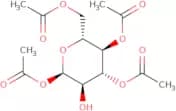
CAS:<p>1,3,4,6-Tetra-O-acetyl-a-D-glucopyranose is a synthon that is used as a synthetic intermediate for the synthesis of other compounds. It is also a reactive compound that can be used to synthesize carboxylic acids and hydroxy ketones by reaction with water or alcohols. 1,3,4,6-Tetra-O-acetyl-a-D-glucopyranose can also be converted into esters by reaction with alcohols.</p>Fórmula:C14H20O10Pureza:Min. 93 Area-%Cor e Forma:White Off-White PowderPeso molecular:348.3 g/mol4-Acetamidophenyl b-D-glucuronide sodium salt
CAS:<p>4-Acetamidophenyl b-D-glucuronide sodium salt is a pharmaceutical drug that is a metabolite of acetaminophen. It can be detected in the urine by biochips, which are microarrays that contain immobilized binding sites for specific analytes. The analysis of 4-acetamidophenyl b-D-glucuronide sodium salt in urine is used to screen for the use of acetaminophen and to identify cytochrome P450 2C19 (CYP2C19) activity. This drug can also be detected by spectrometric methods using biochemical assays on plates or hepatocytes and mass spectrometric detection methods using liquid chromatography/mass spectrometry (LC/MS). Acetaminophen has been shown to have toxic effects on the liver, kidneys, and lungs in humans, as well as on diode photoluminescence.</p>Fórmula:C14H16NNaO8Pureza:Min. 95%Cor e Forma:PowderPeso molecular:349.27 g/molPropyl b-D-glucuronide
CAS:<p>Propyl b-D-glucuronide is a synthetic compound that belongs to the family of carbohydrates. It has a fluorinated hydroxyl group at the C3 position and an esterified carboxylic acid at the C1 position. This compound can be used as a building block for oligosaccharides and polysaccharides, which are complex carbohydrates. Propyl b-D-glucuronide is soluble in water and has a molecular weight of 176.</p>Fórmula:C9H16O7Pureza:Min. 95%Cor e Forma:Tan To Brown SolidPeso molecular:236.22 g/mol1,3,5-Tri-O-benzoyl-2-deoxy-2-fluoro-a-D-arabinofuranose
CAS:<p>Resource for the synthesis of Clofarabine and other bioactive arabinosides</p>Fórmula:C26H21FO7Pureza:Min. 98 Area-%Cor e Forma:White Off-White PowderPeso molecular:464.44 g/molL-Rhamnose diethyl mercaptal
CAS:<p>L-Rhamnose diethyl mercaptal is an antiperspirant and deodorant that is used in combination with other ingredients to reduce or eliminate body odor. It is a supplement, often found in combinations with other compounds such as neodymium and radium. This compound works by preventing the formation of sweat from the apocrine glands, which reduces underarm wetness and body odor. L-Rhamnose diethyl mercaptal also has antimicrobial properties that help prevent bacterial growth on the skin surface.</p>Fórmula:C10H22O4S2Pureza:Min. 95%Cor e Forma:PowderPeso molecular:270.41 g/molMethyl 4,6-O-benzylidene-a-D-mannopyranoside
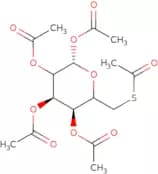
CAS:<p>Methyl 4,6-O-benzylidene-a-D-mannopyranoside is a hexadecanoic acid that is mediated by the target cell. It has been shown to inhibit the growth of bacteria and cancer cells in vitro. Methyl 4,6-O-benzylidene-a-D-mannopyranoside also possesses an antibacterial activity with a low mammalian toxicity. This compound is hydrolyzed by esterases or glucuronidases, oxidized by cytochrome P450 enzymes, reduced by glutathione reductase, or conjugated with glucuronic acid. The residue of this compound has been shown to be carcinogenic in vivo and in vitro. Anticancer activity of this compound may be due to its ability to disrupt DNA synthesis and induce apoptosis of cancer cells.</p>Fórmula:C14H18O6Pureza:Min. 95%Cor e Forma:PowderPeso molecular:282.29 g/mol1,2,3,4-Tetra-O-acetyl-6-S-acetyl-6-deoxy-6-thio-b-D-glucopyranose
<p>1,2,3,4-Tetra-O-acetyl-6-S-acetyl-6-deoxy-6-thio-b-D-glucopyranose is a synthetic compound that is used as a building block for the synthesis of other compounds. It is an acetylated oligosaccharide that can be modified with fluorine atoms to form 1,2,3,4-tetra-[F]fluoro-[F]deoxy-[F]thio-[F]hexose. This product has high purity and can be used in glycosylation reactions.</p>Fórmula:C16H22O10SPureza:Min. 95%Peso molecular:406.41 g/molMethyl 2,3,4-tri-O-acetyl-b-D-galactopyranuronosyl azide
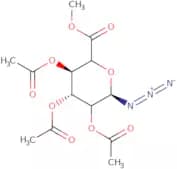
<p>This is a custom synthesis of a carbohydrate. It is a methylated, glycosylated, fluorinated, complex carbohydrate that can be synthesized to any desired degree of substitution. This product has been designed for use as a fluorescent tag or label in biochemistry and cell biology research. It is modified at the anomeric position with an acetyl group and an azide group. The acetyl group confers solubility in water, while the azide group confers fluorescence. The modifications also allow for click chemistry reactions, which are used in protein labeling and activation studies.</p>Fórmula:C13H17N3O9Pureza:Min. 95%Cor e Forma:PowderPeso molecular:359.29 g/mol1-Deoxy-1-(hydroxyethylamino)-D-glucitol
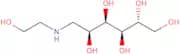
CAS:<p>1-Deoxy-1-(hydroxyethylamino)-D-glucitol (DEG) is a sugar alcohol that has been used as a transport inhibitor for the efflux of galactitol. It competitively inhibits the uptake of galactitol in the cell, resulting in a decrease in intracellular levels of this sugar. The uptake of other sugars is not affected by DEG, which makes it an effective tool for studying the transport mechanisms for these sugars. DEG is also chiral and has been used to study the uptake of chiral molecules. This research was done by using Drosophila melanogaster as an animal model, showing that DEG can be used to investigate how cells take up different molecules. These studies have led to insights into how cells metabolize different sugars and fats.</p>Fórmula:C8H19NO6Pureza:Min. 95%Cor e Forma:PowderPeso molecular:225.24 g/mol2,3,4,6-Tetra-O-acetyl-b-D-thiogalactopyranose
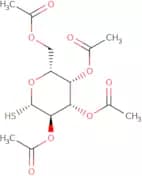
CAS:<p>2,3,4,6-Tetra-O-acetyl-b-D-thiogalactopyranose is a synthetic sugar that is prepared by the fluorination of D-galactopyranose and subsequent acetylation. This compound can be used for glycosylation reactions and as a substrate for click chemistry. It is an oligosaccharide with four monosaccharides in its backbone. The CAS number of 2,3,4,6-Tetra-O-acetyl-b-D-thiogalactopyranose is 50615-66-2.</p>Fórmula:C14H20O9SPureza:Min. 95%Cor e Forma:PowderPeso molecular:364.37 g/molD-Maltose 1-phosphate dipotassium salt
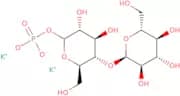
CAS:<p>D-Maltose 1-phosphate dipotassium salt is a disaccharide that can be used in the synthesis of oligosaccharides and polysaccharides. It is also an excellent candidate for further modification.</p>Fórmula:C12H21O14PK2Pureza:Min. 95%Peso molecular:498.46 g/mol2,3,5-Tri-O-benzyl-D-ribofuranose
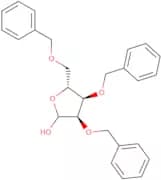
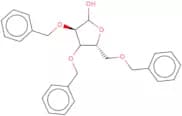
CAS:<p>2,3,5-Tri-O-benzyl-D-ribofuranose is a carbohydrate that can be synthesized through an efficient method. It is a glycoside with an oxotitanium (oxo) group. The synthesis of this compound requires magnesium as the activating agent and o-glycosylation. The glycoconjugates of this compound are found in organisms such as fungi, yeast, and bacteria. In addition to its carbohydrate function, 2,3,5-Tri-O-benzyl-D-ribofuranose has been shown to have antimicrobial properties. This sugar has also been shown to have antiviral properties due to its ability to inhibit the enzyme ribonucleotide reductase (RNR).</p>Fórmula:C26H28O5Pureza:Min. 95%Cor e Forma:White PowderPeso molecular:420.5 g/molDL-Glyceraldehyde 3-phosphate - 45-55 mg/mL aqueous solution
CAS:<p>Glyceraldehyde 3-phosphate (G3P) is an intermediate in the glycolytic pathway. It is also a component of polysaccharides and glycosaminoglycans. G3P is synthesized from glucose by the enzyme triose phosphate isomerase. The synthesis of G3P can be achieved by a number of methods, including methylation, fluorination, and click chemistry. This product contains 45-55 mg/mL of Glyceraldehyde 3-phosphate in water solution at pH 7.0 and at a temperature range of 2-8°C.</p>Fórmula:C3H7O6PPureza:Min. 95 Area-%Peso molecular:170.06 g/mol1,3-O-Benzylidene-D-arabitol
CAS:<p>1,3-O-Benzylidene-D-arabitol is a methylated sugar that is used in the synthesis of complex carbohydrates. It is produced by the modification of a 1,3-O-benzylidene-D-ribitol. It has a CAS number of 70831-50-4 and can be custom synthesized to meet your needs. This product is available in high purity with a 99% yield.</p>Fórmula:C12H16O5Pureza:Min. 95%Cor e Forma:White/Off-White SolidPeso molecular:240.25 g/molL-Fructose
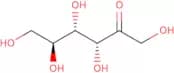
CAS:<p>L-Fructose is a non-reducing sugar that is found in many plants, including honey and fruits. It plays an important role in energy metabolism, as it can be converted to L-glyceraldehyde 3-phosphate by the enzyme aldolase. L-Fructose has also been used in the synthesis of oligosaccharides and other carbohydrates. The analytical method for determining L-fructose involves hydrolysis with acid followed by measurement of the released hydrogen peroxide. The cell culture technique can be used to measure the growth of bacteria that contain fructose as their sole carbon source.</p>Fórmula:C6H12O6Pureza:90%Cor e Forma:White PowderPeso molecular:180.16 g/molD-Mannose - F (from birch)
CAS:<p>Abundant and critical component of natural glycans and glycoproteins</p>Fórmula:C6H12O6Pureza:Min. 98 Area-%Cor e Forma:White PowderPeso molecular:180.16 g/mol1,2,4,6-Tetra-O-acetyl-3-deoxy-D-galactose
<p>1,2,4,6-Tetra-O-acetyl-3-deoxy-D-galactose (1,2,4,6TDA) is a custom synthesis that is a complex carbohydrate. It has been modified with methylation and glycosylation. 1,2,4,6TDA is an oligosaccharide with a molecular weight of 498.06 Da and a CAS number of 90193-74-8. This product is high purity and can be fluorinated. This product can also be synthesized using the click modification reaction.</p>Fórmula:C14H20O9Pureza:Min. 95%Peso molecular:332.3 g/mol1,3,4,6-Tetra-O-acetyl-2-azido-2-deoxy-L-mannopyranose
<p>1,3,4,6-Tetra-O-acetyl-2-azido-2-deoxy-L-mannopyranose is a carbohydrate that is synthesized by the modification of the glycosylation process. It is a methylated and fluorinated oligosaccharide with a high purity. This product is available for custom synthesis in order to meet specific customer requirements.</p>Fórmula:C14H19N3O9Pureza:Min. 95%Cor e Forma:White To Off-White SolidPeso molecular:373.32 g/molD-Gulonic acid-1,4-lactone
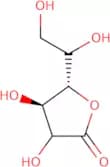
CAS:<p>D-Gulonic acid-1,4-lactone is a naturally occurring compound that is formed from L-gulonic acid and a 1,4-lactone ring. It has been shown to have inhibitory properties against the matrix metalloproteinases MMP-2 and MMP-9. It also has an effect on dehydroascorbic acid, which plays an important role in the regulation of bioavailability of vitamin C. D-Gulonic acid-1,4-lactone has been found to stimulate collagen synthesis in human skin cells, which may be due to its ability to increase the activity of enzymes such as pyruvate kinase and lactate dehydrogenase. The structural analysis of this compound reveals a pyrazole ring with two hydroxyl groups (OH).</p>Fórmula:C6H10O6Pureza:Min. 98 Area-%Cor e Forma:White PowderPeso molecular:178.14 g/mol4-Methoxyphenyl 2,3,4,6-tetra-O-acetyl-β-D-galactopyranoside
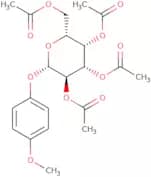
CAS:4-Methoxyphenyl 2,3,4,6-tetra-O-acetyl-b-D-galactopyranoside is a white crystalline powder. It is soluble in water and ethanol. This chemical has been used as a reagent for the methylation of saccharides and oligosaccharides with 4-methoxybenzene sulfonate. It is also an excellent substrate for click chemistry reactions.Fórmula:C21H26O11Pureza:Min. 95%Cor e Forma:White to off-white solid.Peso molecular:454.42 g/mol2,3,4,6-Tetra-O-pivaloyl-D-glucopyranosyl amine
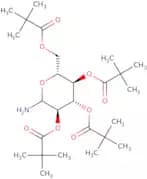
CAS:<p>2,3,4,6-Tetra-O-pivaloyl-D-glucopyranosyl amine is a monosaccharide that is custom synthesized and modified with fluorination. It also has saccharide properties such as methylation and glycosylation. This product can be used in the synthesis of complex carbohydrates or polysaccharides. It is a high purity compound with CAS No. 888963-33-5.</p>Fórmula:C26H45NO9Pureza:Min. 95%Peso molecular:515.64 g/mol1,2,3,4,6-Penta-O-acetyl-a-D-galactopyranose
CAS:<p>1,2,3,4,6-Penta-O-acetyl-a-D-galactopyranose is a pentaacetate of glucose. This compound is transported in the blood and extracellular fluids and has been shown to be a substrate for hexaacetate transport. The transport of this compound by hexaacetate has been shown to bypass the intracellular k+ concentration gradient. It has also been shown to have anti-diabetic effects in animals and humans. 1,2,3,4,6-Penta-O-acetyl-a-D-galactopyranose can also be found in foods that contain beta d glucopyranoside (e.g., bananas). This compound is resistant to digestion and can be found in the stomach or intestines where it postulated to have an inhibitory effect on bacterial growth. 1,2,3,4,6-Penta-O-</p>Fórmula:C16H22O11Pureza:Min. 95%Cor e Forma:White PowderPeso molecular:390.34 g/mol1,2-Isopropylidene-D,L-myo-inositol
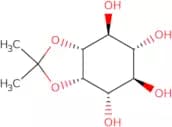
CAS:<p>1,2-Isopropylidene-D,L-myo-inositol is a modification of the natural product myo-inositol. It is synthesized by methylation and glycosylation of inositol with methanol. This chemical compound has been modified to include fluorination and saccharide.</p>Fórmula:C9H16O6Pureza:Min. 95%Cor e Forma:White PowderPeso molecular:220.22 g/mola-Homonojirimycin
CAS:<p>a-Homonojirimycin is a chaperone that is effective in inhibiting HIV infection. It has been shown to inhibit the activity of chymotrypsin, carboxypeptidase A, and aminopeptidase B. The model system used for this compound was the human liver, which showed that a-homonojirimycin had a potent inhibitory activity against these enzymes. This drug also has a dry weight of 1,520 g/mol and an effective dose of 0.01 mg/mL. In vitro studies have shown that a-homonojirimycin inhibits influenza virus by binding to the hemagglutinin protein on the surface of the virus and preventing its attachment to host cells.</p>Fórmula:C7H15NO5Pureza:Min. 98 Area-%Cor e Forma:White PowderPeso molecular:193.2 g/molMethyl 4-deoxy-4-fluoro-a-D-glucose
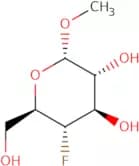
CAS:<p>Methyl 4-deoxy-4-fluoro-a-D-glucose is a synthetic and custom synthesis monosaccharide for use in glycosylation, polysaccharide modification, and click chemistry. It is a fluorinated sugar that can be used in the synthesis of oligosaccharides and complex carbohydrates. Methyl 4-deoxy-4-fluoro-a-D-glucose has CAS number 56926-53-5.</p>Fórmula:C7H13FO5Pureza:Min. 98 Area-%Cor e Forma:PowderPeso molecular:196.17 g/molα-D-Galactosamine-1-phosphate
CAS:<p>a-D-Galactosamine-1-phosphate is a synthetic, fluorinated glycosylation inhibitor. It inhibits the synthesis of complex carbohydrates and is used in biochemical research. This compound has been shown to inhibit the methylation of glycoproteins and polysaccharides. It also inhibits the phosphorylation of glycogen, which may be useful in cases of diabetes mellitus.</p>Fórmula:C6H14NO8PPureza:Min. 95%Cor e Forma:PowderPeso molecular:259.15 g/molD-Galactono-1,4-lactone
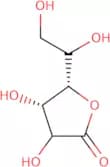
CAS:<p>D-Galactono-1,4-lactone is an intermediate in the galactose catabolism pathway. It is an acidic compound that can be found in plants and bacteria. D-Galactono-1,4-lactone has been shown to inhibit enzyme activities when it is present at high concentrations. This compound also inhibits the enzyme carbon source, which is involved in the conversion of glucose to energy. The deuterium isotope effect on the inhibition of enzyme activity by D-galactono-1,4-lactone has been studied extensively using plant phytochemicals such as triticum aestivum.</p>Fórmula:C6H10O6Pureza:Min. 95%Cor e Forma:White PowderPeso molecular:178.14 g/molD-Glucurono-3,6-lactone
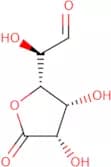
CAS:<p>Glucose metabolite</p>Fórmula:C6H8O6Pureza:Min 98%Cor e Forma:White PowderPeso molecular:176.12 g/mol1-(2,2,2-Trifluoro-N-phenylethanimidate)-2,3,4-tri-O-acetyl-D-glucopyranuronic acid methyl ester
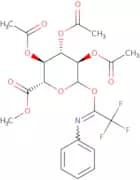
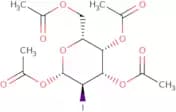
CAS:<p>1-(2,2,2-Trifluoro-N-phenylethanimidate)-2,3,4-tri-O-acetyl-D-glucopyranuronic acid methyl ester is a methylated variant of an oligosaccharide. It has been synthesized by the click modification of an oligosaccharide with a monosaccharide and a fluorinated saccharide. This compound has been shown to have antiviral activity against the influenza virus in vitro. The antiviral activity may be due to its ability to inhibit the viral polymerase and RNA synthesis or to prevent virus assembly and release.</p>Fórmula:C21H22F3NO10Pureza:Min. 95%Peso molecular:505.4 g/mol1,3,4,6-Tetra-O-acetyl-2-deoxy-2-iodo-β-D-galactopyranose
CAS:<p>Synthetic carbohydrate building block</p>Fórmula:C14H19IO9Pureza:Min. 95%Peso molecular:458.2 g/mol2-(2-Aminoethoxy)ethyl 6-deoxy-α-L-mannopyranoside
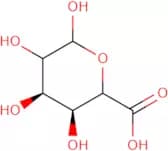
CAS:<p>Please enquire for more information about 2-(2-Aminoethoxy)ethyl 6-deoxy-α-L-mannopyranoside including the price, delivery time and more detailed product information at the technical inquiry form on this page</p>Fórmula:C10H21NO6Pureza:Min. 95%Peso molecular:251.28 g/molD-Glucuronic acid
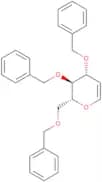
CAS:<p>D-Glucuronic acid (GlcA) is D-glucose with position six oxidised to a carboxyl group (Collins, 2006). It is a common component of a number of gums and mucilages structurally related to pectins, where it is can be present as a terminal non reducing end residue (Renard, 1999). Glucuronic acid is also found in bacterial polysaccharides, such as, xanthan gum produced by Xanthomonas campestris (Faria, 2011), and in glycosaminoglycans, such as, heparan sulfate (Casale, 2020).</p>Fórmula:C6H10O7Pureza:Min. 98%Cor e Forma:White Off-White PowderPeso molecular:194.14 g/mol3,4,6-Tri-O-benzyl-D-glucal
CAS:<p>3,4,6-Tri-O-benzyl-D-glucal is a benzyl protected, 2,3 unsaturated glucal used as a chiral intermediate. The C2-C3 double bond of the pyranose ring can be modified via a variety of reactions including: hydrogenation, oxidation, hydroxylation, and aminohydroxylation, to generate structural complexity. 3,4,6-Tri-O-benzyl-D-glucal also minimizes tedious protecting-group strategies required for fully oxygenated sugars. The products of 2,3 unsaturated glycosides as chiral intermediates have played a role in the synthesis of many biologically active compounds, such as, nucleosides and modified sugar derivatives.</p>Fórmula:C27H28O4Pureza:Min. 98 Area-%Cor e Forma:White PowderPeso molecular:416.51 g/molBenzyl 2-acetamido-4,6-O-benzylidene-2-deoxy-α-D-glucopyranoside
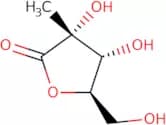
CAS:<p>Please enquire for more information about Benzyl 2-acetamido-4,6-O-benzylidene-2-deoxy-α-D-glucopyranoside including the price, delivery time and more detailed product information at the technical inquiry form on this page</p>Fórmula:C22H25NO6Pureza:Min. 98 Area-%Cor e Forma:White PowderPeso molecular:399.44 g/mol2,3-O-Isopropylidene-2-C-methyl-D-ribono-1,4-lactone
CAS:<p>2,3-O-Isopropylidene-2-C-methyl-D-ribono-1,4-lactone is a crystalline compound that is obtained by the reaction of dimethylamine with epichlorohydrin. The compound has an asymmetric carbon atom and exists in two enantiomeric forms. It can be used as an acceptor in crystallographic analysis. The chemical structure of 2,3-O-Isopropylidene-2-C-methyl-D-ribono-1,4 -lactone is a lactone form of episulfide. Episulfides are lactones with episulfide groups attached to the C2 and C3 positions on the D ring. The episulfide group is formed by the reaction between the alcohol and sulfhydryl group from cysteamine with sulfur trioxide. The chemical formula for this compound is C13H20N2O8S</p>Fórmula:C9H14O5Pureza:Min. 95%Cor e Forma:PowderPeso molecular:202.2 g/mol3-O-Benzyl-D-glucopyranose
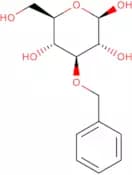
CAS:<p>3-O-Benzyl-D-glucopyranose is a molecule that has been optimized for its autodock score. It binds to the active site of peptidases, which are enzymes that break down proteins in the body. 3-O-Benzyl-D-glucopyranose is a nauclea that can be used as a pharmacokinetic (PK) or pharmacodynamic (PD) inhibitor. Nauclea have shown effectiveness against diabetes by preventing the breakdown of glucose, which is an important energy source for cells. 3-O-Benzyl-D-glucopyranose has also been found to be an effective inhibitor of DPPIV, which is an enzyme involved in breaking down insulin and other hormones in blood circulation. In vitro studies have shown that it may also have antiaging properties due to its ability to inhibit production of inflammatory cytokines such as IL1β, IL6, and TNFα.</p>Fórmula:C13H18O6Pureza:Min. 95%Cor e Forma:PowderPeso molecular:270.28 g/molD-Mannose
CAS:<p>Mannose (Man) is the C2 epimer of glucose with one hydroxyl group axial which by Hudsons rules makes it slightly less stable than glucose (Hudson, 1948). However, mannose is very common in plants and animals, and occurs in many polysaccharides, such as, galactomannans (e.g. Guar, Locust Bean Gum), mananns (e.g. Ivory Nut Mannan), Spruce Galactoglucomannan, Gum Ghatti (Whistler, 1993) and bakerâs yeast (Saccharomyces cerevisiae) (Manners, 1973). Mannose is one of the key mammalian monosaccharides (Glucose, Galactose, Mannose, Fucose, N-Acetyl Glucosamine, N-Acetyl galactosamine and Sialic acid) and occurs in N-linked glycans where it is a core oligosaccharide (Gabius, 2009).</p>Fórmula:C6H12O6Pureza:Min. 98 Area-%Cor e Forma:White PowderPeso molecular:180.16 g/mol2,3,5-Tri-O-benzyl-D-lyxofuranose
CAS:<p>2,3,5-Tri-O-benzyl-D-lyxofuranose is a custom organic synthesis. The product is an Oligosaccharide and Polysaccharide that belongs to the carbohydrate family. It can be used for methylation reactions and click chemistry modifications with other molecules. This product has been found to have high purity, and it can be used in various applications such as Fluorination, complex carbohydrate, and Modification. 2,3,5-Tri-O-benzyl-D-lyxofuranose is a monosaccharide sugar that has a molecular weight of 327.24 g/mol and a melting point of 155°C.</p>Fórmula:C26H28O5Pureza:Min. 95%Cor e Forma:Yellow PowderPeso molecular:420.5 g/mol2,3,4,6-Tetra-O-pivaloyl-D-mannopyranosyl fluoride
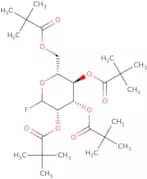
CAS:<p>2,3,4,6-Tetra-O-pivaloyl-D-mannopyranosyl fluoride is a carbohydrate that is synthesized by the modification of D-mannose with 4,6-dichlorohexanoic acid. It is a white powder with a melting point of 170°C. 2,3,4,6-Tetra-O-pivaloyl-D-mannopyranosyl fluoride can be used as a monosaccharide for glycosylation reactions or as an intermediate for custom synthesis. This product has been methylated and glycosylated before the final purification process. It has a high purity level and can be used in Click chemistry reactions.</p>Fórmula:C26H43FO9Pureza:Min. 95%Cor e Forma:White PowderPeso molecular:518.61 g/molL-Ribose
CAS:<p>Constituent of RNA; important resource for RNA- and DNA-related syntheses</p>Fórmula:C5H10O5Pureza:Min. 98 Area-%Cor e Forma:White PowderPeso molecular:150.13 g/mol3-Deoxy-3-fluoro-D-glucose
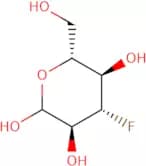
CAS:<p>Fluorinated glucose analog</p>Fórmula:C6H11FO5Pureza:Min. 95%Cor e Forma:White PowderPeso molecular:182.15 g/mol4-Pentenyl 4,6-O-benzylidene-2,3-phenylethylidene-α-D-mannopyranoside
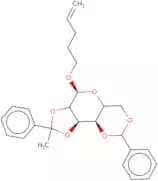
<p>4-Pentenyl 4,6-O-benzylidene-2,3-phenylethylidene-a-D-mannopyranoside is a modification of the natural oligosaccharide, mannose. The complex carbohydrate is synthesized using a custom synthesis and has a high purity that meets the CAS No. requirements. This molecule has been fluorinated and saccharides have been methylated and glycosylated.</p>Fórmula:C26H30O6Pureza:Min. 95%Peso molecular:438.51 g/molL-Glucose
CAS:<p>L-glucose is a monosaccharide that is an important source of energy for the human body. The glucose molecule consists of 6 carbon atoms, 12 hydrogen atoms and 6 oxygen atoms. Glucose enters cells with the help of insulin and ATP-sensitive potassium channels. It has been shown that L-glucose can inhibit viral replication in vitro, such as HIV and herpes simplex virus type 1 (HSV-1). L-Glucose may be used to treat squamous carcinoma by reducing the redox potential in cancer cells. L-Glucose inhibits the growth of c. glabrata by inhibiting transcription activators and enzymes involved in glycolysis. L-Glucose also has hypoglycemic effects on humans by reducing cortisol concentrations in human serum.</p>Fórmula:C6H12O6Pureza:Min. 98 Area-%Cor e Forma:White Clear LiquidPeso molecular:180.16 g/mol6-Phosphogluconic acid, trisodium salt dihydrate
CAS:<p>6-Phosphogluconic acid, trisodium salt dihydrate is a custom synthesis that has been made to order. It is a complex carbohydrate that can be modified with methylation, glycosylation and other modifications. 6-Phosphogluconic acid, trisodium salt dihydrate is an Oligosaccharide and Polysaccharide of Modification saccharides. It can be made as an Methylated Glycosylated Carbohydrate or a Click Modified Sugar. It can be Fluorinated or Synthetically made for high purity.</p>Fórmula:C6H14Na3O12PPeso molecular:378.11 g/mol