Monossacáridos
Monossacarídeos são a forma mais simples de carboidratos e servem como building blocks fundamentais para açúcares mais complexos e polissacarídeos. Essas moléculas de açúcar único desempenham papéis críticos no metabolismo energético, na comunicação celular e nos componentes estruturais das células. Nesta seção, você encontrará uma ampla variedade de monossacarídeos essenciais para pesquisas em bioquímica, biologia molecular e glicociência. Esses compostos são cruciais para estudar vias metabólicas, processos de glicosilação e desenvolvimento de agentes terapêuticos. Na CymitQuimica, oferecemos monossacarídeos de alta qualidade para apoiar suas necessidades de pesquisa, garantindo precisão e confiabilidade em suas investigações científicas.
Subcategorias de "Monossacáridos"
- Aloses(11 produtos)
- Arabinoses(21 produtos)
- Eritroses(11 produtos)
- Frutoses(9 produtos)
- Fucoses(36 produtos)
- Galactosamina(41 produtos)
- Galactoses(261 produtos)
- Glucoses(365 produtos)
- Ácidos Glucurónicos(51 produtos)
- Glico-substratos para enzimas(77 produtos)
- Guloses(6 produtos)
- Idoses(4 produtos)
- Inositóis(15 produtos)
- Lixoses(4 produtos)
- Mannoses(65 produtos)
- O-Glicanos(48 produtos)
- Psicoses(3 produtos)
- Ramnoses(10 produtos)
- Riboses(61 produtos)
- Ácidos siálicos(100 produtos)
- Sorboses(4 produtos)
- Açúcares(173 produtos)
- Tagatoses(4 produtos)
- Taloses(8 produtos)
- Xiloses(20 produtos)
Exibir 17 mais subcategorias
Foram encontrados 6090 produtos de "Monossacáridos"
Ordenar por
Pureza (%)
0
100
|
0
|
50
|
90
|
95
|
100
Chitobiose dihydrochloride
CAS:<p>Chitobiose 2HCl is a synthetic sugar that has been modified using Click chemistry. It is a fluorescent sugar that can be used as an indicator for protein-sugar interactions. Chitobiose 2HCl is soluble in water and has a molecular weight of 258.078 g/mol.</p>Fórmula:C12H24N2O9•(HCl)2Pureza:Min. 95%Peso molecular:413.25 g/mol1-Deoxy-1-(hydroxyethylamino)-D-glucitol
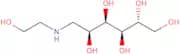
CAS:<p>1-Deoxy-1-(hydroxyethylamino)-D-glucitol (DEG) is a sugar alcohol that has been used as a transport inhibitor for the efflux of galactitol. It competitively inhibits the uptake of galactitol in the cell, resulting in a decrease in intracellular levels of this sugar. The uptake of other sugars is not affected by DEG, which makes it an effective tool for studying the transport mechanisms for these sugars. DEG is also chiral and has been used to study the uptake of chiral molecules. This research was done by using Drosophila melanogaster as an animal model, showing that DEG can be used to investigate how cells take up different molecules. These studies have led to insights into how cells metabolize different sugars and fats.</p>Fórmula:C8H19NO6Pureza:Min. 95%Cor e Forma:PowderPeso molecular:225.24 g/molCotinine-N-b-glucuronide-D3
Produto Controlado<p>Cotinine-N-b-glucuronide-D3 is a modification of the natural product cotinine, which is a methylated form of nicotine and can be synthesized from the plant Nicotiana tabacum. Cotinine-N-b-glucuronide-D3 is a complex carbohydrate that has been custom synthesized for the purpose of modifying an oligosaccharide. This modification will allow for the synthesis of high purity monosaccharides. Cotinine has been shown to have antiinflammatory properties, which may be due to its inhibition of prostaglandin synthesis.</p>Fórmula:C16H17N2O7D3Pureza:Min. 95%Peso molecular:355.36 g/mol2,3,4,6-Tetra-O-acetyl-b-D-thiogalactopyranose
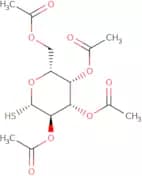
CAS:<p>2,3,4,6-Tetra-O-acetyl-b-D-thiogalactopyranose is a synthetic sugar that is prepared by the fluorination of D-galactopyranose and subsequent acetylation. This compound can be used for glycosylation reactions and as a substrate for click chemistry. It is an oligosaccharide with four monosaccharides in its backbone. The CAS number of 2,3,4,6-Tetra-O-acetyl-b-D-thiogalactopyranose is 50615-66-2.</p>Fórmula:C14H20O9SPureza:Min. 95%Cor e Forma:PowderPeso molecular:364.37 g/mol3,5-Di-C-methyl-L-mannose
<p>3,5-Di-C-methyl-L-mannose is a custom synthesis that is an Oligosaccharide with a CAS number of <br>83683-03-1. It is a polysaccharide that is modified by methylation and glycosylation. 3,5-Di-C-methyl-L-mannose has been shown to be effective in inhibiting the growth of cancer cells through modification of glycosylations on proteins and other molecules. 3,5-Di-C-methyl-L-mannose also has high purity and can be synthesized using fluorination reactions.</p>Pureza:Min. 95%D-Maltose 1-phosphate dipotassium salt
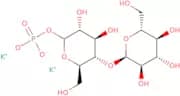
CAS:<p>D-Maltose 1-phosphate dipotassium salt is a disaccharide that can be used in the synthesis of oligosaccharides and polysaccharides. It is also an excellent candidate for further modification.</p>Fórmula:C12H21O14PK2Pureza:Min. 95%Peso molecular:498.46 g/molRosuvastatin-D6 acyl-b-D-glucuronide
Produto Controlado<p>Rosuvastatin-D6 acyl-b-D-glucuronide is a modification of rosuvastatin that is synthesized by the removal of the hydroxyl group on carbon 6 of rosuvastatin, followed by an acylation with b-D-glucuronic acid. It is a complex carbohydrate. The synthesis of this product is custom and requires synthetic chemistry. This product has high purity and CAS number. It is a monosaccharide that can be methylated or glycosylated. In addition to being a sugar, it can also be fluorinated or saccharided.</p>Fórmula:C28H30D6FN3O12SPureza:Min. 95%Peso molecular:663.7 g/molMethyl 2,3-di-O-benzoyl-4,6-O-(4-methoxybenzylidene)-a-D-galactopyranoside
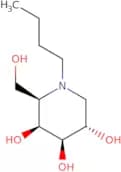
<p>Methyl 2,3-di-O-benzoyl-4,6-O-(4-methoxybenzylidene)-a-D-galactopyranoside is a fluorinated and methylated synthetic carbohydrate. It is an oligosaccharide that is synthesized from galactose and glucose by glycosylation and click modification. Methyl 2,3-di-O-benzoyl-4,6-O-(4-methoxybenzylidene)-a-D-galactopyranoside has CAS number: 6079410.</p>Fórmula:C29H28O9Pureza:Min. 95%Peso molecular:520.54 g/molN-Butyldeoxygalactonojirimycin
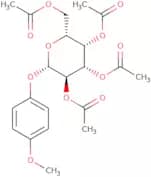
CAS:<p>Competitive inhibitor of glucosylceramidase (GlcCer), which catalyses the first step in glycosphingolipid (GSL) synthesis. This compound is a promising candidate for substrate reduction therapy in Sandhoff disease, where it decreases the rate of GSL biosynthesis and counterbalances the impaired rate of ganglioside catabolism.</p>Fórmula:C10H21NO4Pureza:Min. 95%Cor e Forma:PowderPeso molecular:219.28 g/mol4-Methoxyphenyl 2,3,4,6-tetra-O-acetyl-β-D-galactopyranoside
CAS:4-Methoxyphenyl 2,3,4,6-tetra-O-acetyl-b-D-galactopyranoside is a white crystalline powder. It is soluble in water and ethanol. This chemical has been used as a reagent for the methylation of saccharides and oligosaccharides with 4-methoxybenzene sulfonate. It is also an excellent substrate for click chemistry reactions.Fórmula:C21H26O11Pureza:Min. 95%Cor e Forma:White to off-white solid.Peso molecular:454.42 g/molMitiglinide-acyl-b-D-glucuronide
<p>Mitiglinide-acyl-b-D-glucuronide is a custom synthesis of an oligosaccharide and polysaccharide that has been fluorinated, modified and then acylated. This reagent is available in high purity and with a modification of methylation. It is a complex carbohydrate with high purity that is obtained by modifying the sugar monomer. Mitiglinide-acyl-b-D-glucuronide is a synthetic monosaccharide that has been modified with polysaccharides and saccharides to produce a product with high purity.</p>Fórmula:C25H33NO9Pureza:Min. 95%Peso molecular:491.53 g/mol2,3,5-Tri-O-benzoyl-2- C- methyl- D- arabinonic acid γ-lactone
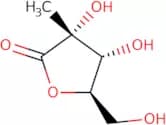
<p>2,3,5-Tri-O-benzoyl-2- C- methyl- D- arabinonic acid gamma-lactone is a modification of an oligosaccharide. It is synthesized by the benzoylation of 2,3,5-trihydroxybenzoic acid with methyl iodide and sodium carbonate in acetic acid. The product is purified by recrystallization from methanol and water to yield a white crystalline solid.<br>The chemical formula for 2,3,5-tri-O-benzoyl-2- C- methyl--D--arabinonic acid gamma lactone is C14H16O8. The molecular weight of the compound is 478.26 g/mol</p>Pureza:Min. 95%3,4,6-Tri-O-acetyl-b-D-mannopyranose 1,2-(methyl orthoacetate)
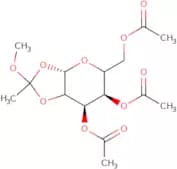
CAS:<p>3,4,6-Tri-O-acetyl-b-D-mannopyranose 1,2-(methyl orthoacetate) is a glycosylation product that is used in the synthesis of oligosaccharides. 3,4,6-Tri-O-acetyl-b-D-mannopyranose 1,2-(methyl orthoacetate) is synthesized by the reaction of 3,4,6-triacetyl b D mannopyranose with methyl orthoacetate in aqueous solution containing an acid catalyst. This compound can be used to modify saccharides and complex carbohydrates. It is also used in click chemistry to create modified sugars. The molecular weight of this compound ranges from 200 to 600 grams per mole and it has a CAS number of 4435 05 6.</p>Fórmula:C15H22O10Pureza:Min. 95%Cor e Forma:PowderPeso molecular:362.33 g/mol2,3,4,6-Tetra-O-pivaloyl-D-glucopyranosyl amine
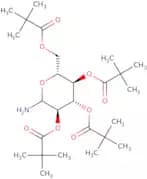
CAS:<p>2,3,4,6-Tetra-O-pivaloyl-D-glucopyranosyl amine is a monosaccharide that is custom synthesized and modified with fluorination. It also has saccharide properties such as methylation and glycosylation. This product can be used in the synthesis of complex carbohydrates or polysaccharides. It is a high purity compound with CAS No. 888963-33-5.</p>Fórmula:C26H45NO9Pureza:Min. 95%Peso molecular:515.64 g/mol1,2-Isopropylidene-D,L-myo-inositol
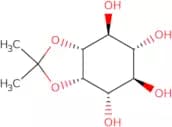
CAS:<p>1,2-Isopropylidene-D,L-myo-inositol is a modification of the natural product myo-inositol. It is synthesized by methylation and glycosylation of inositol with methanol. This chemical compound has been modified to include fluorination and saccharide.</p>Fórmula:C9H16O6Pureza:Min. 95%Cor e Forma:White PowderPeso molecular:220.22 g/molHexahydro- 1, 2, 8- trihydroxy- [1S- (1a, 2a, 8a, 8ab) ]-5(1H) -indolizinone
CAS:<p>Hexahydro-1,2,8-trihydroxy-[1S-(1a,2a,8a,8ab)]-5(1H)-indolizinone is a custom synthesis of a complex carbohydrate. It is an Oligosaccharide and Polysaccharide. The saccharide Methylation and Glycosylation are the Modification of this molecule. This product has CAS No. 96625-36-4 and Click modification is Carbohydrate sugar. This product is highly pure with Fluorination Synthetic</p>Fórmula:C8H13NO4Pureza:Min. 95%Peso molecular:187.19 g/molEsculin sesquihydrate
CAS:<p>Sugars formed by photosynthesis are essential for plants nutrition and they can be carried by a sophisticated system called phloem from the leaves to the root tips. Since the phloem is a delicate tissue composed of various specialized cell types, the study of its structure and functions remains a challenging task. Recently, fluorescent coumarin glucoside derivatives, including esculin (Plant Physiology 2015, 1211-1220) have been used as phloem probes. Among the probes tested, only esculin and fraxin are transported, while skimmin is not, suggesting a certain specifity of natural coumarin glucosides for the transporter AtSUC2.</p>Fórmula:C30H38O21Pureza:Min. 98.0 Area-%Peso molecular:734.62 g/molD-Galactono-1,4-lactone
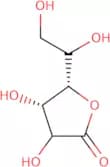
CAS:<p>D-Galactono-1,4-lactone is an intermediate in the galactose catabolism pathway. It is an acidic compound that can be found in plants and bacteria. D-Galactono-1,4-lactone has been shown to inhibit enzyme activities when it is present at high concentrations. This compound also inhibits the enzyme carbon source, which is involved in the conversion of glucose to energy. The deuterium isotope effect on the inhibition of enzyme activity by D-galactono-1,4-lactone has been studied extensively using plant phytochemicals such as triticum aestivum.</p>Fórmula:C6H10O6Pureza:Min. 95%Cor e Forma:White PowderPeso molecular:178.14 g/mol1,2,3,4-Tetra-O-acetyl-6-O-(tert-butyldiphenylsilyl)-b-D-glucopyranose
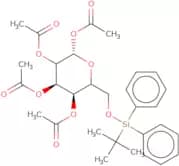
CAS:<p>1,2,3,4-Tetra-O-acetyl-6-O-(tert-butyldiphenylsilyl)-b-D-glucopyranose is a synthetic oligosaccharide that has been modified by fluorination and methylation. It is used as a building block for the synthesis of complex carbohydrates. This product has a CAS number of 224778-57-8 and can be custom synthesized to meet your specifications.</p>Fórmula:C30H38O10SiPureza:Min. 95%Peso molecular:586.72 g/molD-Glucurono-3,6-lactone
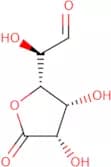
CAS:<p>Glucose metabolite</p>Fórmula:C6H8O6Pureza:Min 98%Cor e Forma:White PowderPeso molecular:176.12 g/mol1,2,3,4-Tetra-O-acetyl-D-lyxopyranose
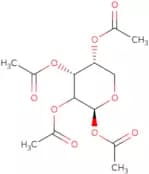
CAS:<p>1,2,3,4-Tetra-O-acetyl-D-lyxopyranose (LXT) is a human lymphocyte growth factor that stimulates the proliferation of human lymphocytes. It also exhibits antiviral activity against murine leukemia and murine viruses in cell culture. LXT has been shown to inhibit the replication of the virus that causes human breast carcinoma. This compound also exhibits anti-inflammatory effects on murine leukemia cells and can stimulate the production of interferon from mouse spleen cells.</p>Fórmula:C13H18O9Pureza:Min. 95%Peso molecular:318.3 g/mol1-(2,2,2-Trifluoro-N-phenylethanimidate)-2,3,4-tri-O-acetyl-D-glucopyranuronic acid methyl ester
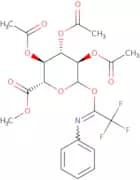
CAS:<p>1-(2,2,2-Trifluoro-N-phenylethanimidate)-2,3,4-tri-O-acetyl-D-glucopyranuronic acid methyl ester is a methylated variant of an oligosaccharide. It has been synthesized by the click modification of an oligosaccharide with a monosaccharide and a fluorinated saccharide. This compound has been shown to have antiviral activity against the influenza virus in vitro. The antiviral activity may be due to its ability to inhibit the viral polymerase and RNA synthesis or to prevent virus assembly and release.</p>Fórmula:C21H22F3NO10Pureza:Min. 95%Peso molecular:505.4 g/molL-Lyxose
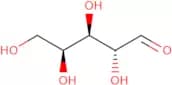
CAS:<p>Starting material for chiral-pool based organic synthesis</p>Fórmula:C5H10O5Pureza:Min. 98 Area-%Cor e Forma:White PowderPeso molecular:150.13 g/molα-Chloralose
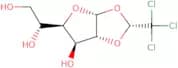
CAS:<p>Anesthetic used in laboratory animal studies; pesticide</p>Fórmula:C8H11Cl3O6Pureza:Min. 95%Cor e Forma:PowderPeso molecular:309.53 g/molMethyl 2,3,4-tri-O-benzyl-b-D-glucopyranoside
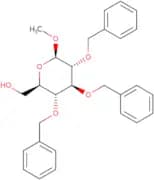
CAS:<p>Methyl 2,3,4-tri-O-benzyl-β-D-glucopyranoside is a modified sugar. It can be used in the synthesis of oligosaccharides and polysaccharides. This product is stable to organic solvents and has high purity. Methyl 2,3,4-tri-O-benzyl-β-D-glucopyranoside can be fluorinated by reacting with hydrogen fluoride gas to produce methyl 2,3,4-[tri(trifluoromethyl)oxy]benzyl β D glucopyranoside. The product is also available in the form of click modification (a type of chemical modification). Methyl 2,3,4-tri-O-benzyl-β D glucopyranoside is a custom synthesis that is CAS No. 435680 3.</p>Fórmula:C28H32O6Pureza:Min. 95%Peso molecular:464.55 g/mol2,3-O-Isopropylidene-2-C-methyl-D-ribono-1,4-lactone
CAS:<p>2,3-O-Isopropylidene-2-C-methyl-D-ribono-1,4-lactone is a crystalline compound that is obtained by the reaction of dimethylamine with epichlorohydrin. The compound has an asymmetric carbon atom and exists in two enantiomeric forms. It can be used as an acceptor in crystallographic analysis. The chemical structure of 2,3-O-Isopropylidene-2-C-methyl-D-ribono-1,4 -lactone is a lactone form of episulfide. Episulfides are lactones with episulfide groups attached to the C2 and C3 positions on the D ring. The episulfide group is formed by the reaction between the alcohol and sulfhydryl group from cysteamine with sulfur trioxide. The chemical formula for this compound is C13H20N2O8S</p>Fórmula:C9H14O5Pureza:Min. 95%Cor e Forma:PowderPeso molecular:202.2 g/mol2,3-O-Isopropylidene)- L- ribonic acid γ-lactone
<p>2,3-O-Isopropylidene)- L- ribonic acid gamma-lactone is a carbohydrate that has been modified with fluorination. This product can be used in the synthesis of oligosaccharides and monosaccharides. The custom synthesis of this product is available on request. This product has been shown to be high purity and methylated. It has also been glycosylated and click modified.</p>Pureza:Min. 95%N-(4-Methylbenzyliden)imino-2,3,4,6-tetra-O-pivaloyl-D-glucopyranoside
<p>N-(4-Methylbenzyliden)imino-2,3,4,6-tetra-O-pivaloyl-D-glucopyranoside is a synthetic monosaccharide with a complex carbohydrate structure. It can be used in custom synthesis and glycosylation reactions. This product is not found in nature and has not been reported to be found in any natural products. The CAS number for this compound is 51492-04-3.</p>Fórmula:C34H51NO9Pureza:Min. 95%Peso molecular:617.77 g/mol3-O-Benzyl-D-glucopyranose
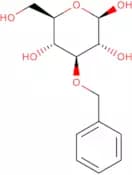
CAS:<p>3-O-Benzyl-D-glucopyranose is a molecule that has been optimized for its autodock score. It binds to the active site of peptidases, which are enzymes that break down proteins in the body. 3-O-Benzyl-D-glucopyranose is a nauclea that can be used as a pharmacokinetic (PK) or pharmacodynamic (PD) inhibitor. Nauclea have shown effectiveness against diabetes by preventing the breakdown of glucose, which is an important energy source for cells. 3-O-Benzyl-D-glucopyranose has also been found to be an effective inhibitor of DPPIV, which is an enzyme involved in breaking down insulin and other hormones in blood circulation. In vitro studies have shown that it may also have antiaging properties due to its ability to inhibit production of inflammatory cytokines such as IL1β, IL6, and TNFα.</p>Fórmula:C13H18O6Pureza:Min. 95%Cor e Forma:PowderPeso molecular:270.28 g/molD-Mannose
CAS:<p>Mannose (Man) is the C2 epimer of glucose with one hydroxyl group axial which by Hudsons rules makes it slightly less stable than glucose (Hudson, 1948). However, mannose is very common in plants and animals, and occurs in many polysaccharides, such as, galactomannans (e.g. Guar, Locust Bean Gum), mananns (e.g. Ivory Nut Mannan), Spruce Galactoglucomannan, Gum Ghatti (Whistler, 1993) and bakerâs yeast (Saccharomyces cerevisiae) (Manners, 1973). Mannose is one of the key mammalian monosaccharides (Glucose, Galactose, Mannose, Fucose, N-Acetyl Glucosamine, N-Acetyl galactosamine and Sialic acid) and occurs in N-linked glycans where it is a core oligosaccharide (Gabius, 2009).</p>Fórmula:C6H12O6Pureza:Min. 98 Area-%Cor e Forma:White PowderPeso molecular:180.16 g/mol3-O-benzyl-D-xylose
<p>3-O-benzyl-D-xylose is a sugar that belongs to the group of dimethyl, diisobutylaluminium, dicarboxylate, malonate, oxygenated, acetylation, cyclopentane. It has been shown to be effective in cleavage and condensation reactions. 3-O-benzyl-D-xylose can be used in the synthesis of pyridinium chlorochromate and chlorochromate. This compound also reacts with pyridinium via hydride reduction and hydroxide cleavage.</p>Pureza:Min. 95%2,3,4,6-Tetra-O-pivaloyl-D-mannopyranosyl fluoride
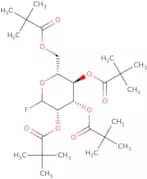
CAS:<p>2,3,4,6-Tetra-O-pivaloyl-D-mannopyranosyl fluoride is a carbohydrate that is synthesized by the modification of D-mannose with 4,6-dichlorohexanoic acid. It is a white powder with a melting point of 170°C. 2,3,4,6-Tetra-O-pivaloyl-D-mannopyranosyl fluoride can be used as a monosaccharide for glycosylation reactions or as an intermediate for custom synthesis. This product has been methylated and glycosylated before the final purification process. It has a high purity level and can be used in Click chemistry reactions.</p>Fórmula:C26H43FO9Pureza:Min. 95%Cor e Forma:White PowderPeso molecular:518.61 g/molEthyl 2,3,4-tri-O-benzyl-b-L-thiofucopyranoside
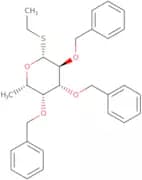
CAS:<p>Synthetic building block. Glycosyl donor used in oligosaccharide chemistry to incorporate L-fucose into a structure.</p>Fórmula:C29H34O4SPureza:Min. 98 Area-%Cor e Forma:White PowderPeso molecular:478.64 g/molL-Ribose
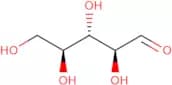
CAS:<p>Constituent of RNA; important resource for RNA- and DNA-related syntheses</p>Fórmula:C5H10O5Pureza:Min. 98 Area-%Cor e Forma:White PowderPeso molecular:150.13 g/mol2-Deoxy-2-fluoro-D-arabinofuranose
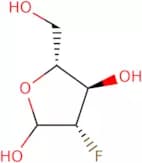
CAS:<p>2-Deoxy-2-fluoro-D-arabinofuranose is a purine nucleoside that is used in the diagnosis and treatment of herpes simplex virus infection. It inhibits viral replication by competitively inhibiting acycloguanosine, an enzyme that catalyzes the conversion of 2’-deoxyguanosine to deoxyadenosine. 2-Deoxy-2-fluoro-D-arabinofuranose has been shown to be active against cancer cells and can be used as chemotherapeutic agent. This drug may also be used for the diagnosis of cancer by detecting the presence of activated T cells in patients with tumor necrosis factor α (TNFα) receptor gene polymorphism.</p>Fórmula:C5H9FO4Pureza:Min. 95%Cor e Forma:PowderPeso molecular:152.12 g/mol3-Deoxy-3-fluoro-D-glucose
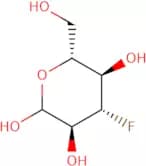
CAS:<p>Fluorinated glucose analog</p>Fórmula:C6H11FO5Pureza:Min. 95%Cor e Forma:White PowderPeso molecular:182.15 g/mol2, 4-Anhydro-5-O-tert.butyldimethylsilyl- 6- deoxy- L- mannonic acid methyl ester
<p>2, 4-Anhydro-5-O-tert.butyldimethylsilyl-6-deoxy-L-mannonic acid methyl ester is a modification of mannose. It is an oligosaccharide with a complex carbohydrate structure. 2, 4-Anhydro-5-O-tert.butyldimethylsilyl-6-deoxy-L-mannonic acid methyl ester has been synthesized using custom synthesis methods. This product has high purity and CAS number: 29674–84–3.</p>Pureza:Min. 95%β-D-Thiogalactose sodium
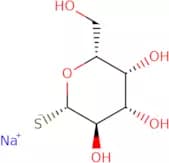
CAS:<p>β-D-Thiogalactose sodium (DTGS) is a radiometric technique that evaluates the profiles of gases by measuring their molecular weights. DTGS is used to measure gas concentrations in the atmosphere, which are transferred to positions on a map. The DTGS technique is validated and calibrated by comparing its measurements with those of other techniques, such as infrared spectroscopy. It can be used to evaluate water vapor and other gases in the atmosphere. This technique has been shown to have accurate results at temperatures ranging from −5°C up to 100°C and at frequencies from 1 Hz up to 10 MHz.</p>Fórmula:C6H11NaO5SPureza:Min. 95%Cor e Forma:PowderPeso molecular:218.2 g/molD-Glucosaminic acid
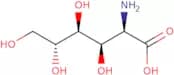
CAS:<p>D-Glucosaminic acid is a monosaccharide that is found in many glycosaminoglycans. It has been shown to have synergistic effects when combined with malonic acid and hydroxyl group. D-Glucosaminic acid can be used for wastewater treatment, as it is able to form stable complexes with the anionic groups of cell walls. D-Glucosaminic acid also shows antibacterial activity against bacterial strains, including Mycoplasma pneumoniae and Streptococcus pyogenes. The wild-type strain of Escherichia coli is not inhibited by this compound.</p>Fórmula:C6H13NO6Pureza:Min. 96 Area-%Cor e Forma:White Off-White PowderPeso molecular:195.17 g/mol4-N-Trifluoroacetamidophenyl 2-azido-2-deoxy-a-D-galactopyranoside
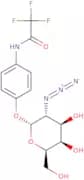
CAS:<p>4-N-Trifluoroacetamidophenyl 2-azido-2-deoxy-a-D-galactopyranoside is a custom synthesis. It is a complex carbohydrate that can be modified with glycosylation, methylation, and fluorination. The chemical formula for 4-N-Trifluoroacetamidophenyl 2-azido-2-deoxy-a-D-galactopyranoside is C12H22FN3O8. The CAS number for 4Ntrifluoroacetamidophenyl 2azido2deoxyadgalactopyranose is 2104260323. This product has high purity and is synthetic.</p>Fórmula:C14H15F3N4O6Pureza:Min. 95%Peso molecular:392.29 g/molAllyl 3-O-benzyl-a-D-glucopyranoside
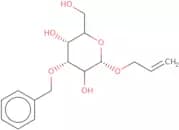
CAS:<p>Allyl 3-O-benzyl-a-D-glucopyranoside is a synthetic, monosaccharide carbohydrate. The product is a modification of the natural polysaccharide allyl 3-O-benzyl-a-D-glucopyranoside. Allyl 3-O-benzyl-a -D glucopyranoside is an Oligosaccharide with CAS No. 145454-72 -4 and has the molecular formula C14H20O6 and molecular weight of 312.32 g/mol. The product is available in high purity and can be synthesized to order. Allyl 3-O -benzyl -a D glucopyranosides are useful as a Fluorination, saccharide for use in glycosylation or methylation reactions or as a complex carbohydrate in the synthesis of oligosaccharides, polysaccharides, or sugar chains.</p>Fórmula:C16H22O6Pureza:Min. 95%Peso molecular:310.34 g/molUDP-3-O-(R-3-hydroxydecanoyl)-GlcNAc sodium salt
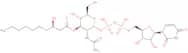
CAS:<p>Substrate for UDP-3-O-acyl-GlcNAc deacetylase</p>Fórmula:C27H43N3O19P2·xNaPureza:Min. 90 Area-%Cor e Forma:White Off-White Solidified MassPeso molecular:777.6 g/molGlucosyl-C18-sphingosine
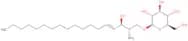
CAS:<p>Glucosyl-C18-sphingosine is a sphingolipid that has been shown to inhibit the activity of Gaucher's enzyme, which is responsible for the synthesis of glucosylceramide. It has been demonstrated in a model system that glucosyl-C18-sphingosine inhibits mitochondrial membrane potential and decreases ATP levels, leading to cell death. The molecular pathogenesis of Gaucher disease is not well understood but it is believed to be related to defective lysosomal function. Glucosyl-C18-sphingosine may be used as a diagnostic agent for Gaucher disease and other metabolic disorders involving glucosylceramide accumulation.</p>Fórmula:C24H47NO7Pureza:Min. 95%Cor e Forma:PowderPeso molecular:461.63 g/molIsosorbide dinitrate - 60% lactose and 40% Isosorbide dinitrate
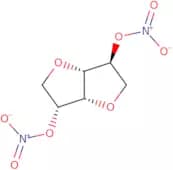
CAS:<p>Isosorbide dinitrate is used to treat chronic bronchitis and congestive heart failure. It dilates blood vessels, allowing more oxygen-rich blood to reach the heart. Isosorbide dinitrate is also used to relieve chest pain (angina) and reduce complications after a heart attack. Isosorbide dinitrate is a prodrug that is converted in vivo to its active form, isosorbide mononitrate, by the enzyme nitric oxide synthase in response to hypoxia. In addition, it has been shown that this drug reduces levels of low-density lipoprotein cholesterol (LDL-C) and may be useful for the treatment of high cholesterol.<br>The mechanism of action for reducing LDL-C levels is not known but may be due to increased clearance of LDL-C from plasma or decreased production of very low density lipoproteins (VLDL). This medication does not affect triglycerides or high density lip</p>Fórmula:C6H8N2O8Pureza:Min. 95%Cor e Forma:White PowderPeso molecular:236.14 g/mol4-Methoxyphenyl 2,3:4,6-di-O-benzylidene-α-D-mannopyranoside
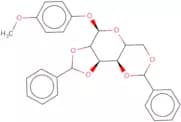
CAS:<p>4-Methoxyphenyl 2,3:4,6-di-O-benzylidene-a-D-mannopyranoside is a water soluble polysaccharide that is a methylated derivative of mannose. It has been fluorinated at the 4 position and modified with benzyl groups at the 2, 3, and 6 positions. This compound is used in custom synthesis to synthesize oligosaccharides or polysaccharides.</p>Fórmula:C27H26O7Pureza:Min. 95%Peso molecular:462.49 g/molHesperetin 3'-O-b-D-glucuronide
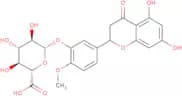
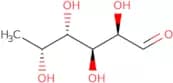
CAS:<p>Hesperetin 3'-O-b-D-glucuronide is a natural product that is synthesized by glycosylation of hesperidin with 3,4,5-trihydroxybenzoic acid. It is a synthetic and complex carbohydrate that can be modified to include fluorination, monosaccharide, oligosaccharide, methylation, and click modification. Hesperetin 3'-O-b-D-glucuronide can also be used in the synthesis of polysaccharides with glycosylations. This product has high purity and can be custom synthesized for customers.</p>Fórmula:C22H22O12Pureza:Min. 95%Cor e Forma:Slightly Yellow PowderPeso molecular:478.4 g/molD-Fucose
CAS:<p>D-Fucose is a sugar that can be synthesized in vitro. It is a component of the xanthurenic acid pathway, which is involved in the synthesis of l-arabinose. D-Fucose has been found to have anti-leukemic effects and to inhibit enzyme activities in vitro. It has also been shown to bind to the toll-like receptor, α1-acid glycoprotein, and surface membranes. A hydroxyl group at position 1 on the fucose molecule may be important for this binding. D-Fucose's biological properties are related to its structural analysis and the cell receptors it binds with. D-Fucose has an optimum pH level of 7, so it cannot survive outside of a neutral environment. It does not need any biological cofactors or enzymes for its synthesis, so it is classified as a nonessential nutrient. D-Fucose is also used in blood groups because it contains an antigen</p>Fórmula:C6H12O5Pureza:Min. 97 Area-%Cor e Forma:White Off-White PowderPeso molecular:164.16 g/molPhenyl 2-O-benzoyl-4,6-O-benzylidene-3-O-(2-naphthylmethyl)-b-D-thioglucopyranoside
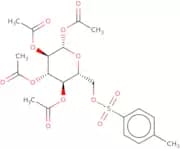
CAS:Phenyl 2-O-benzoyl-4,6-O-benzylidene-3-O-(2-naphthylmethyl)-b-D-thioglucopyranoside is a synthetic sugar with a complex carbohydrate structure. It has been modified by methylation, fluorination, and glycogenation. This product is used in the synthesis of saccharides and oligosaccharides for various purposes. Phenyl 2-O-benzoyl-4,6-O-benzylidene-3-- O-(2--naphthylmethyl)-b--D--thioglucopyranoside is CAS No. 1352561--95--5 and can be custom synthesized to meet your specifications.Fórmula:C37H32O6SPureza:Min. 95%Cor e Forma:PowderPeso molecular:604.71 g/mol1,2,3,4-Tetra-O-acetyl-6-O-tosyl-b-D-glucopyranose
CAS:The tetra-acetyl-6-tosyl-b-D-glucopyranose is a modification of the natural 1,2,3,4-tetra-O-acetyl-6-O-tosyl--D glucopyranose. It is synthesized by reacting the 1,2,3,4 tetra acetyl b glucopyranose with tosyl chloride and anhydrous pyridine in dry dichloromethane. The product is purified by column chromatography on silica gel using a solvent system consisting of ethyl acetate and methanol. The yield of this reaction is about 60%. The molecular weight of this compound is 876.7 g/mol and its melting point is 253°C. The CAS No. for this compound is 661910-9 and its IUPAC name is (1R*, 2S*, 4R*)-1,2,Fórmula:C21H26O12SPureza:Min. 95%Cor e Forma:White PowderPeso molecular:502.49 g/molPerseitol
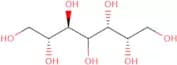
CAS:<p>Perseitol is a nutrient solution that contains fatty acids and is used in tissue culture to supplement the growth of cells. It can be used as a substitute for animal serum, which is usually derived from bovine or porcine sources. Perseitol provides all essential components required for cell growth, including amino acids, vitamins, minerals, and lipids. Perseitol is also used in vitro assay systems to determine the redox potential of substances. This solution has been shown to have anti-inflammatory properties due to its ability to inhibit prostaglandin synthesis.</p>Fórmula:C7H16O7Pureza:Min. 95%Cor e Forma:White Off-White PowderPeso molecular:212.2 g/mol




![Hexahydro- 1, 2, 8- trihydroxy- [1S- (1a, 2a, 8a, 8ab) ]-5(1H) -indolizinone](/_next/image/?url=https%3A%2Fstatic.cymitquimica.com%2Fproducts%2F3D%2Fthumb-webp%2FMH163920.webp&w=3840&q=75)