Sais metálicos
Nesta seção, você pode encontrar vários sais metálicos, que são compostos caracterizados por conter átomos metálicos e não metálicos. Essencialmente, os sais metálicos são compostos por cátions que são um ou mais átomos metálicos. Esses sais desempenham um papel crucial em inúmeras reações e aplicações químicas, servindo como catalisadores, reagentes ou intermediários em vários processos industriais e de pesquisa. Na CymitQuimica, oferecemos uma ampla seleção de sais metálicos de alta qualidade para atender às suas necessidades de pesquisa e industriais, garantindo desempenho confiável e eficaz em suas aplicações.
Foram encontrados 2870 produtos de "Sais metálicos"
Ordenar por
Pureza (%)
0
100
|
0
|
50
|
90
|
95
|
100
Potassium fluoride
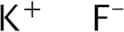
CAS:Fórmula:FKPureza:≥ 99.0%Cor e Forma:White crystalline powder or crystalsPeso molecular:58.10Tellurium oxide, 99.999%
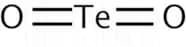
CAS:Fórmula:TeO2Pureza:≥ 99.999%Cor e Forma:White to almost white powder or crystalline powderPeso molecular:159.60Hafnium fluoride
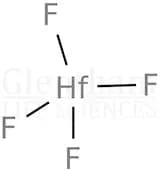
CAS:Fórmula:HfF4Pureza:≥ 99.9%Cor e Forma:White to off-white powderPeso molecular:254.50Phosphoenolpyruvate monosodium salt hydrate
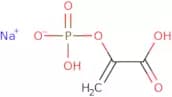
CAS:<p>PEP is a "high-energy phosphate" compound playing a vital role in enzymatic phosphate-transfer reactions involved in ATP synthesis. It is used in conjunction with pyruvate kinase as a phosphorylating agent for ATP generation. Substrate for phosphoenolpyruvate carboxylase. Reagent for determination of glycerol.</p>Fórmula:C3H4NaO6P·xH2OPureza:Min. 95%Cor e Forma:PowderPeso molecular:190.02 g/molRef: 3D-FP29995
Produto descontinuadoSodium fluorosilicate
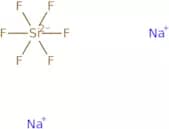
CAS:Produto Controlado<p>Sodium fluorosilicate is an inorganic acid that can be prepared by dissolving sodium carbonate and hydrogen fluoride in water. It is used as a sample preparation agent for electrochemical impedance spectroscopy, as well as a reagent for the determination of acidic properties. Sodium fluorosilicate has been shown to inhibit the growth of epidermal cells, which may be due to its ability to cause an increase in the mitochondrial membrane potential. This compound also inhibits the synthesis of proteins from RNA, which may result from its coordination geometry or hydrogen-bonding interactions. Sodium fluorosilicate has been used in analytical methods involving x-ray diffraction data and plasma mass spectrometry.</p>Fórmula:Na2SiF6Pureza:Min. 95%Peso molecular:188.06 g/molSodium phytate
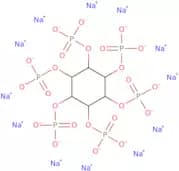
CAS:<p>Chelator of multivalent metal ions; food perservative; antioxidant</p>Fórmula:C6H6Na12O24P6Cor e Forma:White PowderPeso molecular:923.82 g/molPotassium iodide
CAS:<p>Potassium iodide is a chemical compound that is used as a nutrient solution in the production of polyvinyl chloride. It reacts with sodium trifluoroacetate to produce potassium trifluoroacetate, which is then reacted with copper chloride to form copper trifluoride. The reaction produces hydrogen fluoride gas and anhydrous sodium carbonate. Potassium iodide has been shown to have some antiviral effects against hepatitis B virus and the herpes simplex virus type 1. This compound can also be used in wastewater treatment processes because it reacts with trifluoroacetic acid to form carbon dioxide and sodium bicarbonate. Potassium iodide can be titrated with hydrochloric acid or acetic acid to determine its concentration. In addition, potassium iodide can be used for chemiluminescent reactions and electrochemical impedance spectroscopy experiments.</p>Fórmula:IKPureza:Min 99%Cor e Forma:White Off-White PowderPeso molecular:166 g/molPotassium phosphate tribasic trihydrate
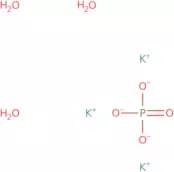
CAS:<p>Potassium phosphate tribasic trihydrate is an inorganic salt that is used as a buffer. It has a molecular weight of 266.08, and it is soluble in water. Potassium phosphate tribasic trihydrate can be used to treat acidosis and kidney stones due to its high potassium content. This compound also has biological properties that allow it to be used in the preparation of urine samples for gravimetric analysis and biological properties.</p>Fórmula:H6K3O7PCor e Forma:White PowderPeso molecular:266.31 g/molBis(8-quinolinolato)zinc(II)
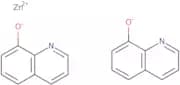
CAS:<p>Bis(8-quinolinolato)zinc (II) is a molecule that contains carboxylate groups. It has been shown to be processable and can be used in fabrication processes. Bis(8-quinolinolato)zinc (II) also exhibits optical properties. The metal ion in the molecule is able to form complexes with other metals, which may affect transport properties, ionization mass and morphology of the compound. It can also be used for magnetic resonance spectroscopy studies, as well as plasma mass spectrometry.</p>Fórmula:C18H12N2O2ZnPureza:Min. 95%Cor e Forma:PowderPeso molecular:353.7 g/molRef: 3D-FB62127
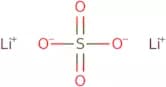
Produto descontinuadoLithium sulfate, anhydrous
CAS:<p>Lithium sulfate is a compound that has been used in experimental solubility data. It is soluble in water and does not react with most other compounds. Lithium sulfate has shown to be an intramolecular hydrogen bond donor and acceptor, as well as an intermolecular hydrogen bond donor. The structural analysis of this compound was carried out by X-ray diffraction on lithium sulfate hydrate crystals at room temperature. The structure of the hydrate was found to be a monoclinic crystal with space group P2/c. The heat capacity of lithium sulfate was measured using a constant pressure apparatus and the thermal expansion coefficient was determined using zirconium oxide as a reference material. Lithium sulfate has shown electrochemical impedance spectroscopy properties which reveal that it is an ionic conductor.</p>Fórmula:Li2SO4Pureza:Min. 95%Cor e Forma:White PowderPeso molecular:109.95 g/molRef: 3D-FL54590
Produto descontinuadoTitanium dioxide
CAS:<p>Titanium dioxide is a chemical compound with the chemical formula TiO2. It is a white pigment that has good light-fastness and weatherability, and it is insoluble in water. The particle size of titanium dioxide ranges from 10 nm to about 100 nm. Titanium dioxide can be produced by the reaction of titanium tetrachloride with water or ammonia gas at 750-1,000 °C. This chemical compound has been used for many purposes, including paint pigments, sunscreen products, toothpaste, cosmetics, plastics, photocatalyst components and wastewater treatment. Studies have shown that titanium dioxide particles are not genotoxic but may induce oxidative stress in skin cells. Although safe when used as a food additive or cosmetic ingredient, titanium dioxide can cause adverse effects on skin health when used in certain concentrations.</p>Fórmula:TiO2Pureza:Min. 95%Cor e Forma:PowderPeso molecular:79.87 g/molRef: 3D-FT167791
Produto descontinuadoSodium O-ethyl isopropylphosphonothiolate
CAS:Produto Controlado<p>Please enquire for more information about Sodium O-ethyl isopropylphosphonothiolate including the price, delivery time and more detailed product information at the technical inquiry form on this page</p>Fórmula:C5H12O2PS·NaPureza:Min. 95%Guanosine-5'-triphosphate Disodium Salt (~85%)
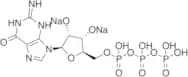
CAS:Produto Controlado<p>Applications Guanosine-5'-triphosphate disodium salt (CAS# 56001-37-7) is a nucleotide used in the preparation of photoreactive GTP affinity probes, and in inhibitors of eukaryotic initiation factor eIF-4E.<br>References George Cisar, E. A.; J. Am. Chem. Soc., 135, 4676 (2013); Ghosh, P.; et al.: Bioorg. Med. Chem. Lett., 16, 750 (2006).<br></p>Fórmula:C10H14N5O14P3Na2Pureza:~85%Cor e Forma:NeatPeso molecular:567.14Sodium Methanethiolate-13C
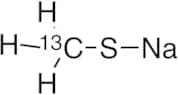
CAS:Produto Controlado<p>Applications Sodium Methanethiolate-13C, is the labeled analogue of Sodium Methanethiolate (S644805), used as a nucleophile in organic synthesis. Sodium methanethiolate is also being used as a reagent to synthesize thiol-based suberoylanilide hydroxamic acid (SAHA) analogues, compounds that act as potent histone deacetylase inhibitors.<br>References Bergman, A. & Wachtmeister, Chemosphere, 7, 949 (1978); Suzuki, T.,et al.: Bioorg. Med. Chem. Lett., 14, 3313 (2004)<br></p>Fórmula:CH3NaSPureza:>90%Cor e Forma:NeatPeso molecular:71.082Potassium Hydroxide (Semiconductor Grade)
CAS:Produto Controlado<p>Applications Potassium Hydroxide is inorganic compound and strong base with many applications. It is used in the production of biodiesel. Potassium Hydroxide is also used in the manufacture of soaps.<br> Not a dangerous good if item is equal to or less than 1g/ml and there is less than 100g/ml in the package<br>References Nadarajan, R., Ismail, R.: J. Surfactants Deterg., 14, 463 (2011); Hajek, M., et al.: Fuel, 96, 85 (2012);<br></p>Fórmula:HKOCor e Forma:NeatPeso molecular:56.11Sodium monofluorophosphate
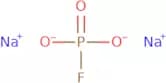
CAS:<p>Sodium monofluorophosphate is a salt that contains sodium cations and fluorine anions. It is used as an agent in the production of dental fillings, toothpaste, and other products. Sodium monofluorophosphate has been shown to inhibit the activity of serine proteases such as trypsin by interfering with their catalytic activity and binding to their active site. This agent has also been shown to react with p-nitrophenyl phosphate to form a fluorescent product, which can be detected at low concentrations. Sodium monofluorophosphate has a thermal expansion coefficient that is only slightly larger than those of water and glycerol, which makes it ideal for use in the production of dental fillings.</p>Fórmula:FNa2O3PPureza:Min. 95%Cor e Forma:White PowderPeso molecular:143.95 g/molPotassium fluoroaluminate
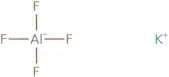
CAS:<p>Potassium fluoroaluminate (KAlF) is a reactive chemical compound that is used as a reducing agent in metallurgical processes. KAlF is not an aluminothermic reaction product, but it can be produced as a by-product of the reaction between aluminum and hydrogen fluoride. It is produced when potassium reacts with hydrogen fluoride in the presence of sodium carbonate or boron nitride. KAlF does not produce stable complexes with zinc or magnesium, but it does stabilize zirconium oxide to some extent. The human serum contains antibodies against KAlF particles, which may cause allergic reactions following inhalation or skin contact.</p>Fórmula:AlF4•KCor e Forma:PowderPeso molecular:142.07 g/molPotassium hexafluoronickelate(IV)
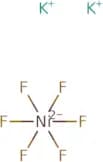
CAS:<p>Potassium hexafluoronickelate is a chemical compound that is a versatile building block and can be used as a reagent in organic synthesis. It is also an important intermediate for the preparation of other chemicals, such as potassium hexafluoroarsenate, which is used to make perfluorocarbons. Potassium hexafluoronickelate has many uses as a research chemical and as an intermediate in the production of other compounds. The compound has been shown to be useful in reactions involving carbon-carbon bond formation, such as the synthesis of heterocycles. Potassium hexafluoronickelate can also be used to produce metal complexes for use in catalysis or polymerization reactions.</p>Fórmula:F6K2NiPureza:Min. 95%Cor e Forma:PowderPeso molecular:250.88 g/molSodium fluoride
CAS:Produto Controlado<p>Sodium fluoride is a chemical that can be used to treat water and wastewater. It is an effective inhibitor of the growth of bacteria, fungi, and algae. The use of sodium fluoride improves the quality of drinking water by reducing levels of hydrogen ion and trihalomethanes (THMs). This chemical also has been shown to have beneficial effects in patients with inflammatory bowel disease. Sodium fluoride inhibits the activity of enzymes in mitochondria, which are responsible for converting food into energy. The inhibition leads to a decrease in the production of free radicals and reactive oxygen species, which may reduce oxidative stress in the body.</p>Fórmula:NaFPureza:Min. 95%Cor e Forma:White PowderPeso molecular:41.99 g/molRef: 3D-FS29949
Produto descontinuadoGlycolic Acid-13C Sodium Salt
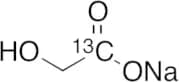
CAS:Produto Controlado<p>Applications Glycolic Acid-13C Sodium Salt is the isotope labelled analog of Glycolic Acid Sodium Salt; a compound that increases the glycolate oxidase activity in the liver when fed to rats. It also increases the lactate dehydrogenase activity in the liver and kidney. This compound is suitable for lactate dehydrogenase (LDH) related research.<br>References Murthy M.S.R., et al.: Ann. Nutr. Metab., 27, 355 (1983)<br></p>Fórmula:CCH3NaO3Cor e Forma:NeatPeso molecular:99.026Sodium sulphate decahydrate
CAS:Produto Controlado<p>Sodium sulphate decahydrate is an inorganic salt that is a salt of sodium and sulfuric acid. It is used as a food additive, preservative, and to control the pH of water. Sodium sulfate decahydrate has been shown to be effective for the treatment of diarrhoea caused by infectious diseases such as rotavirus and enterotoxigenic Escherichia coli. This drug also has inhibitory effects on bacterial growth and may be useful for the prevention or treatment of bowel diseases such as Crohn's disease and ulcerative colitis. The intermolecular hydrogen bonding between the anions in this compound make it highly reactive, which can result in toxic side effects. However, this drug has not exhibited any toxic side effects at concentrations below 0.5%.</p>Fórmula:H22Na2O14SPureza:Min. 95%Cor e Forma:PowderPeso molecular:324.21 g/molRef: 3D-FS35057
Produto descontinuadoMercury(II) nitrate monohydrate
CAS:Produto Controlado<p>Mercury(II) nitrate monohydrate (HgNO3·H2O) is a salt that is used in the synthesis of other mercury compounds. It is activated by reaction with ammonia or ammonium chloride to yield the mercury(II) nitrate. This compound can be used as a fluorescence probe for identification and quantification of nitrogen atoms in biological molecules. Monoclonal antibodies against human serum proteins can be prepared from HgNO3·H2O-treated mouse ascites fluid, which are then used for immunological detection of picolinic acid in human serum. The reaction solution for this procedure should contain benzalkonium chloride, light emission reagents, and halides. The IUPAC name for this compound is mercuric nitrate monohydrate and it has a kinetic data available.</p>Fórmula:Hg(NO3)2•H2OPureza:Min. 95%Peso molecular:342.62 g/molRef: 3D-FM43031
Produto descontinuadoDicobalt Octacarbonyl (stabilized with 1-10% Hexane)
CAS:<p>Dicobalt octacarbonyl is a carbonylative agent that converts alkenes to epoxides. It is used in the synthesis of cyclopentenones, as well as in the conversion of benzylic alcohols to aldehydes. Dicobalt octacarbonyl has been shown to react with glycosyl compounds, such as glycosides and cyclitols, to form carbon dioxide and water. This reaction produces very little hydrogen gas and no free radicals, which makes it useful for applications where these byproducts are undesirable.</p>Fórmula:C8Co2O8Pureza:Min. 95%Peso molecular:341.95 g/molRef: 3D-FD60932
Produto descontinuadoPotassium fluoride dihydrate
CAS:Produto Controlado<p>Potassium fluoride is an inorganic chemical that is used in the water fluoridation process. It is also used as a source of fluoride ions for the synthesis of hydroxyapatite, a mineral found in teeth and bones. Fluoride ions are also used to treat certain infectious diseases, such as malaria. The asymmetric synthesis of potassium fluoride was first reported by M. S. Kharasch and J. A. Fink in 1943 using plasma mass spectrometry. This method has been widely adopted for commercial production of potassium fluoride because it can be scaled up easily and does not require specialized equipment.<br><br>Potassium fluoride has been shown to inhibit viral replication by hydrogen bonding with the guanine-cytosine base pairs on the viral dsDNA, which prevents the DNA from uncoiling and copying its genetic information into new viral particles. Potassium fluoride has also been shown to be effective against hepatitis B virus (HBV) and mammalian cells infected by HB</p>Fórmula:KF·2H2OPureza:Min. 95%Peso molecular:94.13 g/molRef: 3D-FP34794
Produto descontinuadoSodium thiosulfate pentahydrate
CAS:<p>Sodium thiosulfate is a chemical compound that is used in the treatment of hyperkalemia, hypoglycemia, and other metabolic disorders. It has been shown to have a variety of biochemical properties, including the ability to inhibit oxidation reactions by acting as an electron donor. Sodium thiosulfate has also been shown to be effective in vitro in reducing oxidative stress-induced apoptosis and cell death. Histological analysis of sodium thiosulfate-treated cells showed reduced DNA damage and improved cell viability. The phase transition temperature for anhydrous sodium thiosulfate is below 0 °C. It reacts with potassium dichromate to produce hydrogen fluoride gas and sodium citrate. Redox potential measurements show that it can act as an electron acceptor when it gains electrons from hydrogen fluoride or sodium citrate, but it can also act as an electron donor when it donates electrons to hydrogen fluoride or sodium citrate. Sodium carbonate has been shown to have a redox potential</p>Fórmula:Na2S2O3•(H2O)5Pureza:Min. 95%Cor e Forma:White SolidPeso molecular:248.19 g/molRef: 3D-FS47176
Produto descontinuadoSamarium(II) Iodide (ca. 0.1mol/L in Tetrahydrofuran)
CAS:<p>Samarium(II) iodide is a synthetic carbonyl, soluble in acetonitrile, dioxolane and formyl. It is used as a reactant in preparative methods to produce alkyl halides. Samarium(II) iodide reacts with an aldehyde or ketone in the presence of acetic acid to produce an alkyl halide. This compound has chemoselectivity for the production of secondary alcohols and can be used to prepare coupling products. Samarium(II) iodide can also be used to prepare alkene and ketone compounds by reacting with formaldehyde and acetone respectively.</p>Fórmula:SmI2Pureza:Min. 95%Peso molecular:404.17 g/molRef: 3D-FS61157
Produto descontinuadoLead dibromide
CAS:<p>Lead dibromide is a non-radioactive catalyst that can be used in the organic synthesis of pharmaceuticals and other organic compounds. It is typically used as an oxidizing agent for the formation of carbon-carbon bonds. The electron microscopic study of lead dibromide reveals the presence of small, crystalline particles with a diameter of about 0.2 microns. Lead dibromide is soluble in allylation, n-dimethyl formamide, and trifluoroacetic acid and insoluble in water or polar solvents. This compound has been found to stabilize reactive intermediates in organic reactions, such as those involving ketones, epoxides, and nitriles.</p>Fórmula:PbBr2Pureza:Min. 95%Peso molecular:367.01 g/molIron nickel oxide
CAS:Produto Controlado<p>Iron nickel oxide is a corrosion inhibitor that is used in the architectural industry. It has been shown to have photoelectrochemical properties and has been used as an electrode for the conversion of solar energy into electrical energy. This material can be activated by either dry weight or particle size, with activation energies varying from 150 to 300 mV. Iron nickel oxide also has a high chemical reactivity and can be used as a catalyst for reaction temperatures between 100-300°C.<br>Iron nickel oxide is an electrochemically active material that exhibits a high resistance to corrosion, which makes it an ideal candidate for use in the production of membranes for water purification systems. The particles of this material are not very large, so the general equation for calculating its resistance to corrosion is R=1/2RIO2t, where I is current intensity, R is resistance to corrosion, I0 is initial value of current intensity, and t is time.</p>Fórmula:Fe2NiO4Pureza:Min. 95%Peso molecular:234.38 g/molRef: 3D-FI170856
Produto descontinuadoVanadium(IV) sulfate oxide hydrate
CAS:<p>Vanadium oxide hydrate is an oxidizing catalyst that is used in the production of polyvinyl chloride (PVC). It is also used as a catalyst in the oxidation of water vapor and in the preparation of hydroxide solutions. The catalytic activity of vanadium oxide hydrate depends on its pH, with a lower pH increasing the rate of oxidation. This compound was shown to induce DNA strand breaks and chromosomal aberrations when tested in vitro. Vanadium oxide hydrate has also been found to have genotoxic effects when tested in vivo, including induction of micronuclei and sister chromatid exchanges. Vanadium oxide hydrate can be used as a dietary supplement to increase growth factor levels, particularly when combined with molybdenum or monoclonal antibody. Vanadium oxide hydrate has a phase transition temperature at around 74°C, which makes it useful for regulating polymer film thickness during processing.</p>Fórmula:VOSO4·xH2OPureza:Min. 95%Cor e Forma:Blue PowderPeso molecular:163 g/molLead(II) oxide
CAS:<p>Lead(II) oxide is a chemical compound that has been shown to have biological properties. It acts as a surface glycoprotein and has been shown to be stable in various environments. Lead(II) oxide is also chemically inert, with redox potentials that are higher than those of many other compounds. When lead(II) oxide is heated, it can react with water to form lead hydroxide and hydrogen gas. Studies show that lead(II) oxide is toxic when inhaled or ingested. Lead(II) oxide has been shown to be effective in wastewater treatment due to its high solubility and low toxicity to microorganisms. Lead(II) oxide is also used in the production of thermometers, which require a material that does not expand or contract significantly with changes in temperature. Lead(II) oxide has been shown to have bioavailability in vivo and transfer reactions have been observed between this compound and other metals such as copper and zinc.</p>Fórmula:PbOPureza:Min. 95%Cor e Forma:PowderPeso molecular:223.2 g/molRef: 3D-FL145356
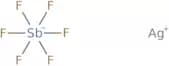
Produto descontinuadoSilver hexafluoroantimonate(V)
CAS:<p>Silver hexafluoroantimonate is a polymeric matrix that is used for its reaction mechanism. The hydroxyl group on the surface of the silver hexafluoroantimonate reacts with hydrochloric acid to produce hydrogen fluoride and an ionic silver chloride complex. Silver hexafluoroantimonate can also be synthesized by cationic polymerization, which involves a coordination complex between the metal and the nitrogen atoms. This coordination geometry allows for hydrogen bonding interactions.</p>Fórmula:AgSbF6Pureza:Min. 95%Cor e Forma:White PowderPeso molecular:343.62 g/molSodium pyrophosphate decahydrate
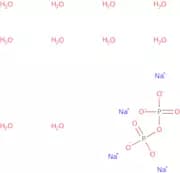
CAS:<p>Sodium pyrophosphate decanhydrate is a methyltransferase inhibitor that blocks the enzyme form of the DNA methyltransferase, which is responsible for maintaining DNA methylation patterns. It has been shown to inhibit the enzymatic activity of this enzyme in a model system. Sodium pyrophosphate decanhydrate inhibits the growth of bacteria by binding to water molecules and preventing them from binding to other molecules, causing dehydration. This drug also has potential as a natriuretic peptide levels inhibitor, with electrochemical impedance spectroscopy studies showing that it may have a high affinity for sodium ions. Studies have also shown that sodium pyrophosphate decanhydrate has no toxicity in mice.</p>Fórmula:H4O7P2•Na4•(H2O)10Pureza:Min. 95%Cor e Forma:PowderPeso molecular:450.09 g/molRef: 3D-FS64805
Produto descontinuadoRuthenium(III) nitrosyl nitrate, soluble in 10% dilute nitric acid
CAS:<p>Please enquire for more information about Ruthenium(III) nitrosyl nitrate, soluble in 10% dilute nitric acid including the price, delivery time and more detailed product information at the technical inquiry form on this page</p>Fórmula:RuN4O10Pureza:Min. 95%Cor e Forma:Clear LiquidPeso molecular:317.09 g/molRef: 3D-FR57258
Produto descontinuadoLithium hydroxide anhydrous
CAS:<p>Lithium hydroxide is a white solid with a high melting point. It is used in the production of other lithium salts, such as lithium carbonate, lithium citrate, and lithium bromide. Lithium hydroxide reacts with acids to produce hydrogen fluoride and water vapor. The reaction is reversible and the equilibrium constant can be calculated by measuring the concentrations of reactants and products at various temperatures. The chemical biology of lithium hydroxide has been studied using different electrochemical impedance spectroscopy techniques.</p>Fórmula:LiOHCor e Forma:White PowderPeso molecular:23.95 g/molRef: 3D-FL49109
Produto descontinuadoSilver fluoride
CAS:<p>Silver fluoride is a chemical compound that consists of silver and fluoride. It is used in the form of a powder or a solution to sterilize surfaces, and can be applied to skin as an antiseptic. The chemical stability of silver fluoride has been studied using thermodynamic data and biological properties. Silver fluoride is able to inhibit the metabolism of some microorganisms, such as the growth of Staphylococcus aureus and Escherichia coli. Silver fluoride also inhibits the synthesis of DNA and RNA, which are important for cell division.</p>Fórmula:AgFPureza:Min. 95%Cor e Forma:PowderPeso molecular:126.87 g/molSodium nitrate
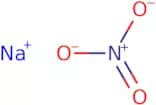
CAS:Produto Controlado<p>Sodium nitrate is a versatile compound that possesses several unique characteristics. It is commonly used as a viscosity modifier in various applications, including activated cephalosporins and glucans. Additionally, sodium nitrate exhibits metallic properties and acts as an antibiotic, making it suitable for use in polymers and other controlled products. This compound also demonstrates inhibitory effects on serine protease activity and can be combined with α-tocopherol to enhance its emission properties. Furthermore, sodium nitrate has been utilized in the production of alkaloids and as an electrode material in potassium-based systems. Its wide range of applications makes sodium nitrate a valuable ingredient in various industries.</p>Fórmula:NaNO3Pureza:Min. 95%Peso molecular:84.99 g/molRef: 3D-FS47121
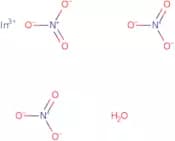
Produto descontinuadoIndium(III) nitrate hydrate
CAS:<p>Indium(III) nitrate hydrate is an inorganic compound that reacts with aqueous solutions of potassium dichromate or malonic acid to produce a precipitate. The chemical stability of this compound has been demonstrated by reacting it with nitric acid, which produced a white solid. A structural analysis of this compound has shown that the reaction mechanism may involve the formation of InO particles and oxide anions. The particle size is between 1-2 microns and the morphology is spherical.</p>Fórmula:In(NO3)3•(H2O)xPureza:Min. 95%Peso molecular:300.83 g/molRef: 3D-FI106482
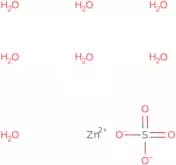
Produto descontinuadoZinc sulfate heptahydrate
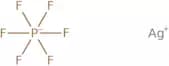
CAS:<p>Zinc sulfate heptahydrate is a chemical compound that is used in sample preparation. It is an acid complex with a high degree of chemical stability. Zinc sulfate heptahydrate can be used to prepare fluorescent derivatives for the detection of organic compounds and metal ions. Zinc sulfate heptahydrate has been shown to have controlled-release properties, which may be due to its ability to form microcapsules with anhydrous sodium carbonate, water vapor, and potassium dichromate. Structural analysis has been conducted on zinc sulfate heptahydrate in order to determine the reaction mechanism for this compound. The reaction mechanism involves the formation of zinc oxide and hydrogen peroxide from the decomposition of zinc sulfate heptahydrate. This product also has applications in the treatment of infectious diseases such as malaria and tuberculosis.</p>Fórmula:ZnSO4·7H2OPureza:Min. 95%Cor e Forma:PowderPeso molecular:287.55 g/molSilver hexafluorophosphate
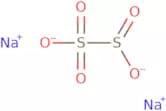
CAS:<p>Silver hexafluorophosphate (AgPF) is a silver salt of the inorganic acid hexafluoro-phosphoric acid. It has been shown to have a high reactivity with organic compounds and is insoluble in water. Silver hexafluorophosphate is used as an additive for certain polymers, such as PVC, to improve their insulating properties. In addition, AgPF has shown biological properties that may be due to its ability to act as a chelate ligand and bind metal ions. The reaction mechanism of AgPF involves the formation of hydrogen bonding interactions with nitrogen atoms, which are found in biological molecules such as proteins and nucleic acids.</p>Fórmula:AgPF6Pureza:Min. 95%Peso molecular:252.83 g/molSodium metabisulfite
CAS:<p>Sodium metabisulfite is a preservative used to inhibit microbial growth in food and drinks. This chemical has been shown to cause bronchoconstriction in animals, but the mechanism for this effect is not well understood. Sodium metabisulfite may also cause anaphylactic reactions in humans. There are no toxicity studies available for sodium metabisulfite injection solutions, but it has been shown that anhydrous sodium metabisulfite can be toxic at high doses. The effects of sodium metabisulfite on human cells have been studied using a surface methodology and cytotoxicity assay. These experiments showed that sodium metabisulfite significantly reduced cellular viability and had significant cytotoxic effects on cells. The mechanism of this cell death was found to be due to the enzyme activity of sulfite oxidase, which produces hydrogen peroxide as a by-product. This hydrogen peroxide causes oxidative stress and leads to the production of reactive oxygen species (ROS) that induce DNA damage</p>Fórmula:Na2S2O5Pureza:Min. 97%Cor e Forma:PowderPeso molecular:190.11 g/molRef: 3D-FS40910
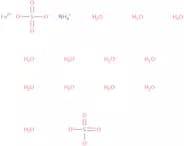
Produto descontinuadoAmmonium iron(III) sulfate dodecahydrate
CAS:<p>Ammonium iron(III) sulfate dodecahydrate is a water-soluble inorganic salt that can be used as an oxidizing agent to reduce the color of stains. It has been shown to have good growth kinetics and is easy to use. Ammonium iron(III) sulfate dodecahydrate is an inorganic acid that can be used as a reagent for extractions. It has been found to have good extraction yield and particle size, which makes it ideal for use in polymer films. Ammonium iron(III) sulfate dodecahydrate reacts with hydroxyl groups and forms p-hydroxybenzoic acid, which can be used in clinical pathology tests.</p>Fórmula:NH4Fe(SO4)2•(H2O)12Pureza:Min. 95%Cor e Forma:PowderPeso molecular:482.19 g/molRef: 3D-FA40933
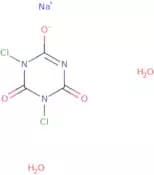
Produto descontinuadoDichloroisocyanuric acid sodium dihydrate
CAS:<p>Dichloroisocyanduric acid sodium salt (DCD) is a disinfectant that is used to control bacteria, fungi, and algae in wastewater treatment plants. DCD has been shown to be an effective antimicrobial agent against bacterial spores and the fungal plant pathogen "Botrytis cinerea" when used at concentrations of 0.1-0.3%. DCD also has a low toxicity for mammals, with LD50 values of 3.5g/kg for rats and 2g/kg for mice. The chemical stability of DCD can be increased by adding sodium carbonate or other alkaline substances in a neutral pH environment.</p>Fórmula:C3HCl2N3O3•(H2O)2•NaPureza:Min. 95%Cor e Forma:PowderPeso molecular:256.98 g/molSodium polytungstate
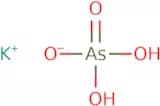
CAS:<p>Sodium polytungstate is a magnetic resonance contrast agent that is used for diagnostic imaging and for the treatment of hyperphosphatemia. Sodium polytungstate consists of tungsten oxide particles coated with sodium carbonate, which are dispersed in water. The dry weight of this contrast agent depends on the particle size and composition, but can range from 500 to 1000 mg/g. Magnetic resonance spectroscopy (MRS) is a technique that can be used to investigate the chemical species present in a sample. It has been shown that MRS can be used to optimise the process by which sodium polytungstate is produced, as well as its biochemical properties.</p>Fórmula:H2O40W12·6NaPureza:Min. 95%Peso molecular:2,986.03 g/molPotassium dihydrogen arsenate
CAS:<p>Potassium dihydrogen arsenate is an inorganic chemical that is used as a pesticide. It prevents the synthesis of proteins by inhibiting soybean trypsin. The optimum concentration for chrysoperla is 1.6 mg/L, which has been shown to be sublethal at levels below 5 mg/L. This chemical has also been shown to have effects on light exposure and thermal expansion. Potassium dihydrogen arsenate belongs to the ferroelectric class of compounds and has a hydrogen bond with water, which may explain its uptake into plants.</p>Fórmula:H2AsKO4Pureza:Min. 95%Peso molecular:180.04 g/molLevothyroxine sodium
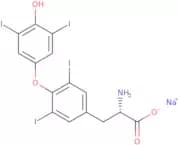
CAS:<p>Levothyroxine sodium is a thyroid hormone that is used to treat hypothyroidism. It is also used to treat goiter and other thyroid problems. Levothyroxine sodium comes in three different forms: tablets, oral solution, and levothyroxine sodium for injection. The tablet form of levothyroxine sodium is taken by mouth once daily with or without food. Oral solution is taken by mouth twice daily (morning and evening) with or without food. Injection should be given as directed by a physician or healthcare provider. Levothyroxine sodium can interact with many drugs, especially ones that affect the heart or blood sugar levels, such as potassium supplements, diuretics, beta blockers, calcium channel blockers, erythromycin, clarithromycin and ketoconazole. Levothyroxine sodium can also interact with certain foods such as soybean flour and grapefruit juice. Levothyroxine sodium has been shown to have a linear calibration curve in vivo</p>Fórmula:C15H10I4NNaO4Pureza:Min. 95%Cor e Forma:White PowderPeso molecular:798.85 g/molSodium phosphate dibasic heptahydrate
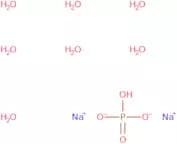
CAS:<p>The particle size of sodium phosphate dibasic heptahydrate is between 0.1 and 1.0 μm. It has a fluorescence detector that can be used to identify metabolic disorders in humans, such as autoimmune diseases and human immunoglobulin deficiency. The particle size of sodium phosphate dibasic heptahydrate is between 0.1 and 1.0 μm. It has a fluorescence detector that can be used to identify metabolic disorders in humans, such as autoimmune diseases and human immunoglobulin deficiency. The particle size of sodium phosphate dibasic heptahydrate is between 0.1 and 1.0 μm. It has a fluorescence detector that can be used to identify metabolic disorders in humans, such as autoimmune diseases and human immunoglobulin deficiency</p>Fórmula:Na2HPO4·7H2OPureza:Min. 95%Cor e Forma:White PowderPeso molecular:268.07 g/molRef: 3D-FS47163
Produto descontinuadoRhodium 5% on Carbon (wetted with ca. 55% Water)
CAS:<p>Rhodium 5% on Carbon (wetted with ca. 55% Water) is a catalyst that has a phase transition temperature of approximately -36 degrees Celsius. This product is used in the reaction of alkanoic acids and also for the preparation of stable complexes with metal hydroxides. Rhodium 5% on Carbon (wetted with ca. 55% Water) has been shown to have beneficial effects on autoimmune diseases, including multiple sclerosis, rheumatoid arthritis, and psoriasis. The metal-carbon bond in this product is covalent, which means it forms strong chemical bonds that are difficult to break. Rhodium 5% on Carbon (wetted with ca. 55% Water) has been shown to be an excellent catalyst for reactions involving water vapor or other molecules containing hydrogen atoms.</p>Fórmula:RhPureza:Min. 95%Peso molecular:102.91 g/molRef: 3D-FR60995
Produto descontinuadoCarbonylbis(triphenylphosphine)rhodium(I) Chloride
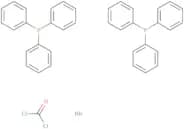
CAS:Produto Controlado<p>Carbonylbis(triphenylphosphine)rhodium(I) Chloride is a carbonyl compound that is prepared by reacting alcohols with diethyl ether in the presence of rhodium chloride. It is used as a reagent for alkylation, recrystallization, and purification of organic compounds. Carbonylbis(triphenylphosphine)rhodium(I) Chloride has been used to synthesize formaldehyde from ethylene glycol and formaldehyde-based resins. It also has been used as a catalyst in the conversion of aliphatic hydrocarbons to alcohols. This compound is insoluble in water and crystallizes yellow when dried.</p>Fórmula:C37H30ClOP2RhPureza:Min. 95%Peso molecular:690.94 g/molRef: 3D-FC60959
Produto descontinuadoZincphosphinate
CAS:Produto Controlado<p>Please enquire for more information about Zincphosphinate including the price, delivery time and more detailed product information at the technical inquiry form on this page</p>Fórmula:O4P2ZnPureza:Min. 95%Peso molecular:191.33 g/molRef: 3D-FZ150551
Produto descontinuado