APIs para pesquisa e impurezas
Os Ingredientes Farmacêuticos Ativos (APIs) são as substâncias nos medicamentos responsáveis por seus efeitos terapêuticos. Nesta seção, você encontrará uma ampla variedade de APIs destinados a uso em pesquisa. Esses compostos são essenciais para o desenvolvimento, teste e validação de novas formulações farmacêuticas. Na CymitQuimica, oferecemos APIs de alta qualidade para apoiar a pesquisa em descoberta e desenvolvimento de medicamentos.
Subcategorias de "APIs para pesquisa e impurezas"
- Aminoácidos e Derivados(12.278 produtos)
- Antraquinonas e Derivados(405 produtos)
- Derivados de Benzimidazol e Imidazol(10.376 produtos)
- Derivados das Benzodiazepinas(333 produtos)
- Carboidratos e Glicoconjugados(5.013 produtos)
- Ésteres e Derivados(42.045 produtos)
- Ácidos Graxos e Derivados Lipídicos(32.246 produtos)
- Flavonoides e Polifenóis(17.012 produtos)
- Radicais Livres e Agentes Oxidantes/Redutores(213 produtos)
- Cetonas e Derivados(2.394 produtos)
- Antibióticos Naturais e Semissintéticos(6.364 produtos)
- Nitrilas e Derivados Ciano(3.045 produtos)
- Nitrosaminas e Derivados(55 produtos)
- Nucleosídeos e Nucleotídeos(3.429 produtos)
- Fosfatos e Fosfonatos Orgânicos(1.201 produtos)
- Sulfonatos e Sulfatos Orgânicos(10.406 produtos)
- Compostos Organometálicos(4.401 produtos)
- Outros(6.279 produtos)
- Peptídeos e Proteínas(3.129 produtos)
- Polímeros e Derivados(99 produtos)
- Derivados de Purinas e Pirimidinas(8.902 produtos)
- Derivados de Quinazolina e Quinolina(65.630 produtos)
- Quinonas e Derivados(24.239 produtos)
- Sais e Derivados de API(79.473 produtos)
- Esteroides e Derivados(4.967 produtos)
- Sulfonamidas e Derivados(2.592 produtos)
- Terpenoides e Derivados(3.839 produtos)
- Tiazolidinedionas e Tiopiranos(2.733 produtos)
- Compostos β-Adrenérgicos(230 produtos)
Exibir 21 mais subcategorias
Foram encontrados 56797 produtos de "APIs para pesquisa e impurezas"
Ordenar por
Pureza (%)
0
100
|
0
|
50
|
90
|
95
|
100
(S)-(+)-4-Phenyl-2-oxazolidinone
CAS:<p>(S)-(+)-4-Phenyl-2-oxazolidinone is a synthetic, white to off-white solid that is soluble in water and ethanol. It is used as an analytical standard for the determination of the drug product and impurities during development and manufacture. The CAS number for (S)-(+)-4-Phenyl-2-oxazolidinone is 99395-88-7.</p>Fórmula:C9H9NO2Pureza:Min. 95%Peso molecular:163.17 g/mol[4-(4-Amino-6,7-dimethoxy-2-quinazolinyl)-1-piperazinyl]-2-furanyl-methanone
CAS:<p>Leflunomide is a drug that belongs to the class of pyridones. It is used in the treatment of rheumatoid arthritis, juvenile idiopathic arthritis, psoriatic arthritis, and ankylosing spondylitis. Leflunomide inhibits ATP-binding cassette transporter A1 (ABCA1) and P-glycoprotein (Pgp) which are membrane proteins involved in the transport of lipophilic molecules across cellular membranes. Leflunomide also has been shown to inhibit 5-hydroxytryptamine2 receptors (5HT2 receptors). This inhibition may be responsible for leflunomide's effect on water retention. Leflunomide is metabolized into leflunic acid by cytochrome P450 enzymes, mainly CYP3A4. The activity of leflunic acid is similar to that of leflunomide.</p>Fórmula:C19H21N5O4Pureza:Min. 95%Peso molecular:383.4 g/molLoperamide N-oxide
CAS:<p>μ-opioid receptor agonist; calcium channel inhibitor; anti-diarrheal</p>Fórmula:C29H33ClN2O3Pureza:Min. 95 Area-%Cor e Forma:PowderPeso molecular:493.04 g/molApixaban Impurity 3
CAS:<p>Apixaban Impurity 3 is a reactant in medicines. It reacts with an amide to form the target compound, apixaban. Apixaban is a drug used to prevent stroke and blood clots in patients who have atrial fibrillation.</p>Fórmula:C26H27N5O4Pureza:Min. 95%Cor e Forma:PowderPeso molecular:473.52 g/molRemdesivir Related Compound 4
CAS:<p>Remdesivir Related Compound 4 is a synthetic compound that is structurally related to remdesivir. It has been shown to have anti-HIV activity in vitro. Remdesivir Related Compound 4 may be used as an impurity standard for HPLC, and as an intermediate in the synthesis of other drugs.</p>Fórmula:C32H32N4O5Pureza:Min. 95%Peso molecular:552.62 g/mol(3S,5S)-Atorvastatin sodium salt
CAS:<p>Atorvastatin is a statin drug that inhibits the enzyme HMG-CoA reductase, which is responsible for cholesterol synthesis. Atorvastatin is used to lower LDL cholesterol and total cholesterol levels in the blood. It also lowers triglyceride levels and raises HDL cholesterol levels. Atorvastatin has been shown to inhibit fibrinogen production, reduce TNF-α production, and improve body mass index (BMI) in obese patients. This drug has been shown to be effective in reducing the size of atherosclerotic lesions by decreasing the amount of cholesteryl esters transferred from high-density lipoprotein (HDL) to low-density lipoprotein (LDL). It has also been shown to inhibit collagen production and stimulate muscle cell proliferation.</p>Fórmula:C33H34FN2NaO5Pureza:Min. 95%Cor e Forma:PowderPeso molecular:580.62 g/molDaunorubicinol
CAS:<p>Daunorubicin metabolite</p>Fórmula:C27H31NO10Pureza:Min. 95%Cor e Forma:Red PowderPeso molecular:529.54 g/molTacrolimus Impurity 6
CAS:<p>Tacrolimus Impurity 6 is a product that is custom-synthesized by our company. It is a high purity, analytical standard used in the study of drug metabolism. This impurity can be found in the natural form and as a synthetic compound. It has been shown to act as an inhibitor of protein synthesis, which may be due to its inhibition of methionine synthase activity.</p>Fórmula:C44H71NO13Pureza:Min. 95%Peso molecular:822.03 g/molClobetasol Propionate - Impurity B
CAS:Produto Controlado<p>(11β)-21-Chloro-9-fluoro-11-hydroxy-16-methylpregna-1,4,16-triene-3,20-dione is a chemical compound that can be used as a building block in the synthesis of other chemicals. It is structurally related to progesterone and has been found to have antiandrogenic properties. This product can also be used as a reagent or speciality chemical in research. It is high quality and versatile. (11β)-21-Chloro-9-fluoro-11-hydroxy-16-methylpregna 1,4,16 triene 3,20 dione has been shown to have an effect on the body's reproductive system by binding to the androgen receptor.</p>Fórmula:C22H26ClFO3Pureza:Min. 95%Cor e Forma:PowderPeso molecular:392.89 g/mol4-(2-Methoxyethyl)phenol
CAS:<p>4-(2-Methoxyethyl)phenol is a synthetic compound that is an antihypertensive agent. It is used to reduce high blood pressure, which may be due to its ability to block the action of angiotensin II, a potent vasoconstrictive hormone, by binding with its receptor. 4-(2-Methoxyethyl)phenol has been shown to be more potent than metoprolol succinate and less toxic than hydroxylated compounds such as propranolol in pharmacokinetic studies. In addition, 4-(2-Methoxyethyl)phenol has been found to have a low risk of congestive heart failure. The industrial process for this substance involves the reaction of hydrochloric acid with phenol in the presence of a catalyst such as aluminium chloride or zinc chloride.</p>Fórmula:C9H12O2Pureza:Min. 95%Cor e Forma:PowderPeso molecular:152.19 g/mol6-Hydroxy chlorzoxazone β-D-glucuronide lithium salt
CAS:<p>Please enquire for more information about 6-Hydroxy chlorzoxazone β-D-glucuronide lithium salt including the price, delivery time and more detailed product information at the technical inquiry form on this page</p>Fórmula:C13H12ClNO9Pureza:Min. 95%Cor e Forma:PowderPeso molecular:361.69 g/molN-[1-(R)-(1-Naphthyl)ethyl]-3-[3-(trifluoromethyl)phenyl]-1-propanamide
CAS:<p>N-[1-(R)-(1-Naphthyl)ethyl]-3-[3-(trifluoromethyl)phenyl]-1-propanamide is an impurity standard that is used in the manufacture of a drug product. This compound is not found in nature and has no known biological activity. It has been shown to be metabolized by CYP2D6, CYP2C8, and CYP2C9. The analytical impurity content of this compound should be less than 10% or 10 ppm as determined using HPLC methods.</p>Fórmula:C22H20F3NOPureza:Min. 95%Cor e Forma:PowderPeso molecular:371.4 g/mol(S)-N2-(Methoxymethyl)-N6-proply-4,5,6,7-tetrahydro-1,3-benzothiazole-2,6 diamine)
<p>(S)-N2-(Methoxymethyl)-N6-proply-4,5,6,7-tetrahydro-1,3-benzothiazole-2,6 diamine) is an API impurity. CAS No. for this product is not available. This product is a custom synthesis and can be purchased as a research and development product. It has been shown to inhibit the activity of bacterial DNA gyrase and topoisomerase IV, which maintains the integrity of bacterial DNA. The chemical name for this product is (S)-N2-(Methoxymethyl)-N6-proply-4,5,6,7-tetrahydro-1,3-benzothiazole-2,6 diamine).</p>Fórmula:C12H23N3OSPureza:Min. 95%Peso molecular:257.4 g/mol3-Methylene simvastatin impurity
CAS:<p>3-Methylene simvastatin impurity is an impurity that is formed during the synthesis of simvastatin. It has a molecular formula of C14H24O2 and its molecular weight is 256. 3-Methylene simvastatin impurity can be synthesized by reacting acetone with hydrochloric acid in the presence of hydroxyl groups. The target product, simvastatin, can then be obtained by reacting the hydroxyl groups with chloroacetic acid and sodium methoxide.</p>Fórmula:C26H38O5Pureza:Min. 95%Peso molecular:430.58 g/mol2-[[[4-(3-Methoxypropoxy)-3-methyl-2-pyridinyl]methyl]thio]-1H-benzimidazole
CAS:<p>Rabeprazole is a proton pump inhibitor that is used to treat acid-related disorders such as gastroesophageal reflux disease and peptic ulcers. Rabeprazole inhibits the production of gastric acid by blocking the hydrogen/potassium ATPase that is found in the parietal cells of the stomach. The main mechanism of action for rabeprazole is competitive inhibition of the proton pump, which leads to decreased gastric acid secretion. Rabeprazole can be administered orally or intravenously, with a half-life of about 2 hours. It has been shown to have an effect on human liver cytochrome P450s, but does not affect the activity of recombinant cytochrome P450 3A4 (CYP3A4). In clinical studies, rabeprazole was shown to have no adverse effects on CYP3A4 activity and may even increase it slightly.</p>Fórmula:C18H21N3O2SPureza:Min. 95%Cor e Forma:White PowderPeso molecular:343.44 g/molAmoxicillin impurity 33
CAS:<p>Amoxicillin impurity 33 is a drug product that is used as an analytical standard for impurities in amoxicillin. It is a natural metabolite of amoxicillin, which is obtained from the fermentation of bacteria. This metabolite has been found to be present in human urine and has been detected in commercial preparations of amoxicillin. Amoxicillin impurity 33 is a white powder with a melting point of about 180-185°C.</p>Pureza:Min. 95%Cimetidine impurity F
CAS:<p>Cimetidine impurity F is a research and development, drug product, analytical, synthetic, natural, niche, HPLC standard and pharmacopoeia impurity.<br>CAS No. 55272-86-1</p>Fórmula:C16H24N8S2Pureza:Min. 95%Cor e Forma:White PowderPeso molecular:392.55 g/molDiclofenac impurity B
CAS:<p>Diclofenac impurity B is a regulatory impurity in the drug Diclofenac, which is a nonsteroidal anti-inflammatory drug. Diclofenac impurity B is an acidic compound that has been shown to inhibit the formation of micelles and micellar aggregates. This impurity has also been shown to be synthesized through a number of reactions, including thermal hydrolysis, oxidation by air, and reaction with carbonyl compounds. This impurity can be identified using high-performance liquid chromatography (HPLC) and mass spectrometry (MS). The ability to identify this impurity can aid in the development of analytical methods for diclofenac.</p>Fórmula:C13H9Cl2NOPureza:Min. 95%Cor e Forma:PowderPeso molecular:266.12 g/molAtorvastatin epoxydione impurity
CAS:<p>Atorvastatin epoxydione impurity (EPI) is a heptanoic, hydrate, diastereoisomer, racemic mixture, enantiomer and impurity of Atorvastatin. The EPI has been minimized in the formulation process by using a novel synthesis route that employs a chiral pyrrole derivative as an intermediate. This minimization has allowed for the elimination of the tautomer and other impurities present in the original compound.</p>Fórmula:C26H22FNO4Pureza:Min. 95 Area-%Cor e Forma:White PowderPeso molecular:431.46 g/molDehydroxy bisoprolol
CAS:<p>Dehydroxy bisoprolol is an impurity of the drug Bisoprolol that is used to make the drug product Metoprolol. It is a metabolite of Bisoprolol, which is produced by the liver after metabolism and excretion. Dehydroxy bisoprolol has been detected in plasma, urine, feces, and breast milk. The pharmacological effects of Dehydroxy bisoprolol have not been studied.</p>Fórmula:C18H29NO3Pureza:Min. 95%Cor e Forma:PowderPeso molecular:307.43 g/molOlmesartan lactone impurity
CAS:<p>Olmesartan lactone impurity is a high-purity, low-cost, and stable pharmaceutical intermediate. It is an ester of olmesartan and medoxomil. The synthesis of this compound can be achieved through the esterification of olmesartan with medoxomil using a solvent such as dioxane. This compound is used to produce olmesartan medoxomil, which is a non-selective angiotensin II receptor antagonist. Olmesartan lactone impurity has been shown to have no effects on the human body when tested in animals.</p>Fórmula:C24H24N6O2Pureza:Min. 95%Cor e Forma:White PowderPeso molecular:428.49 g/molAztreonam impurity D
CAS:<p>Aztreonam impurity D is a metabolite of aztreonam. Aztreonam impurity D is an impurity standard for the pharmacopoeia and API industry, as well as for drug development and research. It has been shown that this compound inhibits bacterial growth by binding to DNA-dependent RNA polymerase, thereby preventing transcription and replication. The high frequency of human activity has been shown using a patch-clamp technique on human erythrocytes. This active form is metabolized through a number of metabolic transformations, including hydrolysis by esterases or glucuronidases, oxidation by cytochrome P450 enzymes, reduction by glutathione reductase, or conjugation with glucuronic acid. Aztreonam impurity D also specifically binds to markers expressed at high levels in Mycobacterium tuberculosis strains (e.g., ESX-1 secretion system protein) and inhibits cell growth in culture.</p>Fórmula:C13H17N5O5SPureza:Min. 95 Area-%Cor e Forma:PowderPeso molecular:355.37 g/mol2-EPIIvermectin B1a
<p>2-EPIivermectin B1a is a drug product that is used as an analytical standard for the detection of impurities in API and in the synthesis of Metabolite. It is also used as a natural product for drug development. 2-EPIivermectin B1a is not intended for use as an active pharmaceutical ingredient. This product has been shown to have pharmacopoeia purity, which means it meets the specifications set by the following organizations: USP, EP, JP, BP, and CP.</p>Pureza:Min. 95%2,2-Bis(N-(a,a,a-trifluoro-m-tolyl)antranililoxi)diethylether
CAS:<p>2,2-Bis(N-(a,a,a-trifluoro-m-tolyl)antranililoxi)diethylether is a natural compound that is an impurity in the drug 2,2-Bis(N-(a,a,a-trifluoro-m-tolyl)antranilic acid). It has been used as an analytical reference material and as a standard for HPLC. The synthesis of this compound has not been reported. It has been shown to be metabolized by hydrolysis to form 2-(4'-aminophenyl)-3H-[1]benzopyran and benzeneacetic acid.<br>2,2-Bis(N-(a,a,a-trifluoro-m-tolyl)antranililoxi)diethylether is also known as bis(4'-aminophenyl)-3H-[1</p>Fórmula:C32H26F6N2O5Pureza:Min. 95%Cor e Forma:Slightly Yellow Yellow Clear LiquidPeso molecular:632.55 g/molEsomeprazole impurity 12
<p>Esomeprazole impurity 12 is a drug product that belongs to the class of organic compounds. It is a metabolite of esomeprazole, an API impurity. The CAS number for Esomeprazole impurity 12 is 537-19-9 and it has been classified as an analytical standard for HPLC. This compound is not found in any pharmacopoeia and does not have any niche applications.</p>Fórmula:C26H30N4O4SPureza:Min. 95%Peso molecular:494.61 g/molEmpagliflozin R-furanose
CAS:<p>Empagliflozin R-furanose is a drug product that belongs to the class of drugs for treatment of type II diabetes. It is a synthetic derivative of Empagliflozin, which is a natural compound found in plants. Empagliflozin R-furanose has been shown to inhibit the activity of dipeptidyl peptidase 4 (DPP-4) and reduce postprandial glucose levels in healthy subjects. This drug product has also been shown to be safe and effective in lowering blood sugar and hemoglobin A1c levels in patients with type II diabetes mellitus or impaired glucose tolerance.</p>Fórmula:C23H27ClO7Pureza:Min. 95%Cor e Forma:PowderPeso molecular:450.91 g/molBis-[[2-aminoethyl]thio]methane dihydrochloride
CAS:<p>Bis-[[2-aminoethyl]thio]methane dihydrochloride is a research and development metabolite that can be custom synthesized. It is an impurity standard for HPLC analysis of pharmaceutical products. The CAS number for this compound is 22965-82-8. This product is a Synthetic, Natural, and niche chemical with high purity.</p>Fórmula:C5H14N2S2•(HCl)2Pureza:Min. 95%Peso molecular:239.23 g/molPantoprazole N-oxide sodium
CAS:<p>Pantoprazole N-oxide sodium is a custom synthesis drug product that is being developed as an impurity standard in the synthesis of Pantoprazole. The compound is also used as a pharmacopoeia analytical standard and a HPLC standard.</p>Fórmula:C16H15F2N3O5S·NaPureza:Min. 95%Cor e Forma:PowderPeso molecular:422.36 g/mol6-(2,3-Dichlorophenyl)-1,2,4-triazine-3,5(2H,4H)-dione
CAS:<p>6-(2,3-Dichlorophenyl)-1,2,4-triazine-3,5(2H,4H)-dione is a chlorinating agent that converts alcohols to alkyl chlorides. It is used for the conversion of diazotizable aromatic compounds to diazo compounds. This compound has been shown to be neuroprotective in animal models and provides protection against glutamate excitotoxicity. 6-(2,3-Dichlorophenyl)-1,2,4-triazine-3,5(2H,4H)-dione also reacts with nitrite ions to form the corresponding nitroso derivatives. These derivatives can cause DNA damage and are mutagenic. 6-(2,3-Dichlorophenyl)-1,2,4-triazine-3,5(2H,4H)-dione has been shown to react with aminoguanidine to produce a chromat</p>Fórmula:C9H5Cl2N3O2Pureza:Min. 95%Cor e Forma:PowderPeso molecular:258.06 g/molCalcipotriol EP Impurity B
<p>Calcipotriol EP Impurity B is a drug product that is an impurity in Calcipotriol EP. It is produced during the synthesis of calcipotriol and may be present in the natural product. It has been shown to have anti-inflammatory properties, and can be used as a research tool to study calcipotriol metabolism.</p>Fórmula:C27H40O3Pureza:Min. 95%Peso molecular:412.6 g/mol5-Methoxy-2-[[(4-methoxy-3,5-dimethyl-2-pyridinyl)methyl]sulfonyl]-1H-benzimidazole
CAS:<p>5-Methoxy-2-[[(4-methoxy-3,5-dimethyl-2-pyridinyl)methyl]sulfonyl]-1H-benzimidazole is an inhibitor of cytochrome P450 2C19. It has been shown to inhibit the activity of this enzyme in a concentration dependent manner and to enhance the activity of omeprazole by inhibiting its metabolism. 5-Methoxy-2-[(4-methoxy, 3,5 dimethylpyridiniumyl)methyl]sulfonyl]-1H benzimidazole is used as a model system for studying drug interactions due to its ability to inhibit cytochrome P450 2C19 and CYP2C19 protein expression. 5 METHOXY - 2 - [[ ( 4 - METHOXY - 3 , 5 - DIMETHYL - 2 - PYRIDINYL ) M</p>Fórmula:C17H19N3O4SPureza:Min. 95%Cor e Forma:White Off-White PowderPeso molecular:361.42 g/molNaltrexone impurity A
CAS:Produto Controlado<p>Naltrexone impurity A is a synthetic, high-purity drug product that is used as an analytical reference standard in the development and manufacture of pharmaceuticals. It is also used as a pharmacopoeia reference standard and to study metabolism. Naltrexone impurity A has been shown to be a major metabolite of naltrexone and can be found in the urine at concentrations of 1-2% following oral administration. This impurity is not active when given orally, but may have activity if injected intravenously or intramuscularly.</p>Fórmula:C17H17NO5Pureza:Min. 95%Cor e Forma:PowderPeso molecular:315.32 g/molAtorvastatin diepoxide
CAS:<p>Atorvastatin diepoxide is an analytical standard for the drug atorvastatin that is used in the development of pharmaceuticals. It is synthesized by reacting atorvastatin with epichlorohydrin, which produces a diepoxide derivative. This synthetic molecule can be used as an impurity standard for HPLC analysis. The CAS number for atorvastatin diepoxide is 887470-43-1.</p>Fórmula:C33H35FN2O7Pureza:Min. 95%Peso molecular:509.64 g/molEthyl 3-aminopyrazole-4-carboxylate
CAS:<p>Ethyl 3-aminopyrazole-4-carboxylate is an anticancer drug that inhibits the growth of cancer cells by inhibiting protein synthesis. It has been shown to inhibit the activity of dpp-iv and pde5, which are enzymes involved in cellular proliferation. Ethyl 3-aminopyrazole-4-carboxylate has also been shown to have antiinflammatory properties, which may be due to inhibition of prostaglandin synthesis. <br>Ethyl 3-aminopyrazole-4-carboxylate is a multinuclear compound that reacts with nitrogen atoms from the pyrazoles to form a stable molecule. Dimethylformamide is used as a solvent for this reaction. The synthesis of ethyl 3-aminopyrazole-4-carboxylate starts with acetylation, which converts the carboxylic acid group into an acetic acid group. The acetic acid group reacts with ammonia and hydrogen cyan</p>Fórmula:C6H9N3O2Pureza:Min. 95%Cor e Forma:PowderPeso molecular:155.16 g/mol5-Chloro-N-[[(5R)-2-oxo-3-[4-(3-oxo-4-morpholinyl)phenyl]-5-oxazolidinyl]methyl]-2-thiophenecarboxamide
CAS:<p>5-chloro-N-[[(5R)-2-oxo-3-[4-(3-oxo-4-morpholinyl)phenyl]-5-oxazolidinyl]methyl]-2-thiophenecarboxamide (CTP) is a potent inhibitor of the cytochrome P450 enzyme CYP3A4. CTP has been shown to inhibit the metabolism of midazolam, an important drug for general anesthesia and sedation, in a study investigating the interaction between CYP3A4 inhibitors and midazolam. Ketoconazole, another inhibitor of CYP3A4, inhibited the metabolism of midazolam in vitro as well. In addition, CTP was shown to be a substrate for CYP2D6 and CYP1A2 in vitro.</p>Fórmula:C19H18ClN3O5SPureza:Min. 95%Cor e Forma:White PowderPeso molecular:435.88 g/molN-[4-Amido-3-(trifluoromethyl)phenyl-3-[(4-fluorophenyl)sulphinyl]-2-hydroxy-2-methylpropanamide
CAS:<p>This drug product is a custom synthesis, CAS No. 2200280-97-1, drug development, Metabolite, Synthetic, Impurity standard, Metabolism studies, API impurity, Natural (pharmacopoeia), analytical (HPLC standard), Research and Development (High purity). It is a metabolite of the drug N-[4-amido-3-(trifluoromethyl)phenyl-3-[(4-fluorophenyl)sulphinyl]-2-hydroxy-2-methylpropanamide. This compound has been shown to have high affinity for the dopamine receptor with an IC50 of 0.5 nM.</p>Fórmula:C18H16F4N2O5SPureza:Min. 95 Area-%Cor e Forma:White to off-white solid.Peso molecular:448.39 g/mol8-Chloro-11H-benzo[5,6]cyclohepta[1,2-b]pyridin-11-one
CAS:<p>Please enquire for more information about 8-Chloro-11H-benzo[5,6]cyclohepta[1,2-b]pyridin-11-one including the price, delivery time and more detailed product information at the technical inquiry form on this page</p>Fórmula:C14H8ClNOPureza:Min. 95%Peso molecular:241.67 g/molValganciclovir related compound G
CAS:<p>Valganciclovir related compound G is a drug product. It has been synthesized in our lab. Valganciclovir related compound G is not an approved drug and is not currently available in the market. Valganciclovir related compound G is a high purity analytical standard that can be used for metabolism studies, natural product research, synthetic research, and pharmacopoeia. Valganciclovir related compound G is a metabolite of valganciclovir and can be used as an impurity standard for HPLC analysis.</p>Fórmula:C15H24N6O6Pureza:Min. 95%Peso molecular:384.39 g/molDefluoro atorvastatin calcium
CAS:<p>Defluoro atorvastatin calcium is a bulk drug that has been approved to be used as an adjunct to diet to reduce elevated cholesterol levels in adults. Defluoro atorvastatin calcium is the desfluoro-enantiomer of atorvastatin, which is a statin that inhibits the enzyme HMG-CoA reductase. This enzyme catalyzes the conversion of HMG-CoA to mevalonic acid, which is an early step in the synthesis of cholesterol. The fluoro group on defluoro atorvastatin calcium is not expected to have any significant effect on its potency or metabolic pathways and any impurities are not expected to have any therapeutic effect.</p>Fórmula:C66H70CaN4O10Pureza:Min. 95%Cor e Forma:White PowderPeso molecular:1,119.36 g/molLevonorgestrel EP Impurity O
CAS:<p>Soluble in Chloroform & in Methanol Confirmed<br>Insoluble in Water</p>Pureza:95.0% MinCor e Forma:Off White or Beige SolidPeso molecular:344.495-Benzoyl-7-bromo-2,3-dihydro-1H-pyrrolizine-1-carboxylic acid - Racemic
CAS:<p>5-Benzoyl-7-bromo-2,3-dihydro-1H-pyrrolizine-1-carboxylic acid - Racemic is a drug product that is used for the research and development of drugs. It is manufactured synthetically. This compound has been shown to be metabolized in rats and humans. Studies have also shown that this compound may be an impurity in other drugs. The use of 5-Benzoyl-7-bromo-2,3-dihydro-1H-pyrrolizine-1-carboxylic acid - Racemic can be found in the USP/NF as a HPLC standard or as an analytical reference standard.</p>Fórmula:C15H12BrO3NPureza:Min. 95%Peso molecular:334.16 g/mol(3R)-3-Amino-1-[5,6-dihydro-3-(trifluoromethyl)-1,2,4-triazolo[4,3-α]pyrazin-7(8H)-yl]-4-(2,3,6-trifluorophenyl)-1-butanone
CAS:<p>Please enquire for more information about (3R)-3-Amino-1-[5,6-dihydro-3-(trifluoromethyl)-1,2,4-triazolo[4,3-α]pyrazin-7(8H)-yl]-4-(2,3,6-trifluorophenyl)-1-butanone including the price, delivery time and more detailed product information at the technical inquiry form on this page</p>Fórmula:C16H15F6N5OPureza:Min. 95%Peso molecular:407.31 g/molOlmesartan EP Impurity C
CAS:<p>Olmesartan medoxomil is a prodrug that is metabolized to the active form, olmesartan, in the liver. The esters of olmesartan medoxomil are metabolized by hydrolysis and by esterases. The most common side effects of olmesartan medoxomil are headache, dizziness, fatigue, nausea and diarrhea. Olmesartan medoxomil is used for the treatment of high blood pressure in adults. This drug also has anti-inflammatory properties due to its inhibition of prostaglandin synthesis.</p>Fórmula:C29H28N6O5Pureza:Min. 95%Cor e Forma:White Off-White PowderPeso molecular:540.57 g/mol2-(3-Hydroxy-2,2-Dimethylpropoxy)-1-(6-Hydroxy-2-Naphthyl)Propan-1-One
<p>The following is a description of an impurity standard for the metabolite 2-(3-Hydroxy-2,2-Dimethylpropoxy)-1-(6-Hydroxy-2-Naphthyl)Propan-1-One:</p>Pureza:Min. 95%(3S)-3-[4-[(5-Bromo-2-chlorophenyl)methyl]phenoxy]tetrahydro-furan
CAS:<p>Intermediate in the synthesis of empagliflozin</p>Fórmula:C17H16BrClO2Pureza:Min. 95%Cor e Forma:White PowderPeso molecular:367.66 g/molVitamin A EP Impurity C
CAS:<p>Soluble in Chloroform & in Methanol Confirmed<br>Insoluble in Wate</p>Pureza:90% minCor e Forma:Off White or Beige SolidPeso molecular:312.458-Fluoro-2,2-dimethyl-9-(4-methyl-1-piperazinyl)-6-oxo-2H,6H-oxazolo[5,4,3-ij]quinoline-5-carboxylic acid
CAS:<p>8-Fluoro-2,2-dimethyl-9-(4-methyl-1-piperazinyl)-6-oxo-2H,6H-oxazolo[5,4,3-ij]quinoline-5-carboxylic acid is a synthetic drug product. It has been shown to be metabolized by CYP3A4 and CYP3A5 into an impurity that is not detectable with HPLC. 8FQCA is also studied for its pharmacological effects on the metabolic pathways of nicotinamide adenine dinucleotide phosphate (NADPH) oxidase and cyclooxygenase 2 (COX2).</p>Fórmula:C18H20FN3O4Pureza:Min. 95%Peso molecular:361.37 g/mol3-O-Methylcarbidopa
CAS:Produto Controlado<p>3-O-Methylcarbidopa is a drug that belongs to the class of dopa decarboxylase inhibitors. It is an inactive prodrug, which is converted into its active form by hydrolysis in the body. 3-O-Methylcarbidopa has been shown to have a plasma concentration that can be detected, with an elimination rate of about 4 hours. The active substance is found in the particle size range of 0.1 to 1 micrometer and can be analyzed using chromatographic methods. 3-O-Methylcarbidopa is primarily used for the treatment of Parkinson's disease, but also has potential applications in other diseases such as Alzheimer's disease, depression and schizophrenia.</p>Pureza:Min. 95%Peso molecular:240.265-Aminolevulinic acid hexyl ester hydrochloride
CAS:<p>5-Aminolevulinic acid hexyl ester hydrochloride (5-ALA HCl) is a fluorescent probe that is used in the diagnosis of bladder and skin cancers. It is a prodrug that is converted to 5-aminolevulinic acid (ALA), which reacts with intracellular porphyrins to form an excited state. This excited state fluoresces when it interacts with light, making it useful for the detection of cancer cells. 5-ALA HCl has been shown to be effective in the diagnosis of multifocal urothelial carcinoma and cervical intraepithelial neoplasia.</p>Fórmula:C11H22ClNO3Peso molecular:251.75 g/mol2-[[[(4-Methoxypropoxy)-3-methyl-2-pyridinyl]methyl]sulfonyl]-1H-benzimidazole
CAS:<p>2-[[[(4-Methoxypropoxy)-3-methyl-2-pyridinyl]methyl]sulfonyl]-1H-benzimidazole is a protonated sulfonamide that is used as an analytical method to detect the presence of other drugs in human liver tissue. It has been shown to inhibit the activity of cytochrome P450 3A4 (CYP3A4), one of the enzymes responsible for metabolizing many drugs. Bromoenol lactone and powder diffraction spectrum are two additional analytical methods that can be used to detect 2-[([(4-methoxypropoxy)-3-methyl-2-pyridinyl]methyl]sulfonyl]-1H-benzimidazole.</p>Fórmula:C18H21N3O4SPureza:Min. 95%Cor e Forma:White/Off-White SolidPeso molecular:375.44 g/molDifluoro atorvastatin
CAS:<p>Difluoro atorvastatin is a filtrate of atorvastatin, which is a cholesterol-lowering drug. It is synthesized by reacting butyric acid with atorvastatin in an organic solvent. The reaction solution was filtered to remove impurities and then purified by liquid chromatography. The product was characterized by diffraction and LC-MS analysis. Difluoro atorvastatin has a high purity and is suitable for further use in the preparation of pharmaceuticals.</p>Fórmula:C33H34F2N2O5Pureza:Min. 95%Peso molecular:576.63 g/molOlsalazine sodium impurity D
CAS:<p>Olsalazine sodium impurity D is a natural substance that is present as an impurity in the drug Olsalazine sodium. It is used as an analytical standard for Olsalazine sodium and its metabolites, which are involved in drug development. The purity of this substance can be customized by our research and development team. This product has CAS number 93964-55-7 and is available at a reasonable price.</p>Fórmula:C14H9ClN2O5Pureza:Min. 95%Cor e Forma:PowderPeso molecular:320.68 g/molDapagliflozin Impurity 30
CAS:<p>Dapagliflozin Impurity 30 is a natural impurity found in the drug Dapagliflozin. It is an analytical standard used for HPLC quantification of dapagliflozin, and it can be used as a pharmacopoeia reference material or research and development material. Dapagliflozin Impurity 30 is synthesized by using a custom synthesis protocol. The CAS number for this compound is 1373321-04-0.</p>Fórmula:C21H25ClO6Pureza:Min. 95%Cor e Forma:PowderPeso molecular:408.9 g/molN-[1-(S)-(-)-(1-Naphthyl)ethyl]-3-[3-(trifluoromethyl)phenyl]-1-aminopropane hydrochloride
CAS:<p>N-[1-(S)-(-)-(1-Naphthyl)ethyl]-3-[3-(trifluoromethyl)phenyl]-1-aminopropane hydrochloride is an analytical reagent that is used in biological and pharmaceutical research. It is a potent inhibitor of parathyroid hormone release and has been shown to be a potential biomarker for hyperparathyroidism. The drug is also used as a control analysis in polymerase chain reaction experiments. When administered to animals, it has been shown to reduce the thermal expansion of cartilage tissue and increase the rate of bone resorption. There are no known drug interactions with this drug, but it can interact with other drugs that have similar metabolic effects such as calcium or vitamin D.</p>Fórmula:C22H22F3N·HClPureza:Min. 95%Cor e Forma:White PowderPeso molecular:393.87 g/mol3-(2-Chloroethyl)-2-methyl-6,7,8,9-tetrahydro-4H-pyrido[1,2-a]pyrimidin-4-one
CAS:<p>3-(2-Chloroethyl)-2-methyl-6,7,8,9-tetrahydro-4H-pyrido[1,2-a]pyrimidin-4-one is an antibacterial agent that inhibits bacterial growth by binding to the 50S ribosomal subunit. It is a white crystalline powder that is soluble in methanol and acetonitrile. 3-(2-Chloroethyl)-2-methyl-6,7,8,9-tetrahydro-4H-pyrido[1,2-a]pyrimidin-4 - one binds to the ribosome and interferes with protein synthesis by inhibiting the release of aminoacyl tRNA from the ribosome. The drug has been shown to have antibacterial activity against Gram positive and Gram negative bacteria. 3-(2) Chloroethyl)-2-methyl 6,7</p>Fórmula:C11H15ClN2OPureza:Min. 95 Area-%Cor e Forma:PowderPeso molecular:226.7 g/mol1-b-D-Ribofuranosyl-1,2,4-triazole-3-carboxylic acid methyl ester
CAS:<p>Intermediate in the synthesis of ribavirin</p>Fórmula:C9H13N3O6Pureza:Min. 95%Cor e Forma:White PowderPeso molecular:259.22 g/molCephalosporin impurity
CAS:<p>Cephalosporin impurity is an industrial by-product that is generated during the production of cephalosporins. It is a white powder that has no known toxicological effects. Cephalosporin impurity can be used as a supplement in inoculated soil to increase the yield of cephalosporium, which is a fungus that produces cephalosporins.</p>Fórmula:C8H9ClN2O3SPureza:Min. 95%Peso molecular:248.69 g/mol4-(1-Hydroxy-1-methylethyl)-2-propyl-1-[[2'-[1-(triphenylmethyl)-1H-tetrazol-5-yl][1,1'-biphenyl]-4-yl]methyl]-1H-imidazole-5-carbox ylic acid sodium salt
CAS:<p>4-(1-Hydroxy-1-methylethyl)-2-propyl-1-[[2'-[1-(triphenylmethyl)-1H-tetrazol-5-yl][1,1'-biphenyl]-4-yl]methyl]-1H-imidazole-5-carbox ylic acid sodium salt is a research and development compound that is synthesized using the drug product synthesis method. This compound belongs to the class of Impurity standards, which are used for quality control in analytical chemistry. The CAS number for this compound is 879097–59–3, and the molecular formula is C26H34N6O4S. The molecular weight of this compound is 564.49 g/mol. 4-(1-Hydroxy-1-methylethyl)-2-propyl-[1-[2'-[(1,3,5 -tris(triphenylmethyl</p>Fórmula:C43H39N6O3·NaPureza:Min. 95%Peso molecular:710.8 g/mol2'-Deoxy-2',2'-difluorocytidine 5'-triphosphate sodium, 10 mM aqueous solution
CAS:<p>2'-Deoxy-2',2'-difluorocytidine 5'-triphosphate sodium, 10 mM aqueous solution is an analytical standard that is used in metabolism studies and as an impurity in some pharmaceuticals. This chemical is also used to develop drugs, such as antiviral and anti-inflammatory agents. 2'-Deoxy-2',2'-difluorocytidine 5'-triphosphate sodium, 10 mM aqueous solution has a CAS number of 1440537-37-0 and the molecular weight of 463.88 g/mol. This compound is soluble in water, ethanol, DMSO, acetone and acetonitrile at room temperature. The purity for this compound is > 99%.</p>Fórmula:C9H14F2N3O13P3•NaxPureza:Min. 95%Cor e Forma:Clear LiquidPeso molecular:503.14 g/molKeto bisoprolol hydrochloride
CAS:<p>Please enquire for more information about Keto bisoprolol hydrochloride including the price, delivery time and more detailed product information at the technical inquiry form on this page</p>Fórmula:C18H30ClNO5Pureza:Min. 95%Peso molecular:375.9 g/mol3-[[[2-[(Diaminomethylene)amino]thiazol-4-yl]methyl]sulphanyl]propanoic acid
CAS:<p>3-[[[2-[(Diaminomethylene)amino]thiazol-4-yl]methyl]sulphanyl]propanoic acid is a pharmaceutical agent. It is used in the treatment of heartburn, gastroesophageal reflux disease (GERD), and other conditions. 3-[[[2-[(Diaminomethylene)amino]thiazol-4-yl]methyl]sulphanyl]propanoic acid is a prodrug that is hydrolyzed to famotidine, its active form, in the body. Famotidine has been shown to inhibit the H+/K+ ATPase enzyme from gastric parietal cells, which increases intracellular pH and reduces gastric acid secretion. 3-[[[2-[(Diaminomethylene)amino]thiazol-4-yl]methyl]sulphanyl]propanoic acid also inhibits</p>Fórmula:C8H12N4O2S2Pureza:Min. 95%Cor e Forma:PowderPeso molecular:260.34 g/molRotogotine EP impurity J
<p>Rotogotine EP impurity J is a synthetic compound that is used as an impurity standard in the manufacture of rotogotine EP. It is a metabolite of rotogotine and has been shown to have pharmacological effects on animals. Rotogotine EP impurity J has been shown to have a high level of purity and is suitable for use as an analytical reference material in drug development, metabolism studies, and HPLC standards.</p>Pureza:Min. 95%Chlorthalidone impurity H
CAS:<p>Chlorthalidone impurity H is an impurity standard for chlorthalidone. It is a synthetic chemical and its CAS number is 2200280-98-2. It has the molecular formula C14H14ClN4O4S, molecular weight of 336.36 g/mol, and melting point of 174°C. Chlorthalidone impurity H is soluble in water and ethanol, but insoluble in ether or chloroform. It can be used as an analytical standard for HPLC and as an API impurity in the pharmacopoeia. This drug can also be used in drug development, natural product synthesis, metabolism studies, and drug product manufacturing.</p>Fórmula:C17H17ClN2O4SPureza:Min. 95%Cor e Forma:White To Off-White SolidPeso molecular:380.85 g/molN,N-Dimethyl-2-(1-phenyl-1-(pyridin-4-yl)ethoxy)ethanamine
CAS:Produto Controlado<p>The synthesis of N,N-dimethyl-2-(1-phenyl-1-(pyridin-4-yl)ethoxy)ethanamine is a two step process. It involves the reaction of pyridine with 2,6-dichloroacetophenone in the presence of excess potassium carbonate followed by the elimination of diethyl ether to produce the desired product. The yield for this reaction is high and it is selective when compared to other reactions that use organic solvents. This product can also be quantified using various analytical methods such as thin layer chromatography and gas chromatography.</p>Fórmula:C17H22N2OPureza:Min. 95%Cor e Forma:Clear LiquidPeso molecular:270.37 g/molFluticasone propionate EP Impurity F
CAS:<p>Fluticasone Propionate EP Impurity F is an impurity of Fluticasone Propionate. Fluticasone Propionate is a synthetic glucocorticoid used in the treatment of asthma and other allergic disorders. Impurity F is a metabolite of Fluticasone Propionate and has been detected in human plasma at low levels (5% of total fluticasone propionate). The metabolism of Fluticasone Propionate to Impurity F has been studied in rat, mouse, dog and man.<br>br>br><br>The following table summarizes the metabolic pathways that have been identified for this impurity:<br>br>br><br>Metabolism studies indicate that Impurity F is mainly metabolized by CYP3A4 to form conjugates with glucuronic acid or sulfates. It may also be hydrolyzed to form 5α-flurostan-3β,17β-d</p>Fórmula:C25H29F3O5SPureza:Min. 95%Cor e Forma:PowderPeso molecular:498.56 g/molAtorvastatin impurity F
CAS:<p>Atorvastatin impurity F is an impurity that can be found in atorvastatin. It is a white to off-white crystalline solid with a melting point of 142°C. It has a molecular weight of 273.5 and chemical formula of C14H13N3O2. This impurity can be found in atorvastatin as an API impurity, which may have an effect on the efficacy or toxicity of the drug product. Impurities are present in all pharmaceutical products and should be identified, characterized, and quantified for quality control purposes. Impurities are often unavoidable byproducts of the manufacturing process and can lead to potential safety concerns if they are not detected early on during drug development. The presence of impurities may also affect the pharmacological effects or therapeutic efficacy of the drug product.</p>Fórmula:C40H47FN3O8NaPureza:Min. 95%Cor e Forma:PowderPeso molecular:739.8 g/molLisinopril EP Impurity E
CAS:<p>Lisinopril EP Impurity E is an impurity of lisinopril, which is a prescription drug used to treat high blood pressure. This impurity was found in a preparative high performance liquid chromatography (HPLC) and mass spectroscopy analysis of the drug. The molecular weight of Lisinopril EP Impurity E was determined to be 317.2 amu, which corresponds to the molecular formula C7H13NO2. The FT-IR spectrum showed that this impurity has an ammonium group at 1859 cm-1 and butanoic acid at 1647 cm-1.</p>Fórmula:C21H31N3O5Pureza:Min. 98 Area-%Cor e Forma:PowderPeso molecular:405.49 g/molD-Ser32-Tirzepatide
<p>Please enquire for more information about D-Ser32-Tirzepatide including the price, delivery time and more detailed product information at the technical inquiry form on this page</p>Fórmula:C225H348N48O68Peso molecular:4,813.5 g/molSemaglutide Impurity 59
<p>D-Arg(28)-Semaglutide is a semaglutide impurity. The amino acid at position 28 has been replaced by the D-form of the amino acid D-arginine (D-Arg). Semaglutide impurities are structurally related compounds that arise during synthesis, purification, or storage of semaglutide, a long-acting GLP-1 receptor agonist for managing type 2 diabetes and obesity.</p>Fórmula:C187H291N45O59Peso molecular:4,113.64 g/molD-Asp(9)-Semaglutide
<p>D-Asp(9)-Semaglutide is a semaglutide impurity. The amino acid at position 9 has been replaced by the D-form of the amino acid D-aspartic acid (D-Asp). Semaglutide impurities are structurally related compounds that arise during synthesis, purification, or storage of semaglutide, a long-acting GLP-1 receptor agonist for managing type 2 diabetes and obesity.</p>Fórmula:C187H291N45O59Peso molecular:4,113.64 g/mol1,4-Dihydro-2,6-dimethyl-4-(3-nitrophenyl)-3.5-pyridinecarboxylic acid dimethyl ester
CAS:<p>1,4-Dihydro-2,6-dimethyl-4-(3-nitrophenyl)-3.5-pyridinecarboxylic acid dimethyl ester is a creatine kinase inhibitor that blocks the synthesis of creatine phosphate, which is an important energy source for muscle contraction. Creatine kinase inhibitors are used in the treatment of congestive heart failure and myocardial infarct. They also have vasodilatory effects on blood vessels and can be used to treat hypertension. The elimination rate of 1,4-dihydro-2,6-dimethyl-4-(3-nitrophenyl)-3.5-pyridinecarboxylic acid dimethyl ester depends on its formulation: solid dispersions have a half life of about 3 hours whereas orally administered doses have a half life of about 8 hours.</p>Fórmula:C17H18N2O6Pureza:Min. 95%Cor e Forma:Yellow PowderPeso molecular:346.33 g/molDecitabine impurity 11
CAS:<p>Decitabine is a drug product that is used as an anti-cancer drug. It is a synthetic, natural, and research and development (R&D) metabolite with the CAS No. 909402-26-2. Decitabine has shown anticancer activity in vitro and in vivo against leukemia cells. This compound is an impurity of the API decitabine that is manufactured by a chemical synthesis process. The analytical impurities are 11 compounds that have been identified from the HPLC standard of this API. The metabolites of these compounds are also included in this standard. High purity decitabine should be obtained for pharmacopoeia studies and niche applications such as HPLC standards, pharmaceuticals, or research purposes.</p>Fórmula:C9H13N3O5Pureza:Min. 95%Peso molecular:243.22 g/molTerbutaline impurity D
CAS:Produto Controlado<p>Terbutaline Impurity D is a synthetic drug with the CAS number 94109-61-2. This product has been developed as an impurity standard for Terbutaline, which is a drug product that has been approved by the United States Pharmacopoeia (USP). Terbutaline Impurity D can be used to study the metabolism of Terbutaline in animals. It is also used to develop new drugs by chemists and other scientists.</p>Fórmula:C19H23NO3Pureza:Min. 95%Peso molecular:313.39 g/molrac N-Demethyl promethazine hydrochloride
CAS:<p>Rac-N-Demethylpromethazine hydrochloride is a racemic mixture of promethazine. It is an analytical reference material that is offered as a high purity API impurity standard, which can be used for HPLC analysis. Rac-N-Demethylpromethazine hydrochloride is also offered as a drug development and drug product impurity standard for the manufacture of drugs. The racemic mixture of promethazine has been shown to inhibit the growth of bacteria by competitive inhibition of bacterial enzymes. Rac-N-Demethylpromethazine hydrochloride acts on bacterial DNA gyrase and topoisomerase IV, which maintain the integrity of bacterial DNA by inhibiting the production of proteins vital for cell division. Rac-N-Demethylpromethazine hydrochloride has also been shown to have antiinflammatory properties in animal studies.</p>Fórmula:C16H19ClN2SPureza:Min. 95%Cor e Forma:PowderPeso molecular:306.86 g/molFluticasone furoate impurity I
<p>Fluticasone furoate impurity I is a drug product that is custom synthesized for research and development. It is an analytical standard that is used in metabolism studies. The metabolite of this impurity has been identified as the natural product, 4-fluoro-5-hydroxybenzoic acid. Fluticasone furoate impurity I is a synthetic standard for HPLC that can be used to calibrate the equipment and prepare stock solutions.</p>Pureza:Min. 95%N-[[2'-(2H-Tetrazol-5-yl)[1,1'-biphenyl]-4-yl]methyl]-L-valine methyl ester
CAS:<p>N-[[2'-(2H-Tetrazol-5-yl)[1,1'-biphenyl]-4-yl]methyl]-L-valine methyl ester is a synthetic compound used as an HPLC standard. It is also used in the development of new drugs to study the metabolism of these drugs and their metabolites. N-[[2'-(2H-Tetrazol-5-yl)[1,1'-biphenyl]-4-yl]methyl]-L-valine methyl ester can be synthesized from 2-[(2H)-tetrazol-5-yl][1,1'-biphenyl]-4-(phenylamino)propanenitrile and L -valine methyl ester. It is soluble in ethyl acetate, chloroform and methanol. N-[2'(2H)-tetrazol-[5' (phenylamino)</p>Fórmula:C20H23N5O2Pureza:Min. 95%Cor e Forma:PowderPeso molecular:365.43 g/mol[5-[(Dimethylamino)methyl]furan-2-yl]methanethiol, oxalate
CAS:<p>5-[(Dimethylamino)methyl]furan-2-yl]methanethiol, oxalate is a chemical compound with the molecular formula of C4H8O2S. It is a colorless to pale yellow liquid that is soluble in water and ethanol. This product is used as an impurity standard for HPLC analysis of drugs and as a synthetic intermediate in the drug development process. 5-[(Dimethylamino)methyl]furan-2-yl]methanethiol, oxalate can be synthesized from furfuryl alcohol and methylamine under mild conditions. The purity of this product can be determined by HPLC analysis or GCMS analysis.</p>Fórmula:C8H13NOS·C2H2O4Pureza:Min. 95%Peso molecular:261.3 g/molTyrosol glucuronide
CAS:<p>Tyrosol is a phenolic compound found in olive oil and other plant sources. It has been shown to have antioxidant, anti-inflammatory, and anti-cancer activities. Tyrosol glucuronide is the main form of tyrosol found in urine samples. The absorption process of tyrosols is due to their uptake by the liver cells, where they are converted into fatty acids and then conjugated with glucuronic acid. Tyrosols are also metabolized through a number of metabolic transformations, including hydrolysis by esterases or glucuronidases, oxidation by cytochrome P450 enzymes, reduction by glutathione reductase, or conjugation with glucuronic acid. Studies have shown that tyrosols can help lower blood pressure and improve insulin resistance in women.</p>Fórmula:C14H18O8Pureza:Min. 95%Cor e Forma:PowderPeso molecular:314.29 g/molBetamethasone EP Impurity I
CAS:Produto Controlado<p>Betamethasone EP Impurity I is a synthesized impurity of betamethasone. It is an impurity in the drug product that is used for the treatment of inflammation and allergies, as well as some skin conditions. The main physicochemical properties are: white powder, soluble in methanol, insoluble in water and acetone. This impurity can be obtained by synthetic methods or it can be formed by metabolic degradation of the parent drug.<br>The impurity has been shown to have a niche application in HPLC standards for analytical purposes and research and development of new drugs.</p>Fórmula:C22H29FO5Pureza:Min. 95%Peso molecular:392.5 g/mol[2-(3-Pyridinyl)ethylidene]bisphosphonic acid
CAS:<p>2-(3-Pyridinyl)ethylidene]bisphosphonic acid (3PPE) is a prenyl analog that inhibits the enzyme farnesyl pyrophosphate synthase, which is involved in the biosynthesis of prenyl groups. 3PPE has been shown to inhibit cellular proliferation and induce cell death in cultured cells. This drug also inhibits bacterial growth by binding to DNA-dependent RNA polymerase, thereby preventing transcription and replication. The high frequency of human activity has been shown using a patch-clamp technique on human erythrocytes. This active form is metabolized through a number of metabolic transformations, including hydrolysis by esterases or glucuronidases, oxidation by cytochrome P450 enzymes, reduction by glutathione reductase, or conjugation with glucuronic acid. Rifapentine also specifically binds to markers expressed at high levels in Mycobacterium tuberculosis strains (e.</p>Fórmula:C7H11NO6P2Pureza:Min. 95%Peso molecular:267.11 g/mol2-(4-Dibenzo[b,f][1,4]thiazepin-11-yl-piperazin-1-yl)-ethanol
CAS:<p>2- (4-Dibenzo[b,f][1,4]thiazepin-11-yl-piperazin-1-yl)-ethanol is a pharmaceutical intermediate that is a potent inhibitor of the enzyme acetylcholinesterase. It has been used as a photolytic probe in chromatographic experiments. 2-(4-Dibenzo[b,f][1,4]thiazepin-11-yl-piperazin-1-yl)-ethanol has been synthesized by the reaction of 4-(benzo[b]thieno[2,3d]thiazol)piperazine with ethanol. The impurities present are quantified and their concentrations are reported as percent weight/volume (% w/v). Impurities that may be found in this product include acetonitrile, orthophosphate, and linearity.</p>Fórmula:C19H21N3OSPureza:Min. 95%Cor e Forma:PowderPeso molecular:339.46 g/mol3-Amino-4-carbamoylpyrazole hemisulfate
CAS:<p>3-Amino-4-carbamoylpyrazole hemisulfate is a white to yellowish crystalline powder that is soluble in water and methanol. It is a condensation product of allopurinol and ethyl orthoformate with a molecular weight of 312.4. 3-Amino-4-carbamoylpyrazole hemisulfate can be used as an anti-inflammatory agent, but it has not been approved for medical use in the United States.</p>Fórmula:C4H6N4OH2O4SPureza:Min. 95%Cor e Forma:White PowderPeso molecular:175.16 g/molTrazodone Hydrochloride Impurity G
<p>Trazodone Hydrochloride Impurity G is a synthetic compound that is an impurity found in Trazodone Hydrochloride, CAS No. 77893-17-6. This compound has the following physical properties: MW = 284.27, mp = 227-229°C, [α] D = -33.5° (c 1.0 in water), and UV max (λ max ) = 228 nm. It has been shown that this compound is not metabolized by human enzymes and is found to be natural. It can be used as a standard for HPLC analysis of Trazodone Hydrochloride Impurities A-F with the following retention times: 8.7 min for Impurity A, 9.2 min for Impurity B, 9.9 min for Impurity C, 10.4 min for Impurity D, 11.1 min for Impurity E, and 12.3 min for Impurity F.BR>BR</p>Fórmula:C17H27ClN2O·HClPureza:Min. 95%Peso molecular:347.32 g/mol3-[4-(2-Methoxyethyl)phenoxy]-1,2-propanediol
CAS:<p>3-[4-(2-Methoxyethyl)phenoxy]-1,2-propanediol is a synthetic intermediate. It is metabolized from the drug product 3-[4-(2-Methoxyethyl)phenoxy]propionic acid and may be used as an impurity standard for this compound. This chemical is a high purity, pharmacopoeia grade material that is suitable for use in drug development and pharmaceutical research. 3-[4-(2-Methoxyethyl)phenoxy]-1,2-propanediol has a natural origin and can be produced synthetically or through biotransformation of other compounds.</p>Fórmula:C12H18O4Pureza:Min. 96 Area-%Cor e Forma:White Off-White PowderPeso molecular:226.27 g/molParacetamol Impurity L
<p>Paracetamol Impurity L is a drug product that is used as an analytical standard for the impurity paracetamol. It is found in pharmaceuticals, such as acetaminophen, which is used to relieve pain and reduce fever. Paracetamol Impurity L is a natural compound and has been shown to be metabolically stable in humans. The CAS number for this compound is 619-25-4.</p>Fórmula:C16H16N2O4Pureza:Min. 95%Peso molecular:300.31 g/mol2,4-Dicyano-3-(3,4-dihydroxy-5-nitrophenyl)-N1,N1,N5,N5-tetraethylpentanediamide
<p>2,4-Dicyano-3-(3,4-dihydroxy-5-nitrophenyl)-N1,N1,N5,N5-tetraethylpentanediamide is a white crystalline solid that is used as an analytical reference standard in HPLC. It is used for the determination of purity and impurities in pharmaceuticals and drug products. This compound can be custom synthesized or obtained from natural sources. It can be found in the USP Drug Impurity Standards and the European Pharmacopoeia.</p>Fórmula:C21H27N5O6Pureza:Min. 95%Peso molecular:445.47 g/molLevonorgestrel EP Impurity P
CAS:<p>Soluble in Chloroform & in Methanol Confirmed<br>Insoluble in Wate</p>Pureza:90% minCor e Forma:Off White or Beige SolidPeso molecular:312.455-Aminolevulinic acid hexyl ester hydrochloride
CAS:<p>5-Aminolevulinic acid hexyl ester hydrochloride is a cytotoxic drug that inhibits the growth of cancer cells. It is used to diagnose and treat certain cancers, including squamous cell carcinoma, skin cancer, and some types of lung cancer. 5-Aminolevulinic acid hexyl ester hydrochloride can be used in conjunction with fluorescein angiography to detect blood vessels in the skin or other tissues. This drug has also been shown to have anti-inflammatory properties that may be useful for the treatment of autoimmune diseases.</p>Fórmula:C11H22NO3ClPureza:Min. 95%Cor e Forma:White PowderPeso molecular:251.75 g/molN-(((5R)-3-(3-Fluoro-4- (4-morpholinyl)phenyl)-2-oxo- 5-oxazolidinyl)methyl) acetamide
CAS:<p>N-(((5R)-3-(3-Fluoro-4-(4-morpholinyl)phenyl)-2-oxo-5-oxazolidinyl)methyl)acetamide (LFMAPO) is an antibacterial agent that inhibits bacterial growth by binding to the active site of bacterial DNA gyrase. LFMAPO has a molecular weight of 552.2 Da and a log P value of 2.6. It was synthesized from acetamide, 3-fluoroaniline, and 4-(4-morpholinyl)benzaldehyde in 60% yield using techniques such as millimolar stoichiometry, electrophoresis method, binding constants, and molecular modeling study. The drug also has chiral properties with two stereocenters at carbons C1 and C5 that have been shown to be important for the activity of this compound against Gram positive bacteria.</p>Fórmula:C16H20FN3O4Pureza:Min. 95%Cor e Forma:PowderPeso molecular:337.35 g/molDideiodo amiodarone
CAS:Produto Controlado<p>Dideiodo amiodarone is a noncompetitive inhibitor of the enzyme, which is expressed in the human heart. It has been shown to interact with the benzofuran derivatives that are responsible for the antiarrhythmic effects of amiodarone. The inhibitory potency of dideiodo amiodarone is dose-dependent and constant. This drug has shown no competitive inhibition against any other analogs, such as quinidine or digitoxin. Dideiodo amiodarone inhibits the enzyme by binding to an allosteric site on the enzyme molecule. This site does not bind any other analogs, such as quinidine or digitoxin, and therefore it does not compete for this site.</p>Fórmula:C25H31NO3Pureza:Min. 95%Cor e Forma:Clear LiquidPeso molecular:393.52 g/molOlmesartan dimer ester impurity
CAS:<p>The product is an impurity that is used as a standard in HPLC analysis. It is a natural metabolite of olmesartan, which is a drug marketed for the treatment of hypertension. The purity levels are high and the material has been shown to be stable with respect to decomposition in the presence of light, heat, or alkali. This compound has also been used in metabolism studies and as an analytical reference material.</p>Fórmula:C48H50N12O5Pureza:Min. 95%Cor e Forma:PowderPeso molecular:874.99 g/mol5,6-Dichloro-1,4-dihydro-2-quinazolinamine
CAS:<p>5,6-Dichloro-1,4-dihydro-2-quinazolinamine (5,6-DCQ) is a small molecule that has been used in vitro to study postnatal development. 5,6-DCQ binds to magnesium and forms a cation complex. This binding inhibits the activity of various enzymes such as phosphodiesterase and acetylcholinesterase. 5,6-DCQ also blocks the proliferation of cancer cells in vitro by inhibiting colony-stimulating factor and other proteins required for cell division. 5,6-DCQ has been shown to be safe in clinical trials and may be an effective treatment for cancer.</p>Fórmula:C8H7Cl2N3Pureza:Min. 95%Peso molecular:216.07 g/molN-[[2'-(2H-Tetrazol-5-yl)[1,1'-biphenyl]-4-yl]methyl]-L-Valine
CAS:<p>N-[[2'-(2H-Tetrazol-5-yl)[1,1'-biphenyl]-4-yl]methyl]-L-Valine is a synthetic, nonstandardized HPLC standard that is used in drug development and metabolism studies. It is not available as a natural product, but can be made synthetically. N-[[2'-(2H-Tetrazol-5-yl)[1,1'-biphenyl]-4-yl]methyl]-L-Valine has the CAS No. 676129-92-3 and impurity standards are available for this compound.</p>Fórmula:C19H21N5O2Pureza:Min. 95%Cor e Forma:PowderPeso molecular:351.4 g/molHordatine A
CAS:<p>Hordatine A is an analog of neopterin, a protein found in human urine. It is a potent inhibitor of tumor kinases and has shown promising results as an anticancer agent. Hordatine A induces apoptosis (cell death) in cancer cells by inhibiting kinase activity. This compound has been tested on Chinese hamster ovary cells and human cancer cell lines with positive results. Hordatine A may have potential as a therapeutic agent for the treatment of various types of cancer. Its ability to inhibit kinases makes it a valuable tool for studying the role of these enzymes in cancer development and progression.</p>Fórmula:C28H38N8O4Pureza:Min. 95%Peso molecular:550.7 g/molFluticasone furoate impurity F
<p>Fluticasone furoate impurity F is a synthetic, high-purity, pharmacopoeia grade drug product. It has been developed for research and development purposes only. Impurity standard: Fluticasone furoate impurity F is a metabolite of fluticasone furoate.<br>Synthetic: Fluticasone furoate impurity F is a synthetic compound that has been custom synthesized to meet your requirements.<br>Drug Development: Fluticasone furoate impurity F has been developed as a drug product to be used in the development of new drugs.<br>Metabolism Studies: Fluticasone furoate impurity F can be used in metabolism studies and analytical determinations.END>></p>Pureza:Min. 95%(R)-3-Methyl-1-(pyrazine- 2-carboxamido)butylboronic acid
<p>The compound is a drug product, analytical, and research material. The molecule has been synthesized and purified by the company's chemists. It is not an API impurity but an impurity standard for HPLC. This compound is a synthetic chemical that does not occur naturally in any living organism. It has been developed for use in drug development and research. The compound was custom synthesized by the company's chemists to meet customer demand for high purity standards of this compound. It is used as a pharmacopoeia standard for HPLC analysis and drug development.</p>Pureza:Min. 95%Darunavir urea Impurity
<p>Darunavir Urea Impurity is an impurity of Darunavir which is used in the treatment of HIV. It is produced as a result of the metabolism of Darunavir by Cytochrome P450 enzymes. This impurity has been shown to be present in drug products that contain Darunavir and are manufactured using a process involving the use of urea. The CAS number for this impurity is 557-87-2.</p>Pureza:Min. 95%Olanzapine thiolactam impurity
CAS:<p>Degradation product of olanzapine</p>Fórmula:C17H20N4OSPureza:Min. 98.0 Area-%Cor e Forma:Yellow PowderPeso molecular:328.43 g/molN-Methyl zonisamide
CAS:<p>N-Methyl zonisamide is a drug that is an impurity in Zonisamide. It is an analog of the drug and has been used as a research and development standard for Zonisamide. N-Methyl zonisamide can be synthesized from the corresponding nitrobenzene, aminobenzene, and formaldehyde. The synthesis can be performed by converting nitrobenzene to aminobenzene with sodium hydroxide in methanol, followed by conversion to N-methyl zonisamide with formaldehyde in ethanol. Pharmacopoeia standards for this compound are available from Sigma Aldrich, which can be purchased from our website.</p>Fórmula:C9H10N2O3SPureza:Min. 95 Area-%Cor e Forma:PowderPeso molecular:226.25 g/mol3-O-Desmethyl amlodipine
CAS:<p>3-O-Desmethyl amlodipine is a metabolite of the drug amlodipine. It has been shown to be formed in vivo and may contribute to the pharmacological activity of amlodipine, although its contribution is not well understood. 3-O-Desmethyl amlodipine has been used as an analytical standard for chemical purity testing of pharmaceuticals, and as an impurity standard for HPLC analysis.</p>Fórmula:C19H23ClN2O5Pureza:Min. 95%Cor e Forma:PowderPeso molecular:394.85 g/molCisplatin impurity A
CAS:<p>Cisplatin impurity A is a platinum-based chemotherapeutic agent that binds to DNA and inhibits the synthesis of cellular proteins. Cisplatin impurity A has been shown to inhibit the growth of cancer cells in vitro and in vivo. This compound also inhibits the production of epidermal growth factor, which may be due to its ability to bind dna at tetrazolium dye adducts. The coordination geometry of cisplatin impurity A is octahedral with two axial bidentate chelating ligands, which allows it to bind both DNA and tubule cells.</p>Fórmula:(NH3)2Cl2PtCor e Forma:PowderPeso molecular:300.05 g/molAmbroxol hydrochloride impurity B
CAS:<p>Ambroxol hydrochloride impurity B is a byproduct of the chemical synthesis of Ambroxol hydrochloride. It is an organic compound that is a colorless, crystalline solid with a melting point of 93°C and a vapor pressure of 0.0012 mmHg at 25°C. The biological relevance and chronic bronchitis detection time of Ambroxol hydrochloride impurity B are unknown. Chemical reactions involving this compound include hydrolysis, oxidation, esterification, and reduction. Ambroxol hydrochloride impurity B has been detected in human blood plasma as well as in the lungs, liver, spleen, brain and kidney tissues following intravenous administration. This substance can be found as a metabolite in urine and feces following oral ingestion or injection.</p>Fórmula:C14H19Br2ClN2OPureza:Min. 95%Cor e Forma:White PowderPeso molecular:426.57 g/molOlsalazine sodium impurity C
CAS:<p>Olsalazine sodium impurity C is a metabolite of olsalazine sodium. It is a natural product that can be custom synthesized for research and development purposes. Olsalazine sodium impurity C has been shown to have pharmacopoeia-grade purity and can be used as an analytical standard or an API impurity in drug products. The CAS number for this substance is 259151-72-9.</p>Fórmula:C13H10N2O4Pureza:Min. 95%Cor e Forma:PowderPeso molecular:258.23 g/mol3'-N,N-Didesmethyl-N-(methoxycarbonyl) azithromycin
CAS:<p>3'-N,N-Didesmethyl-N-(methoxycarbonyl) azithromycin is a research and development impurity standard. It is synthesized by reacting 3-desacetylazithromycin with methoxycarbonyl chloride in the presence of triethylamine. This product has been tested for purity by HPLC. CAS No. 16892-65-2</p>Fórmula:C39H74N2O14Pureza:Min. 95%Peso molecular:795.01 g/mol3-N-didesmethyl-3-N-tosyl azithromycin
<p>3-N-didesmethyl-3-N-tosyl azithromycin is an impurity of azithromycin. It is a white crystalline solid that is soluble in methanol and acetone, but insoluble in water. 3-N-didesmethylazithromycin has been shown to be a metabolite of azithromycin, which can be found as an impurity in the drug product.</p>Fórmula:C45H79N3O15SPureza:Min. 95%Peso molecular:934.19 g/molα-Methyl-1,3-benzodioxole-5-propanamine
CAS:Produto Controlado<p>α-Methyl-1,3-benzodioxole-5-propanamine (AMEB) is a chemical compound that minimizes the reaction products in industrial reactions. It has been used as an absorption agent and crosslinking agent in bioconjugate chemistry. The hydroxyl group on AMEB can be removed by hydrolysis to yield α-methyl-1,3-benzodioxole, which can then be converted to the amino acid methionine. AMEB has also been shown to have locomotor activity and to increase the synthesis of hyaluronic acid, which is important for maintaining joint health.</p>Fórmula:C11H15NO2Pureza:Min. 95%Cor e Forma:PowderPeso molecular:193.24 g/molNaltrexone impurity E
CAS:Produto Controlado<p>Naltrexone impurity E is an analytical standard that is used to calibrate high-performance liquid chromatography (HPLC) instruments. This substance is a natural metabolite of naltrexone, which is an opioid receptor antagonist, and has the chemical name of 4-hydroxy-3-methoxy-N-(5α,6β)-dimethyl-2-[(1R)-1-(3-methyloxetan-3-yl)piperidin-4-yl] benzeneacetamide. Naltrexone impurity E is a pharmacopoeia grade compound that can be used in the synthesis of drug products. Custom synthesis and natural or synthetic sources are available.</p>Fórmula:C24H29NO4Pureza:Min. 95%Cor e Forma:PowderPeso molecular:395.49 g/molLenvatinib impurity 10
CAS:<p>Lenvatinib impurity 10 is a synthetic impurity that is used as an analytical standard in HPLC. It is also a metabolite of lenvatinib and has been found to have anti-inflammatory properties. Lenvatinib impurity 10 is available in high purity and can be custom synthesized to meet the needs of your research or development.</p>Fórmula:C35H26Cl2N6O7Pureza:Min. 95%Cor e Forma:PowderPeso molecular:713.53 g/molOxytocin
CAS:<p>Natriuretic hormone; induces uterine contraction and lactation</p>Fórmula:C43H66N12O12S2Pureza:Min. 98 Area-%Cor e Forma:White Off-White PowderPeso molecular:1,007.19 g/molDesmethyl tacrolimus
CAS:<p>Tacrolimus is a macrolide antibiotic that binds to the calcineurin receptor and inhibits the production of cytokines. It is used to treat certain types of autoimmunity and hyperproliferation in patients with cancer, organ transplant recipients, and those who have undergone radiation therapy. The drug is available in two forms: tacrolimus (the natural form) and desmethyl tacrolimus (a metabolite). Desmethyl tacrolimus is produced by microbial transformation, which converts the natural form into a more water-soluble derivative. This conversion can be prevented by adding additives such as proton pump inhibitors or pde5 inhibitors. Symptoms of tacrolimus include hyperglycemia, hyperlipidemia, gastrointestinal disturbances, headache, fever, skin rash, diarrhea, and anemia. Tacrolimus has been shown to inhibit the activity of fk506-binding proteins in vitro and in vivo through competitive inhibition.</p>Fórmula:C43H67NO12Pureza:Min. 90 Area-%Cor e Forma:White PowderPeso molecular:789.99 g/molN-Methyl-3-(4-naphthol)-3-(2-thienyl) propanamine hydrochloride
CAS:<p>N-Methyl-3-(4-naphthol)-3-(2-thienyl) propanamine hydrochloride is a custom synthesis that has been shown to be a metabolite of naphthalene. It has been used as an impurity standard for N-methyl-3-(4-naphthol)-2-[(5-nitrofuran-2-yl)methyl] propanamine and in metabolism studies.</p>Fórmula:C18H19NOS•HClPureza:Min. 95%Cor e Forma:PowderPeso molecular:333.88 g/molDibenzosuberone
CAS:<p>Dibenzosuberone is a reactive, surfactant, and β-catenin inhibitor that has been shown to have anti-cancer activity against solid tumours. It is synthesized by the asymmetric synthesis of dibenzoyl-L-tartaric acid with sodium dodecylsulfate in the presence of light. The substrate film is used to increase the rate of reactivity. Dibenzosuberone inhibits the growth of cancer cells by inhibiting cyclic peptide synthesis and blocking light emission from these cells. Dibenzosuberone also has an effect on cell migration and proliferation through its interactions with β-catenin. Dibenzosuberone hydrolyzes in aqueous solution to form benzene, which can be removed by adding hydrochloric acid or hydrogen bonding with anhydrous sodium.</p>Fórmula:C15H12OPureza:Min. 95%Cor e Forma:Solidified MassPeso molecular:208.26 g/molrac-Diacetolol
CAS:<p>Rac-Diacetolol is a racemic mixture of two isomers, (+) and (-), of acebutolol. Rac-Diacetolol is used to treat bowel disease, chronic oral inflammation and cardiac arrhythmias. It is also used as an experimental solubility probe in the study of the interactions between drugs and biological membranes. Rac-Diacetolol has been shown to have a low affinity for cytochrome P450 enzymes, which are responsible for metabolizing many drugs in the body. Rac-Diacetolol has been found to reduce plasma concentrations of PCSK9 antibody in patients with inflammatory bowel disease. The drug also has anti-inflammatory properties that may be due to its inhibition of prostaglandin synthesis.</p>Fórmula:C16H24N2O4Pureza:Min. 95%Cor e Forma:PowderPeso molecular:308.37 g/molThiotepa impurity B sodium
CAS:<p>Thiotepa impurity B sodium is an analytical standard for HPLC and is used as a reference in pharmaceutical research and development. It also has niche applications as an impurity standard for drug product, Metabolite, pharmacopoeia, CAS No. 14056-57-6(free base), and Custom synthesis</p>Fórmula:C4H9N2OPS•NaPureza:Min. 95%Cor e Forma:PowderPeso molecular:187.17 g/molColchicine EP Impurity B
<p>Colchicine EP Impurity B is a synthetic, impurity standard that is used in research and development for drug product development. It is also used as an analytical reagent. Colchicine EP Impurity B has been shown to be a metabolite of colchicine, which is found in the natural environment. This impurity can be synthesized by reacting 4-hydroxybenzaldehyde with nitroethane and sodium nitrite in the presence of hydrochloric acid. Analytical methods to detect this impurity include HPLC and GC-MS.</p>Pureza:Min. 95%Cefpodoxime proxetil impurity H
CAS:<p>Cefpodoxime proxetil impurity H is an impurity of cefpodoxime proxetil, which is a prodrug that has been shown to be metabolized by esterases to the active form cefpodoxime. Cefpodoxime proxetil impurity H was found in the elution fraction when using liquid chromatography with reversed-phase as the separation method. It is thought that this impurity may arise from the use of methanol in the process of preparing cefpodoxime proxetil, although other mechanisms have not been ruled out. The mass spectrum for cefpodoxime proxetil impurity H shows peaks at m/z 812 and 682, which correspond to the parent drug and its hydrolysis product, respectively. The fragmentation pattern observed for cefpodoxime proxetil impurity H corresponds to that seen for cephalosporins.</p>Fórmula:C42H54N10O18S4Pureza:Min. 95%Peso molecular:1,115.2 g/molBis-[5-[(dimethylamino)methyl]furan-2-yl]methane
<p>Bis-[5-[(dimethylamino)methyl]furan-2-yl]methane is a synthetic compound with the CAS number 16864-73-6. It is used in pharmacological studies and drug development. The purity of this material is greater than 99%.</p>Fórmula:C15H22N2O2Pureza:Min. 95%Peso molecular:262.35 g/mol3-[[[2-[(Aminoiminomethyl)amino]-4-thiazolyl]methyl]thio]-propanoic acid methyl ester
CAS:<p>3-[[[2-[(Aminoiminomethyl)amino]-4-thiazolyl]methyl]thio]-propanoic acid methyl ester is an impurity standard for HPLC. The compound is a metabolite of the drug product and is naturally occurring. The CAS number for 3-[[[2-[(Aminoiminomethyl)amino]-4-thiazolyl]methyl]thio]-propanoic acid methyl ester is 76824-14-1. It has a purity of > 99% and can be used in research and development, analytical applications, or as an impurity standard for HPLC.</p>Fórmula:C9H14N4O2S2Pureza:Min. 95%Peso molecular:274.37 g/molAlbendazole sulfoxide
CAS:<p>Albendazole sulfoxide is a sulfoxide of albendazole. The molecular docking analysis of the two molecules showed that the sulfoxide group is located in the same position as the hydroxyl group on albendazole. It has been shown that this replacement of hydroxyl with a sulfoxide group increases the solubility and stability of albendazole, which may be due to hydrogen bonding interactions between these groups. Albendazole sulfoxide has been shown to be an effective treatment for infections caused by parasites such as helminths. However, it should not be used in combination with drugs that are metabolized by cytochrome P450 enzymes because it can inhibit their activity.</p>Fórmula:C12H15N3O3SPureza:Min. 97 Area-%Cor e Forma:White PowderPeso molecular:281.33 g/molL-138,037
CAS:<p>Please enquire for more information about L-138,037 including the price, delivery time and more detailed product information at the technical inquiry form on this page</p>Fórmula:C28H34N4Pureza:Min. 95%Cor e Forma:PowderPeso molecular:426.6 g/molEthyl 3-(dimethylamino)-2-(4-methoxyphenyl)propanoate
CAS:<p>Ethyl 3-(dimethylamino)-2-(4-methoxyphenyl)propanoate is an impurity standard for drug product. It is a high purity, API impurity, HPLC standard and niche chemical that is found in the CAS No. 323176-93-8. This compound is used in drug development and analytical research. It is a synthetic compound that can be custom synthesized, natural or found in research and development.</p>Fórmula:C14H21NO3Pureza:(%) Min. 95%Cor e Forma:Clear Viscous LiquidPeso molecular:251.32 g/molUrolithin M5
CAS:<p>Urolithin M5 is a drug product that has undergone custom synthesis, and is high in purity. It has CAS No. 91485-02-8, analytical data, metabolism studies, and drug development. Urolithin M5 is natural, with a metabolite pharmacopoeia and niche. There are impurities in this substance that are of synthetic origin and have an analytical HPLC standard. This substance has been researched and developed for use as an Impurity Standard.</p>Fórmula:C13H8O7Pureza:Min. 95%Cor e Forma:PowderPeso molecular:276.2 g/molRemdesivir impurity 2
<p>Remdesivir impurity 2 is an analytical standard used in the development of drugs. It is a metabolite found in the drug Remdesivir. It is a natural product that can be synthesized or isolated from natural sources. Remdesivir impurity 2 is soluble in water and acetonitrile, and it has a melting point of 80-81 degrees Celsius. It has a molecular weight of 208.3 g/mol and CAS number 249712-00-1. This compound is not listed on the current edition of the USP Pharmacopoeia.</p>Fórmula:C19H19N5O4Pureza:Min. 95%Peso molecular:381.39 g/molRegadenoson Impurity 29
CAS:<p>Regadenoson Impurity 29 is a synthetic impurity of the drug Regadenoson that has been used in Metabolism studies, Natural, API impurity, Custom synthesis, Impurity standard, Synthetic, Drug development, Research and Development. It is a high purity analytical standard that can be used as a CAS No. 16033-28-6 HPLC standard or as a High purity pharmacopoeia.</p>Fórmula:C10H14N6O6Pureza:Min. 95%Peso molecular:314.26 g/molRabeprazole Impurity 2
CAS:<p>Rabeprazole Impurity 2 is a research and development impurity standard that is used for qualitative analysis. It can be custom synthesized to meet specific needs, and it can also be used in drug product synthesis. Rabeprazole Impurity 2 is a high purity synthetic compound that has been pharmacopoeia-qualified. It can also be used as a metabolite or analytical standard, and it has been studied for its metabolism studies with HPLC-MS. Rabeprazole Impurity 2 has CAS No. 1807988-36-8.</p>Fórmula:C18H19N3O4Pureza:Min. 95%Peso molecular:341.36 g/molAmikacin EP impurity G
CAS:<p>Please enquire for more information about Amikacin EP impurity G including the price, delivery time and more detailed product information at the technical inquiry form on this page</p>Fórmula:C22H43N5O13Pureza:Min. 95%Peso molecular:585.61 g/molEpirubicin impurity G
CAS:<p>Epirubicin impurity G is a synthetic research and development impurity standard that is used in the manufacture of drug products, as well as in the development of new drugs. Epirubicin impurity G is a metabolite of epirubicin and has been shown to be an active inhibitor of DNA synthesis. Epirubicin impurity G may also have potential as an analytical standard for HPLC analysis.</p>Fórmula:C54H58N2O22Pureza:Min. 95%Peso molecular:1,087 g/mol2-Ethoxy-4-[2-[[(1R)-3-methyl-1-[2-(1-piperidinyl)phenyl]butyl]amino]-2-oxoethyl]benzoic acid ethyl ester
CAS:<p>2-Ethoxy-4-[2-[[(1R)-3-methyl-1-[2-(1-piperidinyl)phenyl]butyl]amino]-2-oxoethyl]benzoic acid ethyl ester is a drug product that has been custom synthesized for use in research and development. This chemical has analytical properties, which can be used to study the metabolism of this compound. It is also used as a pharmacopoeia impurity standard and an API impurity. 2-Ethoxy-4-[2-[[(1R)-3-methyl-1-[2-(1-piperidinyl)phenyl]butyl]amino]-2-oxoethyl]benzoic acid ethyl ester is metabolized in vivo to form metabolites with different spectra of activity. These metabolites are used as analytical standards for HPLC analysis.</p>Fórmula:C29H40N2O4Pureza:Min. 95%Peso molecular:480.64 g/mol(17a)-13-Ethyl-17-hydroxy-18,19-dinorpregn-5-en-20-yn-3-one
CAS:Produto Controlado<p>(17a)-13-Ethyl-17-hydroxy-18,19-dinorpregn-5-en-20-yn-3-one is a progestin that acts as an inhibitor of the P450 enzyme. It has been used in the treatment of women with fertility problems. (17a)-13-Ethyl-17-hydroxy-18,19-dinorpregn-5-en--20--yn--3--one has shown inhibitory effects on voltage dependent calcium channels and thus may have contraceptive properties. It has also been shown to be effective in the long term treatment of intrauterine devices. Low bioavailability is a disadvantage of this drug.br>br></p>Fórmula:C21H28O2Pureza:Min. 95%Cor e Forma:PowderPeso molecular:312.45 g/molSunitinib Impurity 18
CAS:<p>Sunitinib impurity 18 is a natural API impurity that has been identified as the metabolite of sunitinib. This impurity is an analytical standard for HPLC and it is used in drug development, research and development, and niche markets. Sunitinib impurity 18 can be custom synthesized to meet your needs or you can purchase it as a synthetic or high purity API impurity. Metabolism studies on this compound have shown that it is not known to be toxic, mutagenic, carcinogenic, teratogenic, or cause reproductive toxicity.</p>Fórmula:C18H18FN3O2Pureza:Min. 98 Area-%Cor e Forma:PowderPeso molecular:327.35 g/mol3-Ethyl 5-methyl 2-((2-aminoethoxy)methyl)-4-(2-chlorophenyl) -6-methylpyridine-3,5-dicarboxylate 2- butenedioate
CAS:<p>3-Ethyl 5-methyl 2-((2-aminoethoxy)methyl)-4-(2-chlorophenyl) -6-methylpyridine-3,5-dicarboxylate 2- butenedioate is a synthetic compound that has been developed for the treatment of bacterial infections. This drug product is metabolized by hydrolysis to form 3,5-dimethyl 2-(2-(2-(2-(2-(2-(2-(hydroxymethyl)amino)ethoxy) ethoxy)ethoxy)ethoxy)ethoxy)-4,6-dimethylpyridine. The analytical standards for this drug are 3,5-dimethyl 2-(2-(2-(2-(2 (hydroxymethyl)amino)ethoxy)ethoxy)ethoxy)-4,6-dimethylpyridine; 3,5-, 6-, and 8-, 10-, 12-, 14-, 16-, 18-,</p>Fórmula:C20H23ClN2O5•C4H4O4Pureza:Min. 95%Cor e Forma:PowderPeso molecular:522.93 g/molPaclitaxel oxetane ring-opened 3-acetyl 4-benzoyl impurity
CAS:<p>Paclitaxel breakdown product</p>Fórmula:C47H53NO15Pureza:Min. 95%Cor e Forma:PowderPeso molecular:871.92 g/mol7-(4-Bromobutoxy)-3,4-dihydroquinolin-2-one
CAS:<p>7-(4-Bromobutoxy)-3,4-dihydroquinolin-2-one is a palladium catalyst that can be used in a Buchwald reaction. This reaction is an industrially scalable process that has been developed to produce high yields of valuable organic compounds from inexpensive starting materials. The catalytic cycle involves the formation of the palladium species Pd(0) followed by its oxidative addition to an alkyl halide. This addition leads to the formation of a palladium(II) species and subsequent reductive elimination of hydrogen halide. 7-(4-Bromobutoxy)-3,4-dihydroquinolin-2-one is used as a catalyst in this process because it selectively reacts with electron rich aromatic substrates to form substituted benzoquinones or phenols. The product distribution is determined by the reactivity of the substrate and the relative rates of competing reactions. Impurities are formed during synthesis due to</p>Fórmula:C13H16BrNO2Pureza:Min. 95%Peso molecular:298.18 g/molErythromycin impurity M
<p>Erythromycin impurity M is a natural, API impurity (impurity standard) that is a metabolite of erythromycin. It has been synthesized as a high purity HPLC standard to meet the requirements of pharmacopoeia and drug development. Erythromycin impurity M is an analytical reference material with CAS number 528-73-2.</p>Fórmula:C37H67NO13Pureza:Min. 95%Peso molecular:733.93 g/molDes(2-methylbutyryl) pavastatin sodium
CAS:<p>Des(2-methylbutyryl)pavastatin sodium is a synthetic analog of the natural product, pravastatin. It is the methyl ester of the active metabolite of pravastatin and has been shown to be an effective inhibitor of cholesterol biosynthesis. Des(2-methylbutyryl)pavastatin sodium is used in drug development as an analytical standard and as a research and development impurity standard for HPLC. This compound's CAS number is 151061-28-8, making it a niche product that does not require extensive synthesis.</p>Fórmula:C18H29NaO6Pureza:Min. 95%Peso molecular:364.41 g/mol5-Aminolevulinic acid methyl ester hydrochloride
CAS:<p>5-Aminolevulinic acid methyl ester hydrochloride is a drug that is used to treat skin conditions such as psoriasis, dermatitis, and vitiligo. It is used to treat skin cancer and inflammatory diseases such as lupus erythematosus. 5-Aminolevulinic acid methyl ester hydrochloride works by targeting the mitochondria of skin cells. This drug causes mitochondrial membrane depolarization in vitro. The clinical response to this drug is variable and may depend on the severity of the condition being treated. In vivo studies with human subjects show low bioavailability for this drug.</p>Fórmula:C6H11NO3·HClPureza:Min. 95%Cor e Forma:PowderPeso molecular:181.62 g/molAtorvastatin methyl ester
CAS:<p>Atorvastatin methyl ester is a statin drug that inhibits the synthesis of cholesterol and other lipids in the body. It is used to reduce high levels of low-density lipoprotein (LDL) cholesterol, which may lead to heart disease or stroke. Atorvastatin methyl ester has been shown to be effective in reducing the uptake of LDL cholesterol into cells by preventing the formation of LDL particles. This drug also decreases the production of biphosphate-containing phospholipids, which are essential for dendritic cell maturation. The crystalline polymorphs have been characterized by X-ray diffraction and microscopy. Impurities can be detected using ultraviolet spectroscopy, infrared spectroscopy, or nuclear magnetic resonance spectroscopy.</p>Fórmula:C34H37FN2O5Pureza:Min. 95%Cor e Forma:PowderPeso molecular:572.67 g/mol6-Epi pravastatin sodium
CAS:<p>6-Epi pravastatin sodium salt is a synthetic compound with the same molecular formula and chemical structure as the natural product. It has been used in pharmacological studies, drug development, and research. 6-Epi pravastatin sodium salt is a metabolite of pravastatin.</p>Fórmula:C23H36O7•NaPureza:Min. 92.0 Area-%Peso molecular:447.51 g/molN-[4-Amido-3-(trifluoromethyl)phenyl-3-[(4-fluorophenyl)-(R,S)-sulphinyl]-(R,S)-2-hydroxy-2-methylpropanamide
CAS:<p>N-[4-Amino-3-(trifluoromethyl)phenyl-3-[(4-fluorophenyl)-(R,S)-sulphinyl]- (R,S)-2-hydroxy-2-methylpropanamide is a sulfoxide that was designed to inhibit cancer cell proliferation. It has been shown to have anticancer activity in different models. The synthesis of this compound begins with the chlorination of 4-aminophenol, which produces 4-(chloromethyl)benzenesulfonyl chloride. This is then reacted with (R,S)-α-(4-Fluorophenyl)acetic acid and the resulting product is purified by column chromatography to give N-[4-(chloromethyl)phenyl]-3-[(4-fluorophenyl)(R,S)-sulphinyl]propaneamide. The final step in the synthesis is achieved by reacting the amide</p>Fórmula:C18H14F4N2O3SPureza:Min. 95%Cor e Forma:White To Off-White SolidPeso molecular:414.37 g/molN-(((5S)-3-(4-(4-Morpholinyl)phenyl)-2-oxo-5-oxazolidinyl)methyl) acetamide
CAS:<p>N-(((5S)-3-(4-(4-Morpholinyl)phenyl)-2-oxo-5-oxazolidinyl)methyl) acetamide is an impurity of the antibiotic linezolid. It is a contaminant that can be found in urine and blood samples. N-(((5S)-3-(4-(4-Morpholinyl)phenyl)-2-oxo-5-oxazolidinyl)methyl) acetamide has been shown to be amyloidogenic, meaning it can form plaques in the brain and lead to Alzheimer's disease.</p>Fórmula:C16H21N3O4Pureza:Min. 95%Cor e Forma:White to off-white solid.Peso molecular:319.36 g/molCetirizine propanediol ester impurity
<p>Cetirizine is a drug product that is metabolized to cetirizine propanediol ester. This impurity has been identified in the drug and is not expected to cause any adverse effects in humans. Cetirizine propanediol ester can be synthesized and purified through high-purity, analytical, and natural methods. The pharmacopoeia defines cetirizine propanediol ester as a metabolite of cetirizine. It can also be used as an impurity standard for HPLC analysis.</p>Fórmula:C24H31ClN2O4Pureza:Min. 95%Peso molecular:446.97 g/molDihydroergotamine mesylate impurity C
<p>Dihydroergotamine mesylate impurity C is an analytical standard used for the determination of purity in Dihydroergotamine Mesylate drug products. The impurity is a metabolite that has been shown to be pharmacologically active and thus should not exceed the limit of detection.</p>Fórmula:C33H37N5O6Pureza:Min. 95%Peso molecular:599.68 g/molEmpagliflozin R/S-furanose
<p>Please enquire for more information about Empagliflozin R/S-furanose including the price, delivery time and more detailed product information at the technical inquiry form on this page</p>Fórmula:C23H27ClO7Pureza:95%NmrCor e Forma:PowderPeso molecular:450.91 g/mol(S)-Duloxetine succinamide
CAS:<p>Duloxetine succinamide is a chromatographic, solid, acidic compound. It has been synthesized by reacting (S)-duloxetine hydrochloride with succinic anhydride in the presence of triethylamine and acetonitrile. The reaction mixture was purified by high-performance liquid chromatography to produce the desired product. The purity of the compound was confirmed by postulating that it should have a reversed-phase HPLC profile similar to that of duloxetine succinate. Duloxetine succinamide is not soluble in water and is insoluble in organic solvents such as acetone, chloroform, ether, or benzene. The compound is stable at room temperature but decomposes when heated at higher temperatures.<br>!--</p>Fórmula:C22H23NO4SPureza:Min. 95%Cor e Forma:PowderPeso molecular:397.49 g/molBiotin impurity E
<p>Biotin impurity E is a metabolite of biotin that is produced by the metabolism of biotin in humans. It can be detected in urine, saliva, and blood. Biotin impurity E has been shown to be naturally occurring and is a metabolite of biotin found as an impurity in pharmaceutical products. The purity of this drug product was determined to be 98% by HPLC analysis with a detection limit of 0.1%.</p>Fórmula:C34H44N4O6S2Pureza:Min. 95%Peso molecular:668.9 g/mol4-Dehydroxy-4-dimethylhydroxysilyl entecavir
CAS:<p>4-Dehydroxy-4-dimethylhydroxysilyl entecavir is an impurity standard for the drug product Entecavir. It is a synthetic drug that inhibits the production of human immunodeficiency virus (HIV) by binding to reverse transcriptase and blocking its activity. The metabolite of 4-dehydroxy-4-dimethylhydroxysilyl entecavir, entecavir, is also used as a treatment for HIV. Synthetic 4-dehydroxy-4-dimethylhydroxysilyl entecavir is used in clinical trials as a drug product and metabolite of entecavir to measure the concentration of the active ingredient in plasma and other body fluids. 4DDSILENT has been shown to have antiviral properties against HIV due to its ability to inhibit transcriptional activation by binding to reverse transcriptase, which prevents RNA from being synthesized into DNA.</p>Fórmula:C14H21N5O3SiPureza:Min. 95%Peso molecular:335.43 g/mol2'-Deoxy-2',2'-difluorocytidine 5'-monophosphate
CAS:<p>2'-Deoxy-2',2'-difluorocytidine 5'-monophosphate (CDFMP) is a potent antitumor agent that has been shown to have a strong anti-angiogenic effect. It inhibits the cancer cell's production of microvessels and interferes with the formation of new blood vessels from pre-existing ones, which can be used to deliver chemotherapy drugs to the tumor. CDFMP is synthesized by reacting 2'-deoxy-2',2'-difluorocytidine with phosphoric acid and then converting it into the monophosphate form using phosphorus oxychloride. This drug is also resistant to platinum-based chemotherapy agents, making it a promising drug for patients who are resistant to other treatments.</p>Fórmula:C9H12F2N3O7PPureza:Min. 97 Area-%Cor e Forma:PowderPeso molecular:343.18 g/molMethyl-3-[5-(2-methoxycarbonylethyl)pyrazin-2-yl]propionate
CAS:<p>Methyl-3-[5-(2-methoxycarbonylethyl)pyrazin-2-yl]propionate is a hydrophobic, colorless liquid with a pungent odor. It is an additive that can be used in the manufacturing of epoxy resins to increase their light resistance and corrosion resistance. This product also has immunity properties and may be used as an immunotherapy agent for the treatment of viral infections. Methyl-3-[5-(2-methoxycarbonylethyl)pyrazin-2-yl]propionate has been shown to activate immune cells and promote cell immunity by increasing the production of cytokines. It may also be used as a virus transfer agent for the prevention of viral infection.</p>Fórmula:C12H16N2O4Pureza:Min. 95%Cor e Forma:White to off-white powder.Peso molecular:252.27 g/molDecitabine impurity 12
<p>Decitabine Impurity 12 is an analytical standard that is used in the research and development of drug products. It is a high purity, HPLC-grade impurity that complies with USP/NF requirements. Decitabine Impurity 12 has been shown to be a metabolite of decitabine, which is an anti-cancer drug used in the treatment of myelodysplastic syndrome (MDS) and acute myeloid leukemia (AML). This impurity has also been shown to have pharmacopoeia value as an impurity standard for drug products.</p>Fórmula:C4H6N6O2Pureza:Min. 95%Peso molecular:170.13 g/mol4-[(3,4-Dimethoxyphenethyl)methylamino]-2-(3,4-dimethoxyphenyl)-2-isopropylbutyronitrile monohydrochloride
CAS:<p>Metoclopramide is a dopamine receptor ligand used as an antiemetic in the treatment of nausea and vomiting. It also has been shown to be effective in the treatment of neuropathic pain, including post-herpetic neuralgia, diabetic neuropathy, and post-mastectomy pain syndrome. Metoclopramide has been shown to relieve allodynia by binding to opioid receptors in the central nervous system. It also has been found to have metabolic effects that may help reduce the risk of developing metabolic syndrome and other related conditions such as diabetes mellitus type 2, which are associated with chronic pain conditions. Metoclopramide is used as a medicament for chemotherapy patients experiencing severe nausea or vomiting.</p>Fórmula:C26H36N2O4•HClPureza:Min. 95%Cor e Forma:PowderPeso molecular:477.04 g/mol3-[[[2-[(Diaminomethylene)amino]-4-thiazolyl]methyl]thio]propanimidamide hydrochloride
CAS:<p>3-[[[2-[(Diaminomethylene)amino]-4-thiazolyl]methyl]thio]propanimidamide hydrochloride is a Custom synthesis, drug product, Metabolite, Synthetic, Drug development, Impurity standard, Metabolism studies, API impurity, Natural and pharmacopoeia. 3-[[[2-[(Diaminomethylene)amino]-4-thiazolyl]methyl]thio]propanimidamide hydrochloride has CAS No. 76833-47-1 and is a High purity.</p>Fórmula:C8H14N6S2·HClPureza:Min. 95%Cor e Forma:PowderPeso molecular:294.83 g/mol4-Isobutyl-2-pyrrolidinone
CAS:<p>4-Isobutyl-2-pyrrolidinone is a colorless liquid that belongs to the category of phosphites. It has a high boiling point, which makes it suitable for use in organic solvents and as a heat transfer agent. The thermodynamic properties of 4-Isobutyl-2-pyrrolidinone have been evaluated using the protonation theory. It can be protonated at either the nitrogen or the methyl group, and both forms are present in solution. This means that 4-Isobutyl-2-pyrrolidinone is acidic and can react with other compounds to form salts called lactams. There are two isomers of this compound: cis and trans. Both isomers exist in equilibrium; however, the cis isomer predominates at room temperature. The most common impurities of 4-Isobutyl-2-pyrrolidinone are dehydration products formed during synthesis or</p>Fórmula:C8H15NOPureza:Min. 95%Cor e Forma:White PowderPeso molecular:141.21 g/molDoxorubicin impurity
CAS:<p>Doxorubicin is an organic compound that belongs to the class of polycyclic aromatic hydrocarbons. It is used as a cancer therapy, primarily in the treatment of breast cancer. The chemical sensing of impurities in doxorubicin can be done using phase transfer methods. The quantification of these impurities can be done using high-performance liquid chromatography (HPLC) or gas chromatography (GC).</p>Fórmula:C26H27NO11Pureza:Min. 90 Area-%Cor e Forma:Red PowderPeso molecular:529.49 g/molTrazodone hydrochloride impurity C
<p>Trazodone is a psychotropic agent that belongs to the group of antidepressants. Trazodone hydrochloride impurity C is a metabolite of trazodone and can be used as an impurity standard for the drug product in pharmacopoeia. Trazodone hydrochloride impurity C has been found in urine, blood, and saliva after administration of trazodone. It is also found in the plasma of pregnant women who are taking trazodone to treat depression or anxiety during pregnancy. <br>Trazodone hydrochloride impurity C is synthesized using a custom synthesis with high purity. It has been shown to have a niche market as an analytical reference material for HPLC standards.</p>Fórmula:C19H23Cl2N5OPureza:Min. 95%Peso molecular:408.32 g/molN-[5-Amino-6-(2,3-dichlorophenyl)-1,2,4-triazin-3-yl]-2,3-dichlorobenzamide
CAS:<p>N-[5-Amino-6-(2,3-dichlorophenyl)-1,2,4-triazin-3-yl]-2,3-dichlorobenzamide is a pharmaceutical dosage form that is titrated to achieve the desired therapeutic effect. It is used to treat epilepsy and bipolar disorder. Lamotrigine binds to sodium channels in nerve cells and blocks their opening. This prevents the influx of sodium ions that are necessary for neuronal transmission. Lamotrigine has been shown to have an anticonvulsant effect by reducing the frequency of seizures in patients with epilepsy.</p>Fórmula:C16H9Cl4N5OPureza:Min. 95%Cor e Forma:White Off-White PowderPeso molecular:429.09 g/molBusulfan propyl mesylate
<p>Busulfan propyl mesylate is a synthetic drug that is used as an antineoplastic agent. It is a prodrug of busulfan, which is converted to its active form through metabolic processes. Busulfan proplyl mesylate has been shown to be effective in the treatment of several types of cancer, including leukemia and lymphoma. Busulfan proplyl mesylate binds to DNA and prevents RNA synthesis, which prevents protein synthesis and cell division. This drug has been shown to have few side effects when compared with other chemotherapeutic agents.</p>Fórmula:C10H22O9S3Pureza:Min. 95%Peso molecular:382.47 g/molRemdesivir impurity 7
CAS:<p>Remdesivir is an antiviral drug. It is an RNA-dependent RNA polymerase inhibitor that has been shown to be effective against a broad range of RNA viruses, including influenza A and B, rhinovirus, respiratory syncytial virus, and parainfluenza virus. Remdesivir impurity 7 (impurity) is a byproduct of the synthesis process of remdesivir. It is a white crystalline solid with a strong chemical odor. This impurity can be synthesized in high purity as well as in custom specifications to meet the needs of pharmaceutical companies developing new drugs.</p>Fórmula:C15H24NO5PPureza:Min. 95%Peso molecular:329.33 g/molPemetrexed related impurity 2
<p>Pemetrexed related impurity 2 is a drug product that is an analytical impurity found in the metabolite of pemetrexed. It has been shown to be naturally occurring and is not toxic at high doses. This impurity has been synthesized as an impurity standard for HPLC. Pemetrexed related impurity 2 is used in research and development studies for drug development, such as pharmacopoeia testing for high purity standards.</p>Fórmula:C20H21N5O8Pureza:Min. 95%Peso molecular:459.41 g/molRemdesivir impurity 13
CAS:<p>Remdesivir impurity 13 is a metabolite of remdesivir, which is a drug product that is custom synthesized by us. This compound has been shown to be natural and can be found in the human body. Remdesivir impurity 13 has been studied extensively for its metabolic pathway and as a potential impurity standard for HPLC analysis.</p>Fórmula:C27H35N6O8PPureza:Min. 95%Peso molecular:602.58 g/molOlanzapine N-oxide
CAS:<p>Olanzapine N-oxide is a metabolite of olanzapine. It is produced by the oxidative deamination of olanzapine, which is catalyzed by cytochrome P450 enzymes. Olanzapine N-oxide has been shown to be responsible for some of the side effects associated with olanzapine, such as weight gain and sedation. The presence of olanzapine N-oxide in human plasma has been shown to increase with age and in women, which may be due to its higher affinity for α1-acid glycoprotein. Olanzapine N-oxide can be detected in urine or faeces using gas chromatography/mass spectrometry (GC/MS) or liquid chromatography with tandem mass spectrometry (LC/MS).</p>Fórmula:C17H20N4OSPureza:Min. 95%Cor e Forma:PowderPeso molecular:328.43 g/mol(R)-Benzyl 5-methyl-1,4-diazepane-1-carboxylate
CAS:Fórmula:C14H20N2O2Pureza:98%Cor e Forma:No data available.Peso molecular:248.3266-FLUORO-[1,4]DIAZEPANE-1-CARBOXYLIC ACID TERT-BUTYL ESTER
CAS:Fórmula:C10H19FN2O2Pureza:95+%Peso molecular:218.272Benzyl 1,4-diazepane-1-carboxylate
CAS:Fórmula:C13H18N2O2Pureza:95%Cor e Forma:LiquidPeso molecular:234.2991-(3-Nitropyridin-2-yl)-1,4-diazepane
CAS:Fórmula:C10H14N4O2Pureza:95%Cor e Forma:Liquid, OilPeso molecular:222.2481,4-Diazepan-5-one hydrochloride
CAS:Fórmula:C5H11ClN2OPureza:95%Cor e Forma:White powderPeso molecular:150.612-(4-((Benzyloxy)carbonyl)-1,4-diazepan-1-yl)acetic acid hydrochloride
Pureza:95%Peso molecular:328.79(S)-tert-Butyl 3-methyl-1,4-diazepane-1-carboxylate
CAS:Fórmula:C11H22N2O2Pureza:95%Cor e Forma:SolidPeso molecular:214.3095-Oxo-[1,4]diazepane-1-carboxylic acid tert-butylester
CAS:Fórmula:C10H18N2O3Pureza:95%Cor e Forma:SolidPeso molecular:214.2655-Oxo-[1,4]diazepane-1-carboxylic acid benzylester
CAS:Fórmula:C13H16N2O3Pureza:97%Cor e Forma:Solid, Tan powderPeso molecular:248.282Ref: 10-F745755
1g623,00€5g2.793,00€10g4.141,00€2.5g1.429,00€50mg210,00€100mg250,00€250mg386,00€500mg552,00€6,6-DIFLUORO-[1,4]DIAZEPANE-1-CARBOXYLIC ACID TERT-BUTYL ESTER
CAS:Fórmula:C10H18F2N2O2Pureza:98%Cor e Forma:SolidPeso molecular:236.2631-(tert-Butoxycarbonyl)-1,4-diazepane-5-carboxylic acid
CAS:Fórmula:C11H20N2O4Pureza:97%Peso molecular:244.291tert-Butyl 1,4-diazepane-1-carboxylate
CAS:Fórmula:C10H20N2O2Pureza:98%Cor e Forma:LiquidPeso molecular:200.282Piperidin-4-one Ethylene Ketal
CAS:Produto Controlado<p>Applications Piperidin-4-one Ethylene Ketal is a derivative formed from the condensation of cyclohexanone.<br></p>Fórmula:C7H13NO2Cor e Forma:NeatPeso molecular:143.18Methylacrylyl-CoA
CAS:Produto Controlado<p>Applications Methacrylyl-CoA is an intermediate in the serine cycle that converts acetyl CoA (acetyl-CoA) to glyoxylate.<br>References Korotkova, N., et al.: J. Bacteriol., 184, 1750 (2002)<br></p>Fórmula:C25H40N7O17P3SCor e Forma:NeatPeso molecular:835.61rac Ketoprofen-13C,d3 Acyl-b-D-glucuronide(Mixture of diastereomers)
CAS:Produto Controlado<p>Applications A labelled metabolite of Ketoprofen (K200800).<br> Not a dangerous good if item is equal to or less than 1g/ml and there is less than 100g/ml in the package<br>References Skordi, E., et al.: Xenobiotica, 34, 1075 (2004),<br></p>Fórmula:CC21D3H19O9Cor e Forma:NeatPeso molecular:434.42N-Desmethyl Regorafenib
CAS:<p>Applications N-Desmethyl Regorafenib is a synthetic metabolite of Regorafenib (R143000) and is used for treatment and prevention of cancer.<br>References Wilhelm, S.: PCT Int. Appl. WO 2011130728 A1 20111020. Oct 20, 2011<br></p>Fórmula:C20H13ClF4N4O3Cor e Forma:NeatPeso molecular:468.795-O-Desmethyl Omeprazole-d3
CAS:Produto Controlado<p>Stability Hygroscopic<br>Applications A labeled metabolite of Omeprazole, an antiulcerative.<br>References Andersson, T., et al.: Ther. Drug Monit., 12, 415 (1990), de Morais, S., et al.: J. Biol. Chem., 269, 15419 (1994), Tanigawara, Y., et al.: Clin. Pharmacol. Ther., 66, 528 (1999), Abelo, A., et al.: Drug Metab. Disos., 28, 966 (2000),<br></p>Fórmula:C16H14D3N3O3SCor e Forma:NeatPeso molecular:334.41N-Carboxy Ertapenem-d4 Di-(4-Nitrobenzyl) Ester
CAS:Produto Controlado<p>Applications Intermediate in the preparation of Ertapenem (E635000).<br></p>Fórmula:C37D4H30N5NaO13SCor e Forma:NeatPeso molecular:815.771Amikacin
CAS:<p>Applications Amikacin is an antibacterial compound used in the treatment of diseases and illnesses arising from gram-negative bacterium. Antituberculosis agent.<br>References Villegas, M. et al.: Antimicrob. Agents Chemother., 51, 1553 (2007); Boshoff, H. et al.: J. Biol. CHem., 279, 40174 (2004);<br></p>Fórmula:C22H43N5O13Cor e Forma:NeatPeso molecular:585.60Podophyllin
CAS:<p>Applications Podophyllin is a resin extracted from the root of the plant Podophyllum sp. Berberidaceae (mandrake), which contains numerous compounds, among which podophyllotoxin.<br></p>Cor e Forma:Light Brown To GreenN’-[2-[[[2-[(Dimethylamino)methyl]-4-thiazolyl]methyl]thio]ethyl] Nizatidine
CAS:Produto Controlado<p>Applications N’-[2-[[[2-[(Dimethylamino)methyl]-4-thiazolyl]methyl]thio]ethyl] Nizatidine is an impurity of the histamine H2-receptor antagonist Nizatidine (N598500).<br></p>Fórmula:C20H33N7O2S4Cor e Forma:Dark Orange To Dark BrownPeso molecular:531.78Defluoro Prasugrel Hydrochloride
CAS:Produto Controlado<p>Stability Hygroscopic<br>Applications Desfluoroprasugrel is a defluorinated impurity of the antiplatelet agent, Prasugrel (P701150).<br></p>Fórmula:C20H22ClNO3SCor e Forma:NeatPeso molecular:391.91
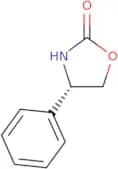

![[4-(4-Amino-6,7-dimethoxy-2-quinazolinyl)-1-piperazinyl]-2-furanyl-methanone](/_next/image/?url=https%3A%2Fstatic.cymitquimica.com%2Fproducts%2F3D%2Fthumb-webp%2FIA63850.webp&w=3840&q=75)
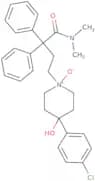
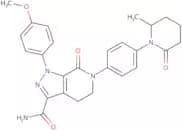
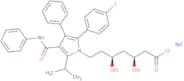
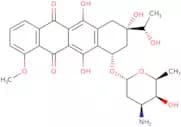
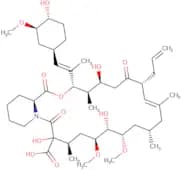
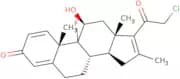
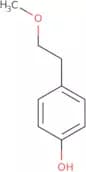
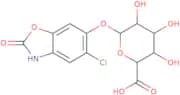
![N-[1-(R)-(1-Naphthyl)ethyl]-3-[3-(trifluoromethyl)phenyl]-1-propanamide](/_next/image/?url=https%3A%2Fstatic.cymitquimica.com%2Fproducts%2F3D%2Fthumb-webp%2FIN58183.webp&w=3840&q=75)

![2-[[[4-(3-Methoxypropoxy)-3-methyl-2-pyridinyl]methyl]thio]-1H-benzimidazole](/_next/image/?url=https%3A%2Fstatic.cymitquimica.com%2Fproducts%2F3D%2Fthumb-webp%2FIM57863.webp&w=3840&q=75)
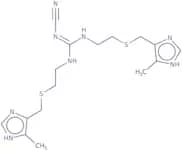
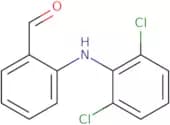

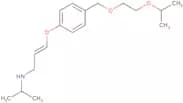
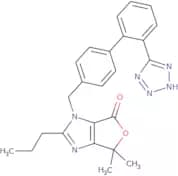
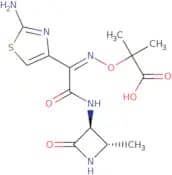
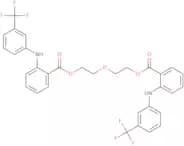
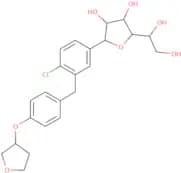
![Bis-[[2-aminoethyl]thio]methane dihydrochloride](/_next/image/?url=https%3A%2Fstatic.cymitquimica.com%2Fproducts%2F3D%2Fthumb-webp%2FIB57860.webp&w=3840&q=75)
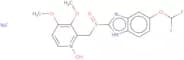
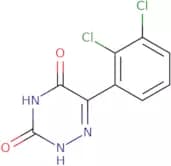
![5-Methoxy-2-[[(4-methoxy-3,5-dimethyl-2-pyridinyl)methyl]sulfonyl]-1H-benzimidazole](/_next/image/?url=https%3A%2Fstatic.cymitquimica.com%2Fproducts%2F3D%2Fthumb-webp%2FIM57926.webp&w=3840&q=75)
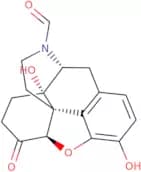
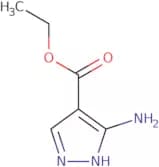
![5-Chloro-N-[[(5R)-2-oxo-3-[4-(3-oxo-4-morpholinyl)phenyl]-5-oxazolidinyl]methyl]-2-thiophenecarbox…](/_next/image/?url=https%3A%2Fstatic.cymitquimica.com%2Fproducts%2F3D%2Fthumb-webp%2FIC71688.webp&w=3840&q=75)
![N-[4-Amido-3-(trifluoromethyl)phenyl-3-[(4-fluorophenyl)sulphinyl]-2-hydroxy-2-methylpropanamide](/_next/image/?url=https%3A%2Fstatic.cymitquimica.com%2Fproducts%2F3D%2Fthumb-webp%2FIA58277.webp&w=3840&q=75)
![8-Chloro-11H-benzo[5,6]cyclohepta[1,2-b]pyridin-11-one](/_next/image/?url=https%3A%2Fstatic.cymitquimica.com%2Fproducts%2F3D%2Fthumb-webp%2FIC183197.webp&w=3840&q=75)
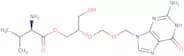
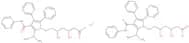

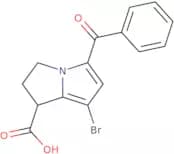
![(3R)-3-Amino-1-[5,6-dihydro-3-(trifluoromethyl)-1,2,4-triazolo[4,3-α]pyrazin-7(8H)-yl]-4-(2,3,6-tr…](/_next/image/?url=https%3A%2Fstatic.cymitquimica.com%2Fproducts%2F3D%2Fthumb-webp%2FIA183166.webp&w=3840&q=75)
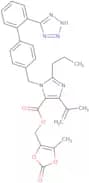
![(3S)-3-[4-[(5-Bromo-2-chlorophenyl)methyl]phenoxy]tetrahydro-furan](/_next/image/?url=https%3A%2Fstatic.cymitquimica.com%2Fproducts%2F3D%2Fthumb-webp%2FIB75174.webp&w=3840&q=75)
![8-Fluoro-2,2-dimethyl-9-(4-methyl-1-piperazinyl)-6-oxo-2H,6H-oxazolo[5,4,3-ij]quinoline-5-carboxyl…](/_next/image/?url=https%3A%2Fstatic.cymitquimica.com%2Fproducts%2F3D%2Fthumb-webp%2FIF182900.webp&w=3840&q=75)
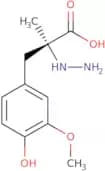
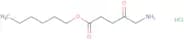
![2-[[[(4-Methoxypropoxy)-3-methyl-2-pyridinyl]methyl]sulfonyl]-1H-benzimidazole](/_next/image/?url=https%3A%2Fstatic.cymitquimica.com%2Fproducts%2F3D%2Fthumb-webp%2FIM57866.webp&w=3840&q=75)
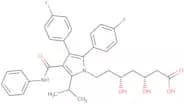
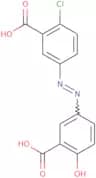
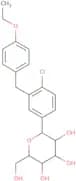
![N-[1-(S)-(-)-(1-Naphthyl)ethyl]-3-[3-(trifluoromethyl)phenyl]-1-aminopropane hydrochloride](/_next/image/?url=https%3A%2Fstatic.cymitquimica.com%2Fproducts%2F3D%2Fthumb-webp%2FIN58179.webp&w=3840&q=75)
![3-(2-Chloroethyl)-2-methyl-6,7,8,9-tetrahydro-4H-pyrido[1,2-a]pyrimidin-4-one](/_next/image/?url=https%3A%2Fstatic.cymitquimica.com%2Fproducts%2F3D%2Fthumb-webp%2FFC20229.webp&w=3840&q=75)
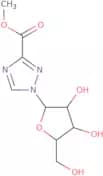
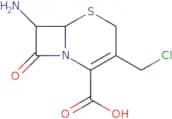
![4-(1-Hydroxy-1-methylethyl)-2-propyl-1-[[2'-[1-(triphenylmethyl)-1H-tetrazol-5-yl][1,1'-biphenyl]-…](/_next/image/?url=https%3A%2Fstatic.cymitquimica.com%2Fproducts%2F3D%2Fthumb-webp%2FIH159138.webp&w=3840&q=75)

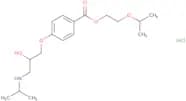
![D-[Pro]31-Tirzepatide](/_next/image/?url=https%3A%2Fstatic.cymitquimica.com%2Fproducts%2F3D%2Fthumb-webp%2FIP11028.webp&w=3840&q=75)
![3-[[[2-[(Diaminomethylene)amino]thiazol-4-yl]methyl]sulphanyl]propanoic acid](/_next/image/?url=https%3A%2Fstatic.cymitquimica.com%2Fproducts%2F3D%2Fthumb-webp%2FID58082.webp&w=3840&q=75)

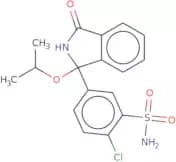
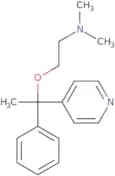
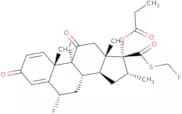
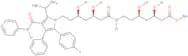
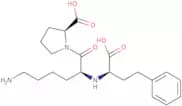
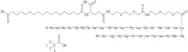

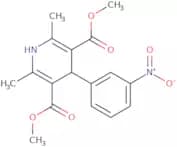
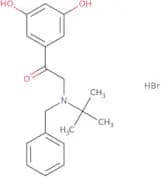
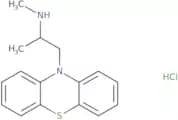
![N-[[2'-(2H-Tetrazol-5-yl)[1,1'-biphenyl]-4-yl]methyl]-L-valine methyl ester](/_next/image/?url=https%3A%2Fstatic.cymitquimica.com%2Fproducts%2F3D%2Fthumb-webp%2FIT106481.webp&w=3840&q=75)
![[5-[(Dimethylamino)methyl]furan-2-yl]methanethiol, oxalate](/_next/image/?url=https%3A%2Fstatic.cymitquimica.com%2Fproducts%2F3D%2Fthumb-webp%2FID57849.webp&w=3840&q=75)
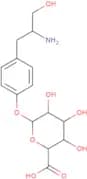

![[2-(3-Pyridinyl)ethylidene]bisphosphonic acid](/_next/image/?url=https%3A%2Fstatic.cymitquimica.com%2Fproducts%2F3D%2Fthumb-webp%2FIP21051.webp&w=3840&q=75)
![2-(4-Dibenzo[b,f][1,4]thiazepin-11-yl-piperazin-1-yl)-ethanol](/_next/image/?url=https%3A%2Fstatic.cymitquimica.com%2Fproducts%2F3D%2Fthumb-webp%2FID57870.webp&w=3840&q=75)
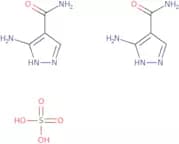
![3-[4-(2-Methoxyethyl)phenoxy]-1,2-propanediol](/_next/image/?url=https%3A%2Fstatic.cymitquimica.com%2Fproducts%2F3D%2Fthumb-webp%2FIM63783.webp&w=3840&q=75)
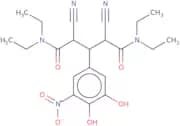
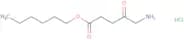


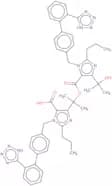
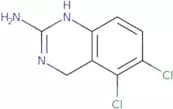
![N-[[2'-(2H-Tetrazol-5-yl)[1,1'-biphenyl]-4-yl]methyl]-L-Valine](/_next/image/?url=https%3A%2Fstatic.cymitquimica.com%2Fproducts%2F3D%2Fthumb-webp%2FIT106480.webp&w=3840&q=75)
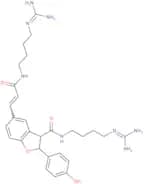
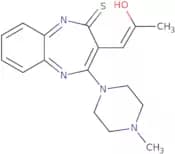
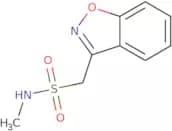
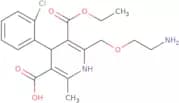
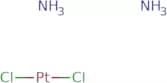
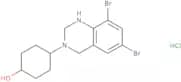
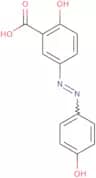

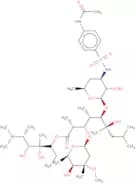
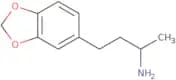
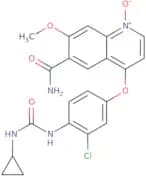


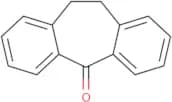
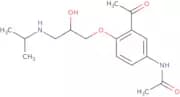
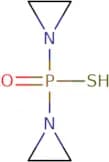
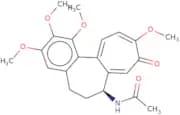
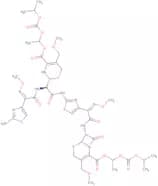
![Bis-[5-[(dimethylamino)methyl]furan-2-yl]methane](/_next/image/?url=https%3A%2Fstatic.cymitquimica.com%2Fproducts%2F3D%2Fthumb-webp%2FIB57835.webp&w=3840&q=75)
![3-[[[2-[(Aminoiminomethyl)amino]-4-thiazolyl]methyl]thio]-propanoic acid methyl ester](/_next/image/?url=https%3A%2Fstatic.cymitquimica.com%2Fproducts%2F3D%2Fthumb-webp%2FIA23223.webp&w=3840&q=75)
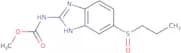
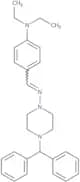

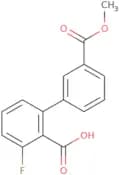

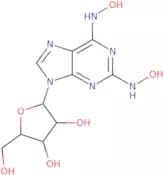
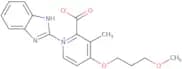


![2-Ethoxy-4-[2-[[(1R)-3-methyl-1-[2-(1-piperidinyl)phenyl]butyl]amino]-2-oxoethyl]benzoic acid ethy…](/_next/image/?url=https%3A%2Fstatic.cymitquimica.com%2Fproducts%2F3D%2Fthumb-webp%2FIE32567.webp&w=3840&q=75)
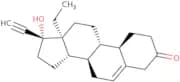
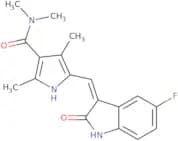
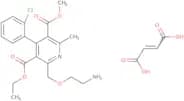
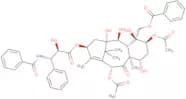
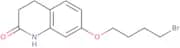
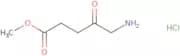


![N-[4-Amido-3-(trifluoromethyl)phenyl-3-[(4-fluorophenyl)-(R,S)-sulphinyl]-(R,S)-2-hydroxy-2-methyl…](/_next/image/?url=https%3A%2Fstatic.cymitquimica.com%2Fproducts%2F3D%2Fthumb-webp%2FIA58276.webp&w=3840&q=75)
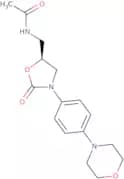


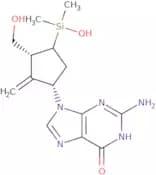

![Methyl-3-[5-(2-methoxycarbonylethyl)pyrazin-2-yl]propionate](/_next/image/?url=https%3A%2Fstatic.cymitquimica.com%2Fproducts%2F3D%2Fthumb-webp%2FIM07158.webp&w=3840&q=75)

![4-[(3,4-Dimethoxyphenethyl)methylamino]-2-(3,4-dimethoxyphenyl)-2-isopropylbutyronitrile monohydro…](/_next/image/?url=https%3A%2Fstatic.cymitquimica.com%2Fproducts%2F3D%2Fthumb-webp%2FID20771.webp&w=3840&q=75)
![3-[[[2-[(Diaminomethylene)amino]-4-thiazolyl]methyl]thio]propanimidamide hydrochloride](/_next/image/?url=https%3A%2Fstatic.cymitquimica.com%2Fproducts%2F3D%2Fthumb-webp%2FID58079.webp&w=3840&q=75)

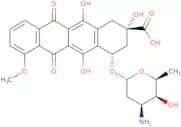
![N-[5-Amino-6-(2,3-dichlorophenyl)-1,2,4-triazin-3-yl]-2,3-dichlorobenzamide](/_next/image/?url=https%3A%2Fstatic.cymitquimica.com%2Fproducts%2F3D%2Fthumb-webp%2FIA58055.webp&w=3840&q=75)
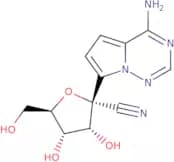
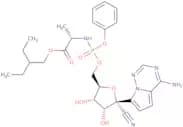
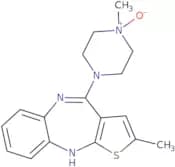


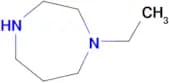
![6-FLUORO-[1,4]DIAZEPANE-1-CARBOXYLIC ACID TERT-BUTYL ESTER](/_next/image/?url=https%3A%2Fstatic.cymitquimica.com%2Fproducts%2F10%2Fthumb-webp%2FF469333.webp&w=3840&q=75)
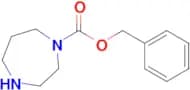
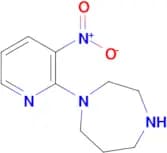
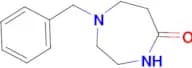
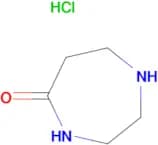
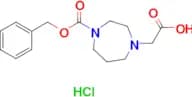
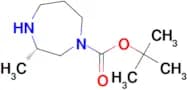
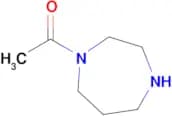
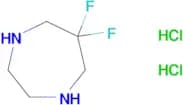
![5-Oxo-[1,4]diazepane-1-carboxylic acid tert-butylester](/_next/image/?url=https%3A%2Fstatic.cymitquimica.com%2Fproducts%2F10%2Fthumb-webp%2FF040633.webp&w=3840&q=75)
![5-Oxo-[1,4]diazepane-1-carboxylic acid benzylester](/_next/image/?url=https%3A%2Fstatic.cymitquimica.com%2Fproducts%2F10%2Fthumb-webp%2FF011833.webp&w=3840&q=75)
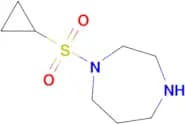
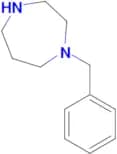
![6,6-DIFLUORO-[1,4]DIAZEPANE-1-CARBOXYLIC ACID TERT-BUTYL ESTER](/_next/image/?url=https%3A%2Fstatic.cymitquimica.com%2Fproducts%2F10%2Fthumb-webp%2FF469286.webp&w=3840&q=75)
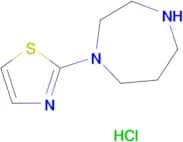
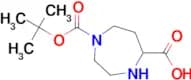
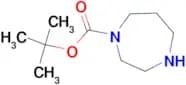
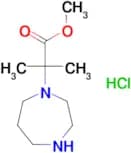

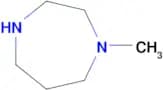
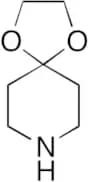

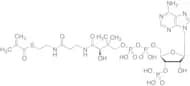
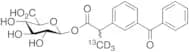
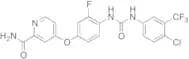
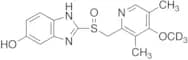
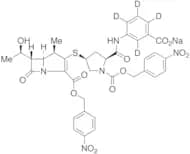
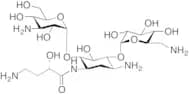

![N’-[2-[[[2-[(Dimethylamino)methyl]-4-thiazolyl]methyl]thio]ethyl] Nizatidine](/_next/image/?url=https%3A%2Fstatic.cymitquimica.com%2Fproducts%2FTR%2Fthumb-webp%2FD470980.webp&w=3840&q=75)