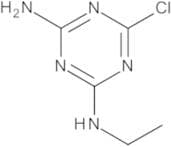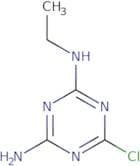
CAS 1007-28-9
:Deisopropylatrazine
- 1,3,5-Triazine-2,4-diamine, 6-chloro-N-ethyl-
- 1,3,5-Triazine-2,4-diamine, 6-chloro-N<sup>2</sup>-ethyl-
- 2-Amino-4-Chloro-6-Ethylamino-1,3,5-Triazin
- 2-Amino-4-Chloro-6-Ethylamino-1,3,5-Triazine
- 2-Amino-4-Ethylamino-6-Chloro-1,3,5-Triazine
- 2-Amino-4-chloro-6-(ethylamino)-s-triazine
- 2-Chloro-4-amino-6-(ethylamino)-s-triazine
- 2-Chloro-4-ethylamino-6-amino-1,3,5-triazine
- 2-Chloro-4-ethylamino-6-amino-s-triazine
- 4-Amino-2-chloro-6-(ethylamino)-s-triazine
- 4-Amino-2-chloro-6-ethylamino-1,3,5-triazine
- 6-Amino-2-chloro-4-ethylamino-1,3,5-triazine
- 6-Amino-2-chloro-4-ethylamino-s-triazine
- 6-Chloro-N<sup>2</sup>-ethyl-1,3,5-triazine-2,4-diamine
- 6-Desisopropylatrazine
- 6-chloro-N-ethyl-1,3,5-triazine-2,4-diamine
- Atrazin-Desisopropyl
- Atrazin-Desisopropyl Pestanal, 250 Mg
- Atrazine Desisopropyl, 50Mg, Neat
- Deethylsimazine
- Deisopropylatrazine
- Desethylsimazine
- Desisopropylatrazine
- F 703
- F 703 (amine)
- G 28279
- NSC 13909
- s-Triazine, 2-amino-4-chloro-6-(ethylamino)-
- 1,3,5-Triazine-2,4-diamine, 6-chloro-N2-ethyl-
- See more synonyms
Desisopropyl Atrazine
CAS:Controlled ProductApplications A metabolite of Atrazine (ATR) (A794600).
References Compton, D., et al.: Eur. J. Pharmacol., 110, 157 (1985), Das, P., et al.: Toxicol. Sci., 59, 127 (2001), Das, P., et al.: Life Sci., 73, 3123 (2003), Coban, A., et al.: J. Neurochem., 100, 1177 (2007),Formula:C5H8ClN5Color and Shape:Off-WhiteMolecular weight:173.6Desisopropyl atrazine
CAS:Desisopropyl atrazine is a triazine that is used as a herbicide. It has been shown to be effective against broadleaf weeds, grasses, and some woody plants. Desisopropyl atrazine is applied to crops before they grow or after they have emerged from the ground. The chemical can be found in the environment through wastewater and runoff into water sources. Desisopropyl atrazine has been detected in plasma samples of humans who have been exposed to this chemical by inhalation or ingestion. This triazine can also be found in urine samples, which are used for analytical purposes. Analytical methods have been developed using linear regression analysis and matrix effect to determine the concentration of desisopropyl atrazine in urine samples.br>br> Desisopropyl atrazine may play an important role in the development of cancer, as it has been shown to cause DNA damage and cell death in animal studies. Mult
Formula:C5H8ClN5Purity:Min. 95%Color and Shape:PowderMolecular weight:173.6 g/mol