CAS 10072-09-0
:3-Pyridinemethanol, 3-acetate
Description:
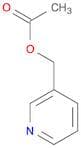
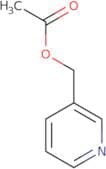
3-Pyridinemethanol, 3-acetate, also known as 3-acetoxy-1-methylpyridin-1-ium, is an organic compound characterized by its pyridine ring structure with a hydroxymethyl group and an acetate functional group. This compound typically appears as a colorless to pale yellow liquid or solid, depending on its form and purity. It is soluble in polar solvents such as water and alcohols, which is indicative of its polar functional groups. The presence of the pyridine ring contributes to its basicity and potential reactivity, making it useful in various chemical reactions, including esterification and nucleophilic substitutions. Additionally, 3-Pyridinemethanol, 3-acetate may exhibit biological activity, which can be explored for potential applications in pharmaceuticals or agrochemicals. Its CAS number, 10072-09-0, allows for easy identification in chemical databases and regulatory documents. As with many organic compounds, proper handling and safety measures should be observed due to potential toxicity or reactivity.
Formula:C8H9NO2
InChI:InChI=1S/C8H9NO2/c1-7(10)11-6-8-3-2-4-9-5-8/h2-5H,6H2,1H3
InChI key:InChIKey=FPXVLCLVAIUGPW-UHFFFAOYSA-N
SMILES:C(OC(C)=O)C=1C=CC=NC1
Synonyms:- 3-Pyridinylmethyl acetate
- 3-Pyridylmethyl acetate
- 3-Pyridinemethanol, acetate
- 3-pyridinemethanol, acetate (ester)
- 3-Pyridinemethanol, acetate (ester)
- 3-Pyridinemethanol, 3-acetate
- 3-(Acetoxymethyl)pyridine
- Pyridin-3-ylmethyl acetate
Sort by
Purity (%)
0
100
|
0
|
50
|
90
|
95
|
100
Found 2 products.
(Pyridin-3-yl)methyl acetate
CAS:(Pyridin-3-yl)methyl acetate is a synthetic analog of prednisolone that has been shown to have similar anti-inflammatory effects. This drug binds to the cox-1 enzyme, which is involved in the formation of prostaglandins. This binding prevents the formation of an enzyme-substrate complex and inhibits the conversion of arachidonic acid to prostaglandins. The synthesis of this product has been shown to be catalyzed by metal complexes such as metalloporphyrins and bond cleavage mediated by peroxide. It has also been shown to be effective in reducing inflammation in rats given prednisolone.
Formula:C8H9NO2Purity:Min. 95%Molecular weight:151.16 g/mol