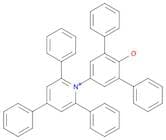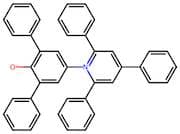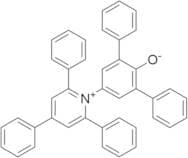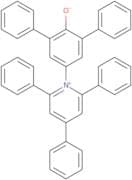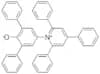
CAS 10081-39-7
:Betaine 30
Description:
Betaine 30, with the CAS number 10081-39-7, is a naturally occurring compound that is classified as a zwitterionic betaine. It is primarily derived from sugar beets and is known for its role as an osmolyte, helping to stabilize proteins and cellular structures under stress conditions. This substance is characterized by its hygroscopic nature, allowing it to attract and retain moisture, which is beneficial in various applications, including cosmetics and personal care products. Betaine 30 is also recognized for its mildness and compatibility with skin, making it a popular ingredient in formulations aimed at hydration and skin conditioning. In addition to its cosmetic uses, it has applications in animal feed as a feed additive to improve growth performance and stress resistance in livestock. Its chemical structure features a quaternary ammonium group, contributing to its solubility in water and its ability to interact with other molecules. Overall, Betaine 30 is valued for its multifunctional properties across various industries, including agriculture, cosmetics, and food.
Formula:C41H29NO
InChI:InChI=1S/C41H29NO/c43-41-37(31-18-8-2-9-19-31)28-36(29-38(41)32-20-10-3-11-21-32)42-39(33-22-12-4-13-23-33)26-35(30-16-6-1-7-17-30)27-40(42)34-24-14-5-15-25-34/h1-29H
InChI key:InChIKey=UWOVWIIOKHRNKU-UHFFFAOYSA-N
SMILES:[O-]C1=C(C=C([N+]=2C(=CC(=CC2C3=CC=CC=C3)C4=CC=CC=C4)C5=CC=CC=C5)C=C1C6=CC=CC=C6)C7=CC=CC=C7
Synonyms:- 1-(2′-Hydroxy-m-terphenyl-5′-yl)-2,4,6-triphenylpyridinium hydroxide, inner salt
- 1-(2′-Hydroxy[1,1′:3′,1′′-terphenyl]-5′-yl)-2,4,6-triphenylpyridinium hydroxide inner salt
- Pyridinium, 1-(3,5-diphenyl-4-hydroxyphenyl)-2,4,6-triphenyl-, hydroxide, inner salt
- Pyridinium, 1-(2′-hydroxy[1,1′:3′,1′′-terphenyl]-5′-yl)-2,4,6-triphenyl-, inner salt
- ET 30
Sort by
Purity (%)
0
100
|
0
|
50
|
90
|
95
|
100
Found 4 products.
Reichardt’s dye
CAS:<p>Reichardt’s dye is a heterocyclic amine that is used in the detection of DNA damage. It reacts with the phosphate groups on DNA and forms a red-colored product. The optical properties of Reichardt's dye are also influenced by pH, water vapor, and solvent polarity. Reichardt's dye absorbs ultraviolet light (UV) at wavelengths of 260-270 nm and can be dissolved in hydrochloric acid or sodium hydroxide solution. This dye is primarily used to detect genotoxic impurities, such as solvents, fatty acids, and fatty acid esters, which can cause mutations during the production of pharmaceutical drugs. A potential use for this dye is to detect impurities in food products such as meat or fish. These molecules may cause genetic mutations when ingested by humans, leading to cancer or other diseases.</p>Formula:C41H29NOColor and Shape:PowderMolecular weight:551.68 g/molReichardt’s Dye (Technical Grade)
CAS:Controlled Product<p>Applications Reichardt’s dye (CAS# 10081-39-7) is a useful research chemical compound.<br></p>Formula:C41H29NOColor and Shape:Grey To Dark GreenMolecular weight:551.68