CAS 101-39-3
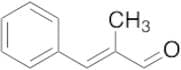
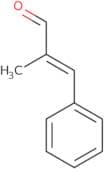
:α-Methylcinnamaldehyde
Description:
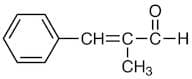
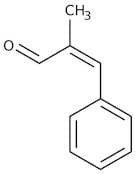
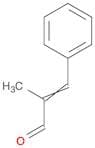
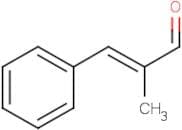
α-Methylcinnamaldehyde, with the CAS number 101-39-3, is an organic compound that belongs to the class of aldehydes. It is characterized by its aromatic structure, featuring a methyl group adjacent to a cinnamaldehyde moiety. This compound typically appears as a colorless to pale yellow liquid with a sweet, floral, and slightly spicy odor, making it valuable in the fragrance and flavor industries. Its molecular formula is C10H10O, and it has a relatively low boiling point, indicating it can easily evaporate at room temperature. α-Methylcinnamaldehyde is known for its potential applications in perfumery, as well as in the synthesis of various organic compounds. Additionally, it exhibits some antimicrobial properties, which may contribute to its use in food preservation and cosmetic formulations. However, like many organic compounds, it should be handled with care due to potential irritant effects on the skin and respiratory system. Overall, α-Methylcinnamaldehyde is a versatile compound with significant industrial relevance.
Formula:C10H10O
InChI:InChI=1S/C10H10O/c1-9(8-11)7-10-5-3-2-4-6-10/h2-8H,1H3
InChI key:InChIKey=VLUMOWNVWOXZAU-UHFFFAOYSA-N
SMILES:C(=C(C=O)C)C1=CC=CC=C1
Synonyms:- (2E)-2-methyl-3-phenylprop-2-enal
- (2Z)-2-methyl-3-phenylprop-2-enal
- 2-Methyl-3-Phenylprop-2-Enal
- 2-Methyl-3-phenyl-2-propen-1-al
- 2-Methyl-3-phenyl-2-propenal
- 2-Methyl-3-phenylacrolein
- 2-Methyl-3-phenylacrylaldehyde
- 2-Methyl-3-phenylpropenal
- 2-Methylcinnamic aldehyde
- 2-Propenal, 2-methyl-3-phenyl-
- Cinnamaldehyde, α-methyl-
- Methyl Cinnamic Aldehyde
- Methylcinnamaldehyde
- NSC 22283
- NSC 49286
- α-Methylcinnamaldehyde
- See more synonyms
Sort by
Purity (%)
0
100
|
0
|
50
|
90
|
95
|
100
Found 8 products.
α-Methylcinnamaldehyde
CAS:Formula:C10H10OPurity:>95.0%(GC)Color and Shape:Colorless to Yellow to Yellow green clear liquidMolecular weight:146.19α-Methylcinnamaldehyde, predominantly (E), 97%
CAS:This Thermo Scientific Chemicals brand product was originally part of the Alfa Aesar product portfolio. Some documentation and label information may refer to the legacy brand. The original Alfa Aesar product / item code or SKU reference has not changed as a part of the brand transition to Thermo SciFormula:C10H10OPurity:97%Color and Shape:Clear pale yellow to yellow, LiquidMolecular weight:146.192-Methyl-3-phenylacrylaldehyde
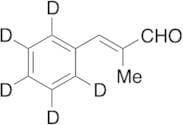
CAS:Formula:C10H10OPurity:95%Color and Shape:LiquidMolecular weight:146.1858α-Methyl-trans-cinnamaldehyde-d5
CAS:Controlled ProductApplications α-Methylcinnamaldehyde-d5 is an isotope labelled intermediate in the synthesis of Epalrestat (E565300), an aldose reductase inhibitor. It is used in treatment of diabetic neuropathy.
References Sarigol, D., et al.: Bioorg. Med. Chem., 23, 2518 (2015);Formula:C10H5D5OColor and Shape:NeatMolecular weight:151.22Alpha-Methylcinnamaldehyde
CAS:Controlled ProductApplications (cas# 15174-47-7) is a useful research chemical.
Formula:C10H10OColor and Shape:NeatMolecular weight:146.19α-Methylcinnamic aldehyde
CAS:Methyl anthranilate is a chiral compound with the chemical formula C9H7NO3. It has been shown to have cancer-detecting properties in vitro, as well as anti-cancer activity in laboratory animals. Methyl anthranilate has also been shown to inhibit the growth of tumor cells and induce apoptosis. The methyl anthranilate molecule is found in urine samples of patients with bladder cancer. This chemical can be synthesized by reacting phenol with formaldehyde followed by condensation with methylamine. Methyl anthranilate can be used as a test compound for cancer diagnosis. Methyl anthranilate reacts with diphenolase (a type of enzyme) to produce a blue product, which can be detected using an assay that measures absorbance at 545 nm wavelength. The reaction between methyl anthranilate and tyrosinase produces a yellow product that can be measured at 600 nm wavelength.Formula:C10H10OPurity:Min. 95%Color and Shape:Clear LiquidMolecular weight:146.19 g/mol