CAS 101627-01-4
:LinearBtrisaccharide
Description:
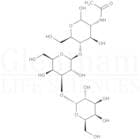
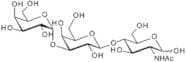
LinearBtrisaccharide, identified by the CAS number 101627-01-4, is a carbohydrate composed of three monosaccharide units linked in a linear arrangement. This trisaccharide is characterized by its specific glycosidic bonds, which determine its structural and functional properties. Typically, linear trisaccharides like this one are soluble in water and can participate in various biochemical processes, including serving as energy sources or structural components in biological systems. They may also play roles in cell recognition and signaling due to their ability to interact with proteins and other biomolecules. The linear structure of this trisaccharide distinguishes it from branched oligosaccharides, influencing its digestibility and metabolic pathways. Additionally, its properties can be affected by factors such as pH, temperature, and the presence of other ions or molecules in the environment. Overall, LinearBtrisaccharide represents a specific class of carbohydrates with unique characteristics relevant to both chemistry and biochemistry.
Sort by
Purity (%)
0
100
|
0
|
50
|
90
|
95
|
100
Found 2 products.
Linear B-2 trisaccharide
CAS:Linear B-2 trisaccharide is a human serum glycoprotein that belongs to the group of glycoconjugates. It has been shown to have clinical relevance in the detection of cancer and infectious diseases, as well as for use in the treatment of cancer. Linear B-2 trisaccharide can be used in combination with monoclonal antibodies for diagnosis and treatment of cancer. This molecule is also an inhibitor of both influenza virus hemagglutinin and HIV gp120, which may be due to its ability to react with specific carbohydrate structures on these proteins. Linear B-2 trisaccharide is biocompatible and can be used in the development of biodegradable polymers. The linearity of this molecule makes it more stable than other related molecules, such as glycopeptides.Formula:C20H35NO16Purity:Min. 95%Color and Shape:PowderMolecular weight:545.49 g/mol