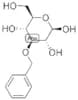
CAS 10230-17-8
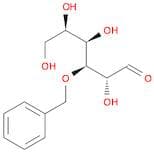
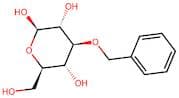
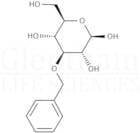
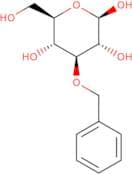
:3-O-BENZYL-D-GLUCOPYRANOSE
Description:
3-O-Benzyl-D-glucopyranose is a glycoside derived from D-glucose, characterized by the presence of a benzyl group attached to the hydroxyl group at the third carbon of the glucopyranose ring. This compound typically appears as a white to off-white crystalline solid and is soluble in organic solvents like methanol and ethanol, but less soluble in water due to its hydrophobic benzyl substituent. The presence of the benzyl group enhances its lipophilicity, which can influence its biological activity and interactions. As a derivative of glucose, it retains the fundamental properties of carbohydrates, including the ability to participate in various chemical reactions such as glycosylation. 3-O-Benzyl-D-glucopyranose is often used in organic synthesis and as an intermediate in the preparation of more complex carbohydrate derivatives. Its structural features make it a valuable compound in medicinal chemistry and carbohydrate chemistry research, where it can serve as a building block for the synthesis of glycosides and other bioactive molecules.
Formula:C13H18O6
InChI:InChI=1/C13H18O6/c14-6-9-10(15)12(11(16)13(17)19-9)18-7-8-4-2-1-3-5-8/h1-5,9-17H,6-7H2/t9-,10-,11-,12+,13-/m1/s1
Synonyms:- 3-O-Benzyl-Beta-D-Glucose
- 3-O-benzyl-beta-D-glucopyranose
Sort by
Purity (%)
0
100
|
0
|
50
|
90
|
95
|
100
Found 4 products.
3-O-Benzyl-D-glucopyranose
CAS:3-O-Benzyl-D-glucopyranose is a molecule that has been optimized for its autodock score. It binds to the active site of peptidases, which are enzymes that break down proteins in the body. 3-O-Benzyl-D-glucopyranose is a nauclea that can be used as a pharmacokinetic (PK) or pharmacodynamic (PD) inhibitor. Nauclea have shown effectiveness against diabetes by preventing the breakdown of glucose, which is an important energy source for cells. 3-O-Benzyl-D-glucopyranose has also been found to be an effective inhibitor of DPPIV, which is an enzyme involved in breaking down insulin and other hormones in blood circulation. In vitro studies have shown that it may also have antiaging properties due to its ability to inhibit production of inflammatory cytokines such as IL1β, IL6, and TNFα.Formula:C13H18O6Purity:Min. 95%Color and Shape:PowderMolecular weight:270.28 g/mol