CAS 1025-39-4
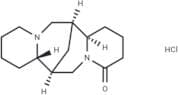
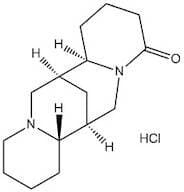
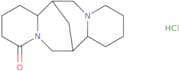
:spartein-2-one hydrochloride (1:1)
Description:
Spartein-2-one hydrochloride (1:1), with the CAS number 1025-39-4, is a chemical compound derived from sparteine, a bicyclic alkaloid. This substance typically appears as a white to off-white crystalline powder and is known for its solubility in water due to the presence of the hydrochloride salt form. Spartein-2-one hydrochloride exhibits pharmacological properties, including potential use as a muscle relaxant and in the treatment of certain cardiovascular conditions. Its molecular structure features a bicyclic framework, which contributes to its biological activity. The compound is sensitive to light and moisture, necessitating proper storage conditions to maintain stability. As with many alkaloids, it may exhibit a range of effects on biological systems, and its use should be approached with caution, considering potential side effects and interactions with other medications. Overall, spartein-2-one hydrochloride is of interest in both medicinal chemistry and pharmacology, warranting further investigation into its therapeutic applications and mechanisms of action.
Formula:C15H25ClN2O
InChI:InChI=1/C15H24N2O.ClH/c18-15-6-3-5-14-11-8-12(10-17(14)15)13-4-1-2-7-16(13)9-11;/h11-14H,1-10H2;1H/t11-,12-,13-,14+;/m0./s1
Sort by
Purity (%)
0
100
|
0
|
50
|
90
|
95
|
100
Found 3 products.
Lupanine hydrochloride
CAS:Lupanine hydrochloride, a Sparteine derivative, binds to nAChR with a Ki of 500 nM and has ganglioplegic properties.Formula:C15H25ClN2OColor and Shape:SolidMolecular weight:284.83(+)-lupanine hydrochloride
CAS:Natural alkaloidFormula:C15H24N2OHClPurity:≥ 90.0 % (HPLC)Color and Shape:PowderMolecular weight:284.82(+)-Lupanine hydrochloride
CAS:(+)-Lupanine hydrochloride is a quinolizidine alkaloid compound, which is synthesized from plants in the Lupinus genus, primarily found in lupine species. This compound is extracted and refined to obtain the hydrochloride salt, which is utilized in research for its biological activities. The primary mode of action involves interaction with nicotinic acetylcholine receptors, leading to modulation of neurotransmission. Such interactions can have diverse implications, notably influencing nervous system activity.
Formula:C15H25ClN2OPurity:Min. 95%Molecular weight:284.82 g/mol