


CAS 1025065-69-3
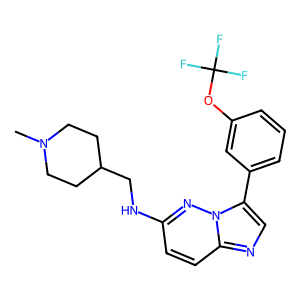
:SGI-1776
Description:
SGI-1776 is a small molecule inhibitor primarily known for its role as a selective inhibitor of the protein kinase PIM (proviral integration site for Moloney murine leukemia virus). It has garnered attention in cancer research due to its potential to interfere with cell proliferation and survival pathways, particularly in hematological malignancies and solid tumors. SGI-1776 exhibits a unique mechanism of action by targeting the ATP-binding site of PIM kinases, thereby inhibiting their activity and leading to the induction of apoptosis in cancer cells. The compound is characterized by its relatively low molecular weight and specific structural features that enhance its binding affinity to the target kinase. Additionally, SGI-1776 has been evaluated in preclinical studies for its efficacy and safety profile, showing promise as a therapeutic agent. However, further research is necessary to fully understand its pharmacokinetics, potential side effects, and overall therapeutic potential in clinical settings.
Formula:C20H22F3N5O·2(H2SO4)
Synonyms:- N-[(1-Methyl-4-piperidinyl)methyl]-3-[3-(trifluoromethoxy)phenyl]imidazo[1,2-b]pyridazin-6-amine sulfate
- SGI-1776
Sort by
Purity (%)
0
100
|
0
|
50
|
90
|
95
|
100
Found 7 products.
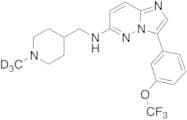
Imidazo[1,2-b]pyridazin-6-amine, N-[(1-methyl-4-piperidinyl)methyl]-3-[3-(trifluoromethoxy)phenyl]-
CAS:Formula:C20H22F3N5OPurity:%Color and Shape:SolidMolecular weight:405.4168SGI-1776
CAS:SGI-1776 (Pim-Kinase Inhibitor IX) has been used in trials studying the treatment of Prostate Cancer, Non-Hodgkins Lymphoma, and Relapsed/Refractory Leukemias.Formula:C20H22F3N5OPurity:99.3% - >99.99%Color and Shape:SolidMolecular weight:405.42N-((1-Methylpiperidin-4-yl)methyl)-3-(3-(trifluoromethoxy)phenyl)imidazo[1,2-b]pyridazin-6-amine
CAS:N-((1-Methylpiperidin-4-yl)methyl)-3-(3-(trifluoromethoxy)phenyl)imidazo[1,2-b]pyridazin-6-amine (NCTA) is a novel anticancer drug that has been shown to be effective against cancer cells in vitro and in vivo. NCTA inhibits the transcriptional activation of cyclin D2, which is essential for the growth and survival of cancer cells. It also inhibits osteoclast formation, which leads to decreased bone resorption. NCTA has not yet been tested in humans but its clinical relevance has been demonstrated in animal models. The drug's protein target is pim-1, a protein that regulates cell migration and proliferation.Purity:Min. 95%
![Imidazo[1,2-b]pyridazin-6-amine, N-[(1-methyl-4-piperidinyl)methyl]-3-[3-(trifluoromethoxy)phenyl]-](/_next/image/?url=https%3A%2Fstatic.cymitquimica.com%2Fproducts%2FIN%2Fthumb%2FDA0007LT.jpg&w=3840&q=75)





![N-((1-Methylpiperidin-4-yl)methyl)-3-(3-(trifluoromethoxy)phenyl)imidazo[1,2-b]pyridazin-6-amine](/_next/image/?url=https%3A%2Fstatic.cymitquimica.com%2Fproducts%2F3D%2Fthumb%2FFM43363.jpg&w=3840&q=75)
