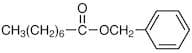
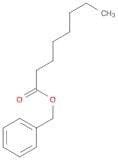
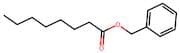
CAS 10276-85-4
:Benzyl octanoate
- Ai3-30977
- Benzyl caprylate
- Caprylic acid, benzyl ester
- NSC 23754
- Octanoic acid, benzyl ester
- Octanoic acid, phenylmethyl ester
- Phenylmethyl octanoate
- Benzyl octanoate
Benzyl Octanoate
CAS:Formula:C15H22O2Purity:>95.0%(GC)Color and Shape:Colorless to Light yellow to Light orange clear liquidMolecular weight:234.34Benzyl caprylate
CAS:Benzyl caprylate is a synthetic, activated compound that inhibits HDACs. It has shown anticancer activity in vitro and in vivo and has been used as a radiosensitizer for cancer treatment. Benzyl caprylate is a divalent hydrocarbon that reacts with other compounds to form esters. The hydroxy group on the benzyl group can be replaced by an acetoxy group or a carboxylic acid group, forming benzoates or benzoic acids respectively. These reactions are often catalyzed by enzymes such as alcohol dehydrogenase, fatty acid synthase, and acyl-CoA synthetases. Benzyl caprylate also has antibacterial properties against Gram-positive bacteria such as Staphylococcus aureus and Enterococcus faecalis due to its ability to inhibit protein synthesis. The acidic ph of benzyl caprylate makes it useful for pharmaceutical preparations containing acidic ingredients such as drugs, vitamins, or nutrients.
Formula:C15H22O2Purity:Min. 95%Molecular weight:234.33 g/mol