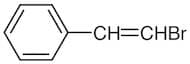
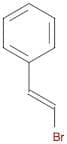
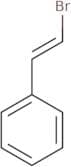
CAS 103-64-0
:β-Bromostyrene
- (2-Bromoethenyl)Benzene
- (2-Bromovinyl)benzene
- 1-Bromo-2-phenylethene
- 1-Bromo-2-phenylethylene
- 2-Bromovinylbenzene
- 2-Phenylethenyl bromide
- B-Bromostyrene
- Benzene, (2-bromoethenyl)-
- Beta-Bromostyrene (Cis+Trans)
- Beta-Bromostyrol
- Bromostyrenecistrans
- Bromostyrol
- Bromostyrolene
- Bromstyrol
- Hyacinth base
- NSC 8047
- Styrene, β-bromo-
- Styryl bromide
- [(E)-2-bromoethenyl]benzene
- beta-Bromostyrene, mixture of cis- and trans isomers
- α-Bromo-β-phenylethylene
- β-Bromstyrol
- See more synonyms
β-Bromostyrene (cis- and trans- mixture)
CAS:Formula:C8H7BrPurity:>95.0%(GC)Color and Shape:Colorless to Yellow to Yellow green clear liquidMolecular weight:183.05β-Bromostyrene
CAS:β-BromostyreneFormula:C8H7BrPurity:98%Color and Shape: clear. very dark yellow to light brown liquidMolecular weight:183.05g/molβ-Bromostyrene
CAS:β-Bromostyrene is a halogenated aromatic hydrocarbon that has been used as a cross-coupling reagent. β-Bromostyrene reacts with an organometallic reagent to form a new carbon-carbon bond. This reaction is catalyzed by palladium, which is often dissolved in the reaction vessel along with the β-bromostyrene and the organometallic reagent. The palladium enhances the rate of this reaction by increasing the concentration of reactive molecules, while also acting as a catalyst for the coupling of two organic molecules. β-Bromostyrene has been shown to be useful in wastewater treatment, where it reacts with organic compounds such as benzene, toluene, and xylene to form water soluble products called bromoxylates.
The detection sensitivity of β-bromostyrene can be increased through its use as an indicator for pH changes in acidic environments (pH 3). TheFormula:C8H7BrPurity:Min. 97 Area-%Color and Shape:Colorless Clear LiquidMolecular weight:183.05 g/molRef: 3D-FB164798
Discontinued product