CAS 103949-58-2
:3,4-Dichloro-2-Picoline
Description:
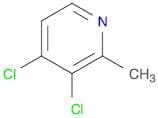
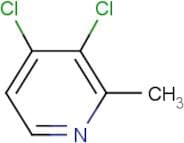
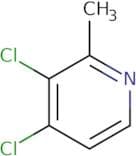
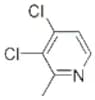
3,4-Dichloro-2-picoline is a chemical compound characterized by its pyridine ring structure, which is substituted with two chlorine atoms at the 3 and 4 positions and a methyl group at the 2 position. This compound is a member of the picoline family, which are methyl derivatives of pyridine. It typically appears as a colorless to pale yellow liquid or solid, depending on the temperature and purity. 3,4-Dichloro-2-picoline is known for its potential applications in the synthesis of agrochemicals and pharmaceuticals, as well as serving as an intermediate in organic synthesis. The presence of chlorine atoms enhances its reactivity, making it useful in various chemical reactions. It is important to handle this compound with care, as it may pose health risks, including toxicity and environmental hazards. Proper safety measures should be observed when working with this substance, including the use of personal protective equipment and adherence to relevant regulations regarding chemical handling and disposal.
Formula:C6H5Cl2N
InChI:InChI=1/C6H5Cl2N/c1-4-6(8)5(7)2-3-9-4/h2-3H,1H3
SMILES:Cc1c(c(ccn1)Cl)Cl
Synonyms:- 3,4-Dichloro-2-methylpyridine
Sort by
Purity (%)
0
100
|
0
|
50
|
90
|
95
|
100
Found 3 products.
3,4-Dichloro-2-methylpyridine
CAS:Formula:C6H5Cl2NPurity:98%Color and Shape:LiquidMolecular weight:162.01663,4-Dichloro-2-methylpyridine
CAS:3,4-Dichloro-2-methylpyridineFormula:C6H5Cl2NPurity:95%Color and Shape: fainr yellow liquidMolecular weight:162.02g/mol3,4-Dichloro-2-methylpyridine
CAS:3,4-Dichloro-2-methylpyridine is a novel sulfur analogue that has been shown to have significant antitumor activity in breast cancer xenografts. 3,4-Dichloro-2-methylpyridine inhibits the growth of tumor cells by binding to their DNA and inhibiting RNA synthesis. It also inhibits the production of reactive oxygen species and stabilizes cell membranes. 3,4-Dichloro-2-methylpyridine has been found to be active against human tumors in vivo and is a potential anticancer drug for human use.Formula:C6H5Cl2NPurity:Min. 95%Color and Shape:PowderMolecular weight:162.02 g/mol