CAS 104-91-6
:4-Nitrosophenol
Description:
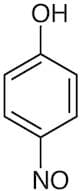
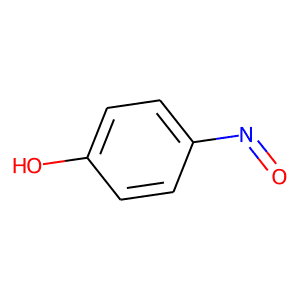
4-Nitrosophenol, with the CAS number 104-91-6, is an organic compound characterized by the presence of both a nitroso group (-NO) and a hydroxyl group (-OH) attached to a benzene ring. It appears as a yellow to orange crystalline solid and is known for its distinctive aromatic odor. The compound is soluble in organic solvents but has limited solubility in water. 4-Nitrosophenol exhibits properties typical of nitrophenols, including acidity due to the hydroxyl group, and it can participate in various chemical reactions, such as electrophilic substitution. It is often used in organic synthesis and as an intermediate in the production of dyes and pharmaceuticals. However, it is important to handle this compound with care, as it may pose health risks, including potential toxicity and environmental hazards. Proper safety measures should be taken when working with 4-nitrosophenol, including the use of personal protective equipment and adherence to relevant regulations regarding hazardous substances.
Formula:C6H5NO2
InChI:InChI=1S/C6H5NO2/c8-6-3-1-5(7-9)2-4-6/h1-4,8H
InChI key:InChIKey=JSTCPNFNKICNNO-UHFFFAOYSA-N
SMILES:N(=O)C1=CC=C(O)C=C1
Synonyms:- 2-Nitrosophenol
- NSC 3124
- Nitrosophenol
- P-Benzoquinone Monoxime
- Phenol, 4-nitroso-
- Phenol, p-nitroso-
- Quinone Monoxime
- Quinone Oxime
- Sodium 4-Nitrosophenolate
- p-Nitrosophenol
- 4-Nitrosophenol
Sort by
Purity (%)
0
100
|
0
|
50
|
90
|
95
|
100
Found 5 products.
4-Nitrosophenol (wetted with ca. 40% Water) (unit weight on dry weight basis)
CAS:Formula:C6H5NO2Purity:>98.0%(T)(HPLC)Color and Shape:Light yellow to Brown powder to crystalMolecular weight:123.114-Nitrosophenol
CAS:4-NitrosophenolFormula:C6H5NO2Purity:>98.0%Color and Shape: very dark brown solidMolecular weight:123.11g/mol4-Nitrosophenol
CAS:4-Nitrosophenol is a reactive molecule that is able to bind to metal ions and form complexes. It has the ability to react with other molecules, including hydrochloric acid and nitrite ion, which can lead to the formation of nitric oxide. Nitric oxide has been shown to have genotoxic activity when it reacts with DNA. 4-Nitrosophenol also interferes with protein synthesis by binding to the ribosomal enzyme, eEF2 kinase. This binding leads to a decrease in the rate of protein synthesis and an increase in the rate of protein degradation. The biological treatment of 4-nitrosophenol involves aerobic oxidation followed by reduction by glutathione reductase. The reaction solution is then neutralized by adding sodium hydroxide. This process results in nitrite ions that are subsequently converted into nitrogen gas during transfer reactions involving amino acids and peptides. 4-Nitrosophenol binds non-specifically to receptors, such as acetFormula:C6H5NO2Color and Shape:PowderMolecular weight:123.11 g/mol4-Nitrosophenol
CAS:Formula:C6H5NO2Purity:95.0%Color and Shape:Yellow – Deep yellow red powderMolecular weight:123.1114-Nitrosophenol (wetted with ca. 50 % water)
CAS:4-Nitrosophenol is a chemical intermediate that is used as a building block in organic chemistry and as an intermediate in the synthesis of other compounds. It is also used as a research chemical and can be used to produce speciality chemicals. 4-Nitrosophenol has been shown to have high quality and is versatile, making it useful for many purposes.
Formula:C6H5NO2Purity:Min. 98.0 Area-%Molecular weight:123.11 g/mol