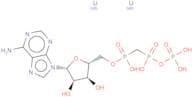
CAS 104809-20-3
:A,B-methyleneadenosine 5'-triphosphate*lithium
Description:
A,B-Methyleneadenosine 5'-triphosphate lithium, commonly referred to as A,B-methylene ATP, is a synthetic analog of adenosine triphosphate (ATP) that features a methylene bridge at the A and B positions of the adenine moiety. This modification enhances its stability and resistance to hydrolysis, making it a useful tool in biochemical research. The lithium salt form indicates that lithium ions are associated with the triphosphate group, which can influence its solubility and biological activity. A,B-methylene ATP is known for its role as a potent agonist for purinergic receptors, particularly P2X receptors, which are involved in various physiological processes, including neurotransmission and muscle contraction. Its unique structure allows it to mimic ATP while exhibiting distinct pharmacological properties, making it valuable in studies related to cellular signaling and metabolic pathways. Additionally, it is often used in experimental settings to investigate the effects of ATP and its analogs on cellular functions.
Formula:C11H18N5O12P3
Sort by
Purity (%)
0
100
|
0
|
50
|
90
|
95
|
100
Found 2 products.
α,β-Methylene-ATP dilithium
CAS:α,β-Methylene ATP dilithium, a phosphonic analog of ATP, serves as a ligand for P2X3 and P2X7 receptors.Formula:C11H16Li2N5O12P3Color and Shape:SolidMolecular weight:517.07α,β-Methyleneadenosine 5′-triphosphate lithium
CAS:α,β-Methyleneadenosine 5′-triphosphate lithium (α,β-methyleneATP) is a neurotransmitter that is involved in bladder and intestinal motility. It has been shown to have a similar effect as theophylline on muscle contractions. α,β-MethyleneATP also acts as an antagonist at p2 receptors and blocks acetylcholine from binding to the receptor. This causes desensitization of the receptor and results in rapid recovery from cholinergic stimulation. In addition, α,β-methyleneATP has been shown to be active in the ileum of neonatal animals. It is believed that this drug may be useful for treating conditions such as chronic constipation or irritable bowel syndrome.Formula:C11H17LiN5O12P3Purity:Min. 95%Molecular weight:511.2 g/mol