CAS 105-41-9
:1,3-Dimethylamylamine
Description:
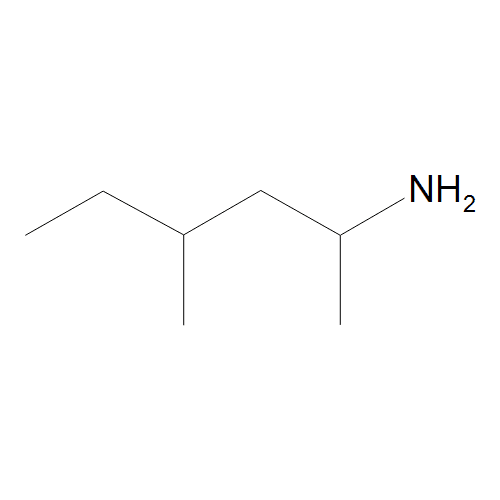
1,3-Dimethylamylamine (DMAA), with the CAS number 105-41-9, is an organic compound classified as an aliphatic amine. It is characterized by its molecular formula C7H17N and features a branched structure that includes two methyl groups attached to the first and third carbon atoms of a pentyl chain. DMAA is a colorless to pale yellow liquid with a characteristic odor and is soluble in water and organic solvents. It has been used in various applications, including as a stimulant in dietary supplements and pre-workout formulations, due to its potential to enhance energy and focus. However, its safety and efficacy have been subjects of controversy, leading to regulatory scrutiny in several countries. DMAA can also pose health risks, including cardiovascular issues, particularly when consumed in high doses or combined with other stimulants. As a result, its use in food and dietary products has been restricted or banned in some regions.
Formula:C7H17N
InChI:InChI=1S/C7H17N/c1-4-6(2)5-7(3)8/h6-7H,4-5,8H2,1-3H3
InChI key:InChIKey=YAHRDLICUYEDAU-UHFFFAOYSA-N
SMILES:C(CC(C)N)(CC)C
Synonyms:- (2R,4R)-4-methylhexan-2-amine
- 1,3-Dimethyl-Pentylamine
- 1,3-Dimethylamylamine
- 1,3-Dimethylamylamine HCL
- 1,3-Dimethylpentanamine
- 2-Amino-4-Methyl Hexane
- 2-Amino-4-methylhexane
- 2-Hexanamine, 4-methyl-
- 2-amino-4-methylhexane,DMAA
- 4-Methyl-2-hexanamine
- 4-Methyl-2-hexylamine
- 4-Methylhexan-2-Amine
- Forthan
- Forthane
- Methylhexaneamine
- NSC 1106
- See more synonyms
Sort by
Purity (%)
0
100
|
0
|
50
|
90
|
95
|
100
Found 4 products.
1,3-Dimethylamylamine 100 µg/mL in Acetonitrile
CAS:Formula:C7H17NColor and Shape:Single SolutionMolecular weight:115.221,3-Dimethylpentylamine
CAS:Controlled Product1,3-Dimethylpentylamine is a sodium citrate that is used as an additive in wastewater treatment. It has a matrix effect on the organic substances present in water and improves the efficiency of the analytical method. There are many analytical methods for 1,3-dimethylpentylamine, such as gas chromatography and mass spectrometry. These methods can be used to detect different amounts of 1,3-dimethylpentylamine in wastewater or drinking water samples. 1,3-Dimethylpentylamine also has pressor effects on the heart and hiv infection. This chemical can react with hydroxyl groups on peptide hormones to form hydrogen bonds that are important for their biological activity.Formula:C7H17NPurity:Min. 95%Molecular weight:115.22 g/mol