CAS 105955-01-9
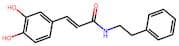
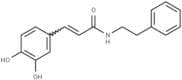
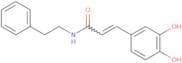
:2-Propenamide, 3-(3,4-dihydroxyphenyl)-N-(2-phenylethyl)-
Description:
2-Propenamide, 3-(3,4-dihydroxyphenyl)-N-(2-phenylethyl)-, also known by its CAS number 105955-01-9, is an organic compound characterized by its amide functional group and a propenamide backbone. This compound features a phenolic moiety with two hydroxyl groups on the aromatic ring, contributing to its potential reactivity and biological activity. The presence of the N-(2-phenylethyl) substituent indicates that it has a phenethylamine structure, which may influence its pharmacological properties. The compound is likely to exhibit solubility in organic solvents due to its hydrophobic phenyl groups, while the hydroxyl groups may impart some degree of hydrophilicity. Its structural features suggest potential applications in medicinal chemistry, particularly in the development of compounds with antioxidant or anti-inflammatory properties. Additionally, the presence of multiple functional groups may allow for further chemical modifications, enhancing its utility in various chemical syntheses or biological studies. Overall, this compound represents a complex structure with potential significance in both research and application.
Formula:C17H17NO3
Synonyms:- 2-PropenaMide, 3-(3,4-dihydroxyphenyl)-N-(2-phenylethyl)-
- N-caffeoyl-2-phenylethylamine
- KS 370G >=98% (HPLC)
Sort by
Purity (%)
0
100
|
0
|
50
|
90
|
95
|
100
Found 3 products.
KS370G
CAS:KS370G, a caffeine derivative, reduces kidney fibrosis, inflammation, and heart stress in mice.Formula:C17H17NO3Purity:99.87%Color and Shape:SolidMolecular weight:283.32KS370G
CAS:KS370G is an amide analog of the antibiotic erythromycin. It inhibits efflux pump activity and fatty acid synthesis in Gram-negative bacteria, including Pseudomonas aeruginosa. KS370G also has cardioprotective properties and can be used as a hypoglycemic agent. In rats, it has been shown to reduce the incidence of myocardial infarcts caused by a high-fat diet. In addition, KS370G has antimicrobial activity against P. aeruginosa and other Gram-negative bacteria. This drug is orally bioavailable at doses of 3 mg/kg in Sprague-Dawley rats, with no significant adverse effects observed up to 50 mg/kg.
Formula:C17H17NO3Purity:Min. 95%Molecular weight:283.32 g/molRef: 3D-FEA95501
Discontinued product