CAS 107-43-7
:Betaine
Description:
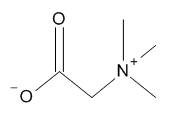
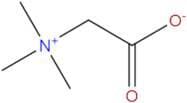
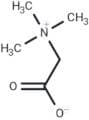
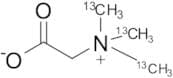
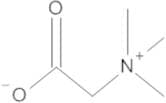
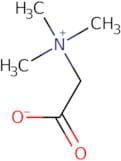
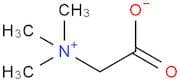
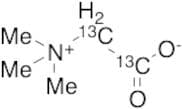
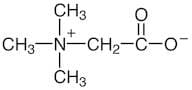
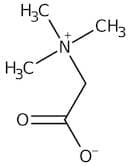
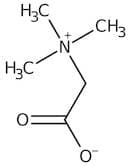
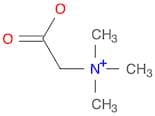
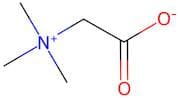
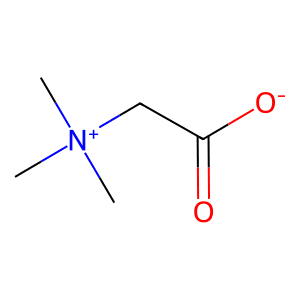
Betaine, with the CAS number 107-43-7, is a naturally occurring compound classified as a zwitterionic amino acid derivative. It is characterized by its chemical structure, which includes a quaternary ammonium group and a carboxylate group, making it both positively and negatively charged at physiological pH. Betaine is soluble in water and exhibits hygroscopic properties, allowing it to attract moisture. It is commonly found in sugar beets, spinach, and other plants, and is often used as a feed additive in livestock to improve growth and feed efficiency. In human nutrition, betaine is recognized for its role in methylation processes and as a potential osmoprotectant, helping cells maintain their structure and function under stress conditions. Additionally, it has garnered attention for its potential benefits in athletic performance and metabolic health. Overall, betaine is valued for its multifunctional properties in both biological systems and various industrial applications.
Formula:C5H11NO2
InChI:InChI:1S/C5H11NO2/c1-6(2,3)4-5(7)8/h4H2,1-3H3
InChI key:InChIKey=KWIUHFFTVRNATP-UHFFFAOYSA-N
SMILES:C([N+](C)(C)C)C([O-])=O
Synonyms:- (Carboxymethyl)trimethylammonium hydroxide inner salt
- (Trimethylammonio)Acetate
- (Trimethylammonio)Acetate-Glycine (1:1)
- 2-(Trimethylammonio)ethanoic acid, hydroxide, inner salt
- 2-(Trimethylazaniumyl)acetate
- Abromine
- Aminocoat
- Ammonium compounds, substituted, (carboxymethyl)trimethyl-, hydroxide, inner salt
- Aquadew AN 100
- Auqadew AN 100
- Betafin
- Betafin BCR
- Betafin BP
- Betafin BP 20
- Betain
- Betaina
- Betaine anhydrous
- Bluestim
- Cystadane
- Fencaijian
- FinnStim
- Genecare OSMS BA
- Genencare OSMS BA
- Glycine betaine
- Glycine, trimethylbetaine
- Glycocoll betaine
- Glycylbetaine
- Greenstim
- Intracell
- Loramine AMB 13
- Lycine
- Methanaminium, 1-carboxy-N,N,N-trimethyl-, hydroxide, inner salt
- Methanaminium, 1-carboxy-N,N,N-trimethyl-, inner salt
- N,N,N-Trimethylglycine
- Oxyneurine
- Rubrine C
- Trimethylbetaine
- Trimethylglycine
- Trimethylglycocoll
- carboxy-N,N,N-trimethylmethanaminium
- α-Earleine
- Betaine
- Dimethylsarcosine
- BET
- (CARBOXYMETHYL)TRIMETHYLAMMONIUM HYDROXIDE ANHYDRIDE
- glycocollbetaine
- 1-Carboxy-N,N,N-trimethylmethanaminium inner salt
- BETAINE BASE
- N-TRIMETHYLGLYCINE HYDROXIDE
- See more synonyms
Sort by
Purity (%)
0
100
|
0
|
50
|
90
|
95
|
100
Betaine Anhydrous
CAS:Formula:C5H11NO2Purity:>97.0%(T)Color and Shape:White to Almost white powder to crystalMolecular weight:117.15Betaine, 5M Solution, Molecular Biology Grade, Ultrapure
CAS:Thermo Scientific Betaine Molecular Biology Grade UltrapureFormula:C5H11NO2Molecular weight:117.15Betaine, anhydrous, 98%
CAS:Betaine is an active ingredient in toothpaste to control the symptoms of dryness of the mouth. It is used to treat homocystinuria, which is a defect in the major pathway of methionine biosynthesis. It is also used for boosting the immune system and for improving athletic performance. It is helpfulFormula:C5H11NO2Purity:98%Color and Shape:White, Crystals or powder or crystalline powder or granulesMolecular weight:117.15Betaine
CAS:Quaternary ammonium salts and hydroxides, whether or not chemically defined, nesoiFormula:C5H11NO2Color and Shape:White Crystalline PowderMolecular weight:117.07898Methanaminium, 1-carboxy-N,N,N-trimethyl-, inner salt
CAS:Formula:C5H11NO2Purity:96%Color and Shape:SolidMolecular weight:117.1463Betaine, anhydrous
CAS:Formula:C5H11NO2Purity:98.0 - 102.0 % (dried basis)Color and Shape:White to off-white crystalline powderMolecular weight:117.15Betaine Anhydrous [for Biochemical Research]
CAS:Formula:C5H11NO2Purity:>97.0%(T)Color and Shape:White to Almost white powder to crystalMolecular weight:117.15Betaine
CAS:Formula:C5H11NO2Purity:98.0%Color and Shape:Solid, Crystalline Powder or PowderMolecular weight:117.148Betaine
CAS:Betaine, a glycine derivative from sugar beets, may aid muscle gain, fat loss, and heart health by enhancing protein synthesis.Formula:C5H11NO2Purity:99.9% - 99.96%Color and Shape:SolidMolecular weight:117.15Betaine
CAS:Applications Betaine, is the product of the enzyme oxidation of choline. It can also be used as an organic osmolytes. Betain is a methyl donor of increasingly recognized significance in biology. It can also be used for the treatment of homocystinuria which is an inherited disorder of the metabolism of amino acid methionine.
References J. Biol. Chem., 234, 1171 (1959); Alex, N. et al.: Org. Chem., (1987); Rees, W. et al.: Biochem., 32, 137 (1993);Formula:C5H11NO2Color and Shape:NeatMolecular weight:117.15Betaine
CAS:Osmolyte giving cellular protection against environmental stress
Formula:C5H11NO2Purity:99.0 To 101.0%Color and Shape:White Off-White PowderMolecular weight:117.15 g/molBetaine (Glycine Betaine) pure, 98%
CAS:Formula:C5H11NO2Purity:min. 98%Color and Shape:White, Crystalline powderMolecular weight:117.15







![Betaine Anhydrous [for Biochemical Research]](/_next/image/?url=https%3A%2Fstatic.cymitquimica.com%2Fproducts%2F3B%2Fthumb%2FB6796.jpg&w=3840&q=75)