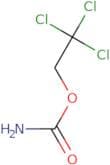
CAS 107-69-7
:Carbamic acid, 2,2,2-trichloroethyl ester
Description:
Carbamic acid, 2,2,2-trichloroethyl ester, also known as trichloroethyl carbamate, is an organic compound characterized by its ester functional group derived from carbamic acid. It features a trichloroethyl group, which contributes to its unique chemical properties. This compound is typically a colorless to pale yellow liquid with a faint odor. It is known for its moderate solubility in organic solvents and limited solubility in water. The presence of the trichloroethyl moiety imparts significant stability and lipophilicity, making it useful in various applications, including as an intermediate in the synthesis of pesticides and pharmaceuticals. However, it is important to handle this compound with care due to its potential toxicity and environmental impact. Safety data sheets recommend appropriate protective measures when working with this substance, as it may pose health risks through inhalation or skin contact. Overall, carbamic acid, 2,2,2-trichloroethyl ester is a notable compound in organic chemistry with specific applications and safety considerations.
Formula:C3H4Cl3NO2
InChI:InChI=1S/C3H4Cl3NO2/c4-3(5,6)1-9-2(7)8/h1H2,(H2,7,8)
InChI key:InChIKey=QPLJYAKLSCXZSF-UHFFFAOYSA-N
SMILES:C(C(Cl)(Cl)Cl)OC(N)=O
Synonyms:- Carbamic acid trichloroethyl ester
- Carbamic acid, 2,2,2-trichloroethyl ester
- Ethanol, 2,2,2-trichloro-, 1-carbamate
- Ethanol, 2,2,2-trichloro-, carbamate
- Trichlorourethan
- Trichlorourethane
- Voluntal
Sort by
Purity (%)
0
100
|
0
|
50
|
90
|
95
|
100
Found 1 products.
2,2,2-Trichloroethyl carbamate
CAS:Trichloroethanol is a chemical compound with the molecular formula CHClCHOH. It is an organic solvent that has been used in the manufacture of lacquers and varnishes, as well as in pharmaceuticals to dissolve resins before making tablets. Trichloroethanol also has been used for therapeutic purposes for the treatment of autoimmune diseases, bowel disease, cancer and metabolic disorders. Trichloroethanol is metabolized by cytochrome P450 enzymes to produce its active form trichloroacetic acid. The metabolites may then bind to DNA, inhibiting RNA synthesis and protein synthesis. This process leads to cell death by apoptosis. Trichloroethanol is also metabolized by glycosidic bond hydrolysis that leads to the formation of a bicyclic heterocycle intermediate which reacts with fatty acids to produce acrolein and other reactive aldehydes that are cytotoxic and can cause oxidative stress in cells.Formula:C3H4Cl3NO2Purity:Min. 95%Color and Shape:PowderMolecular weight:192.42 g/mol