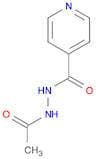
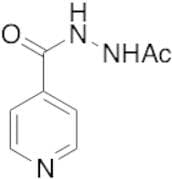
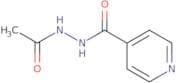
CAS 1078-38-2
:Acetylisoniazid
- 1-Acetyl-2-isonicotinoylhydrazine
- 4-Pyridinecarboxylic acid, 2-acetylhydrazide
- Acetylisoniazid
- Acetylisoniazide
- Hydrazine, 1-acetyl-2-isonicotinoyl-
- Hydrazine,1-Acetyl-2-Isonicotinyl-
- N'-acetylpyridine-4-carbohydrazide
- N-Acetyl-N′-isonicotinoylhydrazine
- N-Acetylisoniazid
- N-Acetylisonicotinylhydrazide
- N-Monoacetylisoniazid
- See more synonyms
4-Pyridinecarboxylicacid, 2-acetylhydrazide
CAS:Formula:C8H9N3O2Color and Shape:SolidMolecular weight:179.1760Acetylisoniazide
CAS:Acetylisoniazide is an antimicrobial agent that belongs to the group of enzyme inducers. It is a prodrug that is hydrolyzed by esterases in the body to picolinic acid and acetyl-CoA. Acetylisoniazide has been shown to inhibit the growth of bacteria, yeast, and fungi that are resistant to other antimicrobial agents. This drug also inhibits the production of pyrazinoic acid, a metabolite of tryptophan synthesis and an activator of macrophages. Acetylisoniazide has been shown to have a synergistic effect with isoniazid for the treatment of tuberculosis. The polymerase chain reaction (PCR) method was used for this study. Acetylisoniazide binds to human serum albumin, which decreases its solubility in water and affects its reactivity with fluorescence probes. The matrix effect was investigated using rat liver microsomes as a model system.
Formula:C8H9N3O2Purity:Min. 95 Area-%Color and Shape:PowderMolecular weight:179.18 g/mol