CAS 11029-12-2
:Anthocyanins, grape
Description:
Anthocyanins are a class of water-soluble pigments belonging to the flavonoid group, primarily responsible for the red, purple, and blue colors in many fruits, vegetables, and flowers. The specific compound associated with grapes, identified by the CAS number 11029-12-2, is a type of anthocyanin that contributes to the color of grape skins and is often linked to various health benefits. These compounds are known for their antioxidant properties, which help combat oxidative stress in the body. Anthocyanins are sensitive to pH changes, leading to color variations; they appear red in acidic conditions and blue in alkaline environments. In addition to their role in plant coloration, anthocyanins have been studied for their potential health benefits, including anti-inflammatory and cardioprotective effects. They are commonly extracted from grapes for use in food coloring, dietary supplements, and natural health products. Overall, anthocyanins play a significant role in both the aesthetic appeal of grapes and their nutritional value.
Formula:Unspecified
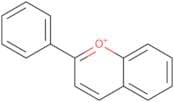
InChI:InChI=1/C15H11O/c1-2-6-12(7-3-1)15-11-10-13-8-4-5-9-14(13)16-15/h1-11H/q+1
SMILES:c1ccc(cc1)C1C=Cc2ccccc2O1
Synonyms:- Anthocyanins
- Grape Skin Extract 30% Polyphenols
- Anthocyanins, grape
- Blueberryanthocyanins
- Grapejuicecolour
- Hibiscussabdariffal.Anthocyanins
- Grapeskincolour
- Purplecorncolour
- 2-Phenylchromenium
- Hibiscus Flower extract
Sort by
Purity (%)
0
100
|
0
|
50
|
90
|
95
|
100
Found 3 products.
Enocyanin
CAS:Enocyanin from grapes inhibits enzymes like leucine aminopeptidase and esterase.Purity:98%Color and Shape:Violet-Red Fine PowderEnocyanin
CAS:Controlled ProductApplications Enocyanin (CAS# 11029-12-2) is a useful research chemical compound.
Formula:C27H31O16Color and Shape:Dark Purple To BlackMolecular weight:611.53Enocyanin
CAS:Enocyanin is a cyclase inhibitor that binds to the dna binding site of the enzyme and blocks its activity. This compound has been shown to inhibit the polymerase chain reaction in human HL-60 cells, suggesting that it may have anti-cancer properties. Enocyanin has also demonstrated inhibitory effects on brain functions, such as memory and learning, by inhibiting the synthesis of neurotransmitters. The basic structure of enocyanin is similar to that of anthocyanins which are found in plants. These compounds have been shown to have anti-inflammatory properties, which may be due to their ability to inhibit prostaglandin synthesis.
Formula:C27H31O16Purity:(Uv) Min. 60%Color and Shape:Purple PowderMolecular weight:611.53Ref: 3D-FE71956
Discontinued product