CAS 11041-12-6
:Cholestyramine
Description:
Cholestyramine is a bile acid sequestrant primarily used to lower cholesterol levels in patients with hyperlipidemia and to manage certain types of diarrhea. It is a synthetic, insoluble polymer that binds bile acids in the gastrointestinal tract, preventing their reabsorption and promoting their excretion. This mechanism leads to a reduction in circulating cholesterol levels as the liver compensates for the loss of bile acids by converting cholesterol into bile. Cholestyramine is typically administered as a powder that is mixed with water or other liquids before consumption. It is known for its potential side effects, which may include gastrointestinal discomfort, constipation, and interference with the absorption of fat-soluble vitamins and other medications. The substance is not absorbed into the bloodstream, which contributes to its safety profile but also necessitates careful monitoring of nutrient levels in long-term use. Overall, cholestyramine plays a significant role in lipid management and is an important therapeutic option in specific clinical scenarios.
Formula:Unspecified
Synonyms:- Cholebar
- Cholestyramin
- Cholestyramine
- Cholestyramine Chloride
- Cholestyramine hydroxide
- Cholybar
- Colestiramina
- Colestyramin
- Colestyramine
- Cuemid
- Divistyramine
- Dowex 1-X2-Cl
- LoCholest
- Mk-135
- Quantalan
- Questran
- Questran Light
- Resin, Cholestyramine
- See more synonyms
Sort by
Purity (%)
0
100
|
0
|
50
|
90
|
95
|
100
Found 9 products.
Cholestyramine Resin
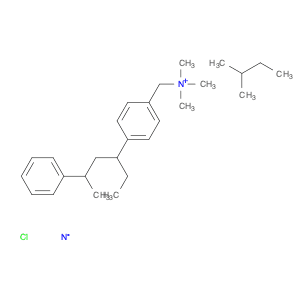
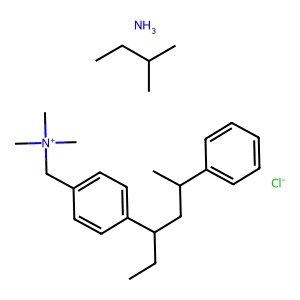
CAS:Cross-linked polyvinylbenzyltrimethylammonium chloride (cholestyramine resin usp)Formula:C21H30ClNColor and Shape:White Off-White PowderMolecular weight:331.92Cholestyramine
CAS:Cholestyramine (Cholestyramine resin), a bile acid-binding resin, inhibits intestinal bile acid absorption which results in the increasing bile acid synthesisFormula:C27H47ClN2Purity:98%Color and Shape:SolidMolecular weight:435.14Cholestyramine (Technical Grade)
CAS:Applications Cholestyramine is used in biological study for current trends in anti-thyroid drug treatment of Graves disease. It is also used in pharmacological activity in treatment of capecitabine-induced enterocolitis.
References Abusneineh, B., et al.: Translational Gastrointestinal Cancer, 4, 252-255 (2015); Okosieme, O. E., & Lazarus, J. H.: Expert Opin. Pharmaco., 17, 2005-2017 (2016);Formula:(C26H40ClN)nColor and Shape:White To Light PinkMolecular weight:435.1Cholestyramine resin
CAS:Cholestyramine is a resin that is used to lower cholesterol levels in the blood. It binds to bile acids, which are produced in the liver from cholesterol, and prevents their reabsorption from the intestines. Cholestyramine resin is used as a dietary supplement for patients with erythropoietic protoporphyria or for those who have had gallstones removed. This drug also reduces serum bile acid concentrations and has been shown to inhibit cholesterol synthesis in animal experiments. Cholestyramine resin has not been shown to affect glomerular filtration rate or renal function in humans. Cholestyramine may interfere with certain laboratory tests, such as blood sampling, because it can bind to proteins and alter their structure.Formula:C27H47ClN2Color and Shape:PowderMolecular weight:435.1 g/mol