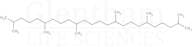
CAS 111-01-3
:Squalane
Description:
Squalane is a saturated hydrocarbon and a derivative of squalene, which is a natural organic compound found in various plants and animals, particularly in shark liver oil and olive oil. It is a colorless, odorless, and non-toxic liquid at room temperature, characterized by its emollient properties, making it a popular ingredient in cosmetics and skincare products. Squalane has a high molecular weight and is known for its ability to mimic the skin's natural oils, providing hydration and enhancing skin barrier function. It is stable and resistant to oxidation, which contributes to its long shelf life. Additionally, squalane is non-comedogenic, meaning it does not clog pores, making it suitable for various skin types, including oily and acne-prone skin. Its low viscosity allows for easy absorption, leaving a silky, non-greasy feel on the skin. Due to its biocompatibility and moisturizing properties, squalane is also used in pharmaceuticals and as a lubricant in various industrial applications.
Formula:C30H62
InChI:InChI=1S/C30H62/c1-25(2)15-11-19-29(7)23-13-21-27(5)17-9-10-18-28(6)22-14-24-30(8)20-12-16-26(3)4/h25-30H,9-24H2,1-8H3
InChI key:InChIKey=PRAKJMSDJKAYCZ-UHFFFAOYSA-N
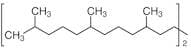
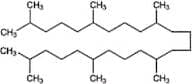
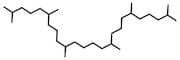
SMILES:C(CC(CCCCC(CCCC(CCCC(C)C)C)C)C)CC(CCCC(C)C)C
Synonyms:- 2,6,10,15,19,23-Hexamethyltetra-cosane
- 2,6,10,15,19,23-Hexamethyltetracosan
- 2,6,10,15,19,23-Hexametiltetracosano
- Biolip P 90
- Cetiol SQ
- Cosbiol
- Dodecahydrosqualene
- Fitoderm
- Hexamethyltetracosane
- Mild Finish 20P
- Nikko Squalane
- Nikkol Refined Olive Squalane
- Nikkol Sugar Squalane
- Nsc 6851
- Perhydrosqualene
- Phtyosqualan
- Phytiane LS
- Phytolane LS
- Phytosqualan
- Phytosqualane
- Pripure 3759
- Pripure 379
- Pripure SQV 3759
- Robane
- Sophim Squalane-S
- Spinacane
- Sq-Cono
- Squalan
- Squalane
- Squalane N
- Sugar Squalane
- Super Squalane
- Tetracosane, 2,6,10,15,19,23-hexamethyl-
- Tetracosane, 2,6,10,15,19,23-hexamethyl-, (all-E)-
- Vitabiosol
- See more synonyms
Sort by
Purity (%)
0
100
|
0
|
50
|
90
|
95
|
100
Found 16 products.
Squalane
CAS:Formula:C30H62Purity:>98.0%(GC)Color and Shape:Colorless clear liquidMolecular weight:422.83Squalane, ≥88%
CAS:Squalane influence on the vital pathway that transforms glucose into cholesterol may be pivotal. It regulates or controls the rate of synthesis of the enzyme HMG Co-A reductase, and may contribute to effective treatments for cancer and heart disease. It plays an important role as a terminator in theFormula:C30H62Purity:88%Color and Shape:Clear colorless, LiquidMolecular weight:422.83Squalane
CAS:Saturated acyclic hydrocarbons (excl ethane and butane)Formula:C30H62Color and Shape:Colorless LiquidMolecular weight:422.485152,6,10,15,19,23-Hexamethyltetracosane
CAS:Formula:C30H62Purity:97%Color and Shape:LiquidMolecular weight:422.8133Squalane
CAS:Formula:C30H62Purity:≥ 97.5%Color and Shape:Clear, colourless liquidMolecular weight:422.83Squalane
CAS:Squalane (Perhydrosqualene) is a naturally occurring lipid in both plants and animals.Formula:C30H62Purity:98% - ≥98%Color and Shape:Colourless LiquidMolecular weight:422.81Squalane
CAS:Applications Squalane is used as an emollient and moisturizer in cosmetic applications.
References Allison, A.: Method, 19, 87 (1999)Formula:C30H62Color and Shape:ColourlessMolecular weight:422.81Squalane
CAS:Squalane is a low-molecular-weight model system that has been used to study the reaction mechanism of hydrogen transfer reactions. Squalane is an inhibitor of leukocyte functions, and has been shown to have antimicrobial activities. The reactive nature of squalane makes it useful in the treatment of bacterial infections.Formula:C30H62Purity:Min. 95%Color and Shape:Colorless Clear LiquidMolecular weight:422.81 g/mol