CAS 111003-33-9
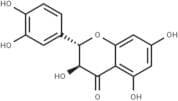
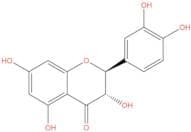
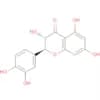
:4H-1-Benzopyran-4-one,2-(3,4-dihydroxyphenyl)-2,3-dihydro-3,5,7-trihydroxy-, (2S,3S)-
Description:
The chemical substance known as "4H-1-Benzopyran-4-one, 2-(3,4-dihydroxyphenyl)-2,3-dihydro-3,5,7-trihydroxy-, (2S,3S)-" with CAS number 111003-33-9 is a flavonoid compound characterized by its complex polyphenolic structure. This compound features a benzopyran core, which is typical of flavonoids, and is substituted with multiple hydroxyl groups that contribute to its potential antioxidant properties. The presence of the dihydroxyphenyl group enhances its reactivity and biological activity. The stereochemistry indicated by (2S,3S) suggests specific spatial arrangements of the atoms, which can influence the compound's interactions with biological systems. Such compounds are often studied for their pharmacological effects, including anti-inflammatory, anticancer, and neuroprotective activities. Additionally, the multiple hydroxyl groups can facilitate hydrogen bonding, enhancing solubility in polar solvents and potentially increasing bioavailability. Overall, this compound exemplifies the structural diversity and functional potential of flavonoids in medicinal chemistry and natural product research.
Formula:C15H12O7
Synonyms:- (-)Taxifolin
- (2S,3S)-2-(3,4-Dihydroxyphenyl)-2,3-dihydro-3,5,7-trihydroxy-4H-1-benzopyran-4-one
- (-)-Dihydroquercetin
- (-)-Taxifolin
- 4H-1-Benzopyran-4-one,2-(3,4-dihydroxyphenyl)-2,3-dihydro-3,5,7-trihydroxy-, (2S,3S)-
Sort by
Purity (%)
0
100
|
0
|
50
|
90
|
95
|
100
Found 3 products.
(-)-Taxifolin
CAS:(-)-Taxifolin, less active enantiomer with anti-tyrosinase, collagenase inhibition (IC50 = 193.3 μM), antifibrotic, antioxidant properties.Formula:C15H12O7Color and Shape:SolidMolecular weight:304.25(-)-Taxifolin
CAS:(-)-Taxifolin is a flavonoid compound, which is a type of antioxidant. It is commonly derived from natural sources such as the Siberian larch tree, Douglas fir, or various fruits and vegetables. Taxifolin exerts its effects primarily through scavenging free radicals and modulating various signaling pathways, thereby protecting cells from oxidative stress. Additionally, it may influence enzyme activity and protein expression related to inflammation and cellular metabolism.
Formula:C15H12O7Purity:Min. 95%Color and Shape:PowderMolecular weight:304.25 g/mol