CAS 1121-37-5
:Dicyclopropyl ketone
Description:
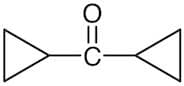
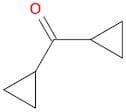
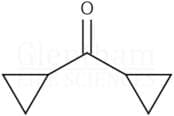
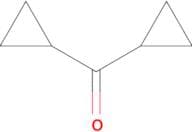
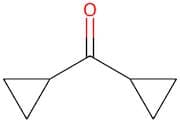
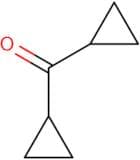
Dicyclopropyl ketone, with the CAS number 1121-37-5, is an organic compound characterized by its unique structure, which features two cyclopropyl groups attached to a carbonyl functional group. This compound typically appears as a colorless to pale yellow liquid with a distinctive odor. Dicyclopropyl ketone is known for its relatively low boiling point and moderate solubility in organic solvents, making it useful in various chemical applications. It is primarily utilized in organic synthesis and as an intermediate in the production of pharmaceuticals and agrochemicals. The presence of the cyclopropyl rings contributes to its reactivity, particularly in electrophilic reactions, and can influence the compound's physical properties, such as volatility and stability. Safety considerations include handling it in well-ventilated areas and using appropriate personal protective equipment, as it may pose health risks upon exposure. Overall, dicyclopropyl ketone is a valuable compound in synthetic organic chemistry, with potential applications in diverse fields.
Formula:C7H10O
InChI:InChI=1S/C7H10O/c8-7(5-1-2-5)6-3-4-6/h5-6H,1-4H2
InChI key:InChIKey=BIPUHAHGLJKIPK-UHFFFAOYSA-N
SMILES:C(=O)(C1CC1)C2CC2
Synonyms:- Cyclopropyl ketone
- Dicyclopropylmethanone
- Methanone, dicyclopropyl-
- NSC 49148
- Dicyclopropyl ketone
Sort by
Purity (%)
0
100
|
0
|
50
|
90
|
95
|
100
Found 6 products.
Dicyclopropyl Ketone
CAS:Formula:C7H10OPurity:>95.0%(GC)Color and Shape:Colorless to Yellow to Orange clear liquidMolecular weight:110.16Dicyclopropylmethanone
CAS:DicyclopropylmethanoneFormula:C7H10OPurity:95%Color and Shape:LiquidMolecular weight:110.15g/molDicyclopropyl ketone
CAS:Dicyclopropyl ketone (DCPK) is a fatty acid that has been shown to have anti-diabetic properties. It alleviates symptoms of diabetic neuropathy, such as pain and tingling, by inhibiting the production of reactive oxygen species. DCPK also inhibits cellular processes, including protein synthesis and mitochondrial ATP production. This compound is an inhibitor of the enzyme acetyl CoA carboxylase, which controls the rate of fatty acid synthesis. The inhibitory effects of DCPK on this enzyme may be due to its ability to form a complex with triclosan in aqueous solution. In addition, it has been shown that this compound can affect the redox potential in bacteria and yeast cells.Formula:C7H10OPurity:Min. 95%Color and Shape:Colorless Clear LiquidMolecular weight:110.15 g/mol