CAS 1132-18-9
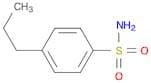
:Benzenesulfonamide, 4-propyl- (9CI)
Description:
Benzenesulfonamide, 4-propyl- (9CI), with the CAS number 1132-18-9, is an organic compound characterized by the presence of a sulfonamide functional group attached to a benzene ring, which is further substituted with a propyl group at the para position. This compound typically appears as a white to off-white solid and is known for its moderate solubility in organic solvents. It exhibits properties associated with sulfonamides, including potential antibacterial activity, although its specific biological effects can vary. The presence of the propyl group influences its hydrophobic characteristics, which may affect its interactions in biological systems. Benzenesulfonamides are often utilized in various applications, including pharmaceuticals and agrochemicals, due to their ability to act as intermediates in chemical synthesis. Additionally, the compound's stability and reactivity can be influenced by the electronic effects of the substituents on the benzene ring, making it a subject of interest in medicinal chemistry and material science.
Formula:C9H13NO2S
Sort by
Purity (%)
0
100
|
0
|
50
|
90
|
95
|
100
Found 3 products.
BENZENESULFONAMIDE, 4-PROPYL-
CAS:Formula:C9H13NO2SPurity:%Color and Shape:SolidMolecular weight:199.27004-Propylbenzene-1-sulfonamide
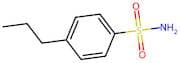
CAS:4-Propylbenzene-1-sulfonamidePurity:95%Molecular weight:199.27g/mol4-N-Propylbenzenesulfonamide
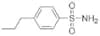
CAS:4-N-Propylbenzenesulfonamide is a hydrophobic compound that binds to the active site of carbonyl reductase, an enzyme involved in the metabolism of ketones and aldehydes. It also inhibits the catalytic activity of this enzyme, which reduces the amount of carbonyls produced in the cell. 4-N-Propylbenzenesulfonamide has been shown to be effective in preventing kidney damage in animal models. The structural features of this drug are similar to those found in acetoacetate and propionate, which are important for stimulating renal function. These drugs can bind to alpha and beta subunits on the surface of renal tubules, resulting in increased blood flow, improved filtration rates, and decreased fluid retention. This leads to protection against acute kidney injury (AKI) and chronic kidney disease (CKD).Formula:C9H13NO2SPurity:Min. 95%Molecular weight:199.27 g/mol