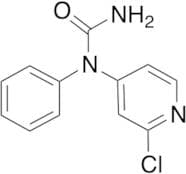
CAS 113282-37-4
:Urea, N-(2-chloro-4-pyridinyl)-N-phenyl-
Forchlorofenuron
CAS:Controlled ProductApplications Forchlorofenuron is a cytokinin which promotes plant cell division and growth.
References Chai, P., et al.: Plant Mol. Biol., 99, 329-346 (2019)Formula:C12H10ClN3OColor and Shape:NeatMolecular weight:247.68Forchlorofenuron
CAS:Forchlorofenuron is a potent anticancer agent that targets protein kinases in cancer cells, inducing apoptosis and inhibiting tumor growth. This analog of the natural cytokinin hormone has been shown to be effective against a variety of human cancers, including breast, lung, and colon cancer. Forchlorofenuron acts as an inhibitor of protein kinases, which are enzymes that play a key role in cell signaling pathways. By blocking these pathways, Forchlorofenuron can induce apoptosis and prevent the growth and spread of cancer cells. This medicinal compound has been used as a tumor inhibitor in Chinese medicine for many years and can be found in urine samples after administration. Its efficacy against various kinases makes it a promising candidate for future anticancer therapies.
Formula:C12H10ClN3OPurity:Min. 95%Molecular weight:247.68 g/mol