CAS 113973-31-2
:Sarpagan-16-carboxylicacid, 17-hydroxy-, methyl ester, (19Z)-
Description:
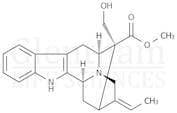
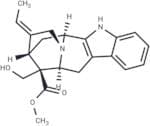
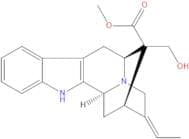
Sarpagan-16-carboxylic acid, 17-hydroxy-, methyl ester, (19Z)-, identified by CAS number 113973-31-2, is a chemical compound that belongs to the class of carboxylic acid esters. This substance features a carboxylic acid functional group, which is characteristic of its acidic properties, and a methyl ester group that contributes to its solubility in organic solvents. The presence of a hydroxyl group indicates potential for hydrogen bonding, which can influence its reactivity and interaction with other molecules. The "(19Z)" designation refers to the specific geometric configuration of the double bond in the molecule, indicating that it has a cis (Z) configuration at the 19th carbon position. This structural feature can significantly affect the compound's biological activity and physical properties. Sarpagan-16-carboxylic acid methyl ester may be of interest in various fields, including medicinal chemistry and biochemistry, due to its potential applications in drug development or as a biochemical probe. However, detailed studies would be necessary to fully understand its properties and potential uses.
Formula:C21H24N2O3
Synonyms:- (19Z)-Rhazine
- 19(Z)-Akuammidine
Sort by
Purity (%)
0
100
|
0
|
50
|
90
|
95
|
100
Found 5 products.
Sarpagan-16-carboxylic acid, 17-hydroxy-, methyl ester, (19Z)-
CAS:Formula:C21H24N2O3Purity:98%Color and Shape:SolidMolecular weight:352.4269(Z)-Akuammidine
CAS:(Z)-Akuammidine is a natural productFormula:C21H24N2O3Color and Shape:SolidMolecular weight:352.43(Z)-Akuammidine
CAS:(Z)-Akuammidine is an indole alkaloid, which is a bioactive compound primarily extracted from the seeds of the African plant Picralima nitida. This compound has garnered scientific interest due to its complex structure and potential pharmacological properties, which may include analgesic and antineoplastic effects. The mode of action of (Z)-Akuammidine is believed to involve interaction with opioid receptors and ion channels, suggesting its potential influence on pain modulation and cellular signaling. Research also indicates its possible involvement in modulating adrenergic and serotonergic systems.
Formula:C21H24N2O3Purity:Min. 95%Molecular weight:352.4 g/mol