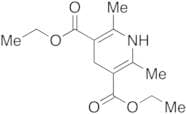
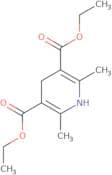
CAS 1149-23-1
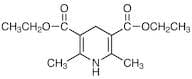
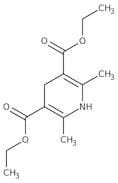
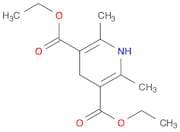
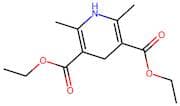
:Hantzsch ester
- 1,4-Dihydro-2,6-dimethyl-3,5-pyridinedicarboxylic acid diethyl ester
- 1,4-Dihydro-3,5-dicarboxylic acid diethyl ester-2,6-dimethylpyridine
- 2,6-Dimethyl-1,4-dihydropyridine-3,5-dicarboxylic acid diethyl ester
- 2,6-Dimethyl-3,5-di(carboethoxy)-1,4-dihydropyridine
- 2,6-Dimethyl-3,5-dicarbethoxy-1,4-dihydropyridine
- 2,6-Dimethyl-3,5-diethoxycarbonyl-1,4-dihydropyridin
- 2,6-Dimethyl-3,5-diethoxycarbonyl-1,4-dihydropyridine
- 3,5-Bis(ethoxycarbonyl)-1,4-dihydro-2,6-dimethylpyridine
- 3,5-Bis(ethoxycarbonyl)-2,6-dimethyl-1,4-dihydropyridine
- 3,5-Dicarbethoxy-2,6-dimethyl-1,4-dihydropyridine
- 3,5-Dicarboethoxy-2,6-dimethyl-1,4-dihydropyridine
- 3,5-Diethoxycarbonyl-1,4-dihydro-2,6-dimethylpyridine
- 3,5-Diethoxycarbonyl-2,6-dimethyl-1,4-dihydropyridine
- 3,5-Diethyl 2,6-dimethyl-1,4-dihydropyridine-3,5-dicarboxylate
- 3,5-Pyridinedicarboxylic acid, 1,4-dihydro-2,6-dimethyl-, 3,5-diethyl ester
- 3,5-Pyridinedicarboxylic acid, 1,4-dihydro-2,6-dimethyl-, diethyl ester
- Diethone
- Diethyl 2,6-Dimethyl-1,4-Dihydropyridine-3,5-Dicarboxylate
- Diethyl-1,4-dihydro-2,6-dimethyl-3,5-pyridinedicarboxylate
- Diludin
- Diludine
- Ethidine
- Hantzsch ester
- Hantzsch's dihydropyridine
- NSC 120573
- NSC 3344
- Rr 116
- 5-pyridinedicarboxylicacid,1,4-dihydro-2,6-dimethyl-diethylester
- rr116
- AURORA 4780
- etidin
- hantzschester
- DIETHYL 2,6-DIMETHYL-1,4-DIHYDRO-3,5-PYRIDINEDICARBOXYLATE
- diethyl 1,4-dihydro-2,6-dimethylpyridine-3,5-dicarboxylate
- DIETHYL 2,6-DIMETHYL-1,4-DIHYDROPYRIDINEDICARBOXYLATE
- RARECHEM AQ NN 0171
- hantzsch’sdihydropyridine
- Dihydropyridinum
- See more synonyms
Diethyl 1,4-Dihydro-2,6-dimethyl-3,5-pyridinedicarboxylate
CAS:Formula:C13H19NO4Purity:>98.0%(HPLC)(N)Color and Shape:Light yellow to Yellow to Green powder to crystalMolecular weight:253.30Diethyl 1,4-dihydro-2,6-dimethylpyridine-3,5-dicarboxylate, 98%
CAS:Diethyl 1,4-dihydro-2,6-dimethyl-3,5-pyridinedicarboxylate is a hydrogen source in conjugate reduction and organocatalytic reductive amination. It is used as a hydrogen source in organocatalytic reductive amination and conjugate reduction. This Thermo Scientific Chemicals brand product was originallFormula:C13H19NO4Purity:98%Color and Shape:Crystals or powder or crystalline powder, Pale yellow to yellow to greenMolecular weight:253.30Diethyl 2,6-dimethyl-1,4-dihydropyridine-3,5-dicarboxylate
CAS:Formula:C13H19NO4Purity:97%Color and Shape:SolidMolecular weight:253.2943Diethyl 1,4-Dihydro-2,6-dimethyl-3,5-pyridinedicarboxylate
CAS:Diethyl 1,4-Dihydro-2,6-dimethyl-3,5-pyridinedicarboxylateFormula:C13H19NO4Purity:95%Color and Shape: faint yellow crystalline powderMolecular weight:253.29g/molDiethyl 1,4-dihydro-2,6-dimethyl-3-5-pyridinedicarboxylate
CAS:Formula:C13H19NO4Purity:98.0%Color and Shape:Solid, Crystalline Powder or PowderMolecular weight:253.2983,5-Dicarboethoxy-2,6-dimethyl-1,4-dihydropyridine
CAS:Applications 3,5-Dicarboethoxy-2,6-dimethyl-1,4-dihydropyridine is a dihydropyridine derivative that have been tested for antimicrobial activities.
References Murthy, Y.L.. et al.: Bioorg. Med. Chem. Lett., 22, 6016 (2012); Vaitkuviene, A., et al.: Pharmacol. Rep., 58, 551 (2006);Formula:C13H19NO4Color and Shape:Light Yellow To Light GreenMolecular weight:253.29Diethone
CAS:Diethone is a chemical compound that has been found to have a variety of biological effects. It has been shown to inhibit the activity of enzymes, such as phospholipase A2, cyclooxygenase-1 and -2, lipoxygenase-1 and -2, and glutathione S-transferases. In addition, diethone inhibits the synthesis of prostaglandins and leukotrienes. Diethone also has various physiological functions in humans. It is an eye irritant that can cause conjunctivitis and corneal damage if it comes into contact with the eye. Diethone also inhibits toll-like receptor (TLR) signaling in macrophages and myeloid cells, which may be due to its ability to inhibit NF-κβ activation. Diethone is also involved in metabolic disorders such as bowel disease or liver disease. This compound is metabolized by rat liver microsomes and produces a number of
Formula:C13H19NO4Purity:Min. 95%Color and Shape:Yellow PowderMolecular weight:253.29 g/mol