CAS 115610-36-1
:Avenanthramide D
Description:
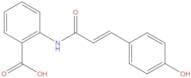
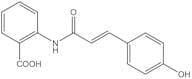
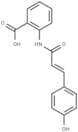
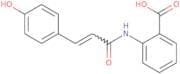
Avenanthramide D is a naturally occurring phenolic compound primarily found in oats, specifically in the Avena sativa species. It belongs to a class of compounds known as avenanthramides, which are known for their antioxidant and anti-inflammatory properties. Avenanthramide D is characterized by its unique chemical structure, which includes a phenolic amide moiety. This compound has garnered attention for its potential health benefits, including its ability to modulate inflammatory responses and provide protective effects against oxidative stress. Additionally, it may contribute to the health-promoting properties of oats, making them a valuable component of a balanced diet. Avenanthramide D is soluble in organic solvents and exhibits stability under various conditions, although its bioavailability and metabolism in the human body are areas of ongoing research. Overall, Avenanthramide D represents a significant focus in nutritional biochemistry and functional food research due to its promising health benefits.
Formula:C16H13NO4
InChI:InChI=1S/C16H13NO4/c18-12-8-5-11(6-9-12)7-10-15(19)17-14-4-2-1-3-13(14)16(20)21/h1-10,18H,(H,17,19)(H,20,21)/b10-7+
InChI key:InChIKey=INBHLTYBRKASIZ-JXMROGBWSA-N
SMILES:N(C(/C=C/C1=CC=C(O)C=C1)=O)C2=C(C(O)=O)C=CC=C2
Synonyms:- 2-[[(2E)-3-(4-Hydroxyphenyl)-1-oxo-2-propen-1-yl]amino]benzoic acid
- Avenanthramide 1p
- Avenanthramide D
- Benzoic acid, 2-[[(2E)-3-(4-hydroxyphenyl)-1-oxo-2-propenyl]amino]-
- Benzoic acid, 2-[[3-(4-hydroxyphenyl)-1-oxo-2-propenyl]amino]-,(E)-
- Benzoic acid,2-[[(2E)-3-(4-hydroxyphenyl)-1-oxo-2-propenyl]amino]- (9CI)
- Dianthramide P
- N-(E)-p-Coumaroylanthranilic acid
- N-p-Coumarylanthranilic acid
- Benzoic acid, 2-[[(2E)-3-(4-hydroxyphenyl)-1-oxo-2-propen-1-yl]amino]-
Sort by
Purity (%)
0
100
|
0
|
50
|
90
|
95
|
100
Found 6 products.
Avenanthramide D
CAS:Avenanthramide D is a biochemical.Formula:C16H13NO4Color and Shape:SolidMolecular weight:283.28Avenanthramid D
CAS:Avenanthramid D is a dietary supplement that can be found in the form of an extract from the plant Dianthus caryophyllus. This extract has been shown to have anti-inflammatory properties, which may be due to its inhibition of tyrosinase, a key enzyme in melanin biosynthesis. Avenanthramid D also inhibits the activity of other enzymes, such as anthranilic acid synthetase and amino acid decarboxylase. The biosynthesis of avenanthramides is initiated by the activation of anthranilic acid by an enzyme called anthranilate synthase. This enzyme is inhibited by sulfonamides and other compounds that act as competitive inhibitors for this enzyme's binding site on the anthranilate molecule.Formula:C16H13NO4Purity:Min. 95%Molecular weight:283.28 g/mol