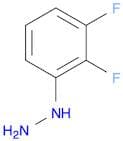
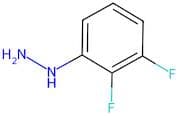
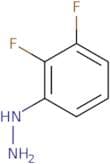
CAS 116681-58-4
:(2,3-DIFLUOROPHENYL)HYDRAZINE
- Hydrazine, (2,3-difluorophenyl)-
- (2,3-DIFLUOROPHENYL)HYDRAZINE
(2,3-Difluorophenyl)hydrazine
CAS:(2,3-Difluorophenyl)hydrazinePurity:97%Molecular weight:144.12g/molHydrazine, (2,3-difluorophenyl)-
CAS:Hydrazine is an organic compound with the chemical formula HN-NH2. Hydrazine is a colorless, water-soluble liquid with an extremely unpleasant odor. It has many industrial and agricultural uses, including in pharmaceutical preparations. Hydrazine reacts with acids to produce hydrogen gas and a salt plus water. It also undergoes reductive amination with ketones or aldehydes to give secondary amines.
Hydrazine is used as an intermediate in the production of agrochemicals, dyes, pharmaceuticals, explosives, and other chemicals. It is also used as a reducing agent for analytical chemistry purposes or as a reagent in organic synthesis.
Hydrazine can be found in small quantities in some plants such as potatoes and spinach where it acts as an acidity regulator that helps prevent the plants from wilting under high soil pH levels.END>>Formula:C6H6F2N2Purity:Min. 95%Molecular weight:144.12 g/molRef: 3D-REA68158
Discontinued product